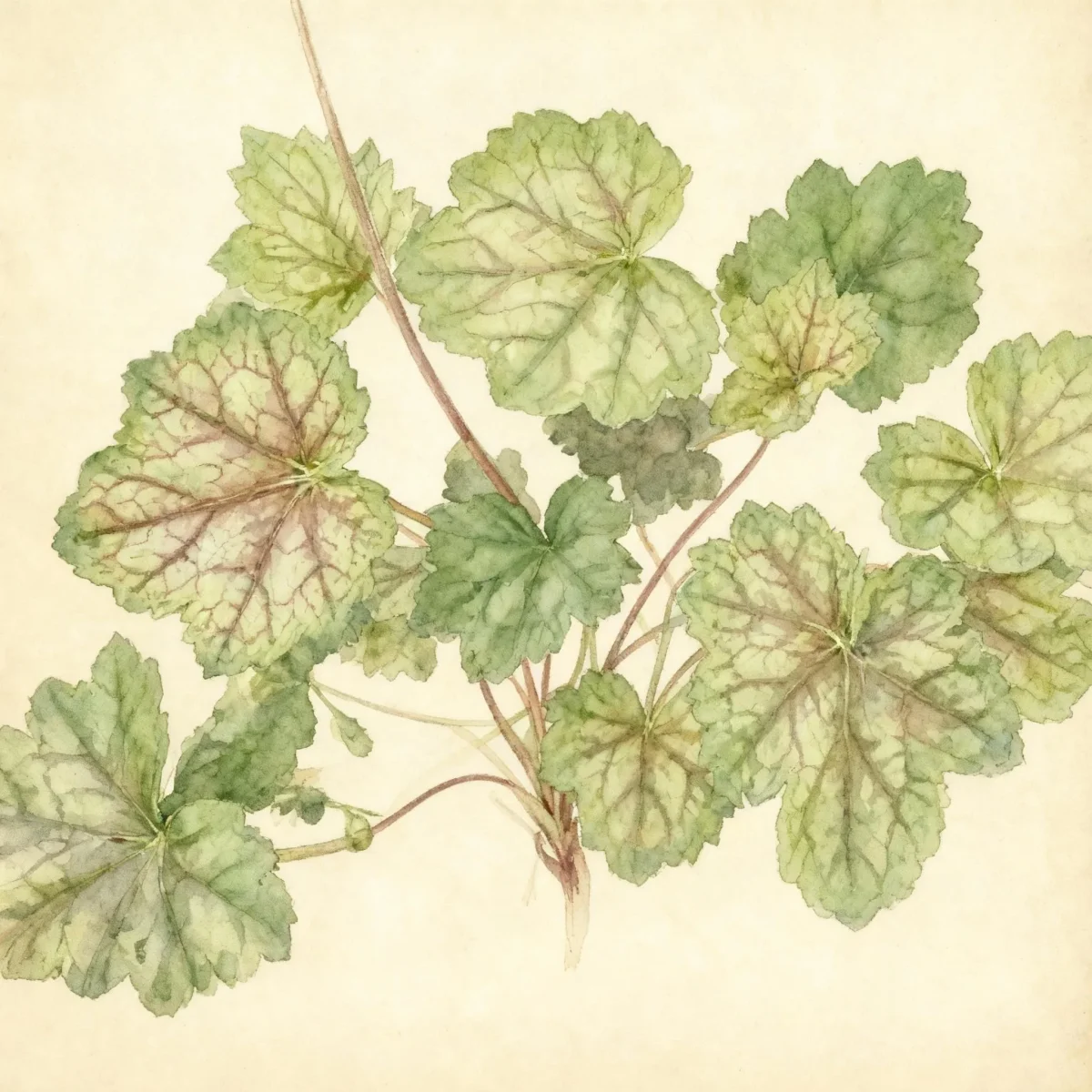
Coral bells (Heuchera 'Cherry Cola')
Vibrant Heuchera 'Cherry Cola' coral bells offer reddish-brown leaves and bright cherry red blooms from June to July.
Scroll down to discover growing tips, care requirements, companion plants, and more
Complete Plant Information
Overview
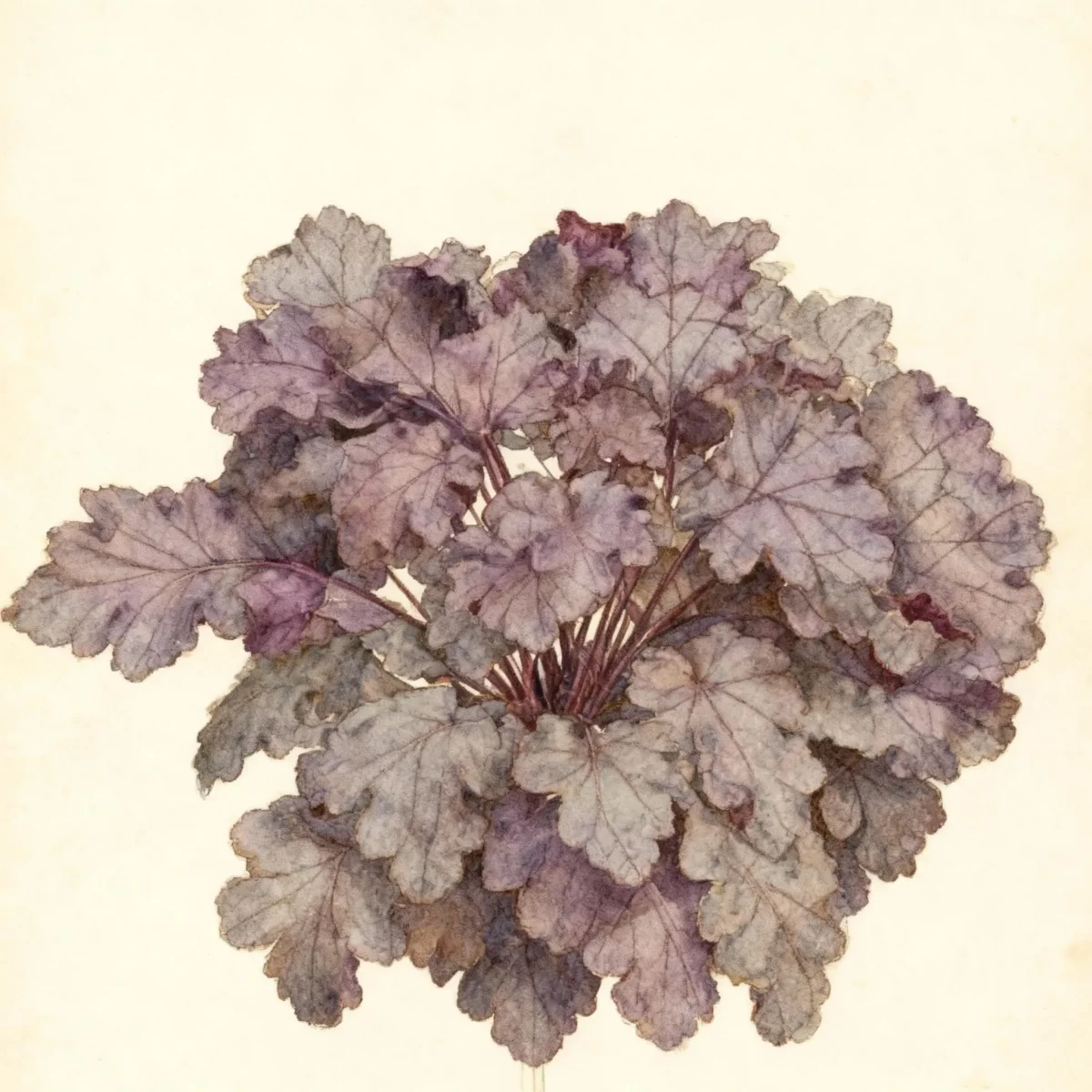
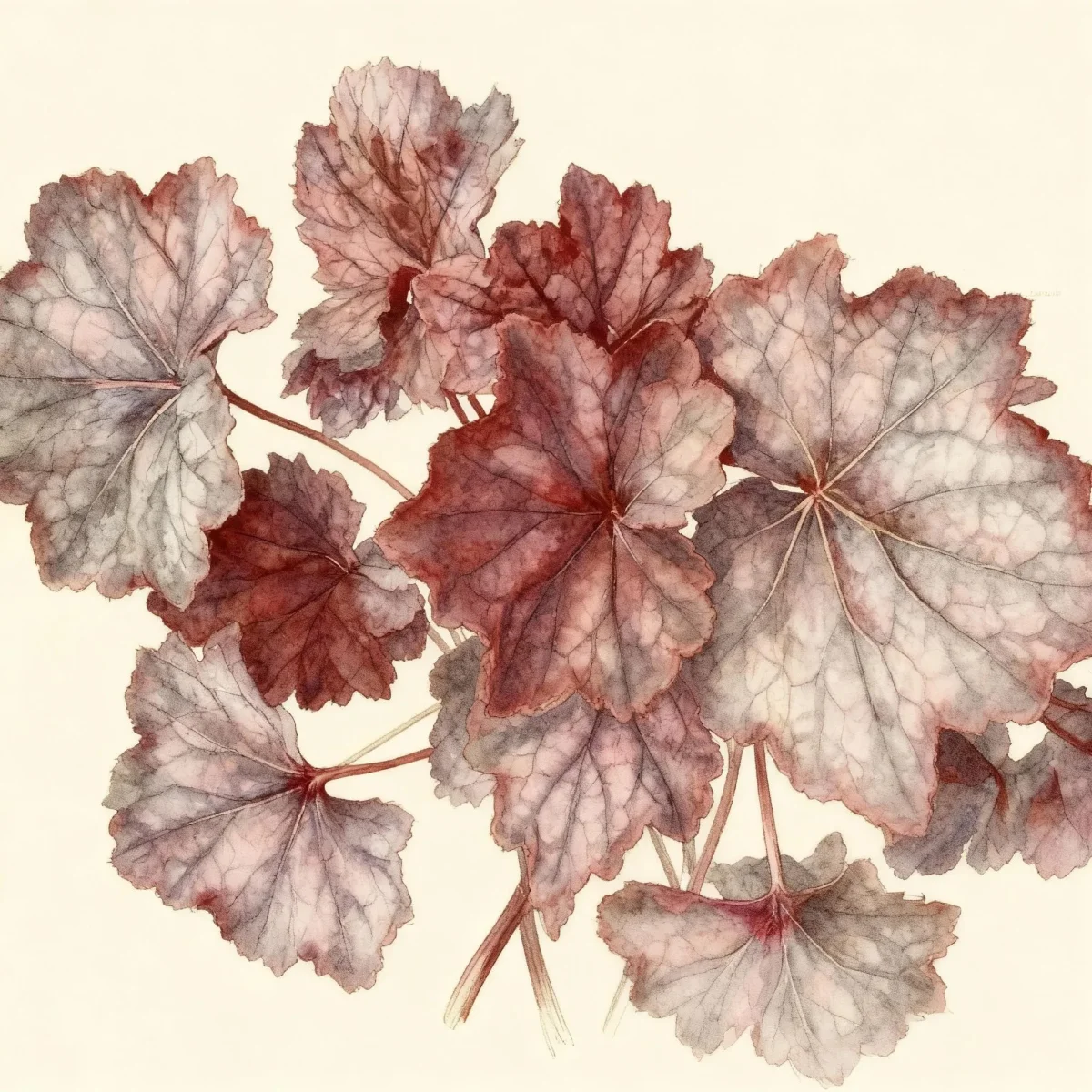
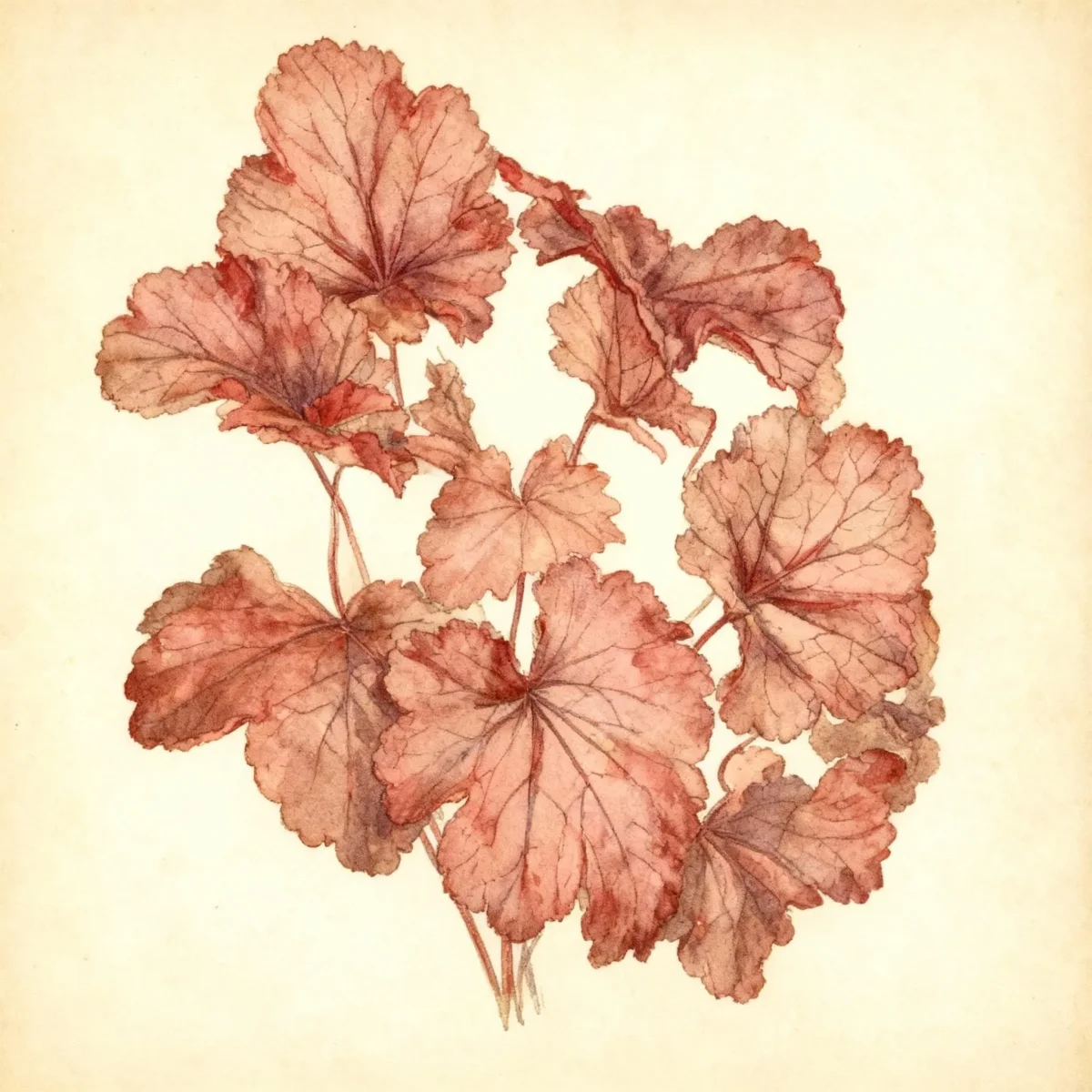
Heuchera ‘Cherry Cola’, a standout cultivar commonly known as coral bells, brings intense color contrast to the garden with its signature reddish-brown foliage and vibrant spring blooms. This variety is valued by gardeners for providing consistent color interest across multiple seasons, especially in dappled light conditions where many other perennials struggle. As a clump-forming herbaceous perennial, it creates a reliable, mounding habit ideal for edging or mass planting.
This popular coral bells hybrid generally reaches heights between 0.75 to 1.5 feet, offering a compact presence perfect for smaller spaces or structured borders. The aesthetic appeal of Heuchera ‘Cherry Cola’ is derived from its richly colored, rounded leaves that form a dense basal mound, topped by airy sprays of cherry red flowers in early summer. For optimal performance, ensure well-drained, humus-rich soil, as good soil structure is key to establishing a thriving clump.
The genus Heuchera provides exceptional versatility, moving beyond traditional woodland settings into modern landscape designs. Heuchera ‘Cherry Cola’ particularly shines due to the intensity of its leaf color, which remains a valuable asset even when the plant is not in full bloom. Incorporating this variety ensures continuous visual texture, making it a low-fuss, high-impact addition to nearly any perennial scheme.
Fast Facts
- Plant Family: Saxifragaceae
- Plant Type: Herbaceous perennial
- Hardiness Zones: USDA Zones 4-9
- Size at Maturity:
- Height: 0.75-1.5 ft
- Spread: 0.75-1 ft
- Bloom Time: June to July
- Bloom Description: Cherry red
- Sun Exposure: Full sun to part shade
- Water Needs: Medium
- Maintenance Level: Medium
How to Grow
Coral bells thrive when planted in organically rich, humusy soil that maintains medium moisture levels while ensuring excellent drainage. The best time to plant Heuchera ‘Cherry Cola’ is typically in spring or fall, allowing the roots to establish before experiencing temperature extremes. While they perform beautifully in part shade, remember that parentage dictates specific light tolerance; some hybrids successfully handle full sun, especially in cooler northern climates, but afternoon shade is critical in hotter regions to prevent leaf scorch.
Consistent moisture levels are paramount, particularly if you choose to grow Heuchera ‘Cherry Cola’ in brighter, sunnier exposures. Allowing the soil to dry out completely can lead to foliage decline and stress. In colder winter climates, apply a winter compost mulch after the ground freezes to stabilize soil temperatures and help prevent root heaving during freeze-thaw cycles.
Pruning involves removing the spent flower stems, known as deadheading, which encourages the plant to produce additional, smaller flushes of bloom. In warmer zones, the foliage of this semi-evergreen perennial may remain colorful throughout winter. Every three to four years, plan to divide large clumps in the spring to maintain vigor and prevent overcrowding.
Landscape Uses
Heuchera ‘Cherry Cola’ excels when used in mass plantings, creating wide swaths of deep, moody color that contrast beautifully against lighter greens or silvery foliage plants. Their mounding habit makes them exceptionally effective as an edging plant, neatly defining the borders along pathways, walkways, or flower beds, providing a consistent, tidy line throughout the growing season.
These coral bells are versatile candidates for various garden settings. Consider incorporating them into rock gardens where their texture pops against stone, or use them within deep borders where they can thrive in the dappled light beneath taller shrubs. They also perform well when grouped together, allowing the rich color of the Heuchera ‘Cherry Cola’ leaves to build visual impact.
Look for companions that appreciate similar moisture and light conditions, such as Hosta varieties with blue or yellow leaves, Ferns, or Astilbe. The upright flower spikes of Heuchera ‘Cherry Cola’ offer vertical interest, making them perfect foils for low-growing groundcovers or mounding annuals planted either side.
Standout Features
Flower Qualities
- Showy
Noteworthy Characteristics
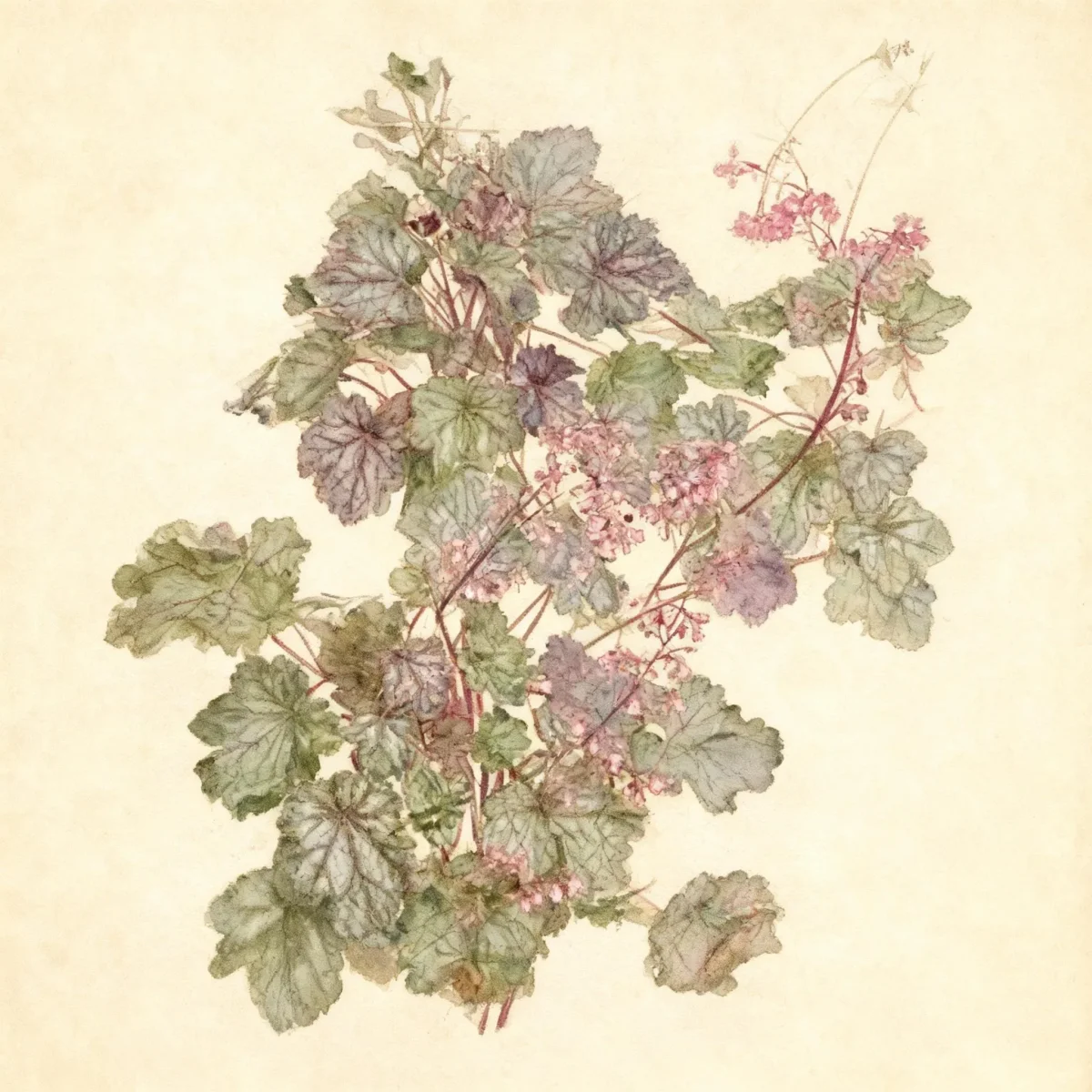
The Heuchera genus, commonly known as coral bells or alumroot, comprises about 55 native North American evergreen to semi-evergreen herbaceous perennials suited to varied habitats. ‘Cherry Cola’ is a celebrated clump-forming variety noted specifically for its reddish-brown leaves paired dramatically with small, cherry-red flowers borne on slender stems rising above the foliage. This cultivar forms a compact basal mound, often reaching 6 inches tall and spreading up to 14 inches wide, crowned by flower panicles that emerge in late spring to early summer.
Tolerances
- Frost heaving of roots may occur when winter temperatures fluctuate widely.
Potential Problems
Be aware that fluctuations in winter temperatures can cause frost heaving, pushing the shallow roots of your Heuchera ‘Cherry Cola’ above the soil line. To prevent this, apply a protective layer of winter compost mulch only after the ground has completely frozen. Disease risks include powdery mildew, rust, and bacterial leaf spot; ensuring good air circulation and avoiding overhead watering helps mitigate these fungal issues. Watch out for potential insect pests such as foliar nematodes and weevils, though healthy plants are generally resilient.
Frequently Asked Questions
What hardiness zones is Coral bells suitable for?
Heuchera ‘Cherry Cola’ is reliably hardy in USDA Zones 4 through 9.
How large does Coral bells grow?
This cultivar typically achieves a height between 0.75 to 1.5 feet and spreads between 0.75 to 1 foot wide.
What sun exposure does Heuchera ‘Cherry Cola’ need?
This variety prefers full sun to part shade, but benefits significantly from afternoon shade, especially in heat, to maintain optimal foliage color.
When does Heuchera ‘Cherry Cola’ bloom?
The blooming period for these coral bells generally runs from June into July, showcasing distinct cherry red flowers.
Conclusion
Heuchera ‘Cherry Cola’ remains a powerhouse perennial, delivering year-round structural interest through its richly colored foliage alongside the ephemeral beauty of its bright cherry-red flowers. The dark tones of this coral bells cultivar provide essential contrast in mixed borders and shaded corners. Before planting, confirm your garden site offers the medium moisture and well-drained soil this outstanding hybrid needs to truly flourish.
Companion Planting
Companion planting with Heuchera ‘Cherry Cola’ focuses on complementary foliage textures and shared cultural needs (part shade, medium moisture). Consider pairing it with plants that offer large, smooth leaves, as the fine texture of the coral bells’ mound creates excellent contrast. Good partners include Hostas, especially those with blue or chartreuse coloring, which accentuate the dark tones of the ‘Cherry Cola’ leaves.
Another excellent category of companions involves shade-loving woodland natives that thrive under similar dappled sunlight. Shade-tolerant grasses or fine-textured ferns provide a soft backdrop, allowing the defined mounds of Heuchera ‘Cherry Cola’ to stand out clearly. This grouping creates a lush, layered look common in woodland garden designs.
Propagation Tips
Since Heuchera ‘Cherry Cola’ is a hybrid cultivar, it should not be grown from seed as the resulting plants may not retain the desired characteristics. The most reliable method of propagation is division. Perform this every three to four years in the spring when the clumps begin to look crowded or show reduced vigor.
To divide, gently lift the established clump from the ground using a garden fork, taking care not to damage the roots excessively. Use a sharp knife or spade to carefully separate the crown into smaller sections, ensuring each new division has a healthy cluster of roots attached. Replant these divisions immediately into well-prepared soil at the same depth they were originally growing.