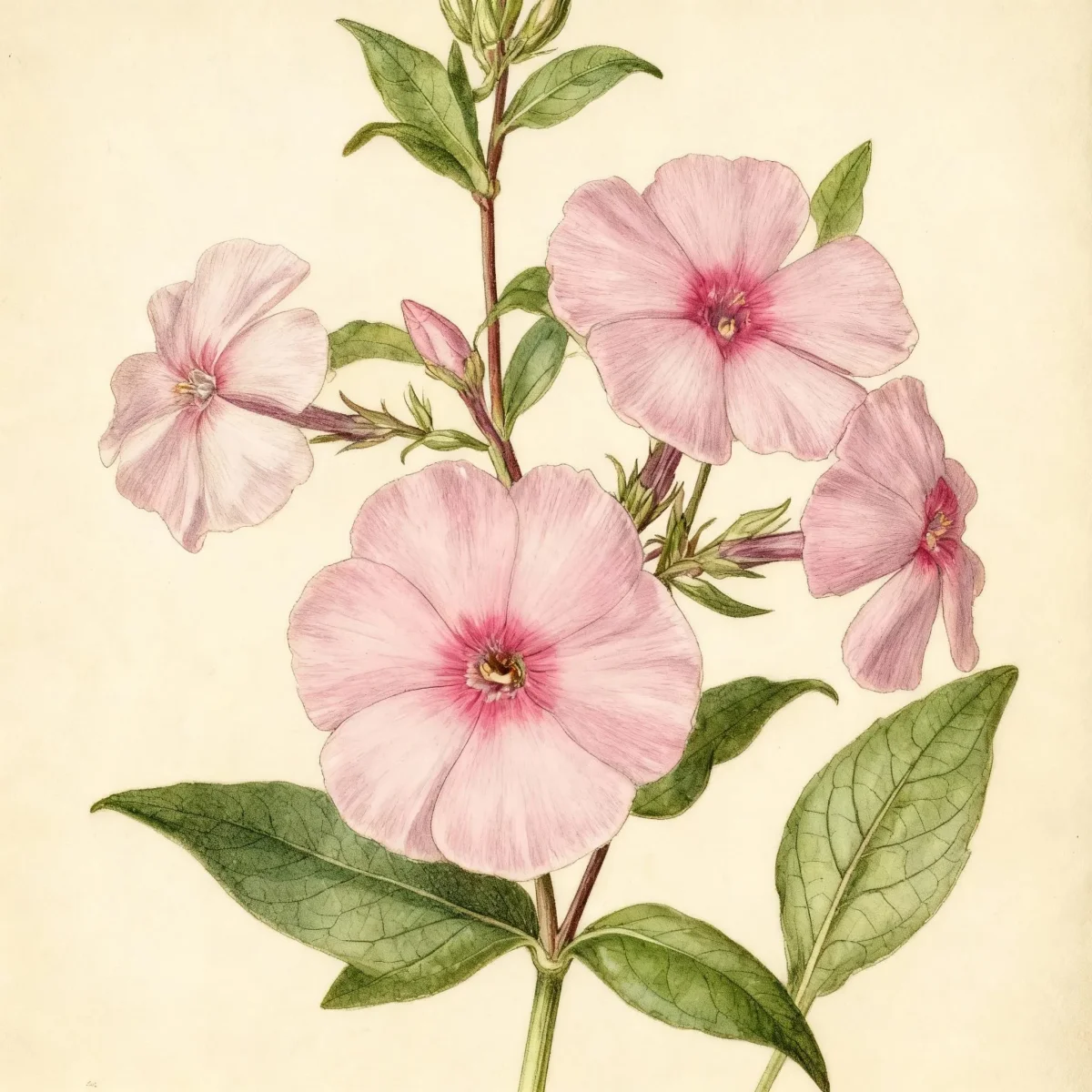
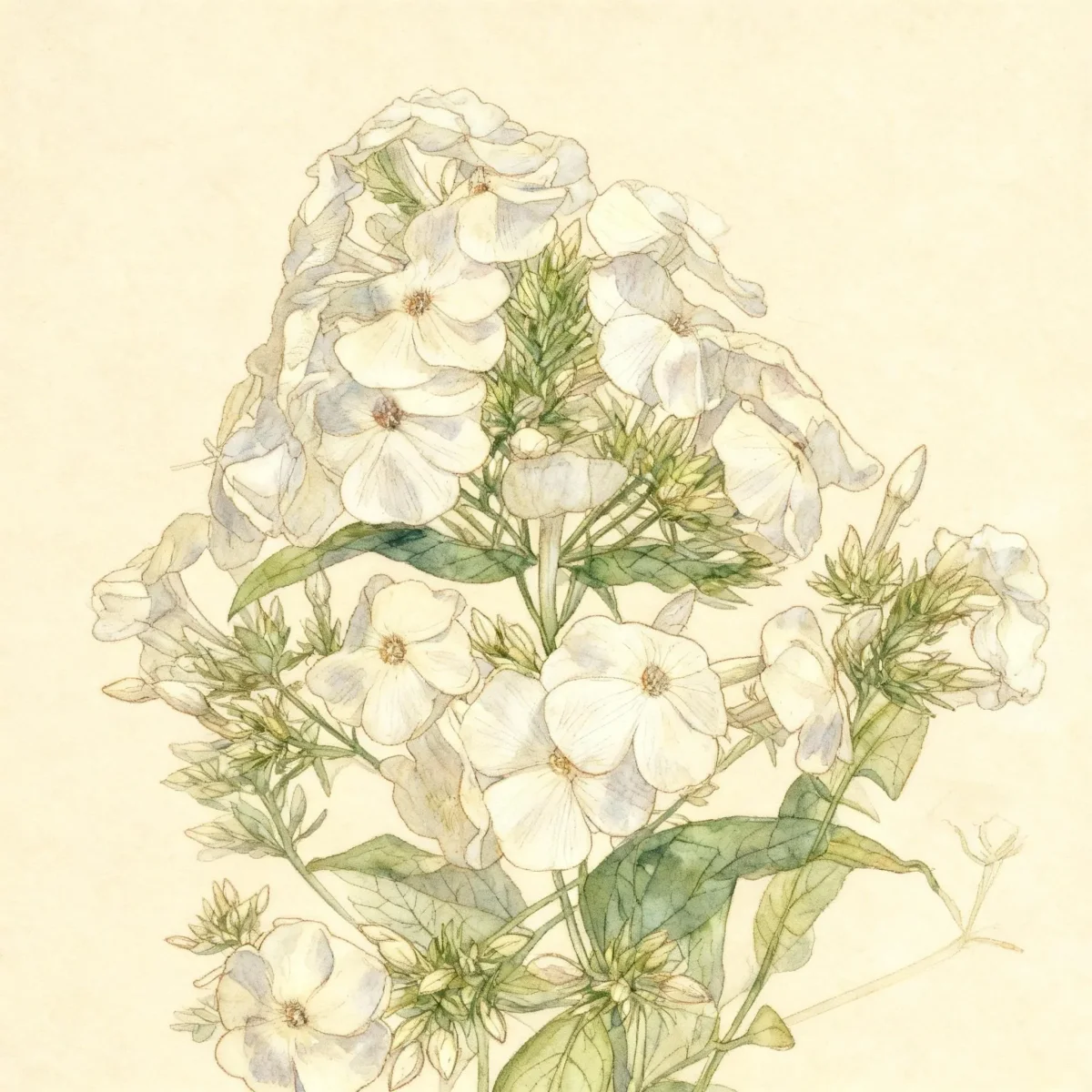
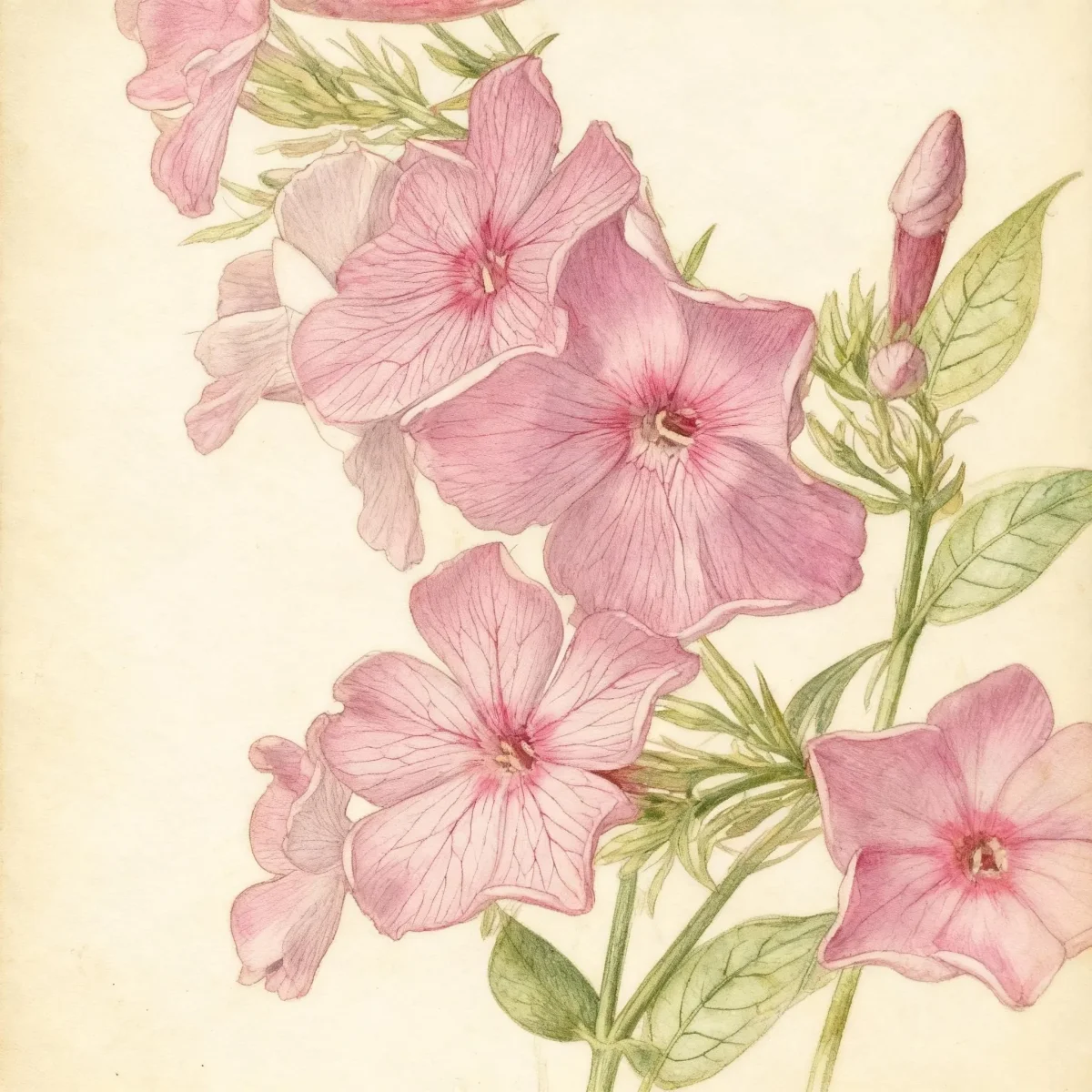
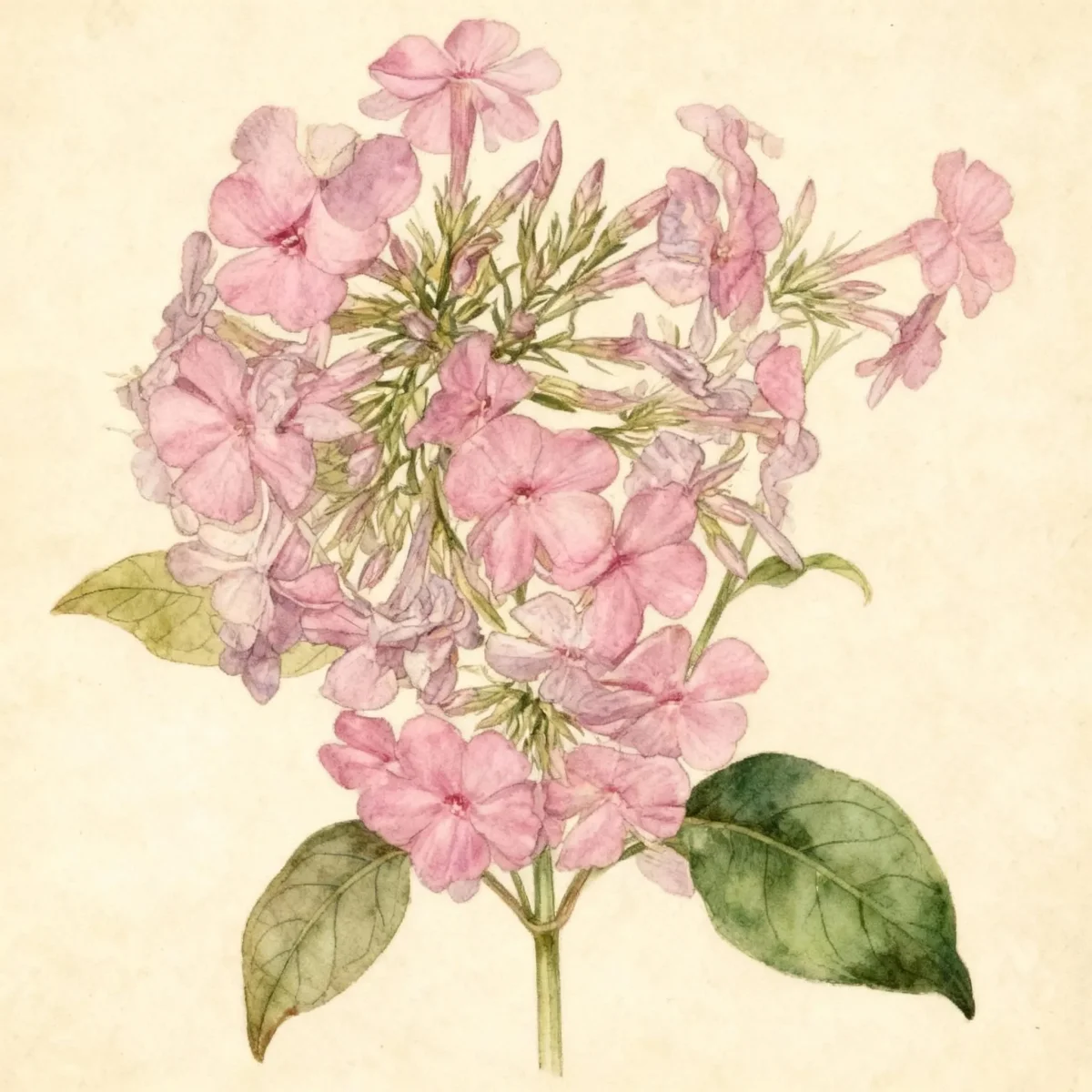
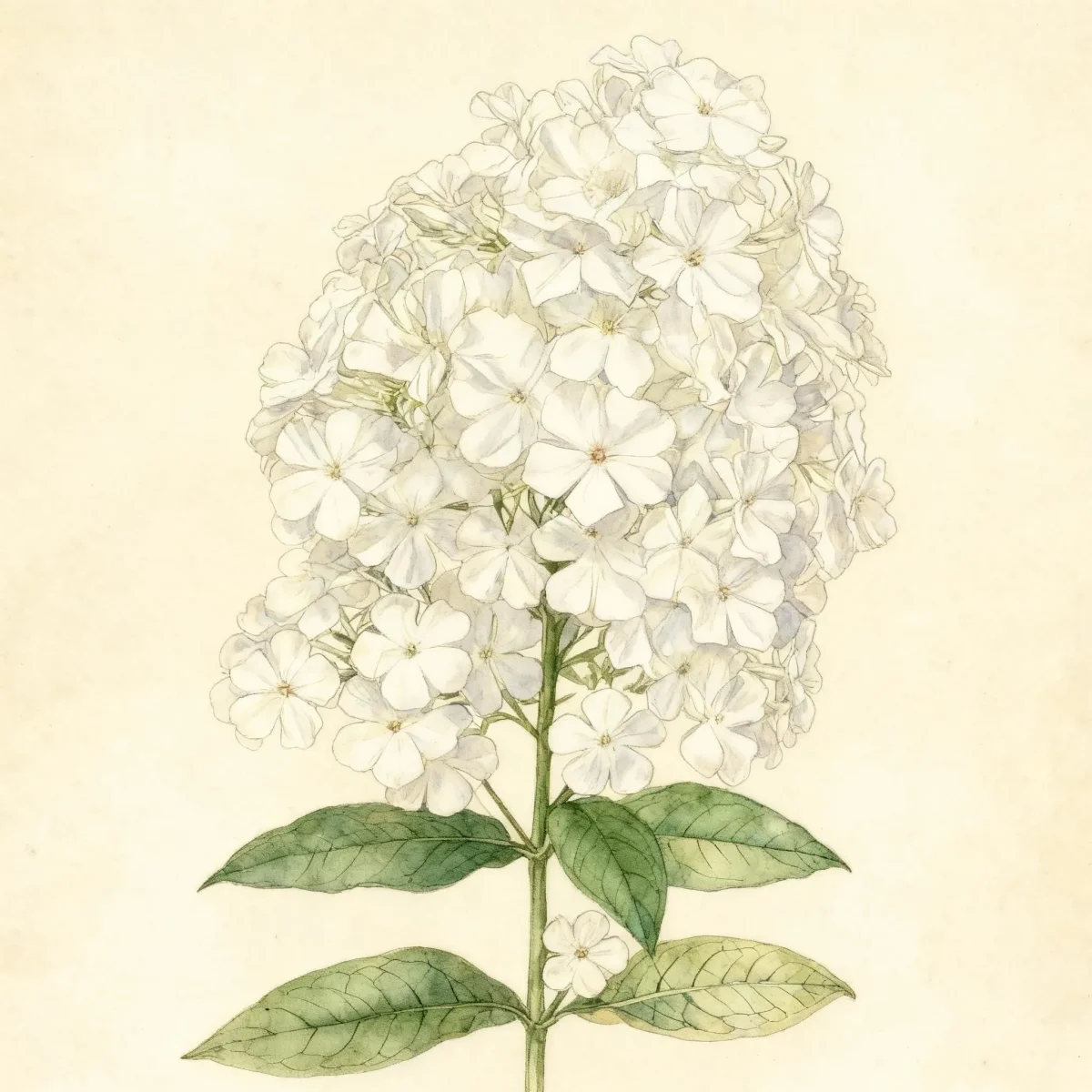
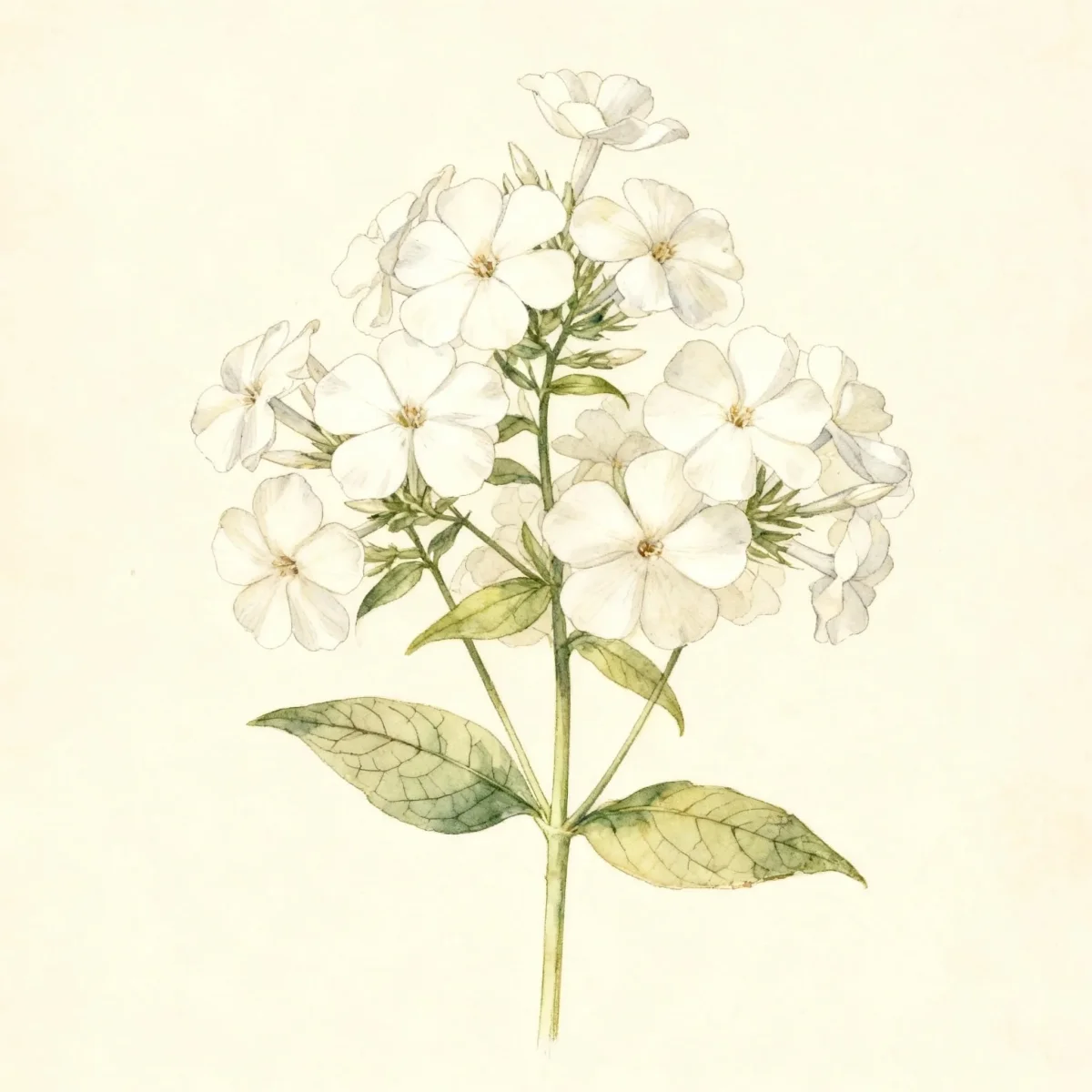
Garden phlox (Phlox paniculata 'Jeana')
Phlox paniculata 'Jeana' offers showy, fragrant lavender-pink blooms from July-September, highly resistant to mildew, ideal for borders.
Scroll down to discover growing tips, care requirements, companion plants, and more
Complete Plant Information
Overview
Phlox paniculata ‘Jeana’, commonly known as Garden phlox, is a highly valued upright perennial celebrated for its spectacular, long-lasting summer color and sweet fragrance. This specific cultivar, ‘Jeana’, stands out in the garden landscape because it exhibits excellent natural resistance to powdery mildew, a common affliction for many garden phlox varieties. Growing diligently on stiff stems, this plant provides essential vertical structure and attracts numerous pollinators throughout the mid to late summer season.
This sturdy herbaceous perennial typically reaches heights between 2 and 4 feet, blooming reliably from July well into September or even October. The lavender-pink florets are densely packed into impressive terminal clusters, making Phlox paniculata ‘Jeana’ a centerpiece in any mixed planting scheme. Successful cultivation balances its need for rich, moist soil with essential air circulation, ensuring its health and bloom quality.
For gardeners seeking reliable summer performance without constant disease management, Garden phlox ‘Jeana’ is an outstanding choice. It is particularly effective when massed for impact, offering substantial color and fragrance while being attractive to butterflies. Adding Phlox paniculata ‘Jeana’ ensures traditional cottage garden charm with modern disease resistance.
Fast Facts
- Plant Family: Polemoniaceae
- Plant Type: Herbaceous perennial
- Hardiness Zones: USDA Zones 4-8
- Size at Maturity:
- Height: 2-4 ft
- Spread: 1.5-3 ft
- Bloom Time: July to September
- Bloom Description: Lavender-pink
- Sun Exposure: Full sun to part shade
- Water Needs: Medium
- Maintenance Level: Medium
How to Grow
Start by situating Garden phlox where it receives full sun for the most robust flowering, though light afternoon shade is tolerated. Plant in the spring or fall in moderately fertile, medium moisture, well-drained soil that is rich in organic matter. These plants prefer climates with milder summers, as excessive heat and humidity can stress them, even with their improved mildew resistance.
Water deeply and consistently, especially during dry spells, as Phlox paniculata ‘Jeana’ is intolerant of drought. Avoid overhead watering whenever possible; directing water to the base keeps foliage dry, further mitigating potential fungal issues. An application of summer mulch helps keep the root zone cool and retains necessary moisture levels.
Good air circulation is non-negotiable for healthy phlox. Space plants appropriately when planting, and consider thinning out interior stems as the plant matures if air movement seems restricted. To encourage prolonged blooming, promptly remove faded flower panicles (deadheading).
For essential winter cleanup, cut the entire plant down to the ground after frost and clear all debris from the planting area. This thorough sanitation helps minimize the carryover of powdery mildew spores, ensuring a cleaner start for your Phlox paniculata ‘Jeana’ next season.
Landscape Uses
Garden phlox is a true staple for the classic perennial border, where its upright stature provides excellent mid-to-back-of-border height. The long season of color offered by Phlox paniculata ‘Jeana’ makes it invaluable for bridging gaps between early summer bloomers and fall accents. Mix it freely with other perennials that share similar cultural needs, such as Coneflowers (Echinacea) or Black-eyed Susans (Rudbeckia), for a unified, naturalistic tapestry.
Due to its ability to attract hummingbirds and butterflies, mass plantings of Phlox paniculata ‘Jeana’ are highly recommended in wildlife gardens. Placing them near seating areas will allow gardeners to fully appreciate the intense lavender-pink color and the fragrant qualities of the blooms throughout the summer.
Standout Features
Flower Qualities
- Showy
- Fragrant
Noteworthy Characteristics
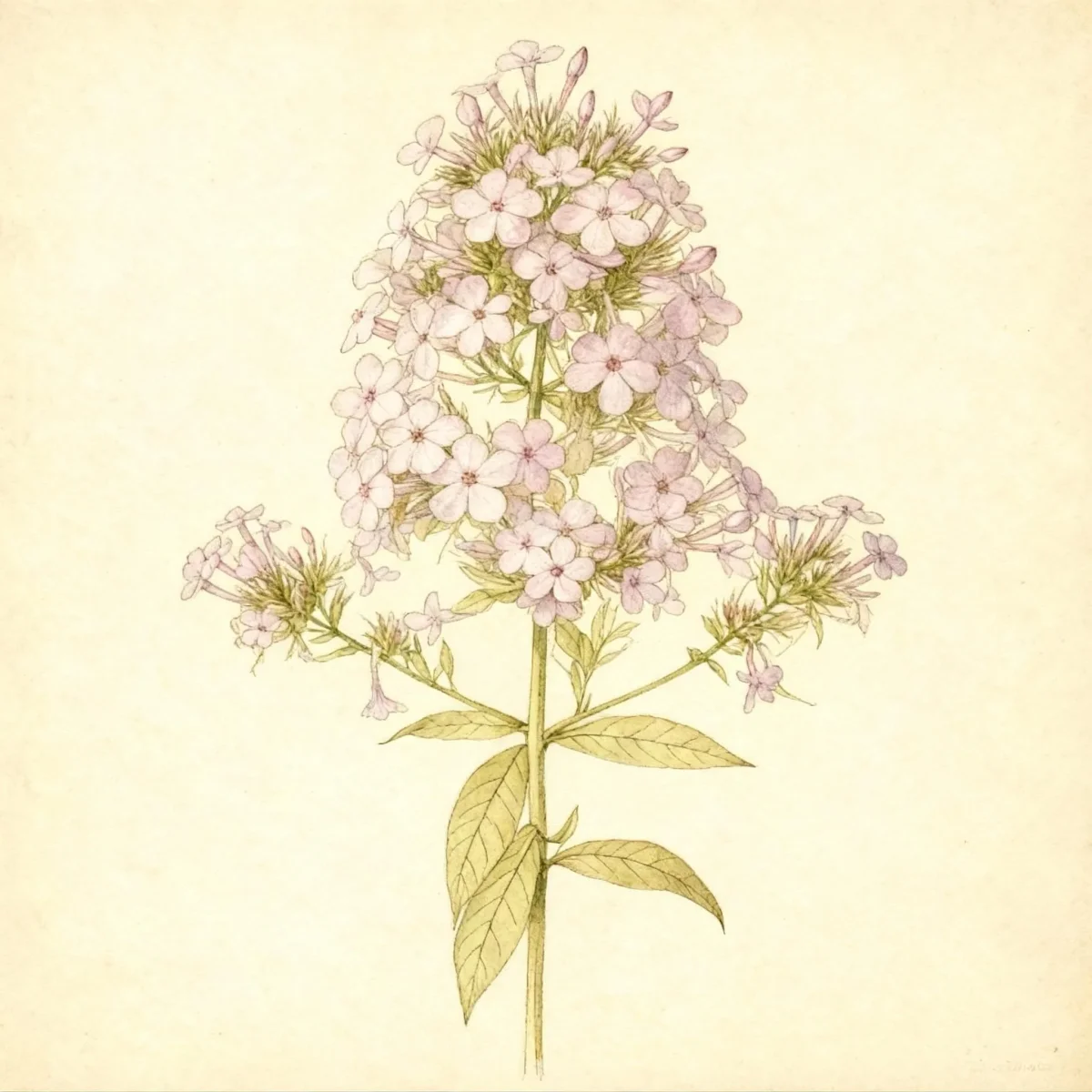
Phlox paniculata, commonly known as garden phlox, is native from New York to Iowa south to Georgia, Mississippi and Arkansas. It has escaped gardens and naturalized into areas beyond its original native range. This is an upright perennial that grows in a clump to 2-4’ tall and to 2-3’ wide on stiff stems clad with conspicuously veined, opposite, pointed, elliptic, deep green leaves. ‘Jeana’ produces fragrant tubular lavender-pink florets densely packed in large tiered terminal clusters over a long July to October bloom period. Notwithstanding its attractive flowers, ‘Jeana’ stands out as having excellent resistance to powdery mildew.
Tolerances
- Deer
- Clay Soil
- Black Walnut
Potential Problems
Phlox cultivation can sometimes be challenging due to pests and diseases. Watch out for Phlox bugs, which cause distorted growth, and be aware of potential root rot if drainage is poor. Spider mites can also appear during hot, dry conditions, demanding supplemental water.
The greatest threat remains powdery mildew; however, cultivators like ‘Jeana’ are specifically selected for their superior resistance to this fungal issue. To support the tall stems of this plant and prevent lodging, staking may be necessary, especially in windy locations or if growth becomes overly lush.
Frequently Asked Questions
What hardiness zones is Garden phlox suitable for?
Phlox paniculata ‘Jeana’ is hardy and performs best when grown in USDA Zones 4 through 8.
How large does Phlox paniculata ‘Jeana’ grow?
This perennial typically matures to a height range of 2 to 4 feet tall and spreads between 1.5 to 3 feet wide.
When does Garden phlox bloom?
This variety of Garden phlox offers a long bloom time, generally starting in July and continuing through September, displaying beautiful lavender-pink flowers.
What sun exposure does Phlox paniculata ‘Jeana’ need?
For optimal flowering and health, this plant thrives across a range from full sun to areas receiving part shade.
Conclusion
With its vigorous growth, significant height, and exceptional resistance to mildew, Phlox paniculata ‘Jeana’ remains one of the most dependable and rewarding choices for the summer perennial garden. If you seek long-lasting color and inviting fragrance bolstered by hardiness against common phlox ailments, this Garden phlox cultivar is highly recommended. Before planting, confirm that your site falls within USDA Zones 4-8 and ensure you have planned for adequate soil moisture and air circulation.
Companion Planting
Selecting appropriate partners is key to managing the requirements of Phlox paniculata ‘Jeana’, which prefers consistent moisture and rich soil. Look for sturdy companions that can tolerate similar conditions, helping to shade the lower stems and keep the root zone cool. Good neighboring plants include Astilbes, which also thrive in partial shade and moist conditions, or taller, sun-loving perennials like ornamental grasses, which provide textural contrast without competing aggressively for resources.
Consider siting plants that bloom before or after the main flush of Phlox paniculata ‘Jeana’ to ensure continuous interest across the season. Since phlox can grow quite tall, use lower-growing groundcovers or edging plants around the base to visually anchor the upright clumps and improve the overall aesthetic of the border.
Wildlife Benefits
The floral structure and fragrance of Garden phlox are powerful attractants for beneficial insects, making it a garden staple for wildlife enthusiasts. The long tubular corolla tubes are perfectly shaped for the long tongues of hummingbirds, which frequently visit the blossoms throughout the summer months.
Furthermore, the dense clusters of lavender-pink flowers are magnets for a wide variety of butterflies seeking nectar, providing an accessible food source during the mid-to-late summer slump when some earlier bloomers have faded. Planting Phlox paniculata ‘Jeana’ near a window or patio ensures you can enjoy this bustling insect activity up close.