Sneezewort (Achillea ptarmica 'Gipi Whit' GYPSY WHITE)
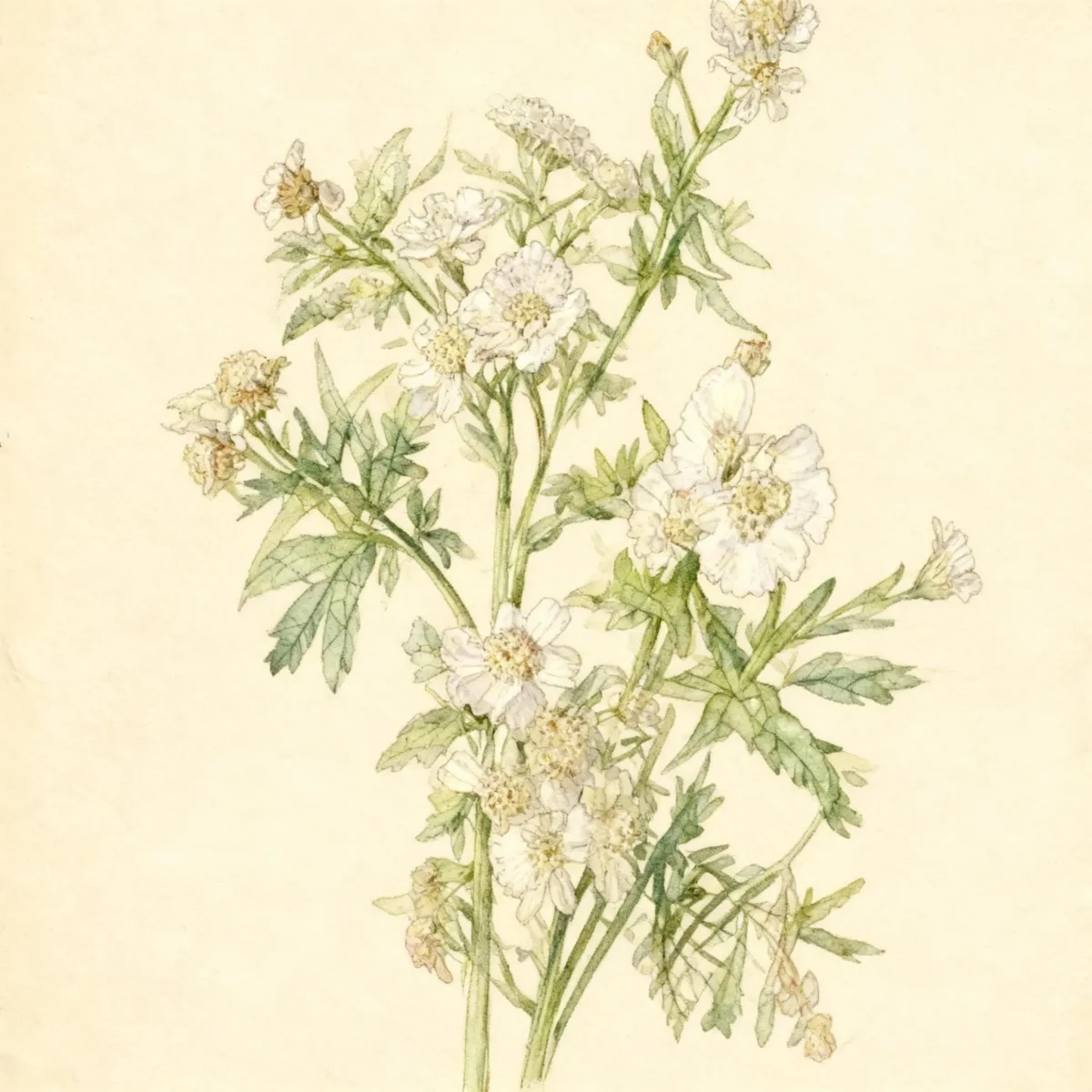
Achillea ptarmica 'Gipi Whit' GYPSY WHITE offers abundant white double flowers. This low-maintenance Sneezewort thrives in zones 3-9.
Scroll down to discover growing tips, care requirements, companion plants, and more
Complete Plant Information
Overview
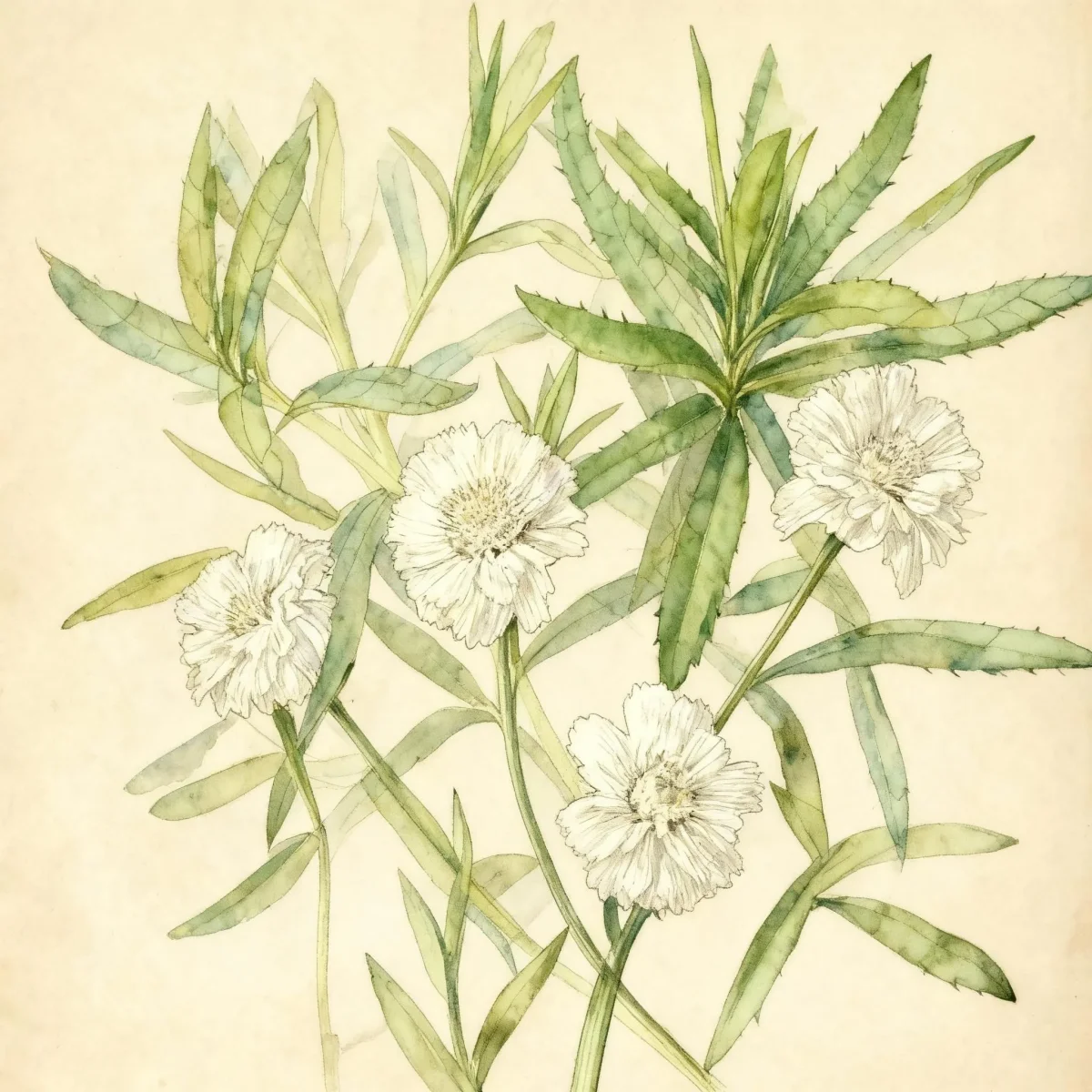
Achillea ptarmica ‘Gipi Whit’ GYPSY WHITE, commonly known as Sneezewort, is a valuable addition to gardens needing reliable summer color with minimal fuss. This patented cultivar stands out due to its abundant display of pure white, double flowers that create a soft, mounded texture throughout the season. As a rhizomatous perennial, this variety of Sneezewort spreads gently, making it excellent for naturalizing or filling in larger garden spaces.
This herbaceous perennial offers fantastic versatility, thriving even in drier conditions once established, and is valued for its resilience against common garden stresses like drought and browsing deer. The finely textured foliage contributes to its appeal, though gardeners should note the leaves are aromatic when crushed, tying into the historical name Sneezeweed.
For gardeners seeking a low-maintenance perennial that performs well in full sun or light afternoon shade, Achillea ptarmica ‘Gipi Whit’ GYPSY WHITE delivers consistent performance. Its flowers are superb for bouquets, drying beautifully for winter arrangements, adding functional beauty to the low-maintenance landscape.
Fast Facts
- Plant Family: Asteraceae
- Plant Type: Herbaceous perennial
- Hardiness Zones: USDA Zones 3-9
- Size at Maturity:
- Height: 0.75-1.5 ft
- Spread: 1-2 ft
- Bloom Time: June to September
- Bloom Description: White (double)
- Sun Exposure: Full sun to part shade
- Water Needs: Dry to medium
- Maintenance Level: Low
How to Grow
Plant Sneezewort in the spring or fall once danger of hard frost has passed, choosing a location that receives full sun for the best bloom performance, though it tolerates light shade. Achillea ptarmica ‘Gipi Whit’ GYPSY WHITE performs best in average garden soils that are dry to medium in moisture, provided drainage is excellent. It is critical to avoid heavy clay soils or areas that remain soggy, as poor drainage leads to stem rot issues commonly associated with many yarrows.
Care requirements are minimal; this plant tolerates drought well once established, requiring only supplemental water during prolonged dry spells. Fertilizing is rarely necessary, especially if the soil is average; rich, fertile soils can encourage floppy, weak stems. Protect plants from strong summer winds by siting them in a somewhat sheltered area if possible to prevent stem damage.
To keep plantings vigorous and prevent overcrowding, plan to divide the rhizomatous clumps every two to three years. If stems flop, especially after heavy rain, cut the entire clump back hard in mid-summer. This promotes fresh, tighter new growth before fall.
Landscape Uses
The recommended uses for Achillea ptarmica ‘Gipi Whit’ GYPSY WHITE center around its ability to naturalize and its tolerance for less-than-ideal conditions. Grouping or massing these plants creates stunning drifts of white, making them ideal subjects for cottage gardens or wild gardens where an informal look is desired. They integrate seamlessly into naturalized areas or meadows, blending well with other vigorous summer bloomers.
Due to their reliable height and spreading habit (1-2 ft wide), they function well as mid-border plants that act as an excellent filler between shorter foreground bloomers and taller background specimens. Their low-maintenance nature makes them perfect for difficult, low-maintenance areas where consistent care is difficult to provide. This Sneezewort variety works particularly well when used alongside plants that appreciate similar dry, sunny conditions.
Standout Features
Flower Qualities
- Showy
- Good Cut
- Good Dried
Noteworthy Characteristics
Achillea ptarmica, commonly called sneezewort or sneezeweed, is a rhizomatous perennial featuring loose corymbs of small white flowers which bloom throughout summer on plants clad with sessile, linear to lanceolate, finely toothed leaves that are aromatic when crushed. Specific epithet is from Greek and refers to plants which caused sneezing. ‘Gipi Whit’, commonly marketed under the trade name of GYPSY WHITE, is a patented cultivar that features an abundant summer bloom of white double flowers on compact plants which grow in a mound to only 14” tall but spread to as much as 24” wide.
Tolerances
- Deer
- Drought
- Dry Soil
- Shallow-Rocky Soil
Potential Problems
Achillea ptarmica ‘Gipi Whit’ GYPSY WHITE is generally robust, experiencing no serious insect or disease problems under ideal conditions. The primary limiting factor for this Sneezewort is moisture; it does poorly in wet sites or heavy, poorly-drained soils, which can lead to stem rot. Occasional fungal issues, such as powdery mildew and rust, may appear, especially in humid conditions or when air circulation is poor.
To manage potential stem flopping caused by heavy rains or winds, you can employ a mid-season shearing technique. If stems mat or flop, cutting the entire grouping back—by up to one-third—in mid-summer will encourage tidier, renewed growth for the remainder of the season. Ensure proper spacing during planting to maximize airflow and reduce humidity around the foliage.
Frequently Asked Questions
What hardiness zones is Sneezewort suitable for?
Achillea ptarmica ‘Gipi Whit’ GYPSY WHITE is suitable for USDA Hardiness Zones 3 through 9.
How large does Achillea ptarmica ‘Gipi Whit’ GYPSY WHITE grow?
This cultivar generally reaches a height between 0.75 and 1.5 feet tall, spreading moderately to between 1 and 2 feet wide.
What sun exposure does Sneezewort need?
This perennial performs best in full sun but will tolerate partial shade, although flowering may be slightly reduced in shadier spots.
When does the Sneezewort bloom?
This variety flowers prolifically from June right through September, bearing attractive white, double blossoms.
Conclusion
The Achillea ptarmica ‘Gipi Whit’ GYPSY WHITE is a dependable, low-maintenance choice celebrated for its profuse, showy white flowers perfect for cutting or drying. This robust Sneezewort variety handles dry soil and deer browsing with ease, making it a highly practical perennial for diverse garden settings. Before planting, confirm your climate falls within USDA Zones 3-9 and ensure your soil offers excellent drainage to guarantee years of beautiful, hassle-free performance.
Companion Planting
When planning borders for Achillea ptarmica ‘Gipi Whit’ GYPSY WHITE, consider companions that share its affinity for full sun and dry-to-medium moisture. Plants that contrast nicely in texture and color, while also tolerating similar xeriscape conditions, are excellent choices. Try pairing this bright white Sneezewort with purple or blue summer bloomers like Russian Sage (Perovskia atriplicifolia) or various Salvia cultivars to enhance the visual impact. Alternatively, use native grasses that tolerate dry conditions to complement its naturalizing habit.
Propagation Tips
The most straightforward way to propagate Achillea ptarmica ‘Gipi Whit’ GYPSY WHITE is through division, capitalizing on its natural rhizomatous spreading habit. Division should ideally be performed every two to three years, typically in early spring before new growth fully emerges or in early fall after blooming has finished. Dig up the established clump and gently separate the roots and crowns into smaller sections, ensuring each piece has a healthy root system attached. Replant the divisions immediately into well-draining soil at the same depth as the parent plant to maintain planting vitality.