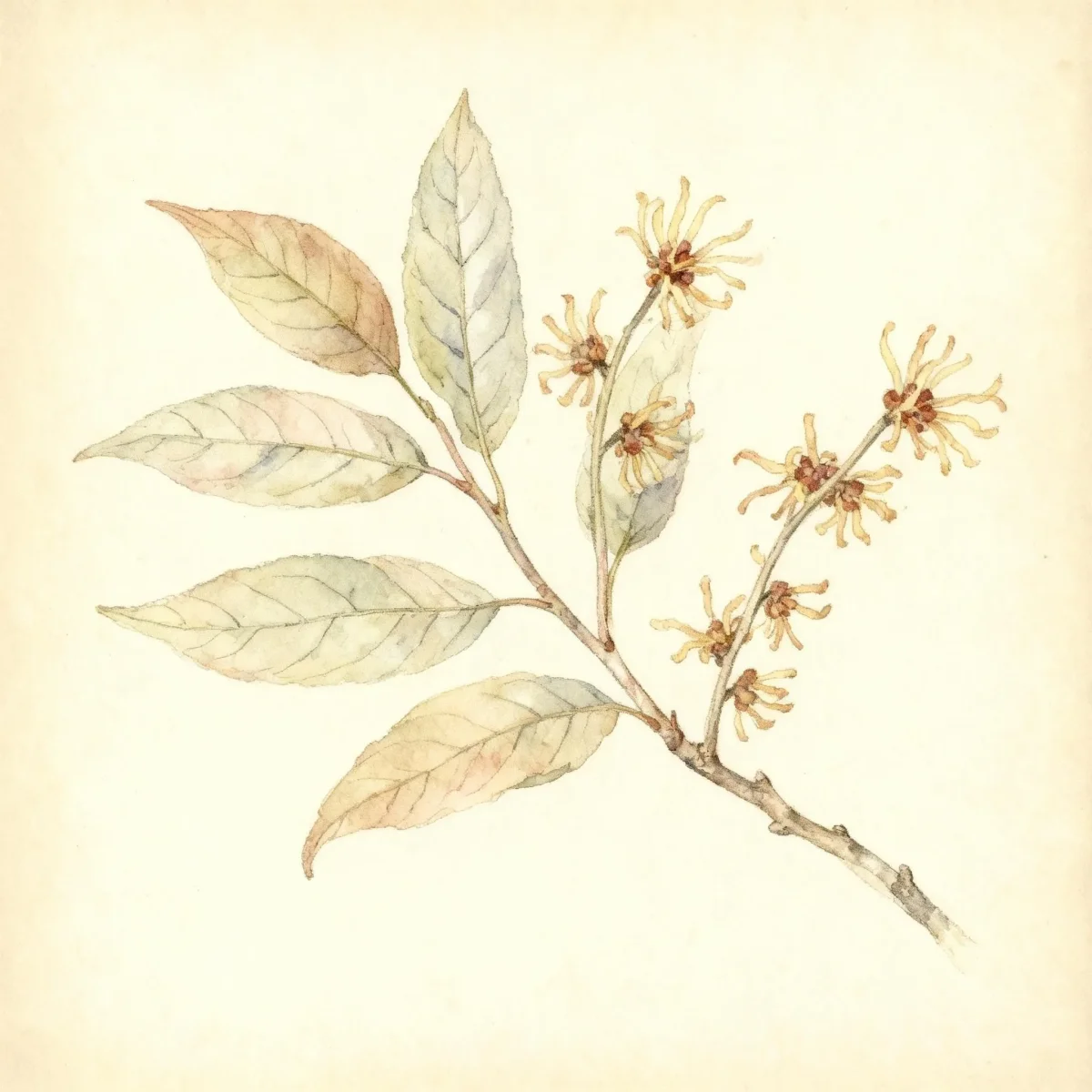
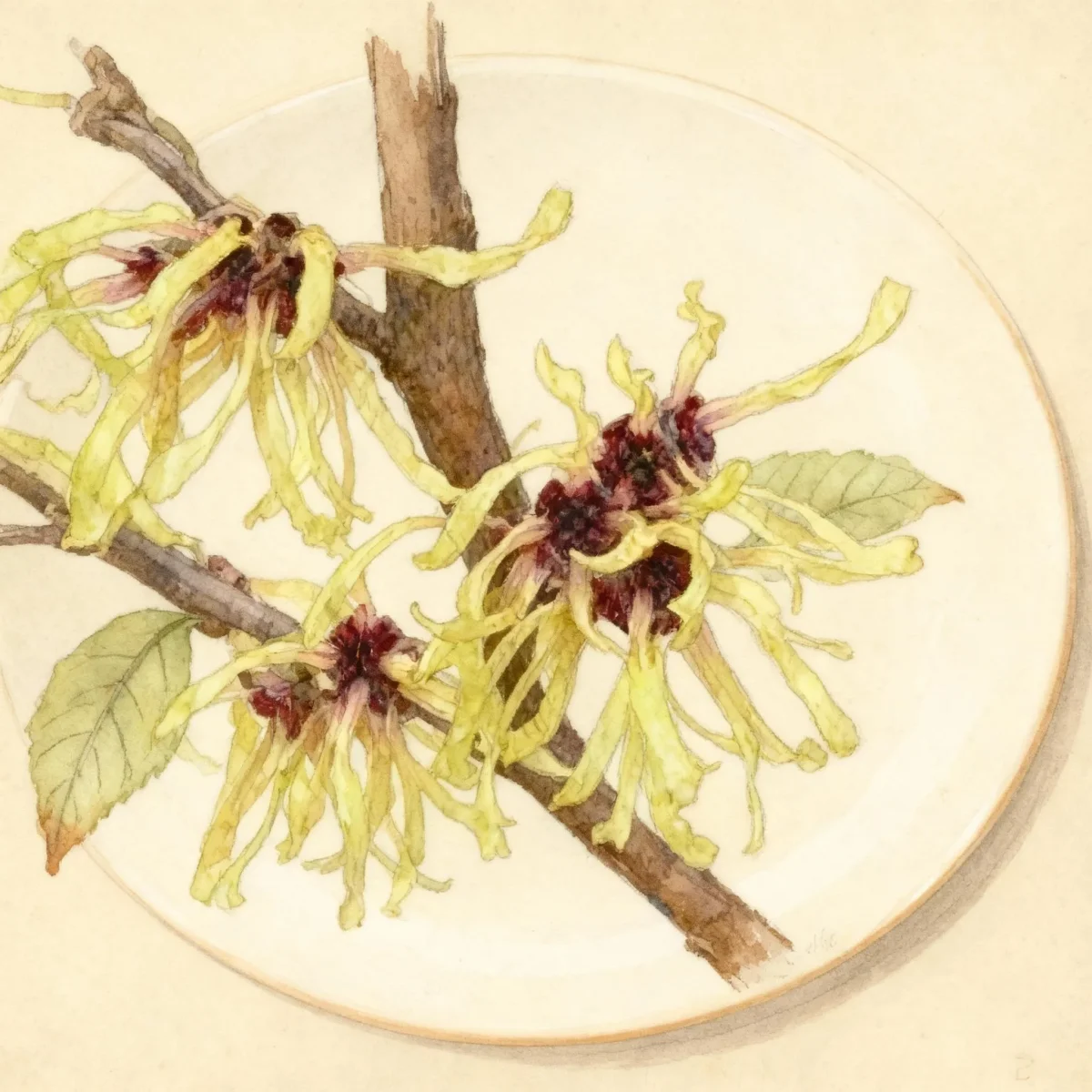
Witch hazel (Hamamelis × intermedia 'Strawberries and Cream')
Hamamelis × intermedia 'Strawberries and Cream' Witch hazel offers unique bicolor winter flowers. A low-maintenance beauty for zones 5-8.
Scroll down to discover growing tips, care requirements, companion plants, and more
Complete Plant Information
Overview
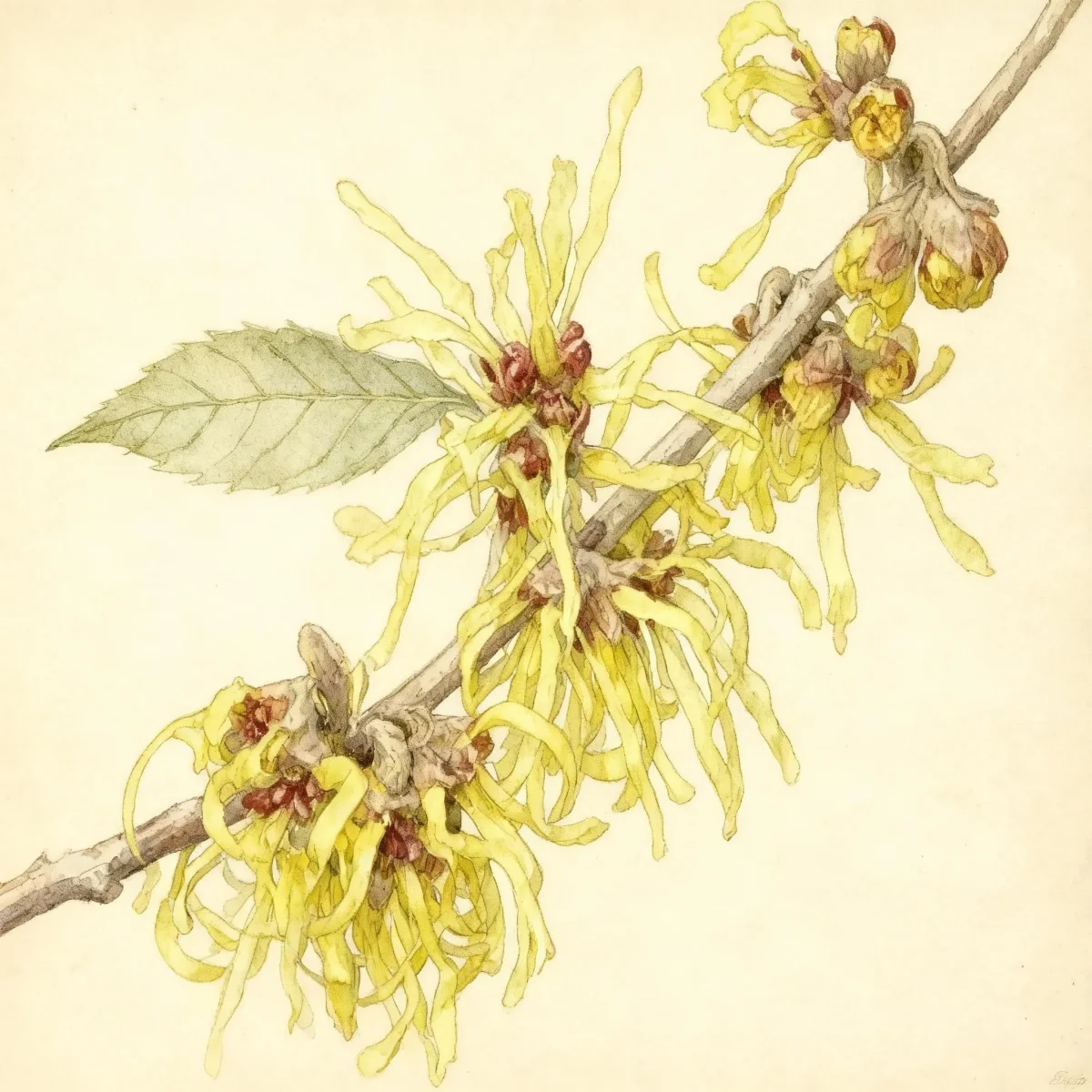
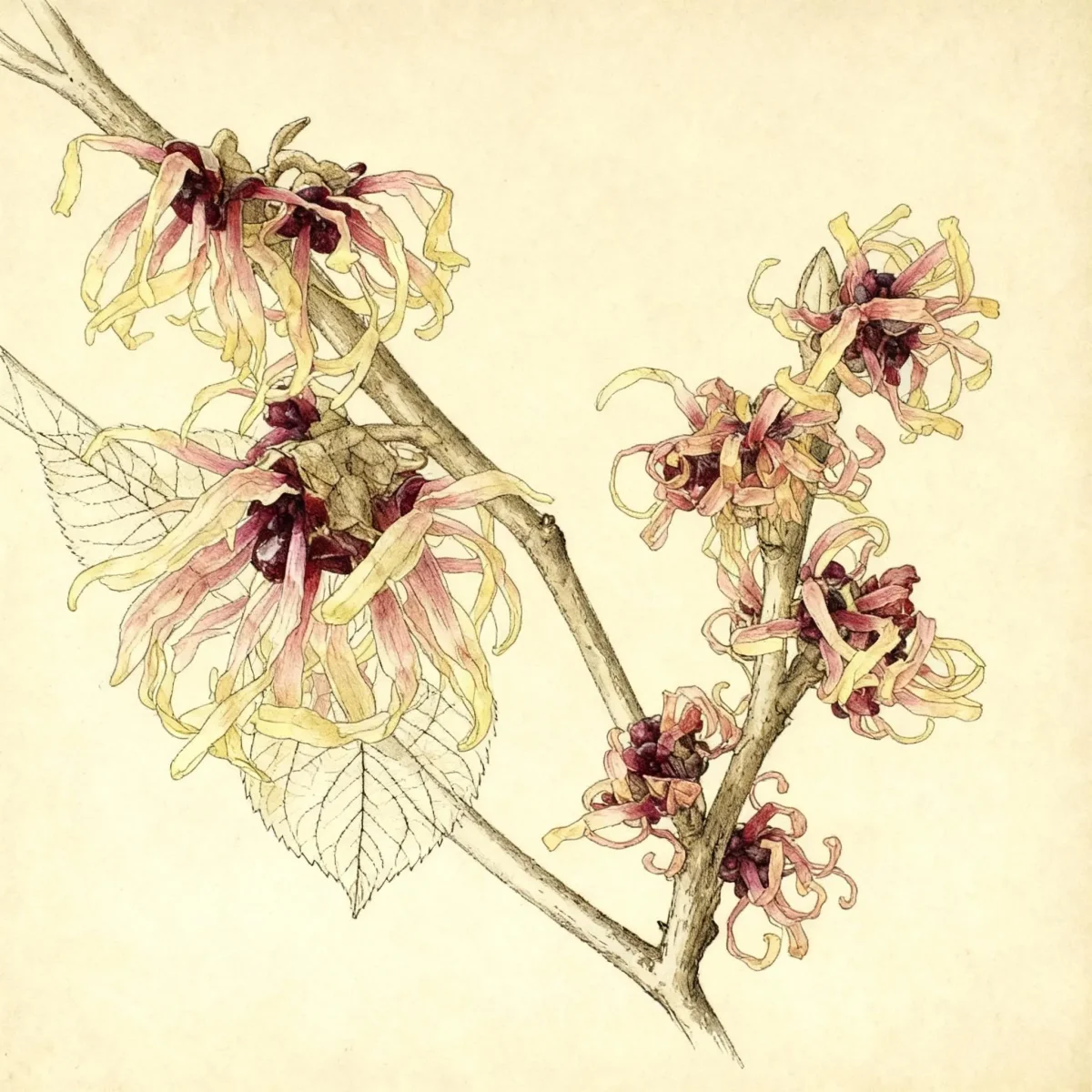
Hamamelis × intermedia ‘Strawberries and Cream’ is a highly valued deciduous shrub prized for delivering vibrant color during the bleakest months of winter. This particular Witch hazel hybrid brightens the late winter landscape with its charming, spidery flowers just as spring seems distant. The unique bicolor display, transitioning from pale yellow tips to a distinct red base, truly sets ‘Strawberries and Cream’ apart.
As a sturdy, low-maintenance specimen, this Witch hazel thrives in various conditions, provided it receives adequate moisture. It matures into a substantial, somewhat coarse, spreading shrub, making it an excellent backdrop or specimen plant when its winter blooms are most needed. Its late flowering habit ensures visual interest long before most other landscape shrubs begin to awaken.
Gardeners appreciate the Hamamelis × intermedia ‘Strawberries and Cream’ for its reliability and tolerance for some less-than-ideal soil conditions, cementing its role as a superior choice for structure and fragrance in the winter garden.
Fast Facts
- Plant Family: Hamamelidaceae
- Plant Type: Deciduous shrub
- Hardiness Zones: USDA Zones 5-8
- Size at Maturity:
- Height: 9-11 ft
- Spread: 9-11 ft
- Bloom Time: February to March
- Bloom Description: Yellow with red at base
- Sun Exposure: Full sun to part shade
- Water Needs: Medium
- Maintenance Level: Low
How to Grow
Planting new specimens of this Witch hazel is best done during the dormant seasons, either early spring or fall, allowing the roots to establish before summer heat or winter freezes. While adaptable, Hamamelis × intermedia ‘Strawberries and Cream’ performs best in moist, acidic, organically rich soils that drain well. Aim for a location that receives full sun, as this maximizes bud set and flowering, though it will tolerate partial shade.
Watering should be consistent, especially during dry spells, as extended summer drought can lead to leaf scorch on this moisture-loving shrub. This variety shows some tolerance for clay soils, an important benefit, provided drainage remains satisfactory. Fertilizing is usually unnecessary if the soil is rich, but an application of organic matter can improve texture and moisture retention.
Pruning for Hamamelis × intermedia ‘Strawberries and Cream’ should be scheduled for spring, immediately following the conclusion of the bloom period. This timing prevents the removal of next year’s flower buds. A crucial maintenance task is the prompt removal of any root suckers, especially those arising beneath the graft union, to maintain the integrity of the desired cultivar.
Landscape Uses
The Hamamelis × intermedia ‘Strawberries and Cream’ makes a superior winter-flowering centerpiece in any landscape design. Its spreading habit allows it to fill in space quickly, making it ideal for use in shrub borders where it can provide essential structure when deciduous perennials are dormant. Consider planting several together to create an effective tall screen or informal hedge, leveraging its seasonal fragrance and persistent branch structure.
For woodland gardens, this Witch hazel blends beautifully with later-blooming evergreen shrubs that contrast nicely with its winter silhouette. As a good specimen plant, ensure it is placed where its unique February to March bloom is easily visible from windows or pathways. This plant pairs well conceptually with early spring bulbs that emerge later, softening the large stature of the shrub.
Standout Features
Flower Qualities
- Showy
- Fragrant
Noteworthy Characteristics
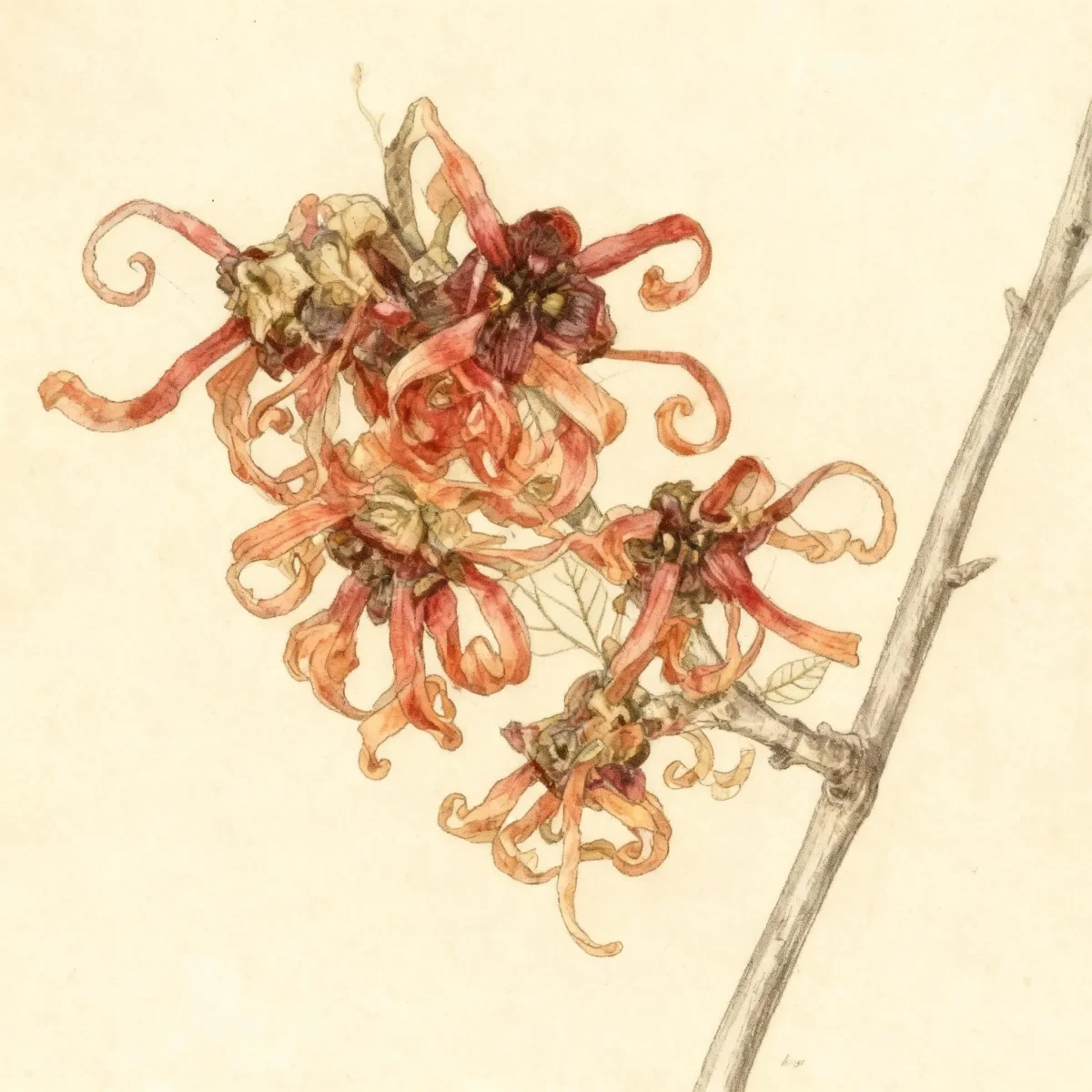
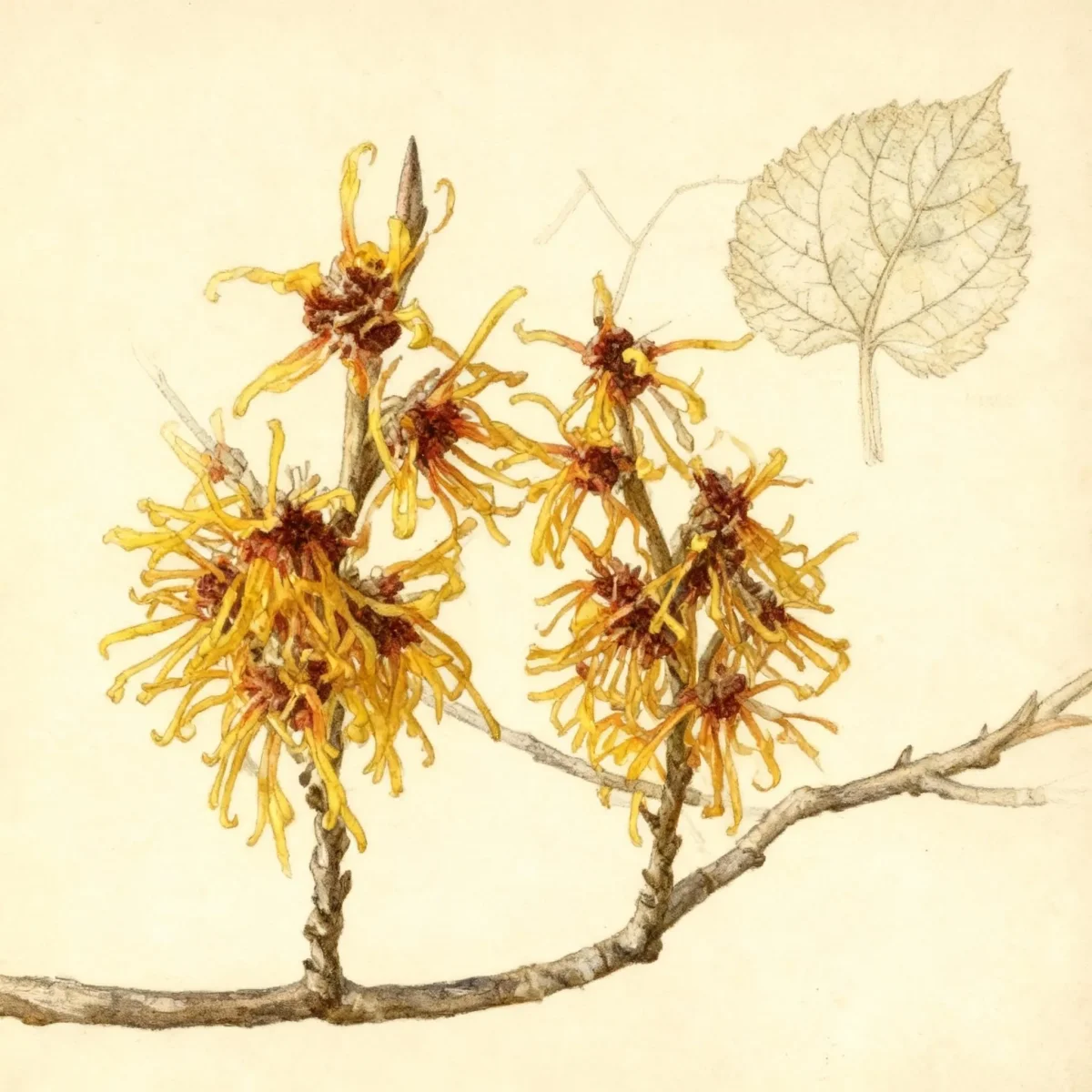
Hamamelis × intermedia hybrids are crosses between Japanese witch hazel (H. Japonica) and Chinese witch hazel (H. Mollis). They are particularly noted for their spidery, often fragrant, mid- to late winter flowers which appear before the spring foliage emerges. ‘Strawberries and Cream’ typically matures as a spreading shrub to 9-11’ tall and as wide, presenting showy, mildly fragrant, bicolor flowers (pale yellow/soft red) along the bare stems in mid- to late winter. The rounded leaves emerge bronze in spring before maturing to green and finishing with quality yellow foliage in the fall.
Tolerances
- Deer
- Erosion
- Clay Soil
- Air Pollution
Potential Problems
Insect and disease issues for this Witch hazel are generally mild and rarely necessitate rigorous chemical interventions. Gardeners should monitor for leaf damage caused by caterpillars or Japanese beetles feeding during the growing season. Watch for potential pests such as scale, gall aphids, leafrollers, and leafminers, although infestations typically remain minor. If fungal issues arise, common problems include powdery mildew, leaf spots, or root rots, usually associated with poor air circulation or excessive moisture. Good pruning practices in spring and ensuring proper site drainage will help mitigate most potential problems.
Frequently Asked Questions
What hardiness zones is Witch hazel suitable for?
The Hamamelis × intermedia ‘Strawberries and Cream’ is hardy and suitable for planting in USDA Zones 5 through 8, offering reliable winter bloom across that range.
How large does Hamamelis × intermedia ‘Strawberries and Cream’ grow?
This cultivar typically matures into a spreading shrub reaching heights and spreads between 9 and 11 feet tall and wide.
When does Witch hazel bloom?
This specific Witch hazel displays its distinctive flowers from February through March, providing mid-to-late winter color described as yellow with red at the base.
What sun exposure does Hamamelis × intermedia ‘Strawberries and Cream’ need?
For optimal flowering, this shrub prefers full sun, though it will successfully grow in partial shade conditions.
Conclusion
The bicolor, fragrant display of Hamamelis × intermedia ‘Strawberries and Cream’ offers an unmatched visual treat during the winter months, making this Witch hazel a crucial structural element in the garden design. Its low maintenance requirements and resilience against deer and pollution further endear it to modern gardeners. Before planting, verify that your location falls within USDA Zones 5-8 and that consistent, medium moisture can be supplied.
Companion Planting
When selecting companions for Hamamelis × intermedia ‘Strawberries and Cream’, focus on plants that either enhance its winter appearance or thrive in similar acidic soil profiles. Consideration should be given to evergreens like Mahonia or certain early-blooming Hellebores, whose deep green or dark foliage provides a striking backdrop for the shrub’s winter flowers. In spring, planting early bulbs such as snowdrops (Galanthus) or early daffodils near the base can create a succession of color as the Hamamelis foliage emerges. Avoid placing it near broadleaf evergreens that aggressively compete for moisture in the upper soil levels.
Seasonal Care Calendar
Spring cleanup should focus on pruning immediately after flowering to shape the shrub and remove any dead wood, careful not to cut into next year’s growth. Monitor diligently through the early summer for any signs of leaf scorch, signaling the need to increase water frequency during anticipated dry periods. Fall preparation involves ensuring the soil has adequate organic mulch to insulate the roots and conserve moisture heading into dormancy. Winter is the prime viewing season; enjoy the flowers, but avoid significant pruning until flowering is complete.