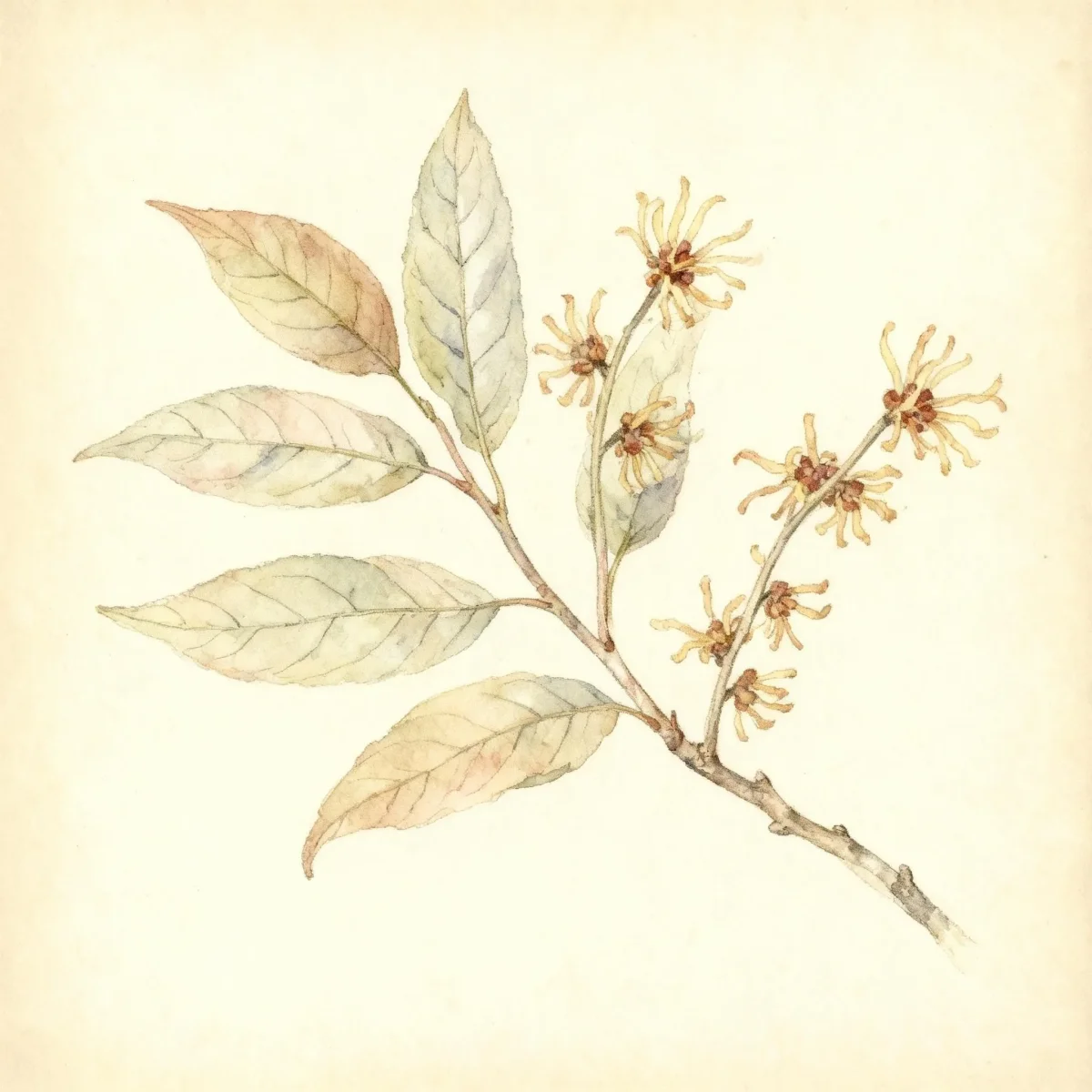
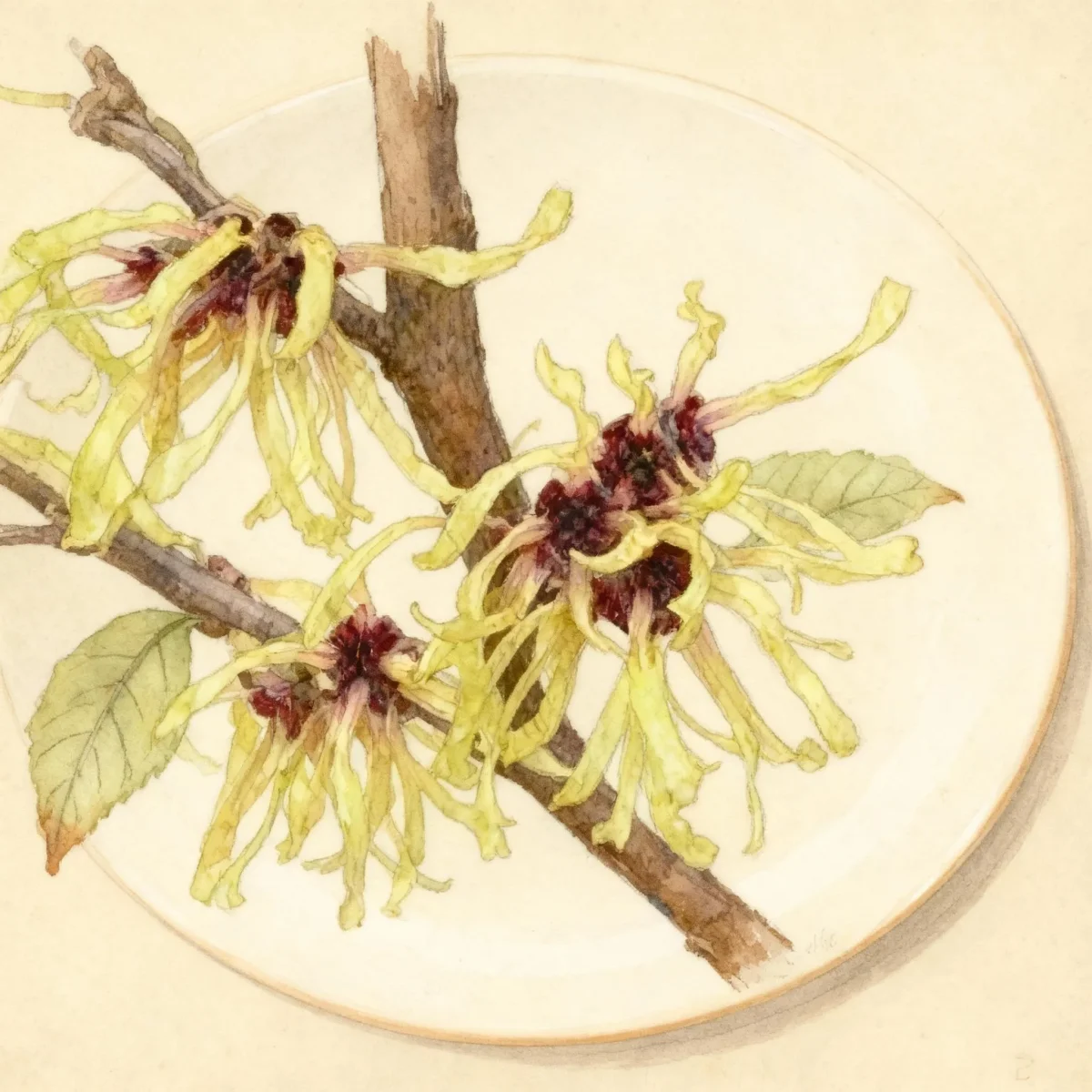
Witch hazel (Hamamelis 'KLM NN' GRAPE FIZZ)
Discover Hamamelis 'KLM NN' GRAPE FIZZ Witch hazel, a low-maintenance deciduous shrub offering reddish-purple winter blooms and excellent fall color.
Scroll down to discover growing tips, care requirements, companion plants, and more
Complete Plant Information
Overview
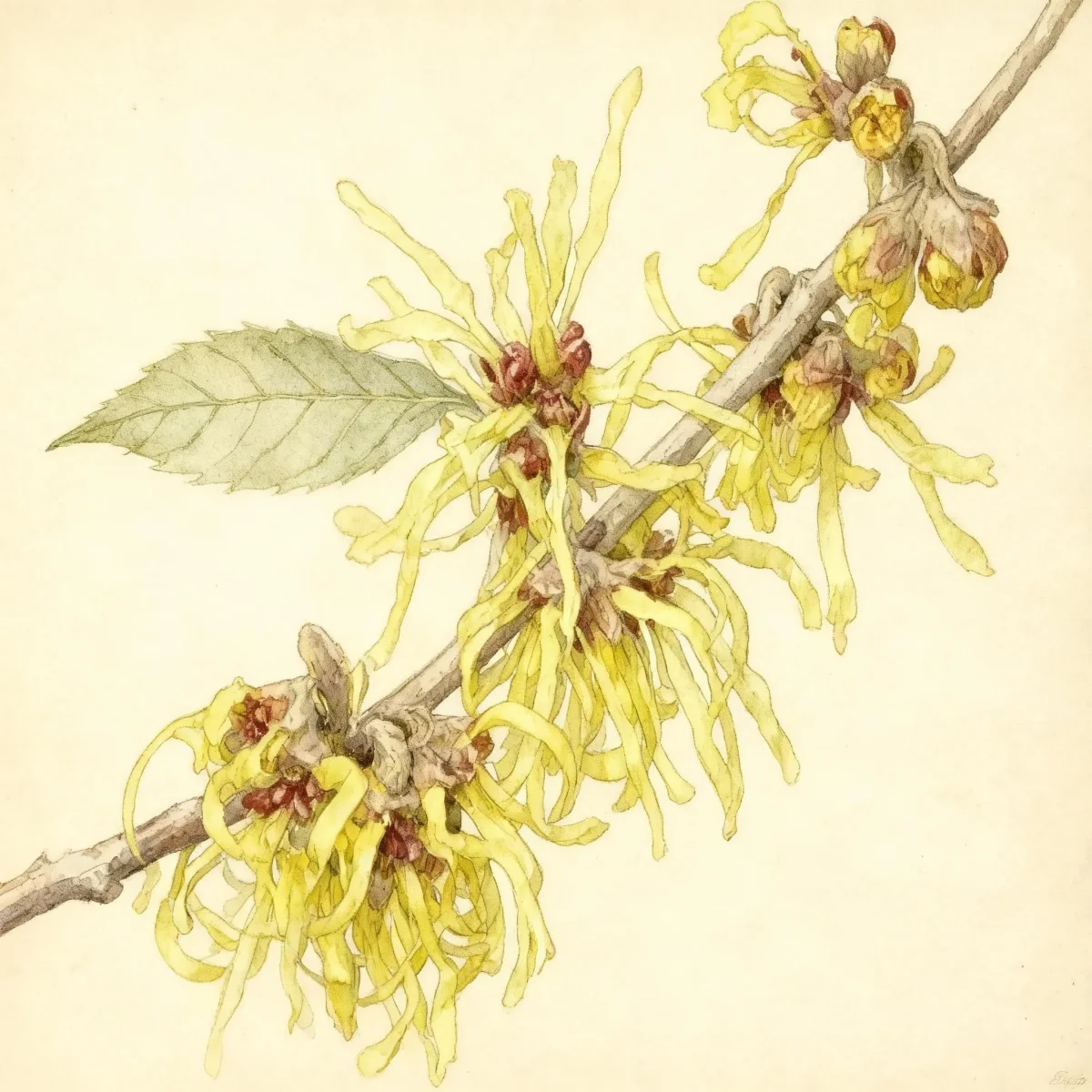
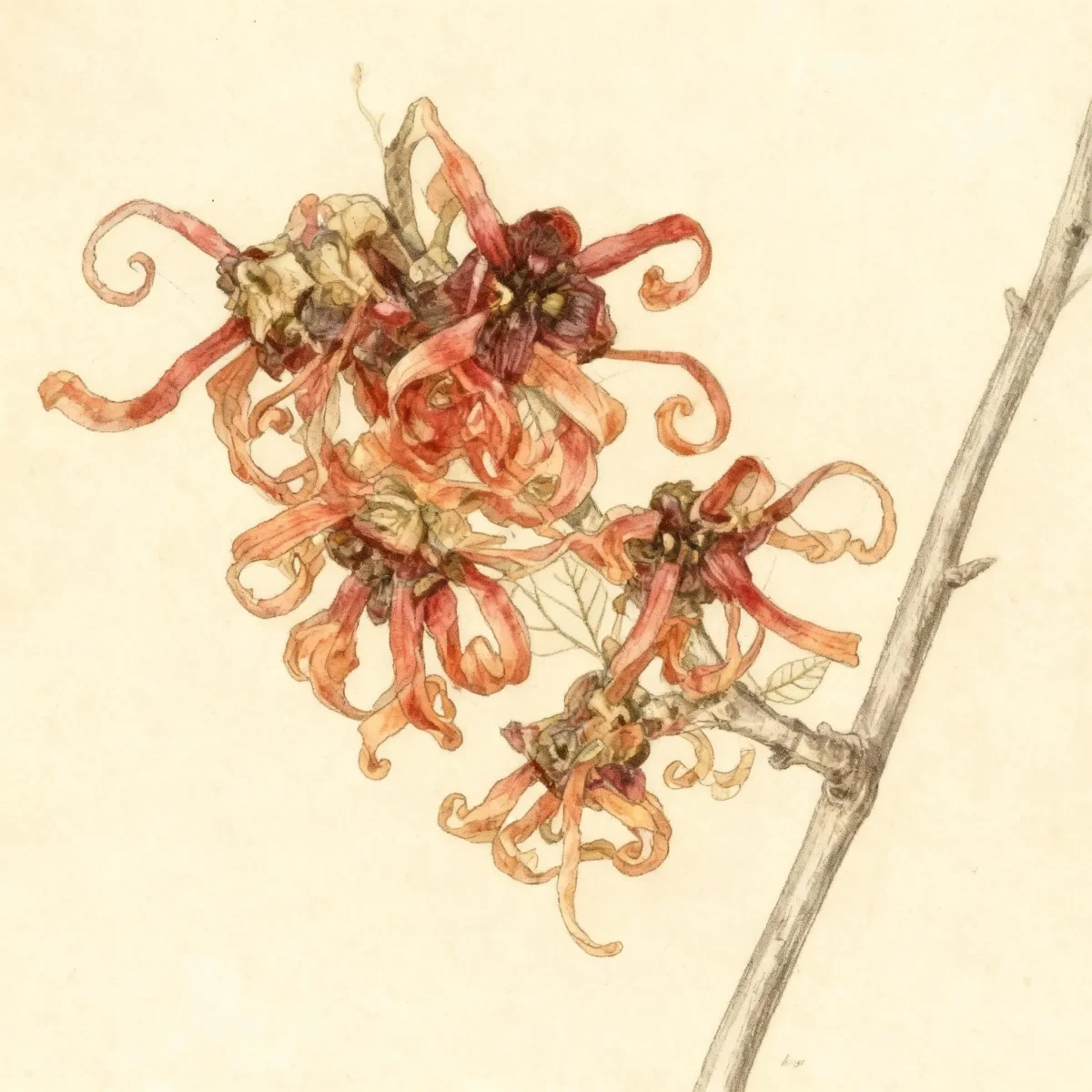
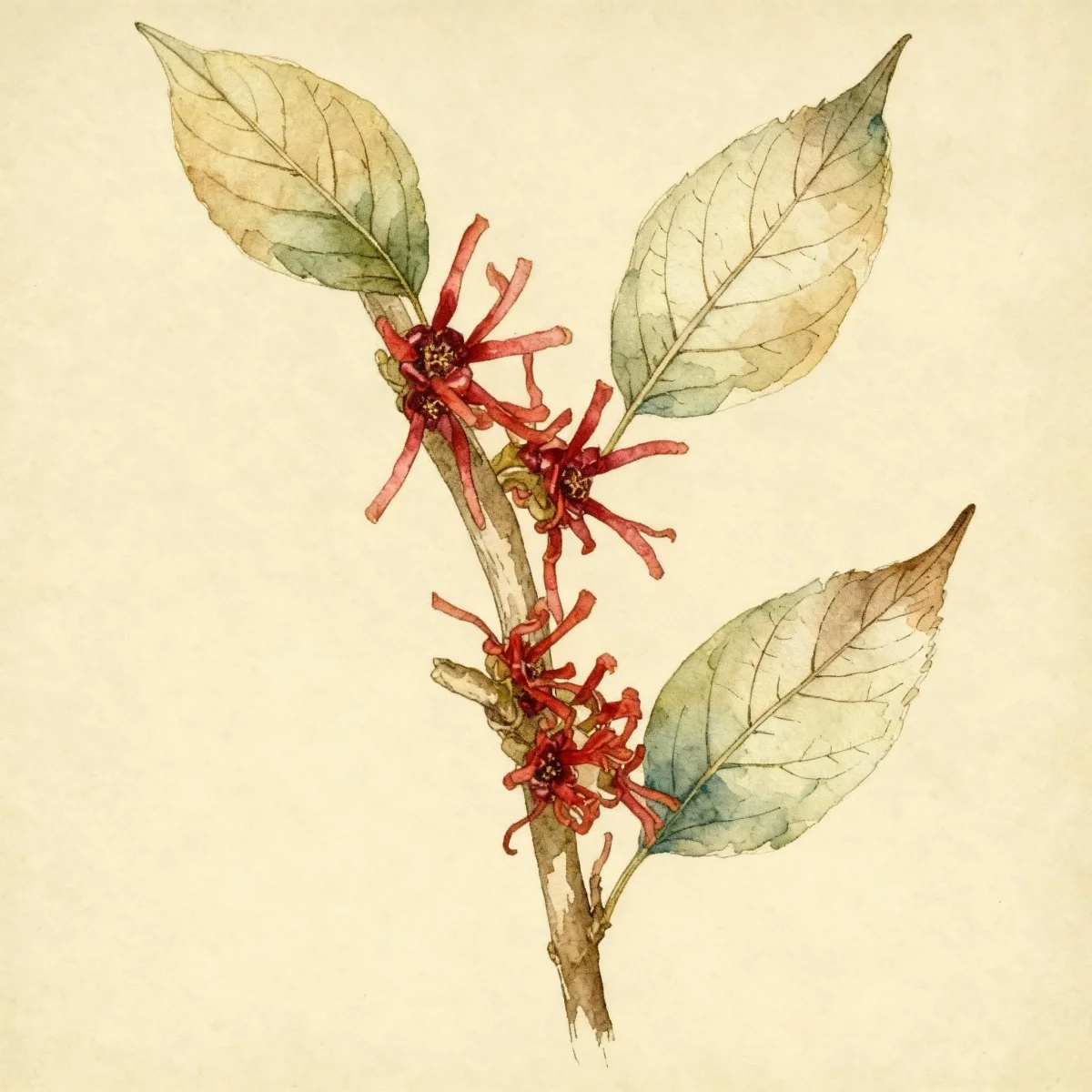
Hamamelis ‘KLM NN’ GRAPE FIZZ, commonly known as Witch hazel, is celebrated for injecting much-needed color into the late winter landscape. This deciduous shrub provides an antidote to winter drabness with its unique, ribbon-like flowers blooming when few other plants are awake. The cultivar ‘KLM NN’ exhibits beautiful reddish purple flowers, making it a standout specimen plant.
This specific Witch hazel is valued for its low maintenance requirements and adaptability across various soil types, provided drainage is adequate. Beyond its early spring performance, this shrub rewards the gardener again in autumn with brilliant golden yellow foliage. Growing to a modest size, the Hamamelis ‘KLM NN’ GRAPE FIZZ offers excellent structural interest year-round.
Functionally, this plant serves well as a screen, in borders, or as a striking focal point in woodland gardens. Its combination of early bloom, reliable fall color, and hardiness makes the Witch hazel a truly versatile and rewarding addition for gardeners seeking multi-season interest in USDA Zones 4 through 8.
Fast Facts
- Plant Family: Hamamelidaceae
- Plant Type: Deciduous shrub
- Hardiness Zones: USDA Zones 4-8
- Size at Maturity:
- Height: 4-5 ft
- Spread: 4-5 ft
- Bloom Time: February to March
- Bloom Description: Reddish purple
- Sun Exposure: Full sun to part shade
- Water Needs: Medium
- Maintenance Level: Low
How to Grow
Plant Hamamelis ‘KLM NN’ GRAPE FIZZ where it can be best admired during its dormant season bloom. While it tolerates part shade, maximize flower production by siting the shrub in full sun. It thrives in average, well-drained soils, but prefers those that are moist, acidic, and organically rich.
Maintain consistent moisture, especially during dry summer periods, as insufficient water can lead to leaf scorch. Although this Witch hazel shows some tolerance for clay, excellent drainage remains crucial for root health. The maintenance level for this plant is generally low.
Pruning should be done selectively, shaping the shrub immediately after flowering concludes in the spring. Avoid pruning later in the season. A critical maintenance task is promptly removing any root suckers that emerge, particularly those originating below the graft union, to maintain the desired cultivar structure and prevent colonial spread.
Landscape Uses
The Hamamelis ‘KLM NN’ GRAPE FIZZ excels as an excellent winter-flowering shrub, perfect for placement near patios or walkways where its early display can be appreciated. Its size, reaching 4 to 5 feet tall and wide, makes it ideal for medium-height shrub borders or as an accent specimen plant.
Use this Witch hazel to create a subtle screen or a low, informal hedge where its structure and early color are most needed. It integrates beautifully into woodland garden settings, contrasting against evergreen backdrops that highlight its winter flowers and golden fall foliage. Consider planting near evergreens to maximize the visual impact of the reddish purple blooms.
Standout Features
Flower Qualities
- Showy
- Fragrant
Noteworthy Characteristics
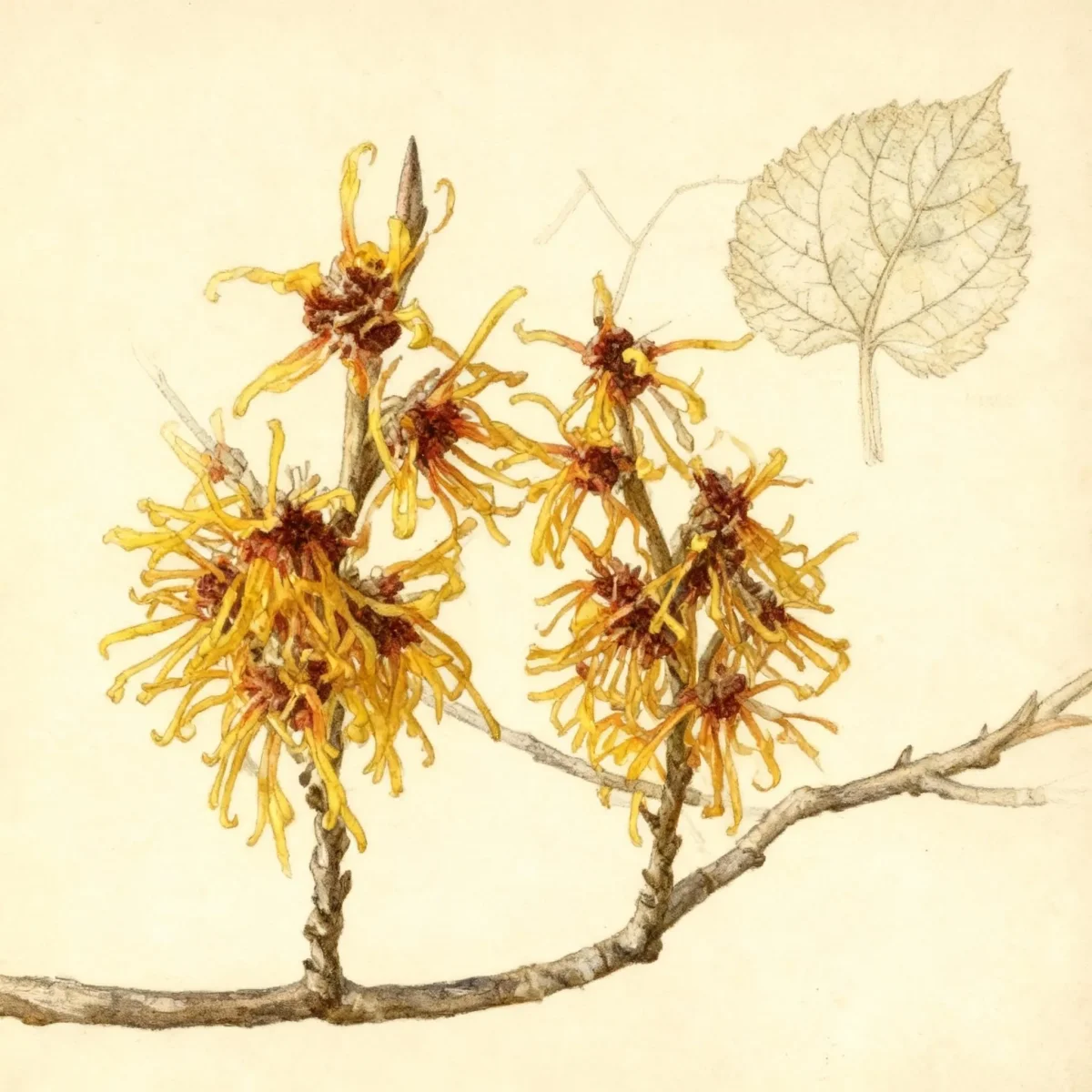
Hamamelis is a genus comprising about five or six deciduous shrub species native to East Asia and North America, prized for their very early late winter to early spring blooms. The ‘KLM NN’, marketed as GRAPE FIZZ, stands out for its dense clusters of reddish grape-purple, strap-like petals contrasted by bright yellow stamens. This useful shrub also develops noticeable golden-yellow color in the fall before dropping its leaves.
Tolerances
- Deer
- Erosion
- Clay Soil
- Air Pollution
Potential Problems
While generally robust, leaf-chewing insects like caterpillars and Japanese beetles may occasionally bother the foliage. Gardeners should also monitor for less common issues such as gall aphids, scale insects, leafrollers, and leafminers; however, these insect issues rarely require intensive chemical intervention.
Potential cultural problems include fungal issues like powdery mildew, occasional leaf spots, or root rots if soil drainage is poor. Since the Hamamelis ‘KLM NN’ GRAPE FIZZ prefers consistent moisture, be vigilant during dry spells to prevent summer drought scorch. Most insect and disease challenges are minor and do not usually warrant chemical controls.
Frequently Asked Questions
What hardiness zones is Witch hazel suitable for?
The Hamamelis ‘KLM NN’ GRAPE FIZZ Witch hazel is reliably hardy in USDA Zones 4 through 8.
How large does Hamamelis ‘KLM NN’ GRAPE FIZZ grow?
This deciduous shrub typically reaches a mature height between 4 and 5 feet, with an equal spread of 4 to 5 feet, maintaining a bushy habit.
When does Witch hazel bloom?
This specific cultivar, Hamamelis ‘KLM NN’ GRAPE FIZZ, offers its striking, reddish purple flowers in the late winter to very early spring, specifically from February through March.
What sun exposure does Witch hazel need?
For the best flowering performance, Witch hazel requires full sun, although it can tolerate partial shade; note that reduced light may lead to sparser blooms.
Conclusion
The Hamamelis ‘KLM NN’ GRAPE FIZZ provides essential winter structure and vibrant color, making it a low-effort, high-reward plant for any hardy landscape. This fragrant Witch hazel delivers multiple seasons of visual appeal, from early blooms to golden fall foliage. Before planting, ensure your site offers the required full sun to part shade conditions and excellent drainage appropriate for USDA Zone 4 winners.
Companion Planting
When selecting companions for Hamamelis ‘KLM NN’ GRAPE FIZZ, focus on plants that either precede or follow its early bloom time or share similar soil preferences. Because Witch hazel prefers moist, acidic, organically rich soils, pairing it with acid-loving evergreens like Rhododendrons or Azaleas works exceptionally well, providing a deep green contrast to the shrub’s winter flowers.
Early spring bulbs, such as Crocus or early Daffodils, can bloom simultaneously or just after the Hamamelis finishes, creating a seamless transition into the main spring garden display. For late-season interest, consider groundcovers like Hellebores, which also appreciate similar filtered light conditions when the Witch hazel is fully leafed out.
Seasonal Care Calendar
Late Winter/Very Early Spring (Bloom Time): Enjoy the flowers! Monitor weather; severe sustained cold snaps after dormancy breaks can damage emerging buds, though Witch hazel is remarkably cold-tolerant.
Spring (Post-Bloom): This is the ideal crucial window for pruning. Shape the Hamamelis ‘KLM NN’ GRAPE FIZZ, removing deadwood and controlling size, immediately after flowering ceases to maximize next year’s bloom set.
Summer: Focus on consistent watering, particularly during dry spells, to prevent leaf scorch. If necessary, apply a layer of organic mulch to retain soil moisture and enrich the soil structure.
Autumn: Watch for the foliage to turn brilliant golden yellow. This is also a good time to check for any root suckers developing at the base of the plant.