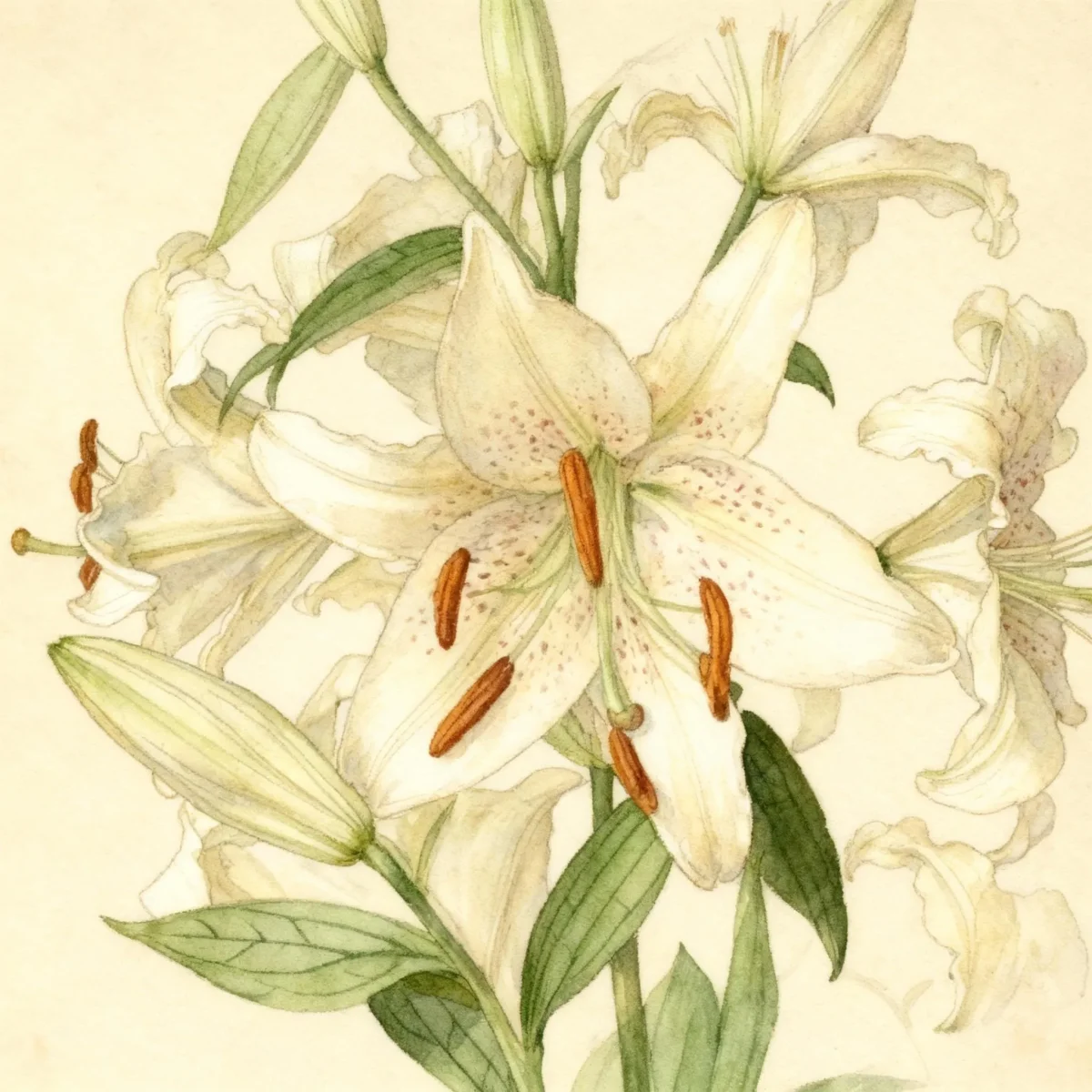
Longiflorum-trumpet lily (Lilium 'Zanlophator' TRIUMPHATOR)
Lilium 'Zanlophator' TRIUMPHATOR, the Longiflorum-trumpet lily, offers showy, fragrant white blooms with rose-red centers. A low-maintenance bulb for zones 4-8.
Scroll down to discover growing tips, care requirements, companion plants, and more
Complete Plant Information
Overview
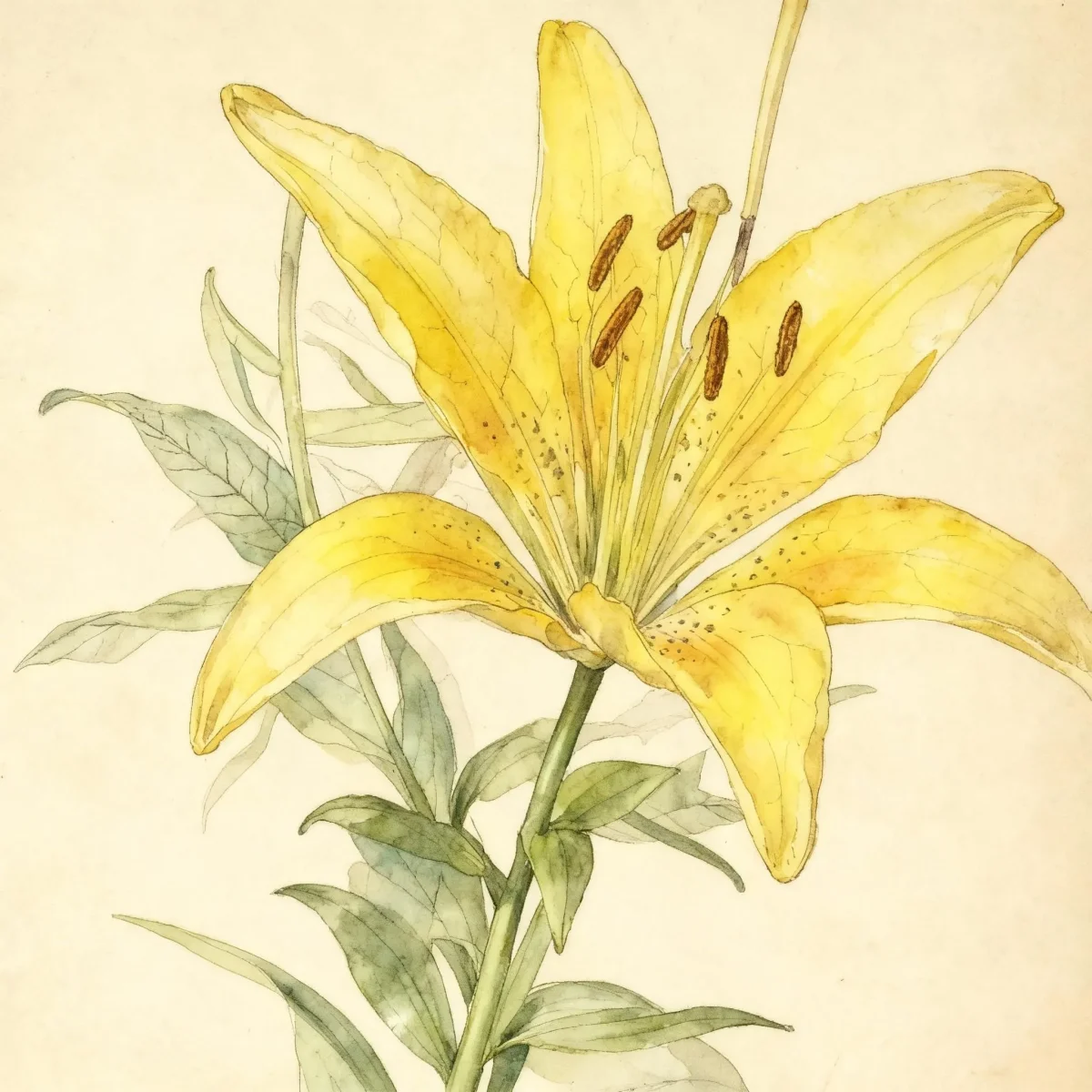
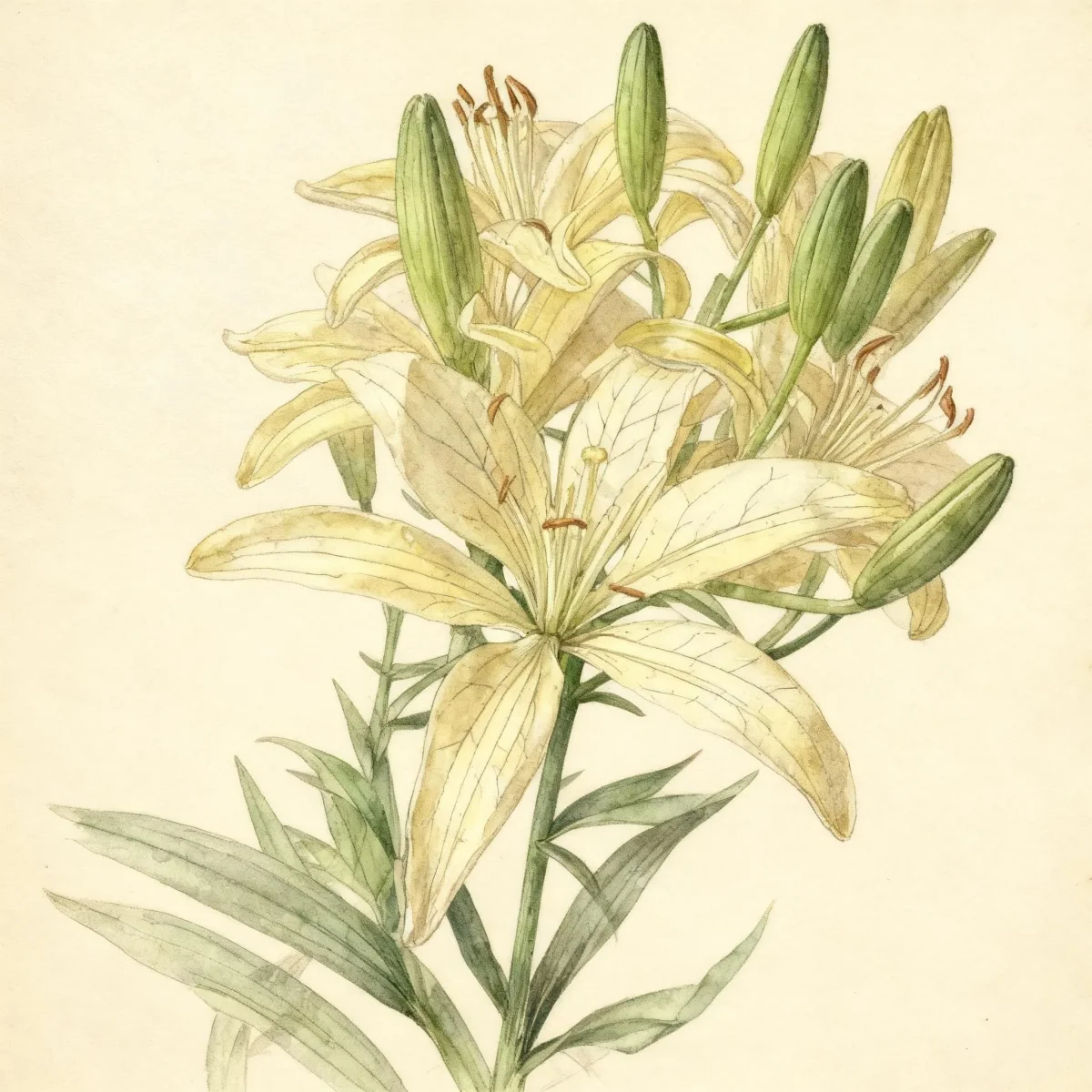
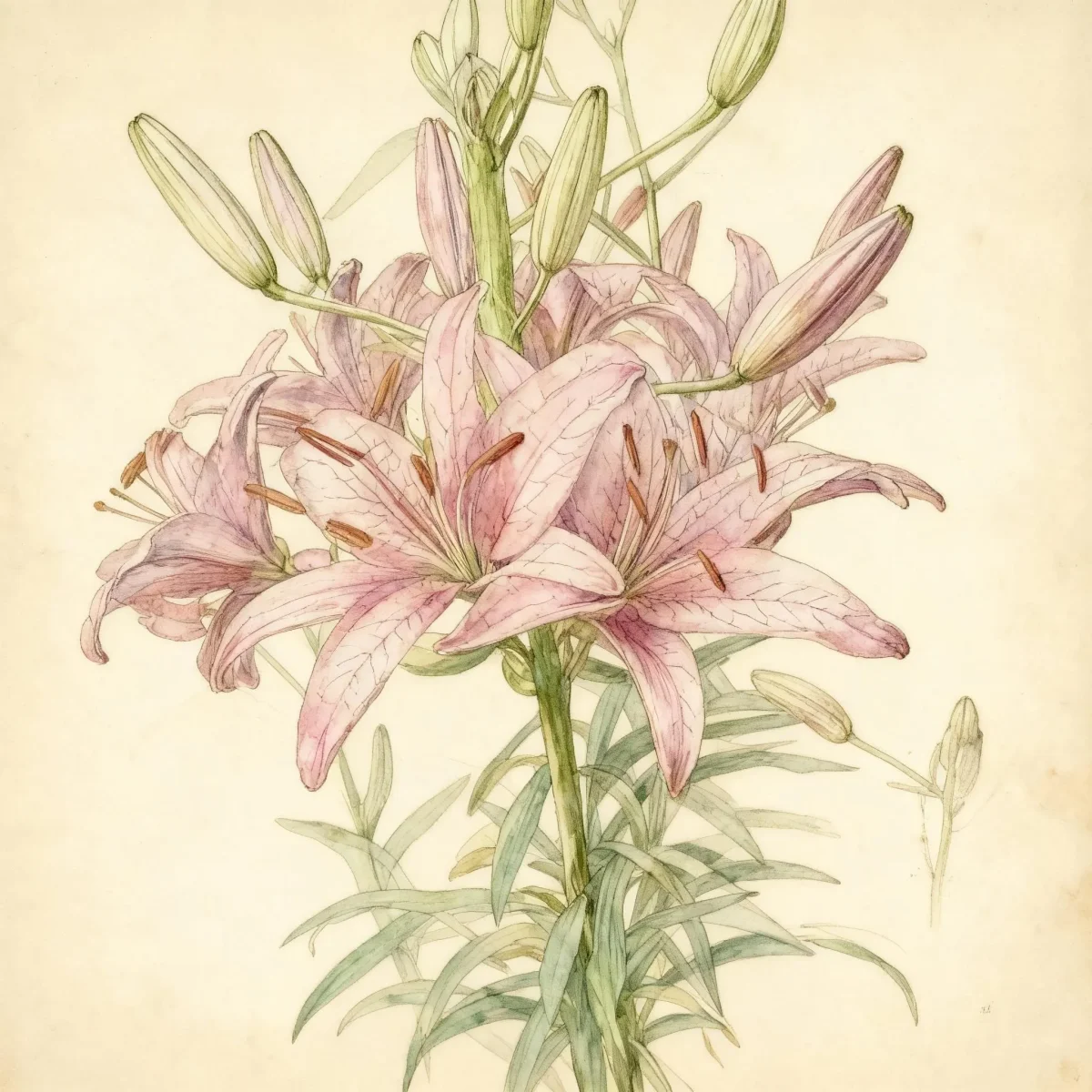
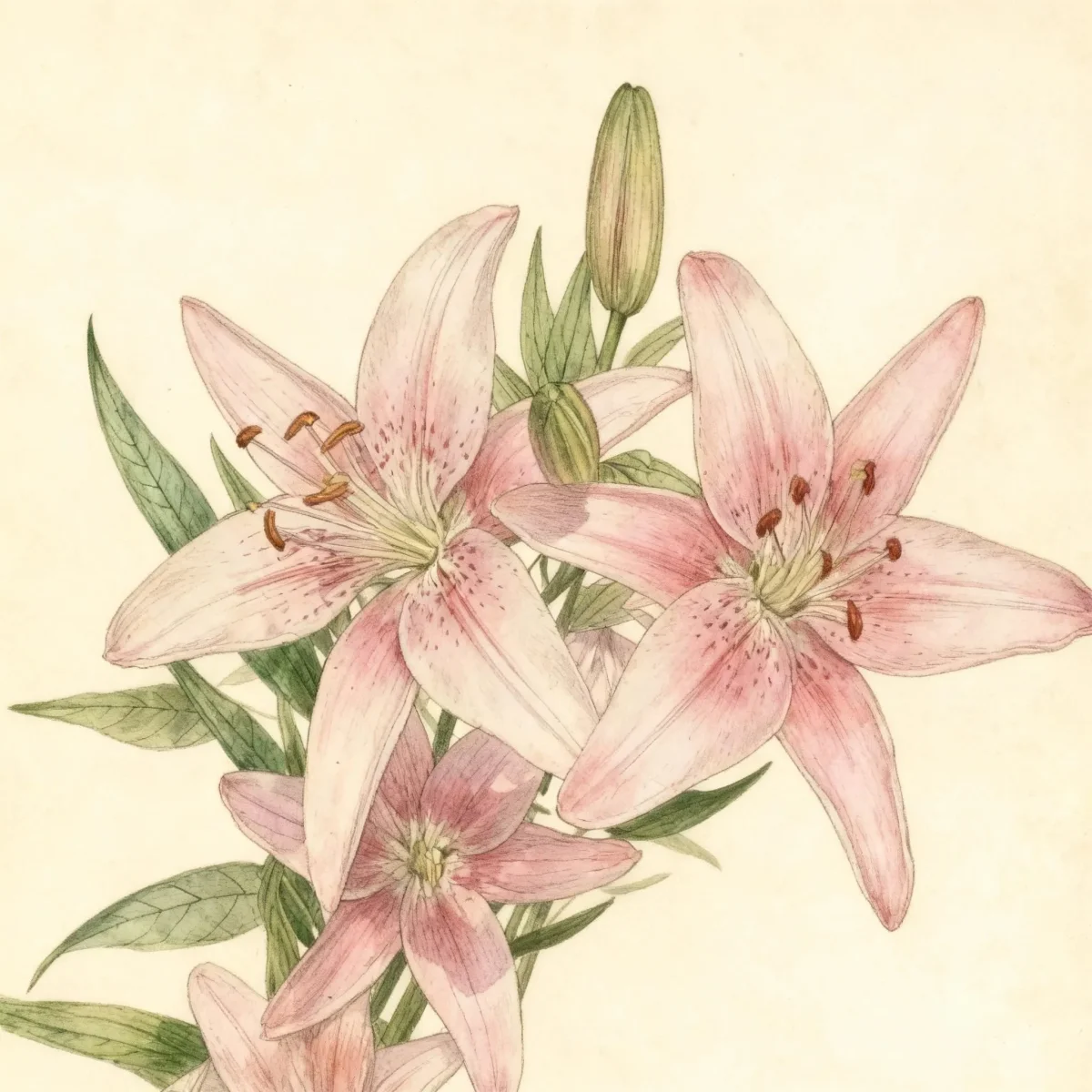
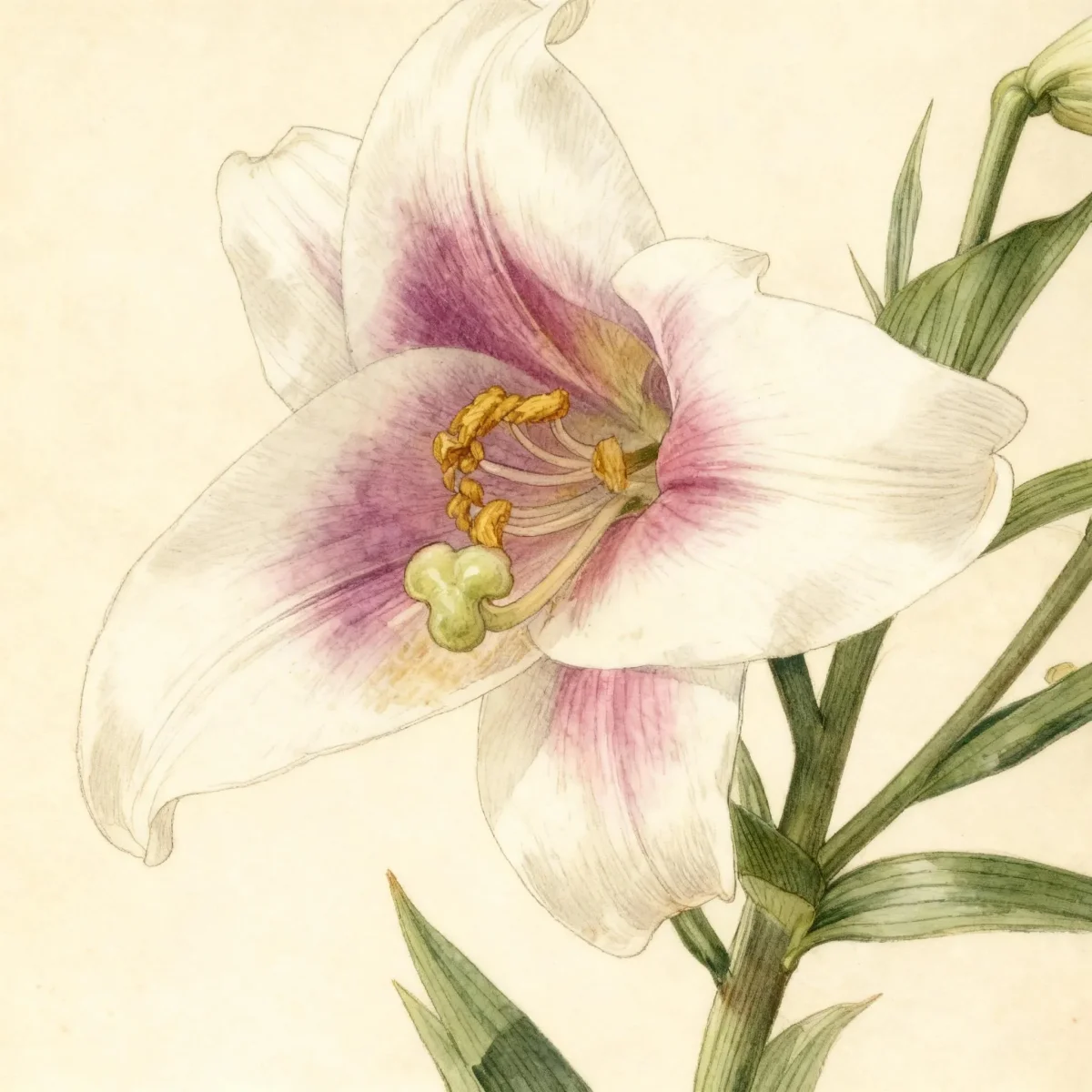
The Lilium ‘Zanlophator’ TRIUMPHATOR, commonly known as the Longiflorum-trumpet lily, is a spectacular Division VIII hybrid prized for its large, outward-facing, trumpet-shaped flowers. These blooms are highly valued not only for their striking appearance—white petals accented by a deep rose-red center—but also for their powerful fragrance, making them essential for summer gardens. As a bulbous perennial, this variety provides reliable, low-maintenance color during the peak summer months.
This resilient lily grows readily in average, well-drained soil, thriving in conditions ranging from full sun to partial shade. Reaching heights generally between 3 to 4 feet on stiff, vertical stems, the Longiflorum-trumpet lily stands out beautifully in perennial borders. Gardeners appreciate the easy care required for this showy perennial, which rewards minimal effort with significant summer impact.
The genus Lilium encompasses about 100 species, and cultivars like Lilium ‘Zanlophator’ TRIUMPHATOR showcase the best hybrid vigor. Beyond the border, its excellent structure and scent make it a superb choice for use as fresh cut flowers, allowing its beauty to transition indoors. Plant placement near seating areas maximizes enjoyment of the fragrance on warm evenings.
Fast Facts
- Plant Family: Liliaceae
- Plant Type: Bulb
- Hardiness Zones: USDA Zones 4-8
- Size at Maturity:
- Height: 3-4 ft
- Spread: 1-1.5 ft
- Bloom Time: June to July
- Bloom Description: White with rose-red center
- Sun Exposure: Full sun to part shade
- Water Needs: Medium
- Maintenance Level: Low
How to Grow
Planting Lilium ‘Zanlophator’ TRIUMPHATOR bulbs is best achieved in the fall, though some nurseries offer potted stock that can be planted from spring through fall. Aim for a location with rich, deep, and well-drained soil, as lilies despise wet feet, which can lead to bulb rot. When planting bulbs, set them 4 to 6 inches deep, spacing groups of three about 12 inches apart for the best visual impact.
Ongoing care requires consistency; these lilies need good, even moisture year-round, so avoid letting the soil dry out completely. A key cultural tip is to ensure the plant’s upper portion receives full sun while the root zone benefits from shade—mulching heavily around the base is highly recommended to keep the roots cool and moist. Water moderately, acknowledging that too much moisture is detrimental.
After the spectacular white and rose-red flowers fade, immediately deadhead them to prevent seed formation. Do not cut the rest of the stem and foliage back prematurely; wait until late in the season after the leaves and stems have yellowed naturally, allowing the bulb to store energy. Taller stems of Lilium ‘Zanlophator’ TRIUMPHATOR may occasionally require staking, especially if grown in too much afternoon shade or exposed to heavy winds.
Landscape Uses
The visual drama provided by this Longiflorum-trumpet lily makes it an excellent addition to the summer perennial border, where its height and contrasting flower color offer essential structure. Plant them in strategic groupings rather than singly to create a noticeable splash of color against a backdrop of complementary foliage. Because they flower mid-summer, site them where they can pair well with late spring bloomers or early autumn interest plants.
Container gardening is also a successful application for Lilium ‘Zanlophator’ TRIUMPHATOR, though the resulting flowers may be slightly smaller than those grown in the ground. When using pots, ensure drainage is impeccable and keep the soil consistently moist. This lily also shines when placed near patios, decks, or windows where its strong, sweet fragrance can be fully appreciated on a dry summer evening.
These magnificent hybrids are renowned for their performance as fresh cut flowers, bringing length and fragrance to indoor arrangements. In the landscape, they serve well as vertical accents, drawing the eye upward amidst lower-growing companion plants that help shade the bulb’s root zone, fulfilling the traditional lily requirement.
Standout Features
Flower Qualities
- Showy
- Fragrant
Noteworthy Characteristics
Lilium is a genus known for its 6-tepaled flowers often held in trumpet, funnel, or cup shapes atop unbranched stems clothed with handsome layered leaves. TRIUMPHATOR specifically falls under Division VIII hybrids, combining traits from Longiflorum and Oriental types to create a robust plant growing 3-4’ tall. These large, fragrant, trumpet-shaped flowers bloom in early to mid-summer, typically showcasing white petals rimmed with rose-red tones.
Tolerances
No specific tolerances were listed for this cultivar.
Potential Problems
Gardeners should monitor for the presence of lily leaf beetles, which can cause significant defoliation if left unchecked in certain regions. A primary concern is bulb rot, which stems directly from poorly drained or overly saturated soil conditions during the growing season or winter dormancy. Furthermore, be aware of lily mosaic virus; since there is no cure, prompt and effective control of aphids, which transmit the disease, is critical management advice. Staking may be necessary for taller stems, particularly if the plant is situated where it receives insufficient sunlight, leading to weaker structure.
Frequently Asked Questions
What hardiness zones is Longiflorum-trumpet lily suitable for?
The Lilium ‘Zanlophator’ TRIUMPHATOR is suitable for USDA Hardiness Zones 4 through 8.
When does Longiflorum-trumpet lily bloom?
This variety typically blooms in the early to mid-summer, specifically between June and July, displaying white flowers with rose-red centers.
How large does Lilium ‘Zanlophator’ TRIUMPHATOR grow?
At maturity, this hybrid lily generally reaches a height between 3 and 4 feet, with a spread of 1 to 1.5 feet.
What sun exposure does Lilium ‘Zanlophator’ TRIUMPHATOR need?
This plant performs best receiving full sun to light part shade, though caution is advised as too much shade can weaken the stems.
Conclusion
The Lilium ‘Zanlophator’ TRIUMPHATOR delivers exceptional value to the summer garden through its impressive height, glorious fragrance, and dramatic bicolora appearance. This Longiflorum-trumpet lily variant is relatively low-maintenance, provided its essential needs for excellent drainage and consistent, medium moisture are met. Check your local hardiness zone compatibility (4-8) and plan your fall planting schedule now to enjoy these stunning blooms next summer.
Companion Planting
Choosing the right neighbors is essential for maximizing the beauty and health of your lilies. Companion planting can also help shade the roots of the upright Lilium ‘Zanlophator’ TRIUMPHATOR, which prefers its crown to be cool. Good partners include perennials with lower, denser habits, such as ornamental salvias, low-growing Geraniums, or Hosta varieties that offer striking foliage contrast without competing heavily for sunlight at the soil level.
Ensure that any companion plants do not overcrowd the lilies once they reach their mature height of 3 to 4 feet. Good companions should share similar water needs—medium moisture—and thrive in the same sun exposure (full sun to part shade). Avoid plants demanding intense afternoon sun if you are placing the lily where it gets afternoon shade to protect its roots.
Seasonal Care Calendar
Spring marks the beginning of active growth; ensure bulbs have adequate moisture as shoots emerge from the soil. If you did not mulch in the fall, apply a 2-3 inch layer of organic mulch now to keep the root zone cool, as mentioned in cultural requirements. Throughout the growing season, maintain consistent watering; do not allow the soil to dry out, but avoid saturation which causes rot.
Summer is for bloom maintenance and staking. As flowers fade in June or July, deadhead spent blooms promptly. If you notice stems leaning after heavy rain or wind, install a support stake early before the stem bends permanently. Continue monitoring for pests like the lily beetle, applying treatment early if infestations are noted near you.
As temperatures drop in the fall, resist the urge to immediately cut the foliage down. Allow the stems and leaves of the Lilium ‘Zanlophator’ TRIUMPHATOR to yellow and die back naturally. This process is crucial for the bulb to store reserves needed for robust flowering the following year. Once fully dormant and brown, clean up the spent stems and apply a final layer of mulch for winter protection.