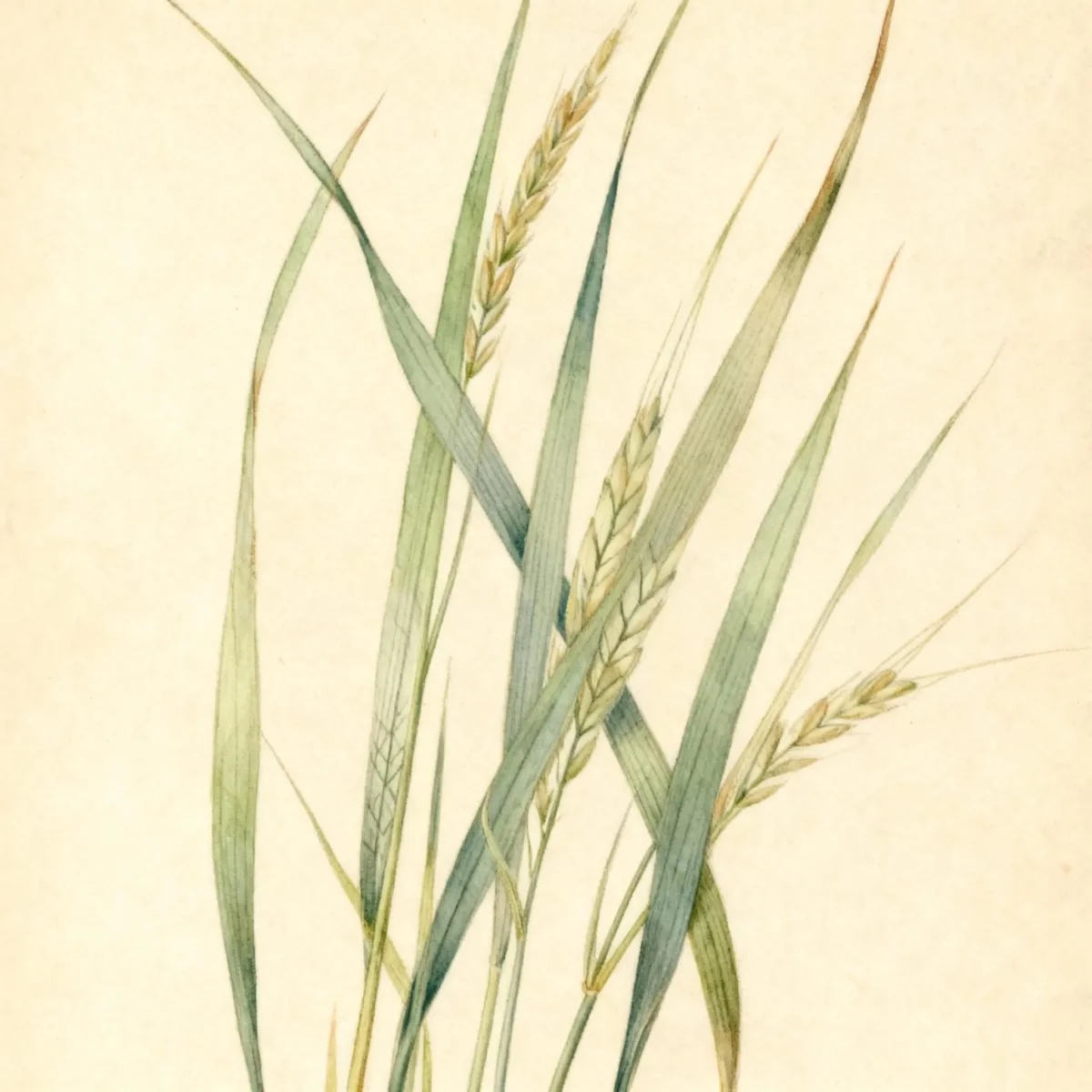
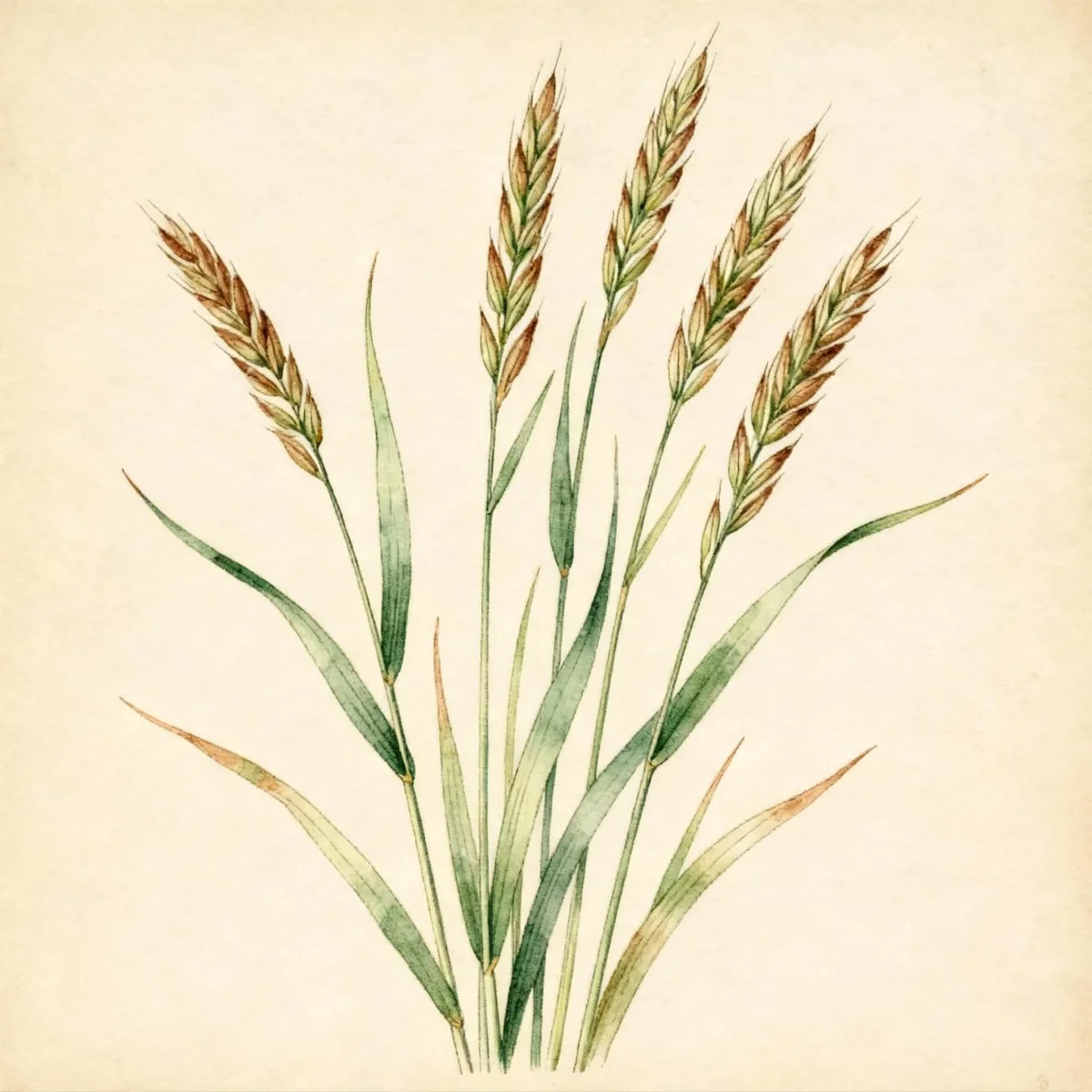
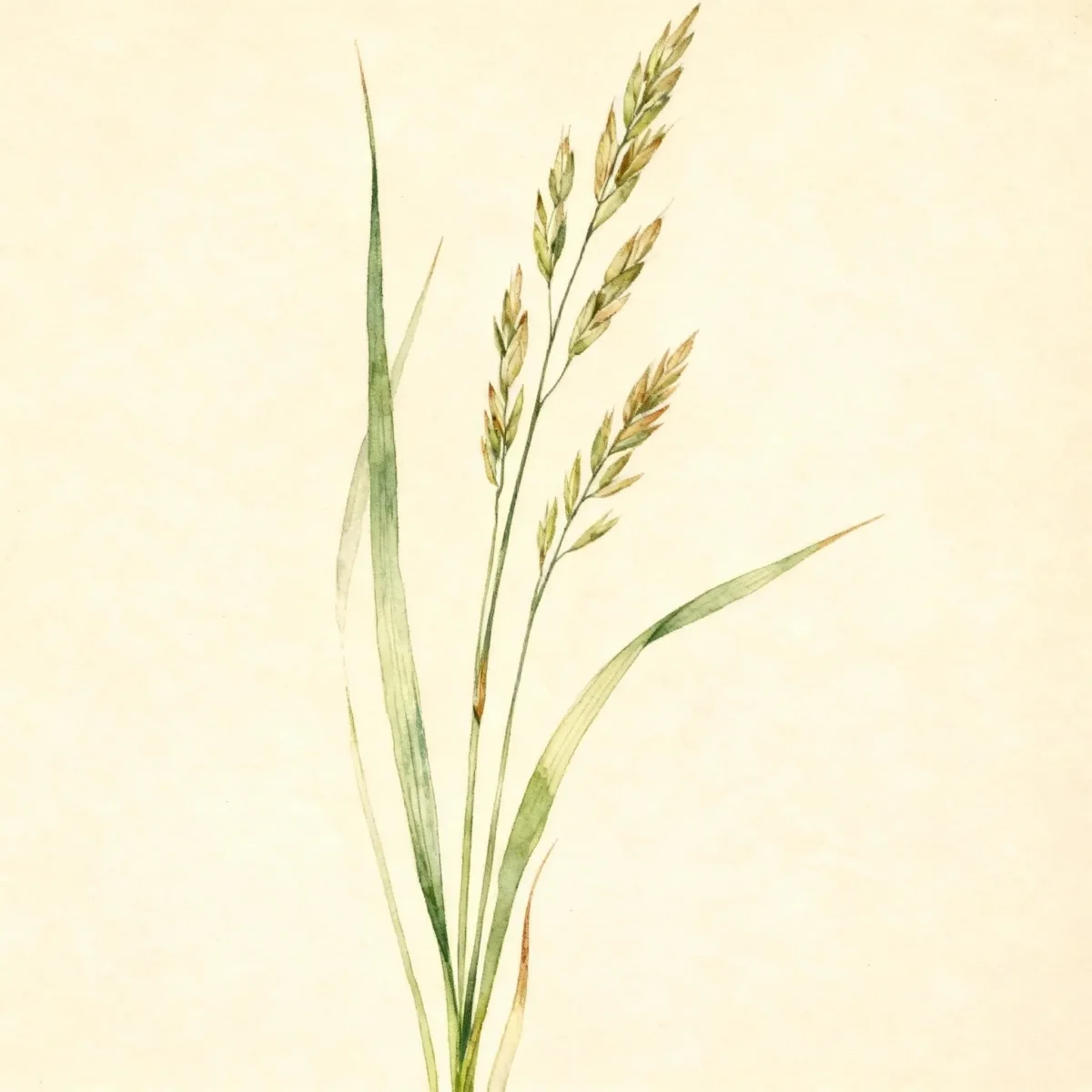
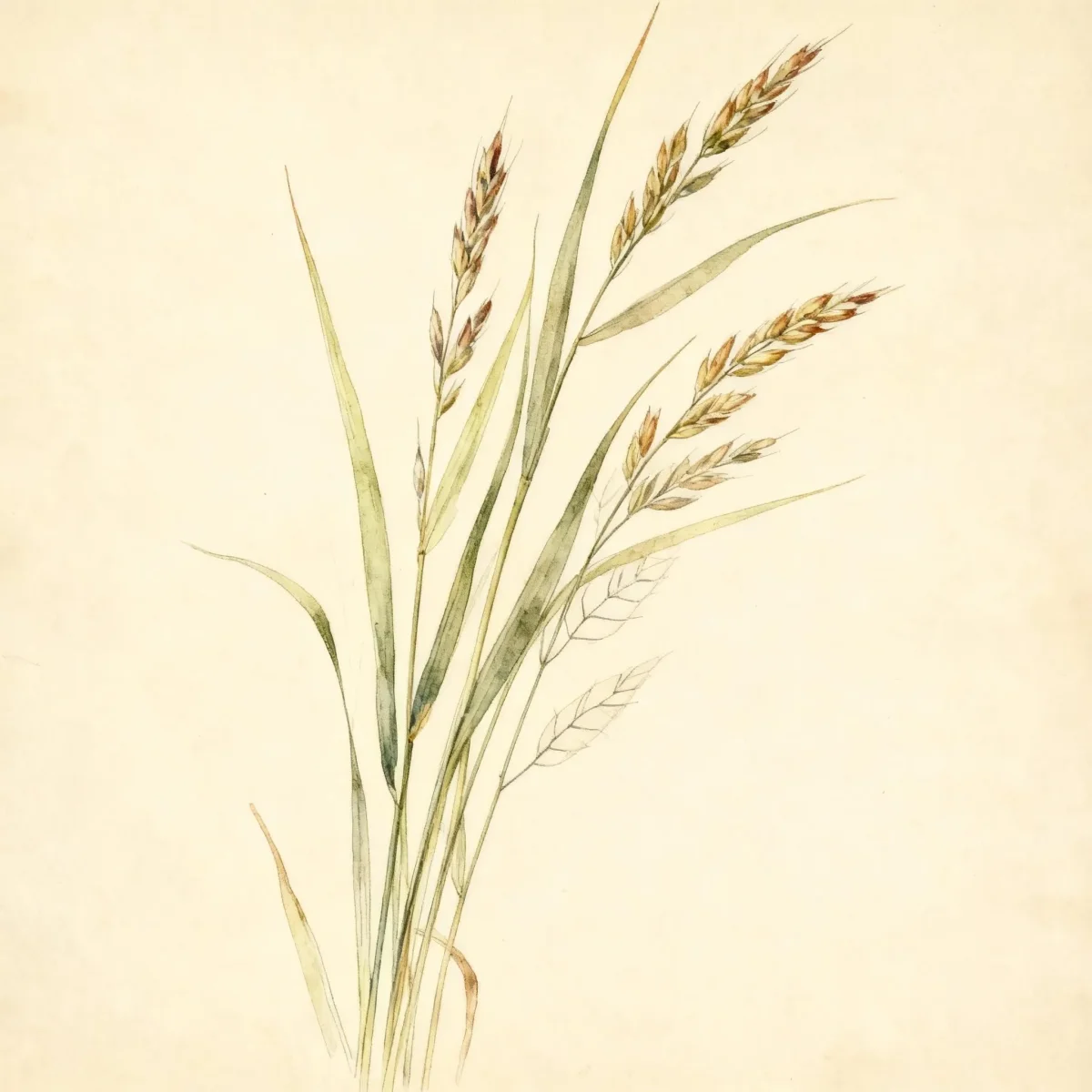
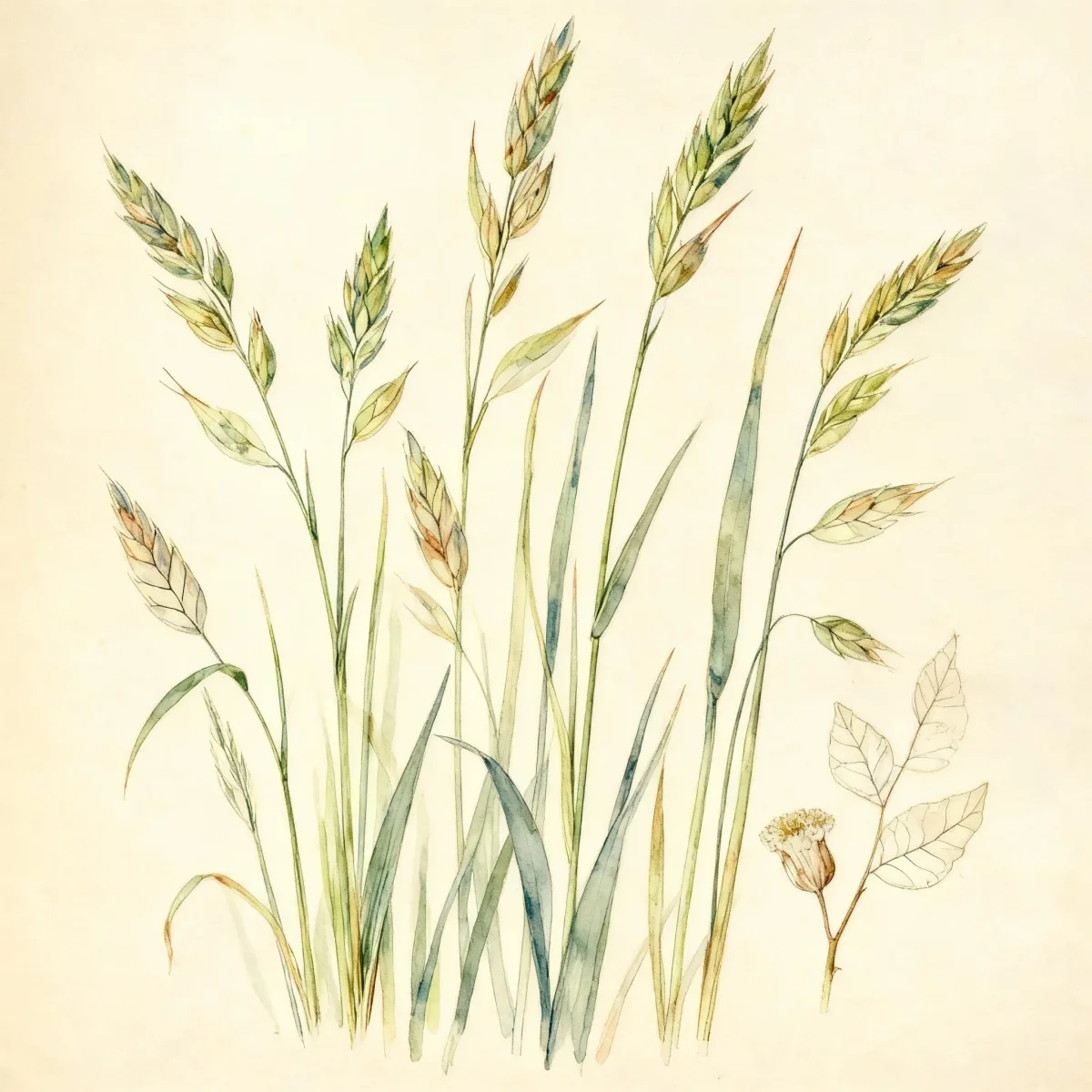
Tall fescue (Festuca arundinacea PROSCAPE WINNING COLORS)
Festuca arundinacea PROSCAPE WINNING COLORS, known as Tall fescue, offers coarse texture and excellent heat/drought tolerance for tough lawns.
Scroll down to discover growing tips, care requirements, companion plants, and more
Complete Plant Information
Overview
Festuca arundinacea PROSCAPE WINNING COLORS, commonly recognized as Tall fescue, is a valuable turfgrass celebrated for its coarse texture and robust environmental tolerance. This cultivar excels where many other grasses struggle, particularly in the challenging transition zones of the U.S. Its extensive, deep root system is the cornerstone of its success, providing superior drought resistance once established.
As a bunch-type grass, Tall fescue maintains an upright, slightly clumping habit. While it lacks aggressive underground runners (rhizomes or stolons), its tough constitution makes it a reliable choice for residential lawns. Gardeners appreciate the hardiness of Festuca arundinacea PROSCAPE WINNING COLORS for creating durable turf that withstands both summer heat and periodic winter cold.
Cultivars like WINNING COLORS are specifically bred for superior performance, offering good disease resistance and mowability. For areas needing tough, established wear areas that don’t require rapid self-repair, Tall fescue delivers resilient green coverage across its recommended growing range.
Fast Facts
- Plant Family: Poaceae
- Plant Type: Turfgrass
- Hardiness Zones: USDA Zones 3-6
- Size at Maturity:
- Height: 0.25-0.5 ft
- Spread: 0.25-0.5 ft
- Bloom Time: Non-flowering
- Bloom Description: Non-flowering
- Sun Exposure: Full sun to part shade
- Water Needs: Medium
- Maintenance Level: Medium
How to Grow
Planting Tall fescue is best accomplished in the early fall or early spring, which are the periods of active cool-season growth. Ensure the site receives full sun to partial shade, as this versatility aids placement in diverse yards. Tall fescue establishes well in most soil types but requires preparation to ensure adequate drainage necessary for root health. The recommended seeding rate for establishing a new lawn is quite dense, ranging from 7 to 10 lbs. Per 1,000 sq. Ft.
Once established, Festuca arundinacea PROSCAPE WINNING COLORS requires medium maintenance. It demands regular watering, especially during summer dry spells in southern regions of its range. Nitrogen application should total between 1 to 3 pounds per 1,000 sq. Ft. Annually to maintain vigor. Mowing height is crucial; keep the grass blades between 2 to 3 inches tall to promote deep root development and help shade out weeds.
Seasonal management focuses on timely repair. Because Tall fescue does not spread quickly to fill gaps, any areas damaged by weather extremes, pests, or heavy traffic must be reseeded promptly in the favorable spring or autumn window. Minimize stress during peak summer heat by slightly raising the mower deck and ensuring sufficient—but not excessive—moisture.
Landscape Uses
Dwarf fescue, a type of Festuca arundinacea PROSCAPE WINNING COLORS, is primarily selected for its application as a robust residential lawn, especially favored across the U.S. transition zone. This area experiences challenging temperature swings, making the heat and cold tolerance of this grass indispensable. While it creates a tough play lawn, its slower repair rate limits its effectiveness in high-traffic sport turf environments where rapid recovery is essential.
When integrating Festuca arundinacea PROSCAPE WINNING COLORS into landscape designs, consider its coarse texture as a backdrop for finer-textured bedding plants or shrubs. It works well as an informal groundcover where broad expanses of resilient green are required. Due to its bunching nature, avoid using it as an edging material unless a deliberate, slightly uneven, mounding appearance is desired.
Standout Features
Noteworthy Characteristics
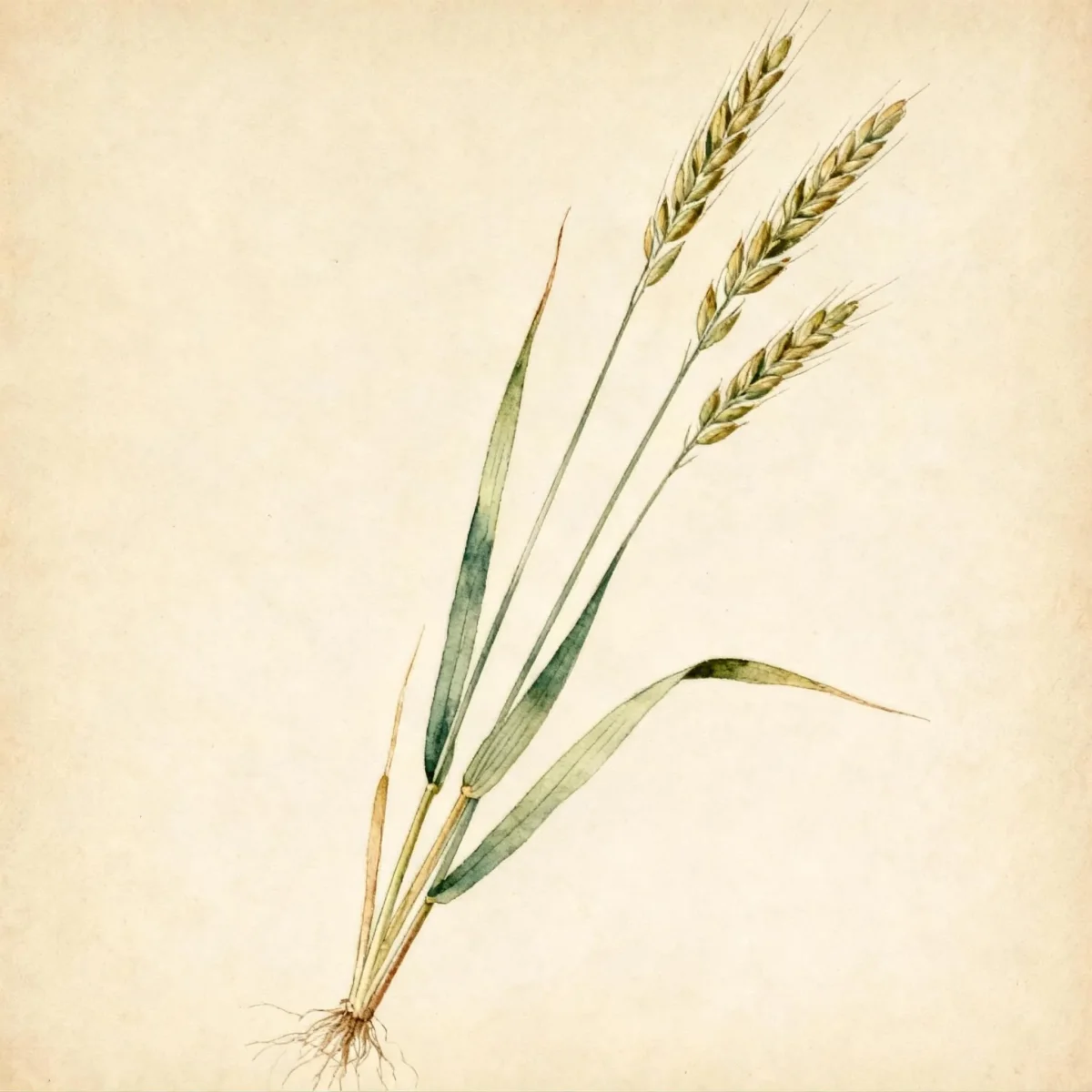
Tall fescue is a coarse textured grass tolerant to a wide variation in environmental conditions. It has a bunch-type growth habit that causes it to appear clumped and upright, lacking rapid spread via underground runners. This extensive, deep root system makes tall fescue an excellent choice for sites prone to drought and it handles summer heat well. WINNING COLORS, specifically, is noted for its good disease resistance, excellent mowability, and strong heat and drought tolerance once fully established.
Tolerances
- Good disease tolerance
Potential Problems
Like other fescues, the growth habit of this turfgrass tends toward clumping, meaning if included in seed mixes, Tall fescue must remain the dominant component. Wearability is generally good during the high-growth seasons of spring and fall. However, during summer, sensitivity to drought may cause the turf to enter dormancy, appearing brown until moisture returns.
Damaged sections requiring revitalization must be reseeded during the optimum times: spring or fall. A specific vulnerability for dwarf fescue varieties is the fungal disease brown patch. Because the growth rate is slow, if brown patch becomes established mid-summer, recovery can be very slow, causing significant aesthetic issues until cooler weather allows for repair efforts. Preventative fungicide applications may be warranted in high-risk, humid summers.
Frequently Asked Questions
What hardiness zones is Tall fescue suitable for?
Festuca arundinacea PROSCAPE WINNING COLORS thrives across a broad cooling range, suitable for USDA Zones 3 through 6.
How large does Tall fescue grow?
This turfgrass maintains a relatively short stature, typically ranging in height from 0.25 to 0.5 feet, with a similar spread of 0.25 to 0.5 feet.
What sun exposure does Festuca arundinacea PROSCAPE WINNING COLORS need?
This grass variety is adaptable, performing well in areas ranging from full sun exposure right through to spots that only receive part shade.
When does Tall fescue bloom?
Festuca arundinacea PROSCAPE WINNING COLORS is classified as non-flowering for landscape purposes.
Conclusion
The primary value of Festuca arundinacea PROSCAPE WINNING COLORS lies in its durability, combining drought resistance from its deep roots with tolerance for both summer heat and cool winters. This makes the Tall fescue cultivar WINNING COLORS an exceptional foundational turf for challenging transition zone landscapes. Before seeding, verify local climate matches USDA Zones 3-6 and plan your application during the ideal fall or spring planting windows for best establishment.
Companion Planting
When cultivating Festuca arundinacea PROSCAPE WINNING COLORS, companion planting should focus on species that share similar moisture and maintenance needs to avoid resource competition. Since this is a coarse-textured turf, consider pairing its edges with fine-textured perennial grasses or low-growing Sedums that appreciate sharp drainage. For mixed borders, low-growing, drought-tolerant perennials like Creeping Thyme or Achillea work well near the turf edge, as they will not require vastly different watering schedules once the Tall fescue is mature.
Planting near native, deep-rooted wildflowers is also beneficial, as they can handle the medium water requirements without drowning out the lawn. Avoid placing fine-bladed Kentucky bluegrass nearby, as it often fails in the hotter, drier periods where Tall fescue excels, leading to uneven turf loss and bare patches.
Seasonal Care Calendar
Early Spring: This is an ideal time for repairing thinning areas; overseed damaged spots when daytime temperatures consistently reach 55°F. Apply the first light application of nitrogen fertilizer (following soil test recommendations) as growth resumes.
Summer: Monitor watering closely; though drought-tolerant, consistent medium water keeps the turf looking its best, especially during heat waves. Keep mowing height at the upper end of the 2-3” range and avoid heavy use when the grass is stressed.
Fall: The best time for major reseeding projects. Clean up fallen debris to prevent snow mold and ensure good air circulation over the turf crowns before winter sets in.