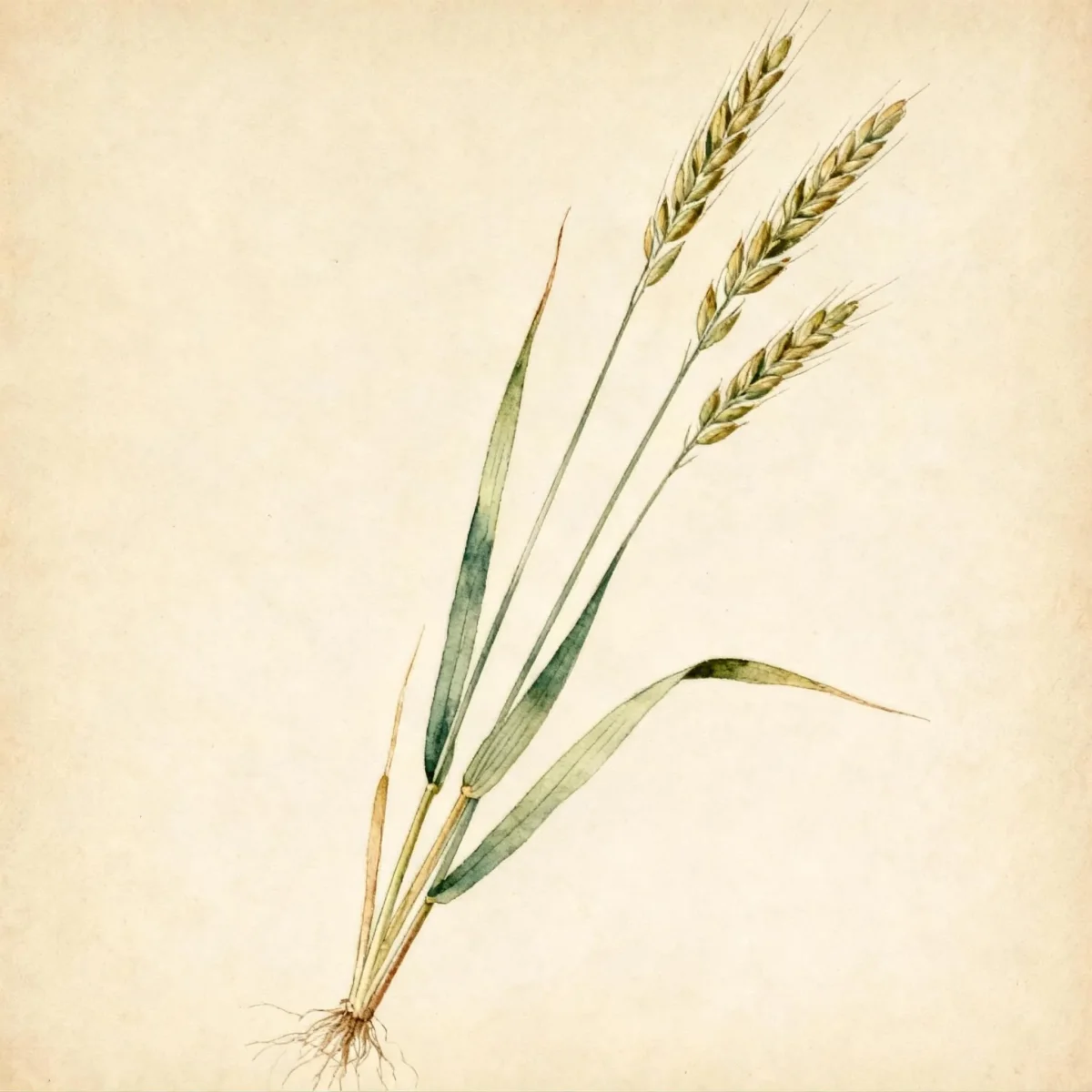
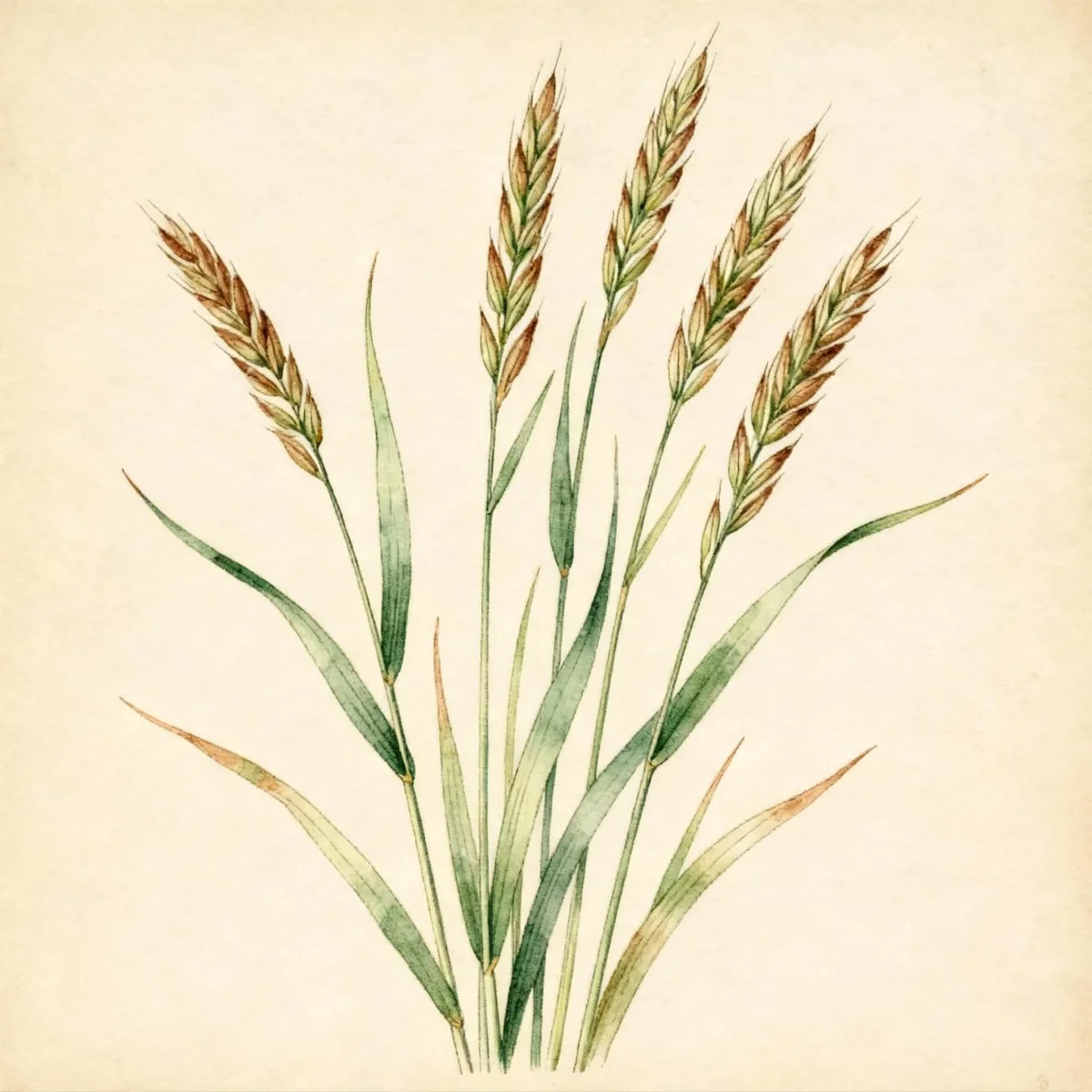
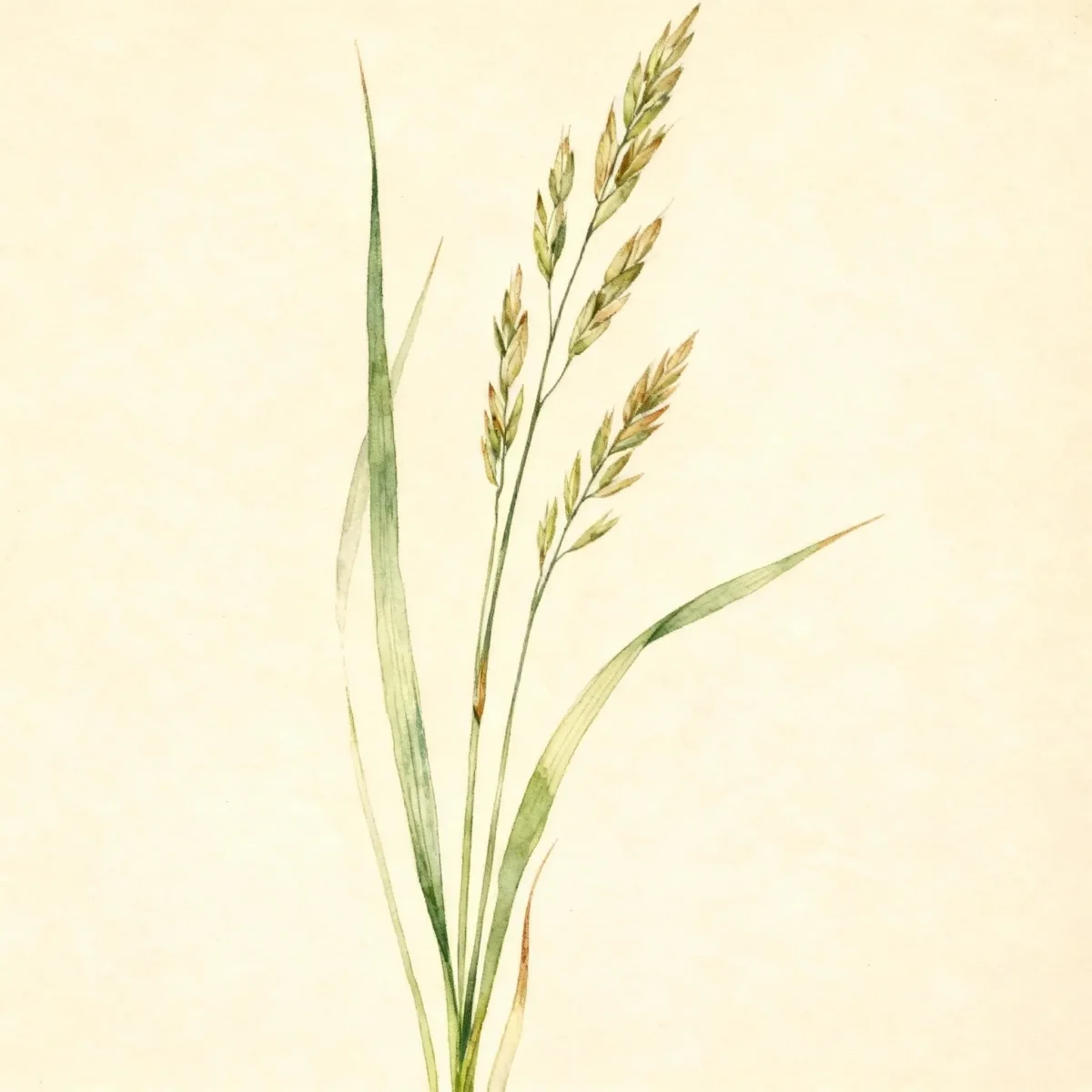
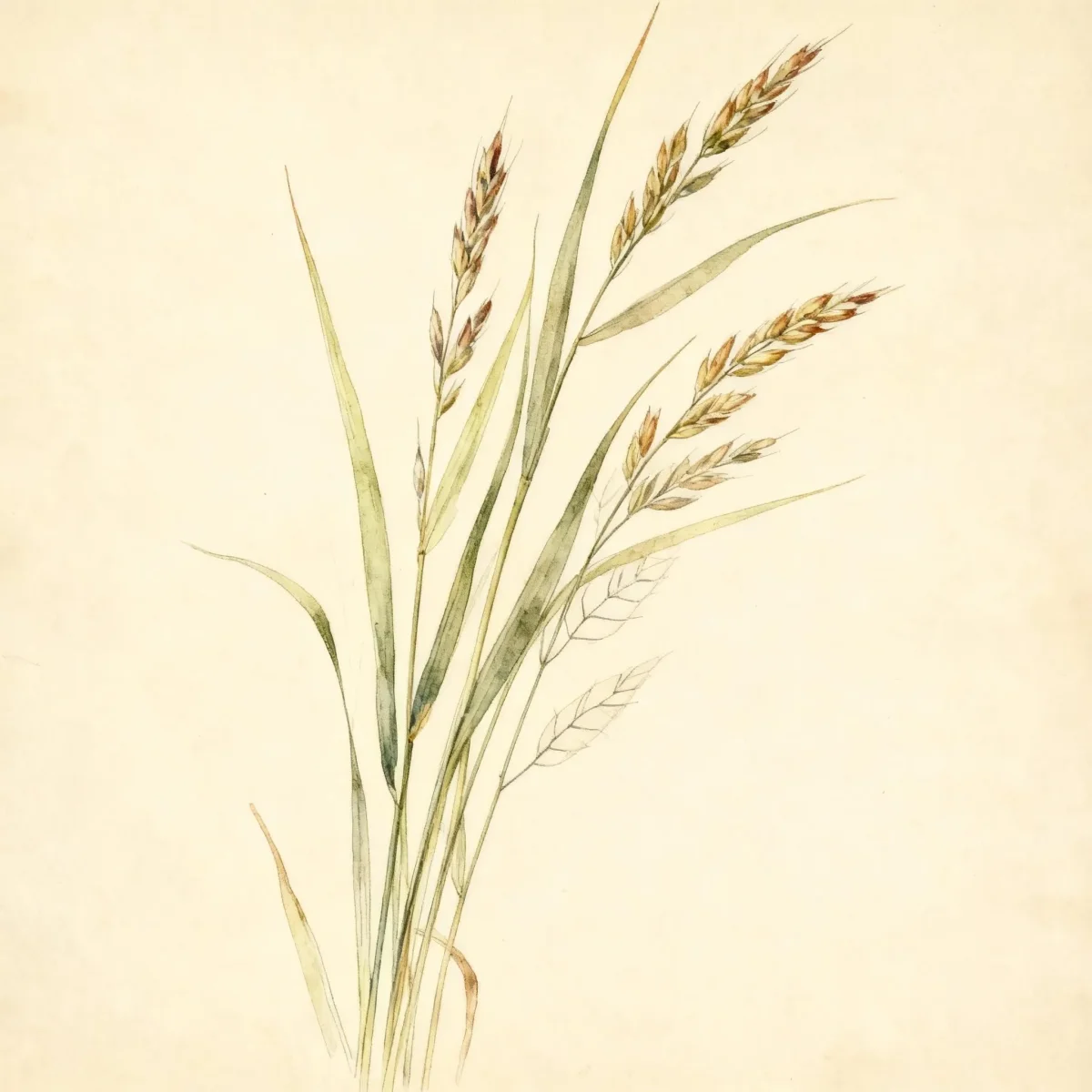
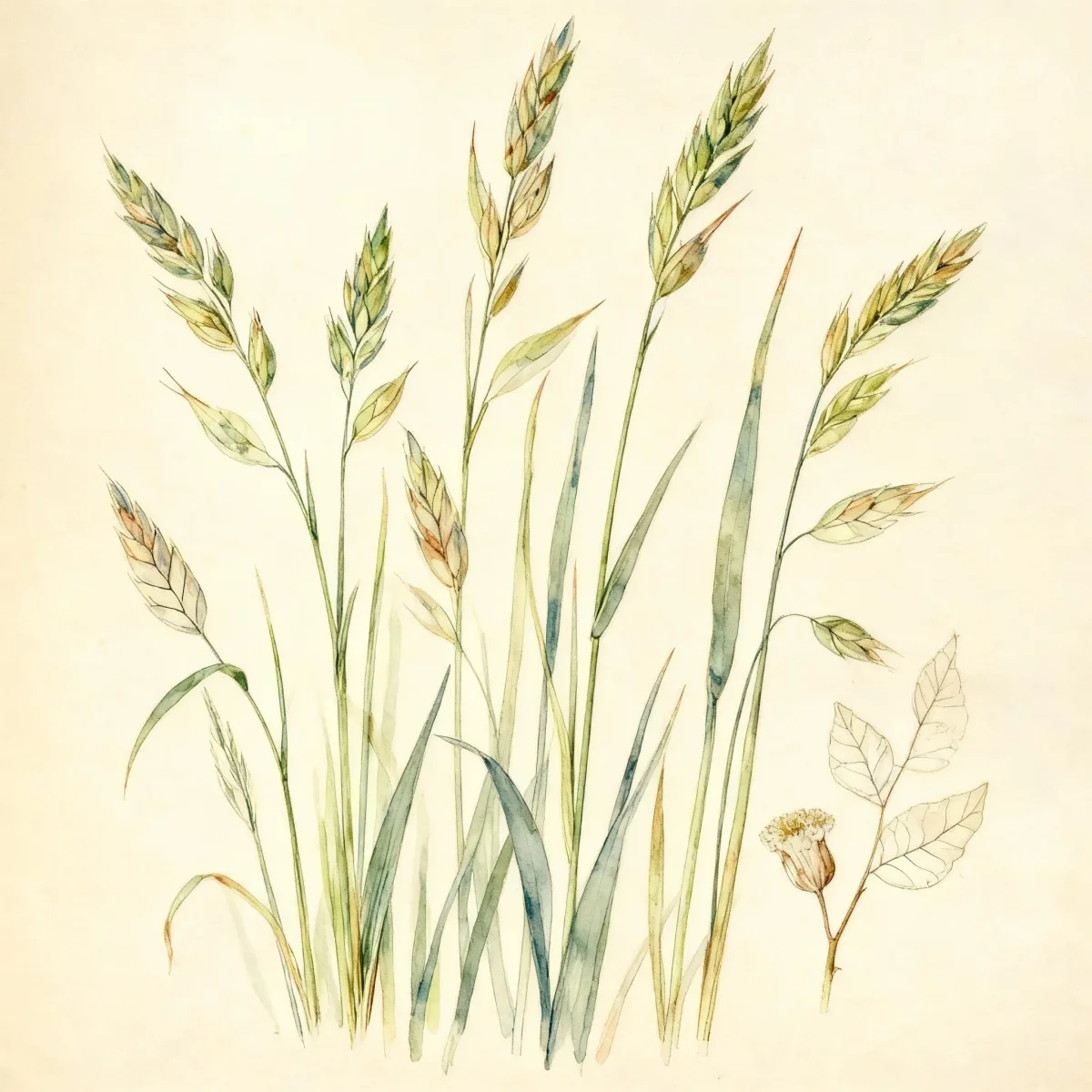
Tall fescue (Festuca arundinacea (mix))
Tough Tall fescue (Festuca arundinacea (mix)) turfgrass for cool climates, noted for deep roots and medium maintenance needs in USDA Zones 3-6.
Scroll down to discover growing tips, care requirements, companion plants, and more
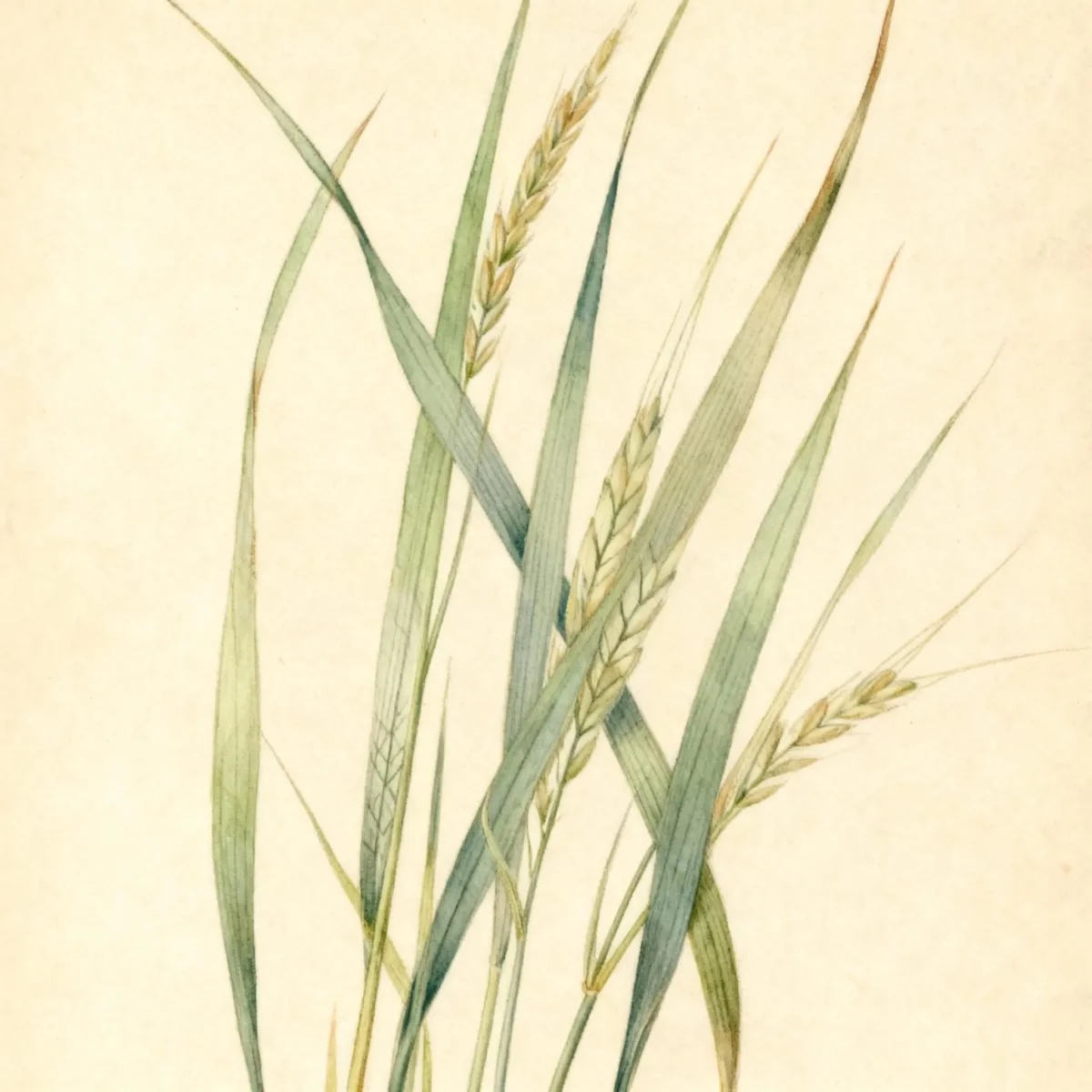
Complete Plant Information
Overview
Tall fescue, scientifically known as Festuca arundinacea (mix), is a robust, coarse-textured turfgrass prized for its adaptability in challenging environments. This grass establishes with a desirable bunch-type growth habit, appearing upright and distinctly clumped, making it a popular choice where hardiness is required. It offers significant value due to its extensive, deep root system, which provides superior drought tolerance compared to many other cool-season grasses.
Its cultivation is concentrated in regions experiencing cool summers and moderately mild winters, flourishing best within USDA Zones 3 to 6. While Festuca arundinacea (mix) requires medium maintenance, including regular nitrogen applications, its resilience against temperature fluctuations makes it a dependable foundational grass for lawns. The turf-type cultivars often found in modern mixes provide excellent performance in the U.S. transition zone.
Gardeners select Tall fescue for its tough, durable surface, suitable for residential areas where durability is needed, though rapid self-repair is limited due to its non-spreading nature. Successful management relies on proper mowing height and timely reseeding to maintain uniformity across the landscape.
Fast Facts
- Plant Family: Poaceae
- Plant Type: Turfgrass
- Hardiness Zones: USDA Zones 3-6
- Size at Maturity:
- Height: 0.25-0.25 ft
- Spread: 0.25-0.25 ft
- Bloom Time: Non-flowering
- Sun Exposure: Full sun to part shade
- Water Needs: Medium
- Maintenance Level: Medium
How to Grow
Planting Festuca arundinacea (mix) should ideally occur in the early fall or early spring when temperatures are moderate, allowing the deep roots to establish before summer stress. This grass adapts well to varied soil conditions but necessitates good drainage for optimal health. High-quality seed, typically 7 to 10 lbs per 1,000 sq. Ft. For new lawns, should be spread evenly.
Care for Tall fescue involves a medium maintenance schedule. It requires consistent watering, especially during dry spells, and benefits significantly from 1 to 3 pounds of nitrogen per 1,000 sq. ft. annually to maintain vigor. Mowing frequency should adhere to a height range of 2 to 3 inches; keeping the blades higher helps shade the crowns and conserve soil moisture.
Seasonal attention is crucial for longevity. In late summer or early fall, monitor for signs of stress, as summer heat can induce dormancy. Any damaged patches or thinning spots in the Festuca arundinacea (mix) lawn should be repaired by reseeding during the active growth periods of spring or fall.
Landscape Uses
The primary application for dwarf fescue varieties within the Tall fescue spectrum is the residential lawn, particularly valued in the U.S. transition zone where temperature swings are common. Because of its upright, bunching habit and slow repair rate, its use as a high-traffic sports turfgrass is limited, though it creates a tough play area when consistently maintained.
As a ground cover, Festuca arundinacea (mix) establishes excellent stability due to its deep rooting structure, making it suitable for slopes or areas requiring erosion control within defined borders. Its coarse texture contrasts nicely with finer-bladed ornamental grasses or low-growing groundcovers that tolerate partial shade. Ensure any companion planting respects its need for medium water levels during establishment.
Standout Features
Noteworthy Characteristics
Tall fescue is distinguishable by its coarse texture and inherent tolerance to a wide array of environmental stressors. It maintains an upright, bunch-type growth habit; it does not readily spread via rhizomes or stolons, meaning damaged areas usually require reseeding. Its deep root structure is a significant asset, providing resilience against drought. Modern turf-type Tall fescue cultivars are highly regarded for managing the heat of summer alongside periodic cold winter snaps in the transition zone.
Potential Problems
Like other fescues, this grass tends to develop clumps, and in mixed seed banks, it must be the predominant species to ensure turf uniformity. Wearability is generally good during the high growth cycles of spring and fall but decreases significantly in summer when high temperatures can induce drought dormancy. Dwarf fescue is susceptible to brown patch, a fungal disease, and its slower growth rate means that disease outbreaks can cause significant, slow-to-recover damage during mid-summer stress periods. Regular reseeding in spring or fall is necessary to repair weather or pest damage.
Frequently Asked Questions
What hardiness zones is Tall fescue suitable for?
Festuca arundinacea (mix) performs best across USDA Zones 3 through 6, handling both cool winters and moderate summers typical of this range.
How large does Tall fescue grow?
This turfgrass maintains a very consistent, low profile, typically maturing to a height and spread of approximately 0.25 feet.
What sun exposure does Tall fescue need?
It is versatile and grows well in areas ranging from full sun exposure all the way through to partial shade conditions.
When does Tall fescue bloom?
This plant is characterized by its non-flowering habit, focusing its energy on root and leaf development rather than flower production.
Conclusion
The Tall fescue (Festuca arundinacea (mix)) provides homeowners with a durable, heat-tolerant, and drought-resistant lawn solution where cool-season performance is critical. Its deep roots and coarse texture define its strength, though gardeners must be prepared for medium maintenance and the need for reseeding to correct thinning. Before installing this turf, confirm that your local conditions fall within USDA Zones 3-6 to ensure you optimize the longevity of your Festuca arundinacea (mix) investment.
Companion Planting
Selecting suitable neighbors for your Tall fescue lawn focuses on species that share its cultural requirements, particularly the medium water needs and tolerance for cool-season conditions. Avoid planting sensitive annuals immediately adjacent to the turf line unless they can tolerate the high nitrogen levels often applied to lawn mixes.
For aesthetic borders or transition areas, consider low-growing ornamental sedges or finely textured groundcovers that thrive in partial shade, such as certain Vinca varieties or low spreading sedums, provided they don’t aggressively compete with the fescue’s root zone. Since mowing heights are between 2 and 3 inches, ensure any interplanted perennials are robust enough to withstand intermittent trimming or lie low enough to pass untouched by the mower deck.
Seasonal Care Calendar
For optimal results with your Festuca arundinacea (mix), align care practices with the seasons. Early spring is the best time to apply the first nitrogen feeding and perform necessary overseeding to repair winter damage and promote density following dormancy break.
Summer care centers around appropriate watering—deeply and infrequently, especially during heat waves when Tall fescue may temporarily brown off. Set your mower high (3 inches) to promote crown insulation and reduce water stress.
Fall is the second most critical maintenance window. Apply the final major fertilizer application before the weather cools significantly, as this fuels root growth over winter. If thinning occurred during the summer, early fall spiking and reseeding will lead to superior spring stands compared to spring repairs.