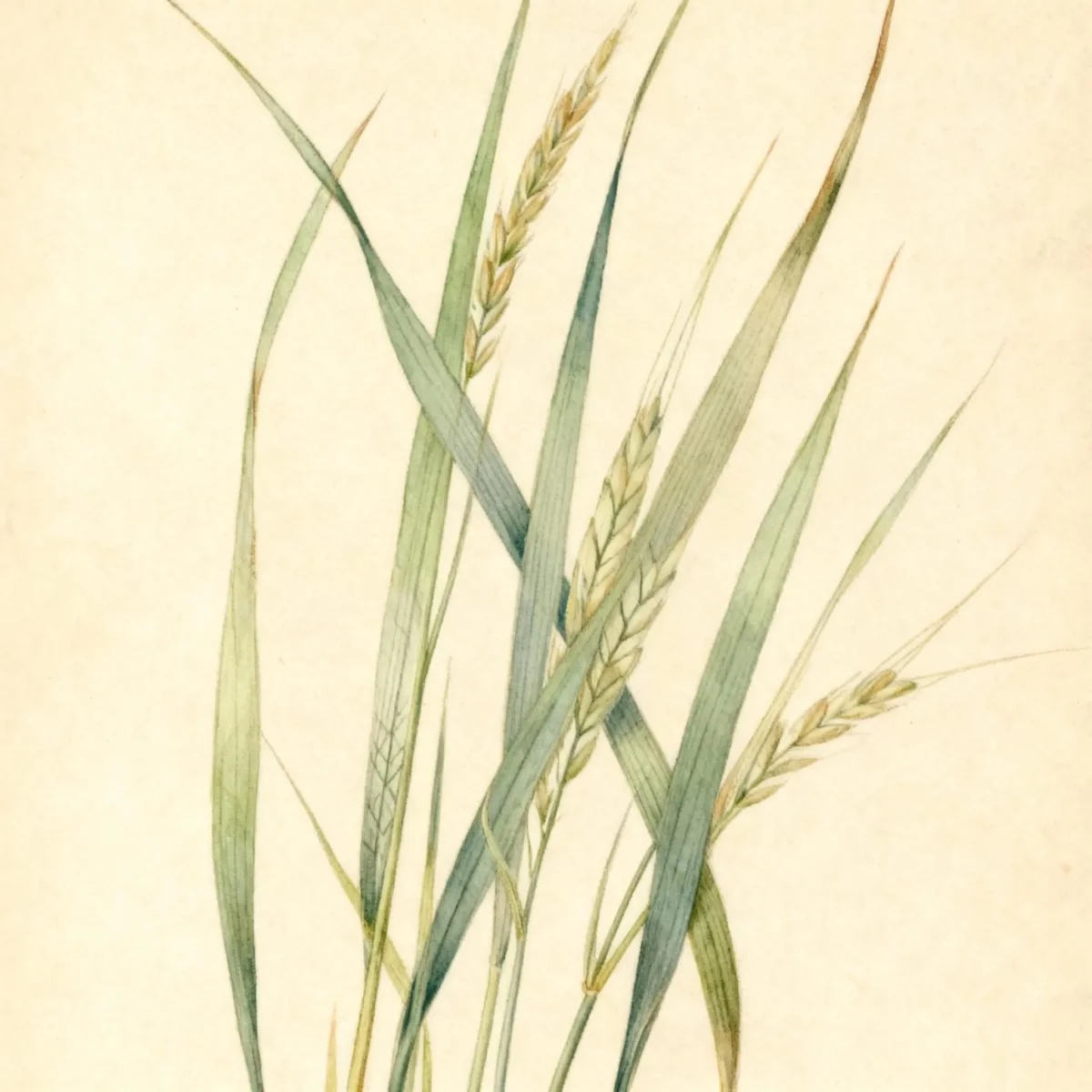
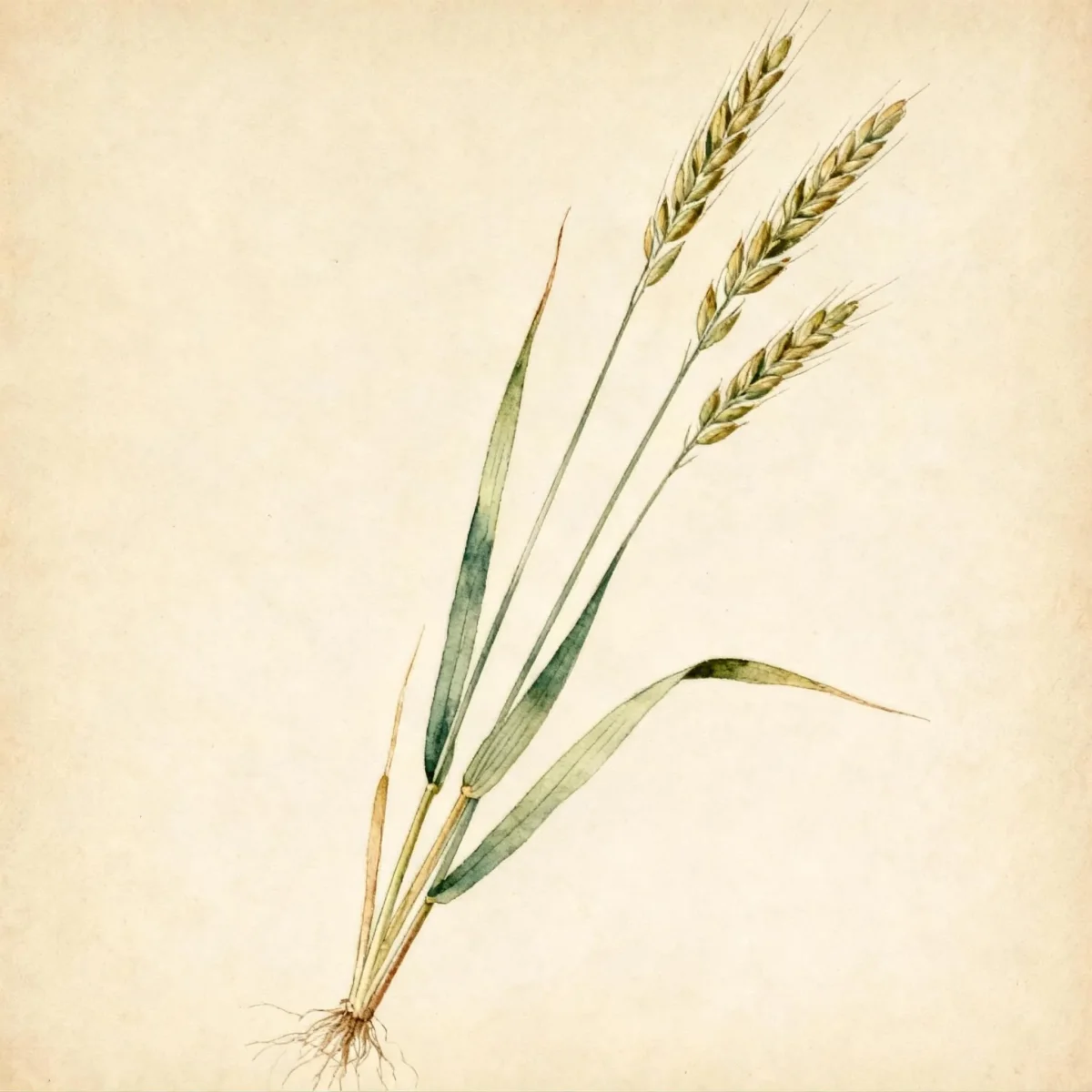
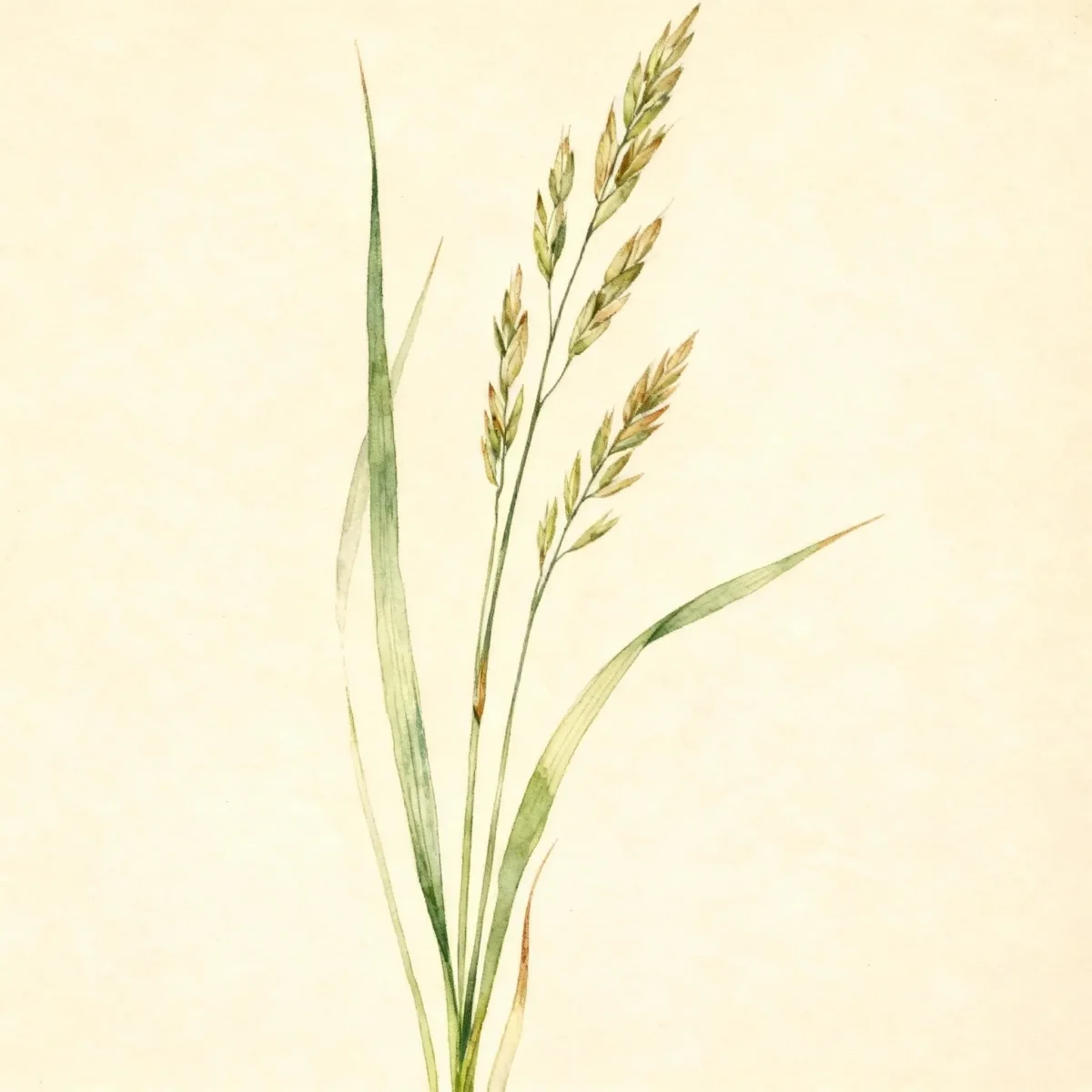
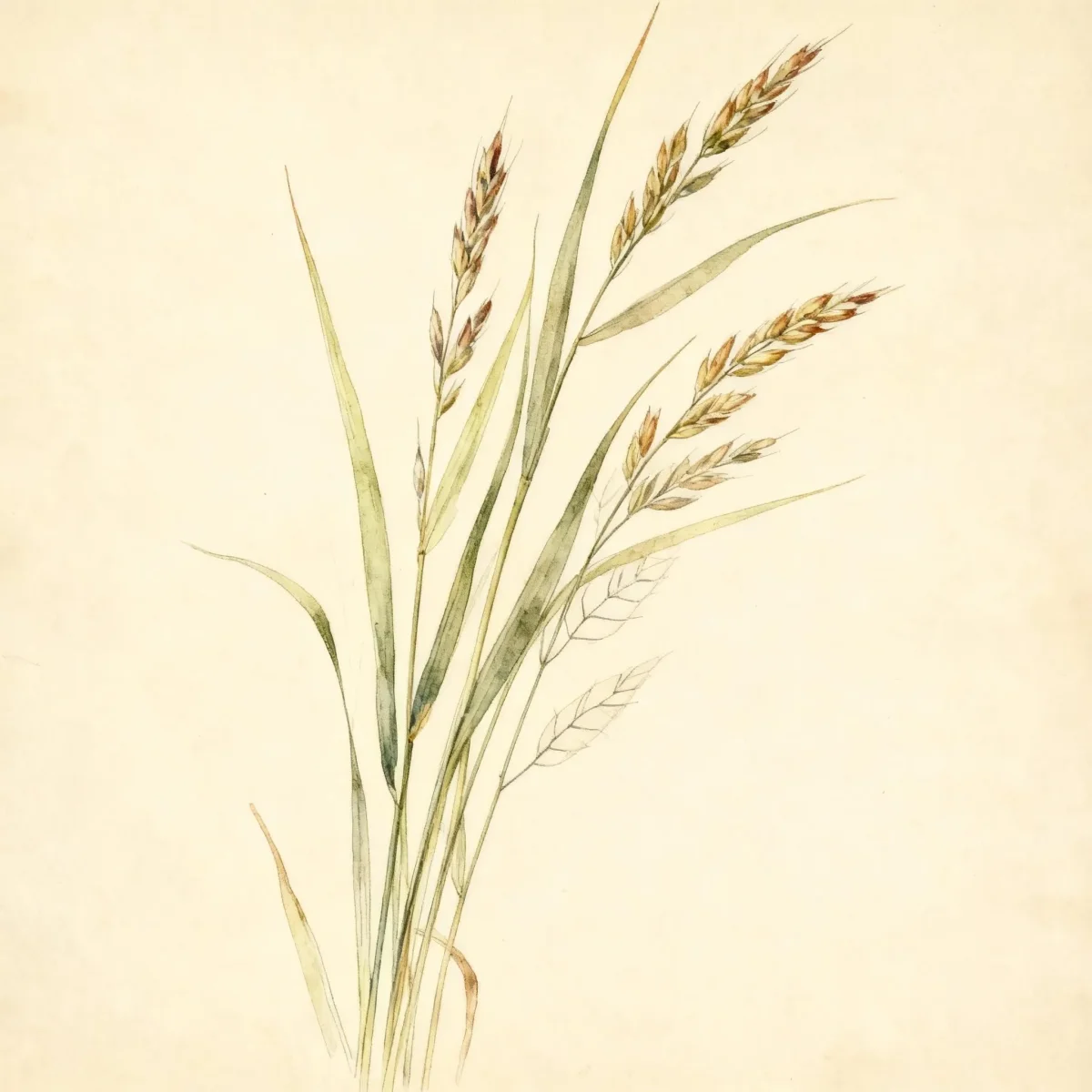
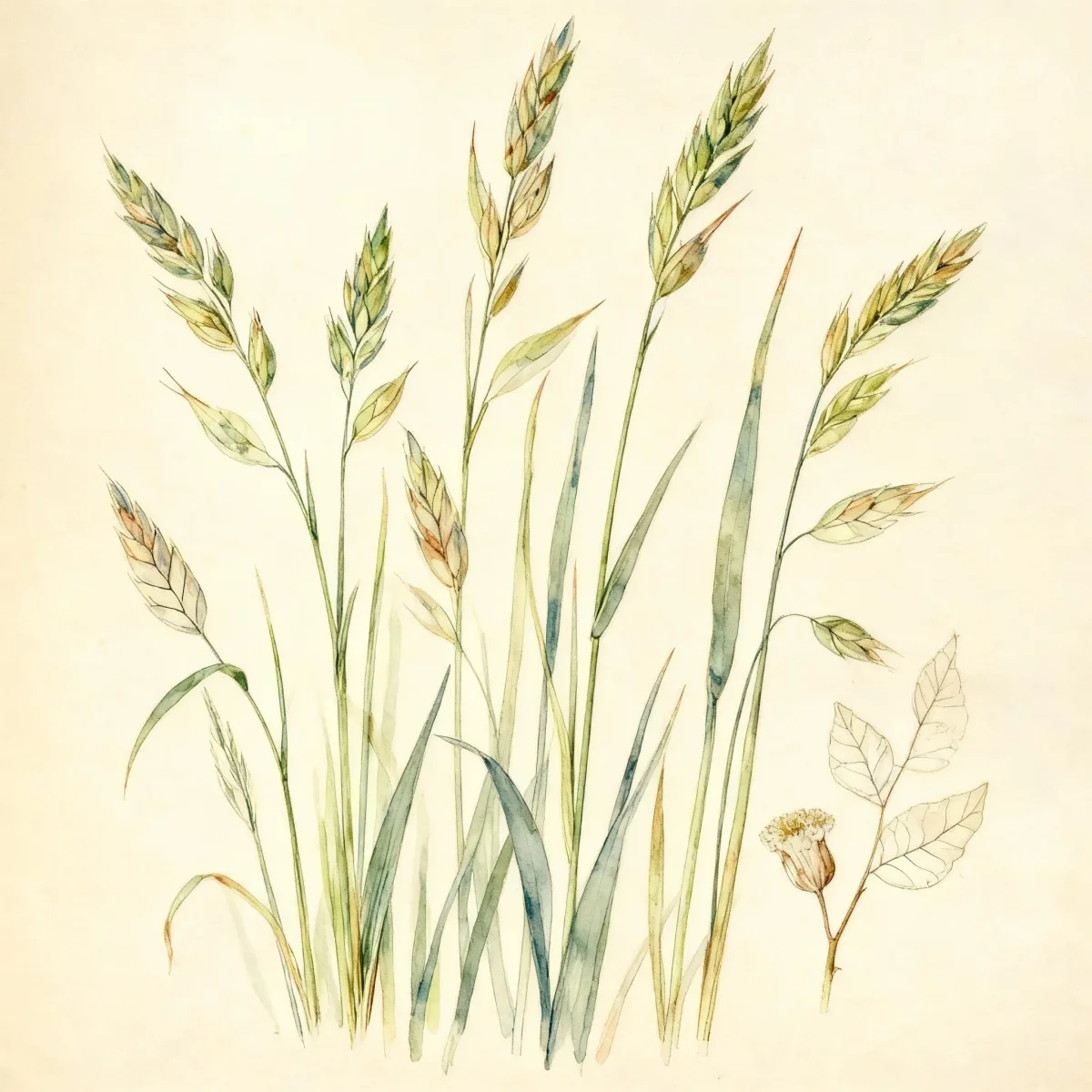
Tall fescue (Festuca arundinacea 'Dense Shade Mix')
Festuca arundinacea 'Dense Shade Mix' (Tall fescue) offers dense, coarse turf for sun to part shade areas in Zones 3-6.
Scroll down to discover growing tips, care requirements, companion plants, and more
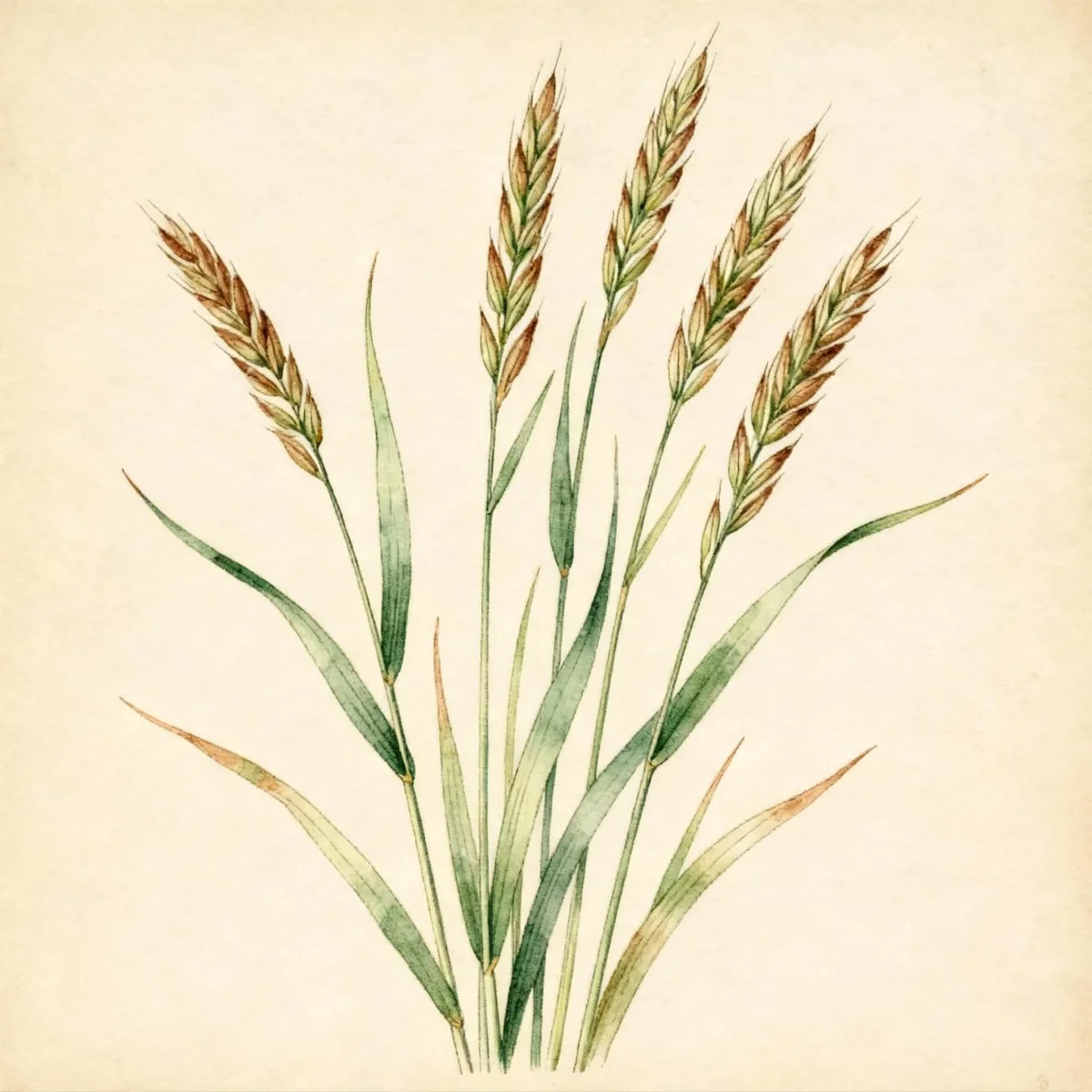
Complete Plant Information
Overview
Festuca arundinacea ‘Dense Shade Mix’, commonly known as Tall fescue, is highly valued for establishing tough, resilient turfgrass areas. This specific mix is renowned for its ability to develop quickly and create thick coverage, even in challenging shady spots where other grasses struggle. Its growth habit is upright and somewhat coarse, providing excellent durability for residential lawns.
The inherent strength of Tall fescue lies in its extensive, deep root system, which makes it an excellent selection for managing temperature fluctuations common across the transition zone of the U.S. While it performs best in mild winters and warm summers, its clump-forming nature means that turf repair is commonly managed through timely reseeding rather than aggressive self-spreading.
Gardeners seeking robust ground cover or lawn solutions in USDA Zones 3 through 6 will find Festuca arundinacea ‘Dense Shade Mix’ a practical choice. It handles full sun but thrives in part shade, offering flexibility for diverse landscape planning.
Fast Facts
- Plant Family: Poaceae
- Plant Type: Turfgrass
- Hardiness Zones: USDA Zones 3-6
- Size at Maturity:
- Height: 0.25-0.5 ft
- Spread: 0.25-0.25 ft
- Bloom Time: Non-flowering
- Bloom Description: Green
- Sun Exposure: Full sun to part shade
- Water Needs: Medium
- Maintenance Level: Medium
How to Grow
For establishing a new lawn, the key to success with Tall fescue is timely seeding, ideally in the spring or fall when growth peaks are generally observed. Soil pH should be relatively neutral for optimal establishment. The recommended seeding rate for a consistent turf is quite high, between 7 to 10 lbs. per 1,000 sq. Ft.
Once established, this turfgrass requires a medium level of care. Provide regular watering, paying special attention to supplemental irrigation during summer drought periods, particularly in the more southern edges of its adaptation range. For nutrient management, plan to apply 1 to 3 pounds of nitrogen per 1,000 sq. Ft. annually to maintain vigor.
Mowing practices are important for maintaining the health of your Fescue lawn. Aim to keep the grass height neatly trimmed between 2 and 3 inches. Because Tall fescue does not spread via rhizomes, actively monitor for thinning or damage, and plan to reseed those areas promptly either in the fall or spring to maintain the density provided by the Festuca arundinacea ‘Dense Shade Mix’.
Landscape Uses
Dwarf fescue varieties within the ‘Dense Shade Mix’ are primarily utilized for creating high-quality residential lawns, especially where the unique temperature stresses of the U.S. transition zone are present. Its ability to handle both heat and periodic cold makes it dependable. Furthermore, this mixture is specifically marketed as ideal for general ground cover and establishing turf beneath dense tree canopies, capitalizing on reported low-light tolerance of as little as three hours of sunlight.
While it forms a durable playing surface, keep in mind that due to its slower repair mechanism compared to stoloniferous grasses, its application as a heavy-use sport turfgrass is limited. Use it around borders, under shade structures, or as general coverage where a neat, medium-textured appearance is desired.
Standout Features
Noteworthy Characteristics
Tall fescue is a coarse textured grass tolerant to a wide variation in environmental conditions. It has a bunch-type growth habit that causes it to appear clumped and upright. It does not spread rapidly because of its lack of underground stolons or rhizomes. Therefore, re-seeding is a common practice to repair damaged areas and thin spots. Tall fescue does best where there are mild winters and warm summers. An extensive, deep root system makes tall fescue a good choice for drought-prone sites. The turf-type tall fescues are more dwarf forms and are perhaps the best grass in the transition zone withstanding summer heat and drought as well as periodic cold winter temperatures. It makes a tough play lawn, however, may require reseeding to repair damaged areas. Dwarf fescue, like other tall fescues, has good disease tolerance.Genus name comes from the Latin word meaning a grass stalk or straw.Specific epithet means resembling a reed.‘Dense Shade Mix’, marketed by Scotts company, is a mix of various turf-type tall fescues that are noted for quick, thick growth. It is marketed as a low maintenance lawn mix ideal for seeding around or under dense trees. Reported as growing with as little as 3 hours of sunlight.
Tolerances
There are no specific tolerances listed in the provided data for this cultivar.
Potential Problems
Like other fescues, it tends to clump and if used in mixtures, it must predominate. In the spring and fall during the high growth periods, wearability is good. In summer when temperatures rise, it is sensitive to drought and may go dormant. Damaged areas due to weather extremes, pests, diseases etc. Need to be reseeded in the spring or fall. Dwarf fescue is prone to problems caused by the fungal disease called brown patch. It’s slow growth means that brown patch can cause significant problems in mid summer.
Management of brown patch requires vigilance, especially mid-summer when the grass is stressed by heat. Adjusting watering schedules to avoid evening irrigation and applying appropriate fungicides preventatively can help control outbreaks in areas where the tall fescue is stressed.
Frequently Asked Questions
What hardiness zones is Tall fescue suitable for?
Tall fescue, including the Festuca arundinacea ‘Dense Shade Mix’, performs best across USDA Zones 3-6.
How large does Tall fescue grow?
Mature height typically ranges from 0.25 to 0.5 feet, with a spread of approximately 0.25 feet.
What sun exposure does Tall fescue need?
This turfgrass variety is versatile, thriving in conditions ranging from full sun exposure up to part shade.
When does Tall fescue bloom?
This plant is listed as non-flowering, though it produces green visual interest.
Conclusion
Festuca arundinacea ‘Dense Shade Mix’ provides a robust, attractive ground cover solution, particularly excelling in transition zones and under moderate shade thanks to its tough root structure. Utilizing this Tall fescue mix ensures a dense lawn that resists environmental stress. Before planting, always confirm that your local hardiness zone falls within the 3 to 6 range for best long-term results.
Seasonal Care Calendar
Managing Tall fescue involves adapting care to the season, especially considering its heat sensitivity. Spring is the prime time for overseeding thin areas and applying initial fertilizer applications to encourage vigorous, upright growth. Continue mowing consistently at the recommended 2 to 3-inch height as growth accelerates during shoulder seasons.
Summer demands careful water management for your lawn. Since growth slows and drought sensitivity increases when temperatures peak, ensure deep, infrequent watering schedules rather than light, daily sprinkling. Avoid excessive foot traffic during periods of dormancy or heat stress to preserve the integrity of the bunch clumps.
Fall represents the second most critical period for maintenance, ideal for final fertilization and any necessary major reseeding projects before soil temperatures drop. Winter care is relatively light; while wearability is good during cool, high-growth periods, monitor for signs of brown patch fungus exacerbated by wet, cool autumn conditions.
Design Ideas for Shade Turf
The unique strength of Festuca arundinacea ‘Dense Shade Mix’ is its utility in areas traditionally difficult for turf establishment, such as beneath mature shade trees or along north-facing structural borders. Use it to create a uniform carpet effect where lawn continuity is desired but overhead canopy blocks direct sunlight. Its medium texture contrasts nicely when bordering finely textured ornamental grasses or ground covers that prefer full sun.
When designing areas using this grass, consider its slow repair nature. Integrate pathways utilizing stepping stones or permeable paving near high-traffic zones that might otherwise degrade the turf. This helps protect sections of the lawn that would otherwise require difficult and frequent reseeding to maintain the visual density achieved by this specific Tall fescue mix.