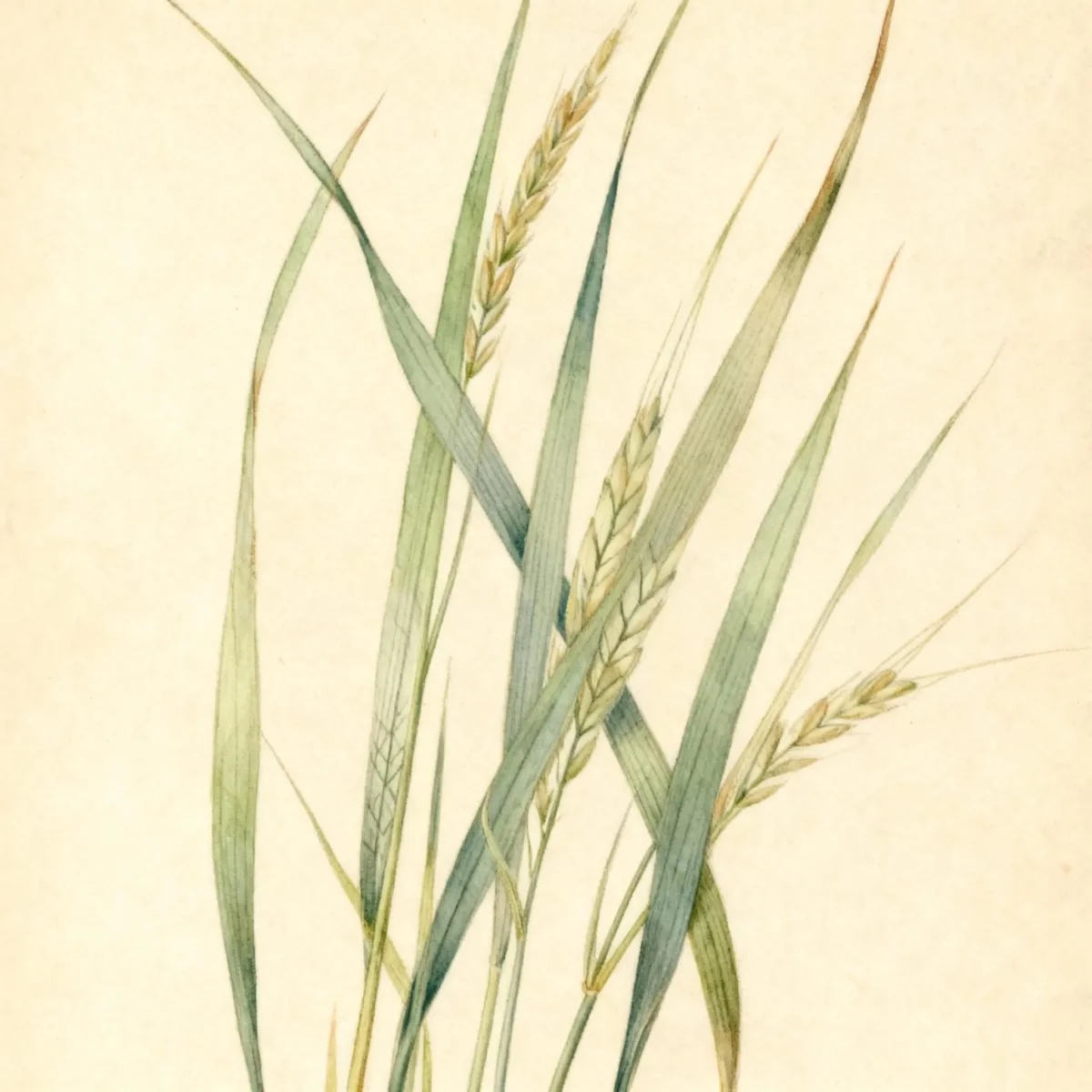
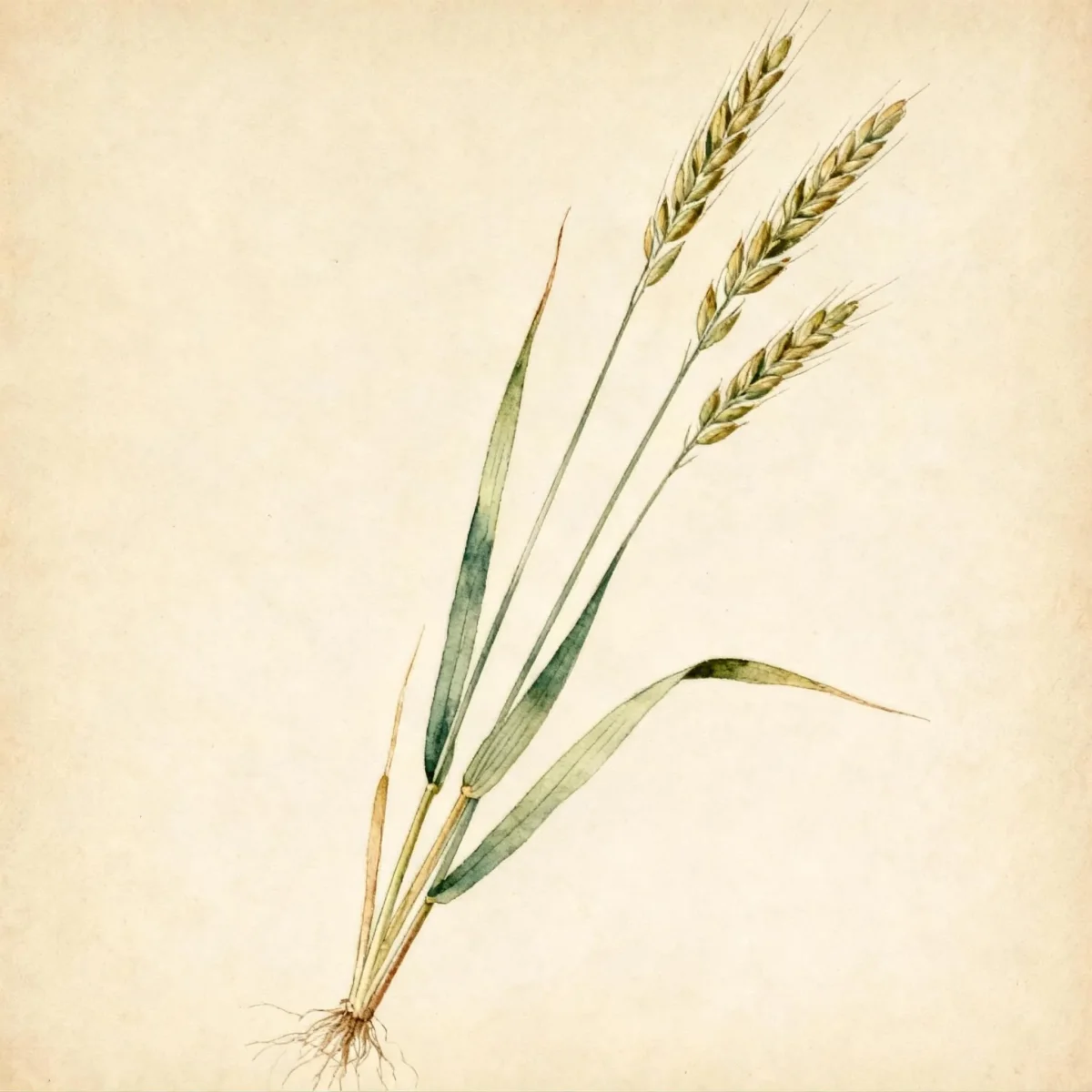
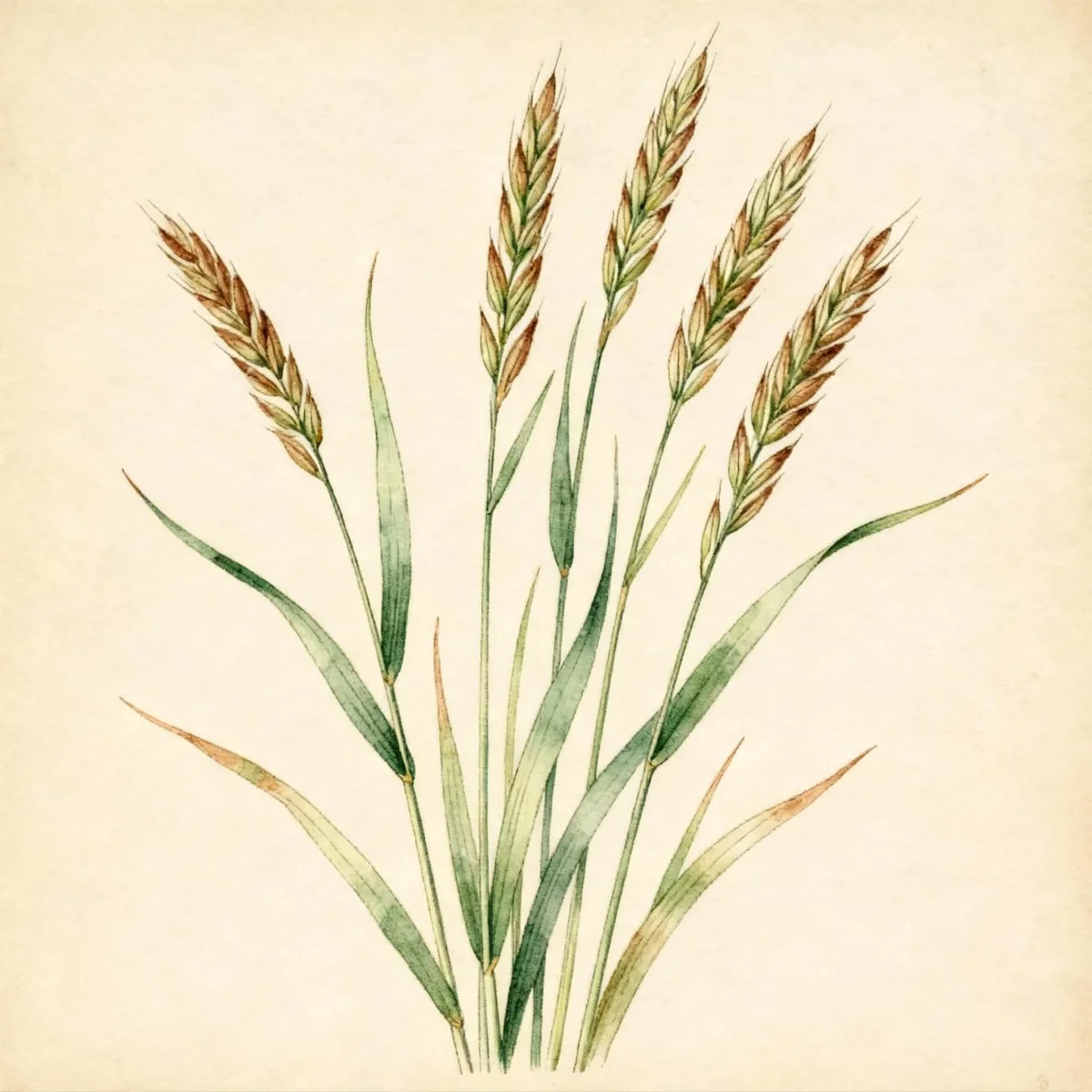
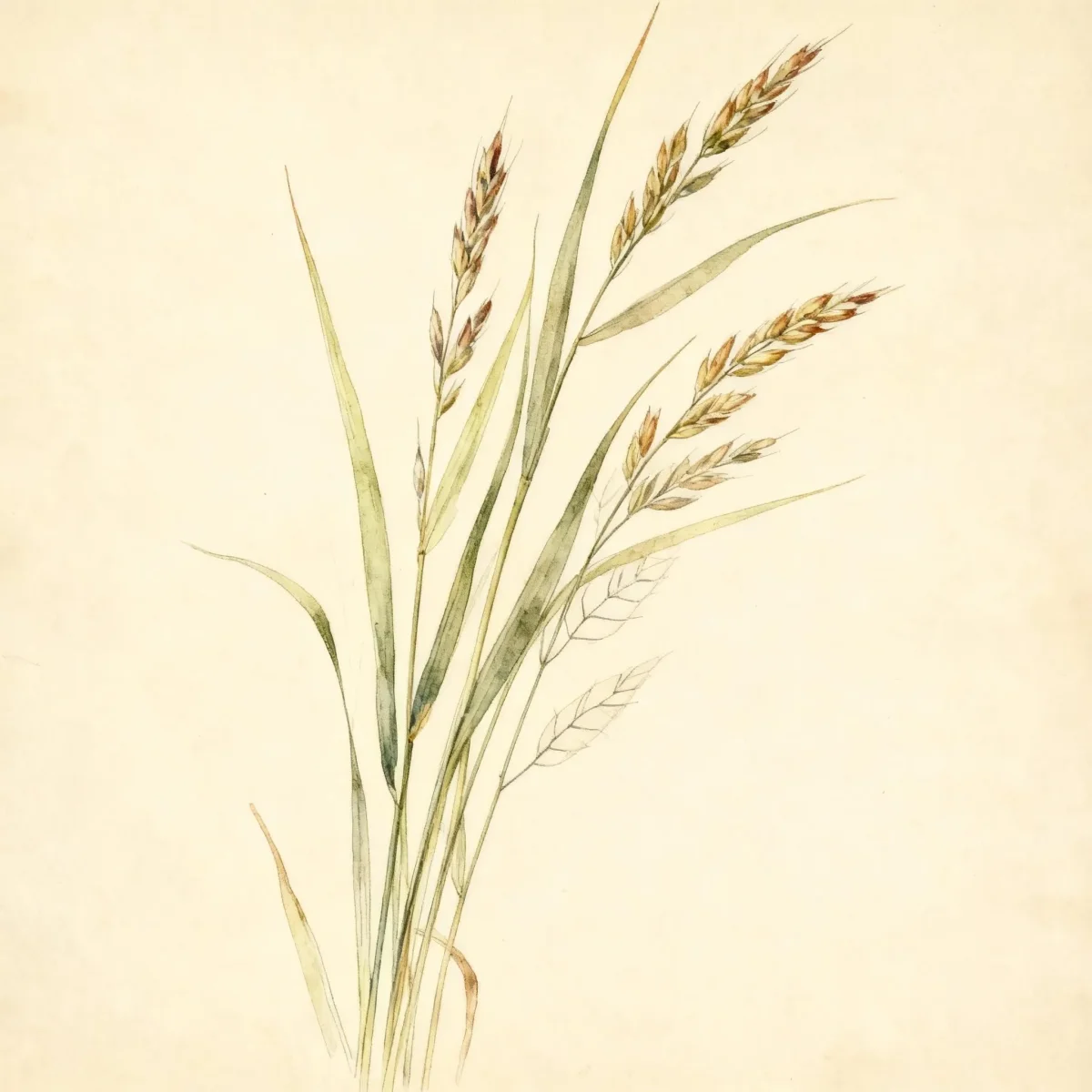
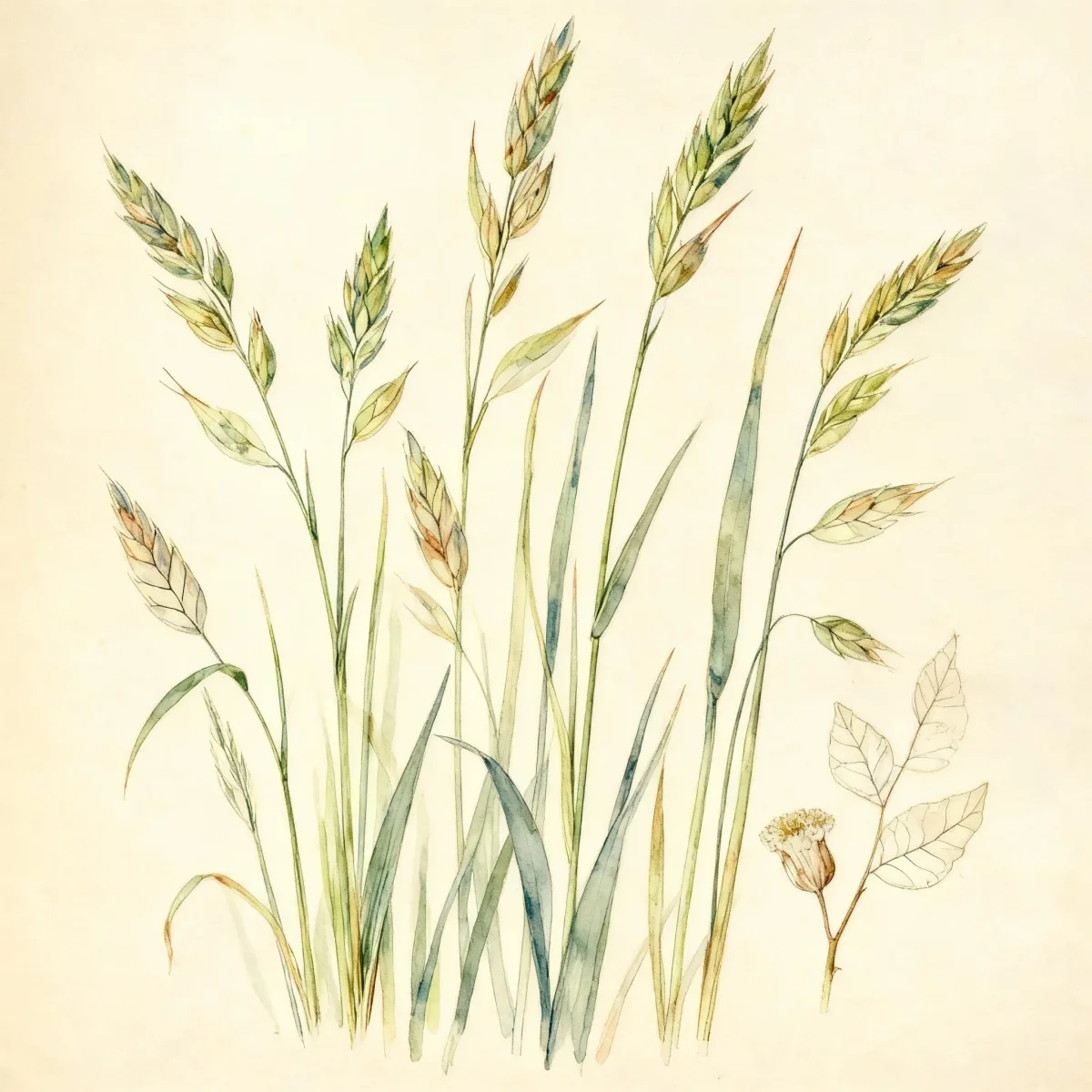
Tall fescue (Festuca arundinacea 'Jaguar 3')
Festuca arundinacea 'Jaguar 3' (Tall fescue) offers a durable, coarse-textured turf tolerant of transition zone extremes, ideal for residential lawns.
Scroll down to discover growing tips, care requirements, companion plants, and more
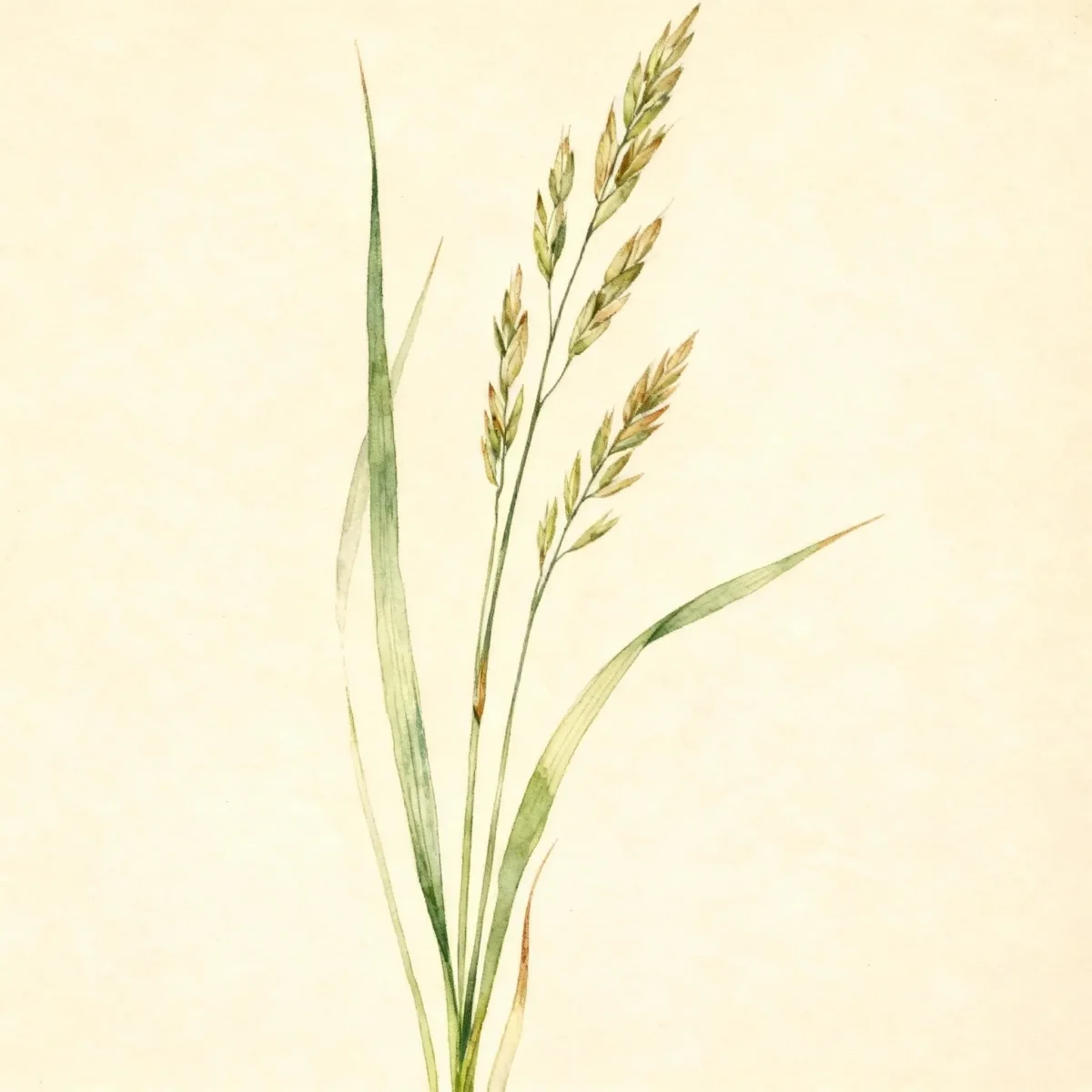
Complete Plant Information
Overview
Festuca arundinacea ‘Jaguar 3’, commonly known as Tall fescue, is a highly valued turfgrass, particularly for its adaptability across diverse environmental conditions. This cultivar provides a tough, coarse-textured lawn characterized by its deep green hue, making it an excellent choice where resilience is key. Unlike many finer-bladed grasses, Festuca arundinacea ‘Jaguar 3’ establishes an extensive, deep root system.
This deep rooting structure is one of the primary benefits of Tall fescue, providing superior drought resistance once established. It thrives best in cooler regions, performing strongly in the transition zone where it withstands summer heat and modest winter cold. While it maintains a clumped, upright habit due to its bunch-type growth, it forms a dense overall coverage suitable for ground cover applications.
Gardeners should note that the upright growth of Festuca arundinacea ‘Jaguar 3’ means it lacks underground runners (stolons or rhizomes). This necessitates re-seeding to repair significant damage, rather than relying on natural spreading to fill in bare spots. Overall, it provides a durable, medium-maintenance lawn solution well-suited for residential use.
Fast Facts
- Plant Family: Poaceae
- Plant Type: Turfgrass
- Hardiness Zones: USDA Zones 3-6
- Size at Maturity:
- Height: 0.25-0.25 ft
- Spread: 0.25-0.25 ft
- Bloom Time: Non-flowering
- Bloom Description: Green
- Sun Exposure: Full sun to part shade
- Water Needs: Medium
- Maintenance Level: Medium
How to Grow
Planting Festuca arundinacea ‘Jaguar 3’ is best achieved in the early fall or early spring to allow the turf to establish its root system before encountering extreme seasonal temperatures. As a cool-season grass, it performs best when seeded when soil temperatures are moderate. Ensure the soil is well-prepared, as this grass adapts to a wide variety of soil types.
Care requires a medium commitment, aligning with its “Medium” maintenance rating. Regular watering is necessary, especially when establishing or during periods of drought in the warmer parts of its range. Fertilization is crucial; plan to apply between 1 to 3 pounds of nitrogen per 1,000 square feet annually to maintain vigor and color.
Mowing height is a critical element for the health of your Tall fescue lawn. Maintain a recommended mowing height between 2 to 3 inches. This height helps shade the soil, conserve moisture, and promote the robust bunching habit emblematic of Festuca arundinacea ‘Jaguar 3’. Dormancy may occur during intense summer heat if water becomes restricted.
Landscape Uses
The primary role of Festuca arundinacea ‘Jaguar 3’ is established as a residential lawn, proving especially valuable in the variable climates of the U.S. transition zone. Its durability makes it a reliable ground cover where a tough surface is required, though its limited self-repair capacity restricts its use on high-impact sport turf. The medium-fine texture and medium to dark green color provide a uniform, attractive aesthetic suitable for broad expanses of lawn setting.
Because of its robust nature and drought tolerance, this Tall fescue creates an excellent backbone for mixed-grass landscapes that border drier areas or areas receiving full sun exposure. While it functions purely as a turf, its visual impact is best highlighted when paired with border plantings that offer contrast in texture, such as fine-leaved ornamental grasses or low-growing flowering perennials that thrive in similar sun conditions.
Standout Features
Noteworthy Characteristics
Tall fescue is a coarse textured grass tolerant to a wide variation in environmental conditions. It has a bunch-type growth habit which causes it to appear clumped and upright, and it does not spread rapidly due to a lack of underground stolons or rhizomes. An extensive, deep root system makes tall fescue a good choice for drought-prone sites, successfully withstanding summer heat and periodic cold winter temperatures. ‘Jaguar’ specifically exhibits medium to dark green color and medium-fine textured blades, offering good disease tolerance typical of dwarf fescue types.
Tolerances
- Tolerant to a wide variation in environmental conditions
Potential Problems
Like other fescues, Festuca arundinacea ‘Jaguar 3’ tends to clump, and if incorporated into mixtures, it must be the predominant grass. Wearability is good during the high growth periods of spring and fall, but the turf is sensitive to drought when summer temperatures rise, often leading to dormancy. Damaged areas resulting from weather stress, pests, or disease must be actively repaired by re-seeding in the spring or fall, as the grass cannot quickly recover on its own. A key concern for this dwarf fescue is susceptibility to the fungal disease brown patch, which can cause significant turf loss during mid-summer if not managed proactively.
Frequently Asked Questions
What hardiness zones is Tall fescue suitable for?
Festuca arundinacea ‘Jaguar 3’ is suitable for USDA Zones 3 through 6, making it robust across many cool and transition climates.
How large does Tall fescue grow?
This turfgrass maintains a very uniform, low profile, typically reaching a height and spread of only approximately 0.25 feet at maturity.
What sun exposure does Festuca arundinacea ‘Jaguar 3’ need?
This cultivar performs best across a range, growing successfully in locations receiving either full sun or partial shade.
When does Tall fescue bloom?
This variety is generally classified as non-flowering in a turf setting, though it may produce non-showy green plumes if left unmown.
Conclusion
Festuca arundinacea ‘Jaguar 3’ stands out as a resilient turf choice, valued for its deep roots that confer significant drought tolerance, particularly welcomed in the variable conditions of the transition zone. Utilizing Tall fescue creates a tough, attractive lawn base, but remember its clump-forming habit requires planned re-seeding for repairs. Before installation, confirm your climate falls within USDA Zones 3–6 and plan your nitrogen application schedule for optimal performance.
Seed Rate and Application Rates
The seeding rate for establishing a new lawn of Tall fescue is generally recommended to be between 7 to 10 pounds per 1,000 square feet. Accompanying this seeding, plan for an annual nutrient boost requiring 1 to 3 pounds of nitrogen applied per 1,000 square feet each year to support strong growth throughout the season. Careful adherence to these application rates ensures a dense, healthy stand of Festuca arundinacea ‘Jaguar 3’.
Root System Benefits
The extensive and deep root system is the unsung hero of this turfgrass, providing resilience beyond what surface appearance suggests. This deep anchoring system allows the grass to scavenge water more effectively from lower soil profiles compared to shallow-rooted turf types. This characteristic makes this type of Tall fescue an excellent functional ground cover choice for slightly elevated or sloped areas prone to quicker drying.