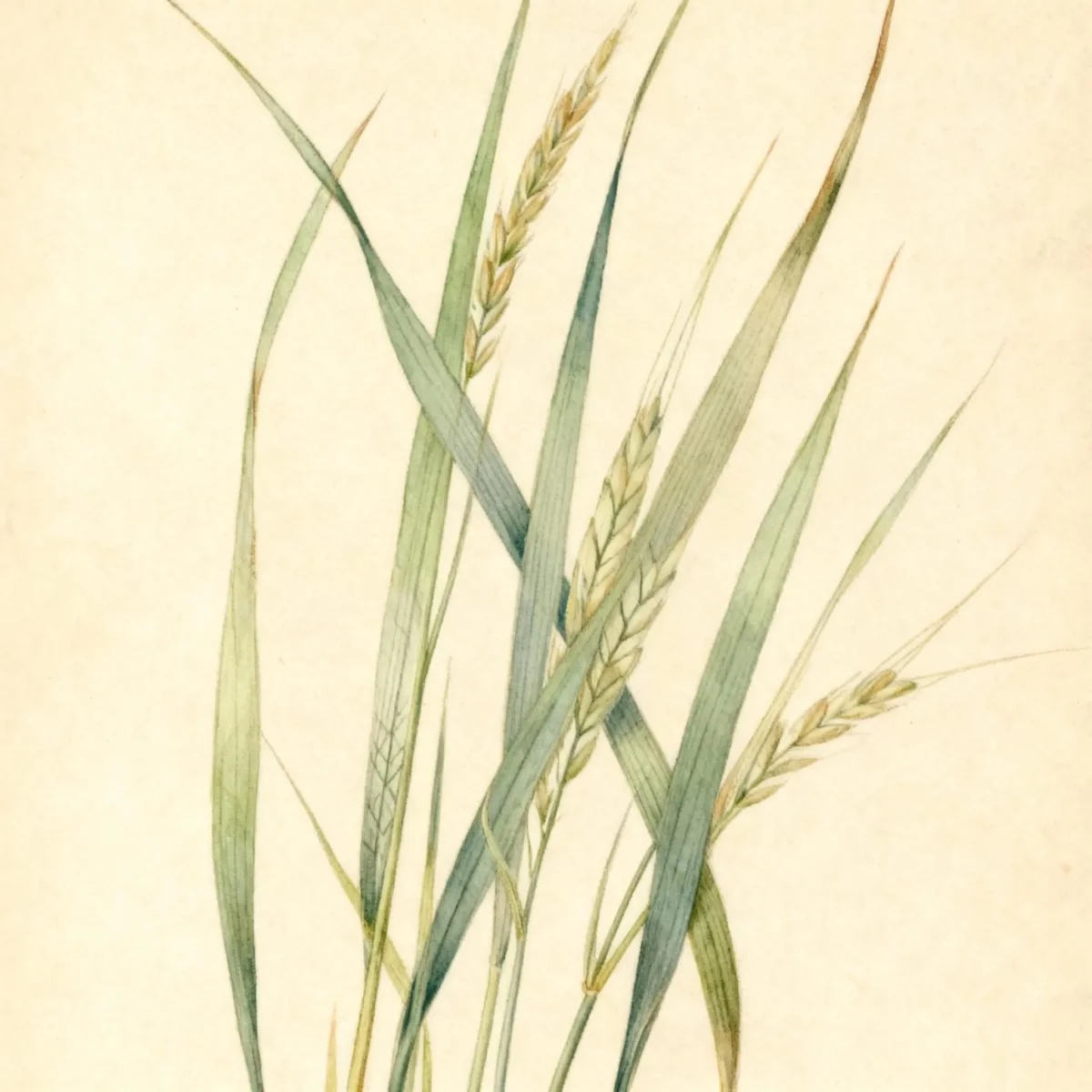
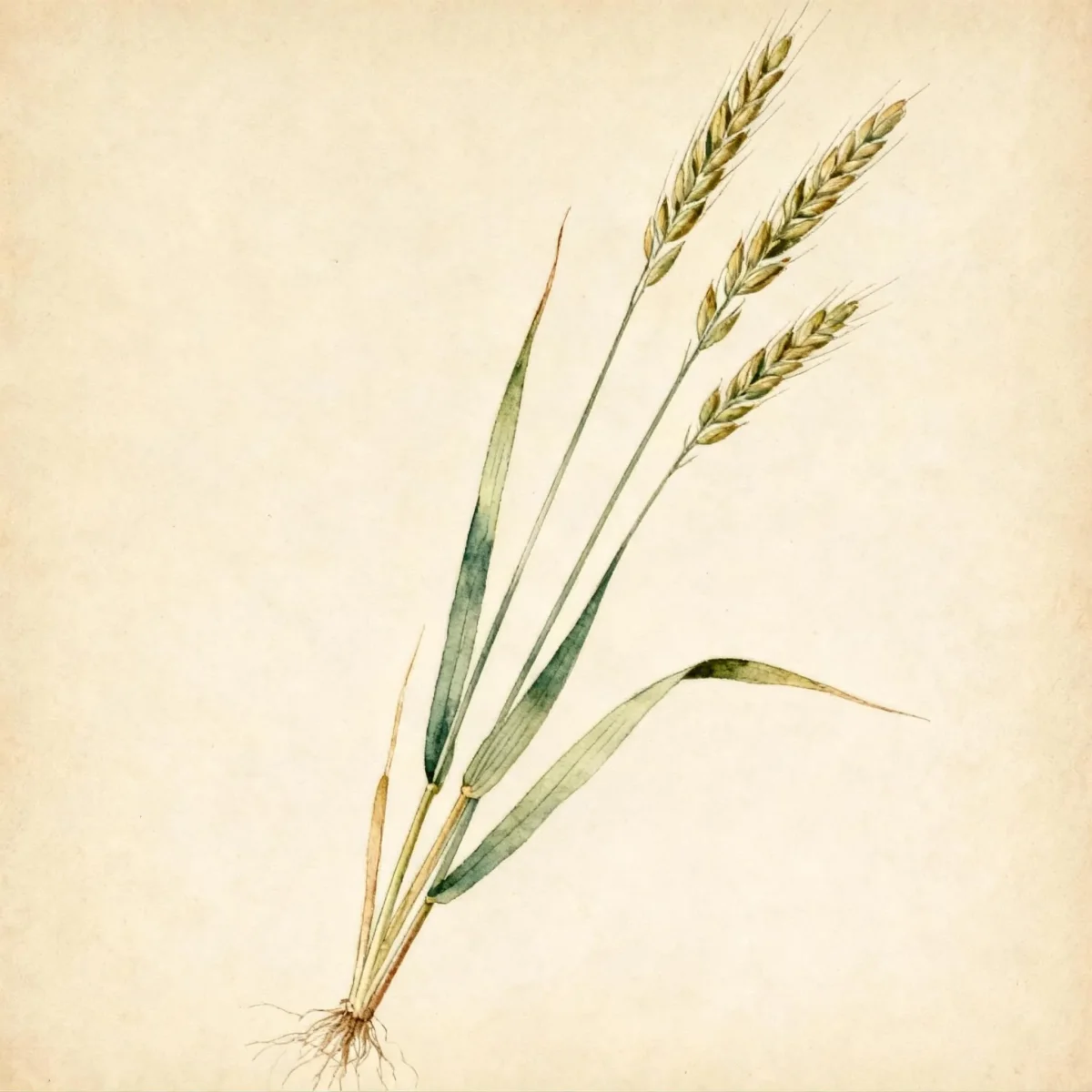
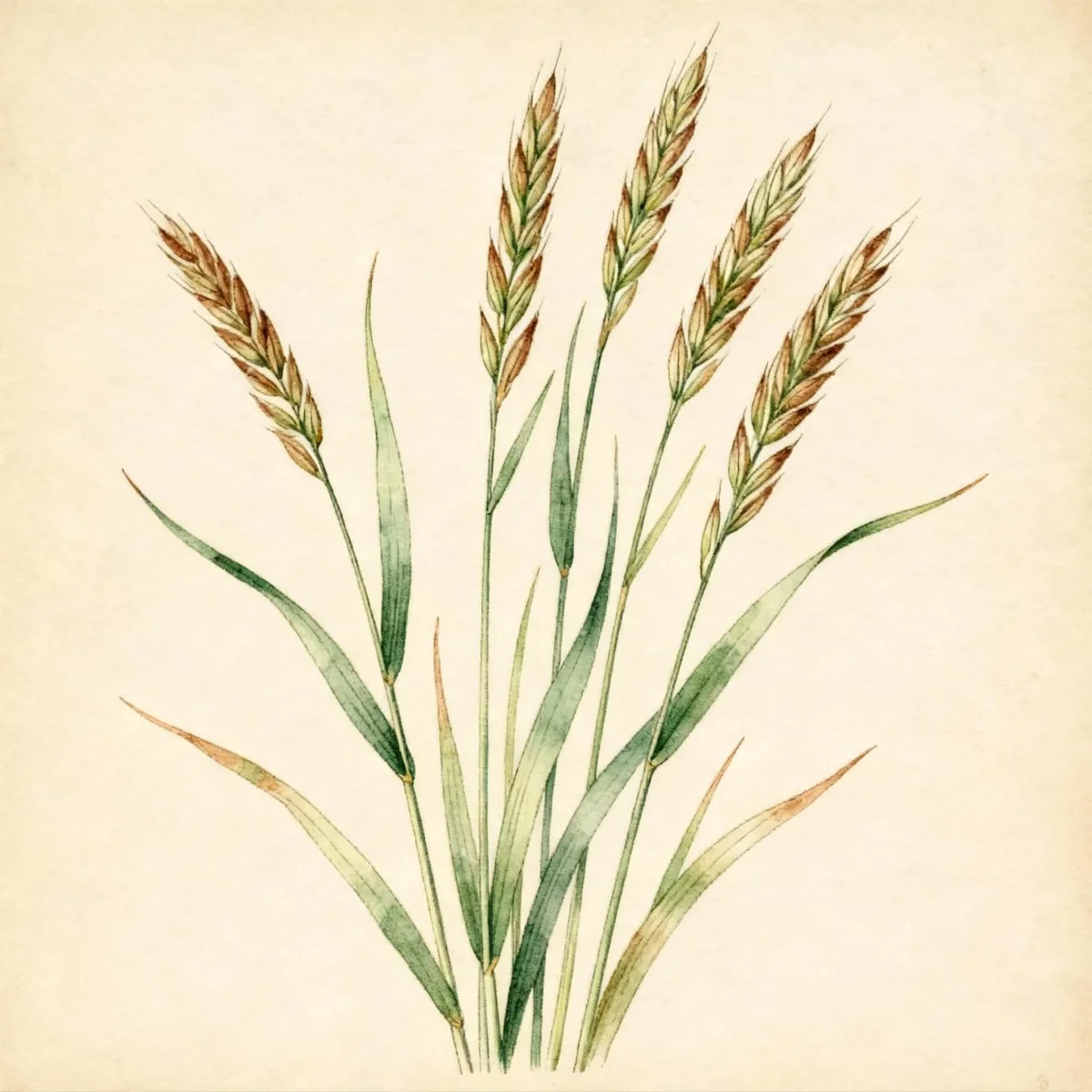
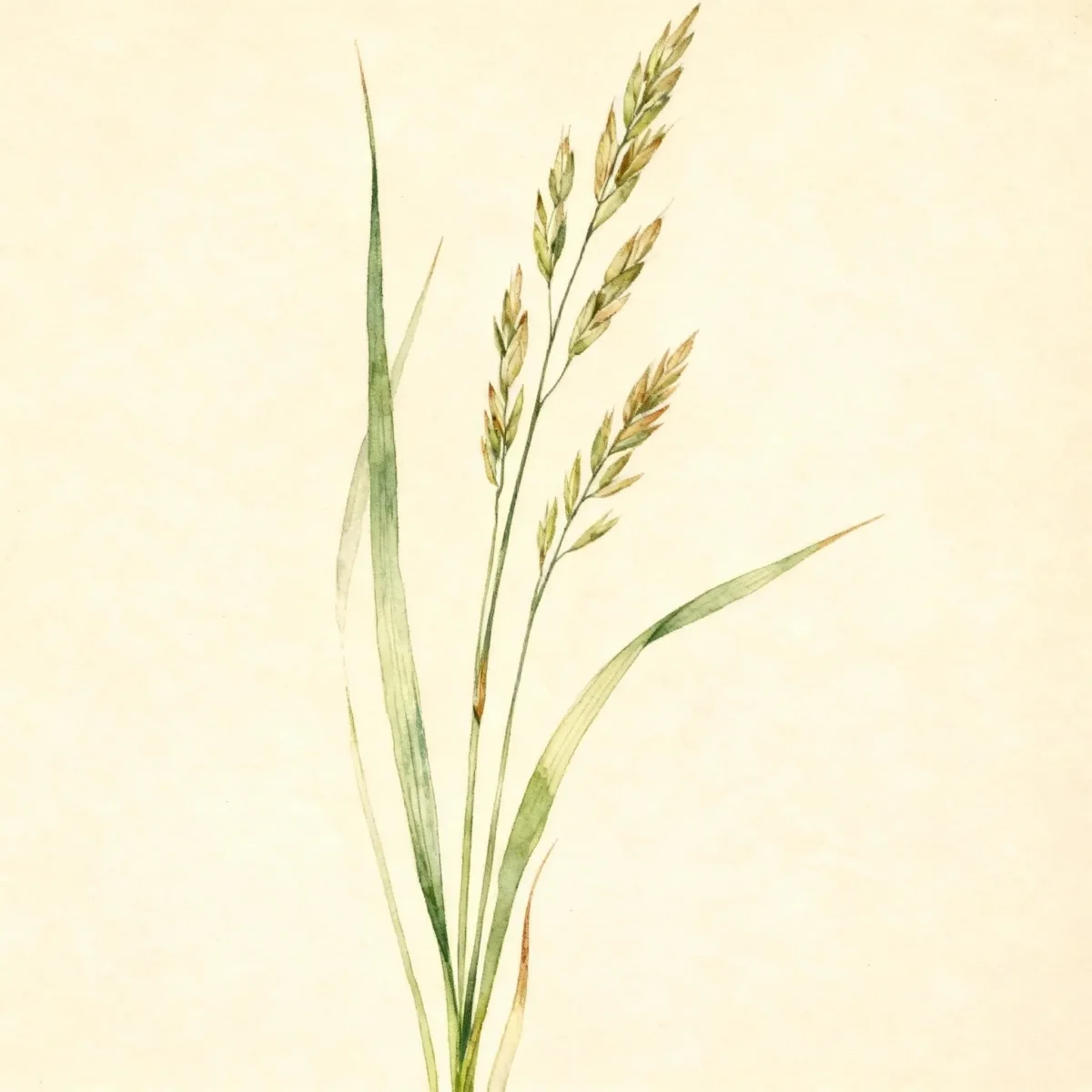
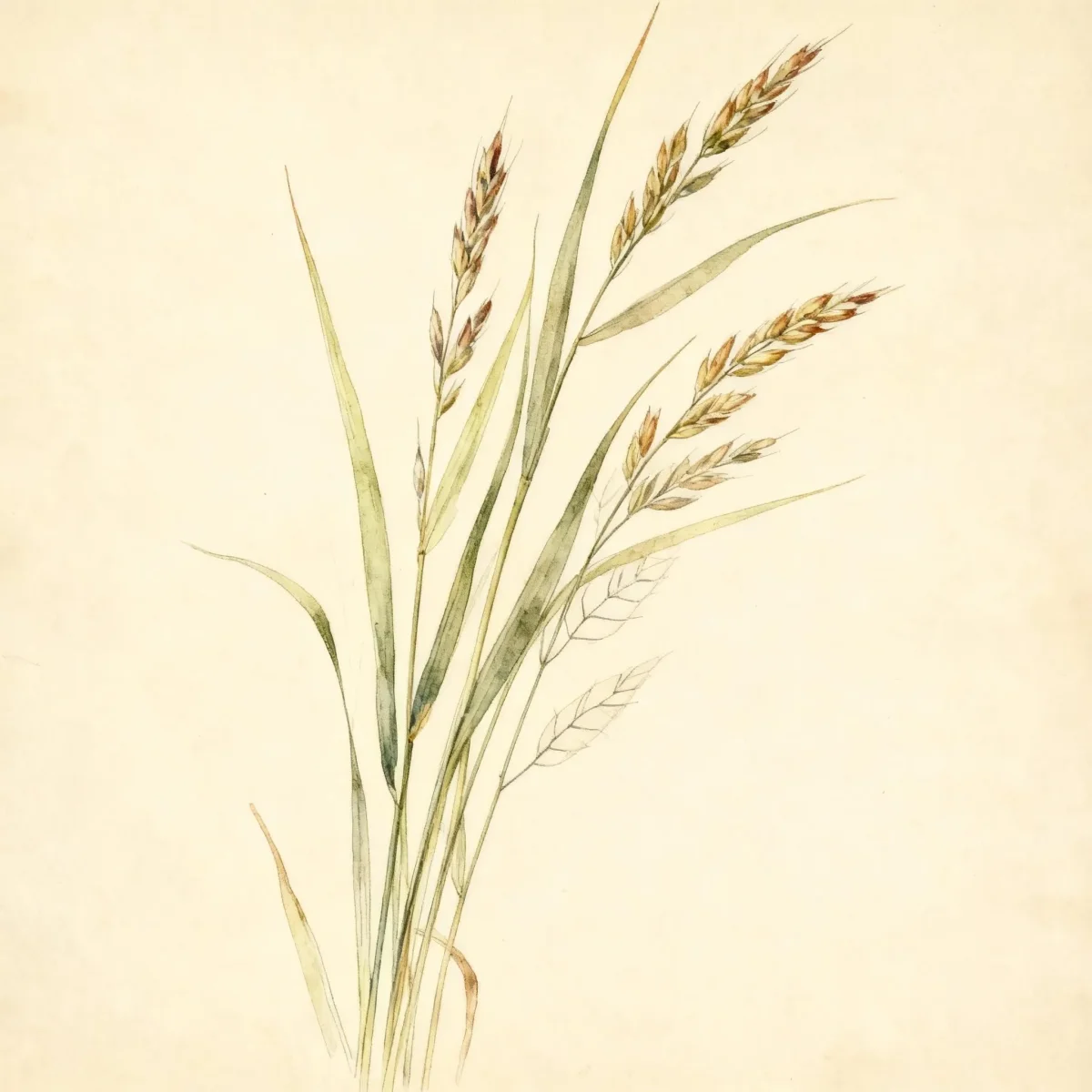
Tall fescue (Festuca arundinacea 'Kentucky 31')
Festuca arundinacea 'Kentucky 31' is a coarse, tough Tall fescue valued for its superior drought tolerance in cool climates (Zones 3-6).
Scroll down to discover growing tips, care requirements, companion plants, and more
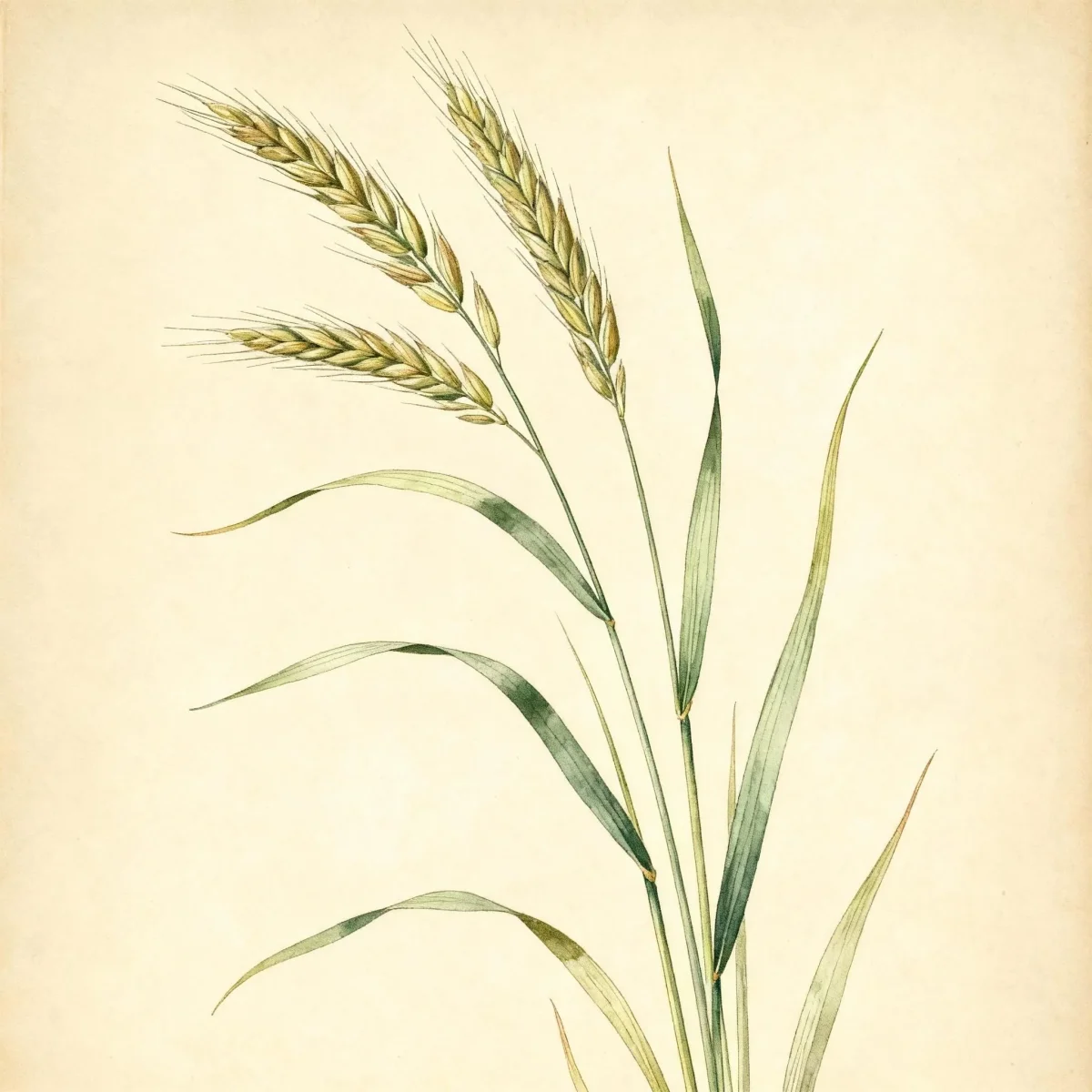
Complete Plant Information
Overview
Festuca arundinacea ‘Kentucky 31’ is recognized widely as a robust and foundational cool-season turfgrass, often referred to simply as Tall fescue. This cultivar provides a durable, medium green cover thanks to its coarse texture and upright, bunch-type growth habit. It thrives across a broad range of environmental conditions, making it an excellent, pragmatic choice for challenging lawn sites.
One of the most significant attributes of Festuca arundinacea ‘Kentucky 31’ is its extensive, deep root system. This feature anchors the turf effectively and contributes substantially to its notable drought tolerance once established. While requiring medium maintenance, this grass offers reliability in the transition zone, resisting summer heat and periodic winter cold better than many other grasses.
Gardeners value this turfgrass for creating tough, resilient lawns that stand up well to moderate activity. Because it lacks underground stolons or rhizomes, maintaining density involves occasional reseeding, but its overall performance in full sun to partial shade makes the Festuca arundinacea ‘Kentucky 31’ a consistently popular, hard-working option.
Fast Facts
- Plant Family: Poaceae
- Plant Type: Turfgrass
- Hardiness Zones: USDA Zones 3-6
- Size at Maturity:
- Height: 0.25-0.5 ft
- Spread: 0.25-0.25 ft
- Bloom Time: Non-flowering
- Bloom Description: Green
- Sun Exposure: Full sun to part shade
- Water Needs: Medium
- Maintenance Level: Medium
How to Grow
Planting Tall fescue is best achieved in the early fall, allowing the new root system to develop before the extremes of summer heat or deep winter cold arrive. While adaptable to many soil types, ensure the planting area is well-prepared and properly amended for drainage. When establishing a new lawn, the recommended seeding rate for Festuca arundinacea ‘Kentucky 31’ is quite dense, typically ranging from 7 to 10 lbs. per 1,000 sq. Ft. of area.
Ongoing care is vital; this turf requires medium attention. Expect to apply 1 to 3 pounds of nitrogen per 1,000 sq. Ft. annually to maintain good color and density. Regular watering is necessary, especially as the plant can become sensitive to drought during hot summer periods when it may go temporarily dormant.
Mowing height is critical for health; maintain the recommended height between 2 and 3 inches. Mowing lower can stress this coarse-textured grass, particularly during warm seasons. Because Festuca arundinacea ‘Kentucky 31’ does not spread aggressively to fill bare patches, any areas damaged by weather or heavy use should be reseeded promptly in the spring or fall to prevent thinning.
Landscape Uses
As a primary ground cover, Tall fescue excels where a highly durable, low-growing green carpet is needed. Dwarf fescue varieties, like those related to the robust ‘Kentucky 31,’ are highly valued for residential lawns, particularly across the U.S. transition zone where fluctuating temperatures are common. Its ability to withstand drier conditions sets it apart from traditional fine fescues in these border climates.
While it establishes slowly and struggles to self-repair quickly, making it less ideal for high-traffic sports turf, it serves excellently as border material or for general bank stabilization where erosion control is a concern. Pair it with other tough, drought-tolerant perennials or ornamental grasses that share similar sun and water needs to create a low-input landscape that remains green throughout the growing season.
Standout Features
Noteworthy Characteristics
Tall fescue is a coarse textured grass tolerant to a wide variation in environmental conditions. It has a bunch-type growth habit that causes it to appear clumped and upright. It does not spread rapidly because of its lack of underground stolons or rhizomes. Therefore, re-seeding is a common practice to repair damaged areas and thin spots. Tall fescue does best where there are mild winters and warm summers. An extensive, deep root system makes tall fescue a good choice for drought-prone sites. The turf-type tall fescues are more dwarf forms and are perhaps the best grass in the transition zone withstanding summer heat and drought as well as periodic cold winter temperatures. It makes a tough play lawn, however, may require reseeding to repair damaged areas. Dwarf fescue, like other tall fescues, has good disease tolerance.Genus name comes from the Latin word meaning a grass stalk or straw.Specific epithet means resembling a reed.‘Kentucky 31’ is medium green with coarse-textured blades. It is widely adapted to different soil types and is fairly drought tolerant.
Tolerances
- Drought
- Erosion
Potential Problems
Like other fescues, it tends to clump and if used in mixtures, it must predominate. In the spring and fall during the high growth periods, wearability is good. In summer when temperatures rise, it is sensitive to drought and may go dormant. Damaged areas due to weather extremes, pests, diseases etc. Need to be reseeded in the spring or fall. Dwarf fescue is prone to problems caused by the fungal disease called brown patch. It’s slow growth means that brown patch can cause significant problems in mid summer.
To manage clumping, ensure uniform seeding and avoid heavy use during summer dormancy stress. Brown patch, a serious risk for dwarf fescue, should be managed through proper watering practices—water deeply and infrequently, preferably in the early morning, to allow the turf to dry before nightfall. Immediate reseeding is the primary repair method for damaged sections.
Frequently Asked Questions
What hardiness zones is Tall fescue suitable for?
Festuca arundinacea ‘Kentucky 31’ is reliably hardy in USDA Zones 3 through 6, offering excellent cool-season performance.
How large does Tall fescue grow?
Mature height for this turfgrass typically ranges between 0.25 and 0.5 feet tall, with a spread of 0.25 feet.
What sun exposure does Festuca arundinacea ‘Kentucky 31’ need?
This grass performs best in areas receiving full sun, but it tolerates partial shade conditions well.
When does Tall fescue bloom?
This plant is generally considered non-flowering for landscape purposes, though it produces inconspicuous green structures when it matures.
Conclusion
Festuca arundinacea ‘Kentucky 31’ remains an indispensable selection for turf management, specifically due to its strong root structure and ability to endure heat and drought in cooler latitudes. For a tough, low-maintenance lawn that handles the stresses of the transition zone, Tall fescue delivers lasting green coverage. Before seeding, confirm your location falls within USDA Zones 3-6 to ensure optimal long-term success.
Seasonal Care Calendar
Establishing an annual routine is crucial for maximizing the benefits of this coarse-textured grass. Spring is the ideal time for fertilization and light renovation preceding the summer heat. Focus on preparing the soil and seeding thin areas as soon as spring growth begins.
Summer care should prioritize water conservation. While drought tolerant, Festuca arundinacea ‘Kentucky 31’ will go dormant without moisture during peak heat. Monitor rainfall and supplement as needed, always watering early so the blades dry before nightfall to mitigate fungal challenges like brown patch.
Fall is perhaps the most important season for Tall fescue maintenance. This period supports deep root development and recovery. Overseeding damaged areas during the fall ensures the lawn is dense and resilient when stresses from the following year begin.
Companion Planting Considerations
Because of its coarse texture and tendency to clump, Festuca arundinacea ‘Kentucky 31’ should dominate any lawn mix it is included in. When integrating it into broader landscape beds rather than pure turf areas, look for perennial companions that share its requirements for medium water and good drainage. Hardy ornamental grasses or durable ground covers native to cooler climates pair well aesthetically and culturally.
Consider pairing this turf with plants that tolerate similar dry periods, such as certain varieties of Sedum or low-growing native bunchgrasses that won’t become overwhelmed by its upright growth or compete aggressively for nutrients. Avoid planting moisture-loving shade perennials directly adjacent to the fescue zone, as this will inevitably lead to overwatering or disease issues in one planting area or the other.