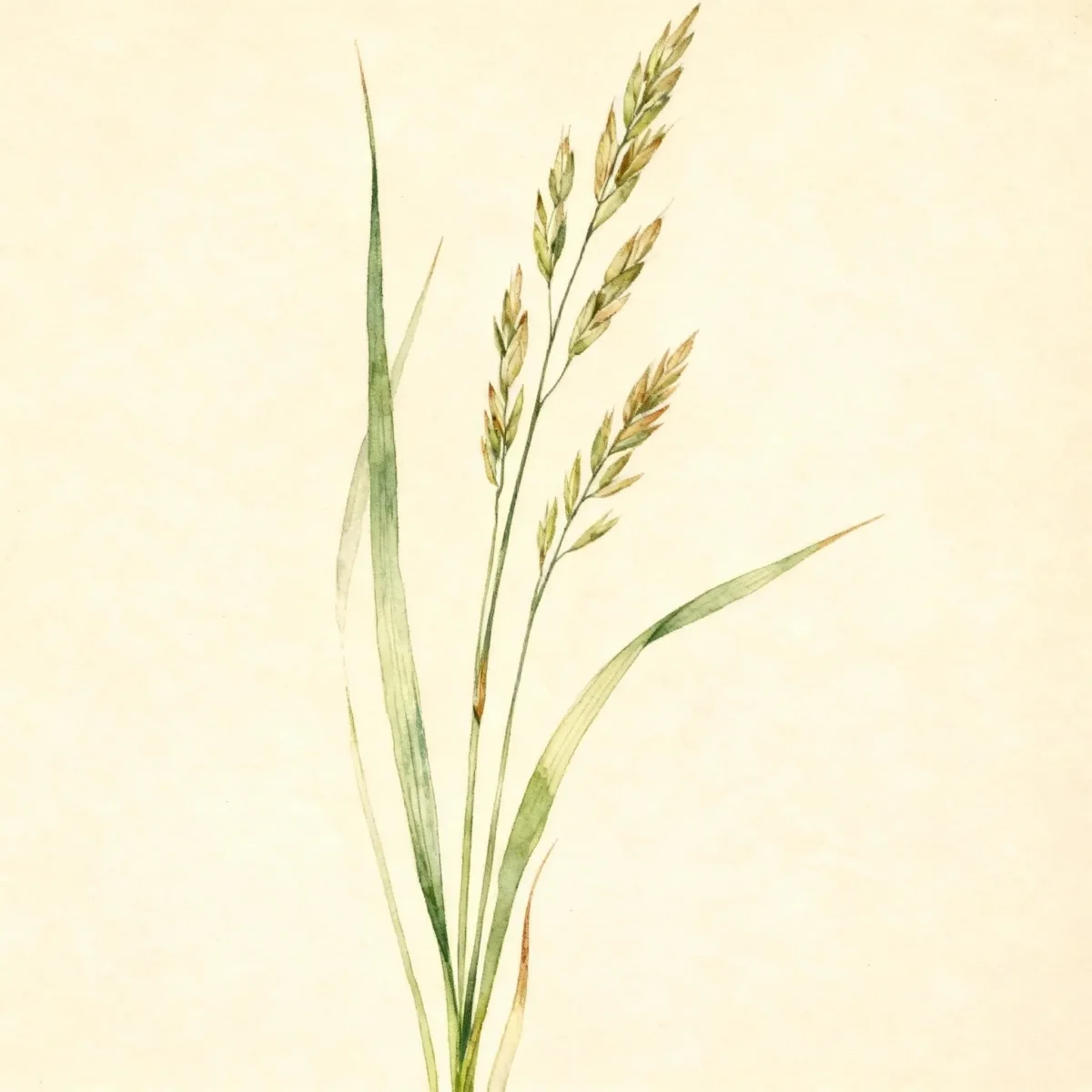
Fescue (Festuca arundinacea WATER SAVER)
Festuca arundinacea WATER SAVER (Fescue) provides a tough, coarse-textured turf ideal for transition zone resilience and drought tolerance.
Scroll down to discover growing tips, care requirements, companion plants, and more
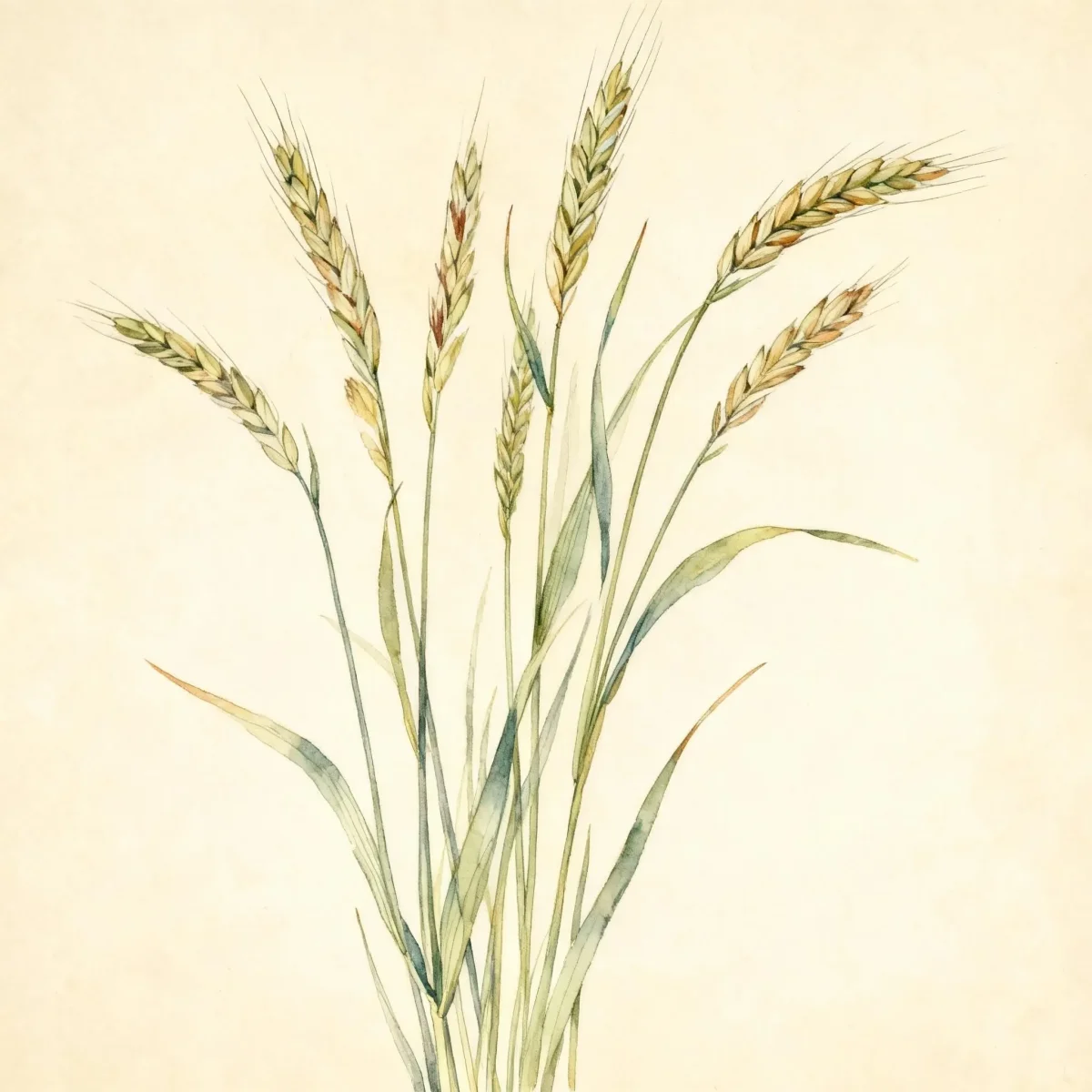
Complete Plant Information
Overview
Festuca arundinacea WATER SAVER, commonly known simply as Fescue, is a vital turfgrass, particularly valued for its resilience in challenging growing environments. This variety is celebrated for its coarse texture yet sturdy nature, making it a practical choice where durability is required. Its strong performance in the USDA transition zone highlights its ability to handle both summer heat and periodic winter cold.
The key benefit of Festuca arundinacea WATER SAVER lies in its deep, extensive root system, which grants it superior drought tolerance compared to many other lawn grasses. While requiring high maintenance to look its best, the payoff is a dependable green space. Gardeners should anticipate the bunch-type growth habit of this Fescue, meaning it does not self-repair rapidly through runners.
For homeowners seeking a tough residential solution, this Fescue grass offers excellent disease resistance alongside its heat tolerance. Successful cultivation of Festuca arundinacea WATER SAVER requires attention to proper nutrition and mowing heights to maintain its integrity throughout the season.
Fast Facts
- Plant Family: Poaceae
- Plant Type: Turfgrass
- Hardiness Zones: USDA Zones 3-6
- Size at Maturity:
- Height: 0.25-0.5 ft
- Spread: 0.25-0.5 ft
- Bloom Time: Non-flowering
- Bloom Description: Non-flowering
- Sun Exposure: Full sun to part shade
- Water Needs: Medium
- Maintenance Level: High
How to Grow
Establishment of Festuca arundinacea WATER SAVER is best achieved through seeding, typically at a rate of 7 to 10 lbs. per 1,000 sq. Ft. This Fescue thrives in cool climates within its specified zones but requires consistent care. Prepare a well-draining seedbed prior to planting, ensuring even distribution of the seed.
Maintenance for this Fescue is considered high. It demands regular watering, especially when established in warmer or drier parts of its range, to supplement its natural drought resistance. For optimal health, apply 1 to 3 pounds of nitrogen per 1,000 sq. Ft. annually.
Mowing is a critical aspect of maintaining this turfgrass. Recommended mowing height for Festuca arundinacea WATER SAVER is between 2 to 3 inches. Always mow when the grass is actively growing in spring or fall to minimize stress on the bunch-type structure. Dormancy may occur if summer drought stress is severe.
Landscape Uses
Dwarf fescue, representing the turf-type cultivar of Festuca arundinacea WATER SAVER, excels as a robust residential lawn. It is particularly well-suited for the U.S. Transition Zone, where the temperature swings between hot summers and cold winters can challenge less adaptable grasses. This makes it an excellent foundational planting for yards requiring a durable surface.
Due to its bunching habit and slow self-repair mechanisms, limit the use of this Fescue in high-impact sport turf areas unless aggressive annual reseeding is planned. It performs best in areas that receive moderate traffic during peak growth periods in spring and fall. Consider integrating it where its heat and drought tolerance provides a major advantage over standard cool-season grasses.
Standout Features
Noteworthy Characteristics
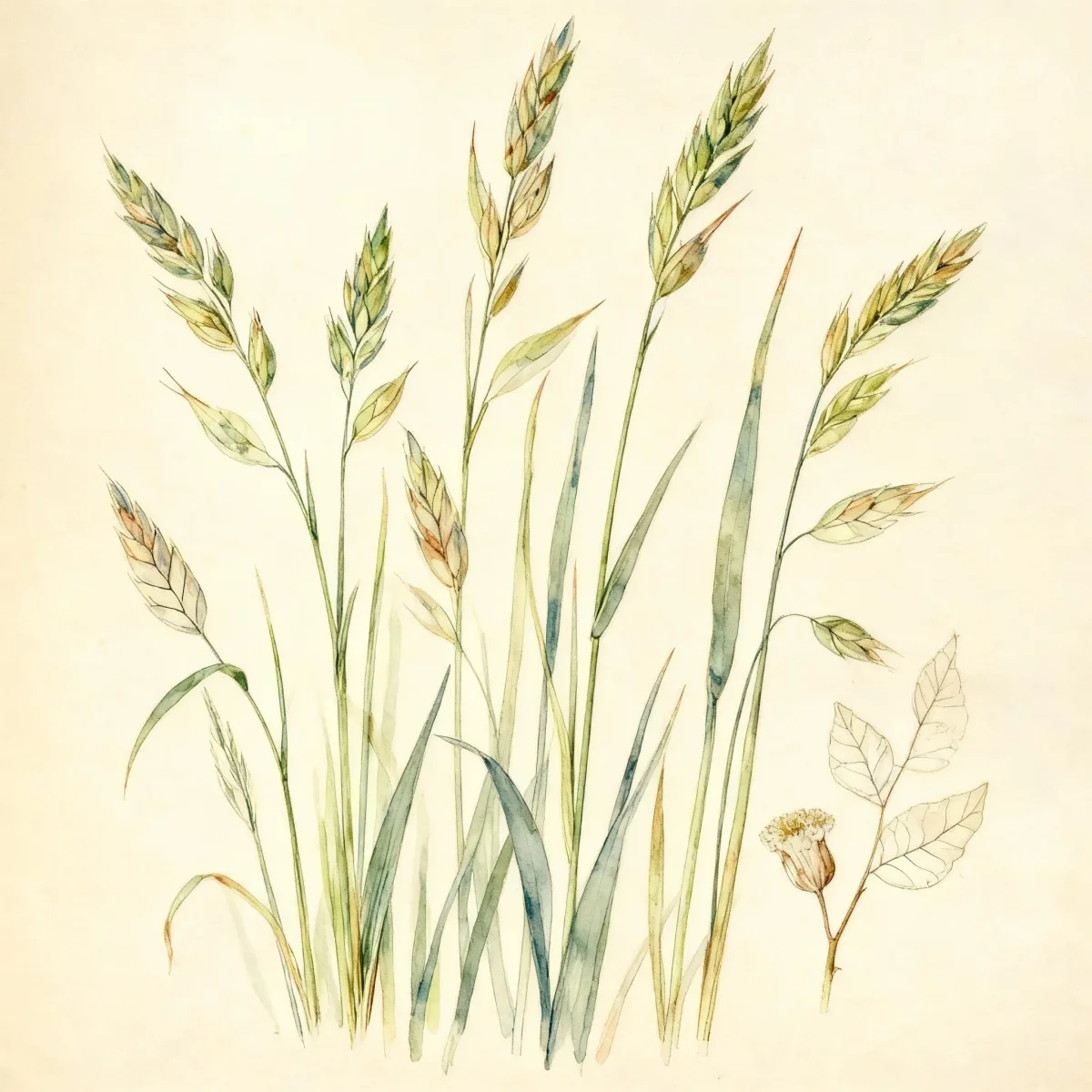
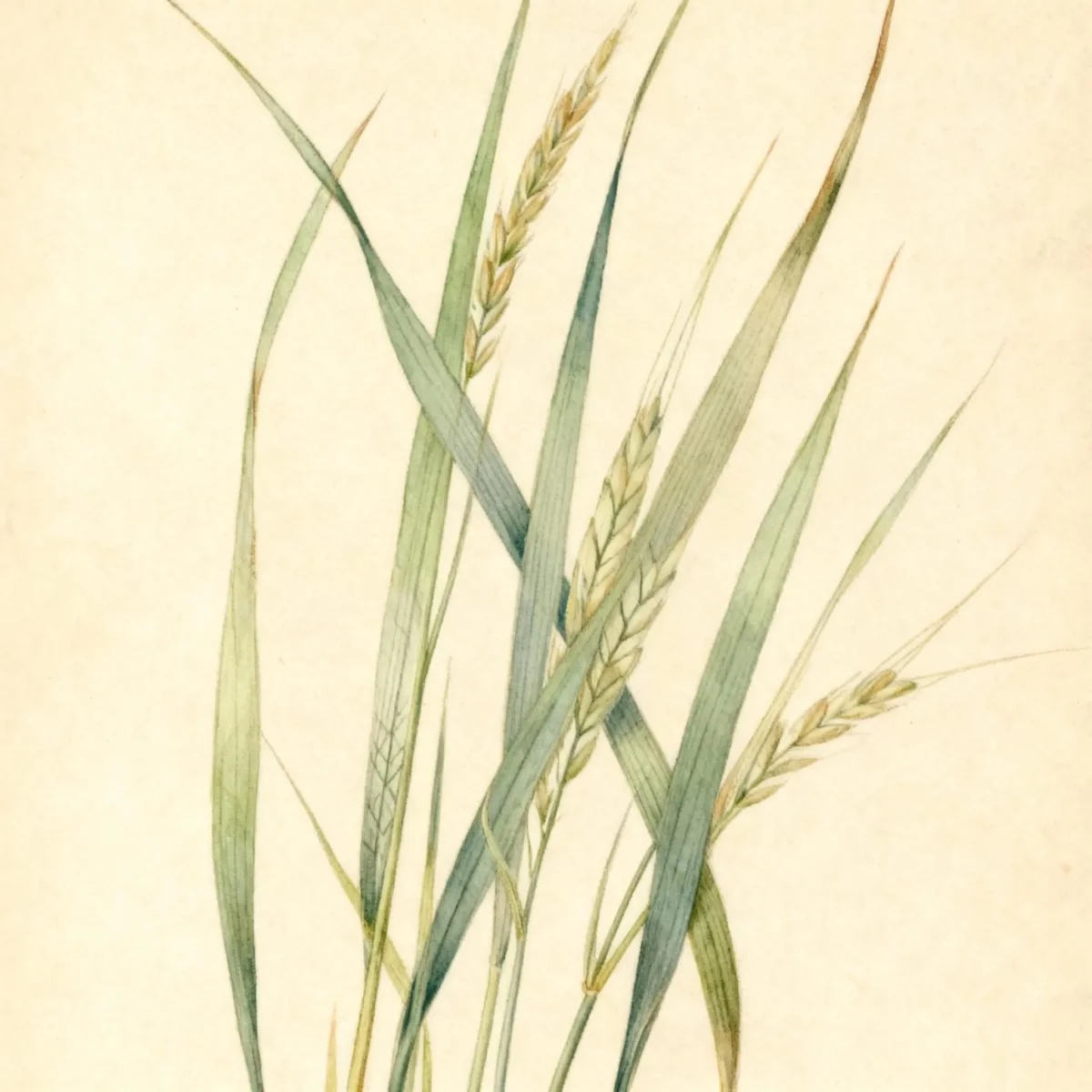
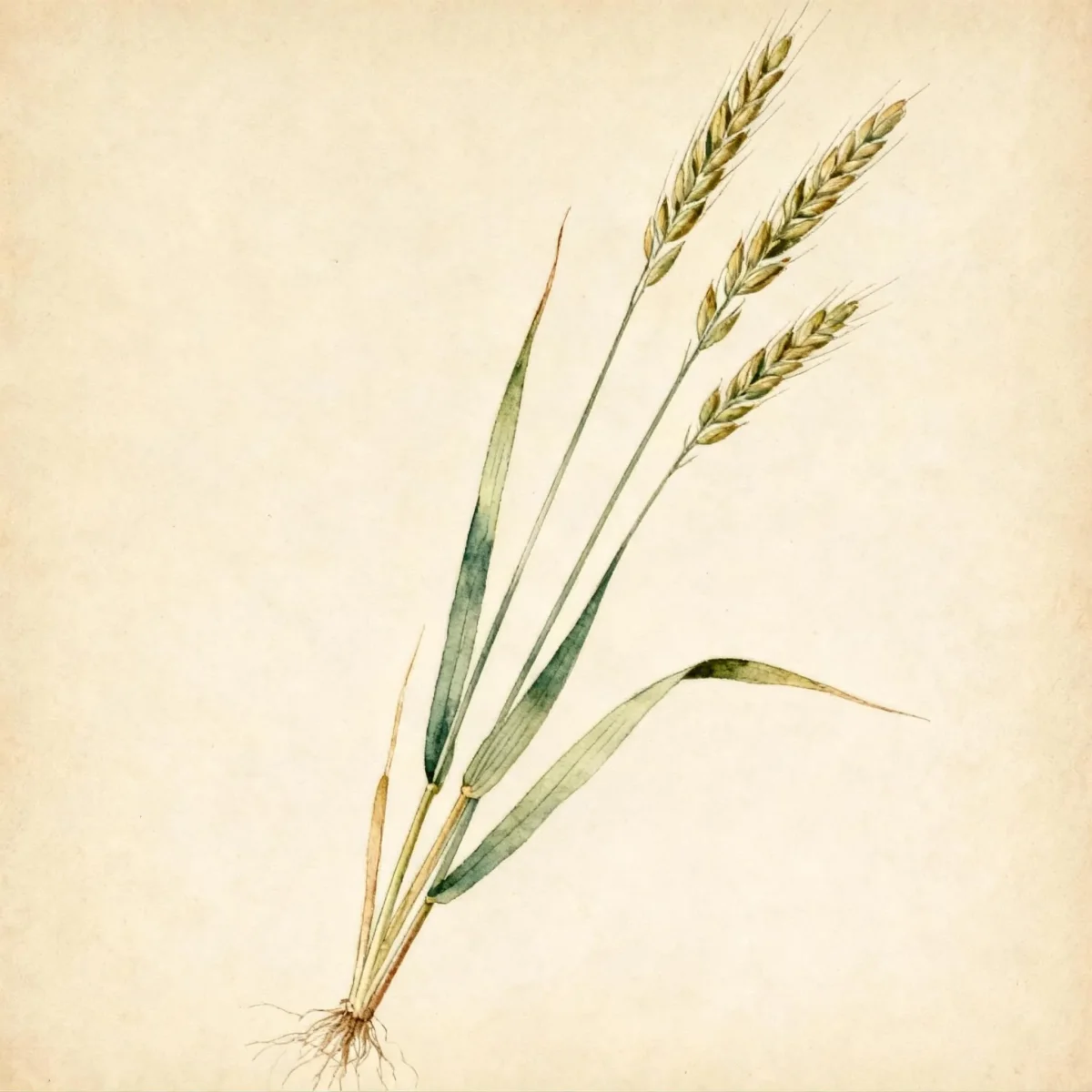
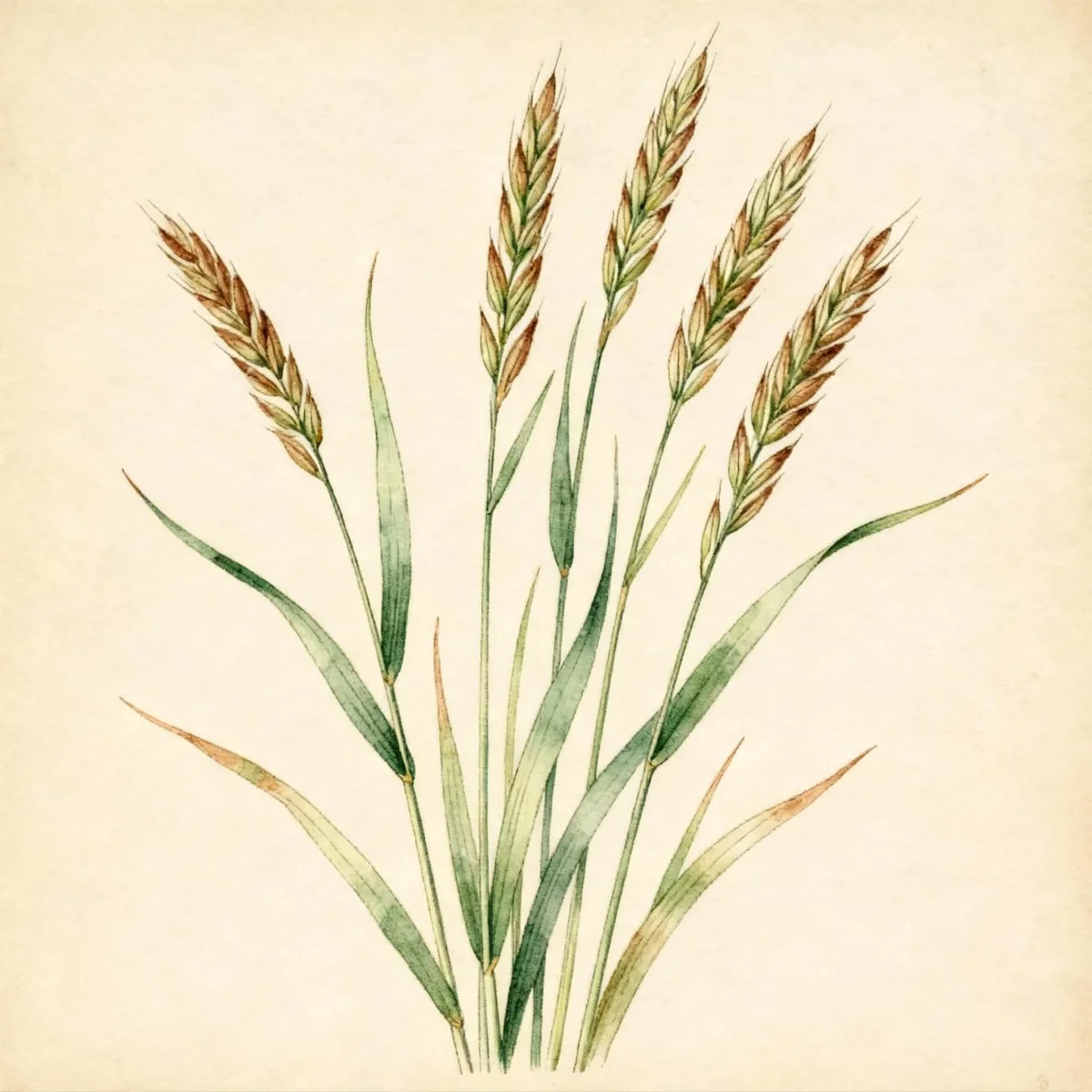
Tall fescue is a coarse textured grass tolerant to a wide variation in environmental conditions. It has a bunch-type growth habit that causes it to appear clumped and upright. It does not spread rapidly because of its lack of underground stolons or rhizomes. Therefore, re-seeding is a common practice to repair damaged areas and thin spots. Tall fescue does best where there are mild winters and warm summers. An extensive, deep root system makes tall fescue a good choice for drought-prone sites. The turf-type tall fescues are more dwarf forms and are perhaps the best grass in the transition zone withstanding summer heat and drought as well as periodic cold winter temperatures. It makes a tough play lawn, however, may require reseeding to repair damaged areas. Dwarf fescue, like other tall fescues, has good disease tolerance. WATER SAVER is noted for having a deep root system, good heat and drought tolerance and good resistance.
Potential Problems
Like other fescues, this variety tends to clump, and if mixed with other grasses, the Festuca arundinacea WATER SAVER must predominate to maintain uniformity. Wearability is generally good during the high growth periods of spring and fall, but the grass becomes sensitive to drought and may enter summer dormancy when temperatures climb high. Any damaged sections caused by weather, pests, or disease necessitate reseeding in the spring or fall, as the slow growth rate prevents rapid natural recovery. Furthermore, dwarf fescue is susceptible to the fungal disease known as brown patch, which can cause significant turf loss during mid-summer if left unchecked.
Frequently Asked Questions
What hardiness zones is Fescue suitable for?
Festuca arundinacea WATER SAVER is suitable for USDA Zones 3 through 6, offering resilience across a wide range of cool-to-temperate climates.
How large does Fescue grow?
This Fescue typically reaches a mature height between 0.25 and 0.5 feet, with a similar spread range of 0.25 to 0.5 feet.
What sun exposure does Festuca arundinacea WATER SAVER need?
This grass performs well in conditions ranging from full sun exposure to partial shade.
When does Fescue bloom?
Festuca arundinacea WATER SAVER is non-flowering, meaning it will not produce noticeable blooms for aesthetic appeal.
Conclusion
Festuca arundinacea WATER SAVER stands out as a high-maintenance but highly rewarding Fescue for creating durable turf, especially where heat and drought management are crucial concerns. Its deep rooting and transition zone adaptability make it a smart horticultural selection. Before planting, confirm your location falls within USDA Zones 3-6 and plan for the necessary yearly nitrogen inputs and mowing regimes this grass requires.
Companion Planting Considerations
This Fescue variety thrives alongside other cool-season plants that share its need for medium water and full sun to part shade. When establishing new turf or overseeding, ensure that the companion grasses do not aggressively outcompete the bunching habit of the Festuca arundinacea WATER SAVER. For borders or interspersed planting within the garden beds surrounding the turf, look for perennials that tolerate slightly drier conditions once established, such as certain Sedums or low-growing ornamental perennial grasses whose root structures won’t interfere heavily with the Fescue’s root zone.
Seasonal Care Calendar
Spring is the most crucial time for Fescue establishment and repair. This is the best window for reseeding thin spots or establishing new lawns, applying the recommended seeding rate of 7 to 10 lbs. per 1,000 sq. Ft. Begin your regular fertilization schedule, aiming for the lower end of the 1 to 3 lbs. nitrogen requirement. During the summer months, reduce mowing height stress and monitor closely for signs of drought stress or brown patch, ensuring consistent, deep watering when needed to prevent premature dormancy. In fall, the turf recovers vigor; this is the second-best time for reseeding damaged areas and applying a final nitrogen boost before winter dormancy.