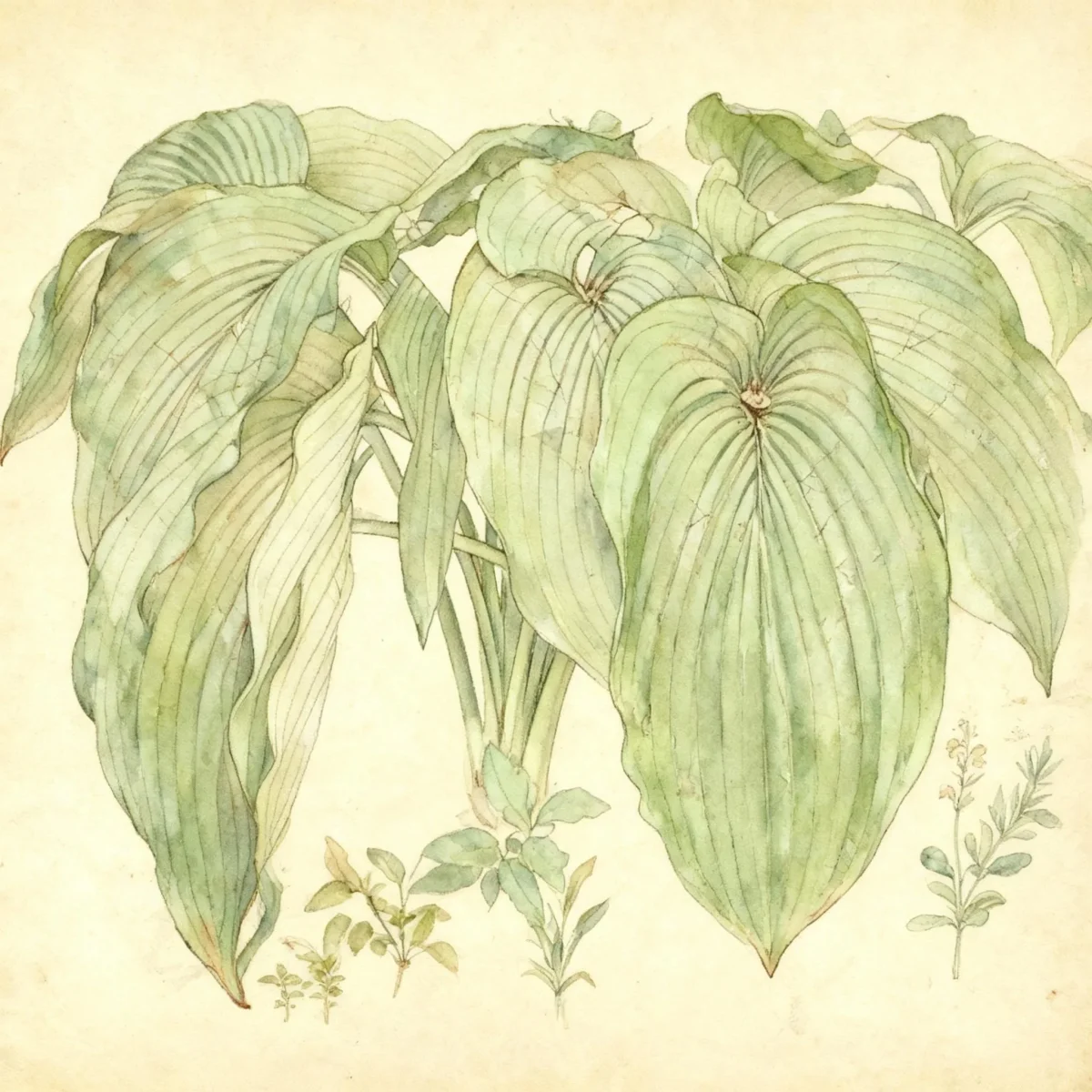
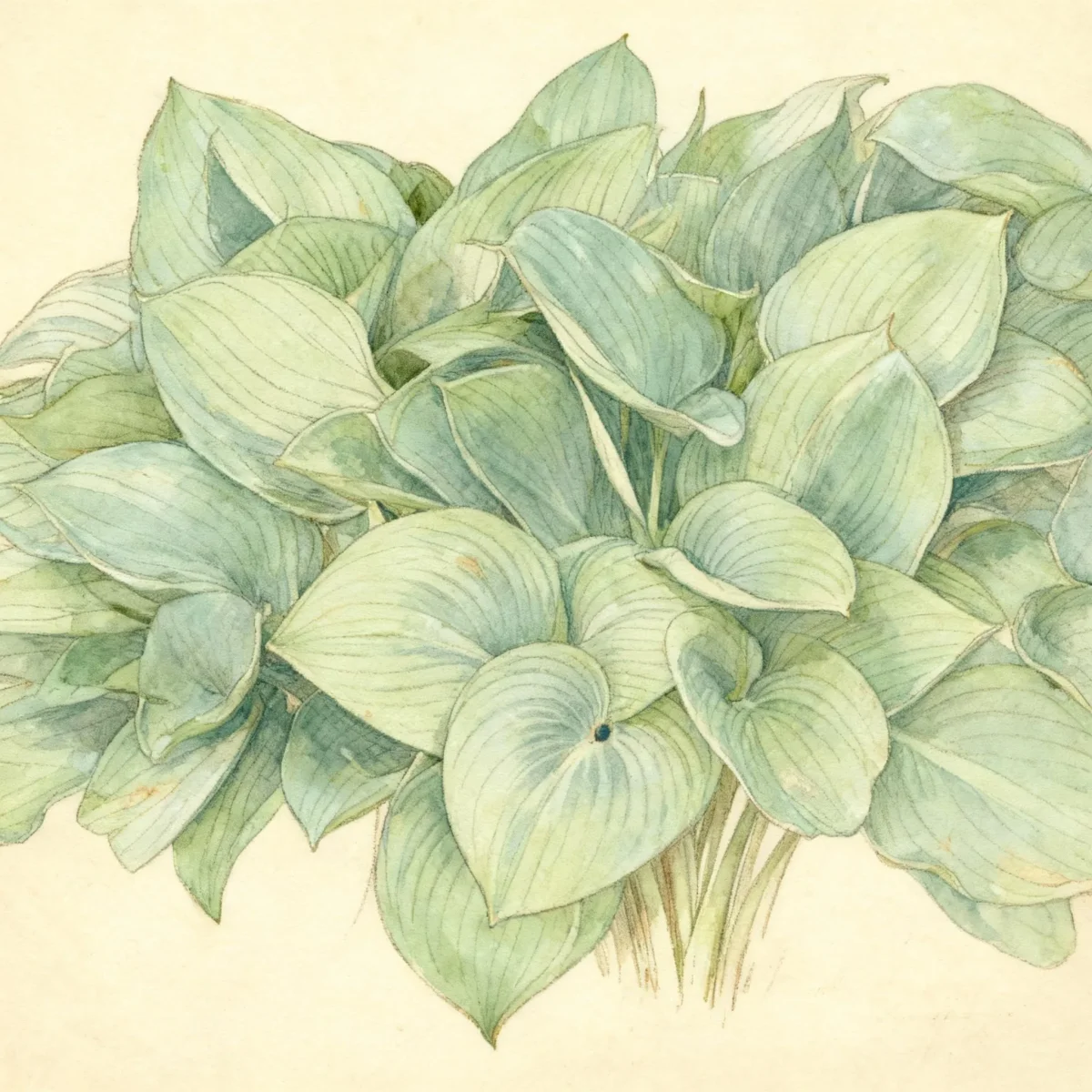
Hosta (Hosta 'Dancing Queen')
Hosta 'Dancing Queen' offers bright yellow foliage and resilience in heavy shade. A low-maintenance perennial for shaded borders.
Scroll down to discover growing tips, care requirements, companion plants, and more
Complete Plant Information
Overview
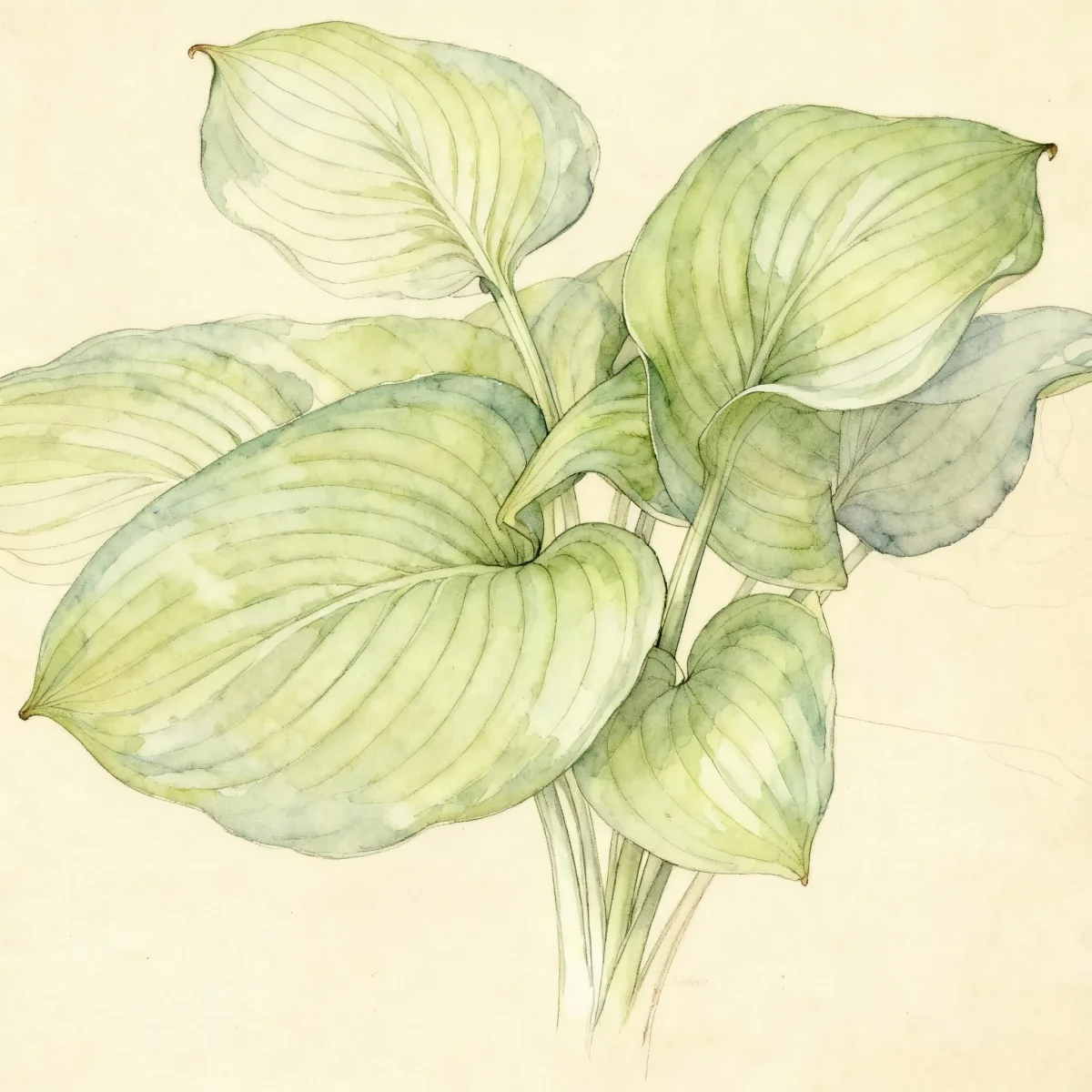
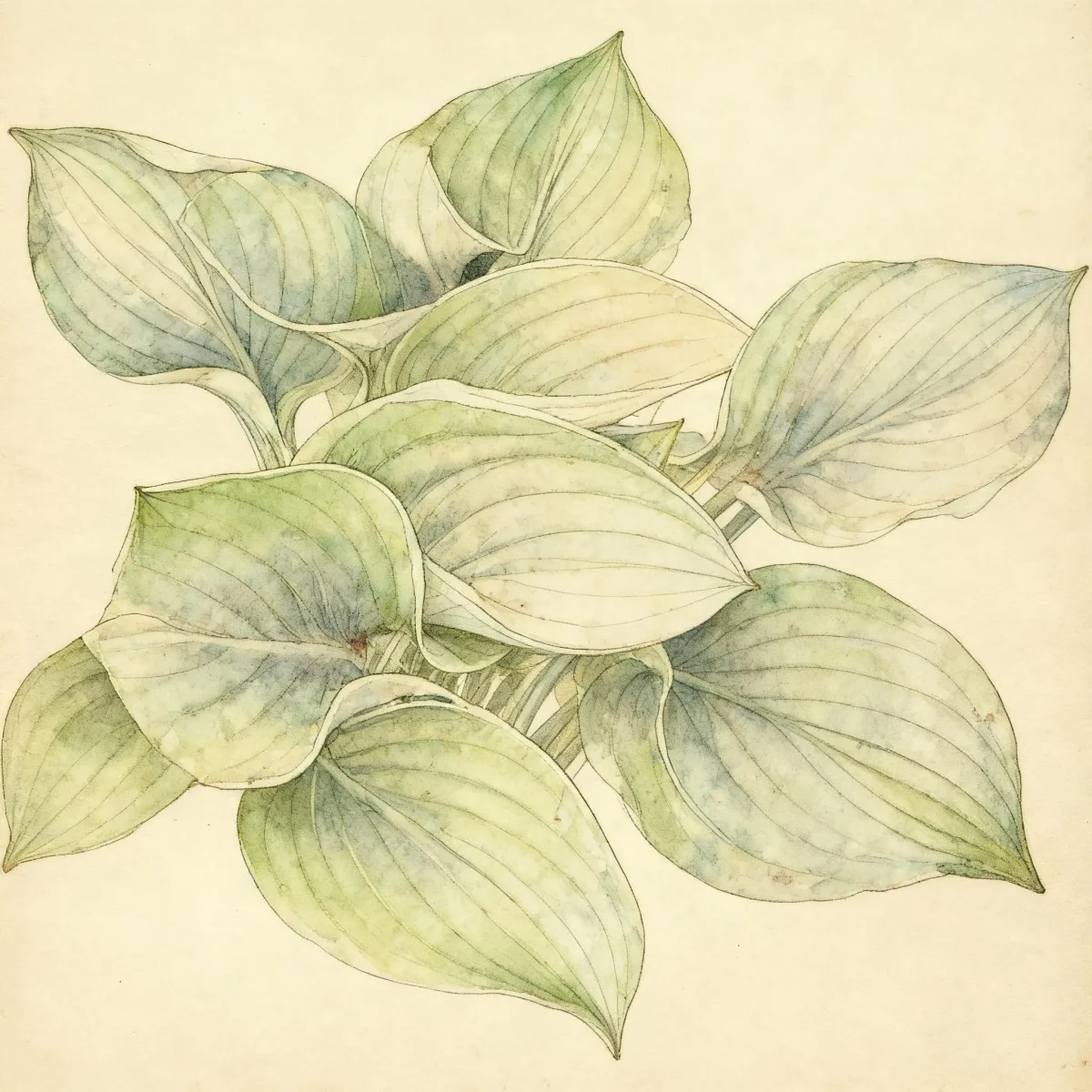
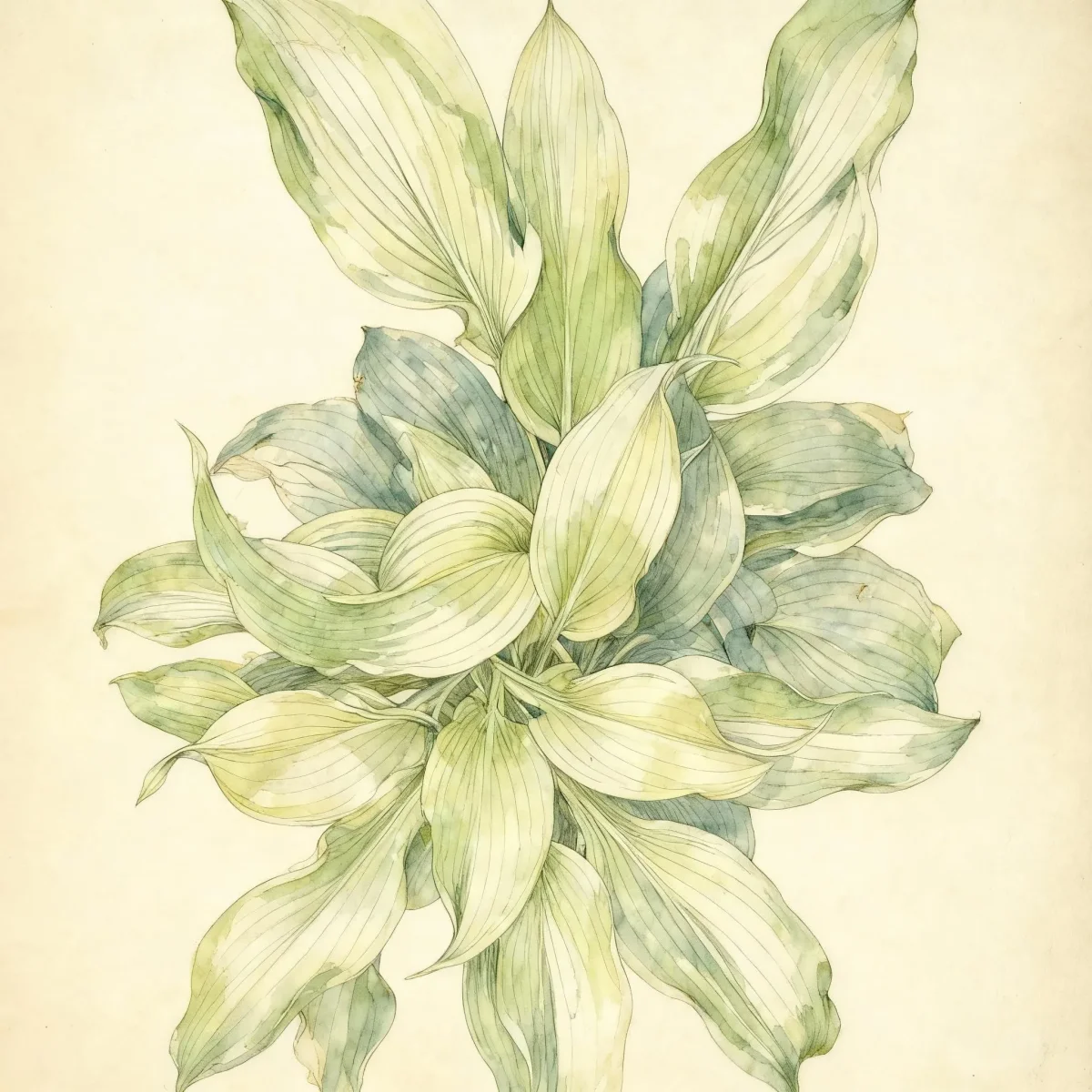
Hosta ‘Dancing Queen’ is a spectacular herbaceous perennial prized primarily for its vibrant, chartreuse-to-yellow foliage that brightens the deepest shade pockets in the garden. This cultivar is valued for its impressive leaf size, which holds color well throughout the season when planted in appropriate light conditions. As a member of the Hosta genus, ‘Dancing Queen’ contributes excellent texture and form to woodland settings.
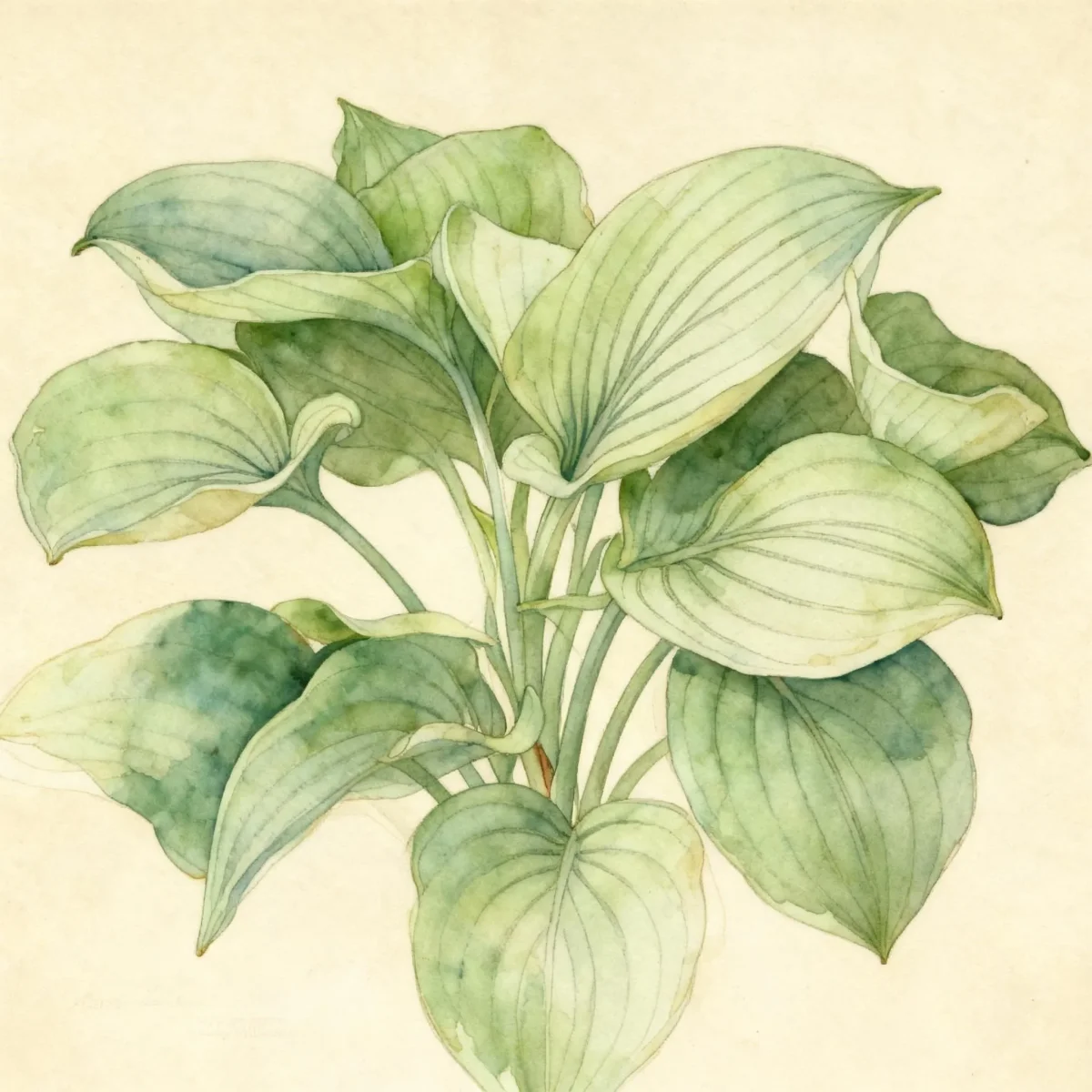
This variety forms a tidy mound, reaching about 1.5 feet tall and nearly 3 feet wide, providing significant visual impact in shaded borders. Though it produces pale lavender flowers in mid-summer, the main draw of Hosta, and specifically Hosta ‘Dancing Queen’, remains the ornamental quality of its corrugated leaves. It offers dependable, low-maintenance structure ideal for gardeners seeking rich color under a dense tree canopy.
Fast Facts
- Plant Family: Asparagaceae
- Plant Type: Herbaceous perennial
- Hardiness Zones: USDA Zones 3-8
- Size at Maturity:
- Height: 1.25-1.5 ft
- Spread: 2.5-3 ft
- Bloom Time: June to July
- Bloom Description: Pale lavender
- Sun Exposure: Part shade to full shade
- Water Needs: Medium
- Maintenance Level: Low
How to Grow
Planting your Hosta ‘Dancing Queen’ should ideally occur in spring or autumn when the soil is workable and temperatures are moderate. Ensure the location offers organically rich, well-drained soil. While Hosta are shade lovers, Hosta ‘Dancing Queen’ performs best with some morning sun or dappled light; too much deep shade can cause the bright yellow leaves to revert toward a dull greenish-yellow.
Care revolves around consistency, especially regarding hydration. Water is best applied directly to the soil beneath the leaves to keep the foliage dry and prevent fungal issues. Maintain evenly moist soil; although established plants show some dry shade tolerance, consistent moisture is key to achieving the best size and leaf quality for Hosta. They are generally considered low-maintenance perennials.
Divide your Hosta clumps as needed, usually easiest in early spring just before the leaves unfurl. When siting your plant, remember its tolerances, particularly protecting it from overly windy spots. Since this Hosta is low maintenance, active pruning is rare, but removing spent flower scapes can maintain a tidier appearance.
Landscape Uses
Hostas are the undeniable staples of shade gardens, valued for texture and color rather than just their blooms. Hosta ‘Dancing Queen’ is particularly useful because its bright yellow foliage contrasts beautifully against deep green shade perennials or dark mulch. This cultivar works effectively massed together to create a glowing groundcover effect in woodland gardens.
Use Hosta ‘Dancing Queen’ to edge shady borders or pathways where its dependable clump-forming habit can structure the space. They serve as excellent background plants beneath taller shrubs or trees where they absorb light that other sun-loving plants cannot tolerate. Their cultural requirements—moist, rich soil and shade—make them perfect companions for ferns, astilbes, and bleeding hearts.
Standout Features
Flower Qualities
- Showy
- Good Cut
Noteworthy Characteristics
Hosta is a genus primarily cultivated for its ornamental foliage, featuring large, basal leaves rising from a central rhizome, forming a dense mound. Hosta ‘Dancing Queen’ was introduced in 2005 and notably features large, wedge-shaped leaves with a rippled “piecrust” edge that emerges bright yellow in spring and persists all season under proper light. Blooming occurs in midsummer with spikes of pale lavender flowers atop tall scapes, though the luminous foliage remains the plant’s main spectacle.
Tolerances
- Heavy Shade
- Black Walnut
Potential Problems
Slugs and snails represent the most common threat to Hosta foliage, chewing jagged holes that rapidly degrade the aesthetic value of the leaves—immediate treatment strategies must be employed when pest activity is noticed. Keeping the base of the plant dry and clear of heavy mulch can help manage these pests. Watch for foliar nematodes which cause browning between the veins, and manage nutrient-poor or waterlogged soil to reduce the risk of less frequent issues like leaf spots or crown rot. Be aware that deer and rabbits frequently find Hosta leaves highly palatable.
Frequently Asked Questions
What hardiness zones is Hosta ‘Dancing Queen’ suitable for?
Hosta ‘Dancing Queen’ thrives across a wide range suitable for USDA Zones 3 through 8.
How large does Hosta ‘Dancing Queen’ grow?
This variety matures to a height between 1.25 to 1.5 feet and spreads to a width of 2.5 to 3 feet, forming a substantial mound.
What sun exposure does Hosta ‘Dancing Queen’ need?
This Hosta prefers part shade to full shade conditions; morning sun or dappled light is ideal to maintain the best yellow leaf coloration.
When does Hosta ‘Dancing Queen’ bloom?
The pale lavender flowers of Hosta ‘Dancing Queen’ are typically visible during the summer months, specifically from June to July.
Conclusion
Hosta ‘Dancing Queen’ is a top-tier choice for gardeners needing vibrant, low-maintenance foliage to illuminate deeply shaded areas. Its bright yellow, textured leaves offer high ornamental value, making this Hosta a reliable anchor in woodland borders. Before planting, confirm your site conditions match the part shade to full shade requirements to ensure the longevity and brilliance of Hosta ‘Dancing Queen’.
Companion Planting
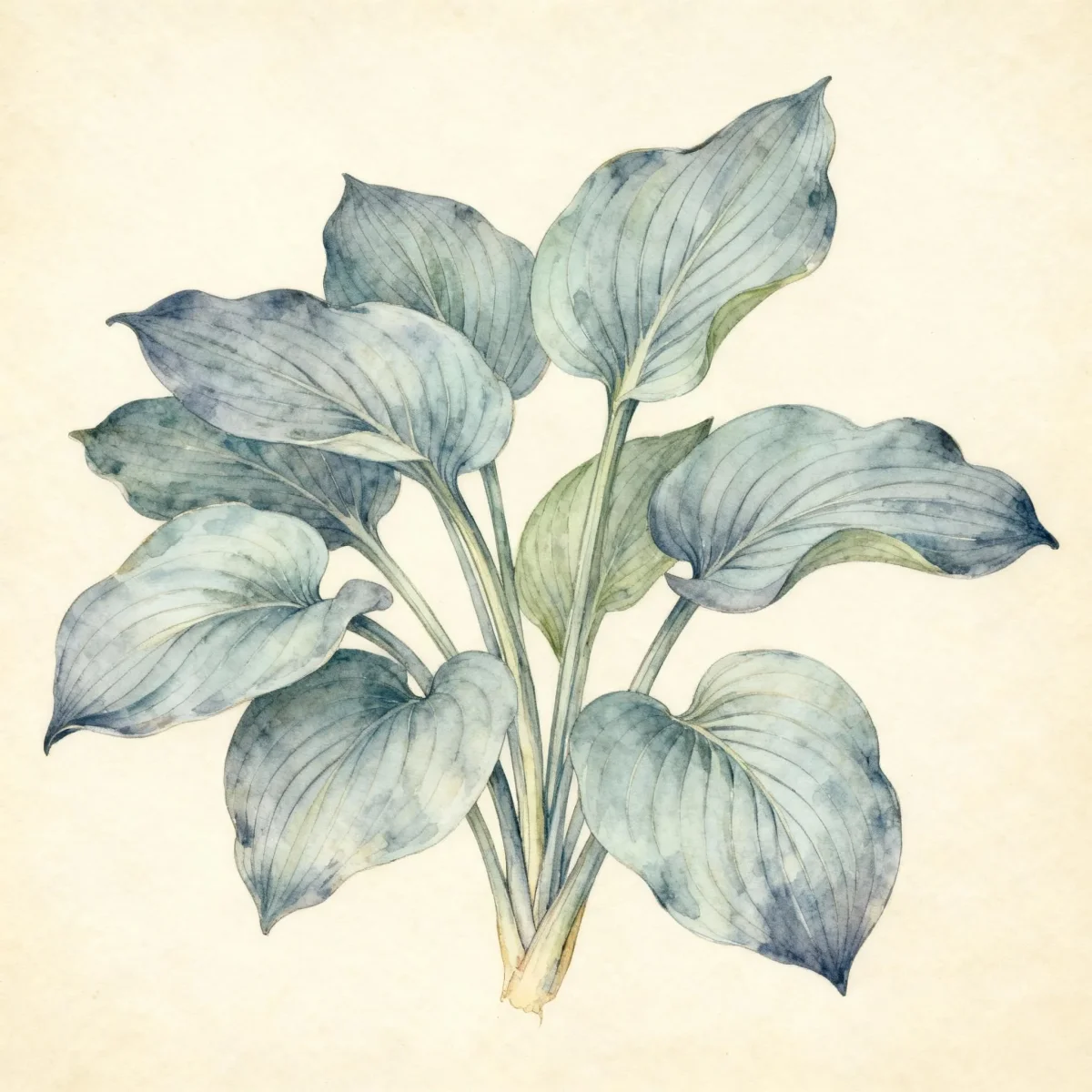
Selecting suitable partners for Hosta ‘Dancing Queen’ should focus on plants that share its requirements for medium moisture and notable shade tolerance. Excellent visual contrast can be achieved by pairing the hosta’s broad, rippled leaves with fine, airy textures like various types of Ferns, such as Japanese Painted Ferns or Autumn Ferns. Blue-leaved Hosta varieties also work well when placed near the chartreuse tones of ‘Dancing Queen’ to create complementary color schemes in deep shade.
Consider groundcovers like Vinca minor (Periwinkle) or Epimedium (Barrenwort) to fill space around the base of the Hosta mound. These companions help suppress weeds and maintain consistent soil moisture, which benefits the Hosta and keeps the overall planting looking lush and full throughout the growing season.
Seasonal Care Calendar
Spring is the most active time for Hosta ‘Dancing Queen’ care; divide any overcrowded clumps once the new shoots begin to emerge from the soil. Focus on enriching the soil with organic matter at this time to fuel summer growth. During the active summer months, the primary management task is consistent watering, ensuring the soil remains evenly moist, particularly during dry spells, and scouting diligently for slug and snail activity.
As autumn chill sets in, the foliage of this herbaceous perennial will naturally die back to the ground. Cut back the dead leaves once they are fully withered, which helps prevent overwintering pests and diseases. Hosta plants are very cold-hardy, usually requiring no special winter protection in zones 3-8.