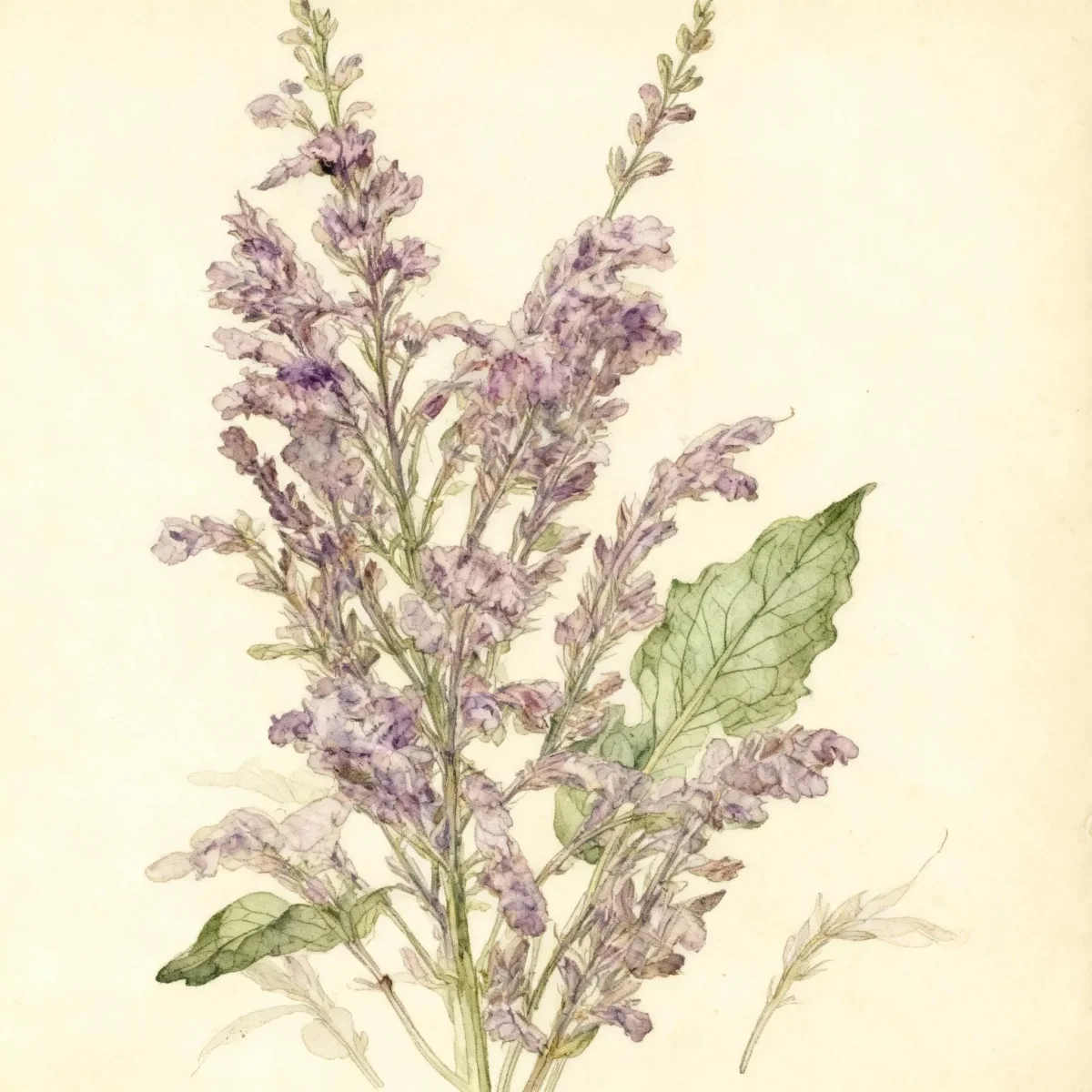
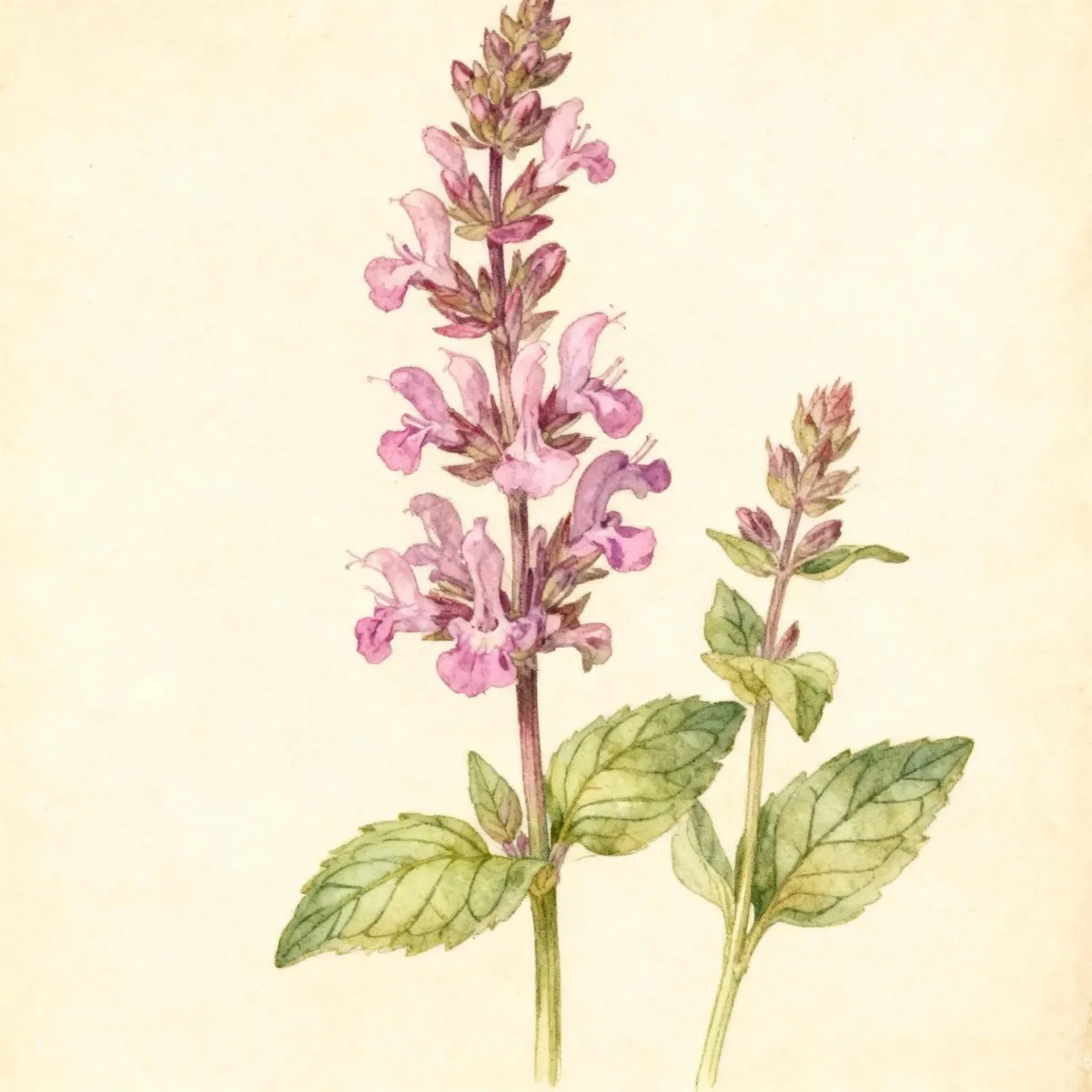
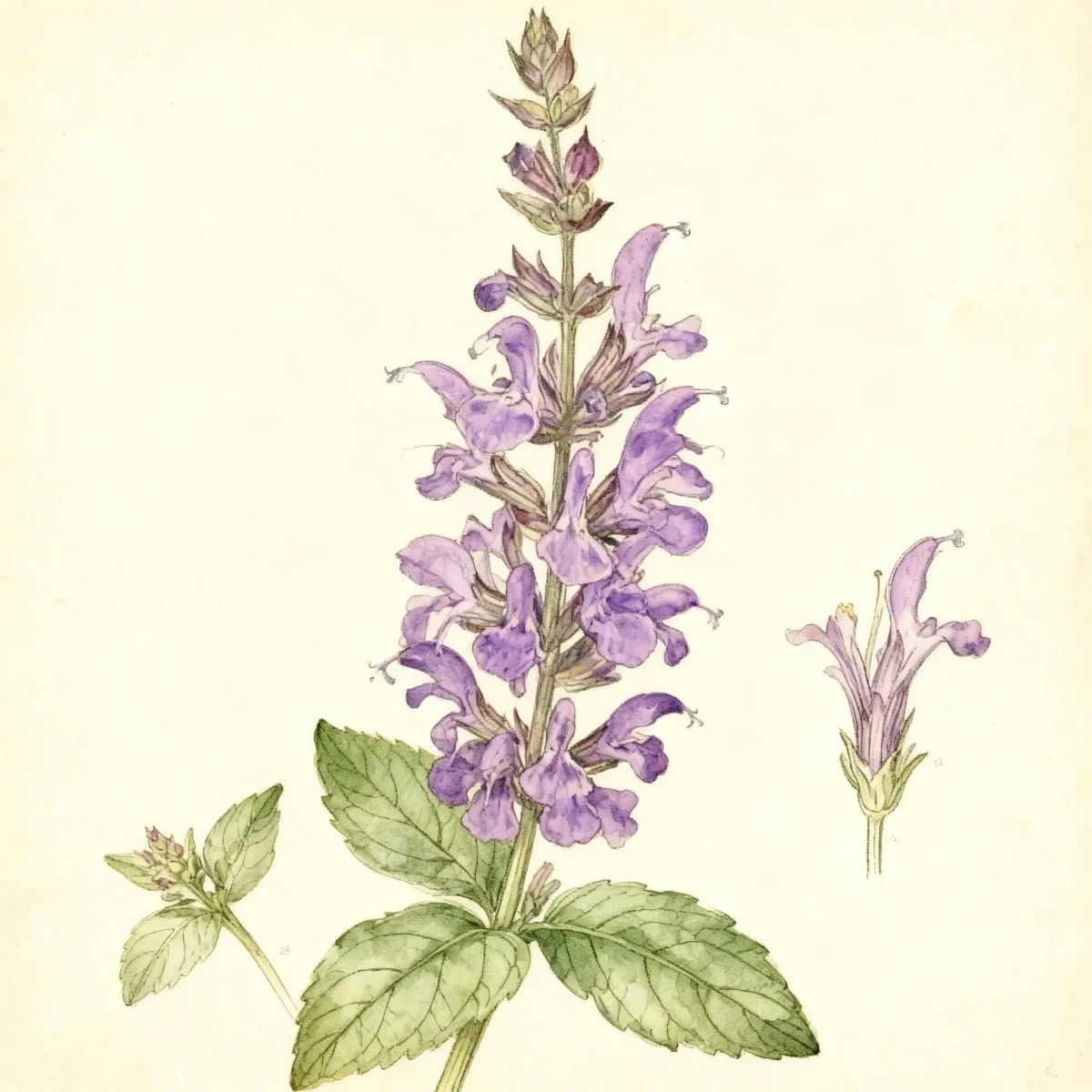
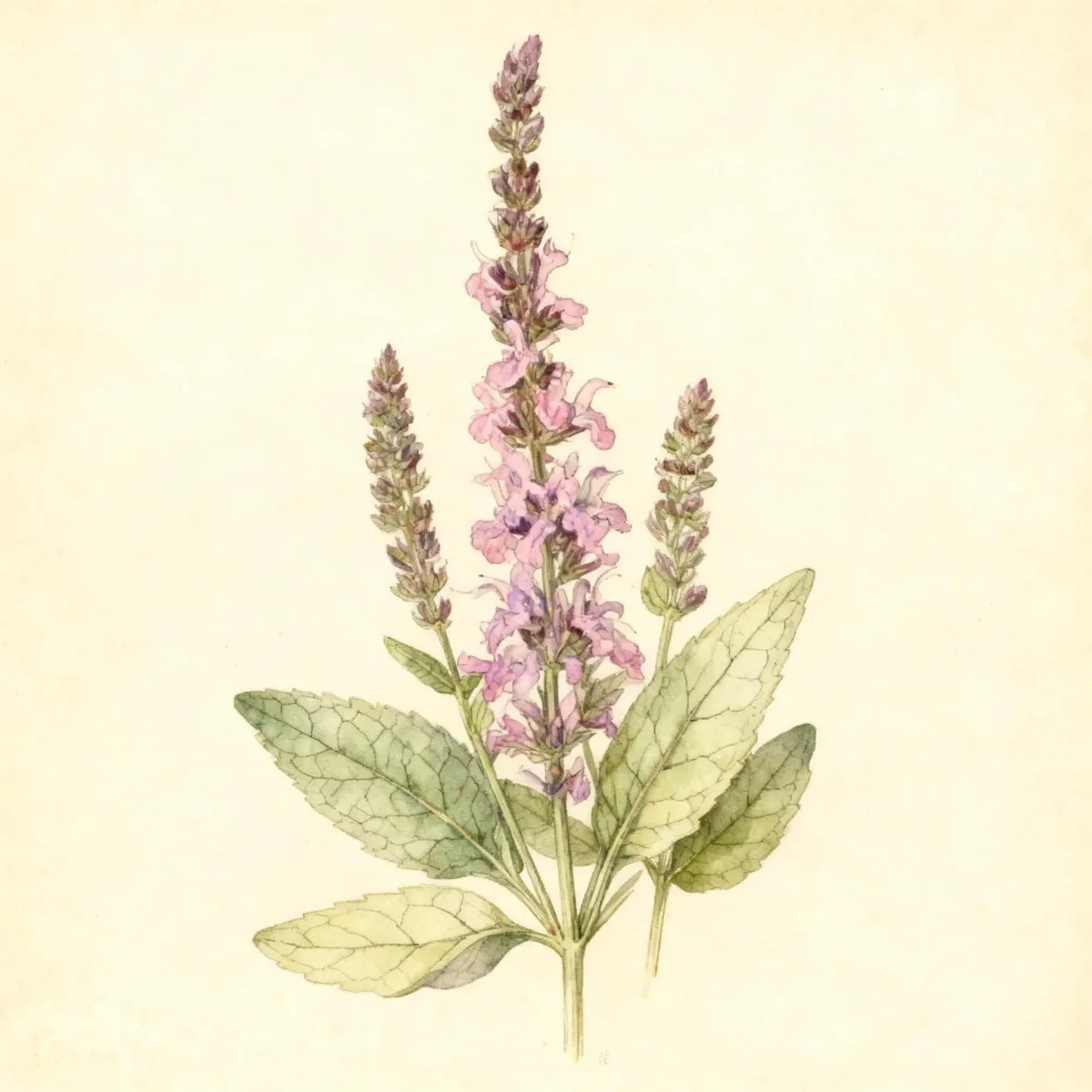
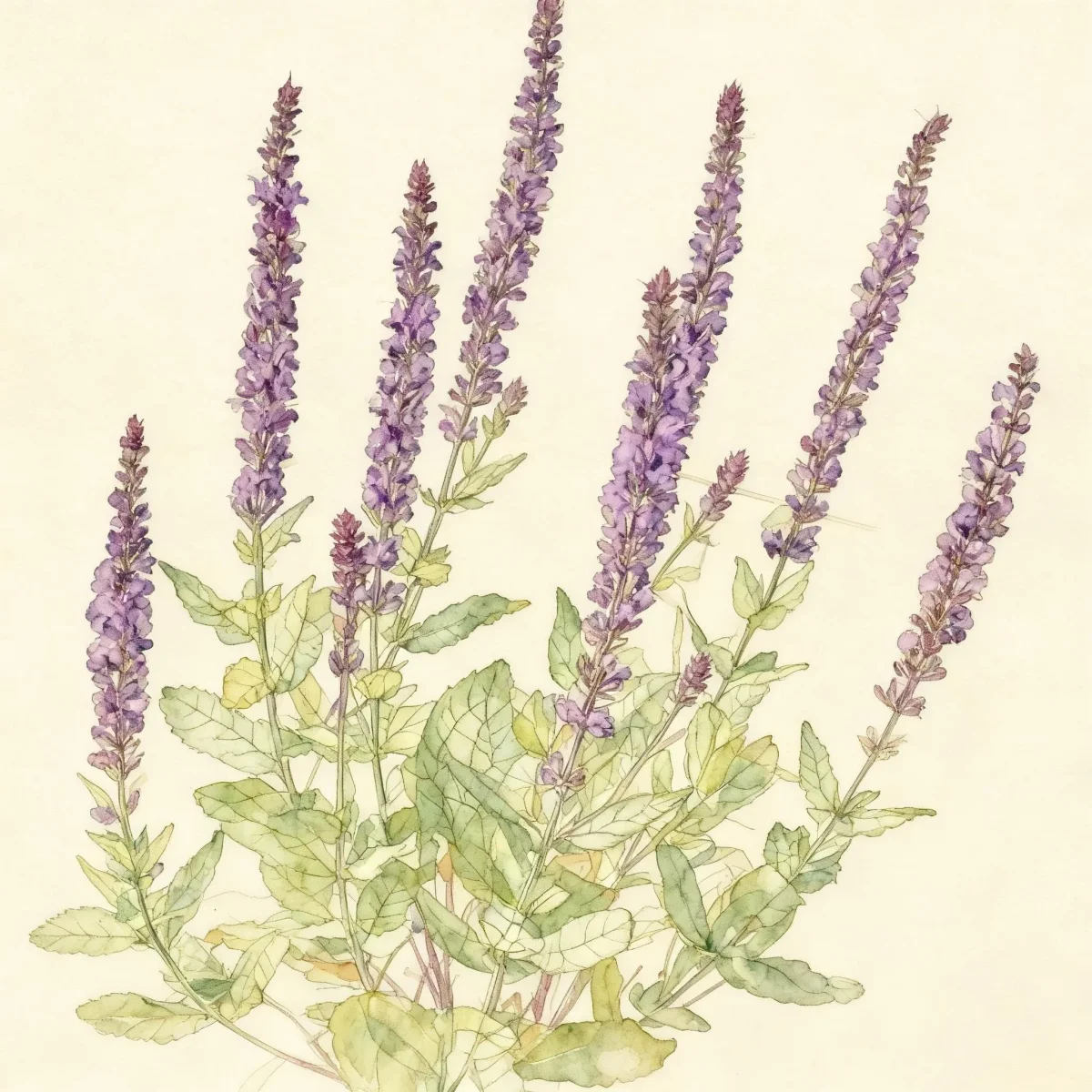
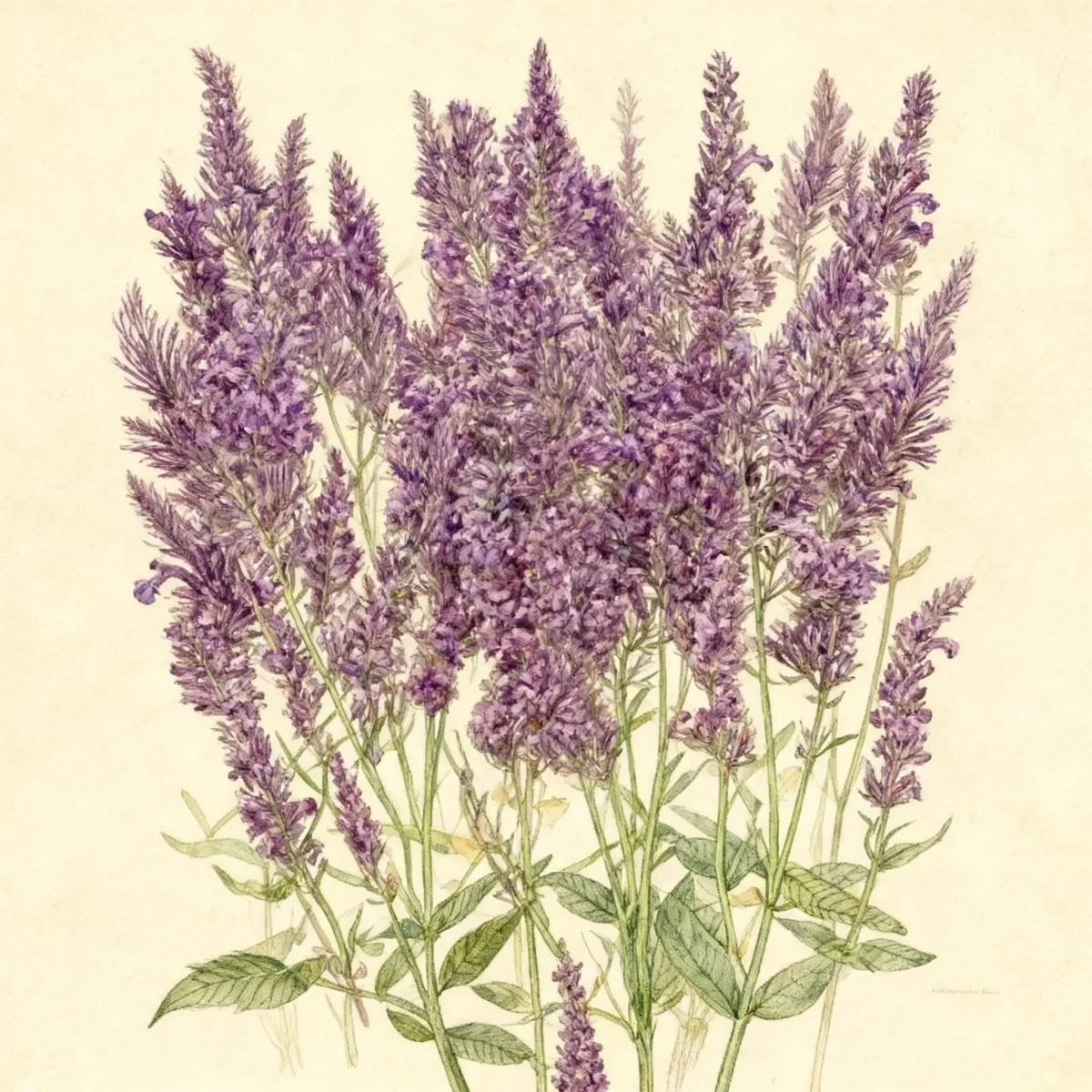
Sage (Salvia nemorosa 'Lubecca')
Salvia nemorosa 'Lubecca' is a low-maintenance perennial Sage known for showy violet-blue blooms from May to August.
Scroll down to discover growing tips, care requirements, companion plants, and more
Complete Plant Information
Overview
Salvia nemorosa ‘Lubecca’ offers gardeners a reliable source of vibrant color, emerging as an erect, many-branched, woody-based perennial. This variety of Sage, often called woodland sage, is valued for its dense spikes of violet-blue flowers that provide consistent visual interest throughout the primary growing season. Its clump-forming habit makes it an excellent structural element in mixed borders.
Hardy and surprisingly tough, this hybrid sage thrives best when sited in full sun conditions. It establishes well in average soil, provided it has adequate drainage, making it a truly low-maintenance selection for sunny perennial beds. The beautiful foliage remains attractive even when plants are not in peak bloom.
A significant benefit of planting Salvia nemorosa ‘Lubecca’ is its appeal to pollinators, drawing in bees and butterflies to the garden space. Whether used in cottage designs or naturalized areas, this Sage provides long-lasting vertical accents, promising excellent returns on minimal effort.
Fast Facts
- Plant Family: Lamiaceae
- Plant Type: Herbaceous perennial
- Hardiness Zones: USDA Zones 4-8
- Size at Maturity:
- Height: 1-2 ft
- Spread: 1-1.5 ft
- Bloom Time: May to August
- Bloom Description: Violet-blue
- Sun Exposure: Full sun
- Water Needs: Dry to medium
- Maintenance Level: Low
How to Grow
Planting Salvia nemorosa ‘Lubecca’ is best done in spring or fall. Locate it where it receives full sun exposure, as this is essential for robust flowering and strong, upright stems. This Sage prefers average, dry to medium soil, but critically, the soil must be well-drained. It handles gravelly or sandy soils well and possesses notable drought tolerance once established.
Watering requirements are minimal; allow the soil to dry out somewhat between waterings for established plants. While drought-tolerant, consistent moisture, especially spring moisture, enhances reblooming throughout the summer and potentially into fall. Avoid over-fertilizing, which can weaken the stems and lead to flopping.
Pruning is vital for maintaining the tidy appearance of your Salvia nemorosa ‘Lubecca’ clump. Deadhead spent flower spikes promptly to encourage spot flowering. If the plant becomes floppy or loses its upright structure mid-summer, particularly in humid climates, shear it back severely to the basal foliage. An essential final cut should occur after the main flowering period concludes to prepare the plant for winter dormancy.
Landscape Uses
The upright spires of Salvia nemorosa ‘Lubecca’ make it an ideal candidate for defining the mid-layer in perennial borders. Its violet-blue color pairs beautifully with hot yellows, soft pinks, and contrasting silvery foliage plants, creating dynamic cottage garden themes. Consider planting large drifts of this Sage along pathways where its structure can be appreciated up close.
This variety excels in environments where maintenance must be kept low. It stands out when grouped in butterfly gardens, reliably attracting winged visitors throughout the summer months. In the context of wild gardens, Salvia nemorosa ‘Lubecca’ blends seamlessly with native grasses and other sun-lovers like Echinacea or Rudbeckia.
For reliable structure, plant these perennials in masses rather than singly; massing emphasizes their vertical impact and helps densely pack the foliage, which can improve air circulation marginally, though humidity remains a factor.
Standout Features
Flower Qualities
- Showy
Noteworthy Characteristics
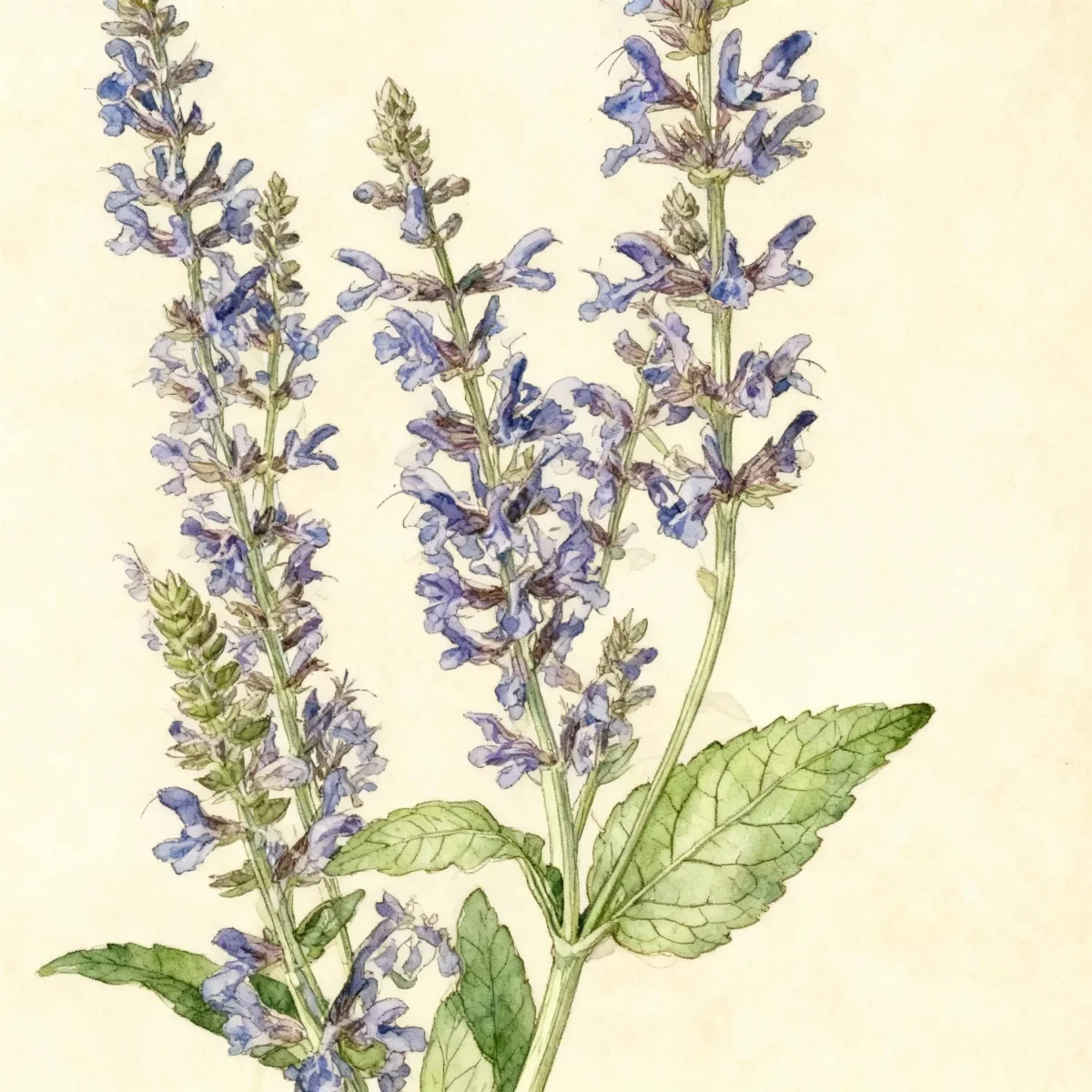
Salvia nemerosa, commonly known as woodland sage, violet sage or salvia, is an erect, many-branched, woody-based, clump-forming perennial. ‘Lubecca’ is specifically noted for its evenly branched form, showy flowers, and long summer bloom, typically forming a foliage mound 12-18” tall with an 18” spread, topped by flowering stems reaching 24” tall. These hooded, tubular, violet-blue flowers bloom in dense terminal spikes, and the plant will repeat bloom effectively if deadheaded after the initial flush passes.
Tolerances
- Rabbit
- Deer
- Dry Soil
Potential Problems
This variety of Sage maintains relatively good disease and pest resistance, but gardeners should remain vigilant for specific issues. There is some susceptibility to common fungal problems, including powdery mildew, leaf spot, and rust; ensuring excellent air circulation through proper spacing and timely pruning helps mitigation. Occasional insect pests like aphids, whiteflies, or scale might appear, usually manageable with horticultural oils or insecticidal soap treatments. Deer tend to avoid this plant entirely due to its aromatic foliage.
Frequently Asked Questions
What hardiness zones is Sage (Salvia nemorosa ‘Lubecca’) suitable for?
Salvia nemorosa ‘Lubecca’ is reliably hardy across USDA Zones 4 through 8.
How large does Salvia nemorosa ‘Lubecca’ grow?
This perennial typically matures to a height between 1 to 2 feet tall and spreads between 1 to 1.5 feet wide.
What sun exposure does Sage need?
For the best performance and longest bloom periods, Salvia nemorosa ‘Lubecca’ requires full sun exposure daily.
When does Sage bloom?
The primary bloom time for this variety of Sage is from May through August, presenting striking violet-blue flower spikes.
Conclusion
Salvia nemorosa ‘Lubecca’ is a standout choice for gardeners seeking reliable, intense color coupled with outstanding drought tolerance and low effort. This specific form of Sage delivers consistent, showy spikes that attract beneficial insects while resisting common pests. Ensure you check your local USDA zone compatibility and plan for summer deadheading to maximize your display of Salvia nemorosa ‘Lubecca’ throughout the season.
Companion Planting
Selecting appropriate companions enhances the beauty and cultural success of Salvia nemorosa ‘Lubecca’. Since this plant demands full sun and excellent drainage, pair it with other sun-loving perennials that share similar low-water needs once established. Good companions include ornamental grasses like Stipa tenuissima or drought-tolerant flowers such as Echinacea purpurea or hardy Sedum varieties. Avoid placing it near plants that require consistently moist, rich soil, as this can lead to fungal issues in the sage.
Wildlife Benefits
The dense, upright flower spikes of Salvia nemorosa ‘Lubecca’ are highly attractive foraging stations for pollinators. The tubular, violet-blue flowers provide easily accessible nectar for long-tongued bees and numerous butterfly species searching for summer sustenance. Integrating this perennial into a designated butterfly garden maximizes its ecological benefit, offering reliable summer nectar when many earlier bloomers have faded.