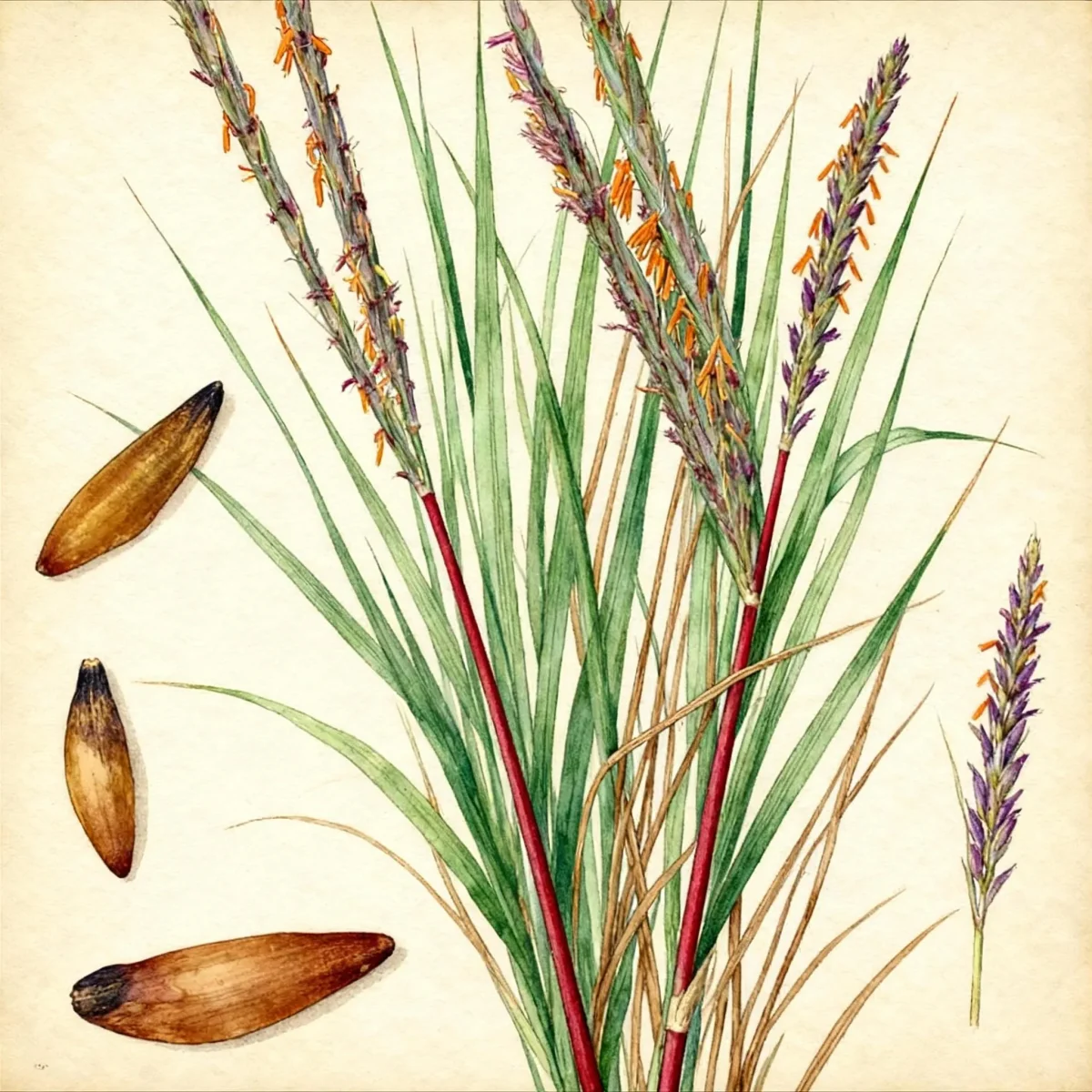
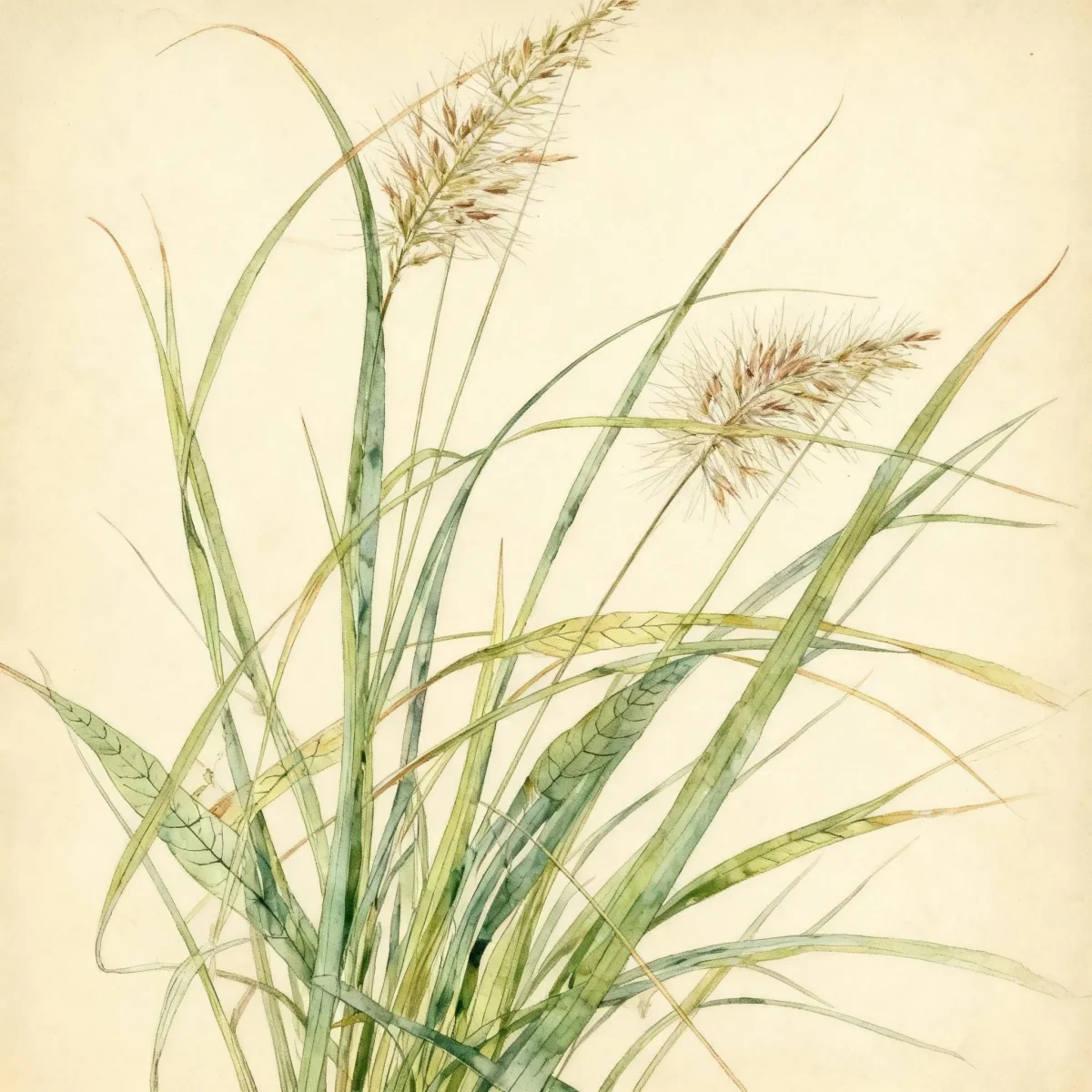
Muhly grass (Muhlenbergia reverchonii 'Autumn Embers')
Muhlenbergia reverchonii 'Autumn Embers' is low-maintenance Muhly grass, prized for its fine texture and stunning pink fall blooms in zones 5-9.
Scroll down to discover growing tips, care requirements, companion plants, and more
Complete Plant Information
Overview
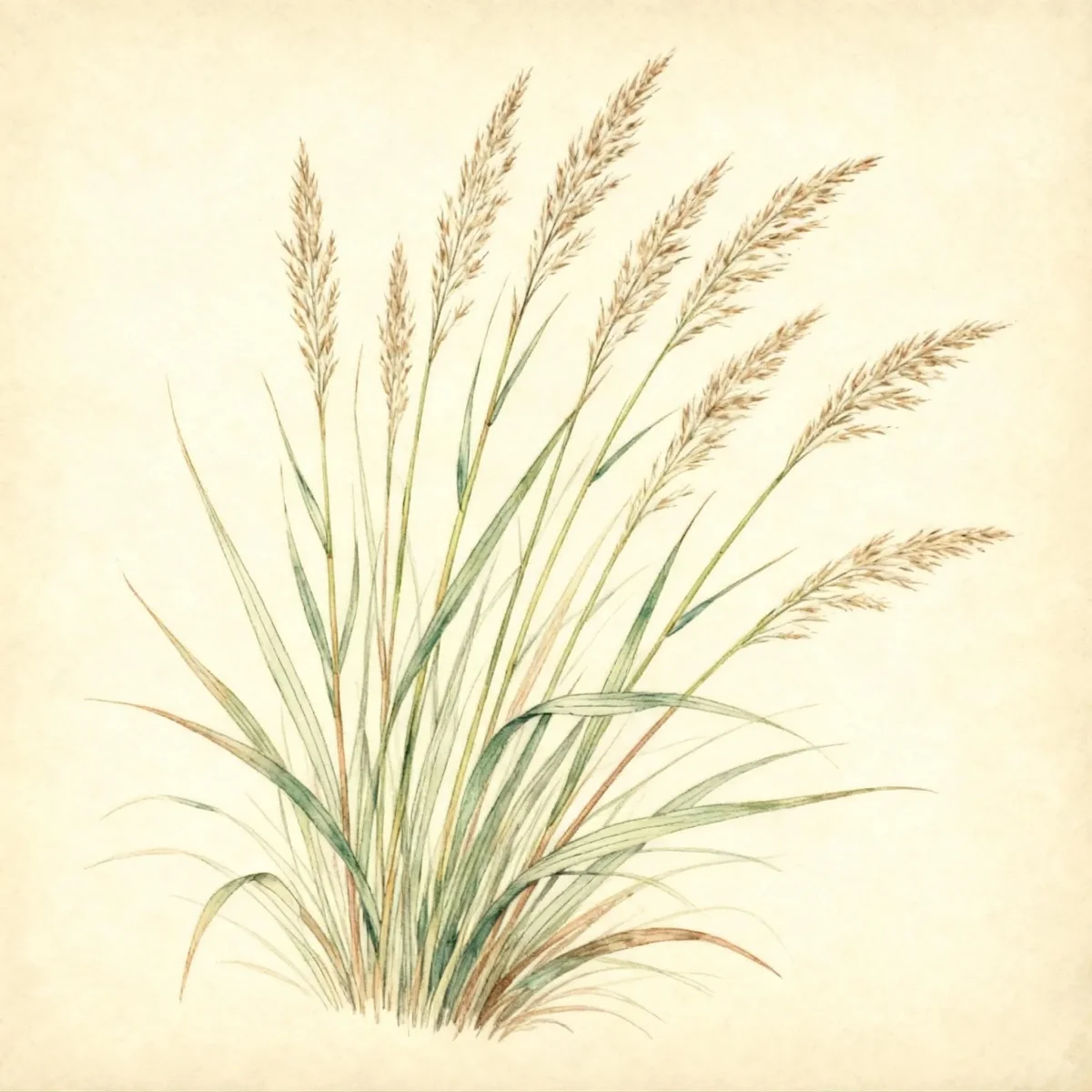
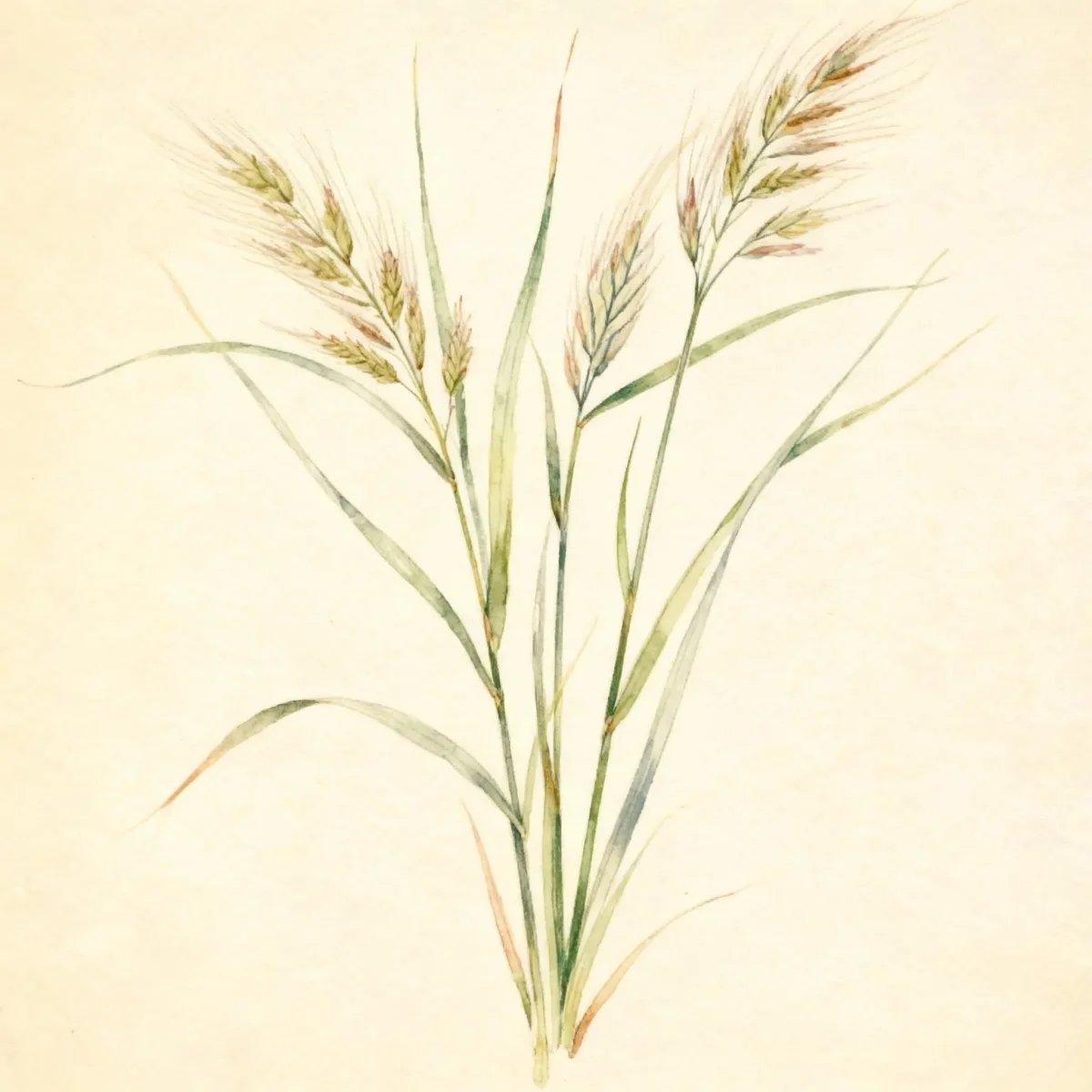
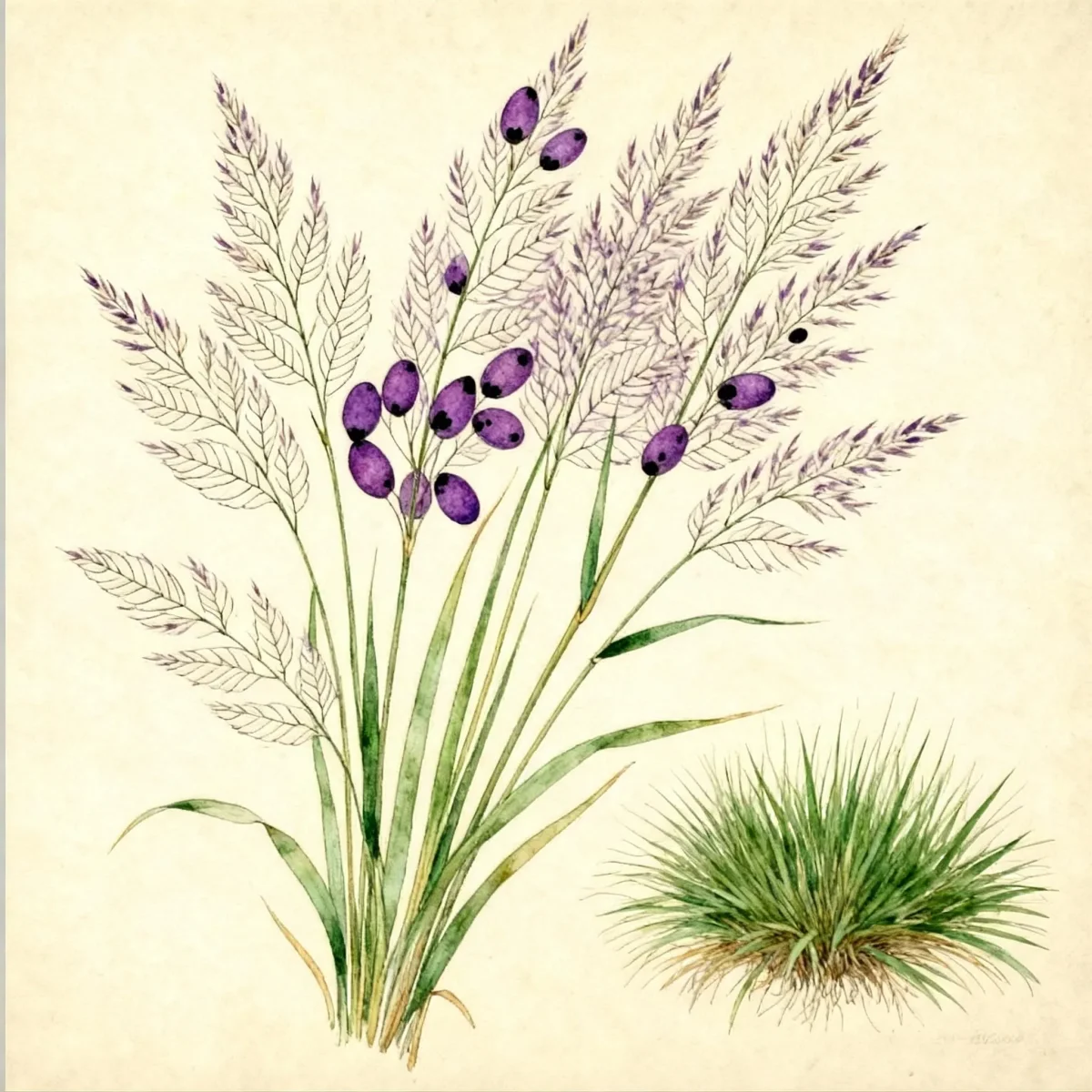
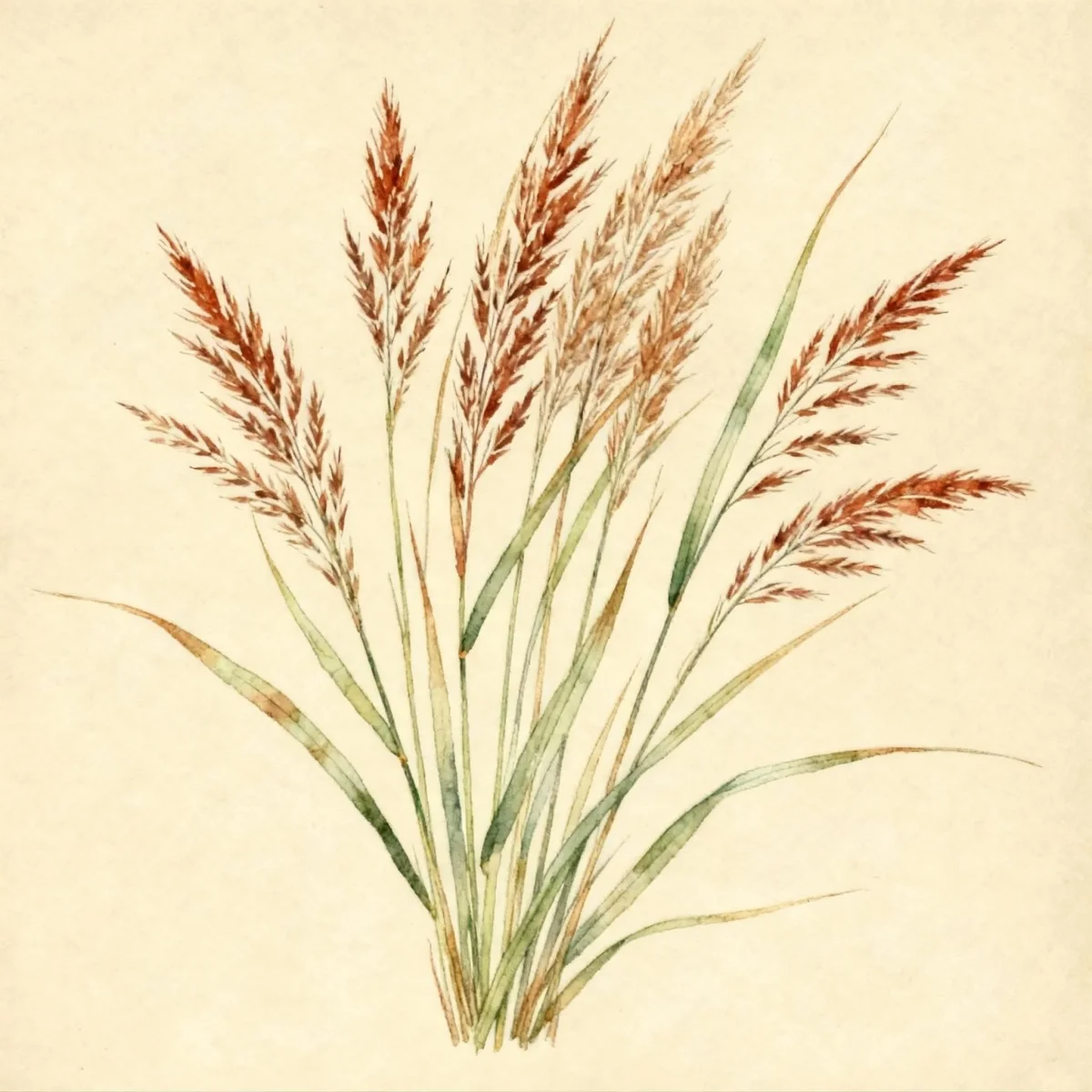
Muhlenbergia reverchonii ‘Autumn Embers’ is a spectacular warm-season perennial known widely as Muhly grass. This cultivar is highly valued by gardeners for transitioning seamlessly from summer green to an incredible display of rosy-pink flower clouds late in the season. It offers significant architectural interest, forming dense, thread-like clumps that look beautiful even when dormant.
This variety of Muhly grass provides essential late-season interest, blooming from August into November when many other garden plants are fading. It is exceptionally tough, tolerating heat, humidity, and challenging, poor soils. Its clump-forming habit makes Muhlenbergia reverchonii ‘Autumn Embers’ a reliable, non-spreading option for mass plantings or structural accents.
The appeal of Muhlenbergia reverchonii ‘Autumn Embers’ lies in its combination of reliability and visual impact. It is relatively low-maintenance, thrives in full sun, and exhibits superior winter hardiness compared to some related species. For gardeners seeking texture, drought tolerance, and reliable fall color, this Muhly grass is an outstanding choice.
Fast Facts
- Plant Family: Poaceae
- Plant Type: Ornamental grass
- Hardiness Zones: USDA Zones 5-9
- Size at Maturity:
- Height: 2-3 ft
- Spread: 1.5-2 ft
- Bloom Time: August to November
- Bloom Description: Pink
- Sun Exposure: Full sun
- Water Needs: Dry to medium
- Maintenance Level: Low
How to Grow
For optimal performance, plant Muhlenbergia reverchonii ‘Autumn Embers’ in well-drained soil. This grass performs best in sandy or rocky substrates and thrives in full sun exposure, although it can tolerate light shade. If you provide consistent moisture, the clumps may grow slightly taller, but the primary benefit comes when siting it in drier conditions where it can showcase its drought tolerance.
Maintenance for this Muhly grass is minimal. Watering should be sparse once established; allow the soil to dry out between waterings, as it prefers dry to medium conditions. Fertilization is rarely necessary, especially if grown in poorer, well-drained soils, which mimics its native limestone outcropping habitat.
Pruning should be done in late winter or early spring before new growth begins. Cut the faded foliage and seed heads back close to the ground. Propagate Muhlenbergia reverchonii ‘Autumn Embers’ via division in the spring, or allow it to mature, as it may self-seed gently in the garden setting.
Landscape Uses
Muhly grass excels when planted in groups rather than as single specimens. Massing clumps of three or more plants creates a more impactful display of the distinctive reddish-pink autumn color that characterizes ‘Autumn Embers’. This grass is ideal for softening structural elements in the landscape.
Consider incorporating Muhlenbergia reverchonii ‘Autumn Embers’ into cottage gardens or native plant areas where its naturalized texture will blend beautifully with prairie companions. It is also highly effective when used in borders or as ground cover in areas where the soil is too poor or rocky for more demanding perennials.
Standout Features
Flower Qualities
- Showy
Noteworthy Characteristics
Muhlenbergia reverchonii, commonly called seep muhly or rose muhly, is a warm season, perennial bunch grass that is noted for its attractive foliage and fall flowers, thriving naturally on rocky slopes in Texas and Oklahoma. Densely-tufted, thread-like, green leaves form an arching basal clump, topped by clouds of pink flowers that mature into attractive seed heads lasting into fall. The ‘Autumn Embers’ cultivar is specifically noted for producing a more vibrant, colorful reddish-pink bloom compared to the species.
Tolerances
- Drought
- Shallow-Rocky Soil
Potential Problems
This ornamental grass is not known to suffer from any serious insect or disease problems, contributing significantly to its low-maintenance reputation. Gardeners should focus primarily on ensuring proper drainage, as wet, poorly draining soils are the main cause of decline in Muhly grass species. Avoid over-fertilizing, which can lead to weak, floppy growth rather than the desired dense, upright clump.
Frequently Asked Questions
What hardiness zones is Muhly grass suitable for?
Muhlenbergia reverchonii ‘Autumn Embers’ is hardy and reliably grows in USDA Zones 5 through 9.
How large does Muhlenbergia reverchonii ‘Autumn Embers’ grow?
This grass typically reaches a mature height of 2 to 3 feet and spreads to 1.5 to 2 feet wide, forming a neat, dense clump.
What sun exposure does Muhly grass need?
For the best blooms and strongest structure, Muhly grass requires full sun exposure.
When does Muhlenbergia reverchonii ‘Autumn Embers’ bloom?
This specific variety of Muhly grass showcases its signature pink plumes from August through November.
Conclusion
Muhlenbergia reverchonii ‘Autumn Embers’ offers unparalleled late-season color and exceptional adaptability, making it a cornerstone of sustainable, low-water perennial beds. Few plants rival the ephemeral beauty of a mass planting of this Muhly grass when its pink clouds emerge against the cooling landscape. Always check that your intended planting site offers excellent drainage compatible with this Texas native’s preferred conditions.
Companion Planting
Muhly grass thrives alongside other drought-tolerant, full-sun perennials characteristic of prairie or meadow plantings. Consider pairing it with plants that offer contrasting textures, such as coneflowers (Echinacea) or Black-eyed Susans (Rudbeckia), whose robust forms balance the fine airiness of the grass plumes. For year-round interest, structure plants like Sedum (Stonecrop) varieties or ornamental sages (Salvia) pair well culturally and aesthetically.
Design Ideas
Muhlenbergia reverchonii ‘Autumn Embers’ is perfect for modern or xeriscape designs where water conservation is key. Use it as a flowing, textural border plant in front of hardscape elements like stone walls, where its natural habitat preferences can be mimicked. In contemporary gardens, planting large sweeps of this Muhly grass provides the monochromatic drift effect highly sought after in landscape architecture.