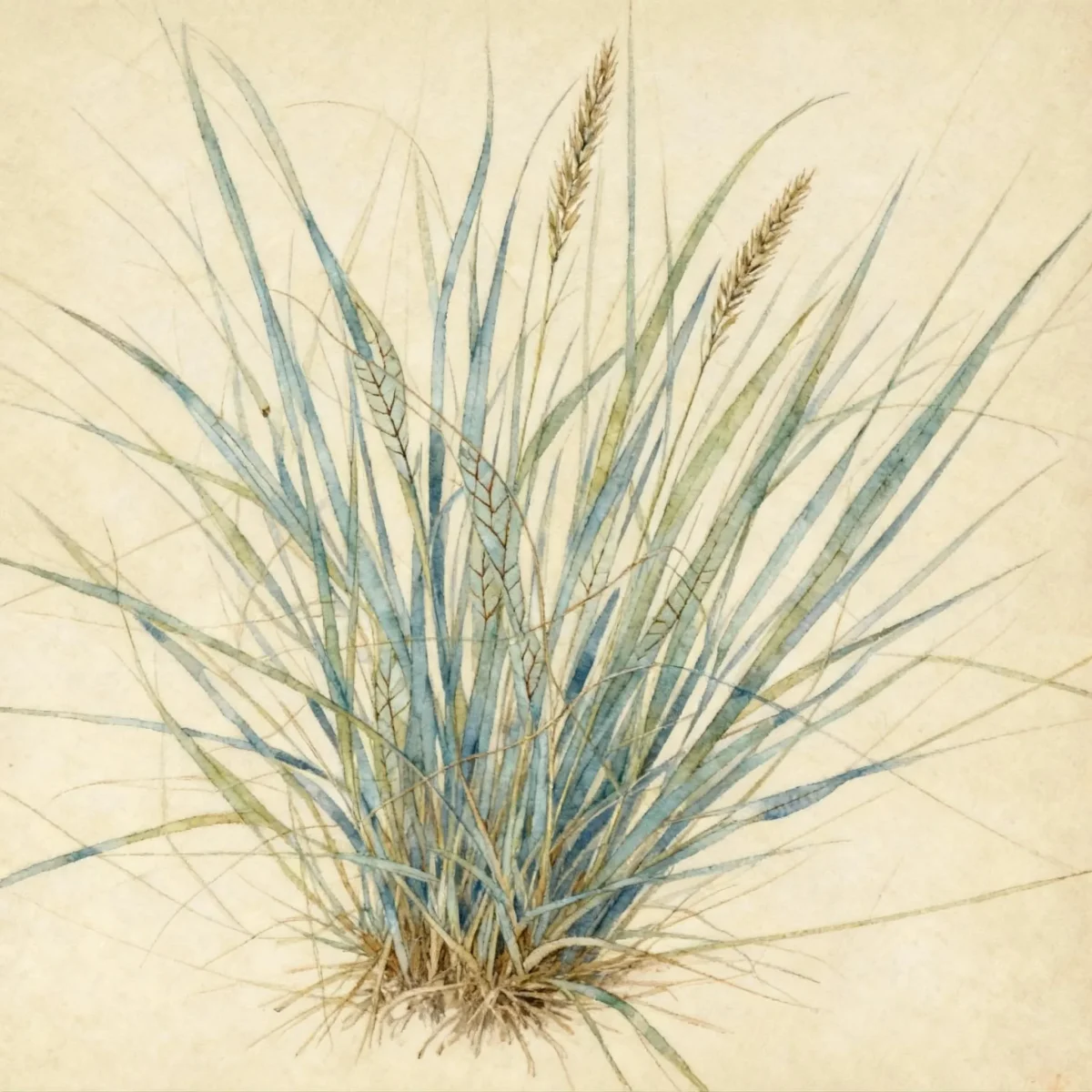
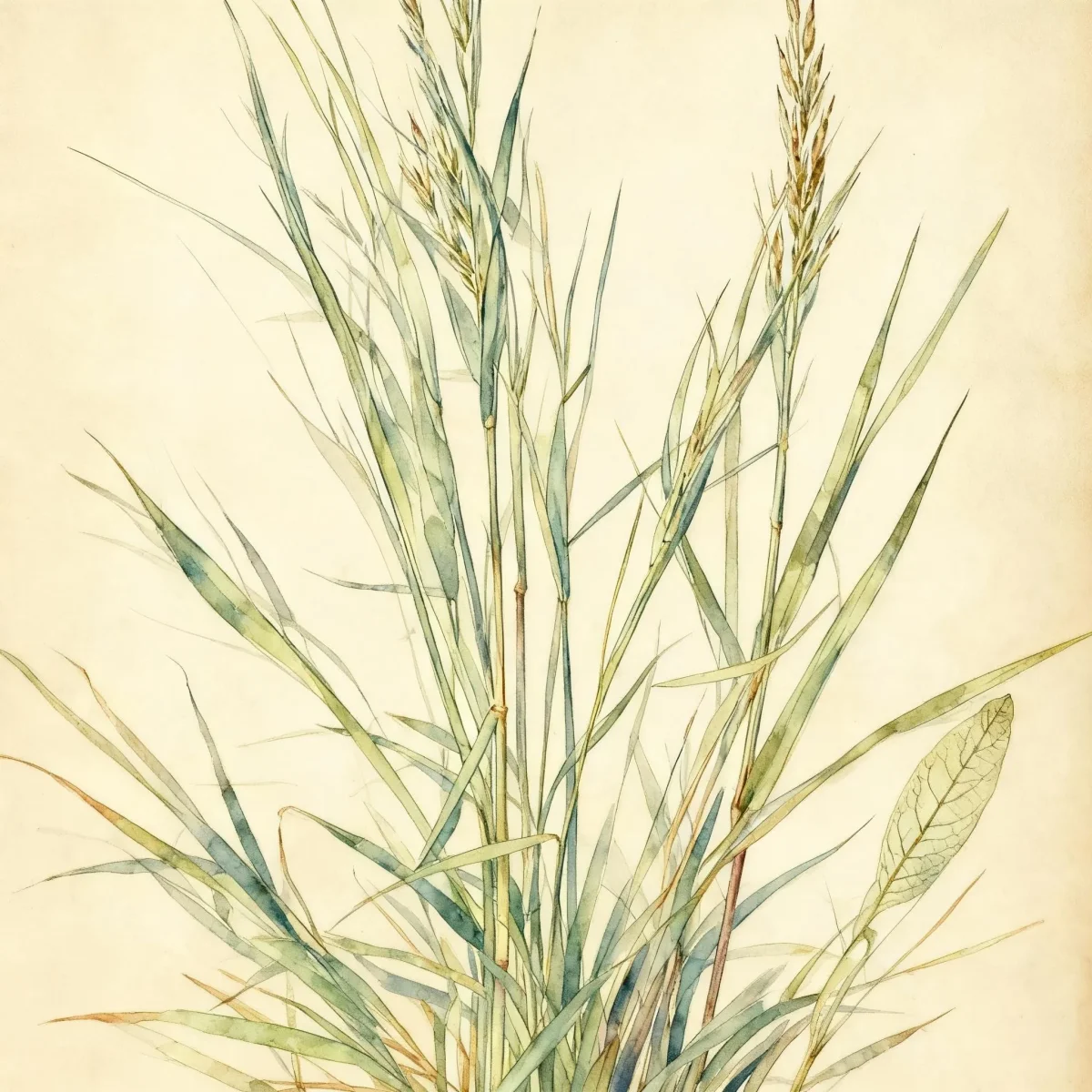
Prairie dropseed (Sporobolus heterolepis 'Tara')
Sporobolus heterolepis 'Tara', a dwarf Prairie dropseed, offers fine texture, low maintenance, and stunning fall color in sunny, dry settings.
Scroll down to discover growing tips, care requirements, companion plants, and more
Complete Plant Information
Overview
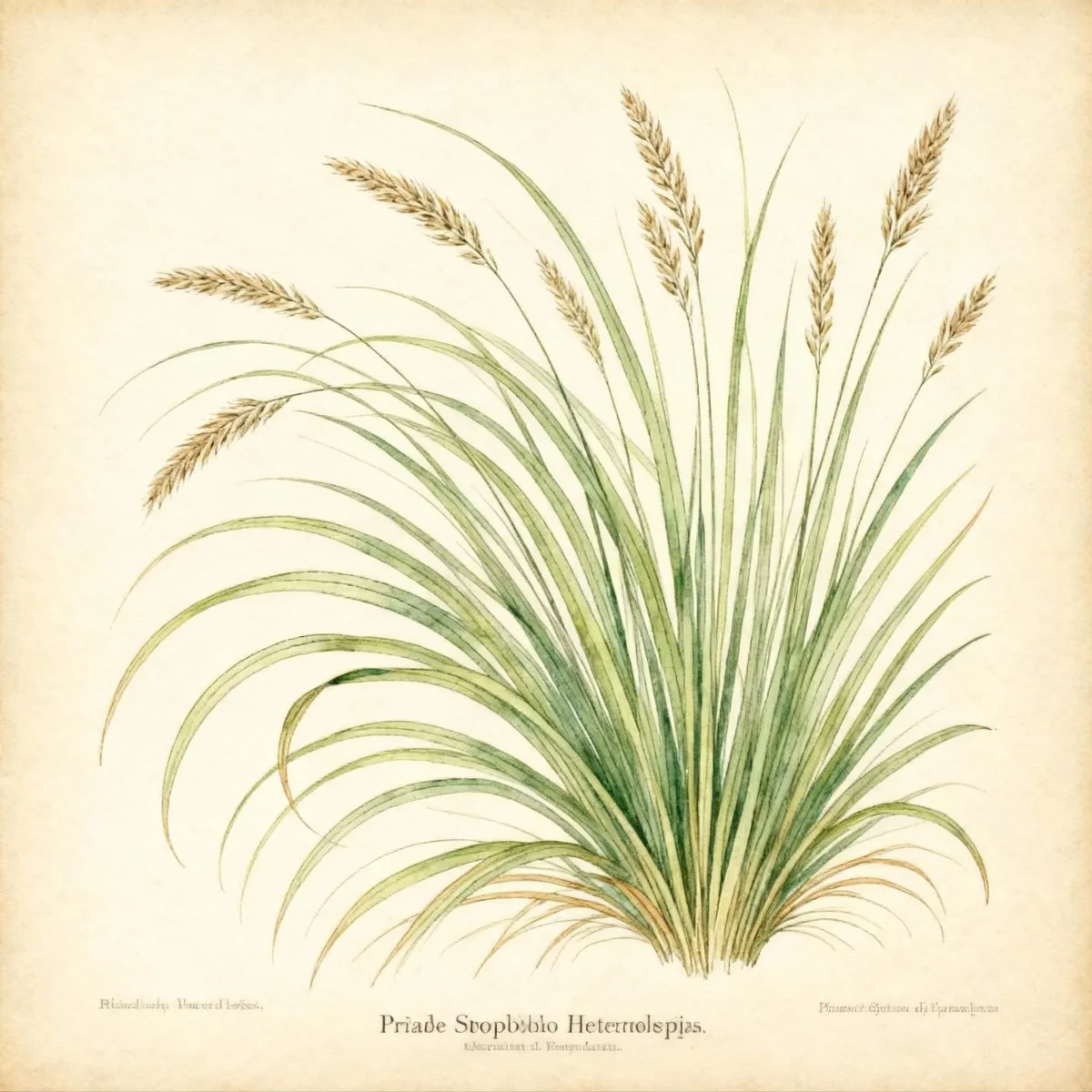
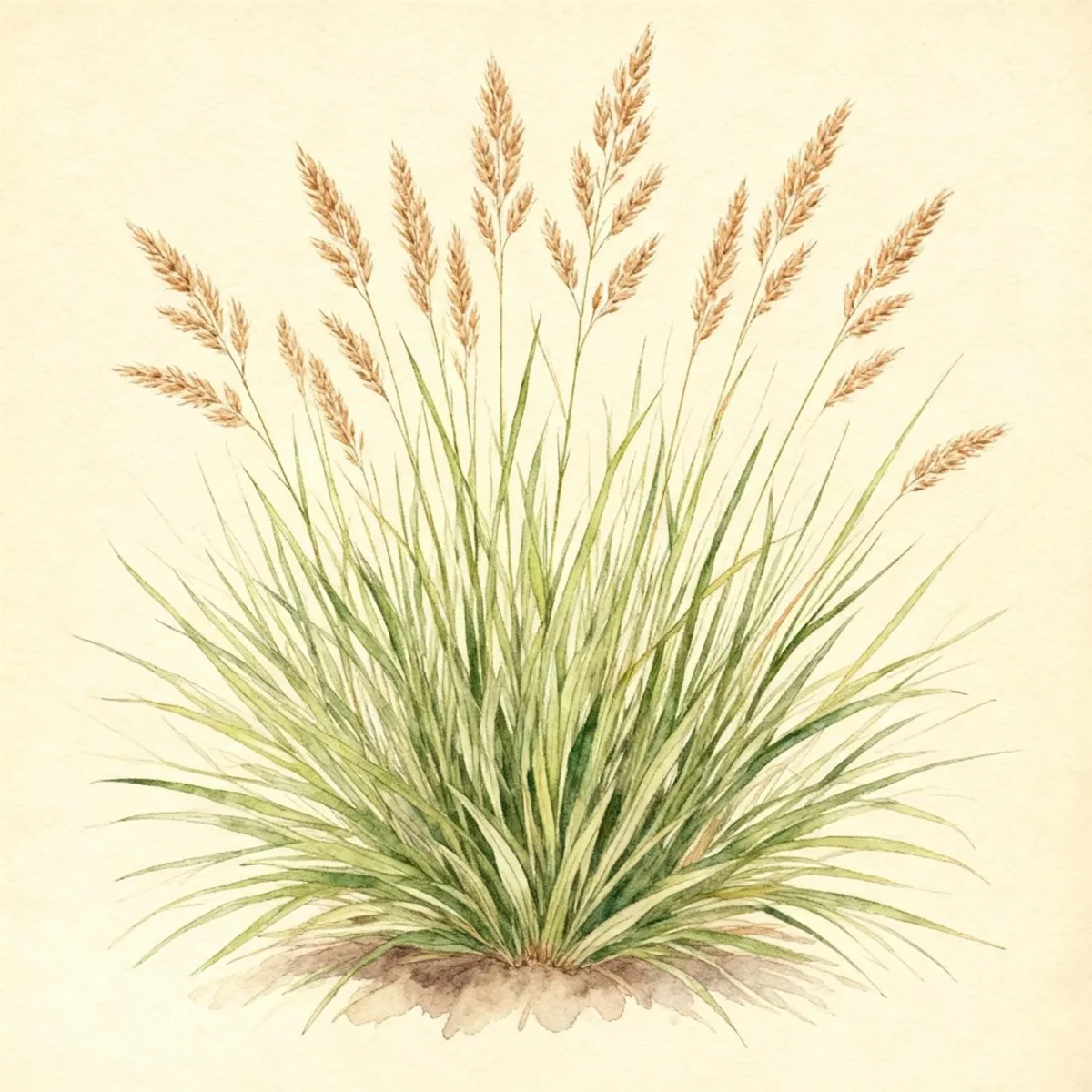
Sporobolus heterolepis ‘Tara’, commonly known as dwarf Prairie dropseed, is a highly valued ornamental grass prized for its refined texture and exceptional drought tolerance. This cultivar maintains the superb features of the species while offering a more compact, vase-shaped habit perfect for smaller gardens or structured borders. Its fine, medium-green foliage provides excellent architectural interest throughout the growing season.
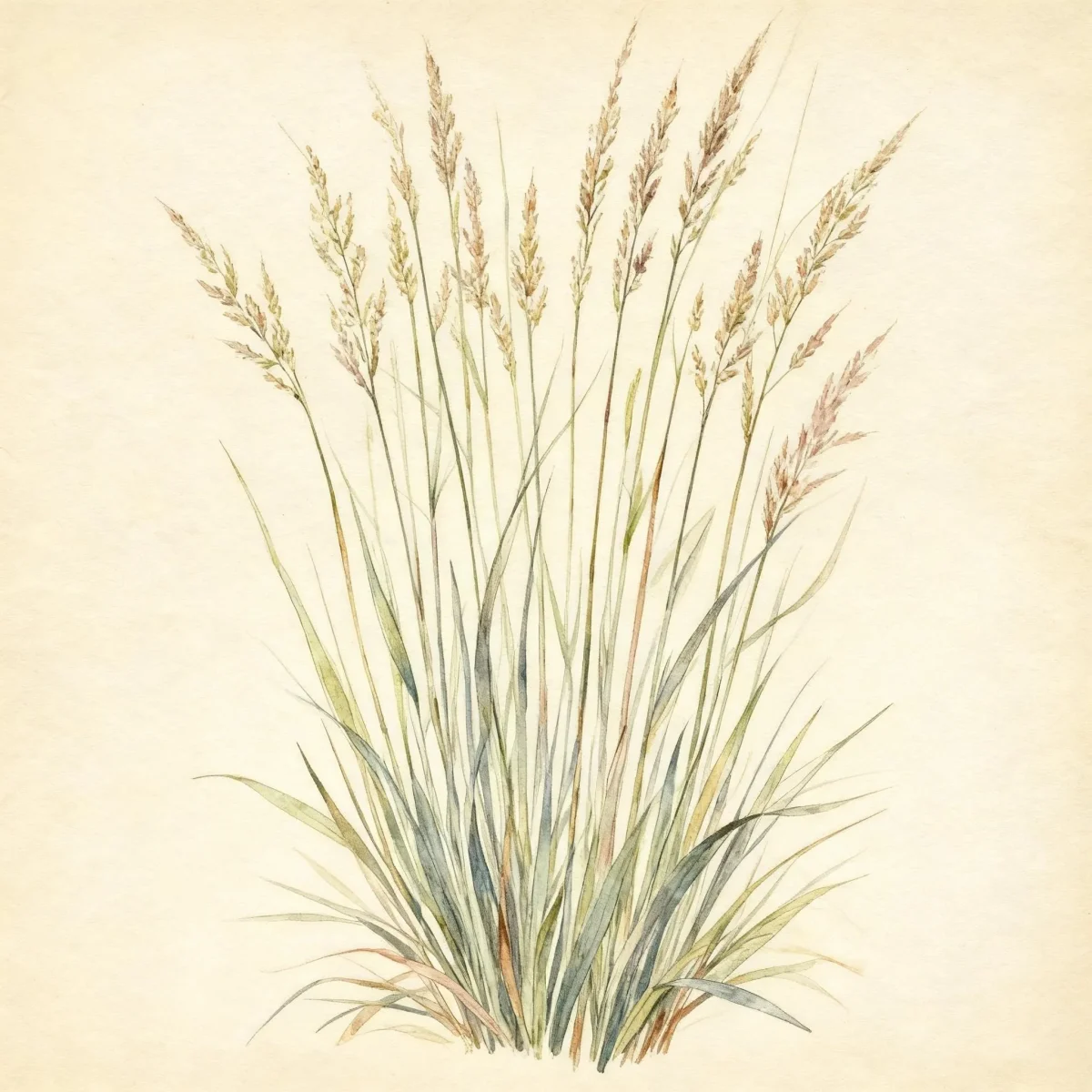
The appeal of Sporobolus heterolepis ‘Tara’ extends into late summer when its delicate pink and brown tinted flowers emerge, creating a subtle haze above the mound. While the flowers are showy, many gardeners specifically value them for a unique, complex scent often described as reminiscent of popcorn or coriander, providing an unexpected sensory dimension to the landscape.
As a warm-season perennial, this grass develops deep roots, making it exceptionally resilient once established. It thrives in full sun and poorer soils, minimizing the need for supplemental water or high fertility, cementing its status as a low-maintenance superstar in native and contemporary landscapes alike.
Fast Facts
- Plant Family: Poaceae
- Plant Type: Ornamental grass
- Hardiness Zones: USDA Zones 3-9
- Size at Maturity:
- Height: 2-3 ft
- Spread: 2-3 ft
- Bloom Time: August to October
- Bloom Description: Pink and brown tinted
- Sun Exposure: Full sun
- Water Needs: Dry to medium
- Maintenance Level: Low
How to Grow
Plant Prairie dropseed in the spring after the danger of frost has passed, giving it ample time to establish roots during the first season. It performs best in average, dry to medium, well-drained soils, though it is remarkably adaptable and handles heavy clay soils well. Ensure it is placed in a location receiving full sun exposure for the best performance and most vibrant fall coloration.
Water sparingly once established; this grass possesses excellent drought tolerance. Avoid consistently wet or soggy conditions, as this can compromise its health. Maintenance is minimal. Fertilization is generally unnecessary, especially in native settings, as rich soil can encourage floppier growth rather than the neat, upright vase shape characteristic of Sporobolus heterolepis ‘Tara’.
Pruning should be done in late winter or very early spring before new growth begins to emerge. Cut the old, bronze foliage back close to the ground. Because this variety is slow-growing and slow to establish, patience is key; avoid disturbing the root zone unnecessarily during its first year. While it may be grown from seed, be aware that it does not freely self-seed in cultivated garden settings.
Landscape Uses
The fine texture and upright structure make Sporobolus heterolepis ‘Tara’ an outstanding choice for naturalizing large areas where a sweeping, meadow effect is desired. It blends beautifully with other prairie natives and drought-tolerant perennials, creating textural contrast without overwhelming surrounding plants. This species excels as superb ground cover suitable for hot, dry areas receiving intense afternoon sun exposure.
Consider using this dwarf cultivar as a formal or informal accent planting near entryways or along foundation lines where its neat habit can be easily appreciated. Its ability to tolerate poor, rocky soils makes it an ideal candidate for challenging slopes or incorporated into large rock gardens where other specimens struggle to thrive. The dense clumps offer excellent erosion control when planted en masse in wild areas.
Standout Features
Flower Qualities
- Showy
- Fragrant
Noteworthy Characteristics
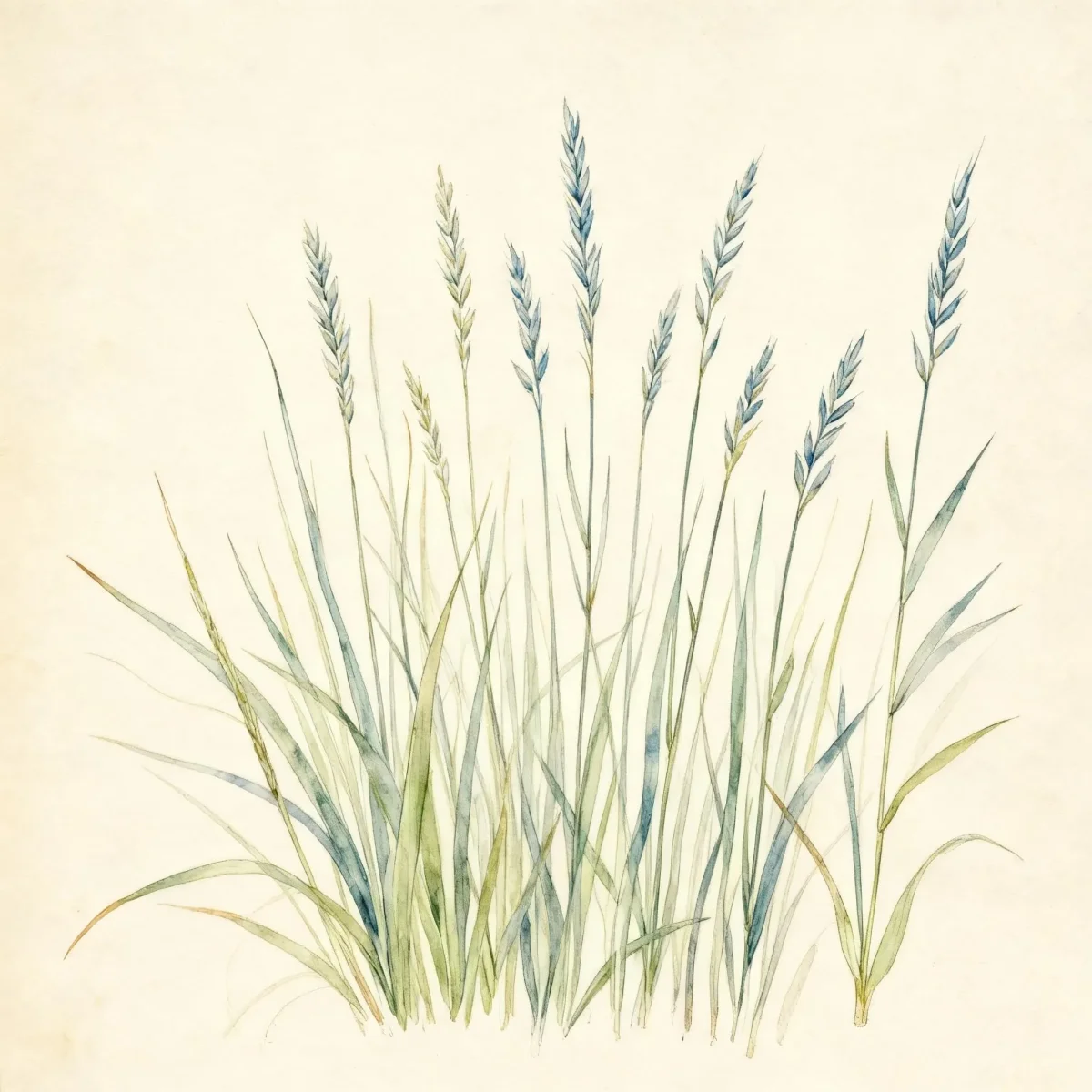
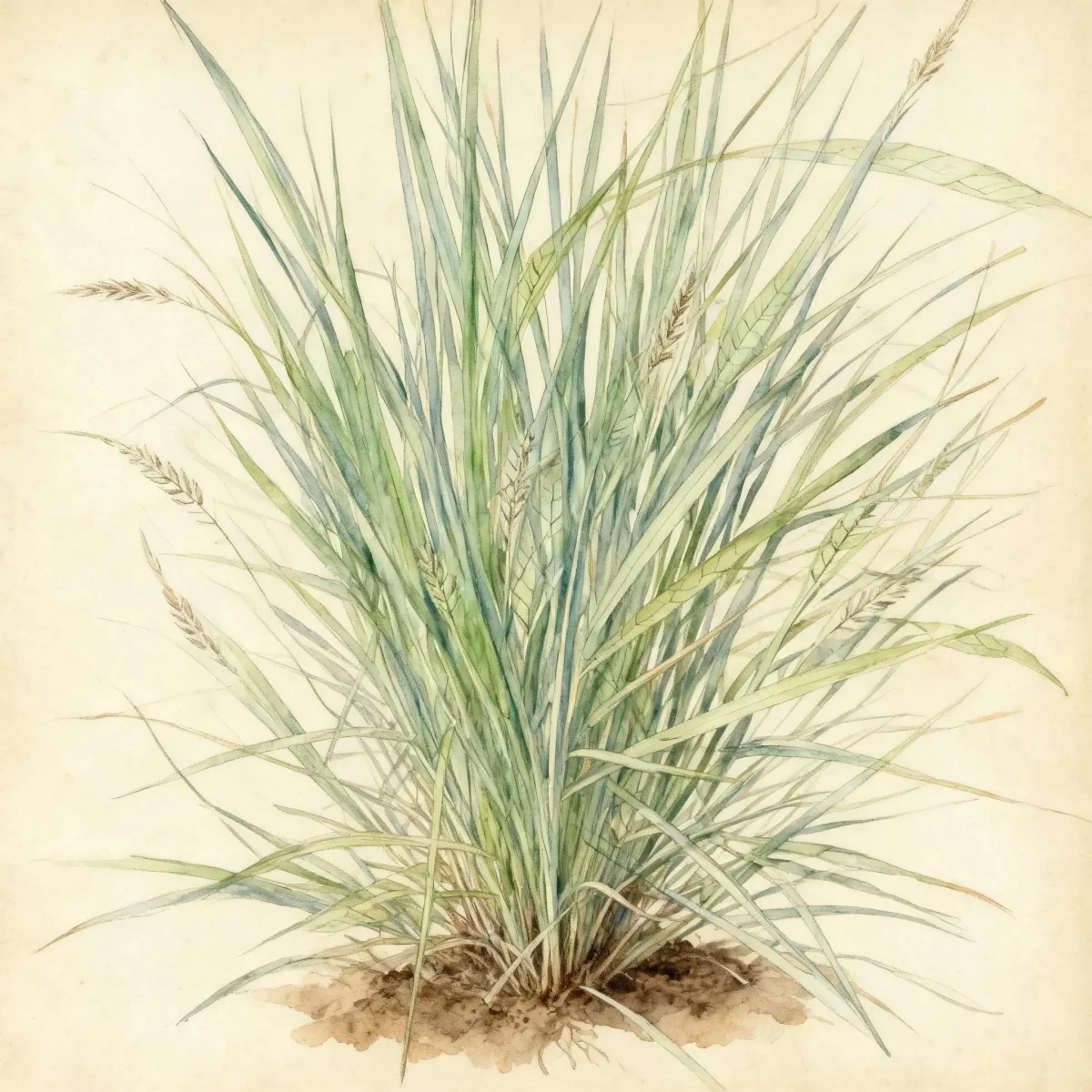
Sporobolus heterolepis, called prairie dropseed, is a clump-forming, warm season, perennial grass which typically occurs in prairies, glades, open ground and along railroads in parts of the central and western United States and southern Canada. Fine-textured, hair-like, medium green leaves (to 20” long and 1/16” wide) typically form an arching foliage mound to 15” tall and 18” wide. Foliage turns golden with orange hues in fall, fading to light bronze in winter. Open, branching flower panicles appear on slender stems which rise well above the foliage clump in late summer to 30-36” tall. Flowers have pink and brown coloration but are perhaps most noted for their unique and noticeable (some may say pungent) scent that has variously been described as resembling a combination of coriander, popcorn, honey, sunflower seeds, and melted wax. Tiny rounded mature seeds drop to the ground from their hulls in autumn giving rise to the descriptive common name.Specific epithet means diversely scaled.‘Tara’ is a dwarf version of the species. It typically grows in the form of a vase (more upright and less arching than the species) to 12” tall, with attractive flowering spikes rising in summer well above the foliage to 24” tall. Orange-red fall color can be spectacular.
Tolerances
- Drought
- Clay Soil
- Shallow-Rocky Soil
- Black Walnut
Potential Problems
This ornamental grass is renowned for having virtually no serious insect or disease problems, making it an excellent choice for organic gardens needing reliable performance. Its tough nature means that pests rarely bother it, provided it is not overwatered or sited in deep shade. Avoid planting in areas with poor drainage, as overly wet conditions during winter can lead to root rot, which is the most common cultural issue encountered.
Frequently Asked Questions
What hardiness zones is Prairie dropseed suitable for?
Sporobolus heterolepis ‘Tara’ is suitable for a wide range of climates, thriving in USDA Zones 3 through 9.
How large does Prairie dropseed grow?
When fully mature, this cultivar typically reaches a height of 2 to 3 feet with a spread of 2 to 3 feet, maintaining a tighter, more upright vase shape than its parent species.
What sun exposure does Sporobolus heterolepis ‘Tara’ need?
This plant requires full sun to develop its best structure and fall color. Insufficient light can result in weaker stems and reduced flowering performance.
When does Prairie dropseed bloom?
The delicate blooming period for Sporobolus heterolepis ‘Tara’ occurs from August through October, featuring pink and brown tinted flowers.
Conclusion
The dwarf stature, exceptional toughness, and unique late-season fragrance ensure that Sporobolus heterolepis ‘Tara’, or Prairie dropseed, remains a premier selection for low-maintenance, resilient landscaping. Its adaptability to poor, dry soils makes it indispensable for sustainable garden design. Before planting, confirm your location falls within USDA Zones 3–9 and ensure adequate full sun exposure for spectacular seasonal interest.
Companion Planting
Since Sporobolus heterolepis ‘Tara’ thrives in dry, full-sun conditions and poor soils, select companions that share these stringent requirements. Pair it with other robust prairie natives such as Purple Coneflower (Echinacea purpurea) or Butterfly Weed (Asclepias tuberosa). In meadow settings, contrast its upright fine texture with lower-growing, mounding salvias or silvery foliage plants like Artemisia. The goal is to maintain excellent drainage, allowing all plants in the grouping to resist drought stress equally well.
Wildlife Benefits
As a warm-season native grass, Prairie dropseed offers significant ecological advantages beyond its ornamental appeal. The dense foliage mounds provide excellent cover and potential nesting material for small songbirds and beneficial insects throughout the year, especially when left standing over winter. Furthermore, the tiny seeds produced in the fall are a valuable food source for various seed-eating birds during the lean winter months, supporting local ecosystems effectively.