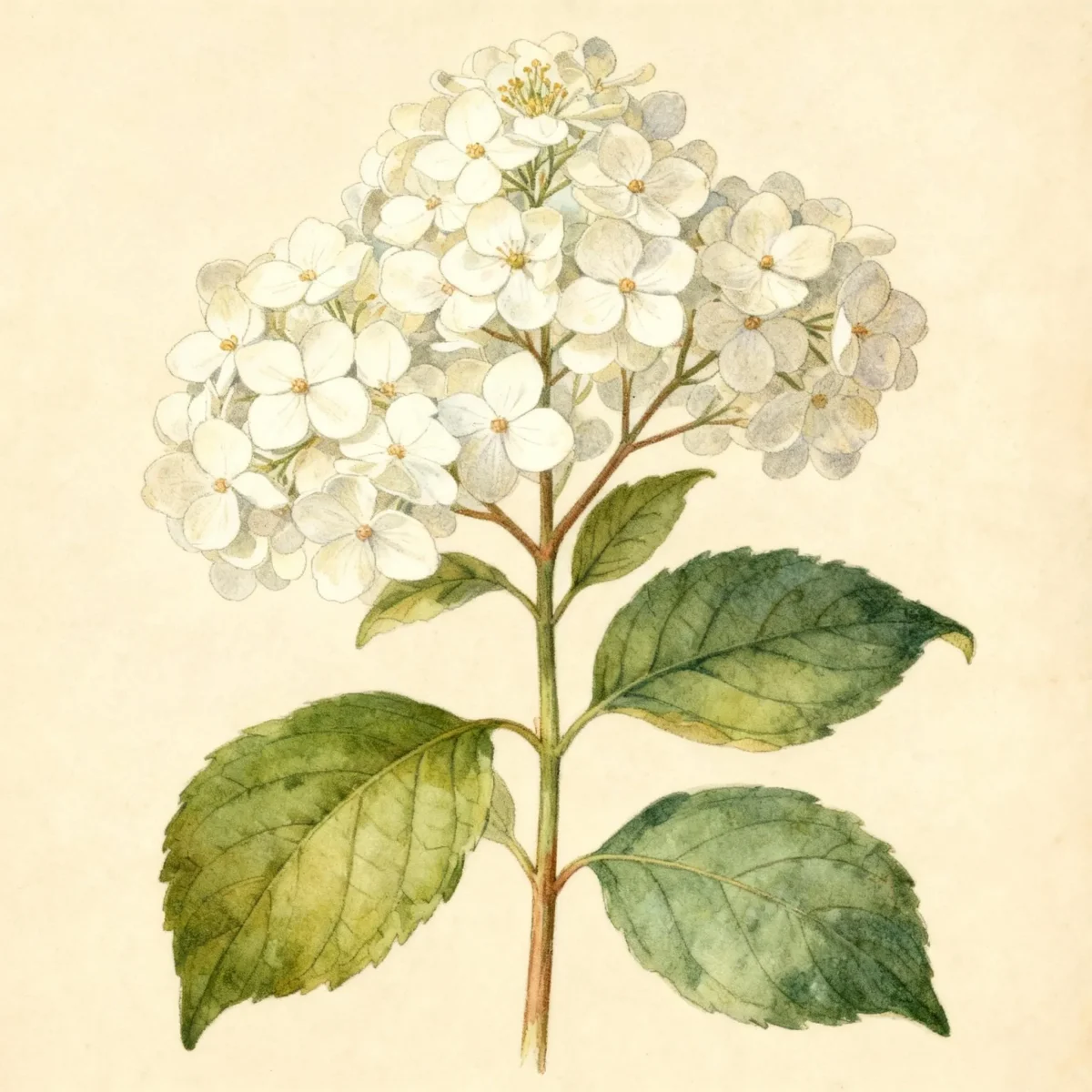
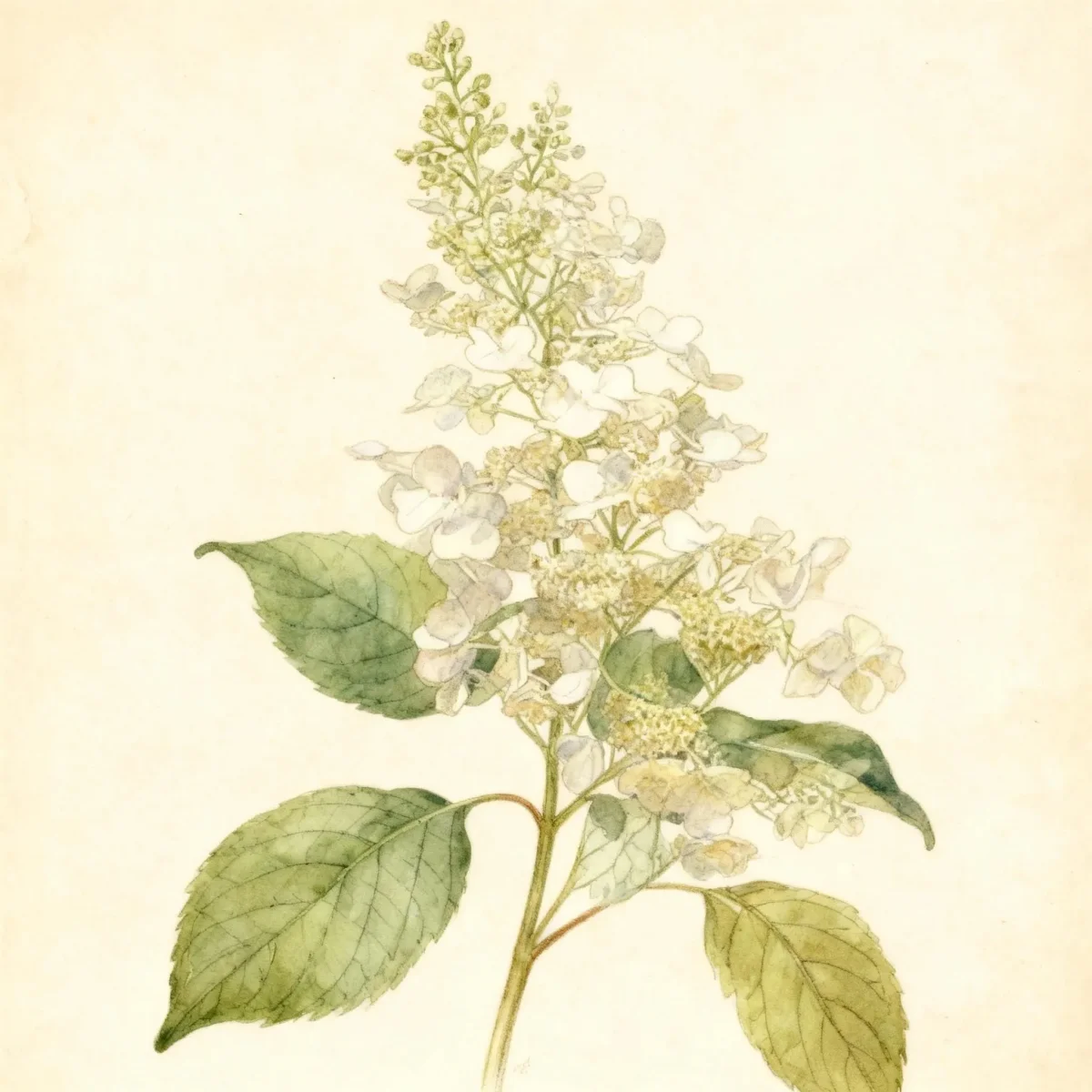
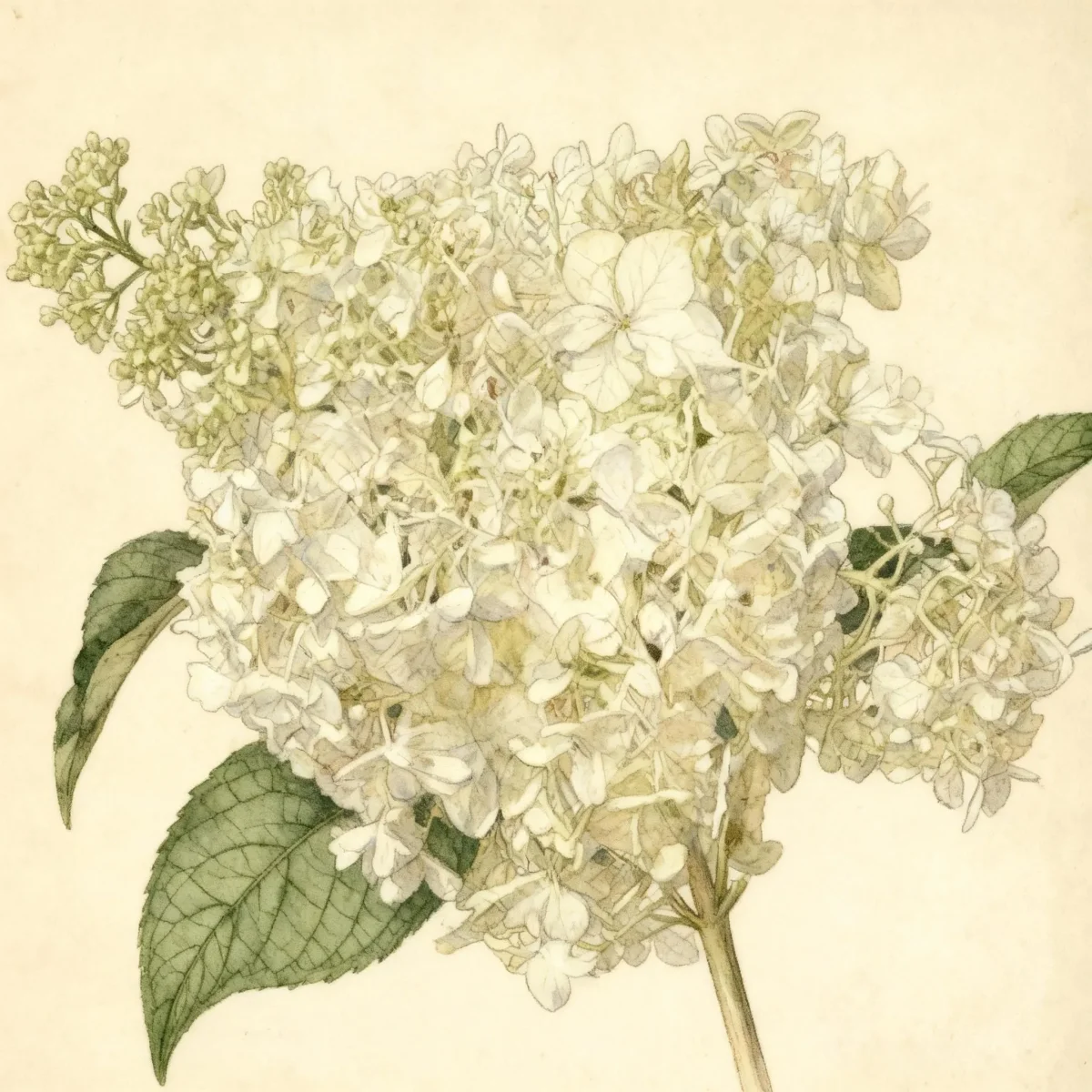
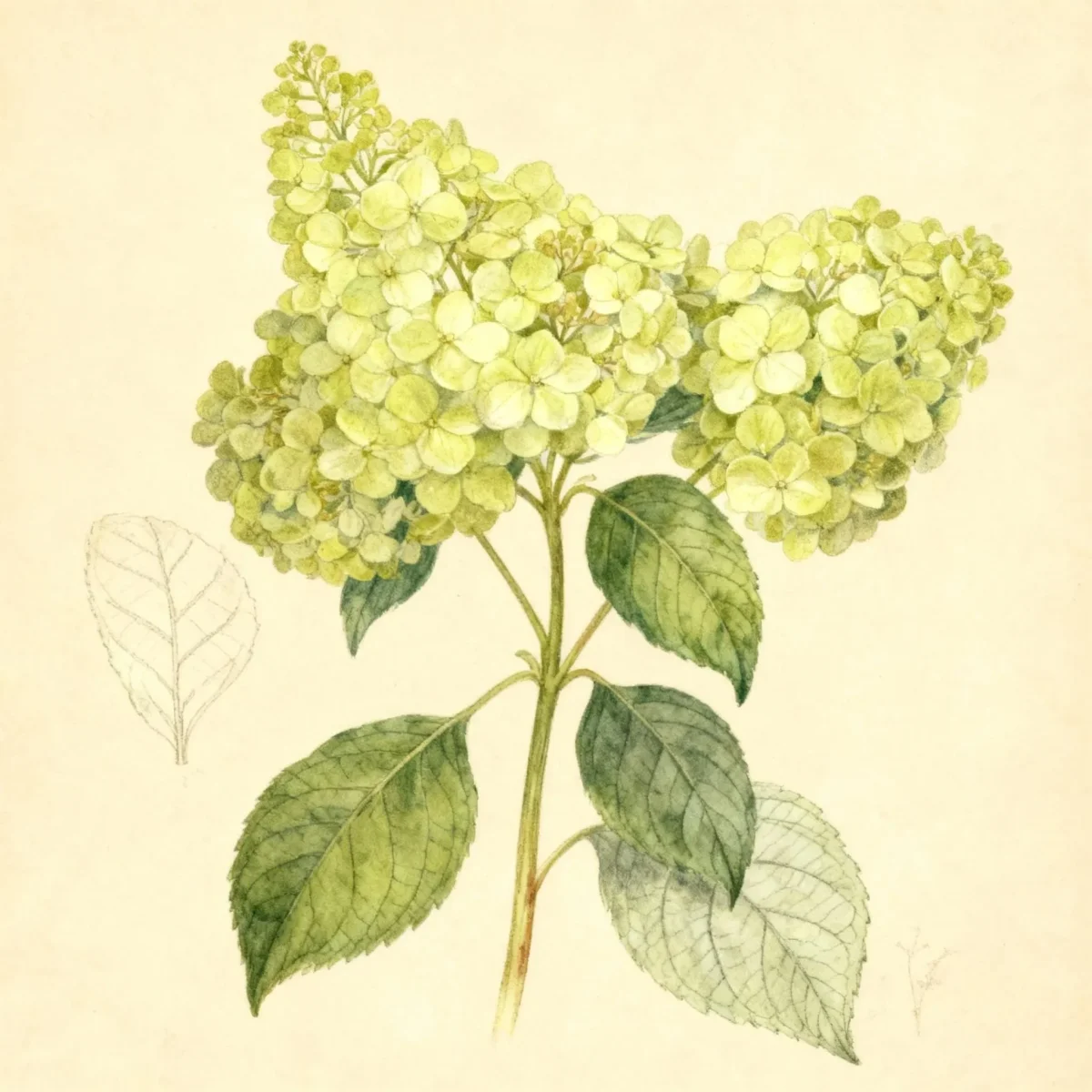
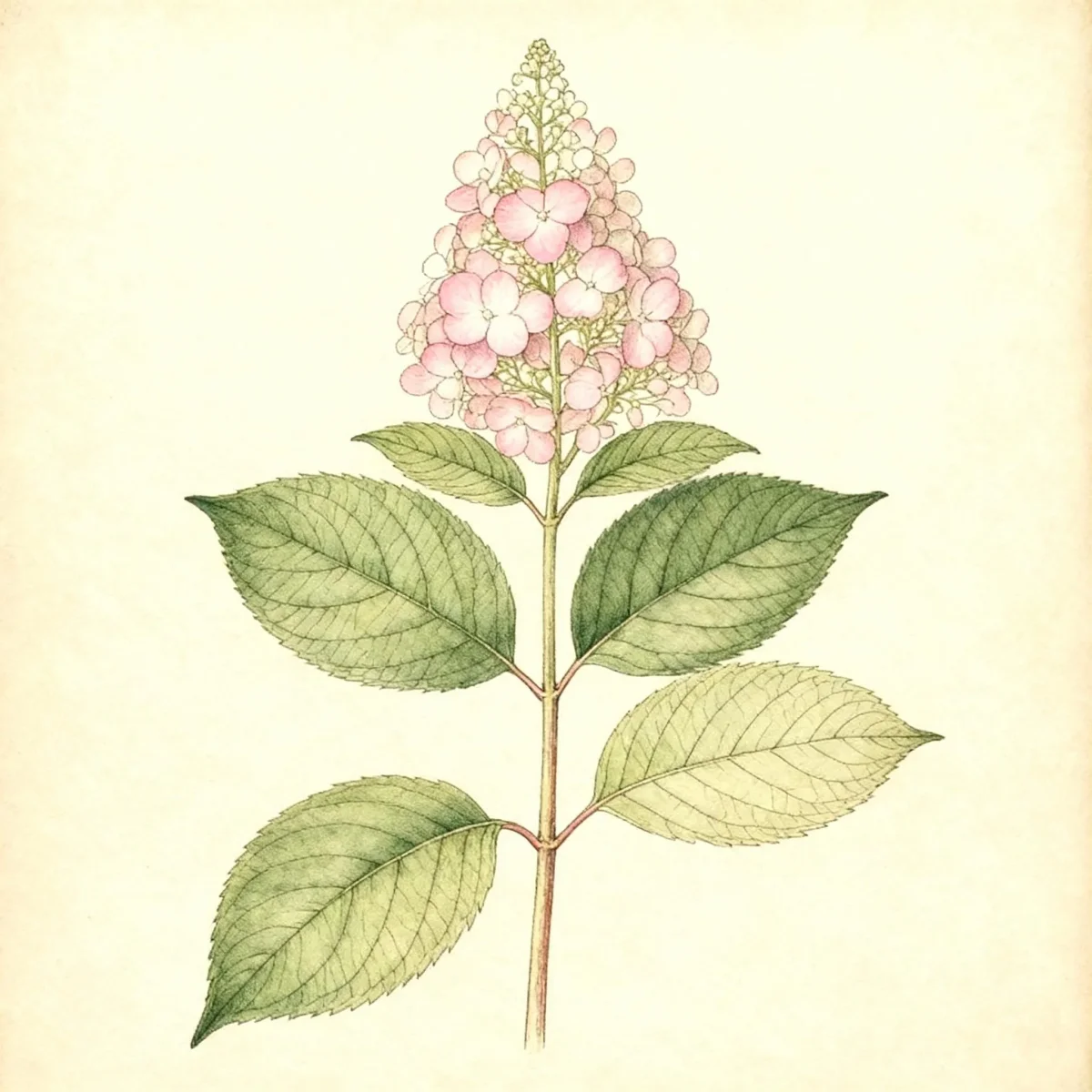
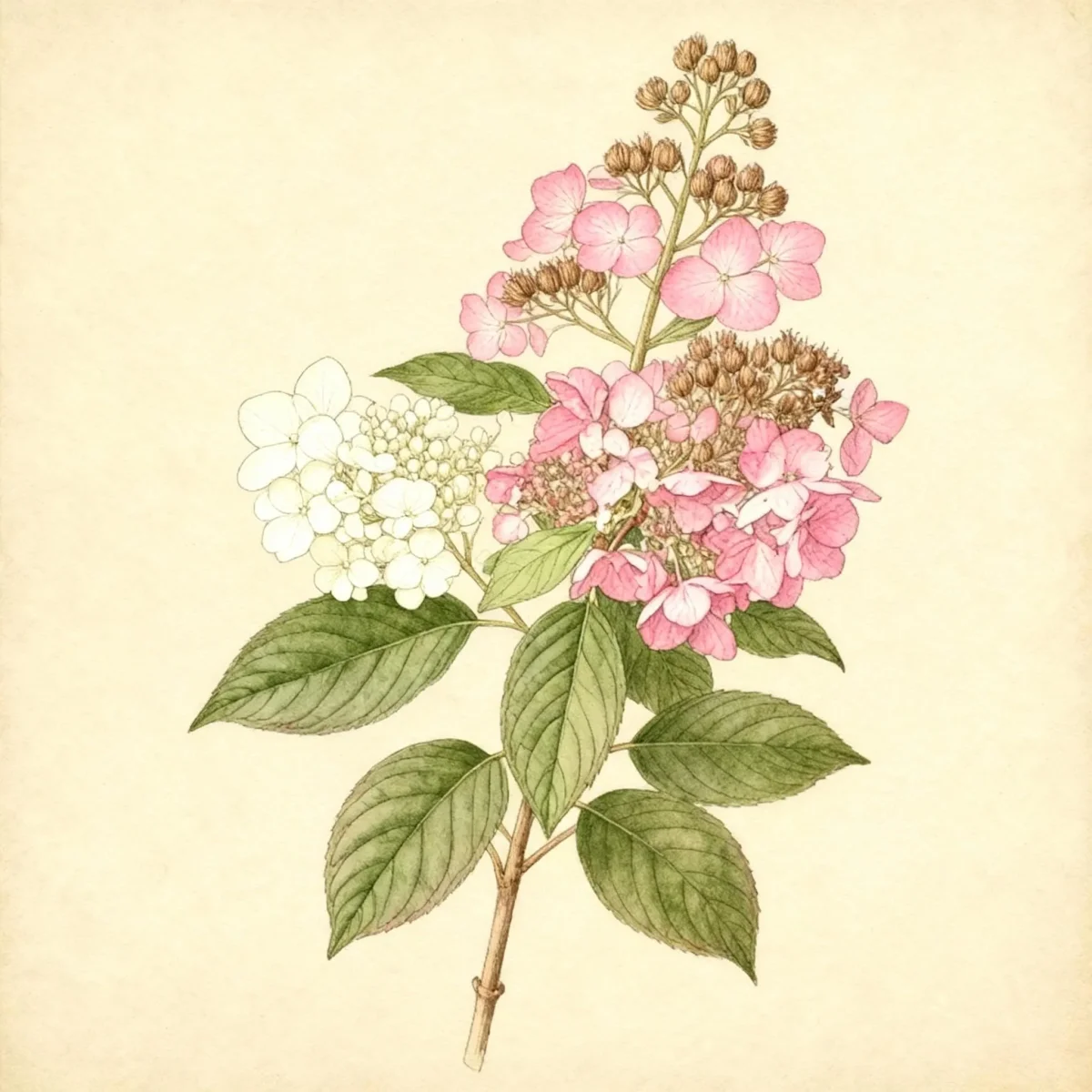
Panicle hydrangea (Hydrangea paniculata 'Jane' LITTLE LIME)
Hydrangea paniculata 'Jane' LITTLE LIME is a compact Panicle hydrangea known for green aging to pink-burgundy blooms in USDA Zones 3-8.
Scroll down to discover growing tips, care requirements, companion plants, and more
Complete Plant Information
Overview
Hydrangea paniculata ‘Jane’ LITTLE LIME offers gardeners a compact, reliable flowering shrub prized for its extended summer interest. This cultivar of Panicle hydrangea is celebrated for its strong stems, which effectively hold up the substantial flower panicles, preventing the common drooping seen in some other varieties. It transforms the garden landscape from mid-summer into the fall with showy blooms that shift dramatically in color.
As one of the most winter-hardy hydrangeas available, Hydrangea paniculata ‘Jane’ LITTLE LIME is a dependable performer across wide temperature ranges. It adapts well to conditions ranging from full sun to light afternoon shade, making it versatile for different planting locations within the landscape. Its robust nature and upright, rounded form provide excellent structure throughout the growing season.
This manageable shrub brings exceptional aesthetic value through its persistent, colorful flowers, making it a cornerstone plant for late-season interest. Whether used formally as a hedge or informally as a specimen, the deep green foliage serves as an excellent backdrop for the evolving flower heads of the Panicle hydrangea.
Fast Facts
- Plant Family: Hydrangeaceae
- Plant Type: Deciduous shrub
- Hardiness Zones: USDA Zones 3-8
- Size at Maturity:
- Height: 3-5 ft
- Spread: 3-5 ft
- Bloom Time: July to September
- Bloom Description: Green maturing to pink-burgundy
- Sun Exposure: Full sun to part shade
- Water Needs: Medium
- Maintenance Level: Medium
How to Grow
Plant Hydrangea paniculata ‘Jane’ LITTLE LIME in spring or fall, ensuring the planting site offers organically rich, well-drained soil. While this Panicle hydrangea tolerates full sun, providing some partial shade, especially in hotter climates, will help maintain vibrant foliage and encourage better bloom quality. Proper soil preparation, high in organic matter, is crucial for establishing a strong root system for this vigorous grower.
Water needs are medium; ensure consistent moisture, especially during dry spells, as the shrub establishes itself or during peak summer heat. Fertilize sparingly, if at all, as rich soils often provide sufficient nutrients. The strong stems of Hydrangea paniculata ‘Jane’ LITTLE LIME help manage the weight of the flower panicles, but thinner plants may still see branches arch slightly downward in full bloom.
Pruning is best done in late winter or early spring, as blooms appear on current season’s wood. For optimal shrub form and a height of 6-10 feet, regular pruning is recommended, though for the compact 3-5 foot size, lighter shaping is sufficient. To promote larger flower panicles, thin the plant back to 5-10 primary, sturdy shoots annually. This plant thrives in urban environments, demonstrating good tolerance for city conditions.
Landscape Uses
The sturdy, multi-stemmed habit of Hydrangea paniculata ‘Jane’ LITTLE LIME makes it an outstanding selection for formal and informal designs alike. It functions exceptionally well when utilized as hedging material, providing a reliable, colorful screen that blooms late in the season when many other shrubs have finished. For a more structured look, it can be gently trained into a small single-trunk tree form.
In mixed shrub borders, this Panicle hydrangea offers fantastic late-season color contrast against earlier-blooming perennials and shrubs. Consider pairing it with evergreens that provide year-round structure or later-blooming perennials that enjoy similar sun requirements. It also shines as a versatile specimen plant or accent near entryways, showcasing its upright, rounded form.
The ability of the flowers to dry well means they provide transitional interest even as the season wanes. Leaving the faded blooms on the plant during winter adds texture and potential appeal for winter birds, enhancing its overall landscape contribution beyond the summer flowering period.
Flower Qualities
- Showy
- Good Cut
- Good Dried
Noteworthy Characteristics
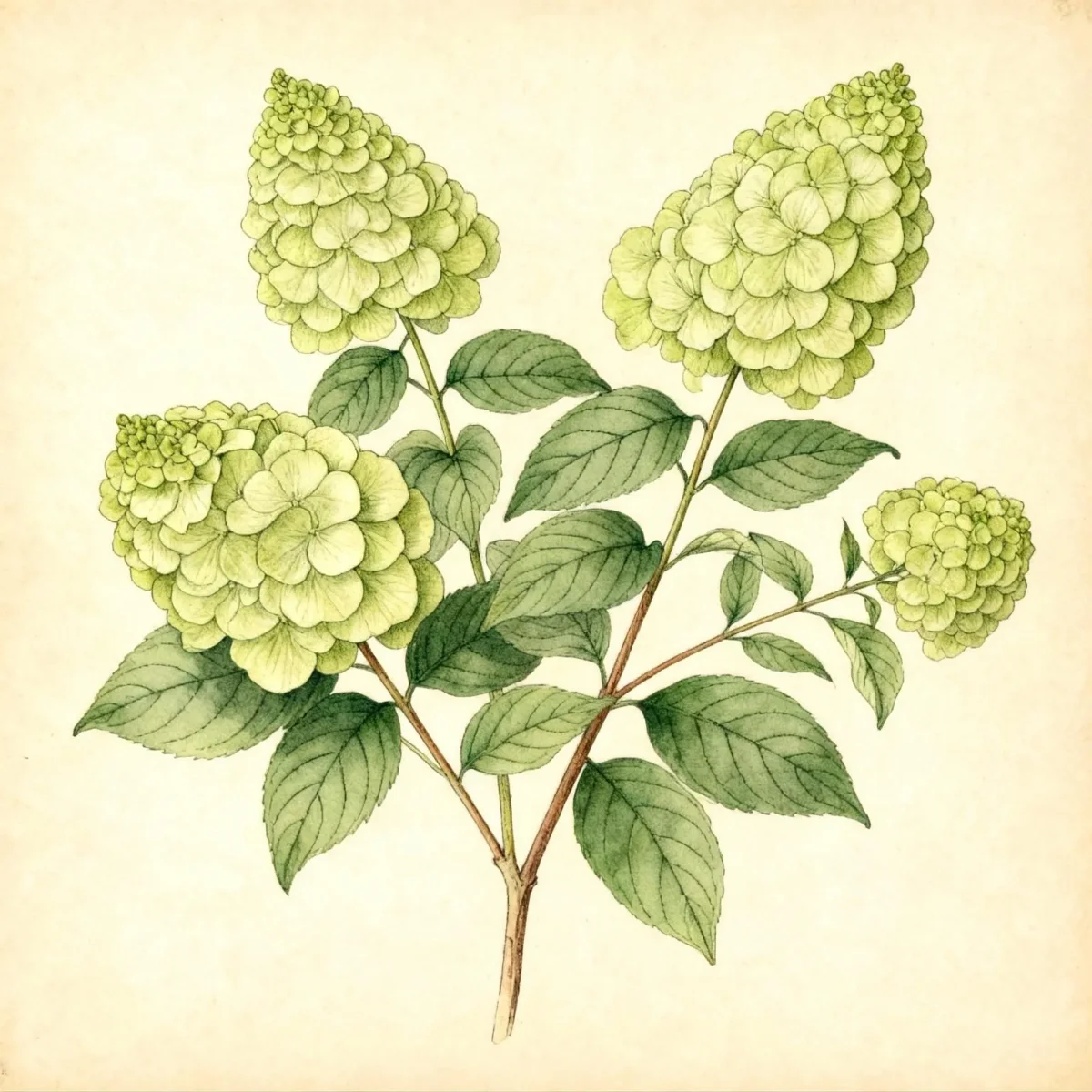
Hydrangea paniculata, commonly called panicle hydrangea, is a vigorous, upright, rapid-growing, somewhat coarsely textured, deciduous shrub native to China and Japan. ‘Jane’, commonly sold under the trade name of LITTLE LIME, is a compact cultivar that typically grows in an upright rounded mound to 3-5’ tall and as wide, noted for its large mophead type inflorescences maturing to pink and burgundy in fall. Additional features of interest include compact, upright-mounded shape, free branching habit and strong stems which hold the panicles upright with no drooping.
Tolerances
- Aphids
- Mites
Potential Problems
While generally robust, Hydrangea paniculata ‘Jane’ LITTLE LIME can occasionally exhibit susceptibility to common landscape issues. Watch for symptoms of bud blight, bacterial wilt, leaf spot, rust, and mildew, particularly in humid conditions or when air circulation is poor. Ensure proper spacing and drainage to mitigate fungal risks.
Occasional insect pests include aphids and mites. Regular scouting, especially underneath the leaves, allows for early intervention. For minor infestations, a strong jet of water or insecticidal soap is often effective management, keeping in line with the plant’s medium maintenance requirements.
Frequently Asked Questions
What hardiness zones is Panicle hydrangea suitable for?
The Hydrangea paniculata ‘Jane’ LITTLE LIME cultivar is exceptionally cold-hardy, thriving in USDA Zones 3 through 8.
How large does Hydrangea paniculata ‘Jane’ LITTLE LIME grow?
This compact variety typically reaches a height between 3 to 5 feet and spreads to a commensurate width of 3 to 5 feet at maturity.
When does Panicle hydrangea bloom?
Bloom time for this summer bloomer extends from July through September, featuring prominent flower panicles that emerge green and mature beautifully to pink-burgundy hues.
What sun exposure does Hydrangea paniculata ‘Jane’ LITTLE LIME need?
This shrub performs best when situated in areas receiving full sun to partial shade exposure, requiring adequate light to ensure prolific blooming.
Conclusion
The Hydrangea paniculata ‘Jane’ LITTLE LIME provides gardeners with a compact, dependable flowering solution known for its strong performance and beautiful color transition from green to burgundy throughout late summer and fall. As a top-tier Panicle hydrangea, it offers excellent structure and low fuss throughout the season. Before planting, confirm your site falls within USDA Zones 3-8 and plan for late winter pruning to maintain its tidy, compact form.
Companion Planting
When integrating Hydrangea paniculata ‘Jane’ LITTLE LIME into your garden design, consider companion plants that share similar soil and moisture needs. Plants that enjoy well-drained, rich soil and benefit from afternoon shade pair excellently. Consider planting low-growing ornamental grasses, like Japanese Forest Grass (Hakonechloa macra), along the front edge to soften the border.
For contrasting texture during the mid-to-late summer when the hydrangeas are peaking, consider upright perennials such as Black-Eyed Susans (Rudbeckia) or tall flowering salvias. Since the Panicle hydrangea is generally pH neutral, you have flexibility with companions, though avoiding plants that demand extremely dry or boggy conditions is key.
Seasonal Care Calendar
Spring is the crucial time for shaping this shrub. Prune Hydrangea paniculata ‘Jane’ LITTLE LIME in late winter or very early spring before new growth begins, remembering that all flowering occurs on new wood. Thinning the plant to 5-10 primary shoots will ensure larger, more impressive flower heads develop.
Summer care focuses mainly on consistent watering, especially if rainfall is sparse. While established shrubs are moderately drought-tolerant, ensure medium water delivery during extreme heat to support the heavy flower load. Avoid heavy fertilization in mid-summer.
In fall, appreciate the darkening colors of the blooms, which can be left in place for textural interest or carefully harvested for dried flower arrangements. Leave the foliage until it naturally drops, as this helps protect the plant going into winter dormancy.