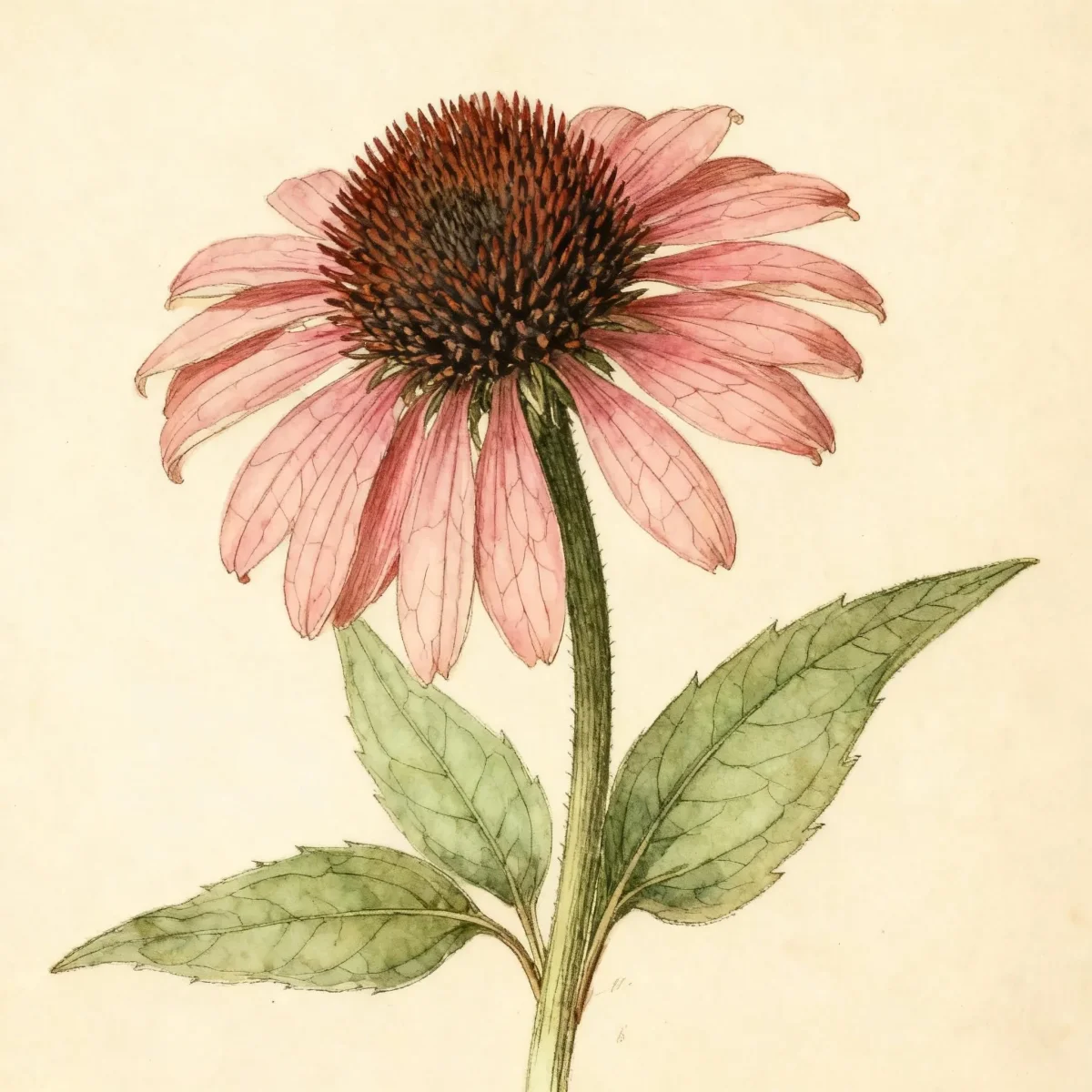
Coneflower (Echinacea 'Irresistible')
Echinacea 'Irresistible' Coneflower is a low-maintenance perennial known for its showy, fragrant, color-changing double blooms.
Scroll down to discover growing tips, care requirements, companion plants, and more
Complete Plant Information
Overview
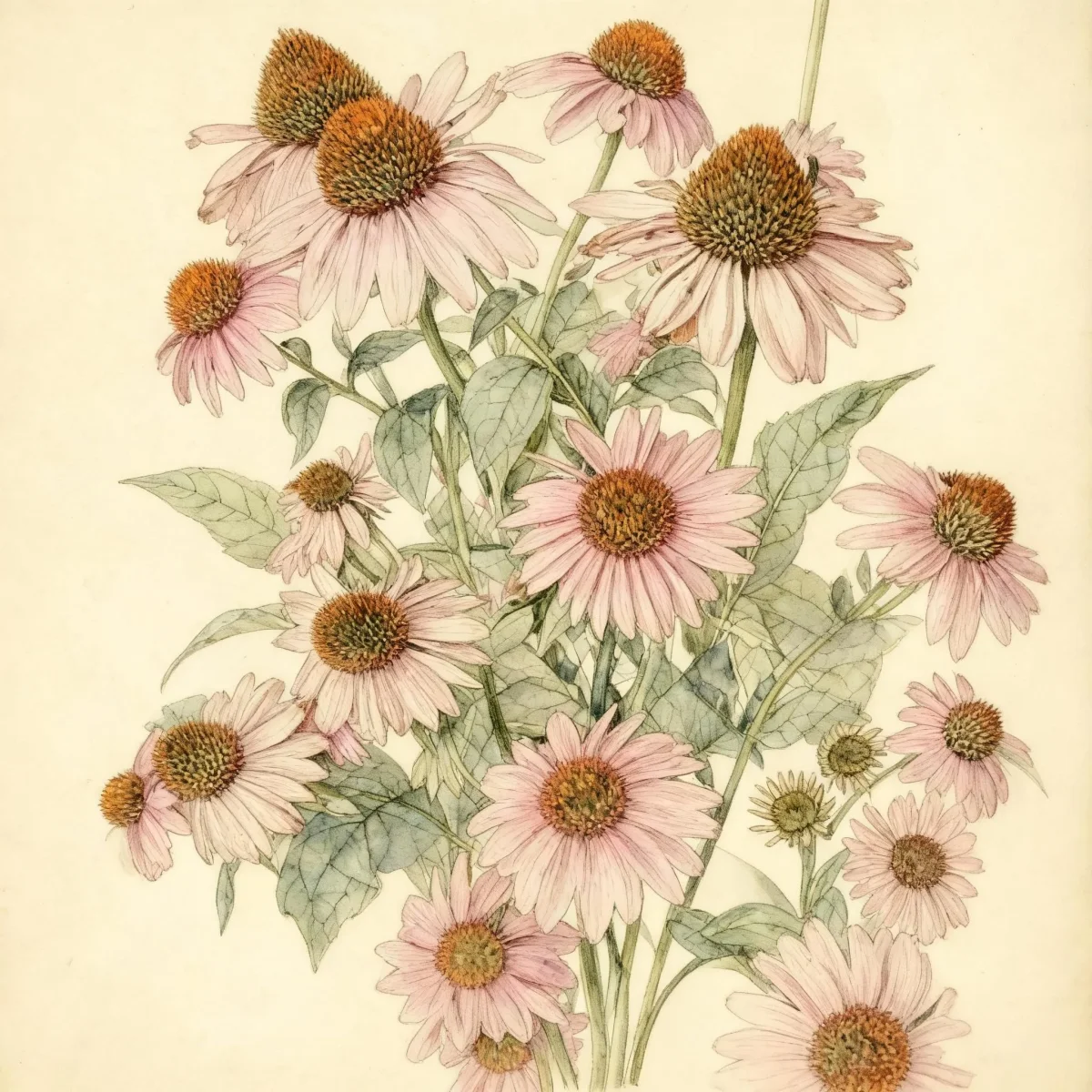
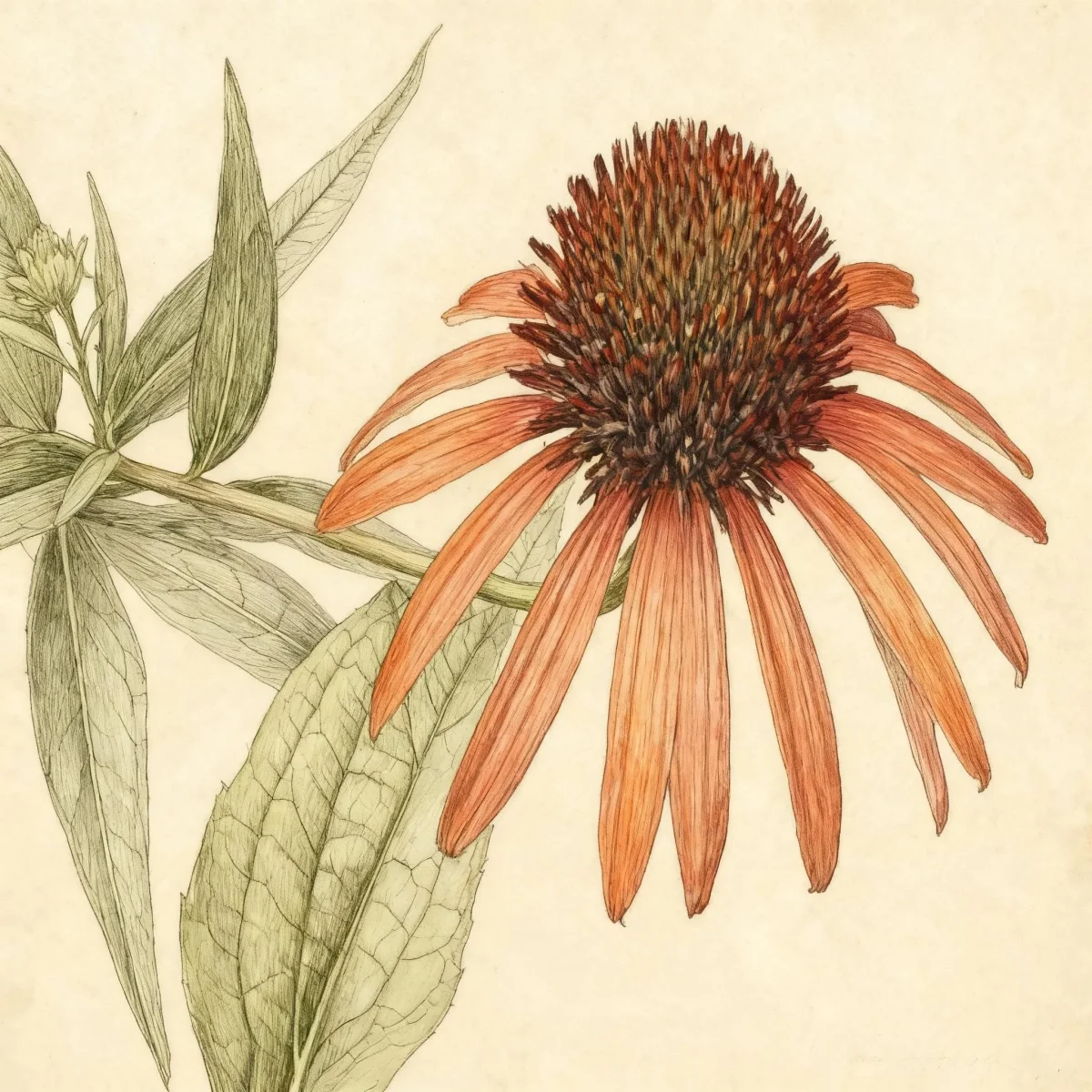
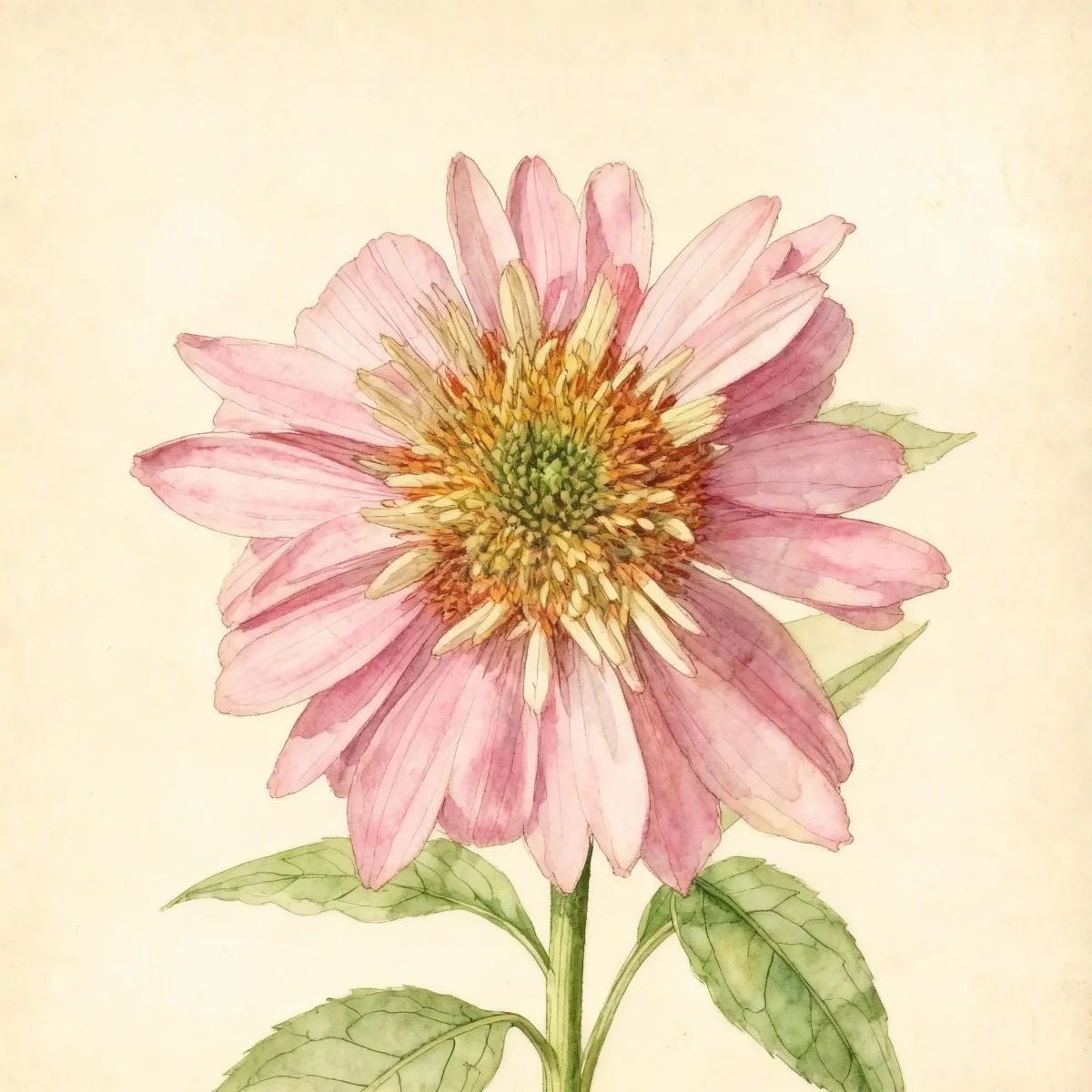
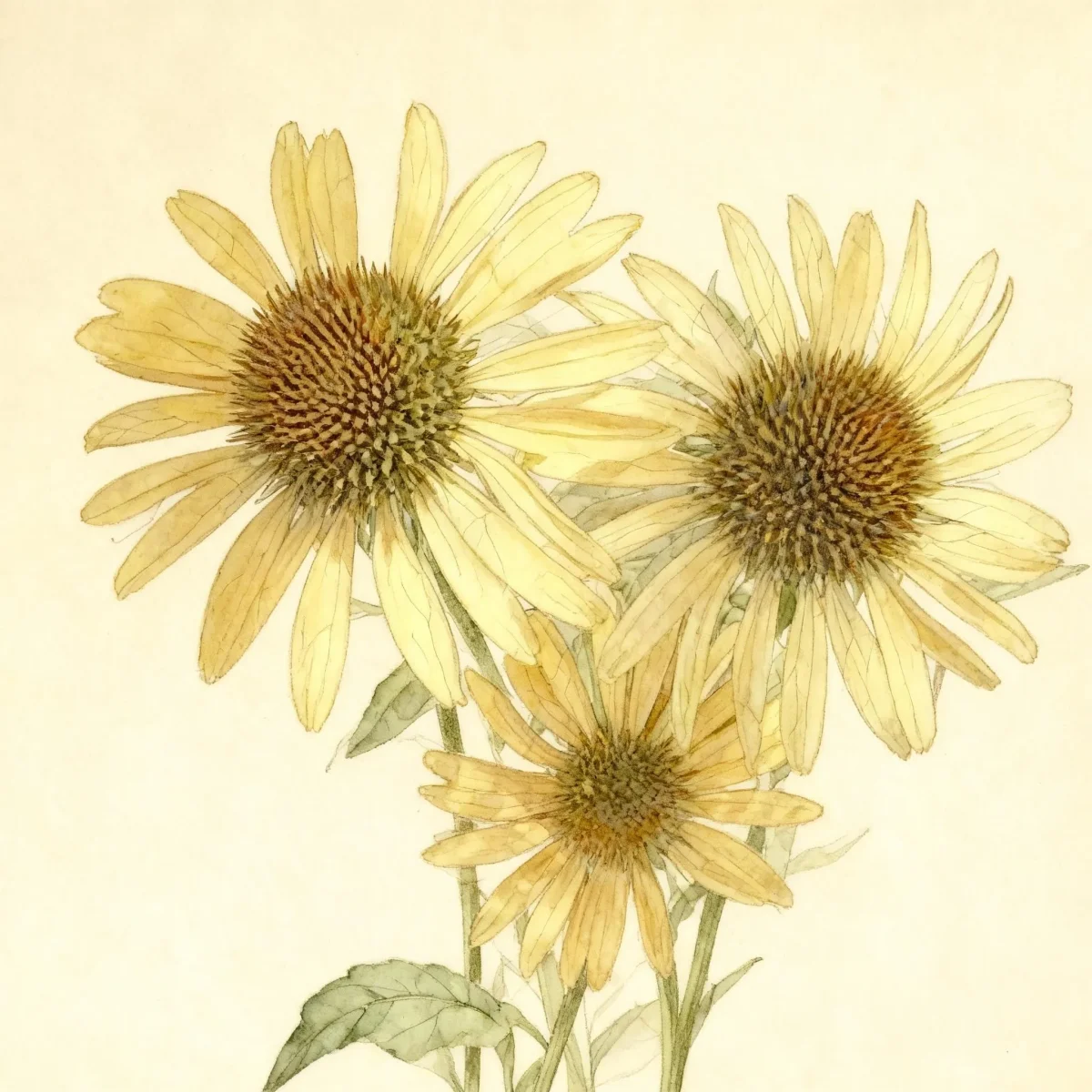
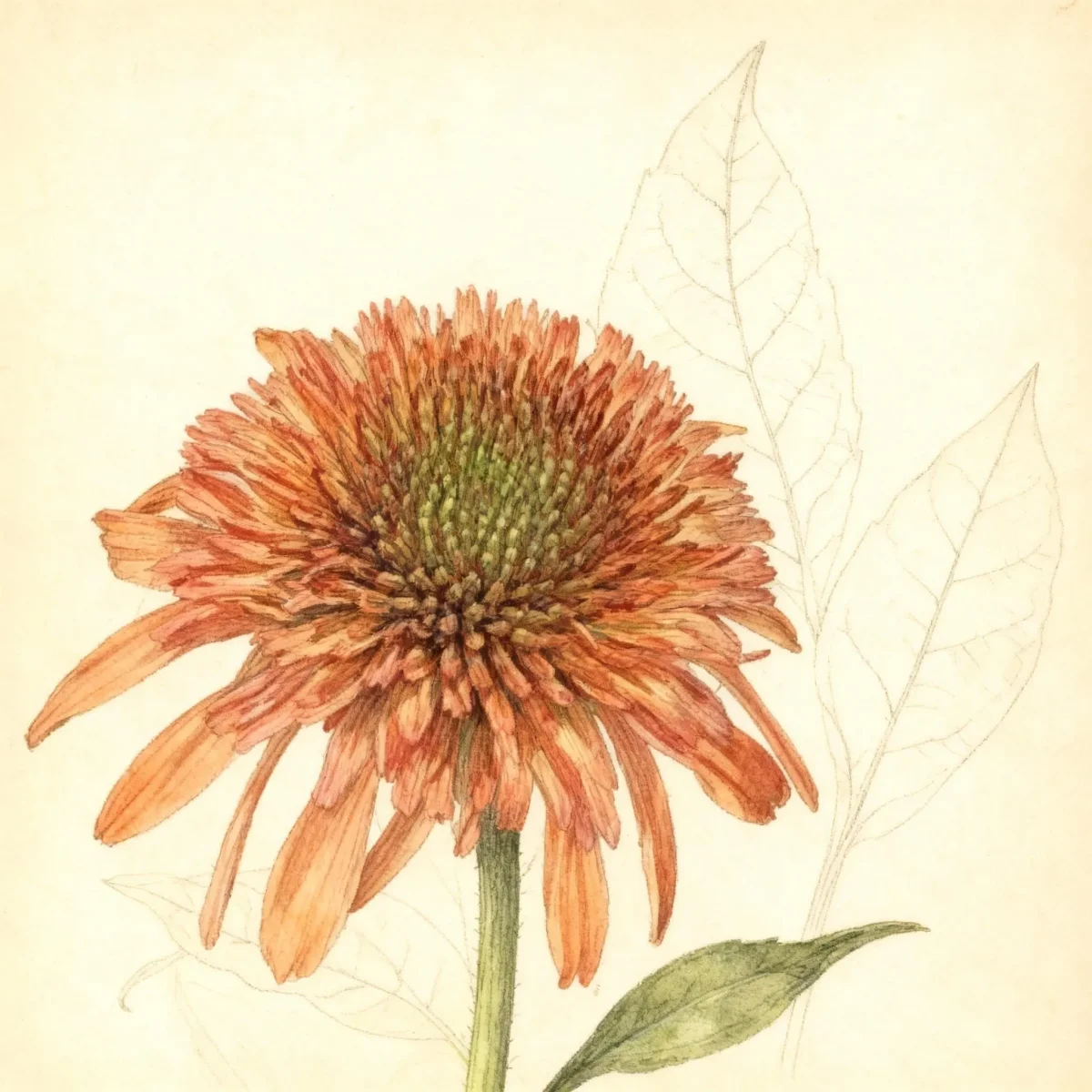
Echinacea ‘Irresistible’ is a standout variety of Coneflower prized for its unique, highly decorative double flowers that undergo a remarkable color shift during the blooming season. These sturdy performers bring extended visual interest to the garden, moving from bright yellows to deep coral-pinks and finally to pale salmon tones as the season progresses. As an adaptable herbaceous perennial, this Coneflower thrives even when conditions are not ideal.
This cultivar introduces a robust texture and vibrant palette, making it an excellent choice for mixed borders or mass plantings. While the double blooms of Echinacea ‘Irresistible’ are beautiful and fragrant, gardeners should note that they produce fewer seeds and offer less pollen/nectar than single-flowered types. Nevertheless, they remain a cornerstone of sunny perennial beds for reliable summer color.
The low maintenance needs and good drought tolerance of Echinacea ‘Irresistible’ only add to its appeal. Ensuring full sun exposure will maximize flowering potential, rewarding the gardener with reliable performance from early summer onward. This variety of Coneflower is a durable addition to any North American landscape.
Fast Facts
- Plant Family: Asteraceae
- Plant Type: Herbaceous perennial
- Hardiness Zones: USDA Zones 3-8
- Size at Maturity:
- Height: 1-1.5 ft
- Spread: 1-1.5 ft
- Bloom Time: June to August
- Bloom Description: Yellow with copper cone maturing to coral-pink then pale salmon
- Sun Exposure: Full sun to part shade
- Water Needs: Dry to medium
- Maintenance Level: Low
How to Grow
The best time to plant Echinacea ‘Irresistible’ is typically in spring after the danger of hard frost has passed, allowing the root system to establish before summer heat. Locate your Coneflower in a spot receiving full sun for the best color and stem strength, though it tolerates light afternoon shade. This plant prefers average soils but demonstrates high adaptability, thriving in well-drained conditions while also handling clay, dry soil, and shallow-rocky sites effectively.
Water thoroughly after planting. Once established, this Coneflower variety exhibits drought tolerance, preferring consistently dry to medium moisture levels. Avoid overwatering, especially in heavy clay. Fertilizing is rarely required; if soil fertility is exceptionally poor, a light application in early spring is sufficient.
Deadheading spent flowers is optional but recommended. While Echinacea ‘Irresistible’ will continue to bloom without intervention, prompt removal of fading blooms encourages a tidier appearance and promotes sporadic rebloom until late summer. Plan to divide overcrowded clumps every three to four years to maintain vigor and air circulation.
Landscape Uses
As an attractive specimen or accent plant, Echinacea ‘Irresistible’ adds upright structure to sunny borders. Its medium height works perfectly toward the front or middle of perennial beds where its unique evolving flower colors can be easily appreciated. Planting Coneflower in groups or massed displays maximizes visual impact during the peak bloom time of June through August.
This variety is highly effective when paired with late-summer bloomers that share similar dry-to-medium water needs, such as ornamental grasses, Sedums, or Russian Sage. For those incorporating native-style plantings, ensure the location gets adequate sun. Echinacea ‘Irresistible’ also performs reliably in rock gardens or mixed borders that feature well-drained conditions.
If you value cut flowers, the sturdy stems of this Coneflower make it an excellent candidate for fresh bouquets. The unique coral-pink and salmon hues of ‘Irresistible’ provide beautiful contrast when mixed with blues and purples in summer arrangements.
Standout Features
Flower Qualities
- Showy
- Fragrant
- Good Cut
Noteworthy Characteristics
Coneflowers, part of the genus Echinacea endemic to eastern and central North America, provide late-season interest. The specific cultivar ‘Irresistible’ is famous for its double blooms, which emerge yellow, mature through coral-pink, and lighten to pale peach-salmon atop stiff stems up to 32 inches tall. While attractive to gardeners for its beauty and fragrance, note that these double blooms are not as beneficial to wildlife as single types since they lack pollen and nectar.
Tolerances
- Deer
- Clay Soil
- Dry Soil
- Shallow-Rocky Soil
Potential Problems
Coneflowers, including Echinacea ‘Irresistible’, are generally resistant to serious pests but can occasionally suffer from common aster family issues. The primary concerns are aster yellows, which is a systemic disease spread by leafhoppers that causes bizarre growth, and various fungal or bacterial leaf spots, often exacerbated by high humidity or overcrowding. Ensure good air circulation when planting.
To manage potential leaf spots, water the base of the plant rather than overhead and ensure excellent drainage. For insect issues, keep an eye out for erythroid mites, which can cause distorted growth, and Japanese beetles, which feed heavily on the petals of many Echinacea varieties. Prompt removal of affected foliage can limit disease spread.
Frequently Asked Questions
What hardiness zones is Echinacea ‘Irresistible’ suitable for?
Echinacea ‘Irresistible’ is suitably hardy for growing in USDA Hardiness Zones 3 through 8.
How large does Coneflower grow?
Mature plants typically range between 1 to 1.5 feet in height and spread to a similar width of 1 to 1.5 feet, forming a manageable clump.
What sun exposure does Coneflower need?
For the most vibrant and long-lasting blooms, Echinacea ‘Irresistible’ performs best in full sun, though it will still tolerate part shade conditions.
When does Echinacea ‘Irresistible’ bloom?
This Coneflower variety blooms reliably from June through August, displaying colors that transition from yellow to coral-pink and finally to pale salmon.
Conclusion
The Echinacea ‘Irresistible’ offers dynamic summer color transition combined with outstanding adaptability, making it a low-effort staple for sunny perennial gardens. Cultivating this Coneflower ensures you receive fragrant, showy blooms suitable for cutting, even in challenging soil conditions. Before planting, confirm your garden falls within USDA Zones 3-8 and ensure placement receives sufficient sunlight for optimal display.
Companion Planting
Choosing companions that appreciate full sun and tolerate dry conditions will ensure the long-term success of your Echinacea ‘Irresistible’ patch. Excellent pairings include other drought-tolerant perennials that bloom later in the season, offering continuous interest after the initial Coneflower flush. Consider pairing the mid-height structure of this specific Coneflower with lower-growing groundcovers or taller, airier plants like Russian Sage (Perovskia) or tall ornamental grasses.
Good companions that share similar cultural requirements—full sun and dry to medium moisture—include hardy salvias, yarrow (Achillea), and Nepeta (Catmint). These combinations create a classic, low-water perennial border that thrives during hot summer months while reducing the need for supplemental irrigation.
Wildlife Benefits
Although the double blooms of Echinacea ‘Irresistible’ are less attractive to pollen-feeding pollinators than single-flowered Coneflower types, the genus itself is foundational to pollinator support. The structural form of the plant, even when deadheaded, retains upright stems well into winter. If seed heads are left standing, they can provide winter foraging opportunities for seed-eating birds, particularly goldfinches.
While the primary native benefit is slightly reduced in this double cultivar, surrounding single Echinacea plants or other native offerings will compensate for the lack of nectar in the ‘Irresistible’ blooms. The sturdy foliage and architecture still provide excellent habitat structure during the growing season.