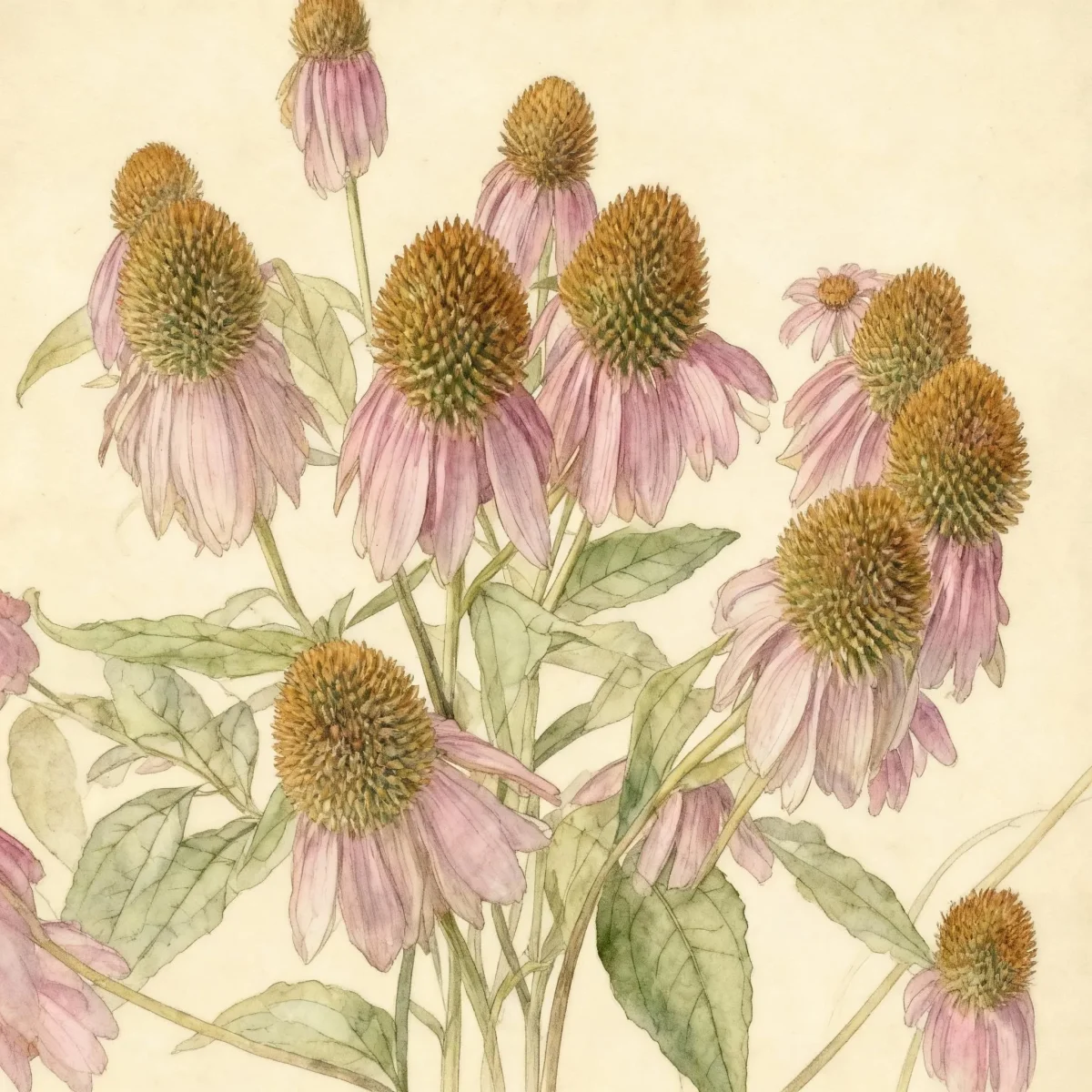
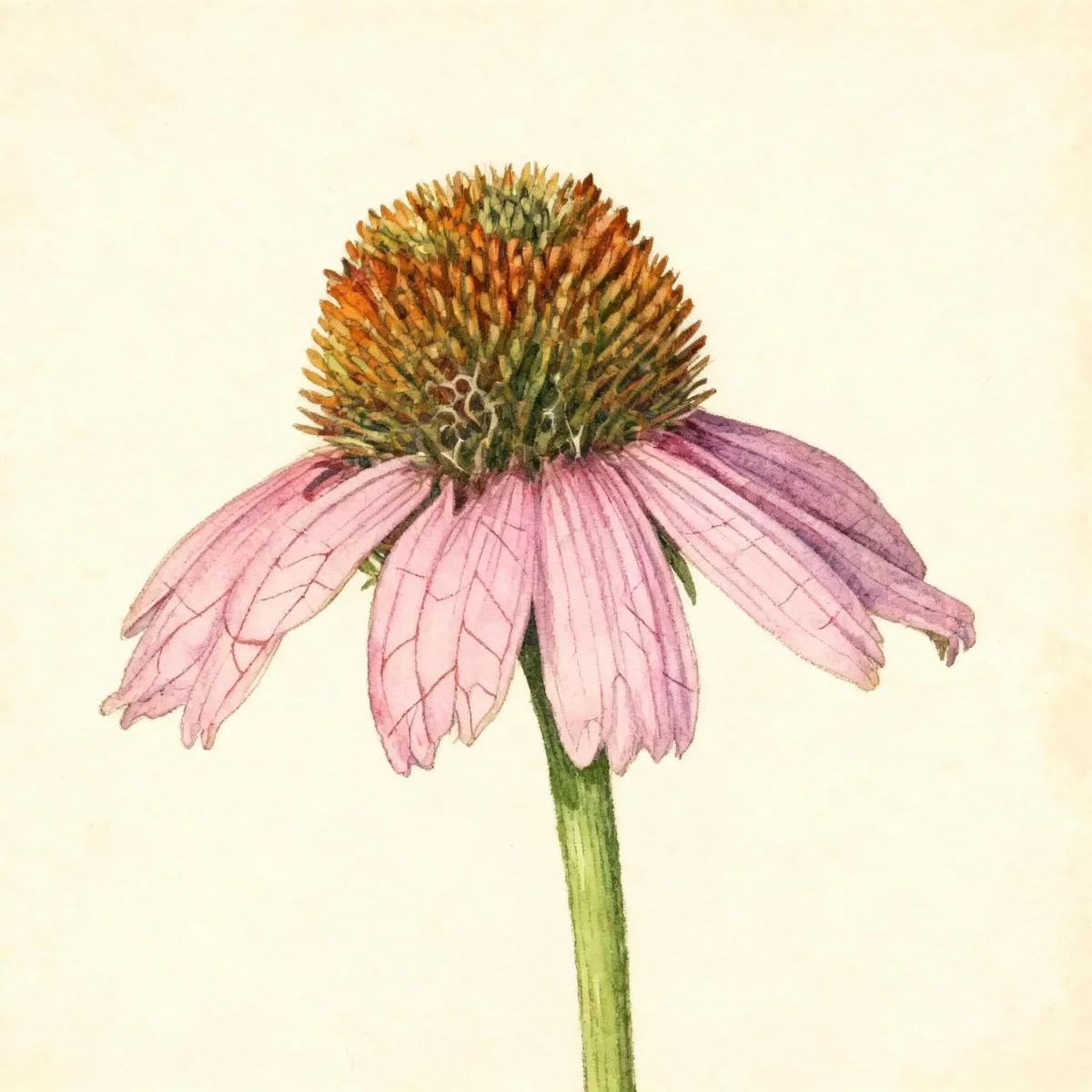
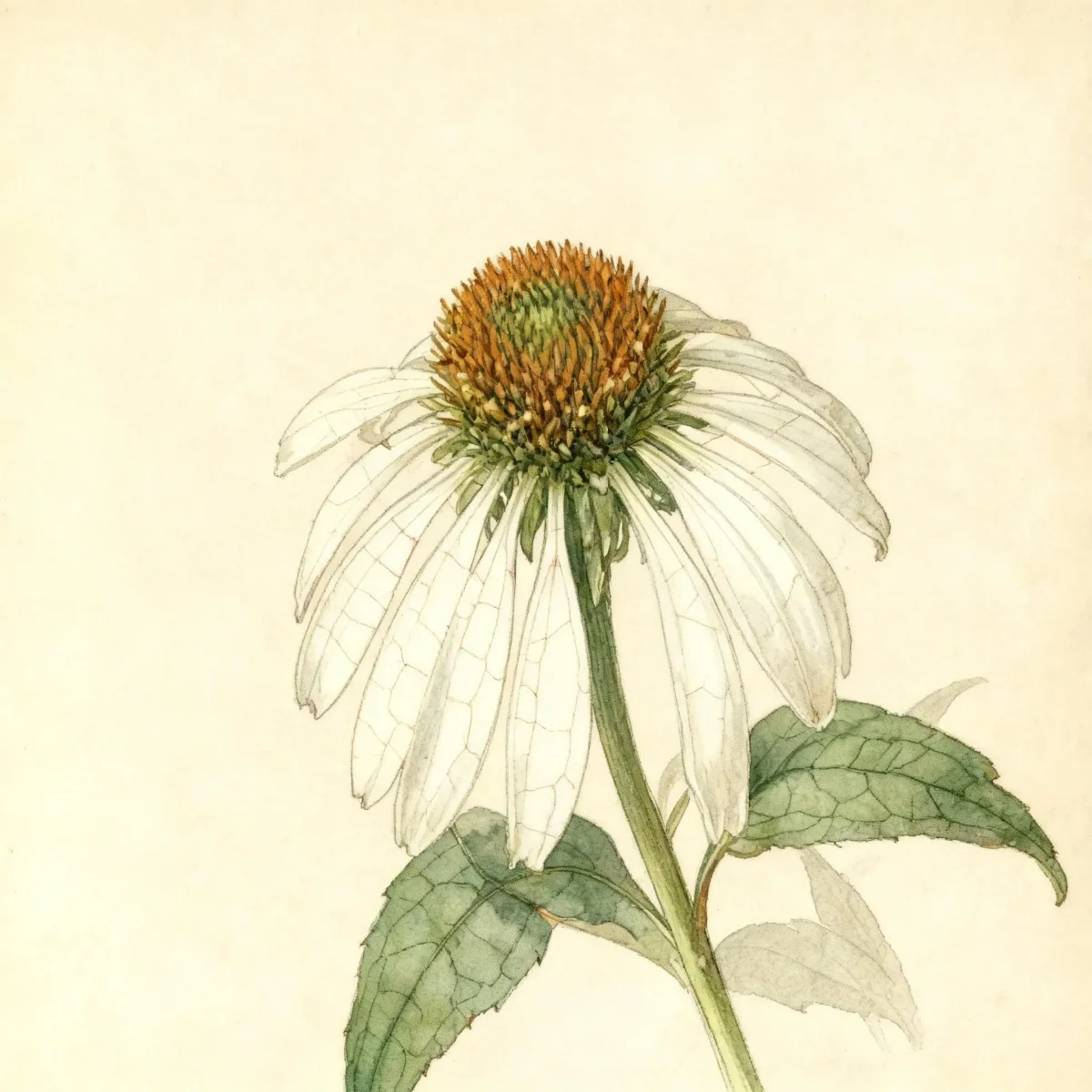
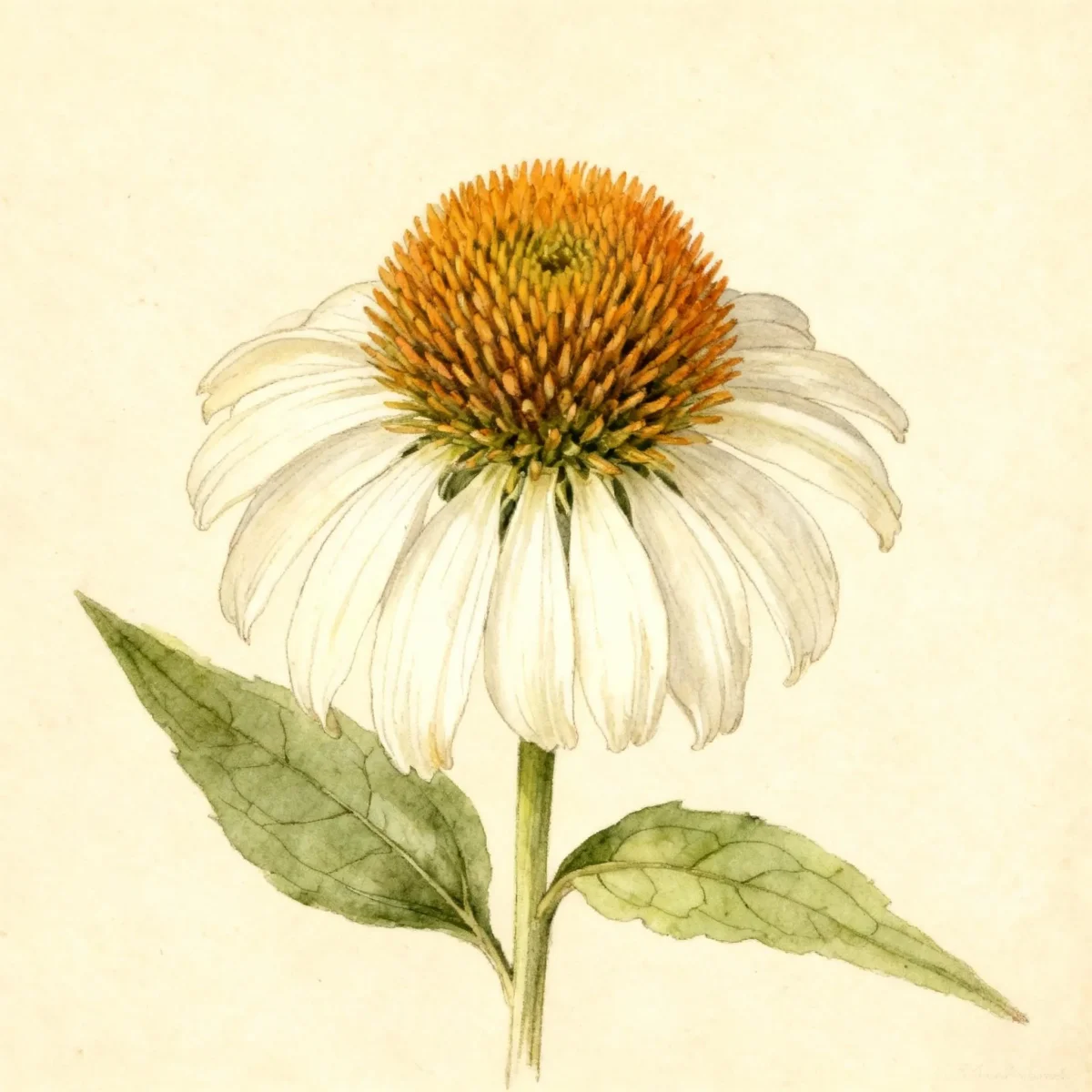
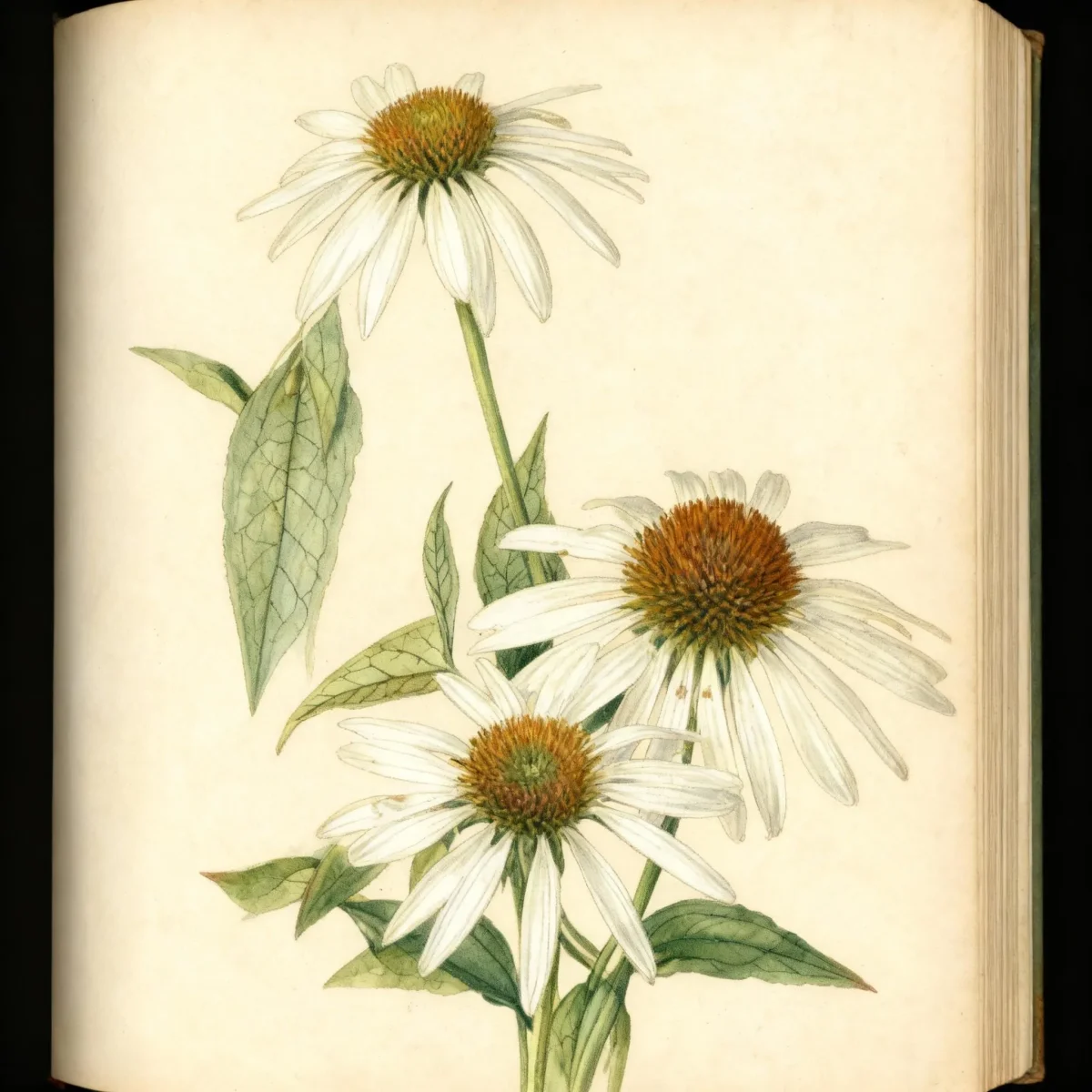
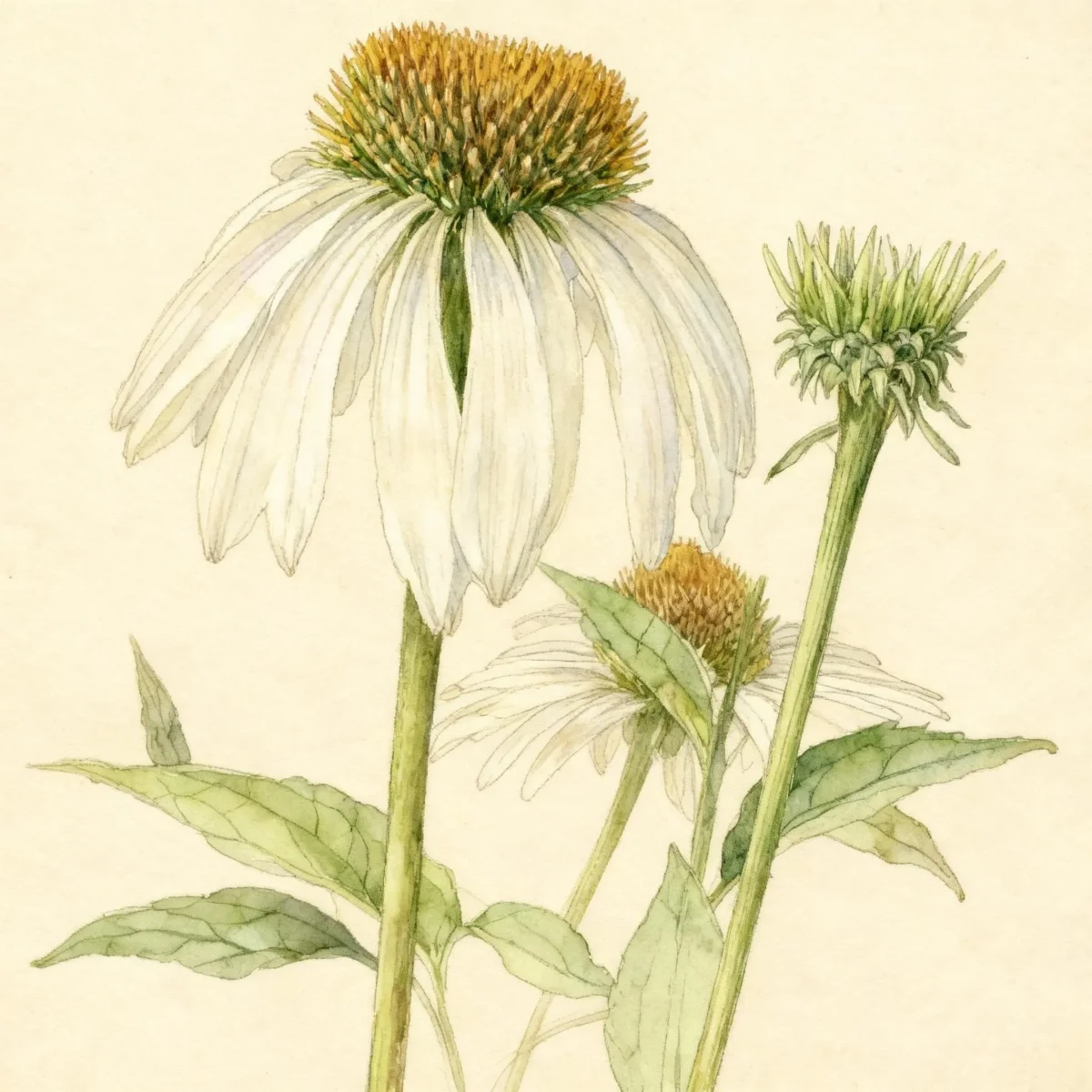
Purple coneflower (Echinacea 'Mama Mia')
Echinacea 'Mama Mia' Purple coneflower offers four seasons of color change, robust tolerances, and low maintenance for sunny borders.
Scroll down to discover growing tips, care requirements, companion plants, and more
Complete Plant Information
Overview
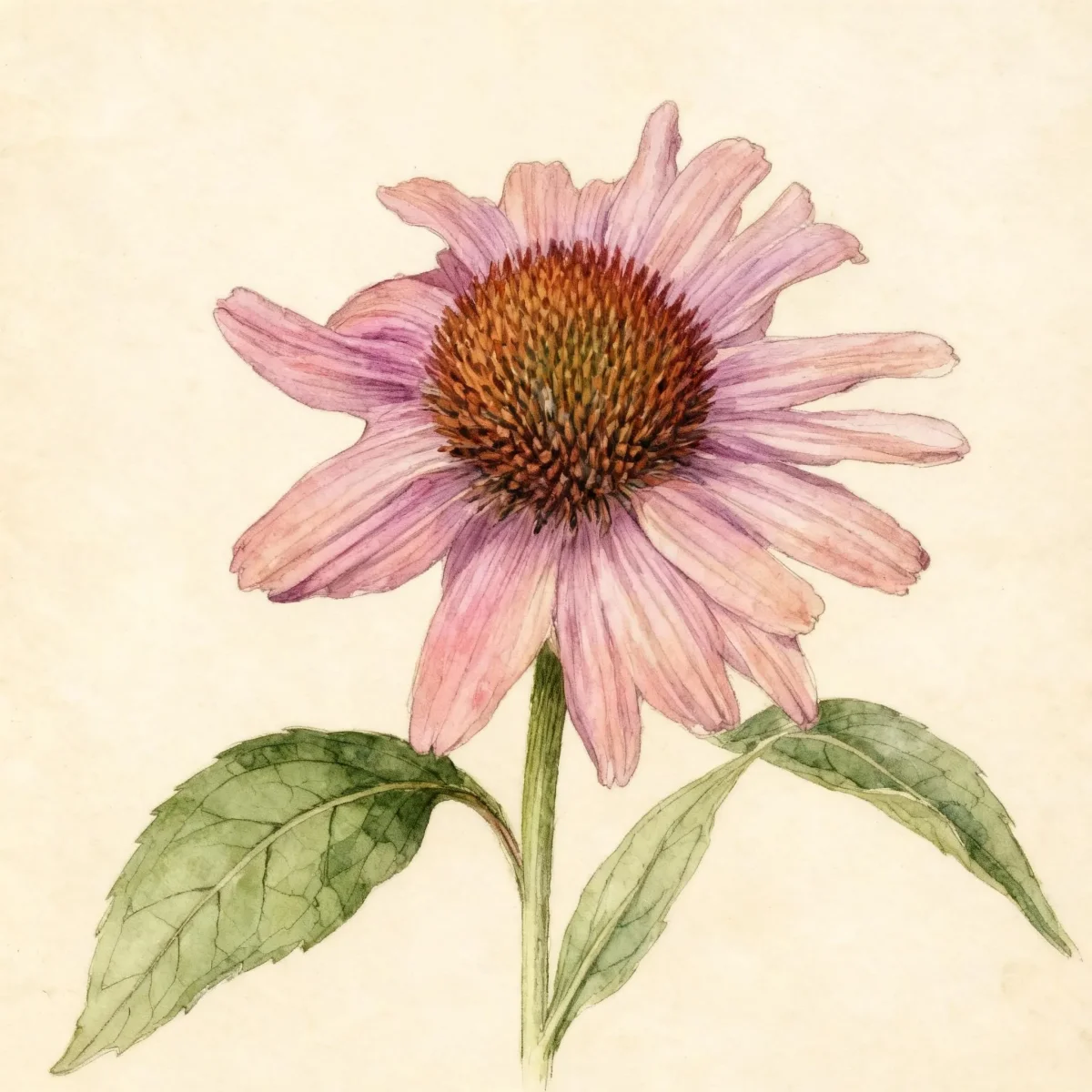
Echinacea ‘Mama Mia’ is a highly valued cultivar, celebrated for its striking, multi-hued blooms that genuinely elevate the perennial border. This variety of the popular Purple coneflower opens with vibrant red rays, which then gracefully mature through shades of orange and coral, finally settling into soft pink tones. This color shift provides continuous visual impact throughout the primary blooming season.
As an exceptionally adaptable plant, Echinacea ‘Mama Mia’ thrives in conditions where many others falter. It exhibits remarkable tolerance to drought, heat, humidity, and even poorer soil types, making it a reliable workhorse in the summer garden. Gardeners appreciate this selection for its low maintenance needs and its significant contribution to pollinator support.
Adding this selection means investing in reliable summer color and supporting local ecosystems. Whether used for mass planting or as a specimen accent, the deep green foliage serves as an excellent backdrop for the continuously changing flower heads of this magnificent Purple coneflower.
Fast Facts
- Plant Family: Asteraceae
- Plant Type: Herbaceous perennial
- Hardiness Zones: USDA Zones 3-8
- Size at Maturity:
- Height: 1.5-2 ft
- Spread: 1.5-2.5 ft
- Bloom Time: June to August
- Bloom Description: Red rays maturing to orange, coral and pink
- Sun Exposure: Full sun to part shade
- Water Needs: Dry to medium
- Maintenance Level: Low
How to Grow
The ideal time to plant Echinacea ‘Mama Mia’ is in the spring after the danger of hard frost has passed, allowing the roots to establish before facing summer heat. Aim for a location that receives full sun for the best flower production, though this adaptable plant can tolerate light afternoon shade. It performs best in well-drained soils of average moisture, making immediate post-planting vigilance important until establishment.
Care for this Purple coneflower is refreshingly simple. It prefers dry to medium soil moisture; once established, only supplemental water is rarely needed, even during dry spells, thanks to its inherent drought tolerance. Fertilizing is usually unnecessary, as rich soils can lead to floppy stems.
Deadheading is not strictly required for rebloom, as plants will continue to flower without it. However, prompt removal of spent flowers encourages a better overall appearance and may stimulate additional sporadic blooming later in the season. To maintain vigor, plan to divide large clumps of Echinacea ‘Mama Mia’ approximately every four years when they become overcrowded.
Landscape Uses
Echinacea ‘Mama Mia’ is exceptionally versatile in landscape design due to its sturdy habit and extended bloom time. It excels when positioned toward the front of borders, where its evolving flower colors can be easily appreciated. Grouping these plants together or massing them creates a substantial sweep of color that naturally attracts pollinators.
Considering its high tolerance for less-than-ideal conditions, this variety is perfect for rock gardens or drier areas of open woodland gardens where supplemental care is impractical. It also serves well as an attractive specimen plant, providing a strong vertical, textural element amidst softer foliage plants.
Pair the dynamic blooms of this Purple coneflower with sturdy companions that share similar sun and water requirements, such as ornamental grasses, Rudbeckia (Black-eyed Susan), or ornamental sages. Their robust nature ensures a cohesive, durable mixed border.
Standout Features
Flower Qualities
- Showy
- Good Cut
Noteworthy Characteristics
The genus Echinacea is native to eastern and central North America, known for its distinct dome-shaped center cone. Echinacea ‘Mama Mia’ produces flowers that are highly attractive to butterflies and other insect pollinators throughout its bloom period from late spring into late summer. The unique characteristic celebrated in this cultivar is the dramatic aging process of the rays, which transition from bright red through orange and coral to pink, all radiating from a dark orange-bronze cone.
Tolerances
- Deer
- Drought
- Clay Soil
- Dry Soil
- Shallow-Rocky Soil
Potential Problems
All coneflowers, including Echinacea ‘Mama Mia’, remain susceptible to certain issues, notably aster yellows, which is a systemic virus transmitted by leafhoppers, and various fungal or bacterial leaf spots, particularly in humid, crowded conditions. Gardeners should also watch out for potential pests such as erythroid mites and Japanese beetles, which may chew on foliage or flowers.
The best defense against disease is ensuring excellent air circulation; plant your Purple coneflower with adequate spacing as recommended. Proper watering—avoiding overhead sprinkling late in the day—also minimizes fungal development. Promptly remove any diseased foliage you notice during the growing season.
Frequently Asked Questions
What hardiness zones is Purple coneflower suitable for?
Echinacea ‘Mama Mia’ is hardy across USDA Zones 3 through 8, providing reliable performance across a wide range of climates.
How large does Echinacea ‘Mama Mia’ grow?
This variety typically matures to a height between 1.5 and 2 feet tall, spreading between 1.5 and 2.5 feet wide, forming a neat, manageable clump.
What sun exposure does Echinacea ‘Mama Mia’ need?
For optimal vibrant coloration and strong stems, Echinacea ‘Mama Mia’ performs best in full sun, though it can tolerate light part shade, especially in the hottest afternoon parts of the day.
When does Purple coneflower bloom?
This variety blooms consistently from June through August, featuring its highly desirable color-changing flowers that open red and mature outward to orange, coral, and pink.
Conclusion
Echinacea ‘Mama Mia’ brings exceptional value to the landscape through its long season of evolving color, stellar performance in dry, tough soils, and low overall maintenance requirements. This specific cultivar of Purple coneflower is a resilient, multi-season performer that benefits local wildlife. Ensure you check your local USDA zone compatibility just prior to planning your planting schedule this spring for immediate garden impact.
Companion Planting
Selecting the right neighbors enhances the visual appeal and ecological function of your planting bed. Because Echinacea ‘Mama Mia’ demands full sun and tolerates dry conditions once established, pair it with other drought-tolerant perennials that share similar cultural needs. Good companions often include Russian Sage (Perovskia atriplicifolia), which offers airy, silvery blue plumes that contrast nicely with the sturdy structure of coneflowers.
Consider incorporating sturdy ornamental grasses, such as Little Bluestem (Schizachyrium scoparium) or Prairie Dropseed (Sporobolus heterolepis). These grasses provide excellent horizontal texture and movement, while their dormant winter structure complements the upright, persistent cones of the spent Echinacea ‘Mama Mia’ stems.
For continuous flowering that peaks slightly before or after your Purple coneflower, incorporate spring bloomers like Siberian Iris or summer bloomers like Shasta Daisies. The combination ensures that this section of the garden remains active and draws pollinators consistently from late spring through early fall.
Wildlife Benefits
Coneflowers are legendary staples in garden designs focused on attracting beneficial insects and birds. The large, textural seed heads that remain standing well into winter are a significant food source for seed-eating birds, most notably American Goldfinches, which actively clean out the dried cones throughout the cold months.
Beyond the winter appeal, the open, central cone structure of Echinacea ‘Mama Mia’ is perfectly designed to serve as a landing pad for various butterflies, enabling them efficient access to the nectar within the ray flowers. Planting these in masses creates a highly visible target for migratory pollinators.
To maximize ecological benefit, practice thoughtful late-season cleanup. While deadheading encourages earlier repeat blooms, allowing some flower heads to mature and remain standing ensures winter sustenance for birds and offers essential textural interest when snow covers the ground—the persistent cones of the Purple coneflower offer welcome contrast.