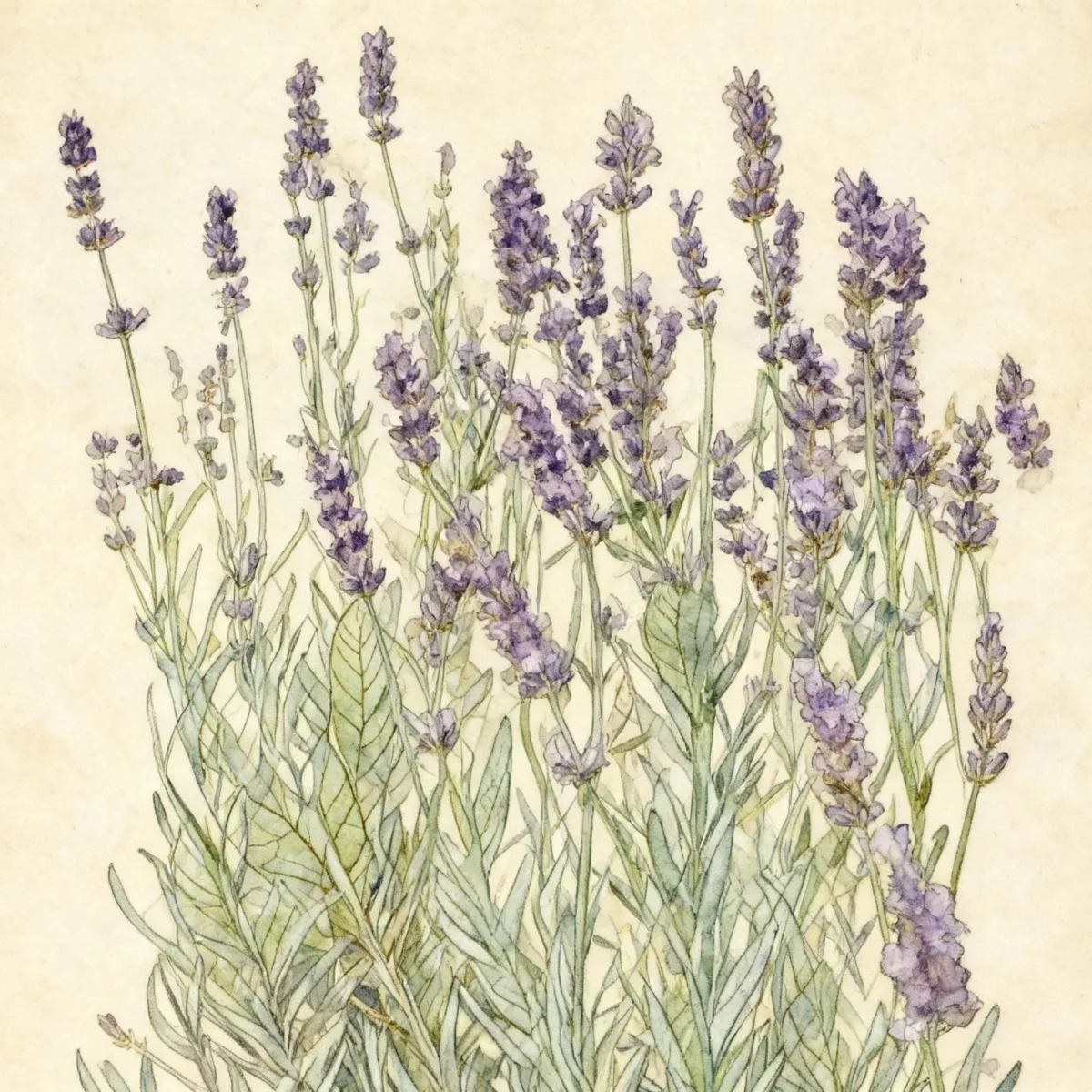
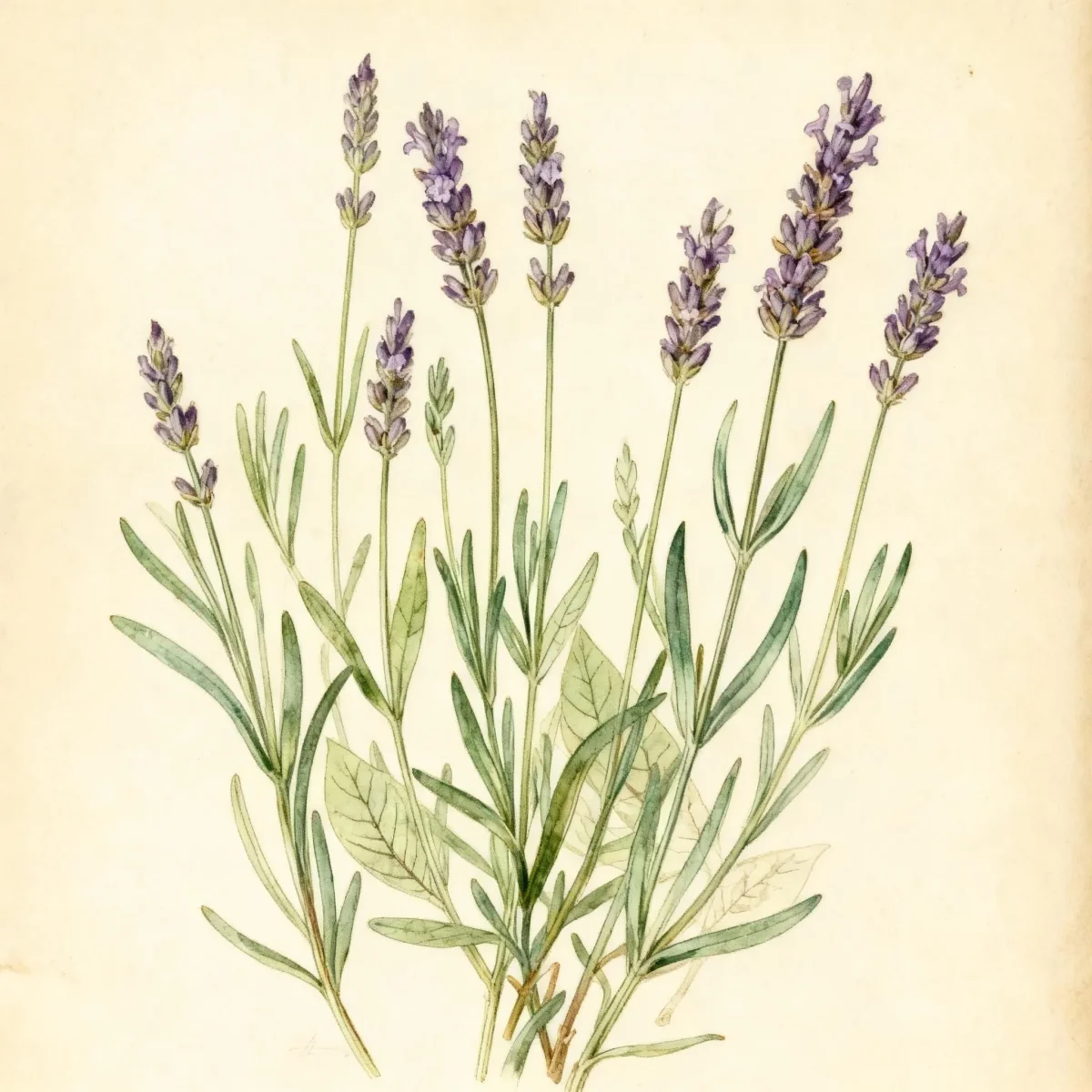
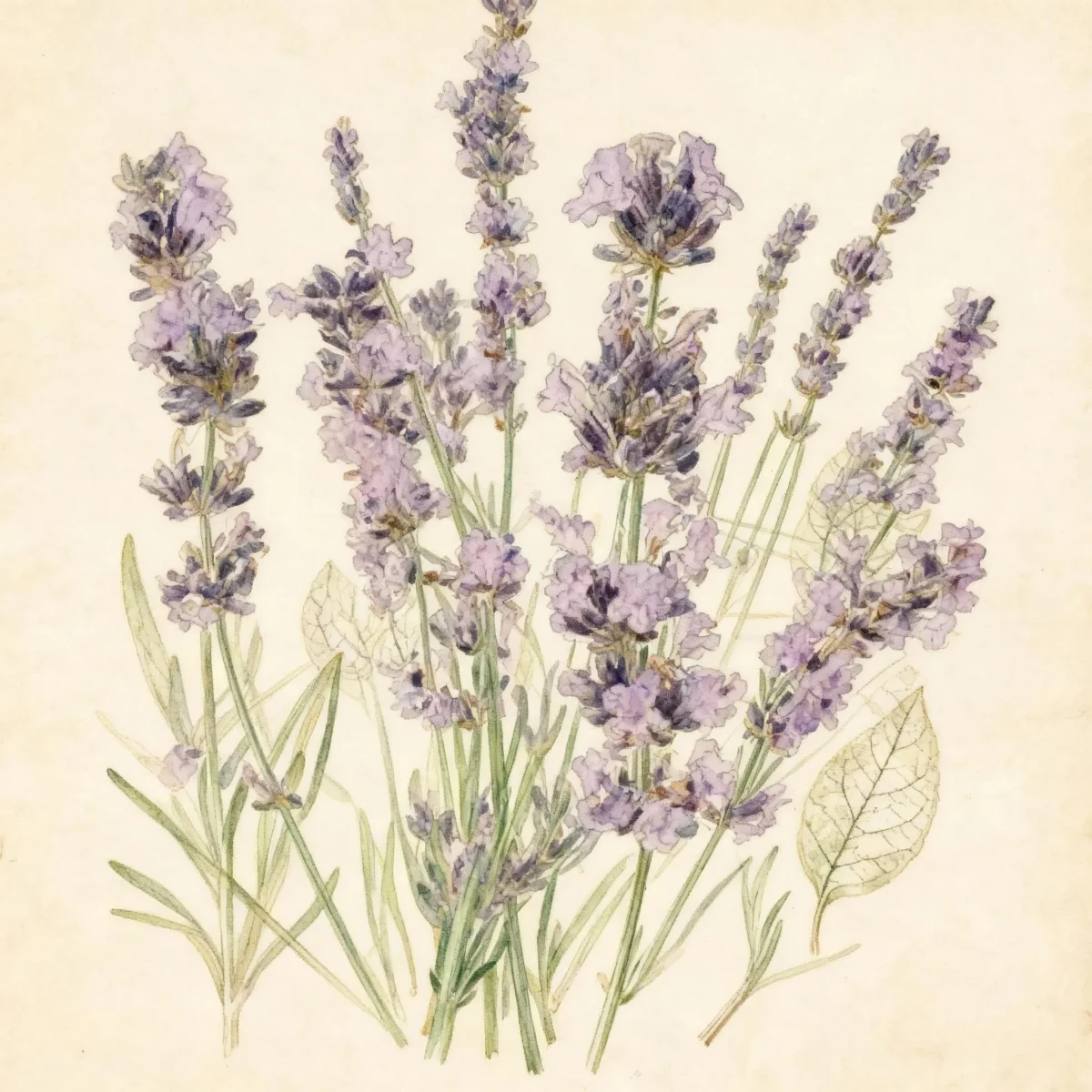
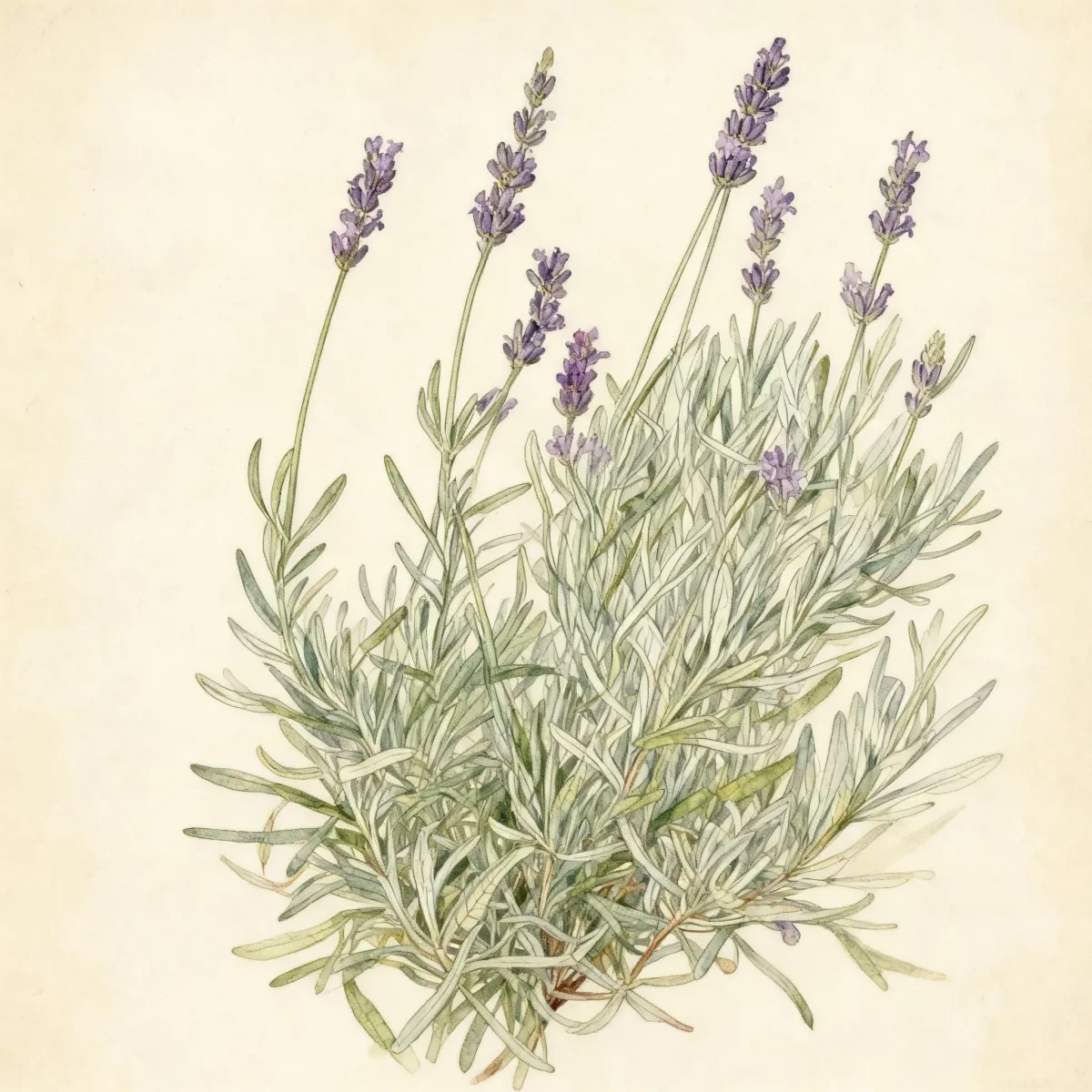
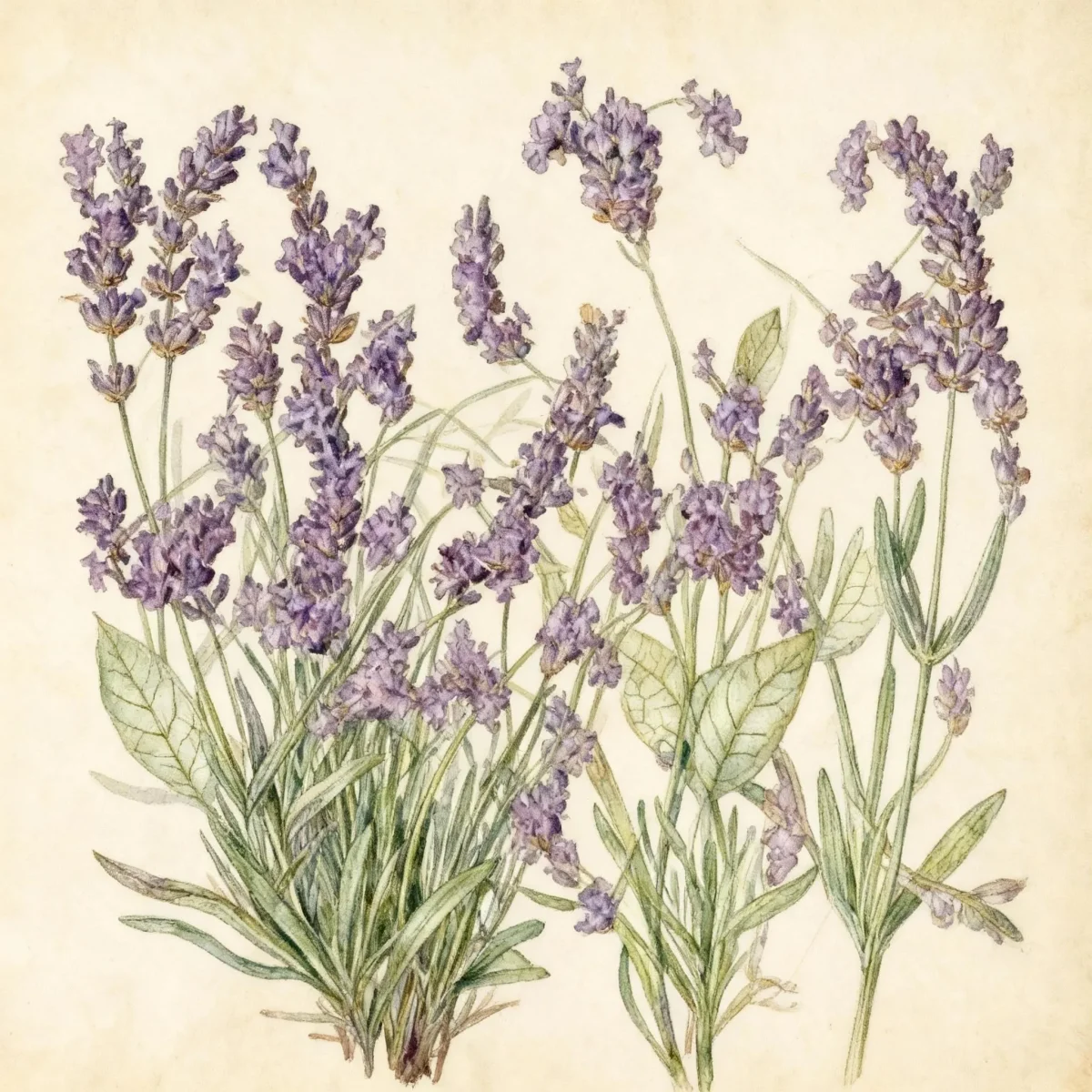
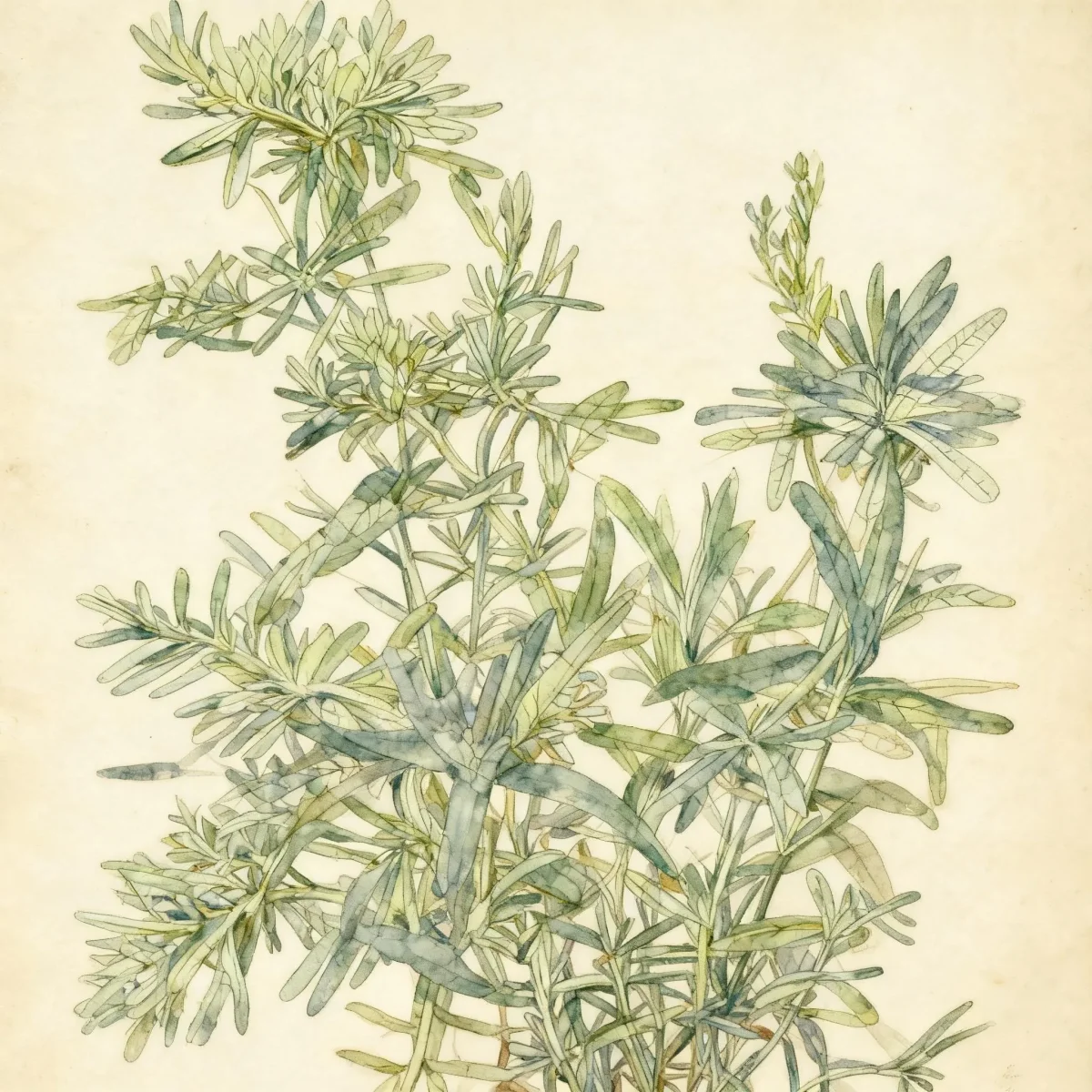
English lavender (Lavandula angustifolia 'Lavang 21' VIOLET INTRIGUE)
Discover Lavandula angustifolia 'Lavang 21' VIOLET INTRIGUE, an English lavender known for its showy, fragrant purple spikes, thriving in full sun.
Scroll down to discover growing tips, care requirements, companion plants, and more
Complete Plant Information
Overview
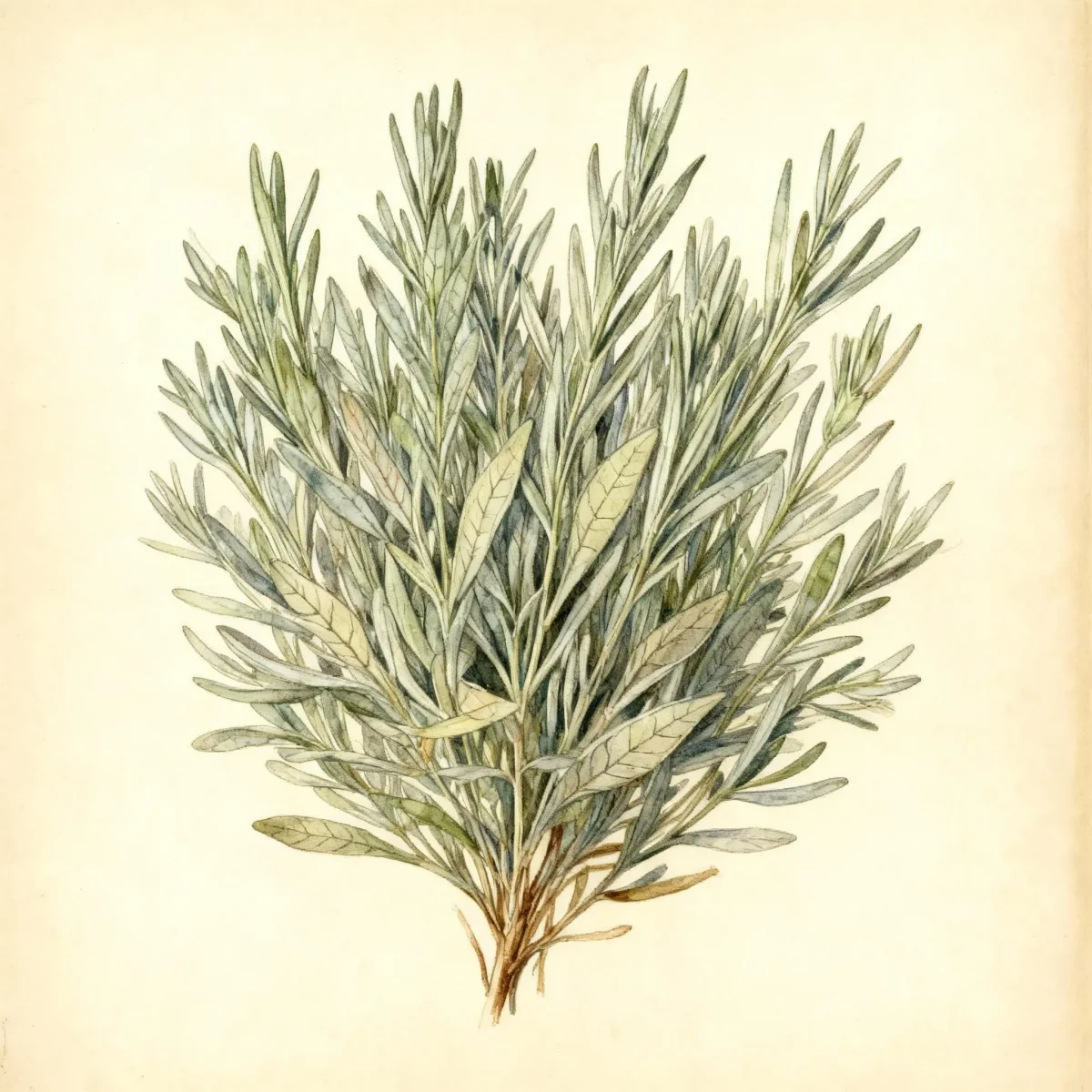
Lavandula angustifolia ‘Lavang 21’ VIOLET INTRIGUE, widely known as English lavender, is a celebrated, true lavender cultivar prized for its intense aroma and striking summer color. This semi-woody perennial offers narrow, aromatic, gray-green foliage topped by upright spikes of violet flowers from June through August. Cultivars like Lavandula angustifolia ‘Lavang 21’ VIOLET INTRIGUE are staples in herb gardens and appreciated for their oil potential, culinary uses, and aesthetic appeal. Gardeners rely on English lavender for its high fragrance and ability to provide structure and contrast in sunny perennial beds.
Fast Facts
- Plant Family: Lamiaceae
- Plant Type: Herbaceous perennial
- Hardiness Zones: USDA Zones 5-8
- Size at Maturity:
- Height: 2-2.5 ft
- Spread: 2-2.5 ft
- Bloom Time: June to August
- Bloom Description: Purple
- Sun Exposure: Full sun
- Water Needs: Dry to medium
- Maintenance Level: Medium
How to Grow
Establish Lavandula angustifolia ‘Lavang 21’ VIOLET INTRIGUE in average, well-drained soil amended to be alkaline. Full sun exposure is mandatory for successful flowering and robust health. Proper drainage is critical, especially during winter months, as poorly drained soils invite root rot, a common adversary for this plant. Prefers light, sandy soil with somewhat low fertility; avoid heavily rich garden mediums.
Water sparingly once established, allowing the soil to dry out between waterings; aiming for dry to medium moisture levels is ideal. Remove faded flowers promptly to encourage repeat blooming throughout the season. Major shaping, especially cutting back to about 8 inches, should occur in the spring just after new leaf growth appears. Every three years, a more severe pruning promotes vigorous new growth and manages overall plant size.
Gardeners in high humidity areas, such as the St. Louis region, should take extra precautions. Avoid organic mulches that trap moisture near the crown, opting instead for rock mulch to improve air circulation around the base of the English lavender. While this cultivar offers slightly better winter hardiness than some lavandins, sheltered locations increase its odds of surviving harsh winters.
Landscape Uses
This versatile perennial adds significant texture and scent when integrated into various landscape designs. Use Lavandula angustifolia ‘Lavang 21’ VIOLET INTRIGUE as a striking, low hedge bordering a walkway where its fragrance can be enjoyed with every passing step. Its semi-woody structure and silvery foliage offer excellent contrast at the front of a mixed perennial border or within a dedicated rock garden. When massed together, the effect of rows of purple spikes is particularly arresting. Fragrant flowers are easily dried for use in sachets, potpourri, or culinary applications, extending the garden’s enjoyment indoors.
Standout Features
Flower Qualities
- Showy
- Fragrant
Noteworthy Characteristics
Lavandula angustifolia, commonly called English lavender, has been a mainstay of herb gardens for many years. Despite its common name, it is not in fact native to England, but comes primarily from the Mediterranean region. This “true lavender” is commercially planted for harvesting its oils for use in perfumes. ‘Lavang 21’, marketed as VIOLET INTRIGUE, is noted for its large bushy habit, violet corollas, and particularly long, upright flower spikes, typically reaching about 28 inches tall. The narrow, gray-green leaves on square stems are highly aromatic, making the foliage as valuable as the bloom.
Tolerances
- Rabbit
- Deer
- Drought
- Dry Soil
- Shallow-Rocky Soil
- Air Pollution
Potential Problems
This plant is susceptible to fungal issues, namely leaf spot and root rot. Root rot is almost always caused by inadequate soil drainage, especially during wet winters, leading to plant death if standing water is present. To prevent root rot, ensure your soil profile is light and loamy, and avoid overwatering. Plants may also face winter dieback or death if temperatures plunge below zero degrees Fahrenheit without protective snow cover, underscoring the need for well-drained sites in colder parts of its hardiness range.
Frequently Asked Questions
What hardiness zones is English lavender suitable for?
USDA Zones 5 through 8 are generally suitable for growing Lavandula angustifolia ‘Lavang 21’ VIOLET INTRIGUE successfully.
How large does Lavandula angustifolia ‘Lavang 21’ VIOLET INTRIGUE grow?
This cultivar typically reaches a mature height and spread between 2 and 2.5 feet.
What sun exposure does English lavender need?
This plant requires full sun exposure to develop its best fragrance and maintain its compact, bushy habit.
When does English lavender bloom?
The purple flowers of Lavandula angustifolia ‘Lavang 21’ VIOLET INTRIGUE appear throughout the peak summer blooming period, usually from June to August.
Conclusion
Lavandula angustifolia ‘Lavang 21’ VIOLET INTRIGUE offers exceptional aromatic value, robust growth, and attractive purple flowers essential for sunny, well-drained spots in the landscape. Incorporating this English lavender into your garden provides mid-summer color contrast and traditional fragrance, but success hinges on prioritizing sharp drainage. Always confirm your local hardiness zone and amend your soil appropriately before planting this treasured aromatic perennial.
Companion Planting Strategies
When planning the perennial border front, consider companion plants that share the same cultural requirements: full sun and dry to medium water needs. Excellent partners include drought-tolerant Mediterranean herbs like Thyme (Thymus species) or savory. For color contrast against the silvery foliage and near the perennial border front, planting coneflowers (Echinacea) or ornamental grasses that enjoy hot, dry conditions works well. Avoid moisture-loving plants, as sharing water resources with thirsty companions will compromise the deep-rooting, dry-tolerant nature of English lavender.
Seasonal Care Calendar
Spring is the pivotal time for shaping Lavandula angustifolia ‘Lavang 21’ VIOLET INTRIGUE. Wait until you see new leaf buds emerge, then prune selectively to maintain form or hard-prune by cutting back to about 8 inches every third year to rejuvenate older stems. In summer, deadhead spent flowers weekly to maximize bloom duration through August. In autumn, focus on ensuring the site remains dry; delay any heavy watering, especially as temperatures drop, to prepare the plant for winter dormancy and protect the root crown.