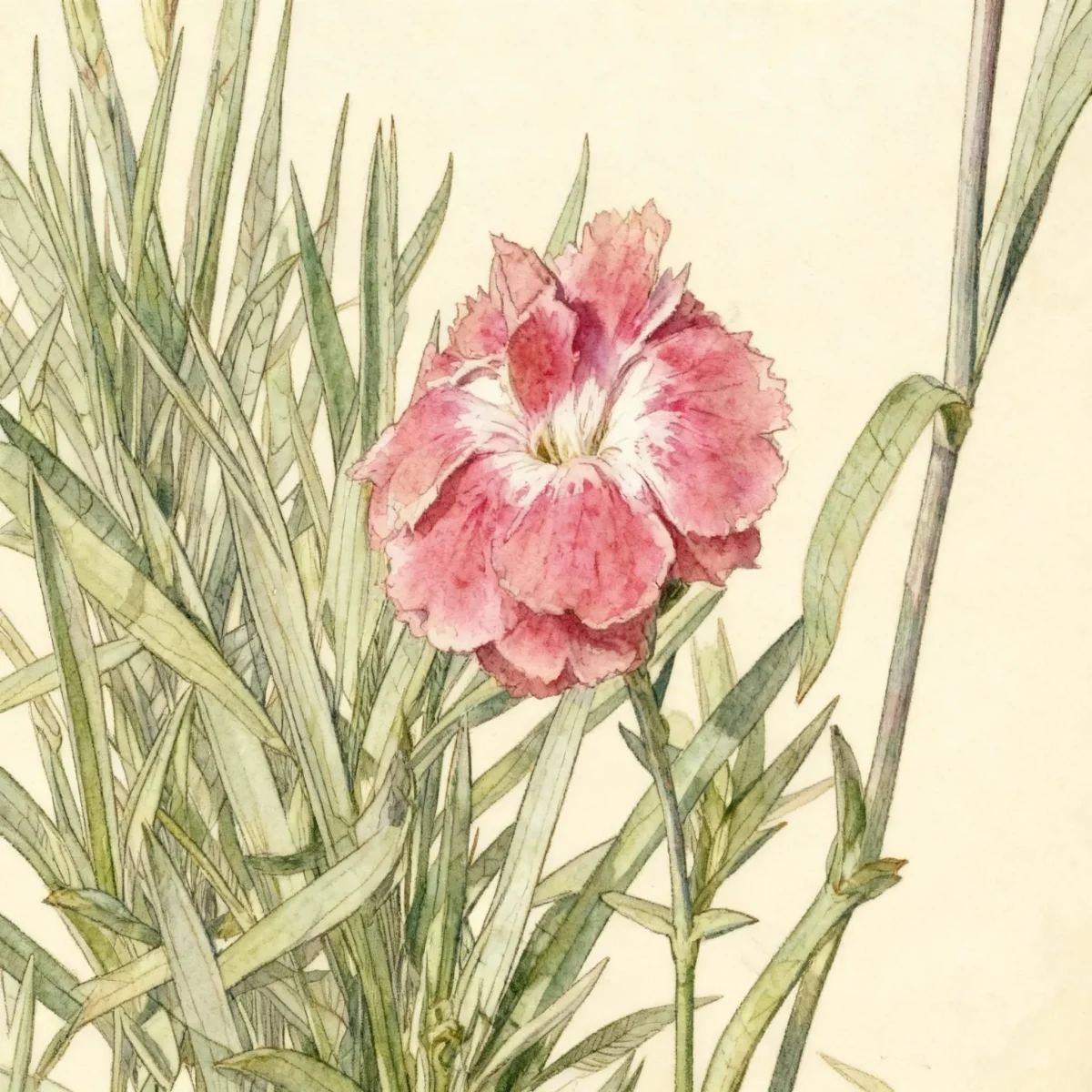
Pink (Dianthus 'Pomegranate Kiss')
Fragrant, low-maintenance Dianthus 'Pomegranate Kiss' Pink offers deep velvety red, double blooms. Hardy in Zones 4-8.
Scroll down to discover growing tips, care requirements, companion plants, and more
Complete Plant Information
Overview
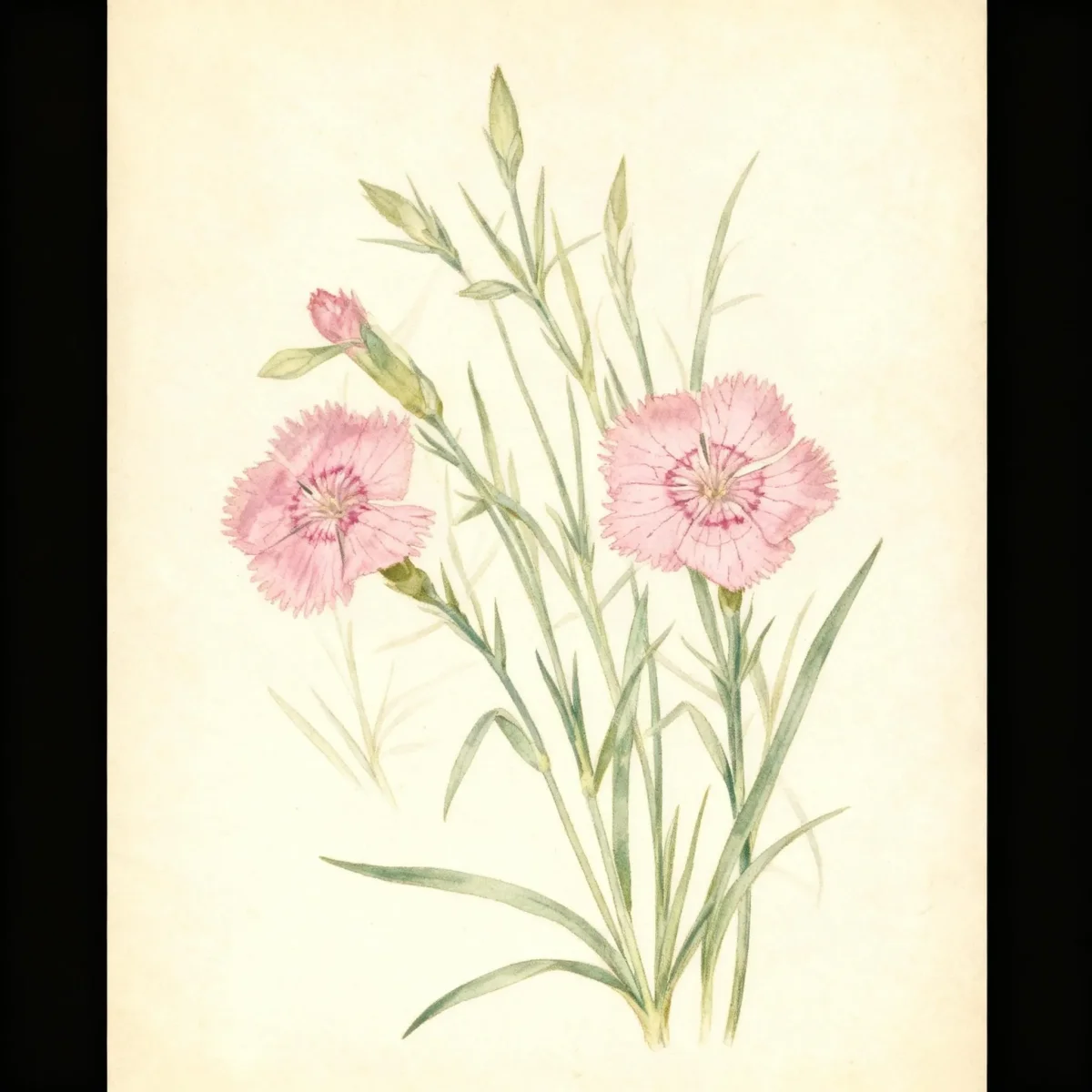
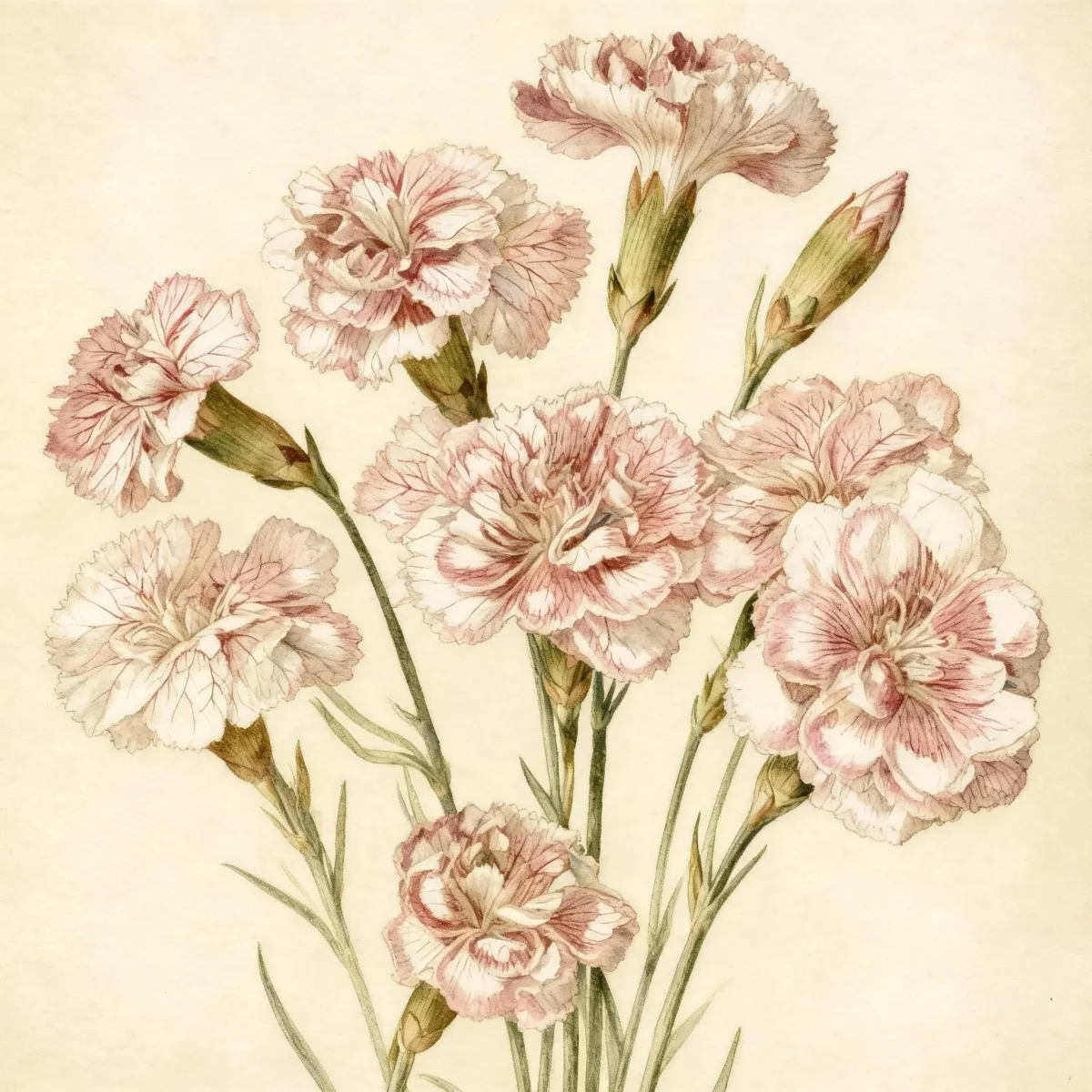
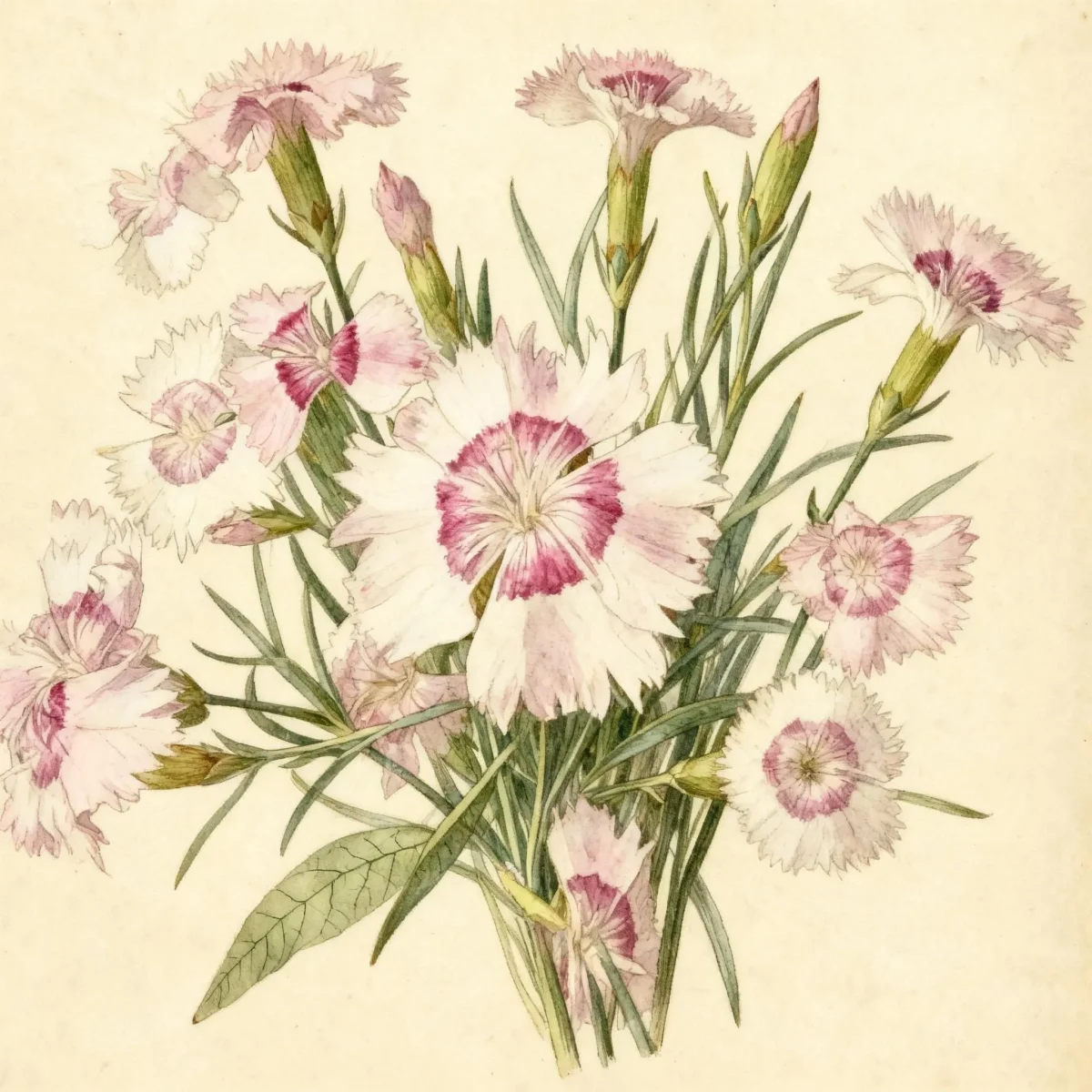
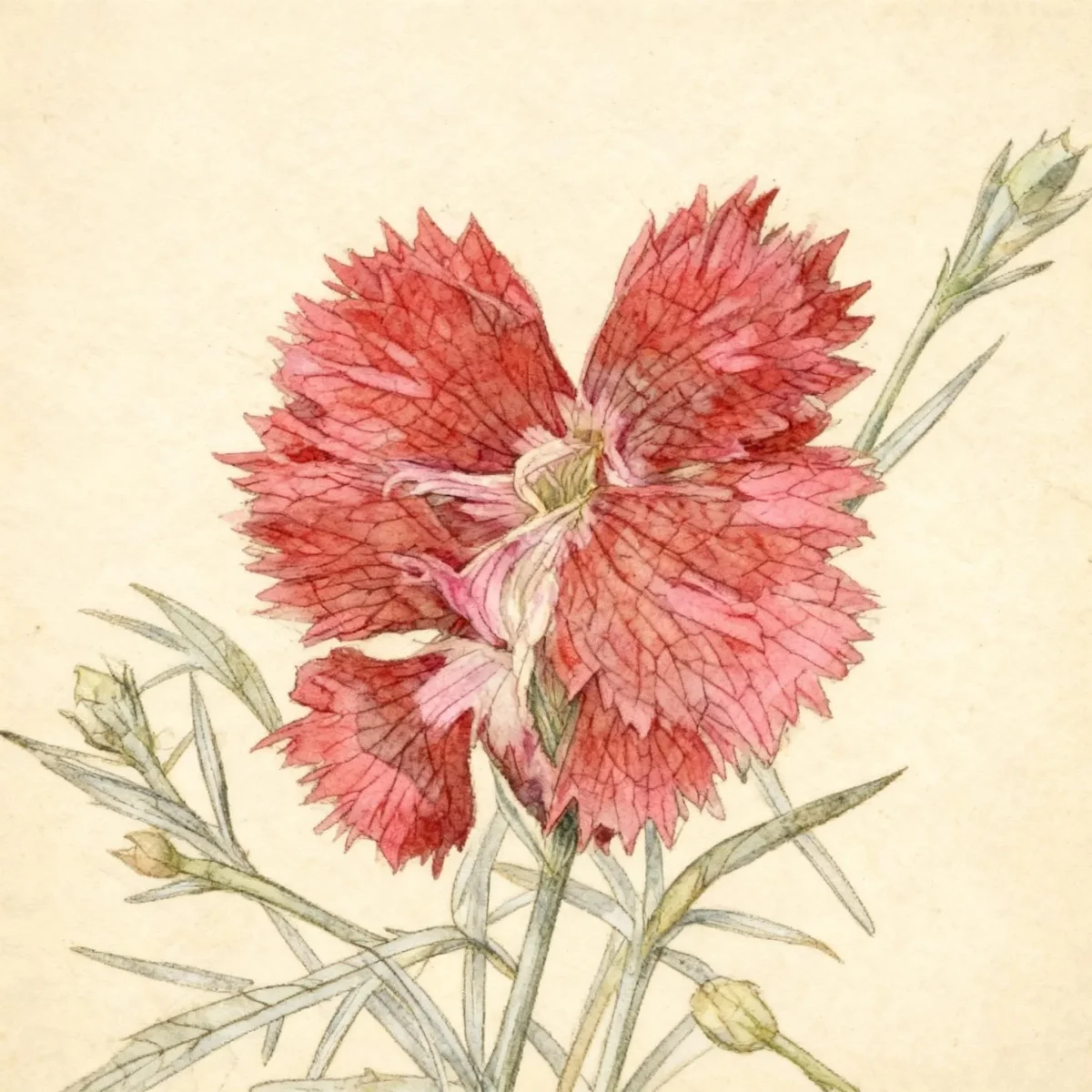
Dianthus ‘Pomegranate Kiss’ is a superb herbaceous perennial valued for its compact habit and extraordinarily colorful, fragrant blooms. This variety of Pink provides gardeners with dense mounds of blue-green foliage topped by double flowers in a rich, deep velvety red hue splashed with pink. Excellent for adding low-growing texture and fragrance near seating areas, Dianthus ‘Pomegranate Kiss’ is a reliable performer in garden beds.
This perennial dianthus thrives when given full sun, though it appreciates cooler summer temperatures common in its preferred growing range. Cultivation is generally straightforward, making it a low-maintenance addition to the landscape. Its strong performance and extended bloom period solidify its place as a modern favorite among Dianthus hybrids.
The aesthetic appeal of Dianthus ‘Pomegranate Kiss’ lies in its neat, low profile and the startling double flowers, which provide color from late spring through early summer, often offering sporadic reblooms into the fall. Growing this Pink ensures you benefit from its classic, spicy scent and vibrant color near walkways or borders.
Fast Facts
- Plant Family: Caryophyllaceae
- Plant Type: Herbaceous perennial
- Hardiness Zones: USDA Zones 4-8
- Size at Maturity:
- Height: 0.5-0.75 ft
- Spread: 0.5-0.75 ft
- Bloom Time: May to June
- Bloom Description: Deep red with pink splashing (double)
- Sun Exposure: Full sun
- Water Needs: Medium
- Maintenance Level: Low
How to Grow
Dianthus ‘Pomegranate Kiss’ is best established in spring or early fall, allowing time for the root system to develop before extreme weather hits. These plants demand good drainage, performing optimally in average, evenly moist, well-drained soils. For best results, amend heavy soils by incorporating leaf mold and other organic material, which aids moisture retention during hot spells while preventing waterlogging—a key concern for dianthus culture.
Position your Pink where it receives full sun throughout the day to maximize flower production. While they require consistent moisture, aim for medium watering; allow the top inch of soil to dry slightly between waterings, especially once established. Fertilizing is rarely necessary if the soil quality is organically rich and the soil pH is neutral to slightly alkaline.
Maintenance for Dianthus ‘Pomegranate Kiss’ is minimal. Deadheading spent flowers promptly encourages the plant to produce subsequent flushes of bloom. If the plant begins to look leggy or untidy after the main bloom period around early summer, shearing the plants back lightly will tidy the mound and promote an additional wave of flowering in late summer or early fall.
Landscape Uses
Dianthus ‘Pomegranate Kiss’ excels where a low-profile, colorful, and fragrant plant is needed. Due to its dense, mat-forming habit, it serves wonderfully as an edging plant bordering pathways or flower beds, providing a solid line of color. It is also highly recommended for rock gardens, where its preference for gritty, well-drained soil is easily met, offering visual contrast against stone elements.
Mass plantings of this Pink variety create an extremely attractive, low-growing ground cover effect that suppresses weeds while offering reliable seasonal interest. Furthermore, its intense fragrance makes it an indispensable component in dedicated fragrance gardens, placed strategically where passersby can easily appreciate the scent of its double blooms. Don’t overlook its suitability for containers, where its compact mounding form pairs well with taller specimens.
Standout Features
Flower Qualities
- Showy
- Fragrant
Noteworthy Characteristics
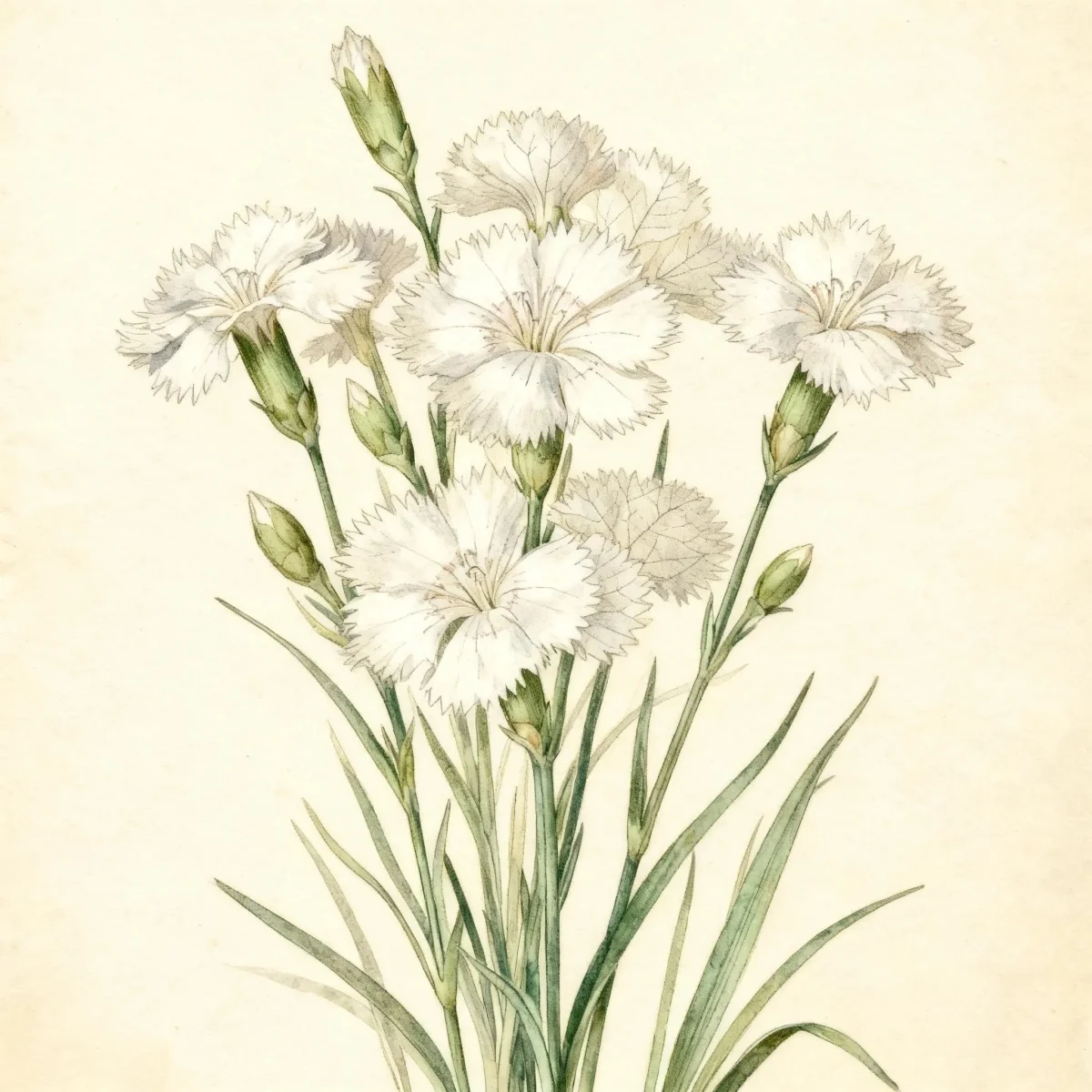
Perennial dianthus, commonly called carnations or pinks, are loosely-tufted, herbaceous perennials that features fragrant, often double flowers on stiff stems clad with narrow, linear, gray-green leaves. ‘Pomegranate Kiss’ is specifically noted for its compact growth, which only reaches about 6 inches tall and 8 inches wide, combined with abundant, fragrant double blooms that are deep velvety red with pink splashing. The species has undergone extensive hybridizing, resulting in cultivars like this, which retain classic appeal while offering robust garden performance.
Tolerances
- Deer
Potential Problems
While Dianthus ‘Pomegranate Kiss’ encounters fewer issues when grown outdoors compared to greenhouse production, gardeners should be vigilant against potential pathogens and pests. Susceptibility exists for common issues like botrytis, rust, and powdery mildew, especially in areas with high humidity or poor air circulation. Aphids, caterpillars, and scale are also occasional visitors.
To manage these problems proactively, ensure excellent site drainage is maintained, as waterlogged conditions exacerbate fungal diseases. Good air movement is crucial; avoid overcrowding plants. Inspect foliage regularly, particularly under the leaves, for early signs of pests like spider mites or aphids, managing small infestations with blasts of water or insecticidal soap.
Frequently Asked Questions
What hardiness zones is Pink (Dianthus ‘Pomegranate Kiss’) suitable for?
Dianthus ‘Pomegranate Kiss’ is suitable for USDA Zones 4 through 8.
How large does Pink (Dianthus ‘Pomegranate Kiss’) grow?
This variety typically reaches a height between 0.5 and 0.75 feet and spreads to match, making it a compact 6 to 8-inch mound.
What sun exposure does Dianthus ‘Pomegranate Kiss’ need?
This Pink variety requires full sun exposure to ensure the best flower set and overall plant vigor.
When does Pink (Dianthus ‘Pomegranate Kiss’) bloom?
The primary bloom time for Dianthus ‘Pomegranate Kiss’ is typically May to June, featuring deep red flowers with pink splashing.
Conclusion
Dianthus ‘Pomegranate Kiss’ offers exceptional garden value through its compact size, evergreen foliage, and deeply colored, fragrant flowers. This low-maintenance Pink variety is perfect for adding reliable late-spring interest to borders and rockeries. Before planting, confirm that your local environment falls within USDA Zones 4-8 and that you can provide full sun and well-drained soil for successful establishment of this beautiful dianthus.
Companion Planting
Selecting appropriate companions for Dianthus ‘Pomegranate Kiss’ revolves around matching moisture and sun requirements. Since this Pink prefers excellent drainage and dislikes overly wet feet, pair it with Mediterranean herbs like Lavender, Thyme, or Oregano, which share similar needs for gritty, lean soil and full sun exposure. These combinations create layered textures while maintaining similar cultural requirements for low excess moisture.
For contrasting texture near the border front, consider pairing the fine, linear foliage of the dianthus with the broader leaves of low-growing Sedums or creeping Phlox varieties. Avoid plants that aggressively spread or require heavy, moisture-retentive clay soils, as overly rich or wet conditions will reduce the longevity and flowering performance of your Dianthus ‘Pomegranate Kiss’.
Seasonal Care Calendar
Spring preparation involves cleaning up any dead foliage leftover from winter and applying a very light, balanced fertilizer only if the soil is poor, as Pink generally does not require heavy feeding. Focus on ensuring the area remains weed-free to maximize air circulation around the base of the plant. This is the best time to admire the emerging blue-green mats of Dianthus ‘Pomegranate Kiss’.
During the peak summer months, monitor water needs closely, providing medium moisture, especially during dry spells, as the plant prefers cool summers. The most crucial task is consistent deadheading of the spent blooms to encourage the sporadic but rewarding rebloom that lasts into the fall season.
In autumn, after the final bloom period has passed, consider a light shearing if the plant looks messy. This tidying step is optional but helps maintain the neat, mounding shape of the Pink throughout the winter months, especially in warmer climates where the foliage remains evergreen.