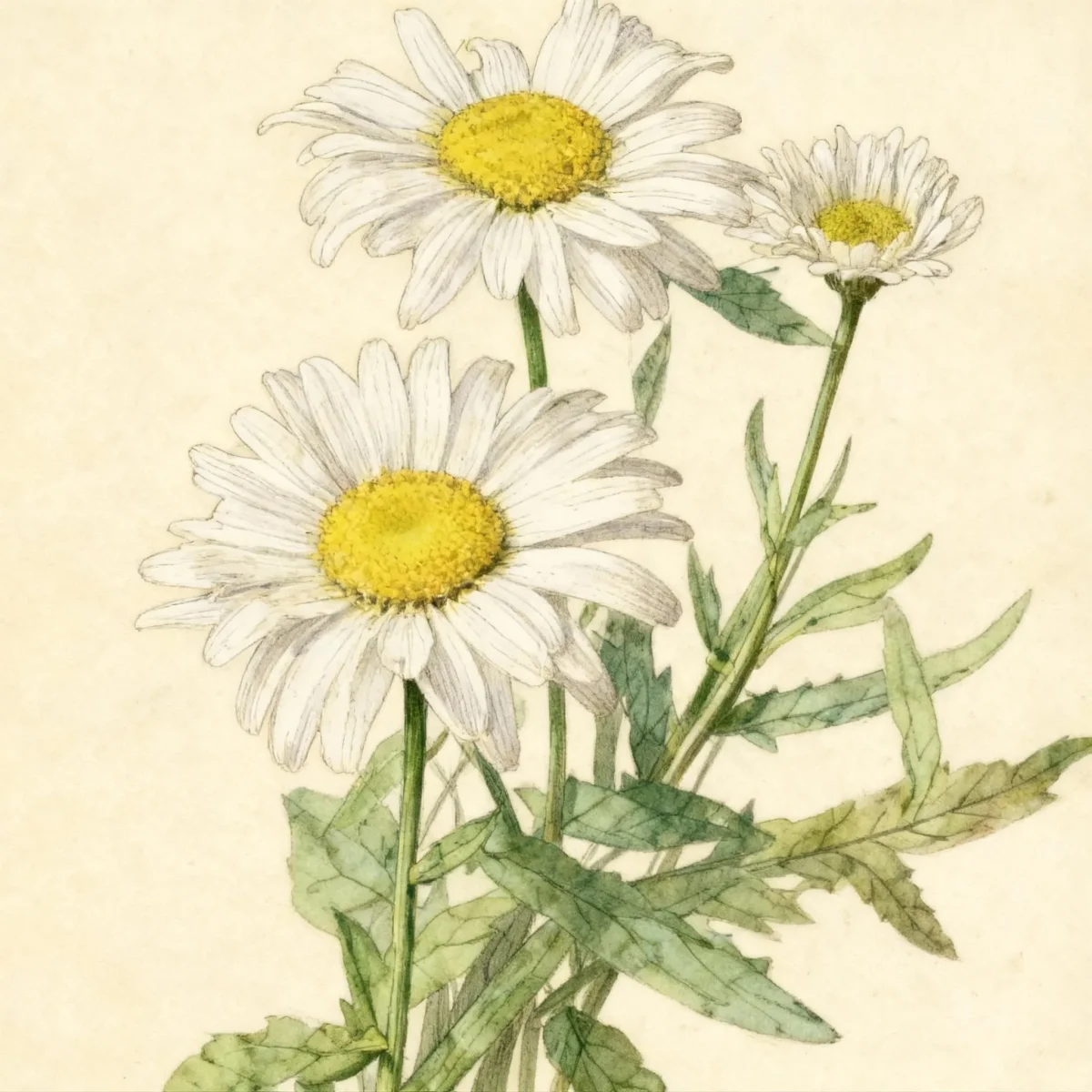
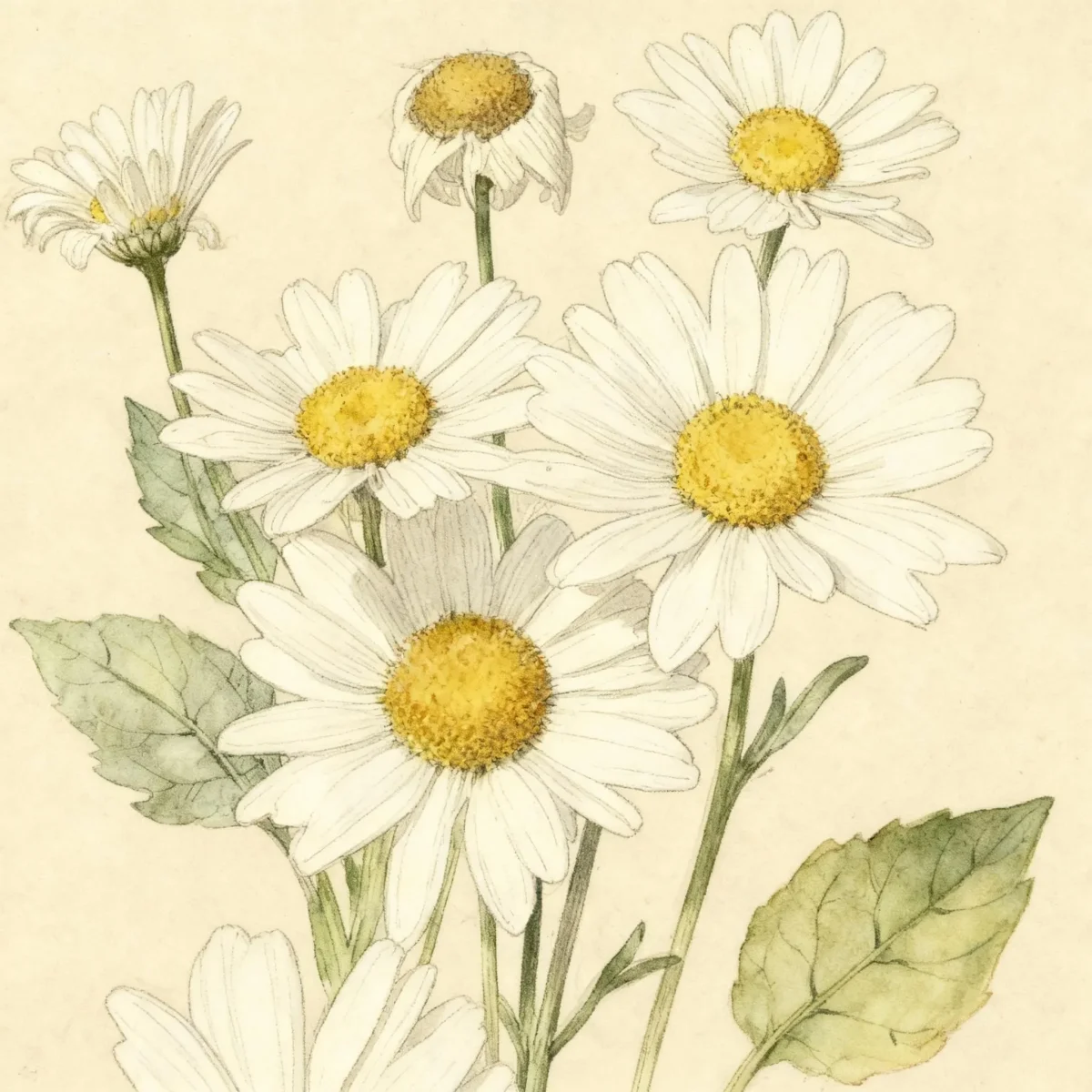
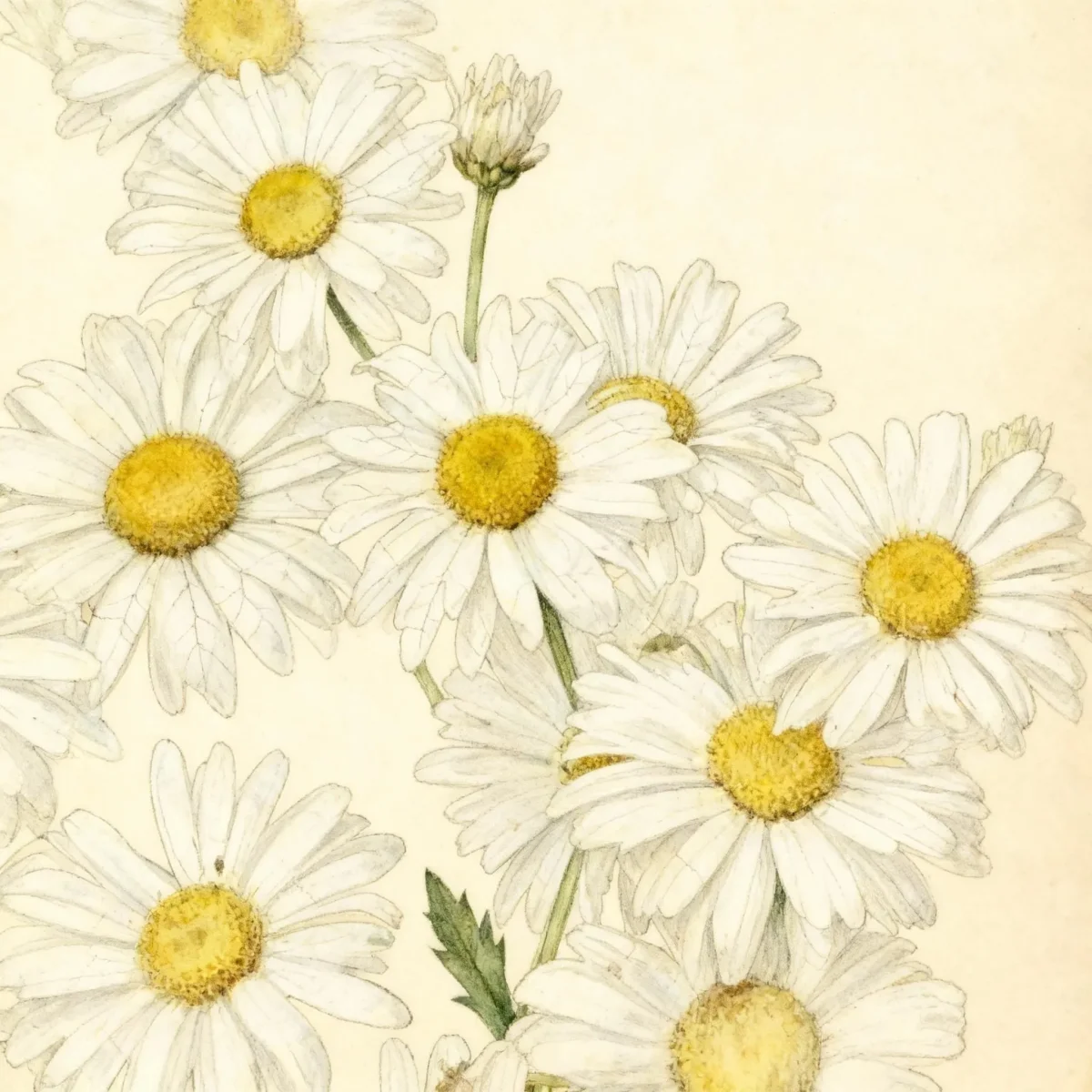
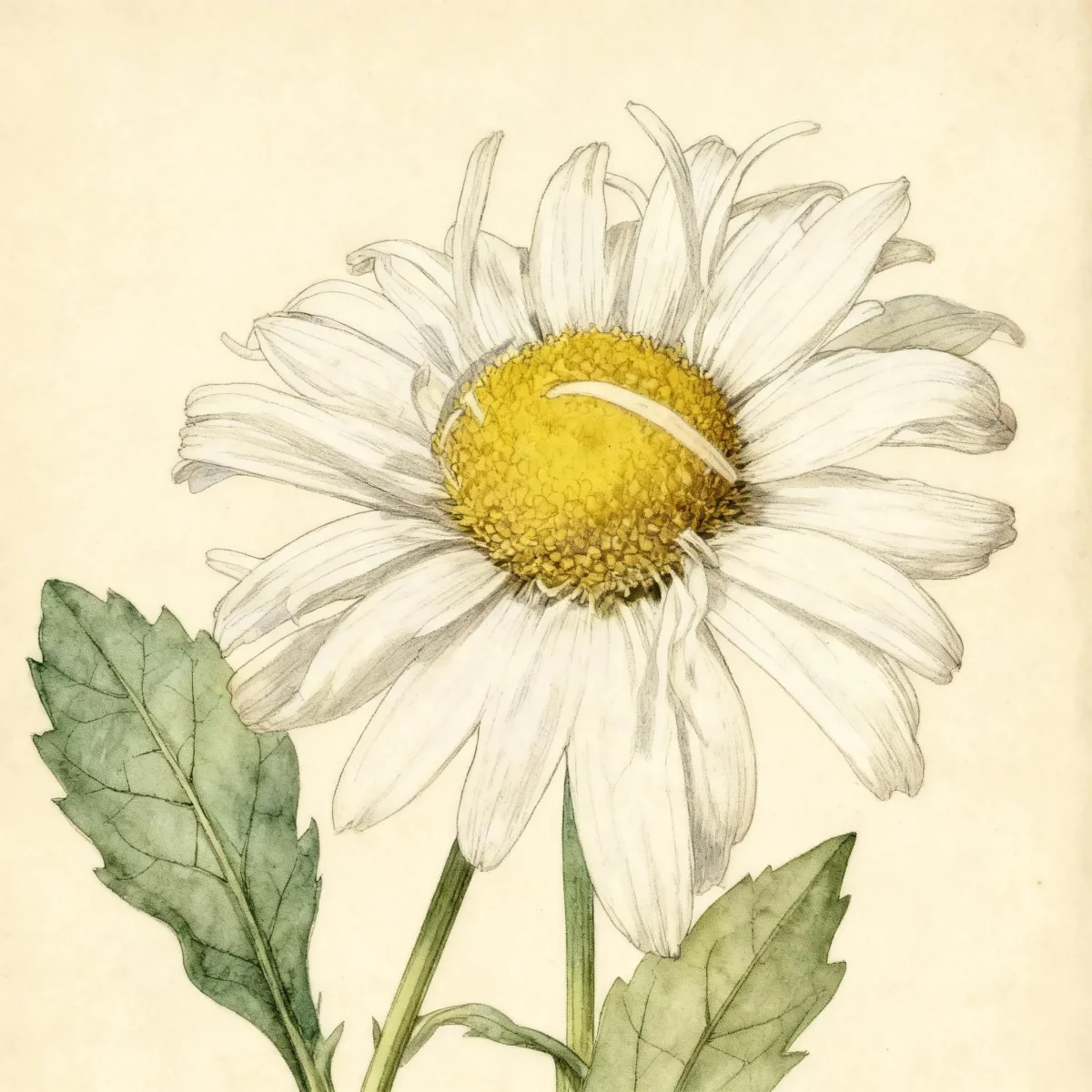
Shasta daisy (Leucanthemum × superbum BANANA CREAM)
Brighten borders with Leucanthemum × superbum BANANA CREAM, a compact Shasta daisy featuring semi-double lemon yellow blooms averaging 4” wide.
Scroll down to discover growing tips, care requirements, companion plants, and more
Complete Plant Information
Overview
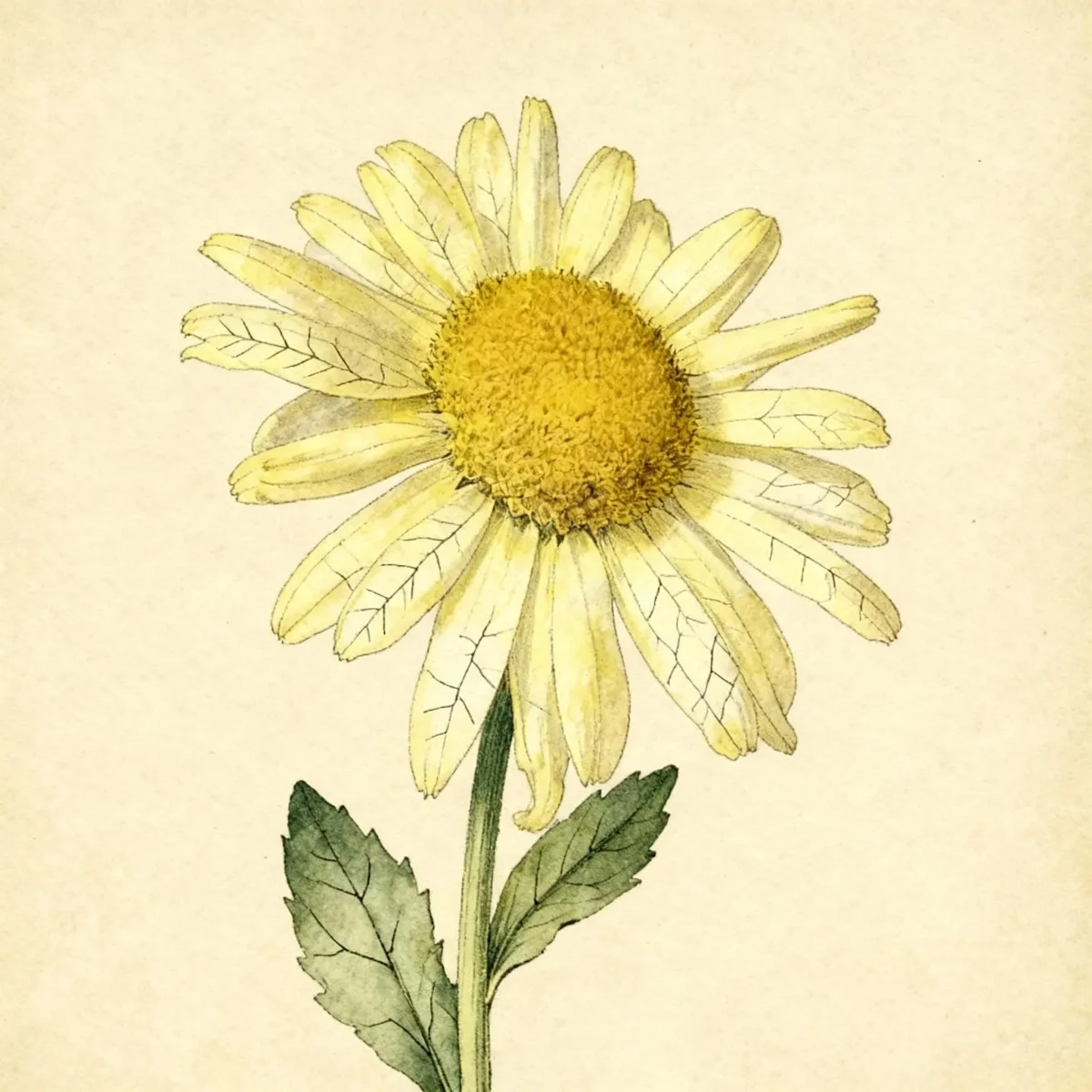
Leucanthemum × superbum BANANA CREAM provides spectacular, long-lasting summer color, making it a modern favorite derived from the classic Shasta daisy lineage. This cultivar offers semi-double flowers, distinctive for their bright lemon yellow rays surrounding a vibrant golden orange center, which slowly age to creamy white. Gardeners value this plant for its relatively compact size and low maintenance requirements once established in the proper location.
As a robust herbaceous perennial, Leucanthemum × superbum BANANA CREAM thrives in full sun and requires minimal fuss, though good drainage is paramount to its survival. It reliably blooms from June through August, offering continuous cheerful color perfect for softening the edges of borders or filling containers. Its aesthetic appeal and ease of care confirm its place as a staple in cottage and mixed perennial gardens.
Fast Facts
- Plant Family: Asteraceae
- Plant Type: Herbaceous perennial
- Hardiness Zones: USDA Zones 5-9
- Size at Maturity:
- Height: 1-1.5 ft
- Spread: 1.5-2 ft
- Bloom Time: June to August
- Bloom Description: Lemon yellow rays with golden orange center
- Sun Exposure: Full sun
- Water Needs: Dry to medium
- Maintenance Level: Low
How to Grow
Plant Leucanthemum × superbum BANANA CREAM in spring or early fall, ensuring it settles into average soil that is well-drained. Excellent drainage is critical; wet winter soils can quickly cause the plant’s demise. While it prefers full sun, this Shasta daisy tolerates some light shade, especially beneficial in scorching summer climates or when grown in already dry soils.
Water needs are generally dry to medium. Once established, the plants are quite drought tolerant, relying on adequate moisture during peak blooming periods. Avoid fertilizing heavily, as this can encourage weak, floppy growth that necessitates staking. Keep the plant tidy by habitually removing spent flower heads (deadheading) to encourage a steady succession of new blooms throughout the summer season.
This perennial is known for being somewhat short-lived compared to other border mainstays. To maximize its lifespan and vigor, divide clumps every two to three years during the early spring or fall. An optional maintenance step is cutting the stems back to the basal foliage after the primary flush of flowering concludes, which can redirect energy back into the roots for improved next-season performance.
Landscape Uses
Shasta daisies, including the highly desirable Leucanthemum × superbum BANANA CREAM, are indispensable for creating continuous summer impact in garden designs. Their bright, long-lasting flowers make them mainstays of the traditional perennial border, providing necessary vertical accents against lower-growing foliage plants. The compact size of the ‘Banana Cream’ cultivar makes it particularly well-suited for the front of the border where taller varieties might overwhelm smaller neighbors.
These reliable bloomers integrate seamlessly into cottage garden designs, pairing beautifully with salvias, coreopsis, and ornamental grasses. They are also excellent choices for cutting gardens due to their excellent vase life, ensuring you bring that cheerful color indoors as well. Because Leucanthemum × superbum BANANA CREAM is drought tolerant once established, it performs admirably in dry rock gardens or as an accent point in containers during the hottest months.
Standout Features
Flower Qualities
- Showy
- Good Cut
Noteworthy Characteristics
Leucanthemum × superbum, commonly called Shasta daisy, is a classic hybrid developed by Luther Burbank from crosses involving several wild daisy species near Mt. Shasta. The cultivar ‘Banana Cream’ is compact, reaching 15-18” tall, and features semi-double, 4-inch diameter flowers whose bright lemon yellow rays mature to creamy white. These daisies bloom profusely from late spring well into summer atop coarse-toothed, medium-green foliage.
Tolerances
- Rabbit
- Deer
- Drought
- Dry Soil
Potential Problems
Leucanthemums generally possess some susceptibility to fungal issues, notably verticillium wilt, various leaf spots, and stem rots, making good air circulation and drainage vital for prevention. To manage potential issues, ensure plants are not overcrowded and avoid overhead watering late in the day, which keeps foliage damp. Occasionally, pests like aphids, spider mites, or leaf miners may appear. A strong jet of water or insecticidal soap can manage minor infestations on your Shasta daisy plants before they become established problems.
Frequently Asked Questions
What hardiness zones is Leucanthemum × superbum BANANA CREAM suitable for?
This reliable perennial is best grown in USDA Hardiness Zones 5 through 9.
How large does Shasta daisy grow?
Leucanthemum × superbum BANANA CREAM typically reaches a mature height between 1 and 1.5 feet tall, spreading out to 1.5 to 2 feet wide.
When does Leucanthemum × superbum BANANA CREAM bloom?
This cultivar provides prolific blooms generally anytime from June through August, featuring distinctive lemon yellow rays with golden orange centers.
What sun exposure does Shasta daisy need?
For optimal flowering and sturdy, low-maintenance growth, ensure your Leucanthemum × superbum BANANA CREAM receives full sun exposure daily.
Conclusion
The Leucanthemum × superbum BANANA CREAM is an outstanding choice for gardeners seeking brilliant, long-season texture without excessive demanding care. Its compact size and stunning semi-double yellow blooms establish the Shasta daisy as a crucial element in modern perennial borders. Check your local USDA hardiness zone compatibility and prepare well-drained soil before planting this season to guarantee superb summer performance.
Companion Planting
Selecting appropriate companions enhances the display and health of your Leucanthemum × superbum BANANA CREAM. Since Shasta daisies prefer sharp drainage and full sun, pair them with other sun-loving, drought-tolerant perennials that share similar cultural requirements. Excellent companions include Russian Sage (Perovskia), Coneflowers (Echinacea), and various ornamental grasses, which provide contrasting textures and softer colors next to the bold daisy faces.
Avoid planting this variety too closely to moisture-loving plants, as this can encourage fungal problems in the soil around the base of the daisy. Grouping Leucanthemum × superbum BANANA CREAM with plants that enjoy lean soil conditions will help regulate moisture levels, ensuring the environment remains conducive to its longevity and vigor.
Propagation Tips
While Leucanthemum × superbum BANANA CREAM plants are somewhat short-lived, they are easily multiplied through simple division. Divide the clumps every 2-3 years, ideally in early spring just as new growth emerges, or in the fall after flowering ceases. Dig up the entire clump and gently separate the rooted sections, ensuring each new division has several healthy growth buds attached. Replant the sections immediately into the improved, well-drained soil locations at the same depth they were growing previously to refresh and revitalize your stock.