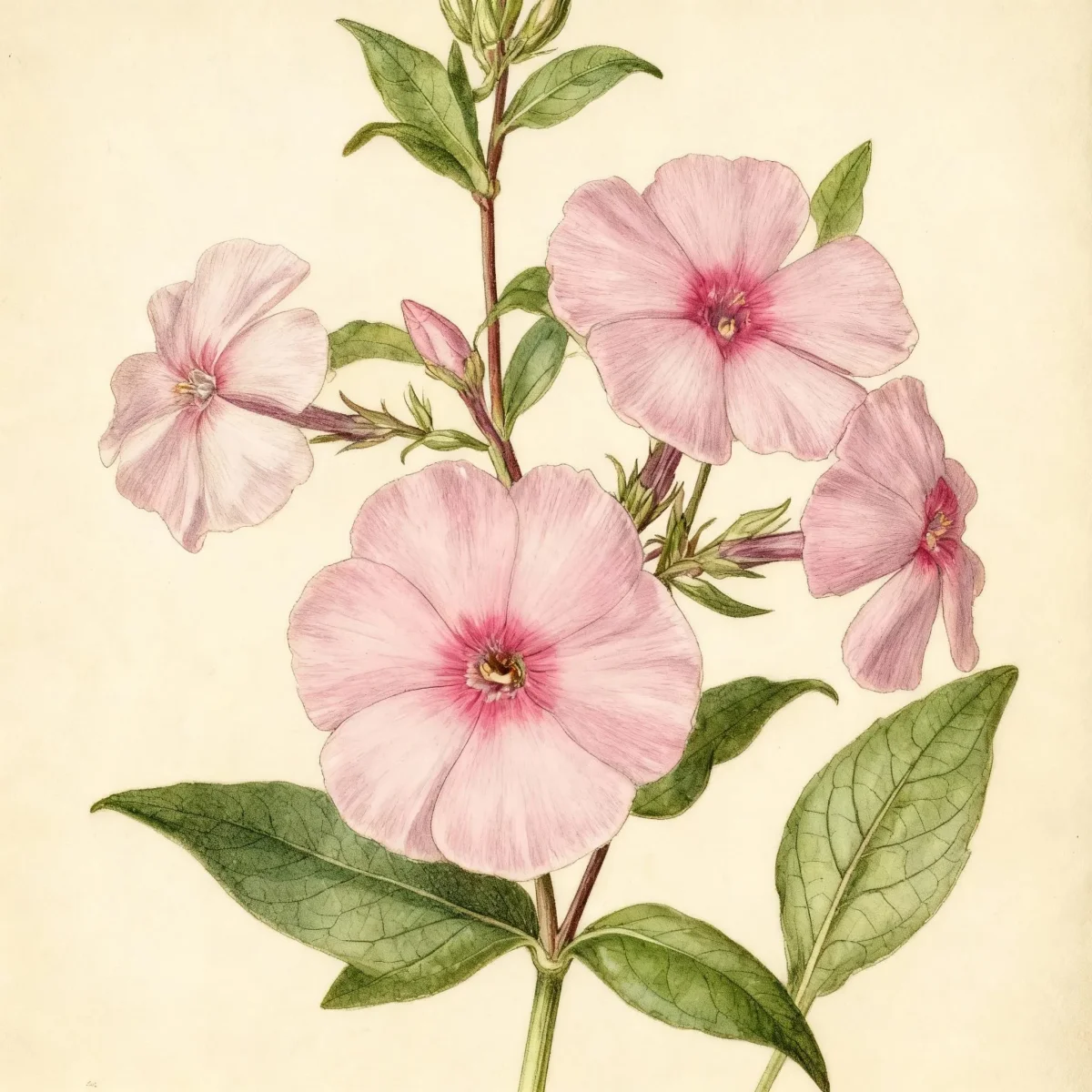
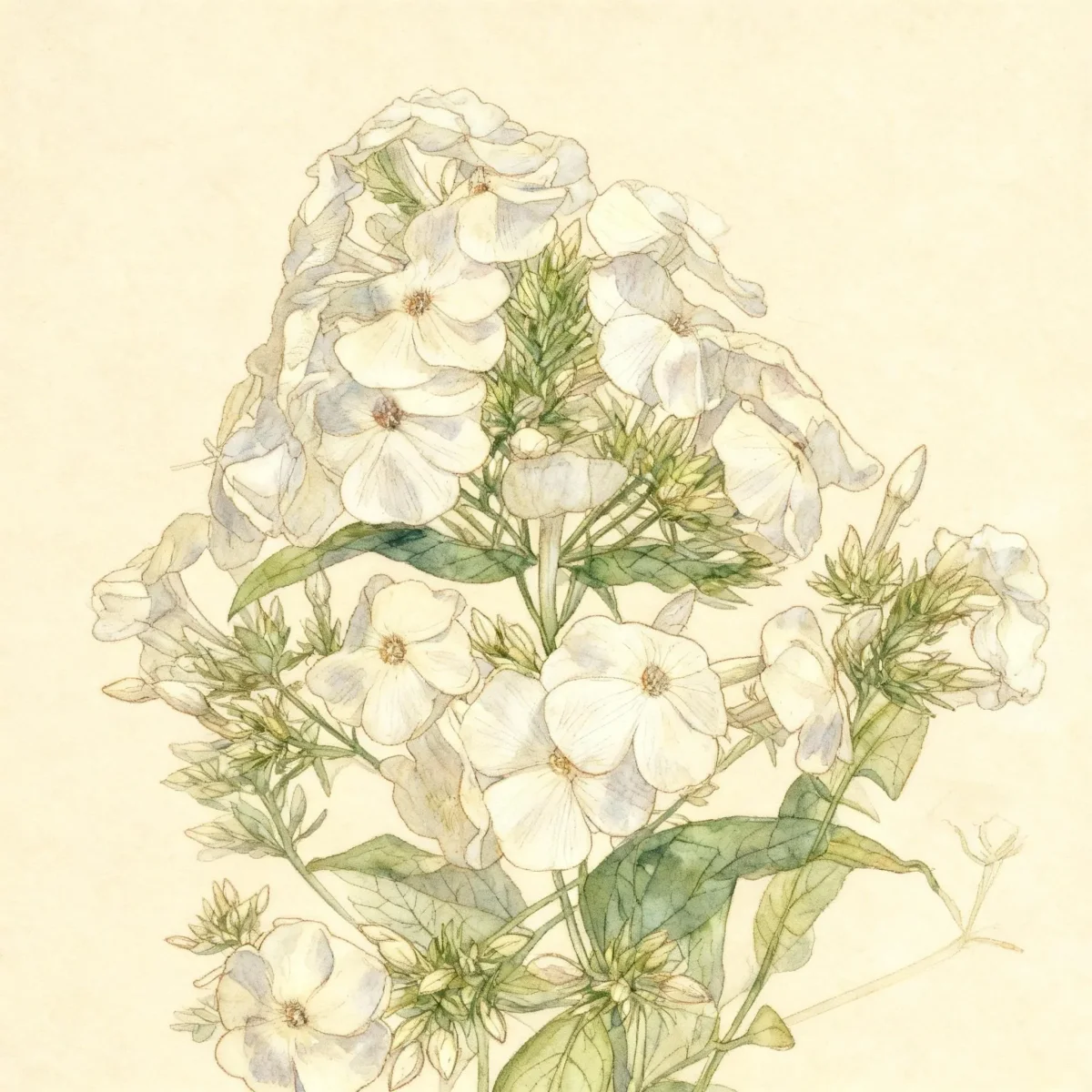
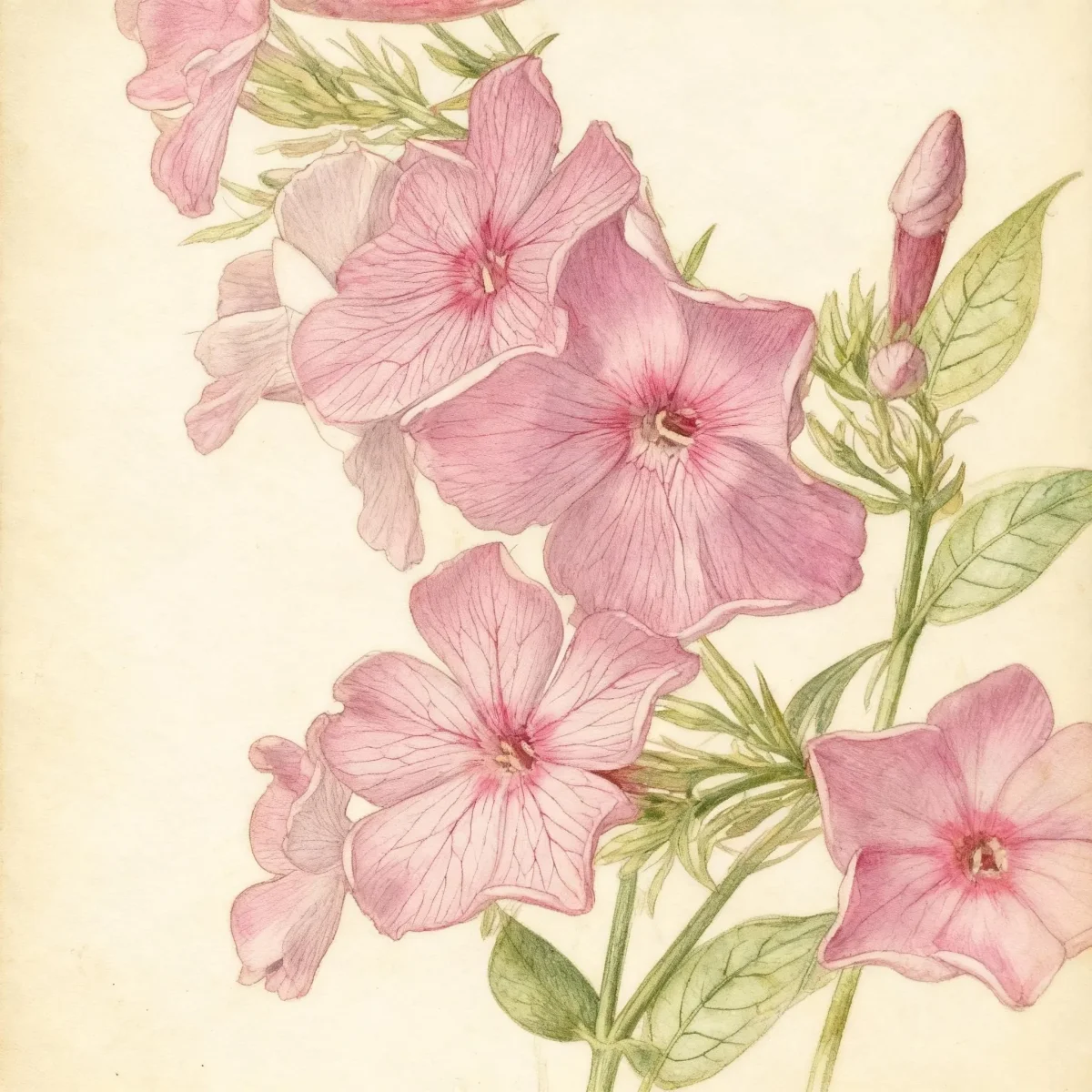
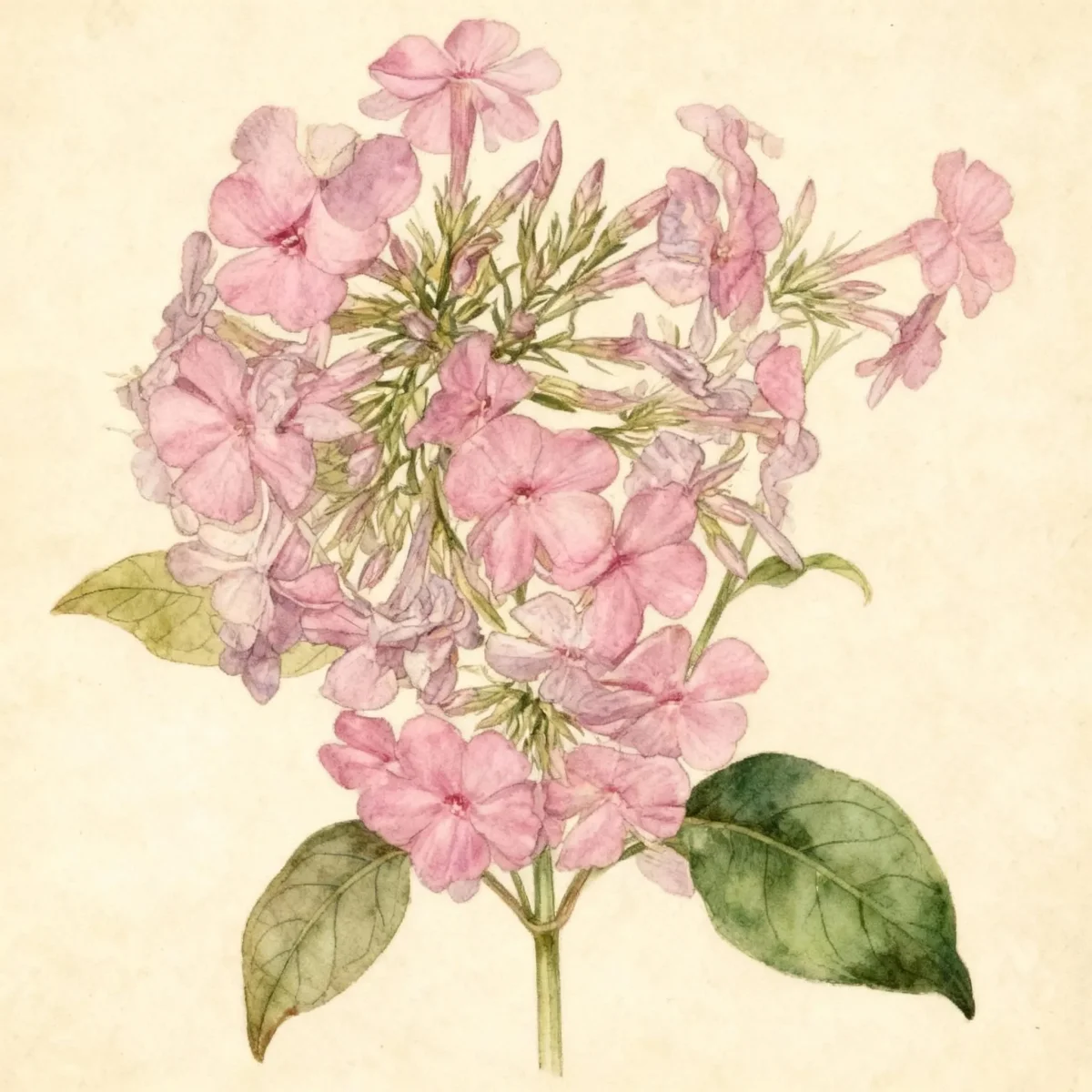
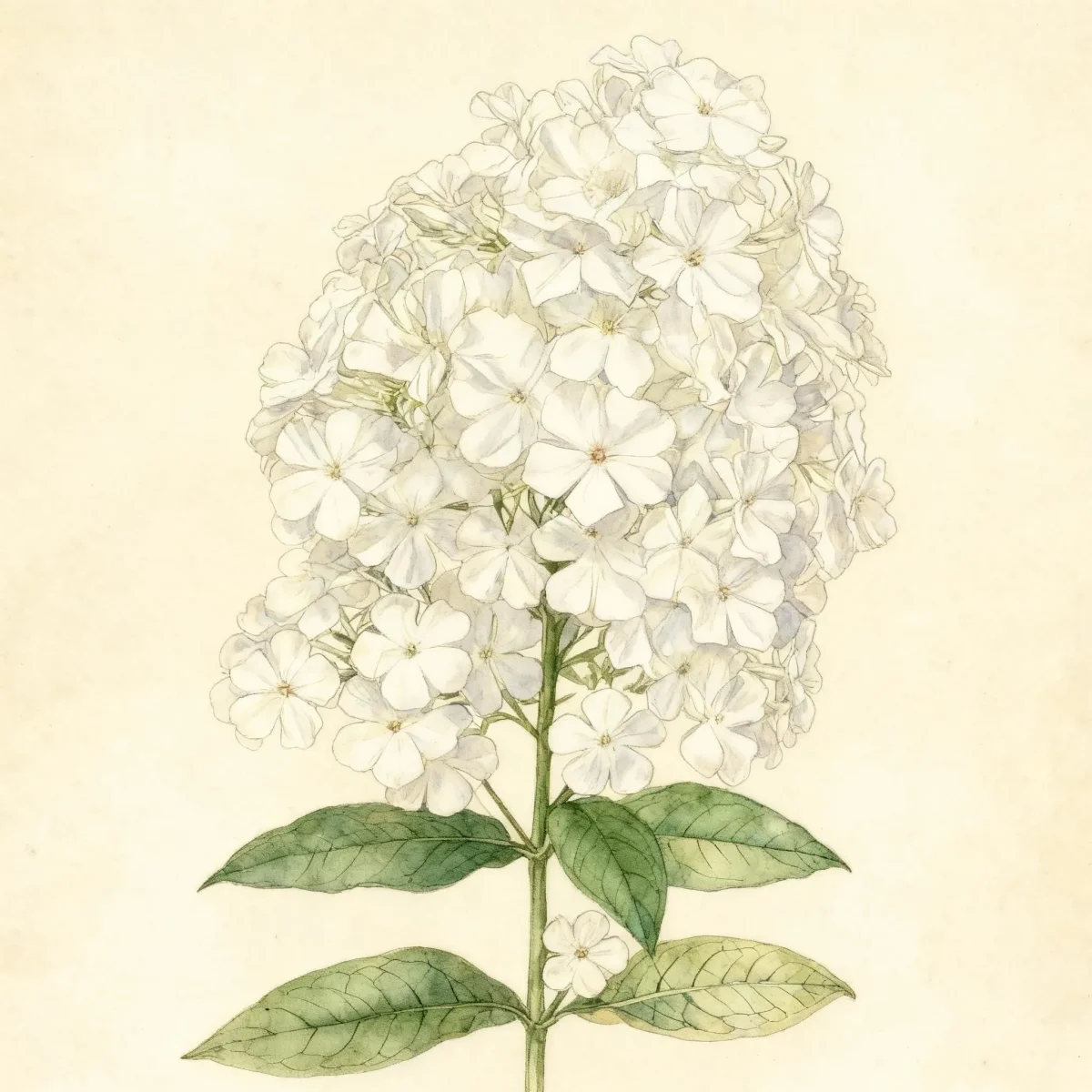
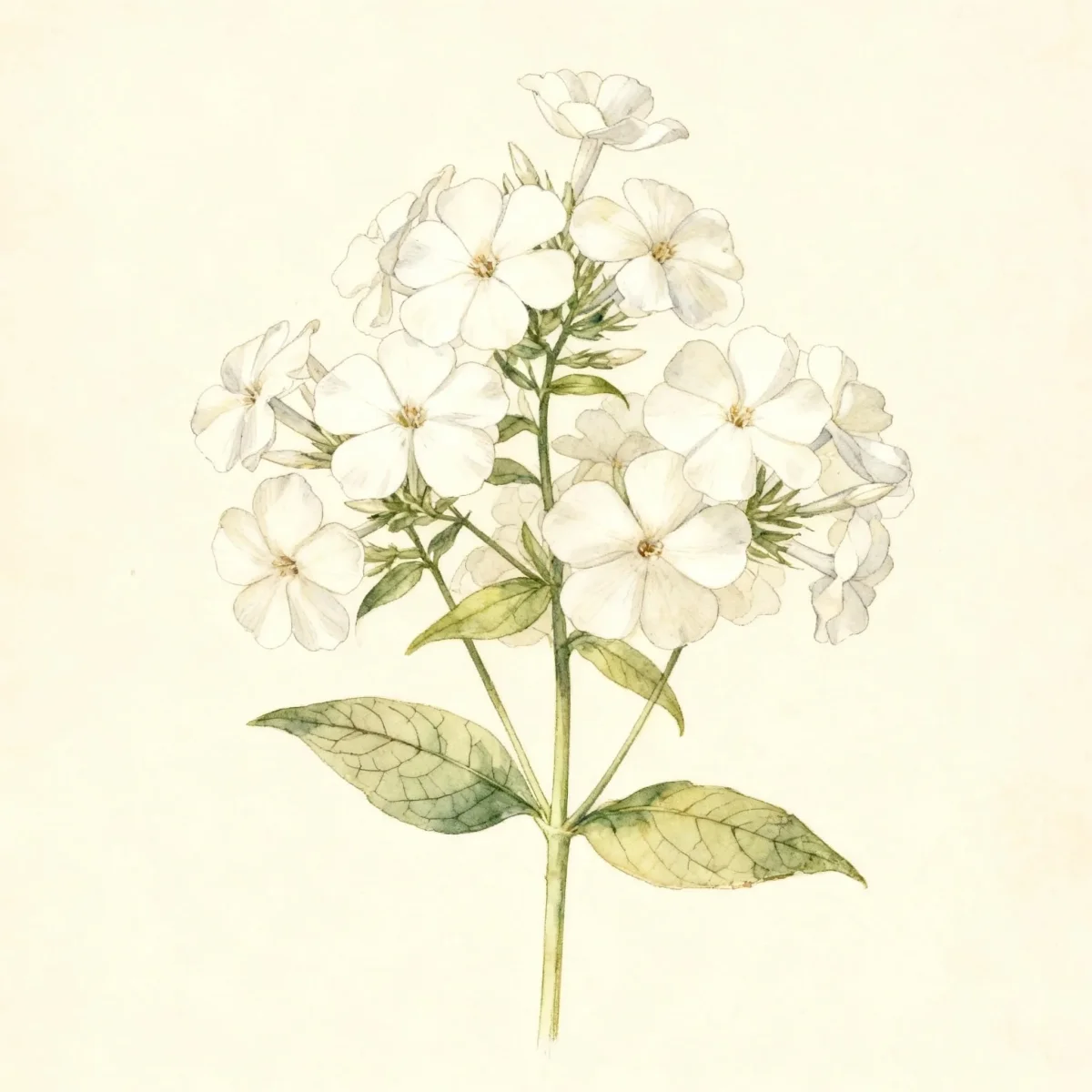
Garden phlox (Phlox paniculata 'Shockwave')
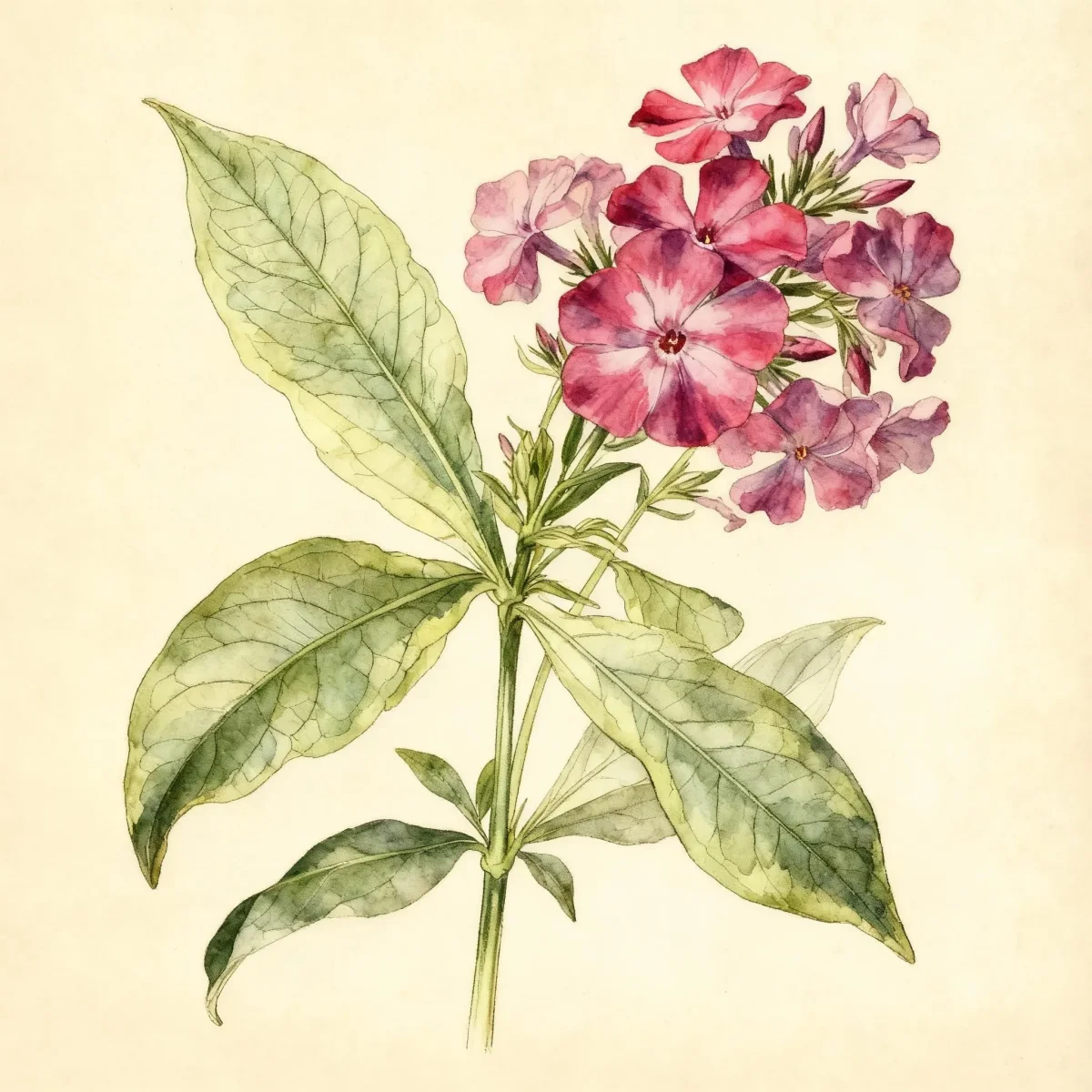
Phlox paniculata 'Shockwave' is a compact Garden phlox featuring variegated foliage and fragrant lavender-pink blooms from July to September.
Scroll down to discover growing tips, care requirements, companion plants, and more
Complete Plant Information
Overview
Phlox paniculata ‘Shockwave’, a delightful cultivar of Garden phlox, stands out in the landscape due to its unique variegated foliage. This compact perennial brings reliable, long-lasting color to summer gardens, offering beautiful lavender-pink flowers that attract pollinators. Its manageable size makes Phlox paniculata ‘Shockwave’ a versatile choice for gardeners needing mid-border interest.
The cultural needs of this Garden phlox emphasize adequate moisture and good airflow. While generally robust, proper spacing is key to ensuring healthy growth and maximizing the aesthetic appeal of its unique leaves and blooms. It offers substantial value by blooming well into the fall season, extending the visual interest of perennial displays.
Butterflies and hummingbirds are drawn to the fragrant, tubular flowers of this variety. As a sport of a recognized mildew-resistant lineage, Phlox paniculata ‘Shockwave’ offers gardeners an attractive blend of aesthetic appeal and improved resilience when properly sited.
Fast Facts
- Plant Family: Polemoniaceae
- Plant Type: Herbaceous perennial
- Hardiness Zones: USDA Zones 4-8
- Size at Maturity:
- Height: 1-1.5 ft
- Spread: 0.75-1 ft
- Bloom Time: July to September
- Bloom Description: Lavender-pink
- Sun Exposure: Full sun to part shade
- Water Needs: Medium
- Maintenance Level: Medium
How to Grow
Planting Garden phlox, including the ‘Shockwave’ cultivar, is best done in spring or fall when the weather is relatively mild. Locate it where it receives full sun for the best flower production; however, light afternoon shade is appreciated in hotter climates. Soil preparation should focus on fertility and drainage, aiming for rich, moist, medium-textured soil amended with ample organic matter.
Ongoing care requires consistency, particularly regarding moisture management. Phlox paniculata ‘Shockwave’ is intolerant of drought and needs regular watering during dry spells, though you must avoid overhead watering methods that encourage fungal issues. Good air circulation is mandatory; space plants generously or practice light thinning of stems to mitigate the risk of powdery mildew. Applying a summer mulch helps keep the root zone cool and conserves this needed moisture.
For seasonal cleanup, remove faded flower panicles promptly to encourage rebloom and prevent unwanted self-seeding, although named cultivars like ‘Shockwave’ usually do not come true from seed. In late fall or early winter, cut the stems down to the ground and meticulously clean up all plant debris, as this sanitation practice significantly reduces the pathogen load for powdery mildew in the following spring.
Landscape Uses
Garden phlox serves as an indispensable staple within the classic perennial border design. Its upright habit and medium height make Phlox paniculata ‘Shockwave’ perfect for the middle or frontal third of a mixed border, blending seamlessly with late-summer bloomers like Rudbeckia or Aster. The striking variegated foliage of ‘Shockwave’ adds textural contrast even when the plant is not in flower.
Because it attracts hummingbirds and butterflies, Garden phlox is an excellent choice for wildlife or pollinator gardens. Combine it with other medium-height perennials that share cultural needs, such as catmint or salvia, ensuring a cohesive look throughout the mid-to-late summer season. Ensure you follow recommended spacing guidelines to keep all plants well-ventilated.
Standout Features
Flower Qualities
- Showy
- Fragrant
Noteworthy Characteristics
Phlox paniculata, commonly known as garden phlox, is native from New York to Iowa south to Georgia, Mississippi and Arkansas and has escaped gardens to naturalize widely. This upright perennial features stiff stems clad with conspicuously veined, deep green leaves. Fragrant, tubular florets are densely packed in large, tiered, domed terminal clusters over a long July to September bloom period. Cultivar ‘Shockwave’ is especially notable as a compact sport with showy, variegated yellow-margined foliage that gradually fades to pale yellow/creamy white, complementing its lavender-pink flowers.
Tolerances
- Deer
- Clay Soil
- Black Walnut
Potential Problems
Phlox is renowned in gardening circles for sometimes presenting challenges, with Phlox bugs, root rot, and powdery mildew being notable threats. Spider mites can also appear, especially when the plant is stressed by hot, dry conditions. Taller stems of standard phlox might require staking, though the compact height of ‘Shockwave’ reduces this need. Growers should note that Phlox paniculata ‘Shockwave’ possesses some noted resistance to powdery mildew, but management remains important. Prevention heavily relies on cultural best practices, particularly ensuring excellent air circulation around the foliage and avoiding overhead watering during irrigation.
Frequently Asked Questions
What hardiness zones is Garden phlox suitable for?
Phlox paniculata ‘Shockwave’ is generally suitable for USDA Zones 4 through 8.
How large does Garden phlox grow?
This compact cultivar typically reaches a height between 1 and 1.5 feet tall, with a spread ranging from 0.75 to 1 foot wide.
When does Garden phlox bloom?
Phlox paniculata ‘Shockwave’ produces its blooms starting in July and continuing through September.
What sun exposure does Garden phlox need?
This plant thrives best in full sun but will tolerate light shade, though reduced sunlight may result in fewer blooms.
Conclusion
Garden phlox remains a stalwart of summer gardening, and the variegated foliage of Phlox paniculata ‘Shockwave’ offers a refreshing modern twist on this classic. Its fragrant, showy blooms and pollinator appeal make it highly valuable for border revitalization. Before planting your Phlox paniculata ‘Shockwave’, confirm your site’s sun exposure and prioritize excellent air circulation for the healthiest display this season.
Wildlife Benefits
This variety of Garden phlox is highly beneficial for supporting local ecosystems, chiefly through its attraction to beneficial insects. The tubular, nectar-rich flowers are a favored food source for hummingbirds, making it an essential addition to any designated bird garden.
Furthermore, the dense clusters of lavender-pink flowers attract numerous species of butterflies throughout the long bloom period from July to September. Planting several clumps ensures a reliable nectar source is available as other early-summer perennials begin to fade.
Companion Planting
When selecting partners for Phlox paniculata ‘Shockwave’, consider plants that require similar intermediate moisture levels and thrive in full sun to light shade. Companions that offer contrasting foliage texture, such as the fine leaves of ornamental grasses, work beautifully next to the broad leaves of Garden phlox.
Good companions that bloom later in the season can maximize your border’s interest, including cultivars of Astilbe (if sited in slight afternoon shade) or sturdy, late-blooming Coneflowers (Echinacea). These pairings help maintain continuous visual appeal even as the Garden phlox finishes its primary flowering cycle.