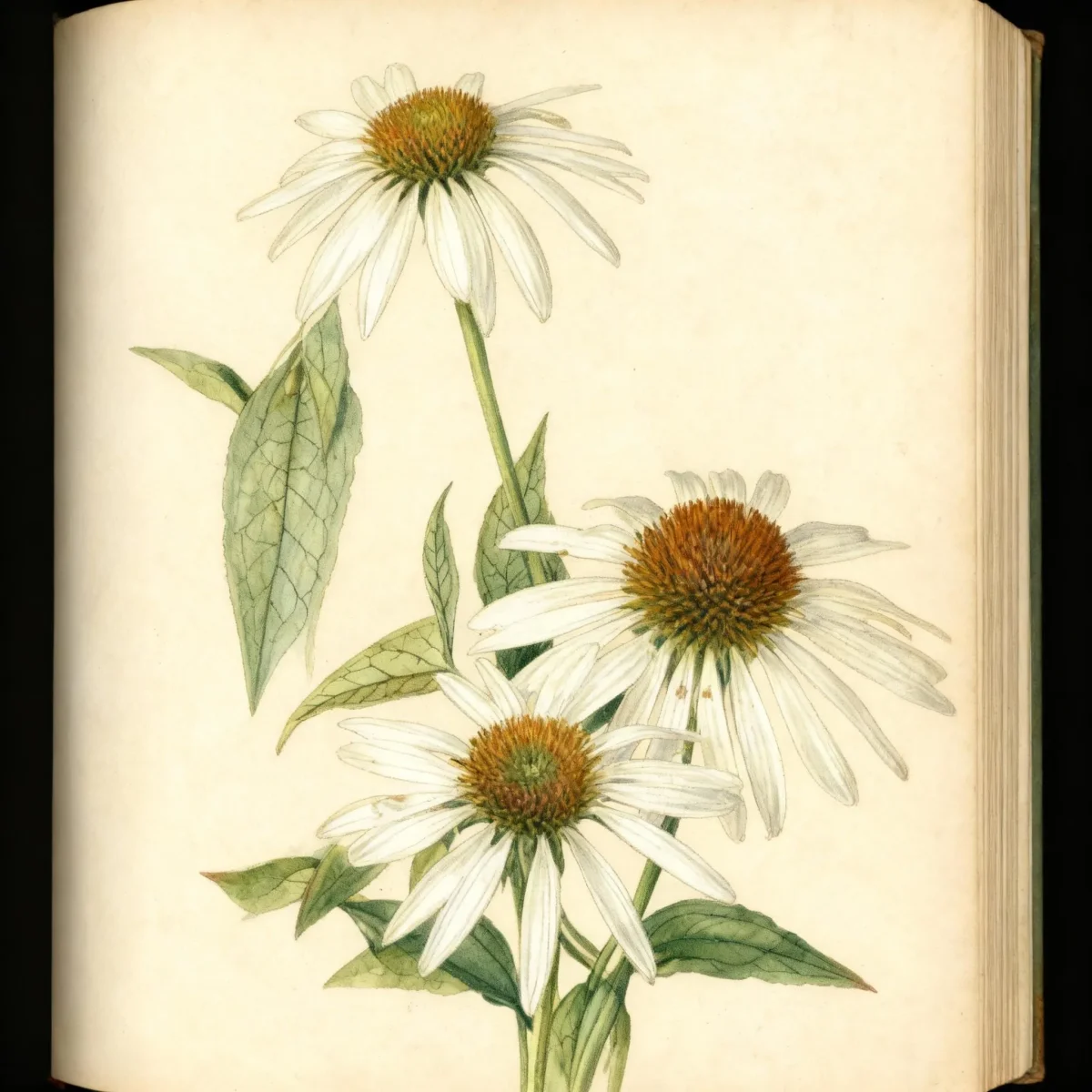
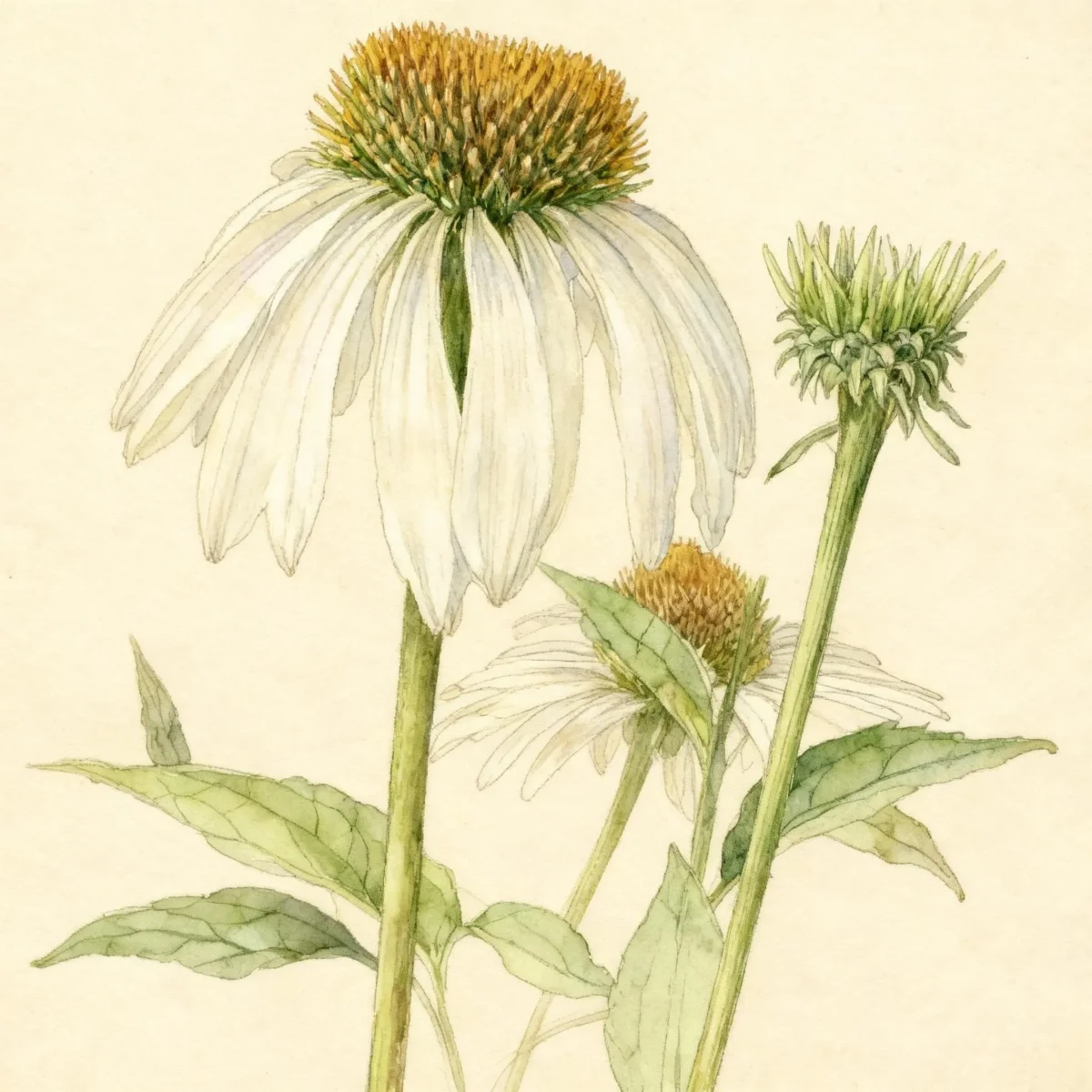
Purple coneflower (Echinacea purpurea 'Little Annie')
Echinacea purpurea 'Little Annie' offers showy, lavender-pink blooms in a dwarf size ideal for small gardens. This low-maintenance Purple coneflower thrives in drought conditions.
Scroll down to discover growing tips, care requirements, companion plants, and more
Complete Plant Information
Overview
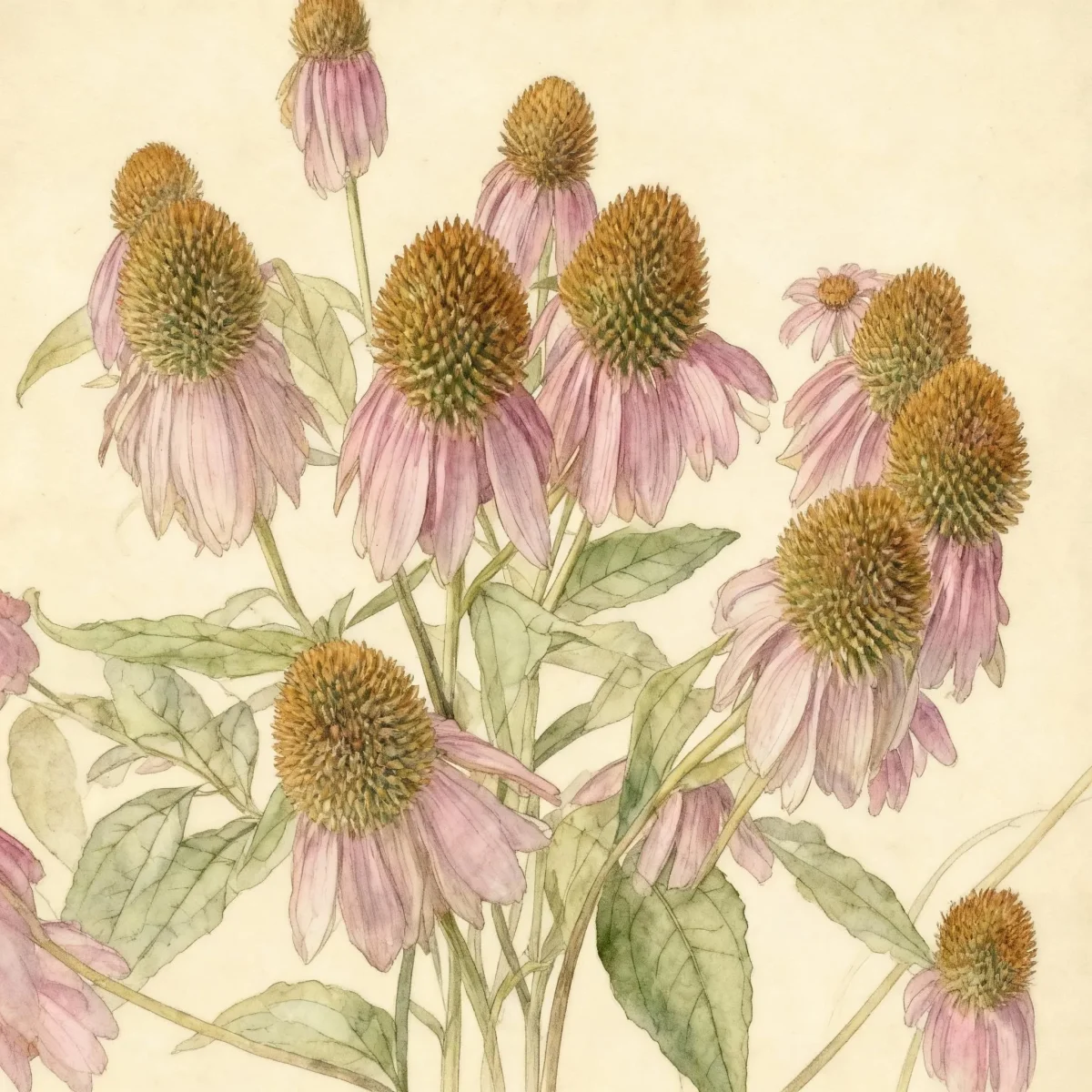
Echinacea purpurea ‘Little Annie’ is a highly desirable miniature cultivar of the classic Purple coneflower, offering massive aesthetic impact in a compact footprint perfect for modern landscapes. Reaching only 6 to 10 inches tall, this variety fits beautifully where the larger parent species cannot, providing the traditional daisy-like flowers with vibrant lavender-pink rays and pronounced dark orange cones through the summer months. As an extremely adaptable herbaceous perennial, this low-maintenance plant thrives even in challenging soil conditions once established.
Gardeners appreciate Echinacea purpurea ‘Little Annie’ for its robust nature and long blooming window, stretching from early summer well into fall. It provides excellent structural interest for borders and native gardens while being remarkably resistant to common pests and environmental stress. Planting this variety ensures a reliable source of color and texture, supporting local pollinators.
This specific dwarf selection of Purple coneflower stands out due to its manageable size, making it an excellent choice for edging beds or filling small accent spots. Its inclusion in any perennial collection strengthens biodiversity and delivers consistent, season-long performance with minimal intervention, defining it as a true staple.
Fast Facts
- Plant Family: Asteraceae
- Plant Type: Herbaceous perennial
- Hardiness Zones: USDA Zones 3-8
- Size at Maturity:
- Height: 0.5-1 ft
- Spread: 0.5-1 ft
- Bloom Time: June to August
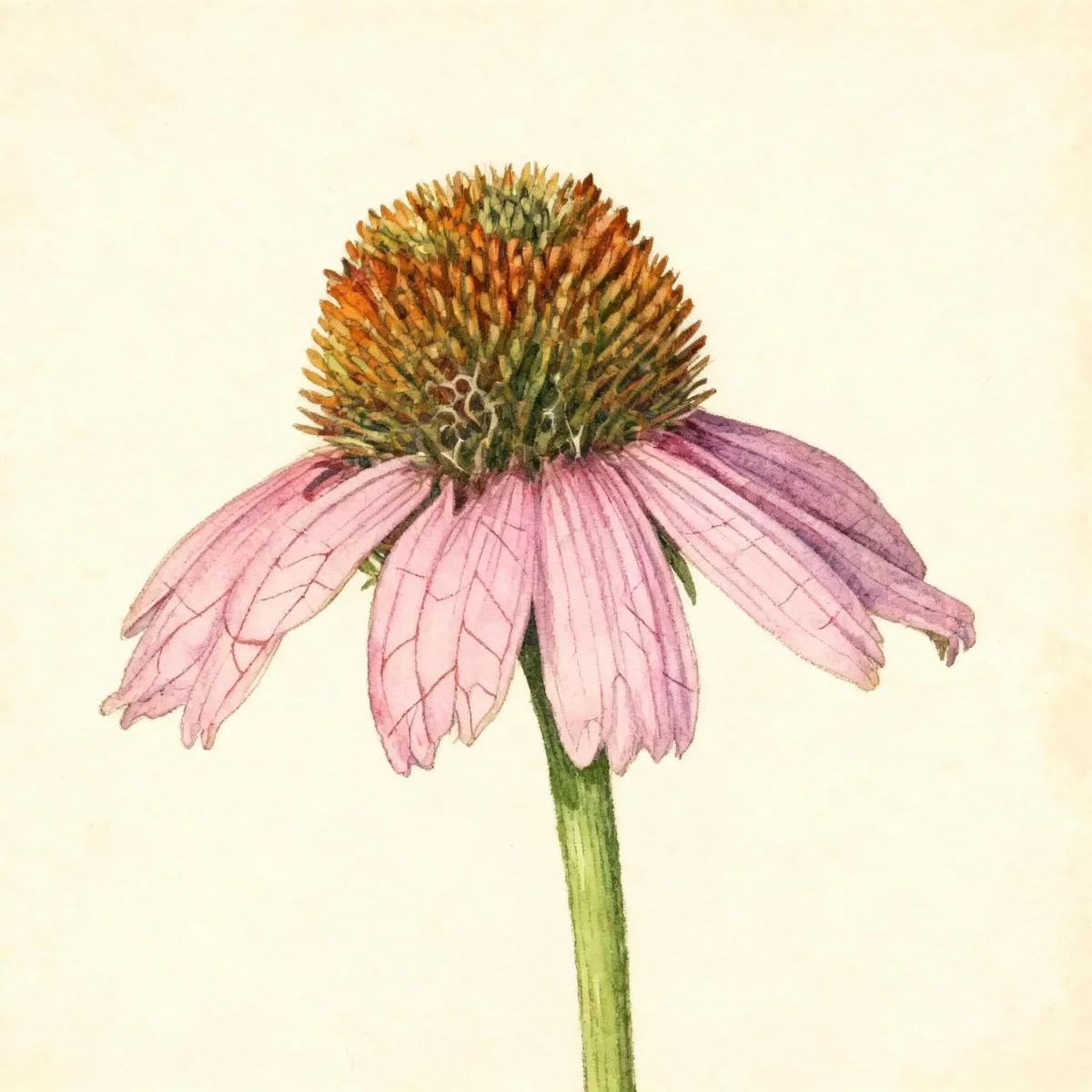
- Bloom Description: Lavender-pink rays with dark orange center cone
- Sun Exposure: Full sun to part shade
- Water Needs: Dry to medium
- Maintenance Level: Low
How to Grow
The best time to plant Echinacea purpurea ‘Little Annie’ is typically in the spring after the danger of hard frost has passed, or in the early fall to allow root establishment before winter dormancy. Ensure the location receives full sun for the most prolific blooming, although these Purple coneflowers tolerate part shade. They are highly adaptable, preferring average soil that is well-drained, and they perform admirably even in clay, dry, or shallowly rocky soils.
Once established, this perennial requires minimal supplemental watering, flourishing on dry to medium moisture levels. Fertilization is generally unnecessary; over-fertilizing can result in weaker stems and reduced flower production. To encourage a cleaner look and potentially extend blooming modestly, promptly remove spent flowers, although Echinacea purpurea ‘Little Annie’ may be sterile and thus less focused on prolific reseeding compared to its taller relatives.
Clumps of this coneflower may become overcrowded and benefit from division every four years to maintain vigor. While the plant is generally hardy, avoid overly rich or perpetually wet soil, as this increases susceptibility to fungal issues. By leaving some seed heads standing, you can provide winter interest and food for birds.
Landscape Uses
Echinacea purpurea ‘Little Annie’ is perfectly sized for massing efforts where space is limited, unlike its taller cousins in the genus Echinacea purpurea. It serves as a brilliant, long-blooming edge plant for perennial borders, creating a soft, colorful transition to walkways or lawns. Its compact habit also makes it an excellent filler plant in native plant gardens or naturalized meadows where you want repeated, reliable color without overwhelming other specimens.
Consider grouping this dwarf coneflower with complementary textures and colors, such as Rudbeckia (black-eyed Susans) for a classic prairie look, or pairing it with ornamental grasses that offer fine texture in contrast to the coarse leaves of the coneflower. It is also an excellent subject for mixed containers, providing vertical interest that won’t quickly outgrow its surroundings.
This plant’s adaptability to dry and difficult soils makes it invaluable for xeriscaping or filling areas of the garden that receive lesser attention, ensuring that even areas prone to drought remain vibrant throughout the summer heat.
Standout Features
Flower Qualities
- Showy
- Good Cut
- Good Dried
Noteworthy Characteristics
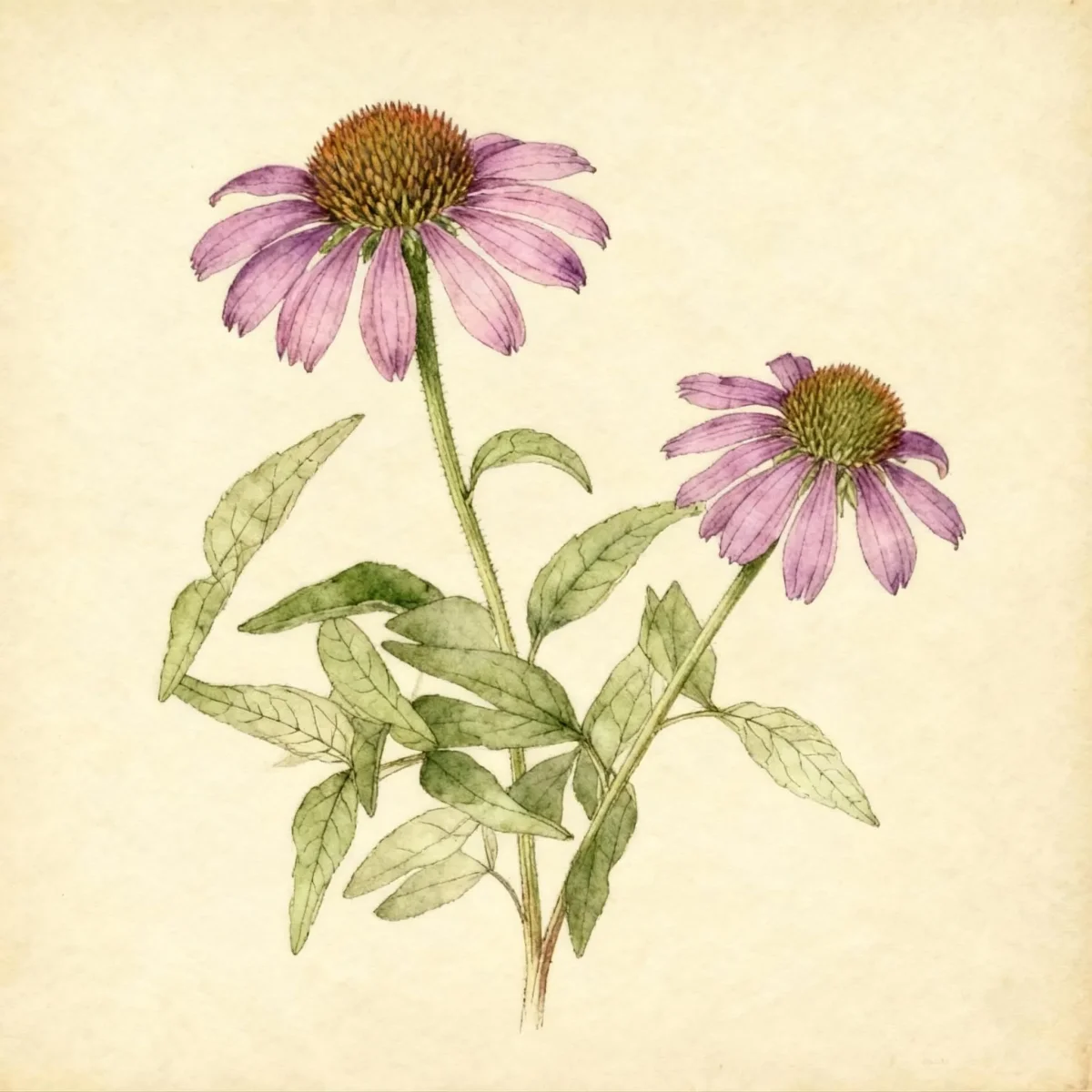
Echinacea purpurea, commonly called purple coneflower, is a coarse, rough-hairy, herbaceous perennial native to moist prairies and open woods of the central to southeastern United States. ‘Little Annie’ is the shortest coneflower currently being sold commercially, typically growing only 6-10” tall when blooming, making it highly valuable for space-constrained gardens. Its flowers feature downward-arching lavender-pink rays surrounding a dark orange center cone, offering excellent summer and late-summer color.
Tolerances
- Deer
- Drought
- Clay Soil
- Dry Soil
- Shallow-Rocky Soil
Potential Problems
Occasional issues include damage from Japanese beetles and the appearance of leaf spot. Furthermore, this variety is susceptible to aster yellows disease, which can cause distorted, greenish flowers. Management should focus on maintaining good air circulation, especially in damp weather, to reduce fungal spread, and actively monitoring for pests during peak summer growth.
Frequently Asked Questions
What hardiness zones is Purple coneflower suitable for?
Echinacea purpurea ‘Little Annie’ is reliably hardy across USDA Zones 3 through 8, making it a versatile perennial for vast regions of North America.
How large does Echinacea purpurea ‘Little Annie’ grow?
This dwarf cultivar remains very small, typically reaching only 0.5 to 1 foot in height and spreading between 0.5 and 1 foot wide at maturity.
When does Purple coneflower bloom?
This coneflower typically blooms from June through August, displaying its lavender-pink rays and dark orange center cone.
What sun exposure does Echinacea purpurea ‘Little Annie’ need?
For best performance, Echinacea purpurea ‘Little Annie’ requires full sun, though it can successfully establish and flower successfully in areas receiving part shade.
Conclusion
The compact stature and robust tolerance profile make Echinacea purpurea ‘Little Annie’ an essential plant for modern low-maintenance gardening, delivering the beloved aesthetic of the Purple coneflower in a miniature package. By ensuring adequate drainage and locating this plant where it receives substantial sunlight, gardeners can enjoy seasons of rewarding bloom. Before planting, always confirm that your local USDA hardiness zone falls within the 3 to 8 range.
Companion Planting
Companion planting for Echinacea purpurea ‘Little Annie’ focuses on species that share its preference for full sun and excellent drainage, while also providing textural contrast. Consider pairing these low-growing coneflowers with silvery foliage plants like Lamb’s Ears (Stachys byzantina) to enhance the vibrancy of the lavender-pink blooms. In a meadow setting, grasses such as Little Bluestem (Schizachyrium scoparium) provide fine vertical contrast to the basal clump of the coneflower.
For a classic cottage garden effect, ensure companions do not shade out the sun-loving nature of the ‘Little Annie’ cultivar. Groupings of shorter Geraniums or low-growing Sedums work well towards the front of the border, allowing the 1-foot high structure of the coneflower to serve as a mid-layer anchor before taller August bloomers.
Wildlife Benefits
While some sources suggest ‘Little Annie’ may be sterile, even if seed set is reduced, the presence of Echinacea flowers remains highly beneficial to wildlife populations. The prominent, sturdy center cone is an excellent landing pad and nectar source for various native bees and adult butterflies throughout the summer blooming season.
When planted in mass, coneflowers create effective, drought-tolerant plantings that support beneficial insect populations early and often. If seed heads are permitted to remain standing post-bloom, goldfinches and other seed-eating birds will readily visit the dried cones during the winter months, offering both crucial winter browse and visual appeal to the dormant garden structure.