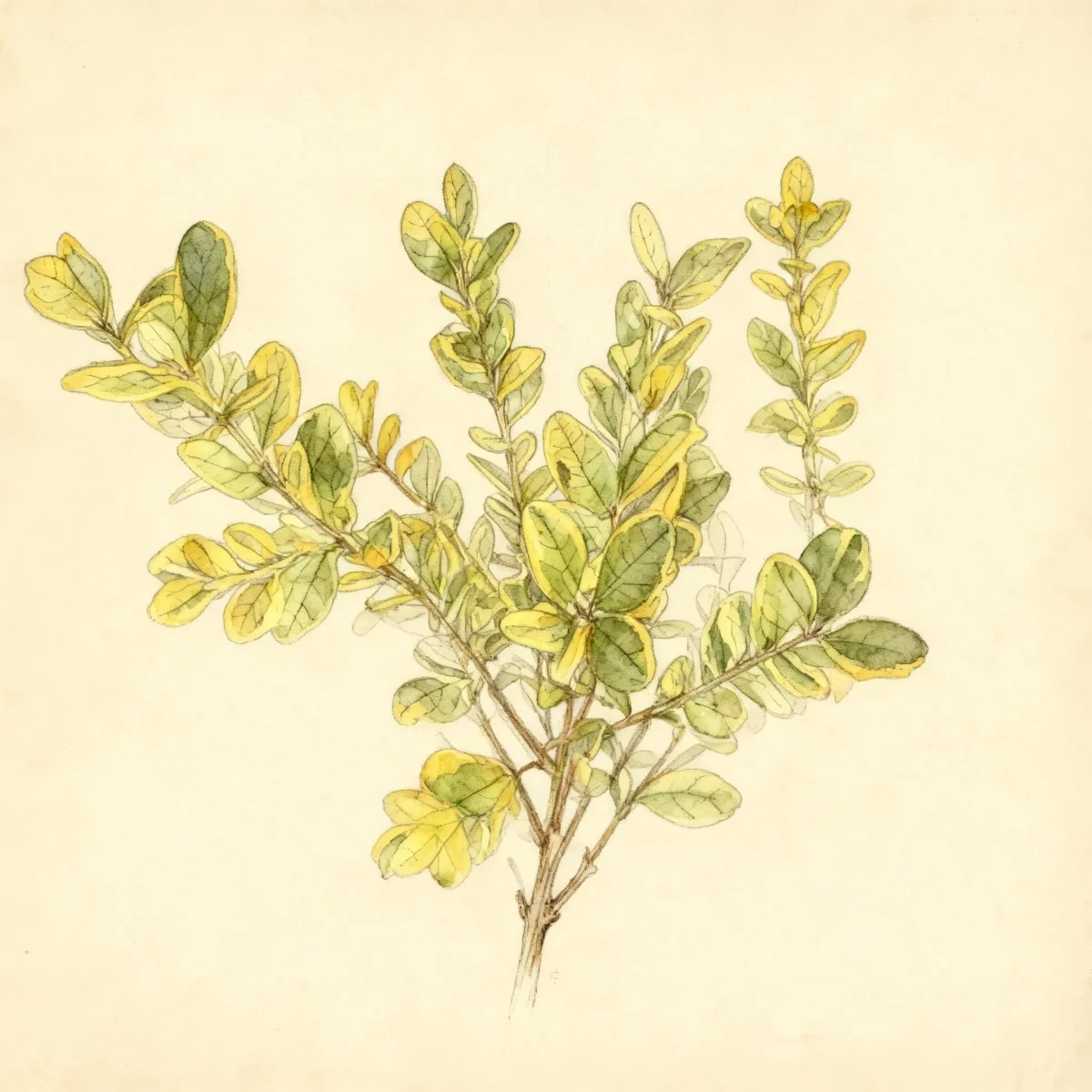
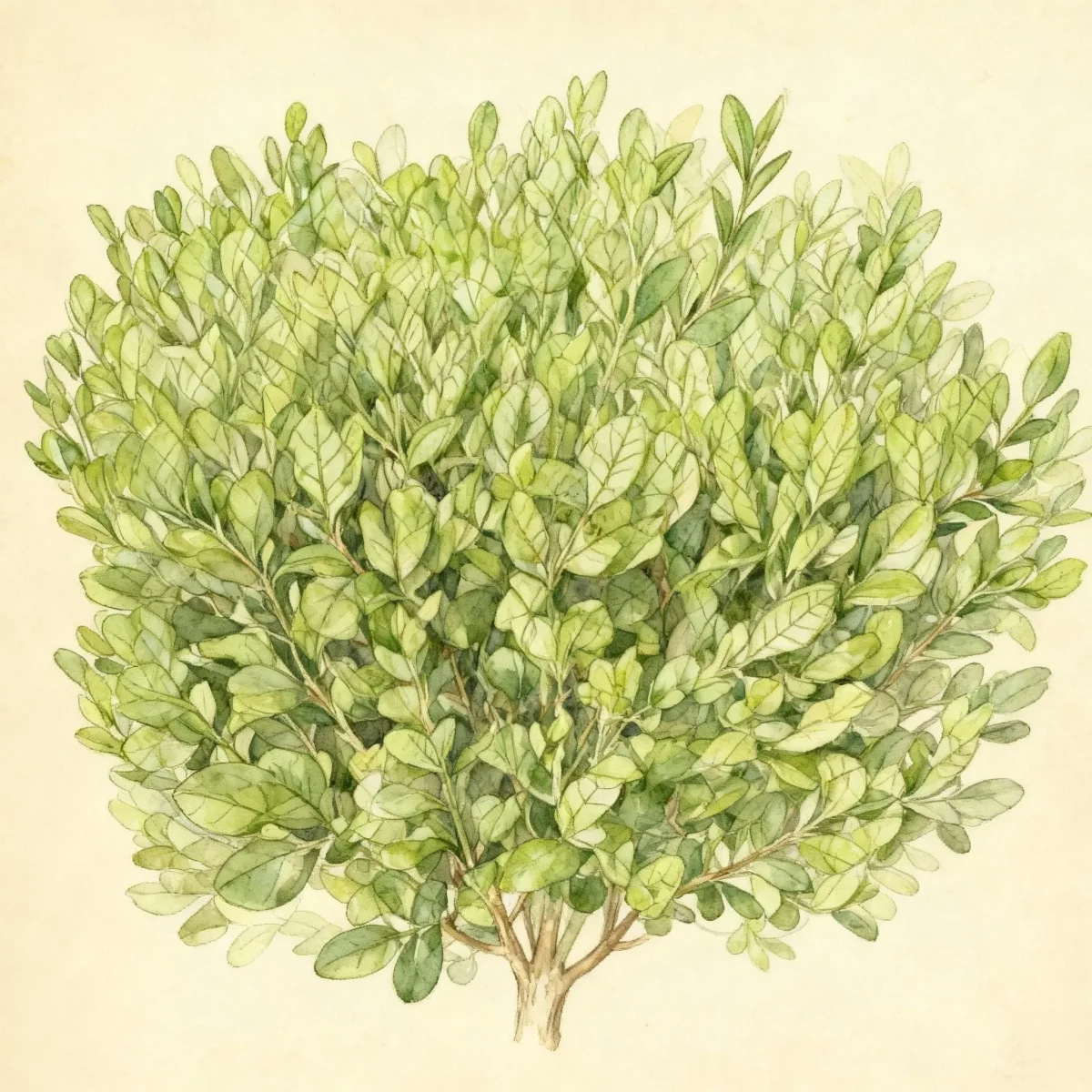
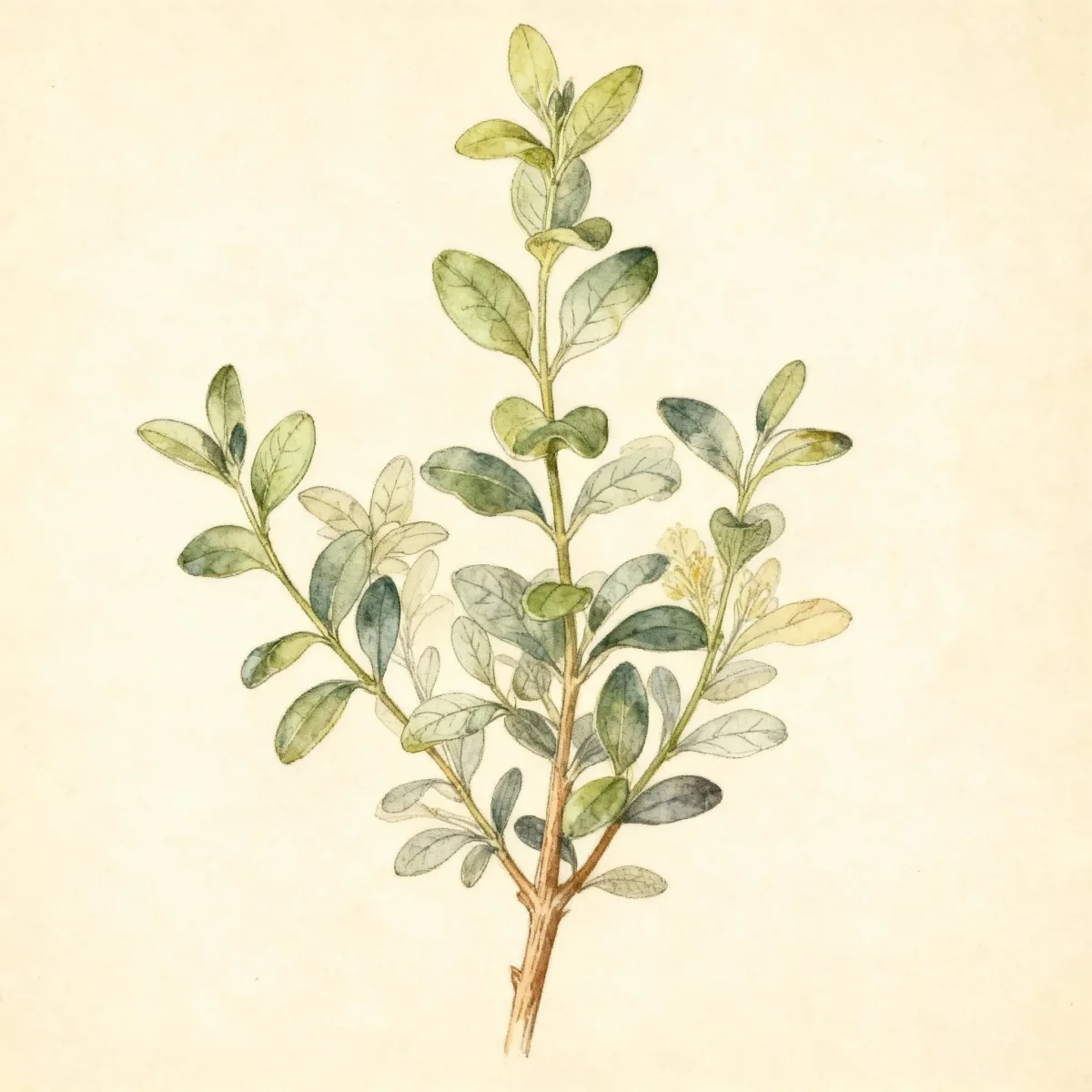
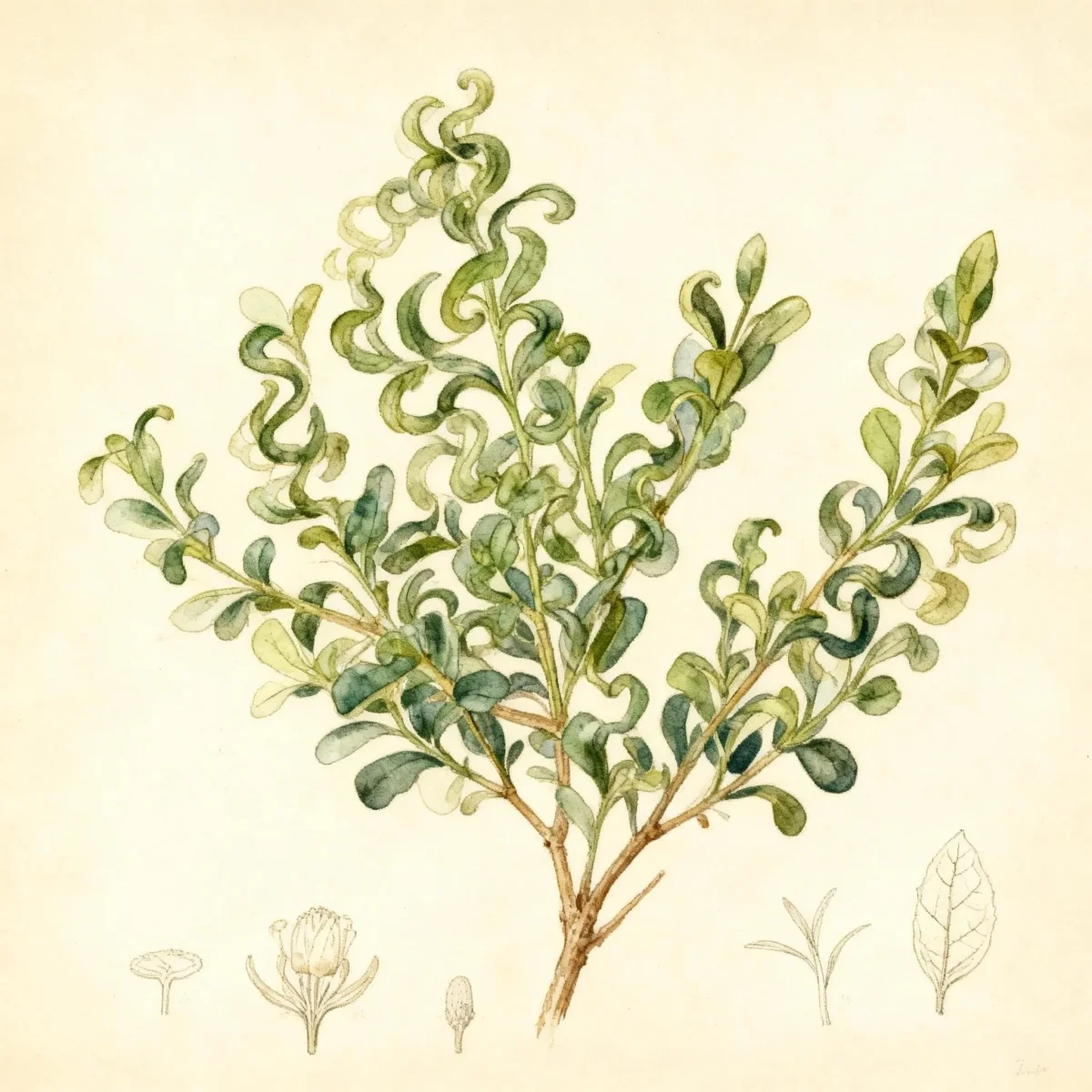
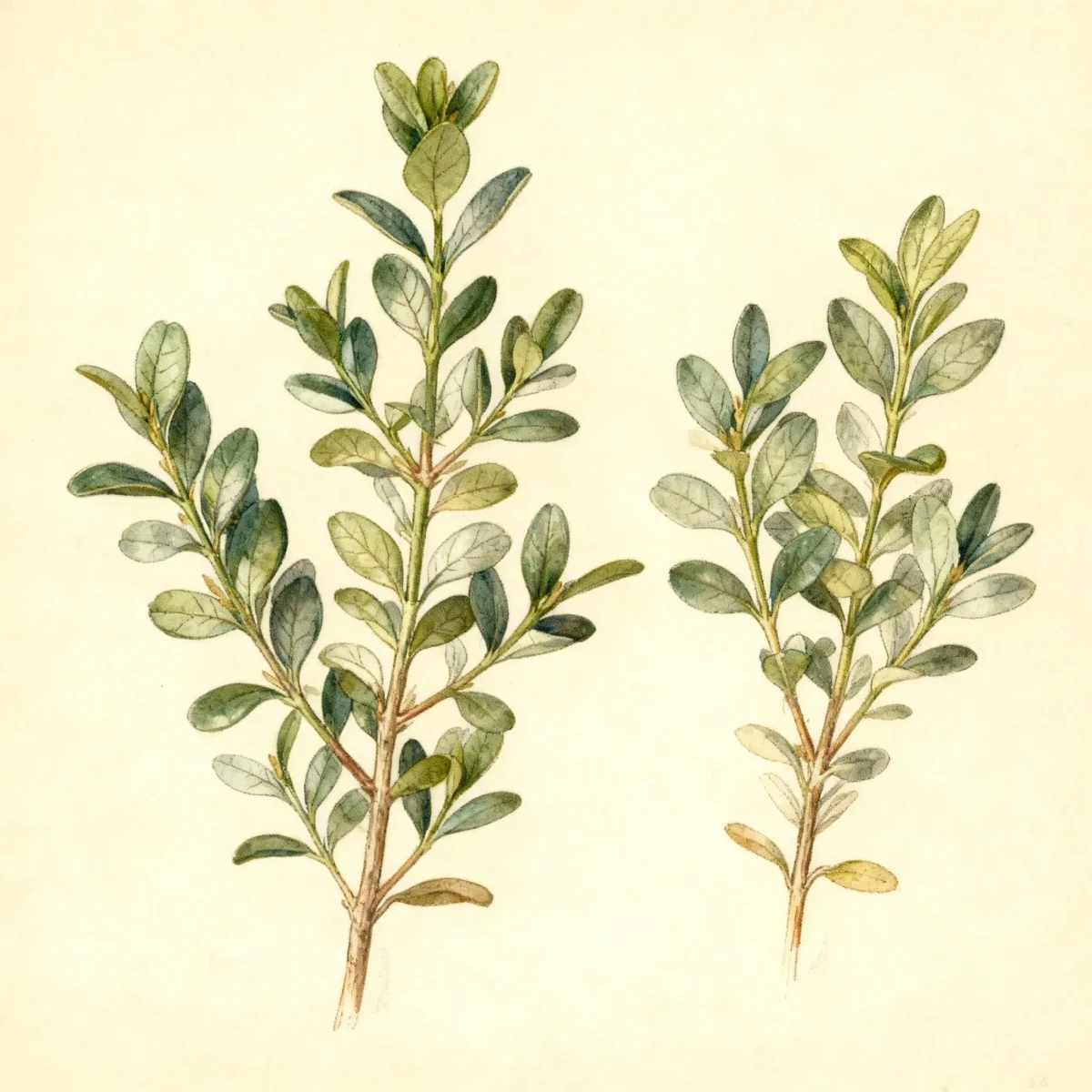
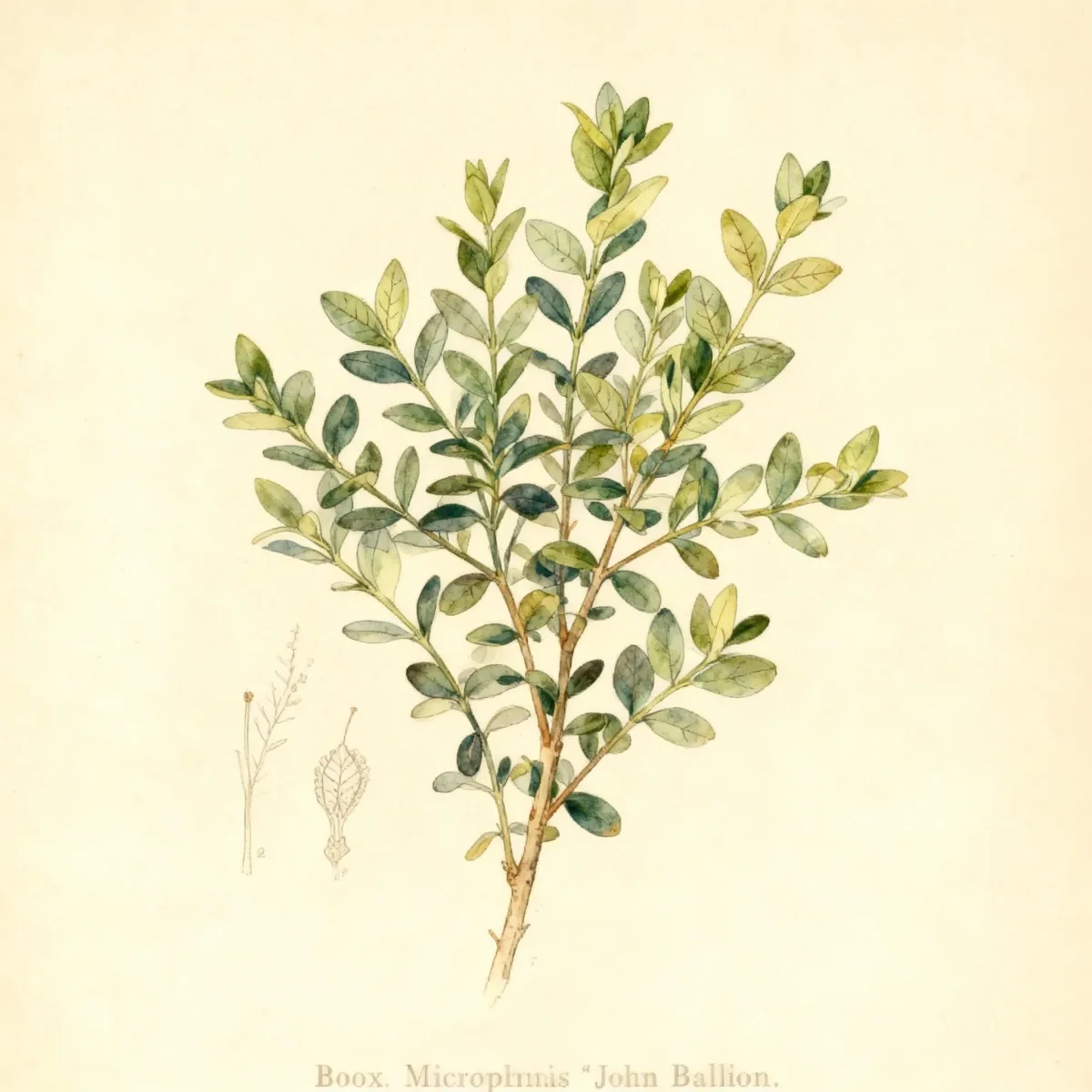
Boxwood (Buxus sempervirens 'Furore' JADE PILLAR)
Discover Buxus sempervirens 'Furore' JADE PILLAR Boxwood, a narrow evergreen ideal for hedges, thriving in zones 5-8 with medium water needs.
Scroll down to discover growing tips, care requirements, companion plants, and more
Complete Plant Information
Overview
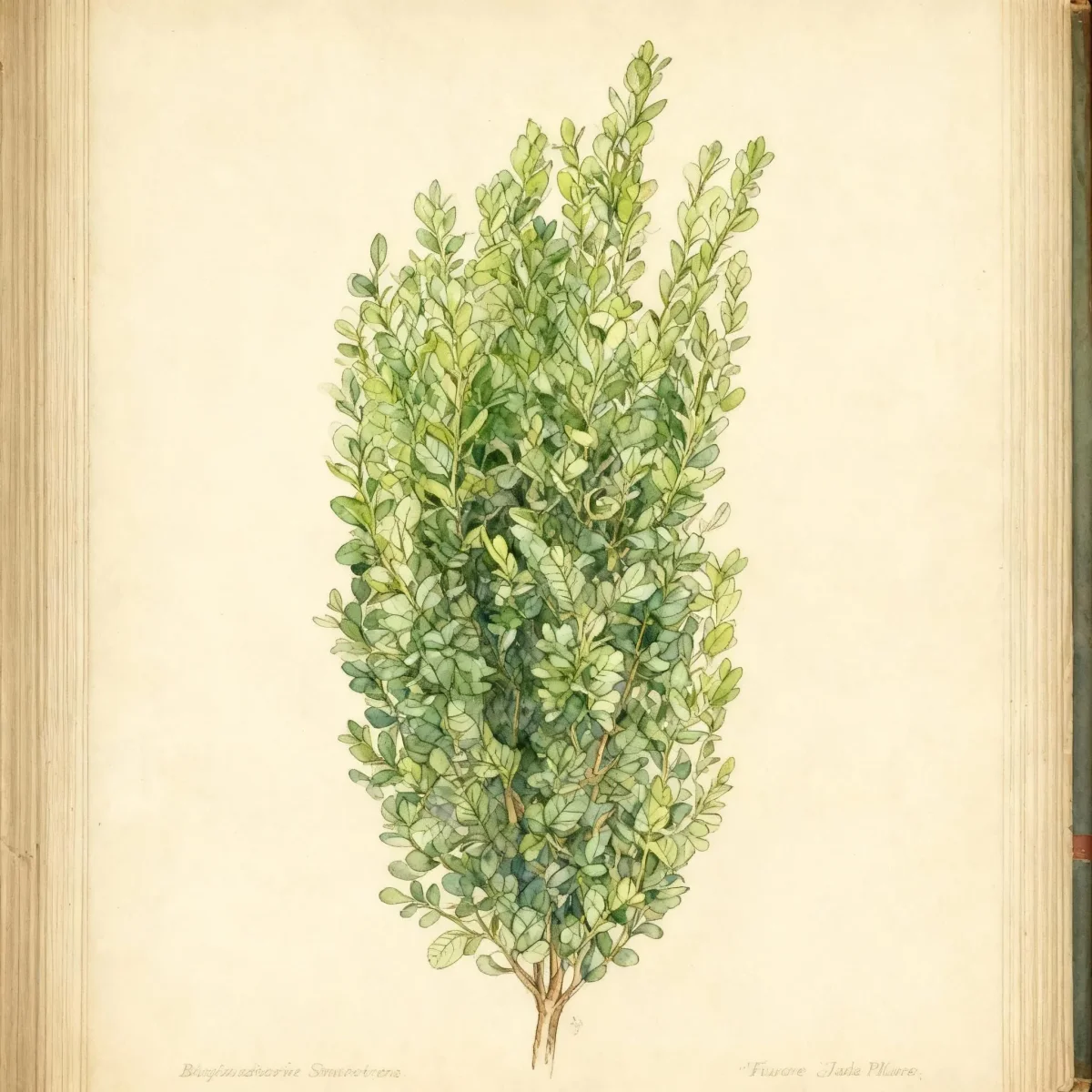
Buxus sempervirens ‘Furore’ JADE PILLAR is a highly sought-after Boxwood cultivar, prized for its strongly upright, narrow pyramidal growth habit. This selection offers dense, dark green foliage containment without the wide spread often associated with other Boxwood varieties, making it perfect for formal or constrained modern landscapes. As a broadleaf evergreen, the plant provides year-round structure and texture in the garden.
Discovered recently in the Netherlands, the JADE PILLAR Boxwood maintains a manageable size, typically reaching 4 to 5 feet tall while staying only 2 to 3 feet wide. This unique vertical accent ensures sharp lines for hedging or specimen use where space efficiency is key. Gardeners appreciate the reliable hardiness of this evergreen shrub across USDA Zones 5 through 8.
The Boxwood species overall is known for its tolerance to shearing, which is essential when using Buxus sempervirens ‘Furore’ JADE PILLAR in highly manicured settings. While it requires medium maintenance, its dense habit helps suppress weeds and provides excellent screening or formal edging elements.
Fast Facts
- Plant Family: Buxaceae
- Plant Type: Broadleaf evergreen
- Hardiness Zones: USDA Zones 5-8
- Size at Maturity:
- Height: 4-5 ft
- Spread: 2-3 ft
- Bloom Time: April to May
- Bloom Description: Greenish-white
- Sun Exposure: Full sun to part shade
- Water Needs: Medium
- Maintenance Level: Medium
How to Grow
For optimal establishment, plant Buxus sempervirens ‘Furore’ JADE PILLAR in the spring or fall when temperatures are mild. This Boxwood thrives in evenly moist, well-drained loams, such as a sand-clay mixture. Site your JADE PILLAR where it receives full sun to light part shade; too much intense, direct summer sun, especially combined with winter exposure, can cause foliage scorch or bronzing.
Established plants require medium water, ensuring the soil remains consistently moist but never waterlogged, as this can lead to root rot. Due to their shallow root systems, avoid cultivating deeply around the base of the plant. Apply a rich organic mulch, like bark or compost, one to two inches deep to conserve moisture and regulate soil temperature.
Buxus sempervirens ‘Furore’ JADE PILLAR responds well to shearing and pruning for shaping the narrow form. Crucially, avoid pruning before the last spring frost has passed, as this encourages tender new growth vulnerable to late-season freezes that can severely damage the plant. Annual thinning will improve air circulation, mitigating potential disease issues. Siting the plant away from harsh winter winds is also recommended to prevent desiccation and winter bronzing.
Landscape Uses
The narrow, upright profile of the Buxus sempervirens ‘Furore’ JADE PILLAR makes it an exceptional vertical accent in foundation plantings where space is limited. It excels when massed to create sharp, narrow hedges that define borders or pathways without overwhelming a space. Consider using this Boxwood in formal gardens or Mediterranean-style landscapes where architectural structure is paramount.
Due to its neat form, the JADE PILLAR is perfectly suited for topiary work, offering a consistent shape year-round. In mixed beds, it serves as an excellent dark green contrast against flowering perennials or softer textures. Furthermore, its compact size allows this Boxwood to perform admirably as a strong vertical element in large containers flanking entrances.
Standout Features
Flower Qualities
- Insignificant
Noteworthy Characteristics
The species, Buxus sempervirens, is a rounded to broad-rounded shrub or small tree native to open woodlands in Southern Europe and beyond, maturing to 5-15’ tall with elliptic, dark glossy green leaves. ‘Furore’, sold commercially as JADE PILLAR, is distinct for its upright narrow pyramidal growth, holding dark green foliage throughout the year. This cultivar was discovered as a natural sport in 2005 and typically maxes out at 4-5 feet by 2-3 feet wide, receiving U. S. Plant Patent PP21,319 in 2010.
Tolerances
- Rabbit
- Deer
Potential Problems
The primary aesthetic challenge for Boxwood foliage is bronzing—an unattractive brownish-yellow discoloration—which occurs in harsh winters, especially when the plant is exposed to full sun and drying winter winds. To prevent this, site the Buxus sempervirens ‘Furore’ JADE PILLAR where winter sun and wind exposure are minimized.
This Boxwood is susceptible to several fungal issues, including boxwood blight, volutella blight, and various leaf spot diseases. Maintaining good air circulation through proper annual thinning and avoiding overhead watering in the evening can significantly reduce humidity build-up that promotes fungal growth. Poorly drained soils are a major risk factor for developing fatal root rot.
Insect pests specific to Boxwood include the boxwood leafminer, mite, and psyllid, as well as the invasive box tree moth. Regular scouting, especially of new growth, allows for early intervention against these common threats.
Frequently Asked Questions
What hardiness zones is Boxwood (Buxus sempervirens ‘Furore’ JADE PILLAR) suitable for?
Buxus sempervirens ‘Furore’ JADE PILLAR is reliably hardy in USDA Zones 5 through 8.
How large does Boxwood grow?
This specific cultivar typically matures to a height of 4 to 5 feet, with a narrow spread of only 2 to 3 feet wide.
What sun exposure does Buxus sempervirens ‘Furore’ JADE PILLAR need?
It performs best in conditions ranging from full sun to light part shade; avoid intense afternoon sun exposure, particularly in vulnerable winter climates.
When does the Boxwood bloom?
Flowering occurs from April to May, producing inconspicuous, greenish-white blossoms.
Conclusion
The Buxus sempervirens ‘Furore’ JADE PILLAR offers gardeners a fantastic solution for adding formal structure in narrow spaces, utilizing its striking upright habit and reliable deep green evergreen foliage. As a versatile Boxwood, it suits formal hedging or specimen planting perfectly. Before installation, confirm your site falls within USDA Zones 5-8 and ensure well-drained soil conditions for long-term success.
Companion Planting for Boxwood
Selecting appropriate neighbors is essential for maintaining the health and structure of your Boxwood planting. Since Buxus sempervirens ‘Furore’ JADE PILLAR has shallow roots, avoid plants that aggressively compete for surface nutrients and water. Plants with similar medium water needs and shade tolerance, like Helleborus (Lenten Rose) or shade-loving ferns, make excellent foreground companions.
For a contrast in texture, consider pairing the dense, small leaves of the JADE PILLAR with plants that offer coarser foliage or seasonal color, ensuring the companion planting does not grow tall enough to crowd the Boxwood or block necessary air circulation. Avoid overly dense plantings immediately adjacent to the shrub to help mitigate humidity and fungal risks.
Seasonal Care Calendar Advice
During the dormant winter months, particularly when subject to sun and wind, consider wrapping Buxus sempervirens ‘Furore’ JADE PILLAR or applying an anti-desiccant spray to protect the foliage from dehydration and bronzing. Spring cleanup involves gently removing debris and applying fresh mulch around the root zone, but remember to delay any significant shaping or hedging cuts until after the last spring frost date has safely passed.
Summer care focuses on consistent, deep watering during dry spells, adhering to the medium water needs of this Boxwood. In the fall, stop fertilization to encourage lignification (hardening off) of the wood before winter sets in. Routine annual inspection for early signs of leaf spot or pest activity is a low-maintenance component of overall care.