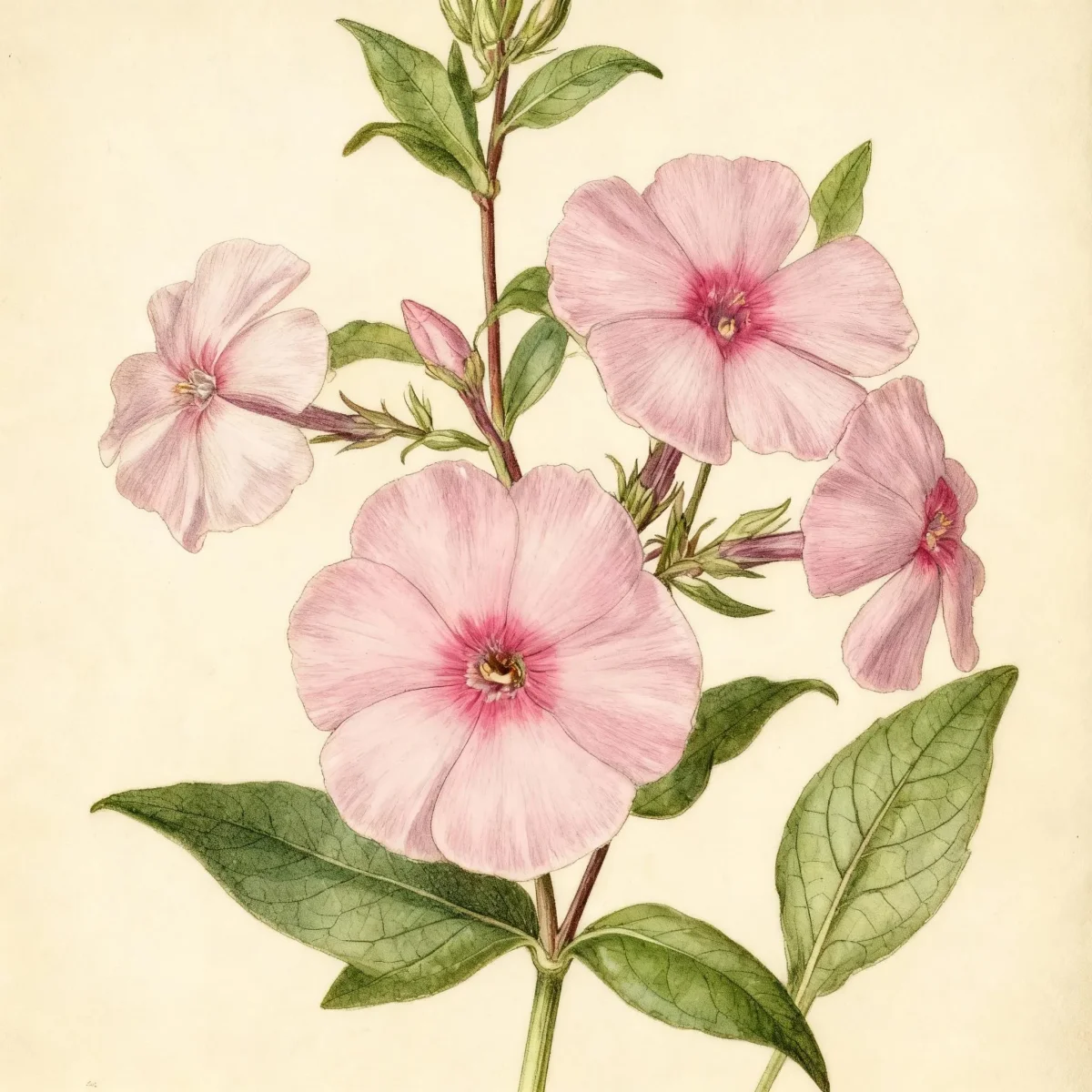
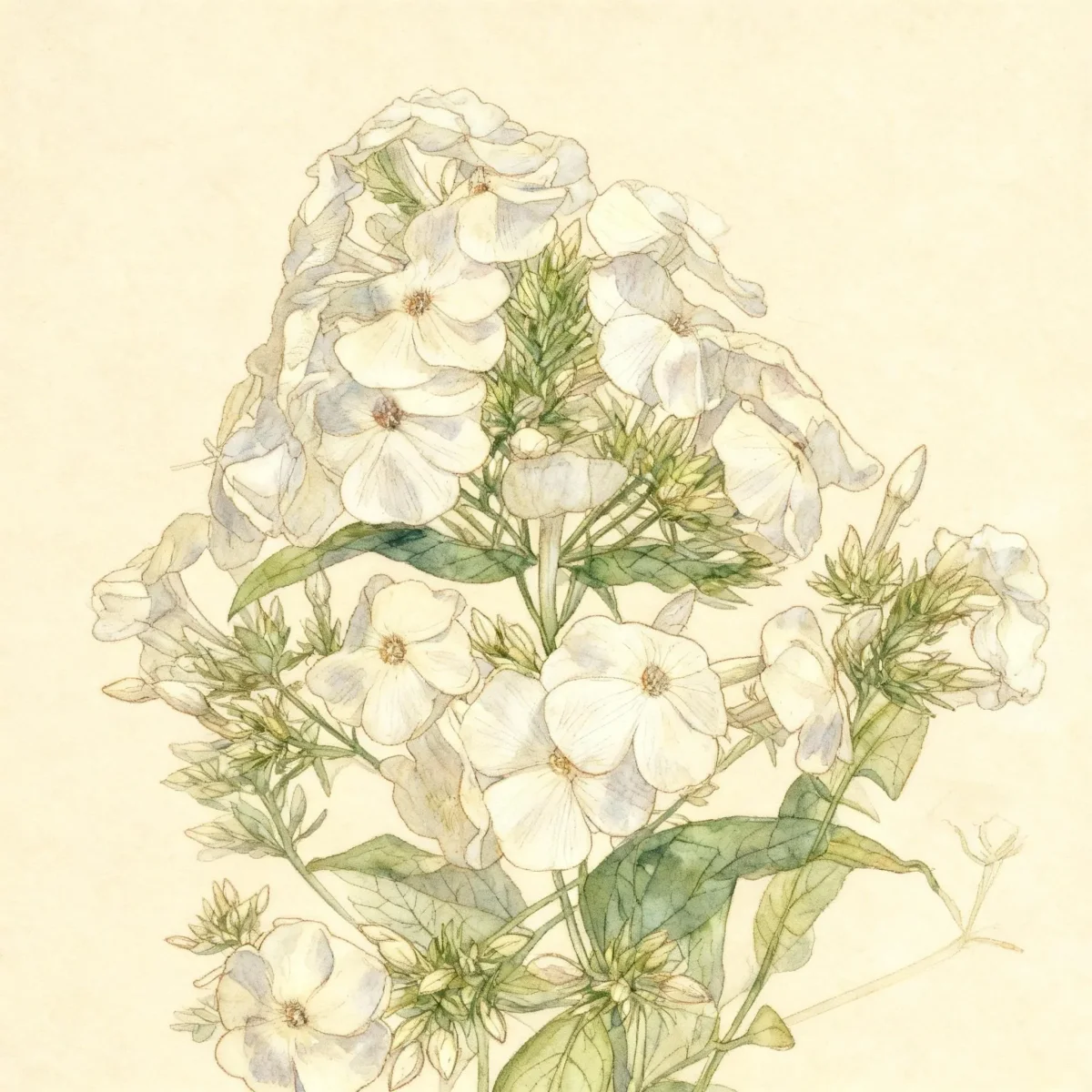
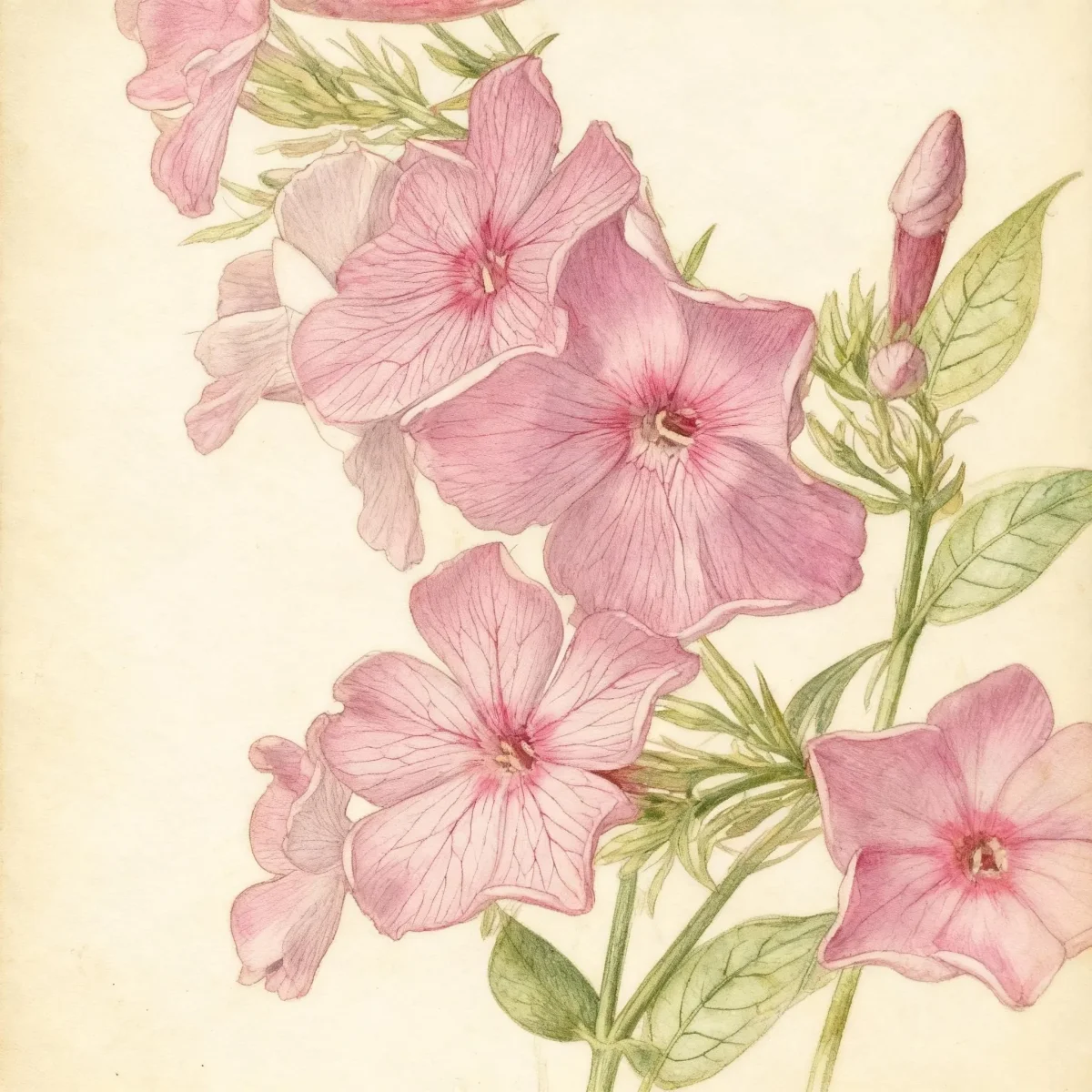
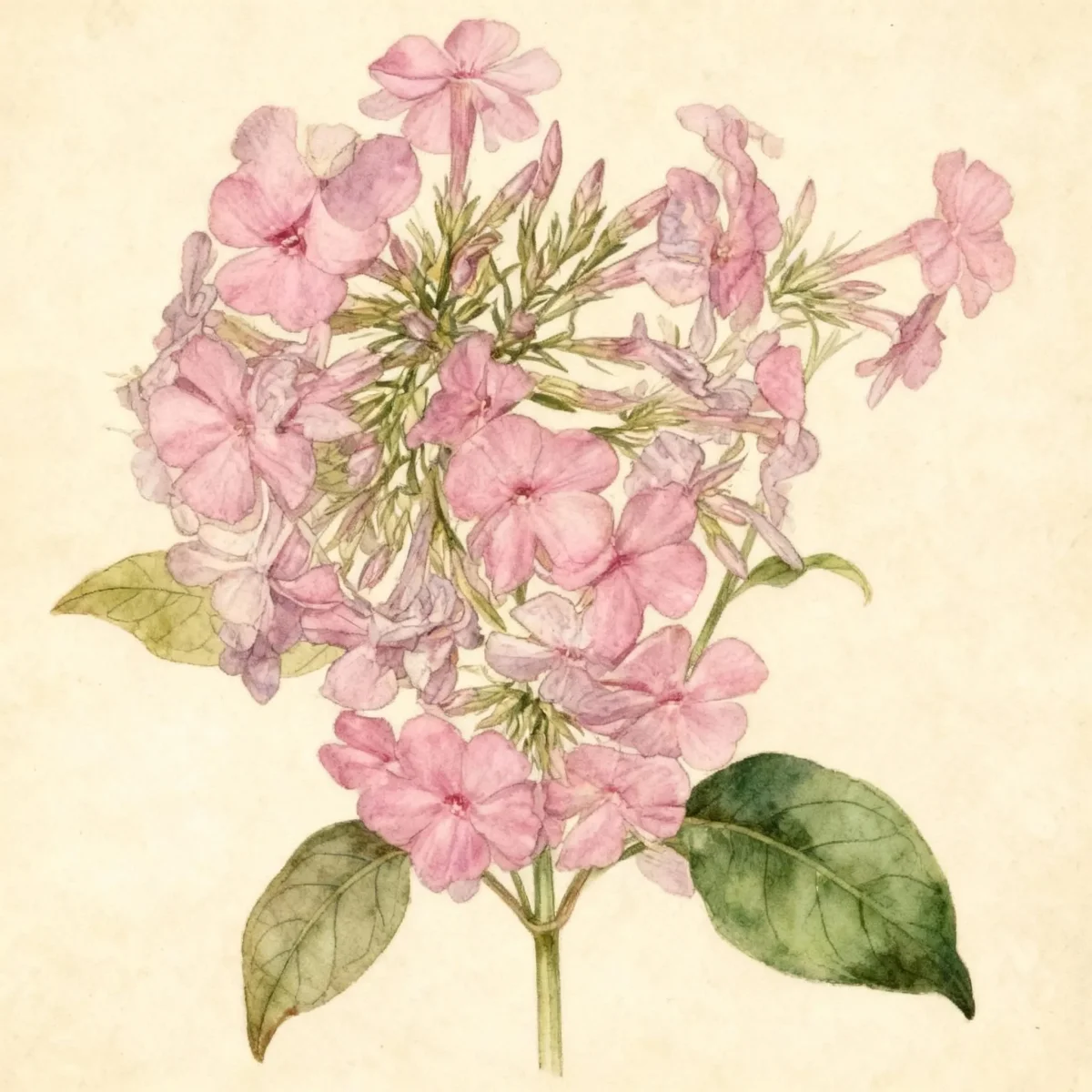
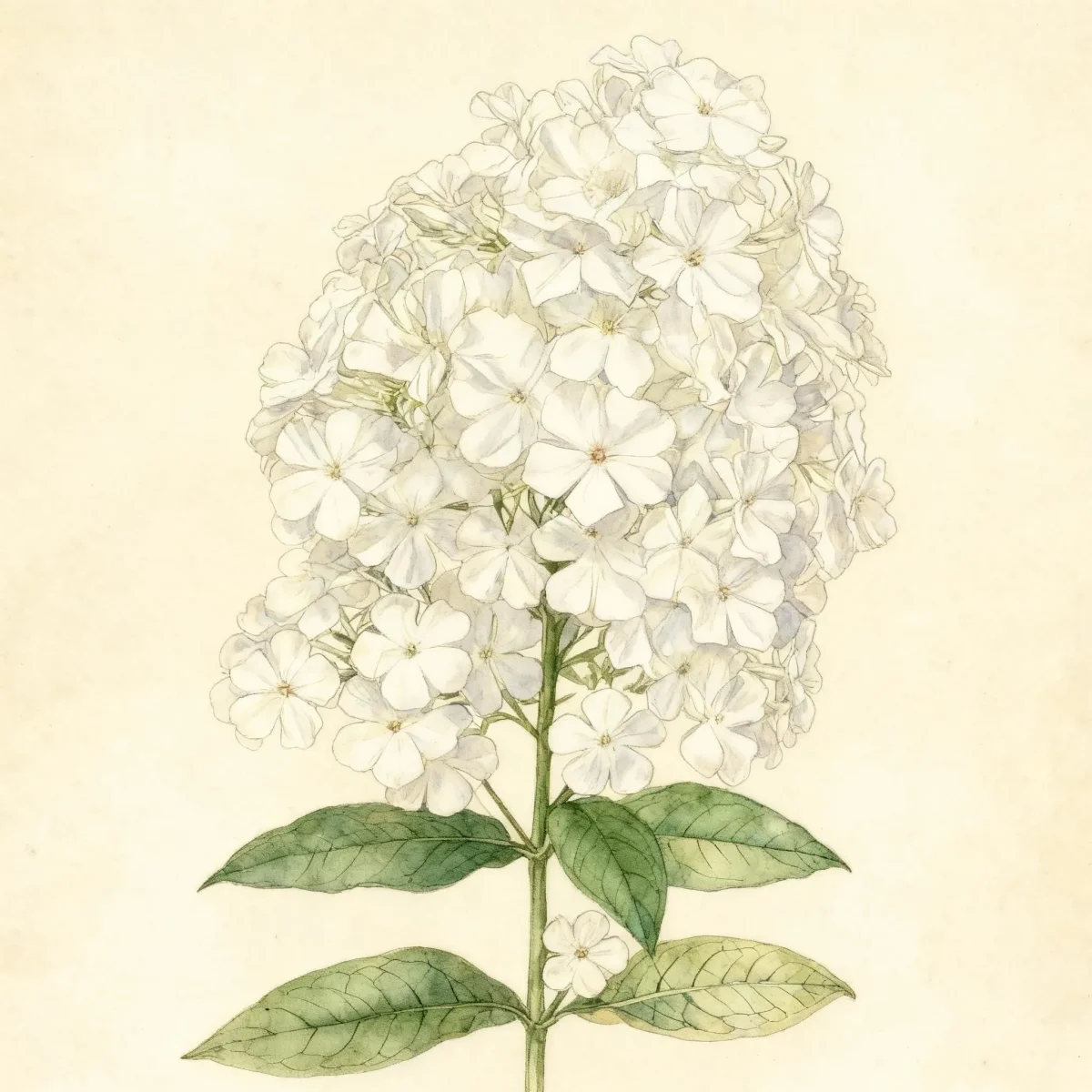
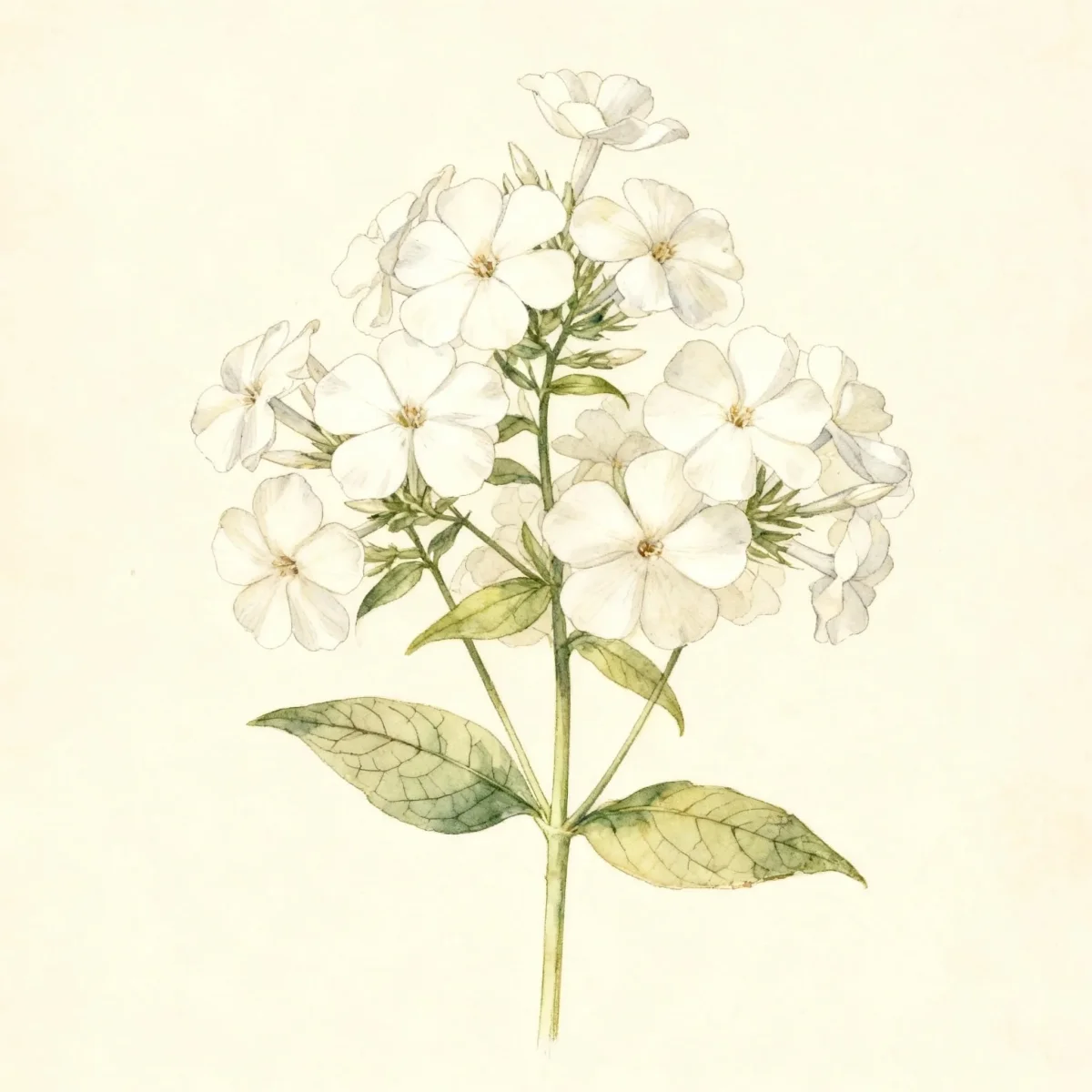
Garden phlox (Phlox paniculata 'John Fanick')
Phlox paniculata 'John Fanick' offers fragrant, showy pale pink blooms from July to September, ideal for perennial borders in zones 4-8.
Scroll down to discover growing tips, care requirements, companion plants, and more
Complete Plant Information
Overview
Garden phlox, specifically the cultivar Phlox paniculata ‘John Fanick’, is a quintessential summer bloomer prized for its long flowering display and delightful evening fragrance. This upright perennial brings vertical interest and vibrant color to the garden border, typically flowering reliably from mid-summer into early fall. Phlox paniculata ‘John Fanick’ is valued for its deep green foliage and clusters of pale pink flowers, making it an excellent anchor plant in mixed perennial beds.
This variety needs consistent moisture and good air movement to thrive, hallmarks of successful perennial gardening. While it offers notable tolerance to challenges like deer and clay soil, managing humidity and ensuring good cultural practices are essential for sustained performance. Garden phlox is a magnet for local pollinators, including butterflies.
As a staple of the perennial border, Phlox paniculata ‘John Fanick’ provides excellent mid-season structure. It originated in North America and has adapted to a wide range of conditions, though it performs best in regions with milder summers. Planning its placement to maximize air circulation is key to enjoying the showy blooms of this garden favorite.
Fast Facts
- Plant Family: Polemoniaceae
- Plant Type: Herbaceous perennial
- Hardiness Zones: USDA Zones 4-8
- Size at Maturity:
- Height: 2-3 ft
- Spread: 1.5-2 ft
- Bloom Time: July to September
- Bloom Description: Pale pink
- Sun Exposure: Full sun to part shade
- Water Needs: Medium
- Maintenance Level: Medium
How to Grow
Plant Garden phlox in a location receiving full sun for the best color, though part shade is tolerated. It thrives in moderately fertile, medium moisture, well-drained soil, preferring organically rich compositions. Ensure adequate spacing during planting, as good air circulation is critical to mitigating common fungal issues associated with dense growth.
Maintain medium moisture levels by watering consistently, especially during dry spells; Phlox paniculata ‘John Fanick’ is intolerant of drought, but avoid overhead watering to keep foliage dry. While specific fertilization isn’t usually necessary in rich soil, an appreciation for a summer mulch will help keep the root zone cool and reduce water stress. Deadheading faded flower panicles is recommended to encourage rebloom and prevent the plant from wasting energy on unwanted self-seeding.
For winter preparation, cut the stems of the garden phlox down to the ground after the foliage dies back. Thoroughly clean up the entire area to remove fallen debris, which minimizes the presence of overwintering fungal spores that cause powdery mildew. Cultivars like ‘John Fanick’ may show some resistance, but good sanitation remains a vital cultural practice.
Landscape Uses
Garden phlox is truly a staple of the perennial border, lending height, backbone, and intense color during the peak of summer. Phlox paniculata ‘John Fanick’ mixes seamlessly with later-blooming perennials like Asters or Coneflowers, creating layered interest throughout the season in a traditional cottage garden design. Its rich foliage provides dense coverage below the flowers.
Its strong vertical habit makes it excellent for dividing larger beds or mass planting along fences, where its showy, fragrant clusters can be fully appreciated. Furthermore, regardless of flower color, all garden phlox is highly attractive to hummingbirds, making it a superb selection for inclusion in any bird or wildlife garden design.
Standout Features
Flower Qualities
- Showy
- Fragrant
Noteworthy Characteristics
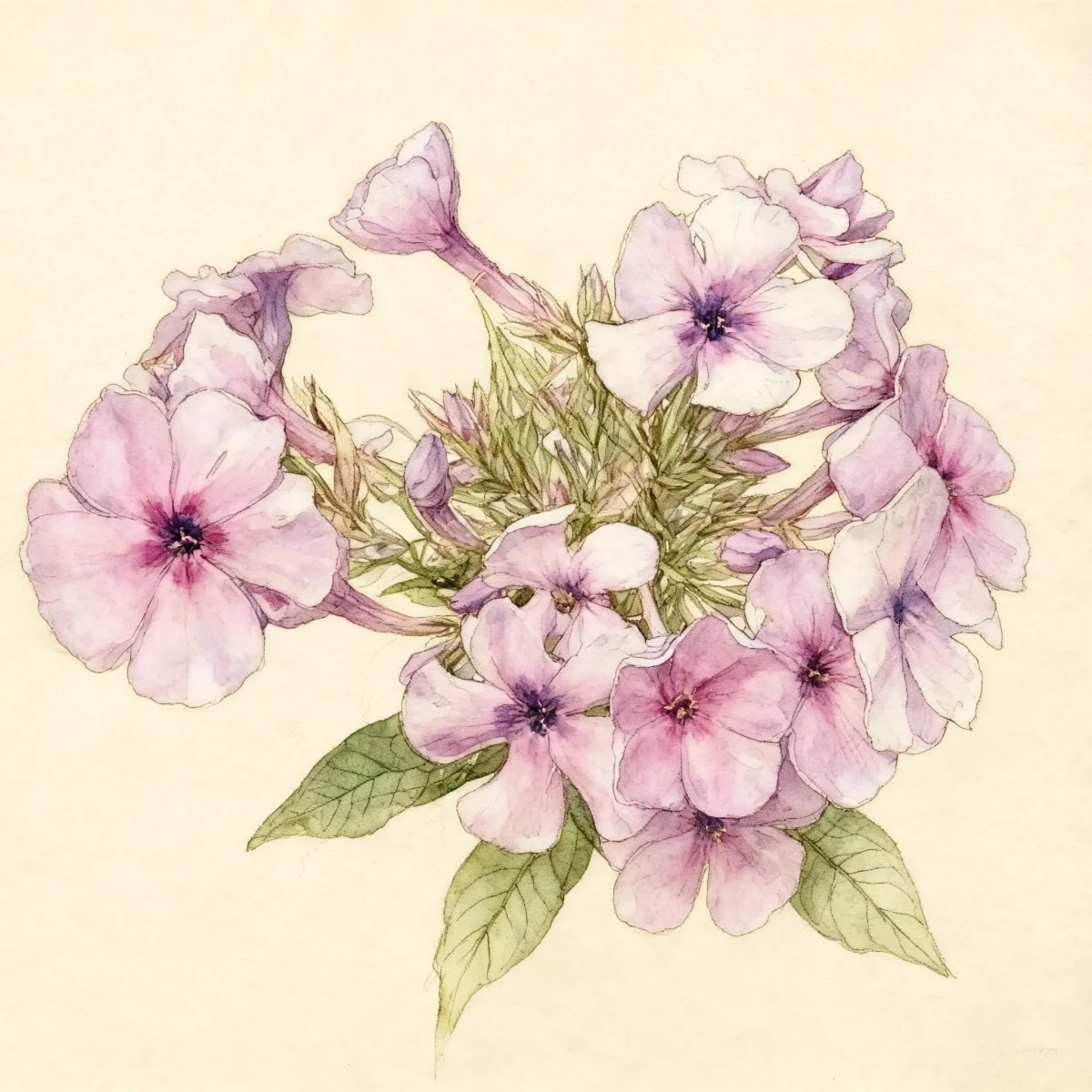
Phlox paniculata, commonly known as garden phlox, is native from New York to Iowa south to Georgia, Mississippi and Arkansas, though it has now naturalized beyond its original range. This upright perennial typically grows to 2-4’ tall on stiff stems clad with deep green leaves. The cultivar ‘John Fanick’ specifically produces tubular pale pink flowers with darker pink throats, densely packed into terminal clusters reaching up to 6 inches wide over a long July to September bloom period. Butterflies are highly attracted to the flowers of Phlox paniculata ‘John Fanick’.
Tolerances
- Deer
- Clay Soil
- Black Walnut
Potential Problems
Garden phlox can present cultivation challenges, with phlox bugs, root rot, and powdery mildew being potential issues. Spider mites may also appear when the plant suffers under excessively hot, dry conditions, which compromises its vigor. Taller stems sometimes require staking for better support, although ‘John Fanick’ generally maintains a manageable stature. Proactive care focuses on prevention; avoid overhead watering and ensure excellent airflow by spacing plants well apart and thinning excessive interior growth to combat dampness and mildew development.
Frequently Asked Questions
What hardiness zones is Garden phlox suitable for?
Phlox paniculata ‘John Fanick’ is hardy across USDA Zones 4 through 8.
How large does Phlox paniculata ‘John Fanick’ grow?
This cultivar typically reaches a height between 2 and 3 feet tall, with a spread ranging from 1.5 to 2 feet wide.
When does Garden phlox bloom?
You can expect Phlox paniculata ‘John Fanick’ to bloom from July well into September, featuring pale pink florets.
What sun exposure does Garden phlox need?
This plant prefers full sun but will tolerate sites offering some part shade exposure.
Conclusion
Phlox paniculata ‘John Fanick’ offers reliable stature, beautiful pale pink coloration, and a welcoming fragrance to the mid-to-late summer garden. Successfully growing this Garden phlox requires attention to soil fertility, consistent moisture, and, most critically, maximizing air circulation to prevent common foliage diseases. Before planting, always confirm that your local site conditions fall within USDA Zones 4-8 to ensure the best performance for your Phlox paniculata ‘John Fanick’.
Wildlife Benefits
Garden phlox, including the ‘John Fanick’ cultivar, is a crucial summer nectar source for local fauna. The tubular flowers are perfectly formed to attract long-tongued pollinators, making it an indispensable plant for a vibrant wildlife garden.
Butterflies are especially fond of the flowers, using them as both a landing pad and a refueling station throughout the weeks of bloom. Planting groups of these perennials together creates a larger target, maximizing visibility and attractiveness to passing beneficial insects.
This attraction to wildlife, combined with its reliable bloom time, secures garden phlox a spot in any integrated landscape plan that aims to support local ecology and biodiversity across the summer months.
Seasonal Care Calendar
Spring preparation involves cutting back the old woody stems left from the previous winter pruning job, clearing this dead material from the garden bed. Once new growth begins, gently amend the soil around the base with a high-quality compost to replenish nutrients and improve moisture retention.
As the summer heat sets in (typically July and August), monitor water needs closely. If rainfall is scarce, provide deep, slow soakings directly at the base of the plant, remembering that Phlox paniculata ‘John Fanick’ dislikes getting its leaves wet from overhead watering. Apply a light summer mulch around the roots to conserve soil moisture.
During the blooming period, deadheading spent flower heads will encourage the production of new blooms, extending the color contribution of your garden phlox well into September. Remove the old stalks completely in the late fall or early winter as part of good garden hygiene.