Lily of the Incas (Alstroemeria 'Koice' INCA ICE)
Discover Alstroemeria 'Koice' INCA ICE, the Lily of the Incas, offering showy apricot-pink blooms from June to September in Zones 5-9.
Scroll down to discover growing tips, care requirements, companion plants, and more
Complete Plant Information
Overview
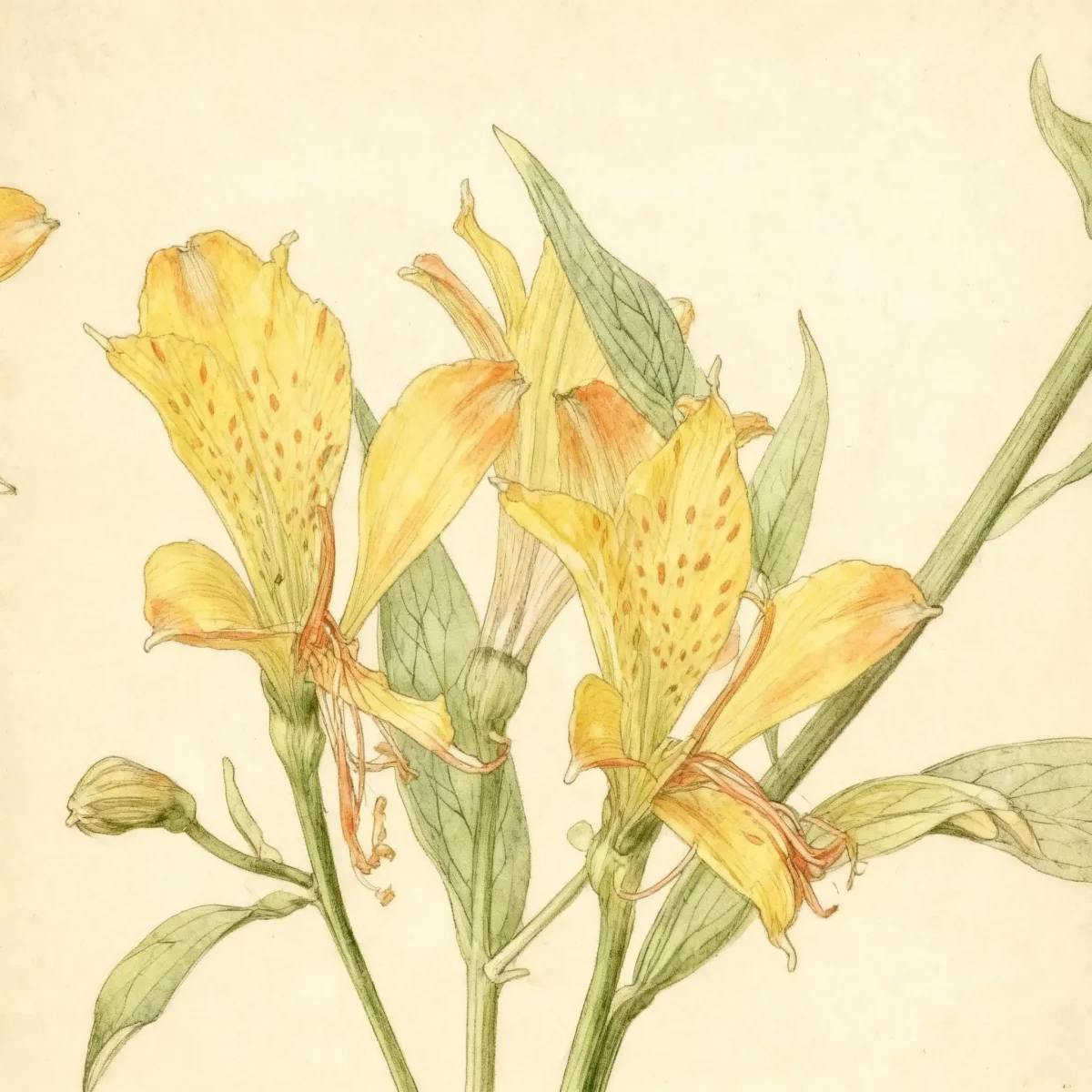
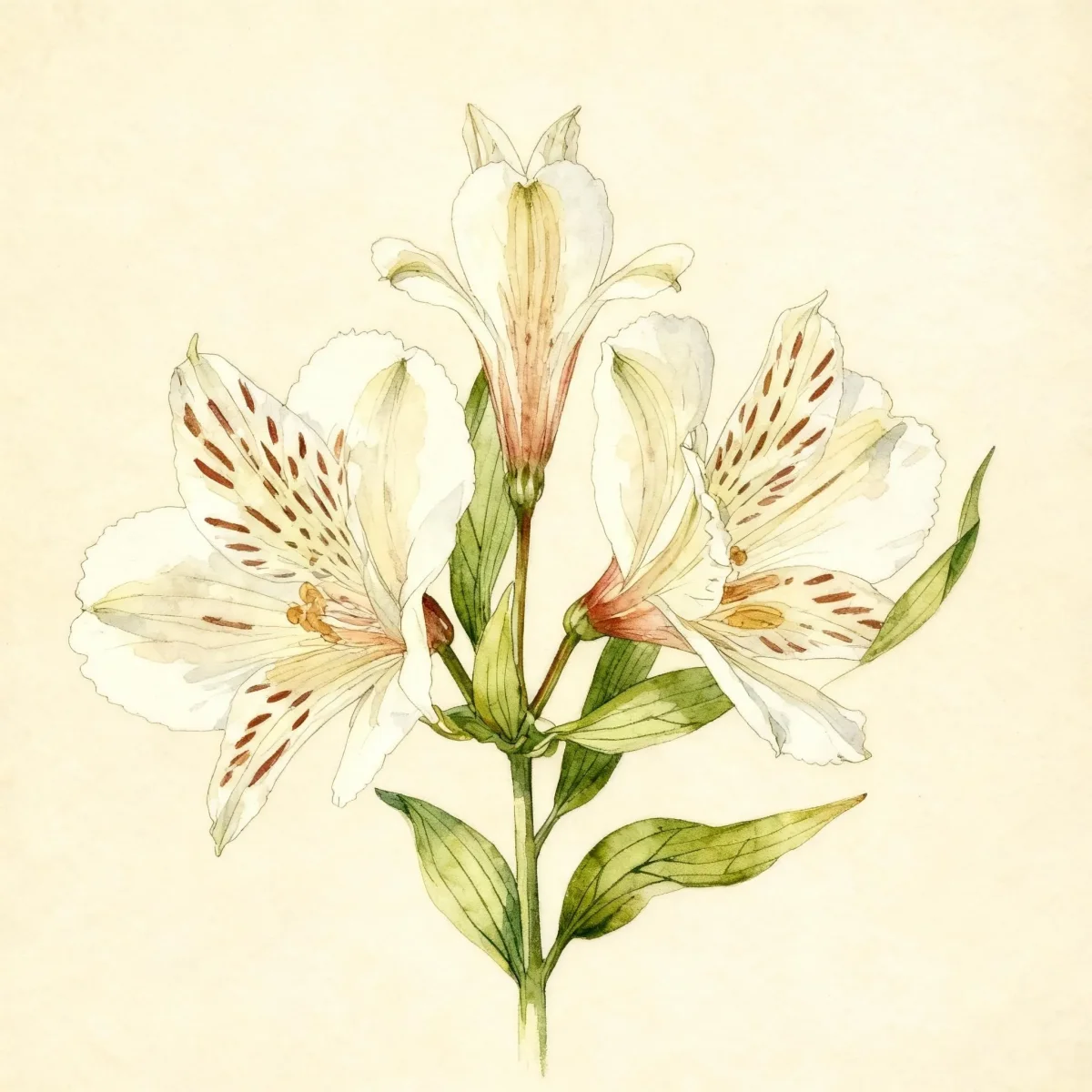
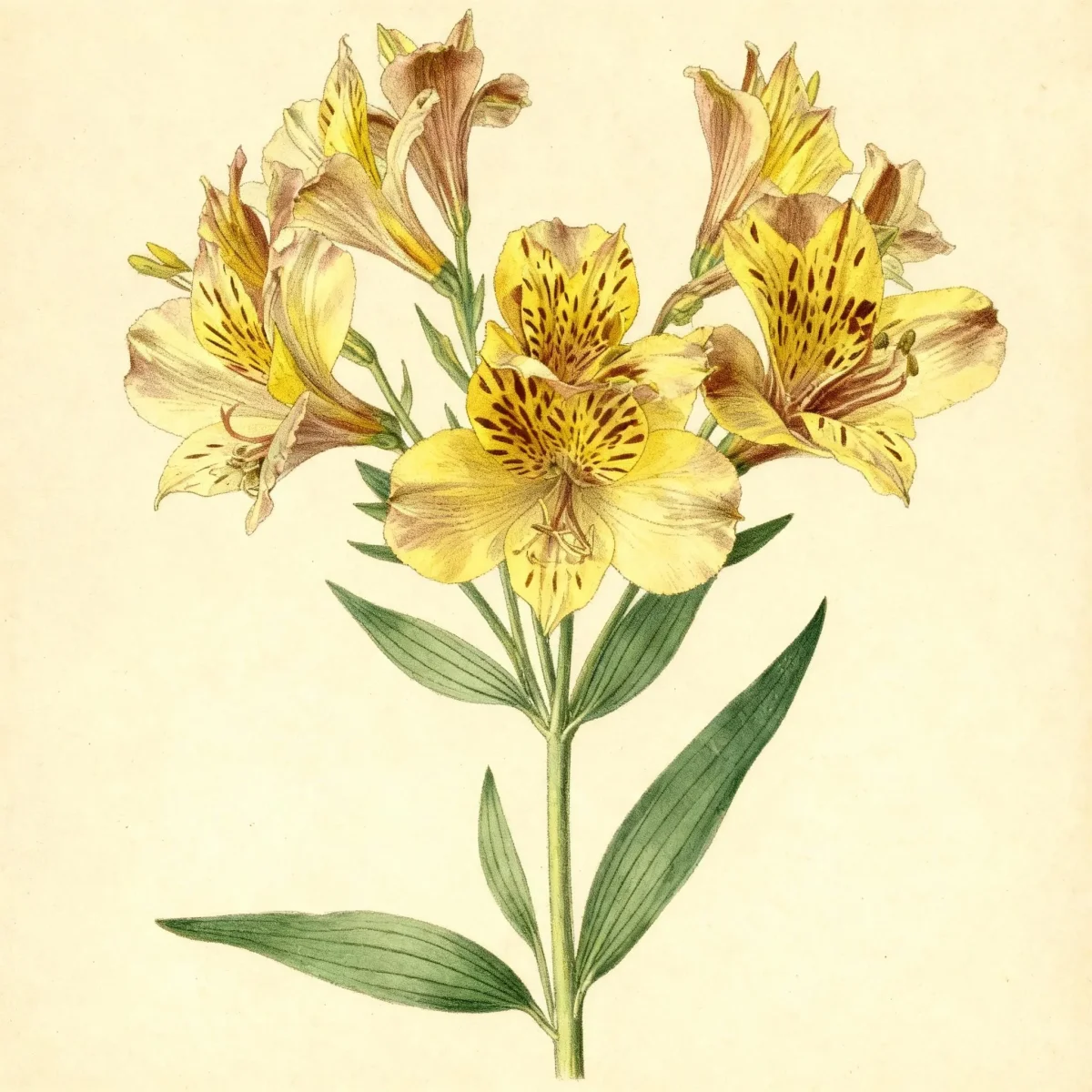
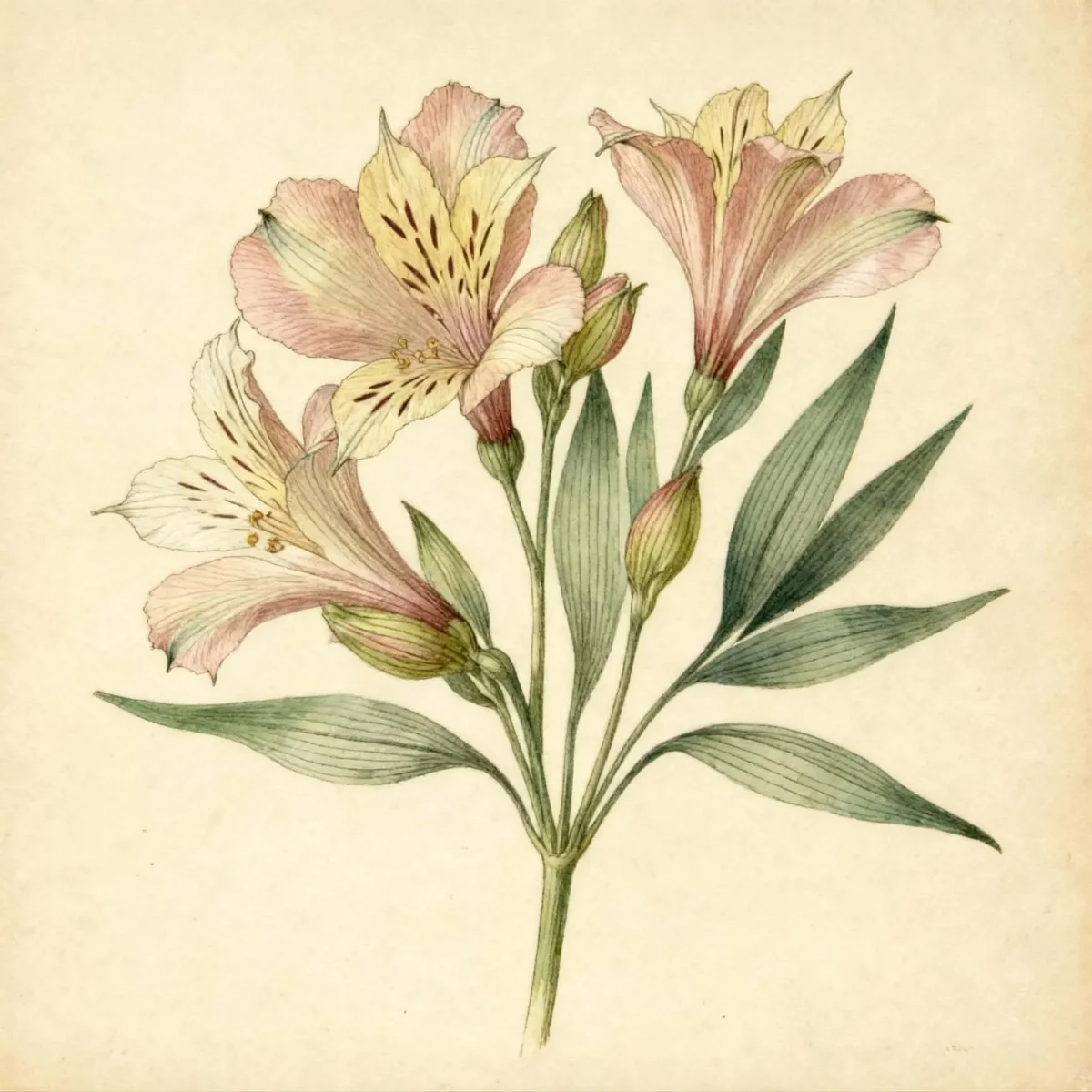
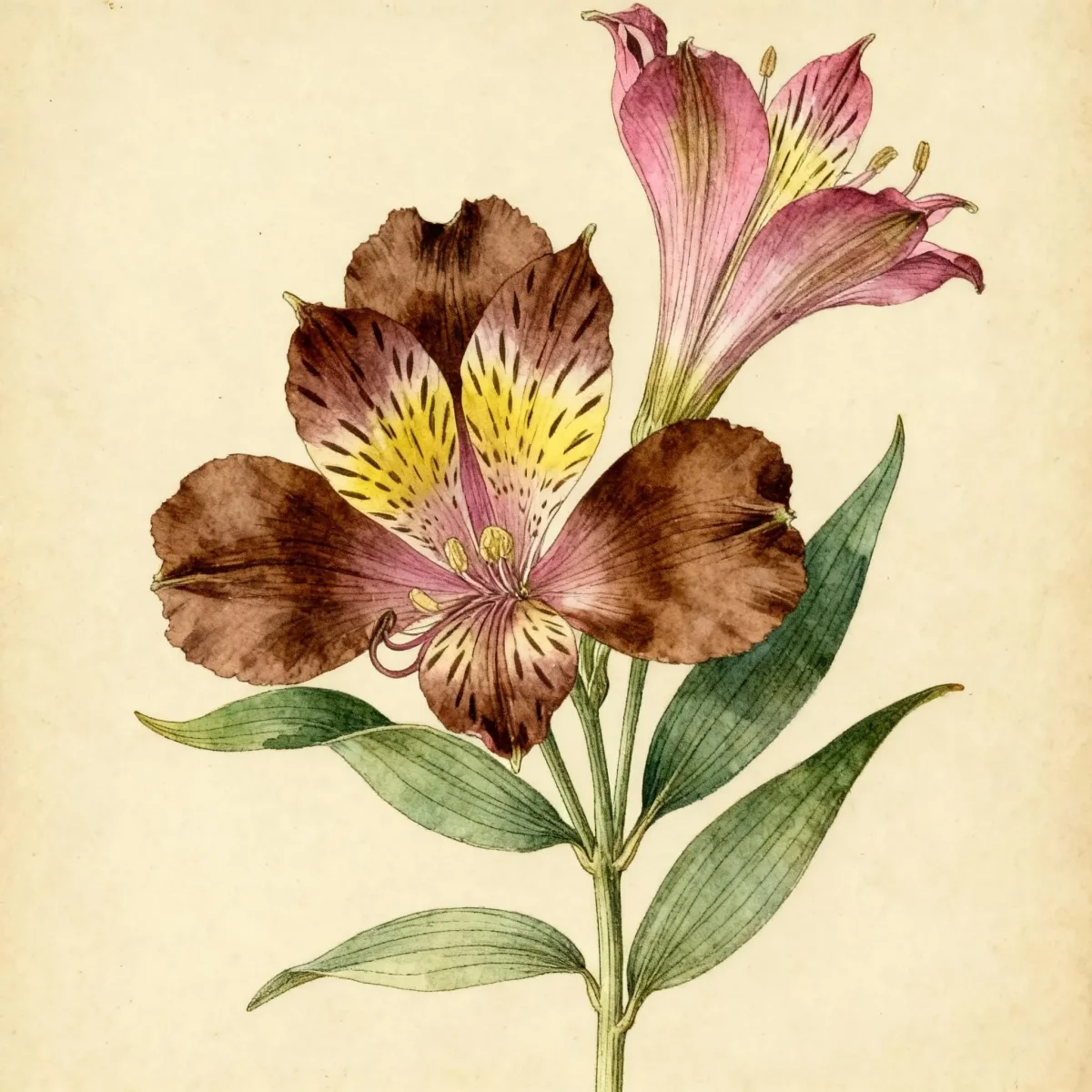
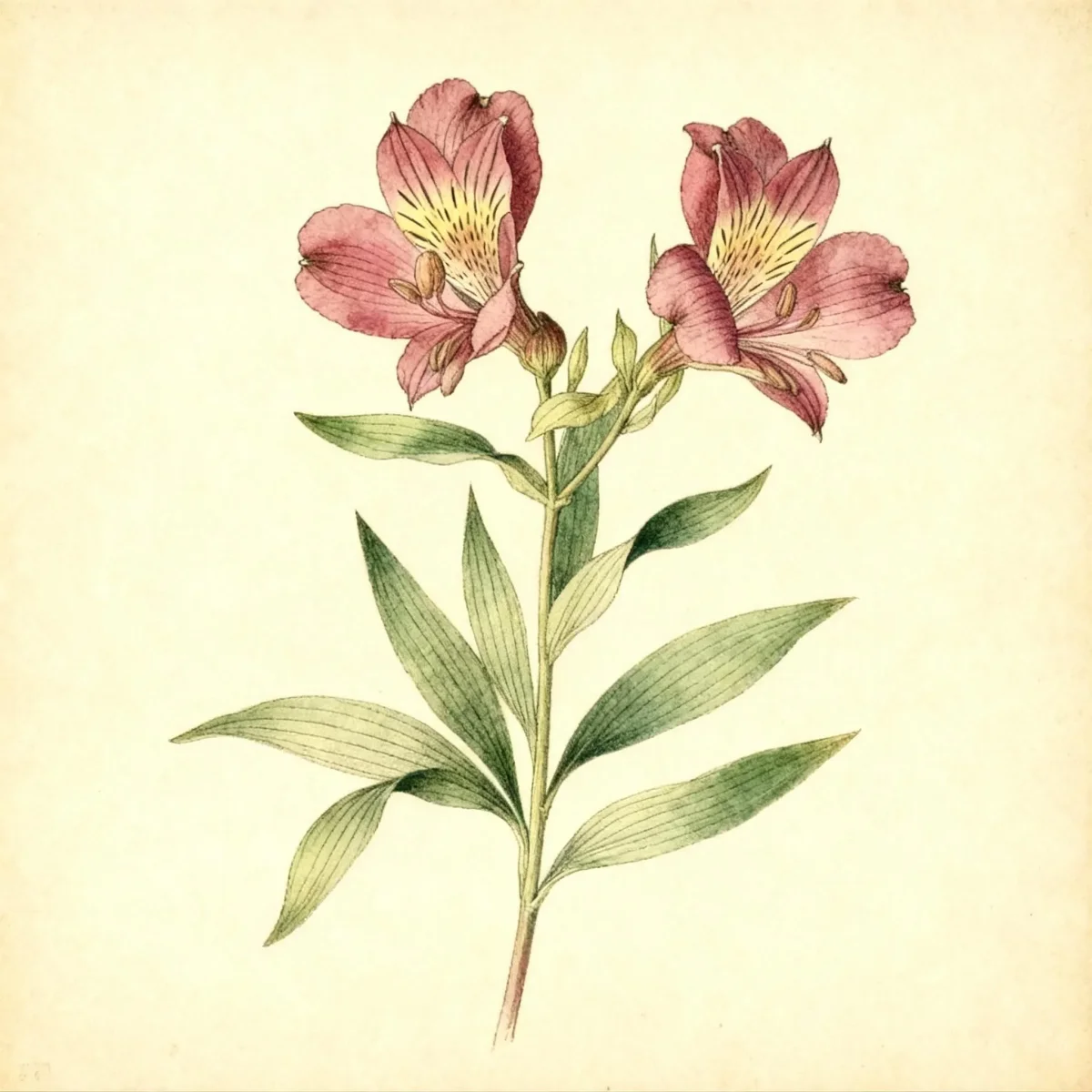
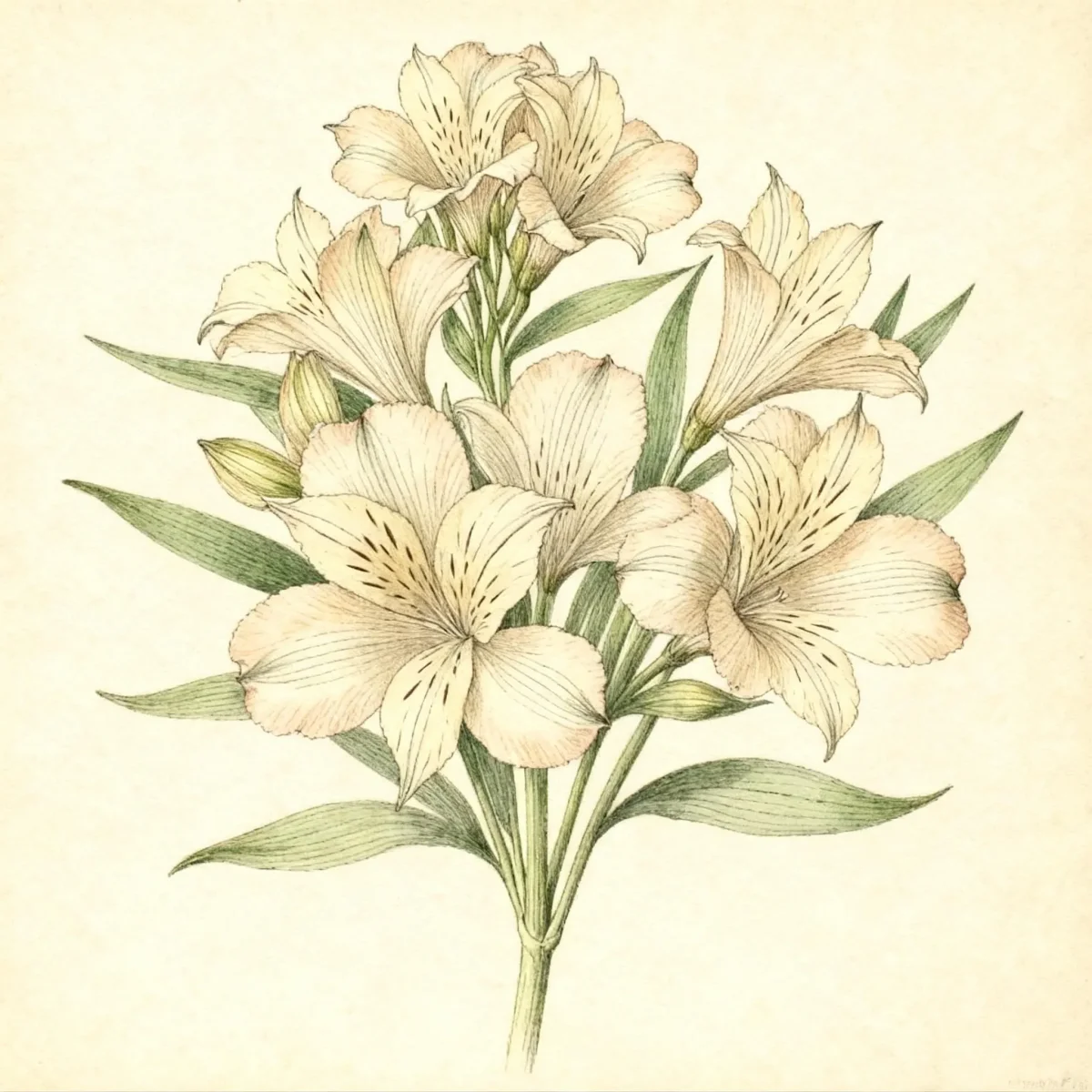
Alstroemeria ‘Koice’ INCA ICE, commonly known as Lily of the Incas, is celebrated for its prolific flowering habit and vibrant, long-lasting blooms. This robust hybrid cultivar presents striking pale apricot-pink flowers accented with yellow, creamy white highlights, and dark red streaks, making it a standout perennial or annual addition. Grown for its excellent performance as a cut flower, the Lily of the Incas forms sturdy clumps that reliably produce vertical flower stalks throughout the summer season. Gardeners value Alstroemeria ‘Koice’ INCA ICE for its ability to bring intense color interest to borders and bouquets from early summer until fall frost.
As a cold-hardy bulb, it offers flexible use across many American landscapes, though care must be taken in colder regions. Proper soil management, ensuring rich, well-drained conditions, is key to maximizing the performance of this South American native hybrid. Whether filling a cottage garden border or providing material for indoor enjoyment, growing Alstroemeria ‘Koice’ INCA ICE offers high visual impact for moderate maintenance investment.
Fast Facts
- Plant Family: Alstroemeriaceae
- Plant Type: Bulb
- Hardiness Zones: USDA Zones 5-9
- Size at Maturity:
- Height: 2-3 ft
- Spread: 2-3 ft
- Bloom Time: June to September
- Bloom Description: Apricot-pink
- Sun Exposure: Full sun to part shade
- Water Needs: Medium
- Maintenance Level: Medium
How to Grow
Planting Alstroemeria ‘Koice’ INCA ICE is best done in spring once frost danger has passed, seeking locations that provide organically rich, loose, and perfectly well-drained soil. While these plants thrive in full sun, choosing a spot that offers slight protection from the intense afternoon sun will benefit them in very hot summer climates. The Lily of the Incas requires medium, consistent, and even moisture, especially if you wish to encourage continuous blooming throughout the season. Avoid letting the soil dry out completely between waterings.
Maintenance for Alstroemeria ‘Koice’ INCA ICE is generally medium. Deadheading spent flower stalks encourages new growth, though they are often sheared back entirely once flowering slows. If the 2-3 foot flower stalks become too tall, providing light staking can prevent flopping. Regarding feeding, regular applications of a balanced fertilizer during the growing season will support prolific flowering.
For gardeners in colder reaches of its range (Zones 5-7), winter protection is essential. If grown in zones 8-10, it offers notable hardiness, surviving temperatures down to 15-20°F with good mulch coverage. In cold winter climates, it is advisable to dig the tubers in fall after foliage dies back, storing them in cool, dark conditions in damp potting soil, though handle roots with extreme care due to their brittle nature. If growing containerized Alstroemeria ‘Koice’ INCA ICE, bring the pots indoors to a sunny window for winter.
Landscape Uses
The Alstroemeria ‘Koice’ INCA ICE excels in mixed borders where its height (2-3 feet) allows it to stand well above shorter groundcovers, providing vertical texture and season-long color. Because the stems are highly prized as cut flowers, including this Lily of the Incas in a dedicated cutting patch ensures a regular supply for vases indoors. Furthermore, its bright blooms integrate beautifully into cottage gardens, adding that classic, slightly informal charm.
For design flexibility, these bulbs perform well when mass-planted to create drifts of apricot-pink color or used strategically as fillers between larger shrubs. They pair nicely with foliage plants that offer contrasting textures, such as ornamental grasses or darker-leaved perennials. Ensure companion plants share similar needs for well-drained soil and medium watering to keep the entire grouping thriving. Containers are another excellent application, especially for gardeners needing to move the plant indoors during harsh winters.
Standout Features
Flower Qualities
- Showy
- Good Cut
Noteworthy Characteristics
The genus Alstroemeria, native primarily to South America, includes about 50 species often recognized by common names like Peruvian lily or lily of the Incas. Hybrid strains have become extremely popular commercial cut flowers due to their long vase life and stiff stems, available in a wide array of colors, frequently featuring unique flecks or streaks. The specific cultivar, ‘Koice,’ is recognized for being cold hardy and floriferous, delivering pale apricot-pink flowers with yellow, creamy white highlights, and dark red markings, commonly marketed under the name INCA ICE.
Tolerances
Potential Problems
Slugs and snails are common assailants, often targeting the attractive foliage of the Lily of the Incas, especially when plants are establishing or conditions are damp. Regularly inspect the undersides of leaves and stems for signs of these pests.
Spider mites can also be an issue, particularly if the plant experiences dry or stressed conditions, often leading to fine webbing and speckling on the leaves. Maintaining consistent moisture and air circulation, and sometimes employing horticultural oil, can mitigate mite damage.
Frequently Asked Questions
What hardiness zones is Lily of the Incas suitable for?
The Alstroemeria ‘Koice’ INCA ICE is generally hardy in USDA Zones 5 through 9, though extra winter mulch is highly recommended for its first winter in colder extremes of this range.
How large does Alstroemeria ‘Koice’ INCA ICE grow?
This cultivar typically reaches a mature height and spread between 2 to 3 feet tall and wide, forming sturdy clumps suitable for the middle or back of a border.
What sun exposure does Lily of the Incas need?
It performs well in full sun but benefits from some partial afternoon shade, particularly when temperatures climb high during the summer months.
When does Alstroemeria ‘Koice’ INCA ICE bloom?
You can expect continuous bloom production on the sturdy stalks of Alstroemeria ‘Koice’ INCA ICE from June straight through to September.
Conclusion
The Alstroemeria ‘Koice’ INCA ICE variety offers exceptional value, blending prolific flowering with durability, making it a staple for both borders and bouquets. This Lily of the Incas brightens the garden with its unique apricot-pink display all summer long. Before planting, confirm that your microclimate falls within USDA Zones 5-9, or plan for necessary winter lifting or protection.
Companion Planting
When selecting companions for Alstroemeria ‘Koice’ INCA ICE, focus on plants that share its preference for well-drained soil and medium moisture levels. Pairing the vertical lines of the Lily of the Incas with mounding perennials creates excellent textural contrast. Consider integrating plants like Nepeta (Catmint) whose soft gray-green foliage and mid-summer blue blooms complement the apricot tones beautifully.
For cottage gardens, integrate shorter, spreading herbs such as Thyme or Oregano near the base of the Alstroemeria. This provides ground cover to help keep the roots cool while not competing aggressively for light. Avoid heavy feeders or plants that require consistently soggy soil, as these conditions will quickly compromise the brittle root structure of the Alstroemeria.
Seasonal Care Calendar
Managing Alstroemeria ‘Koice’ INCA ICE throughout the year focuses heavily on moisture consistency and cold protection. In early spring, after the last risk of hard frost, begin regular watering and apply a balanced fertilizer monthly to fuel summer growth. Throughout the peak summer months, ensure consistent deep watering, especially during dry spells, as this directly impacts the number of flowers produced.
As fall approaches, transition care based on your zone; if lifting the tubers, cease fertilization earlier in the season (late summer). In late autumn, apply a thick layer of mulch (4-6 inches) around established plants in zones 5-7 to insulate the crowns before the first hard freeze. For those overwintering indoors, reduce water frequency substantially once the plant is brought inside to mimic winter dormancy.