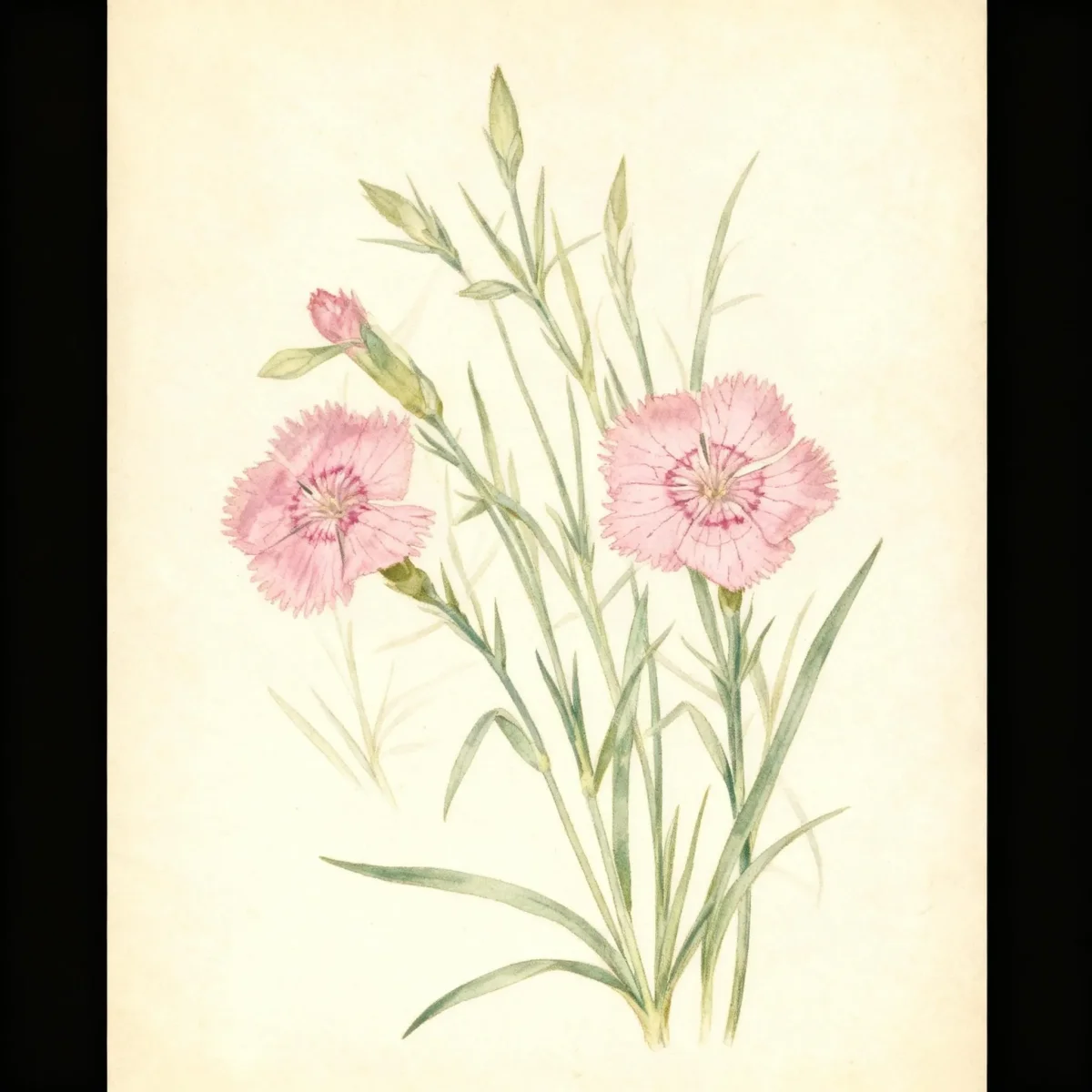
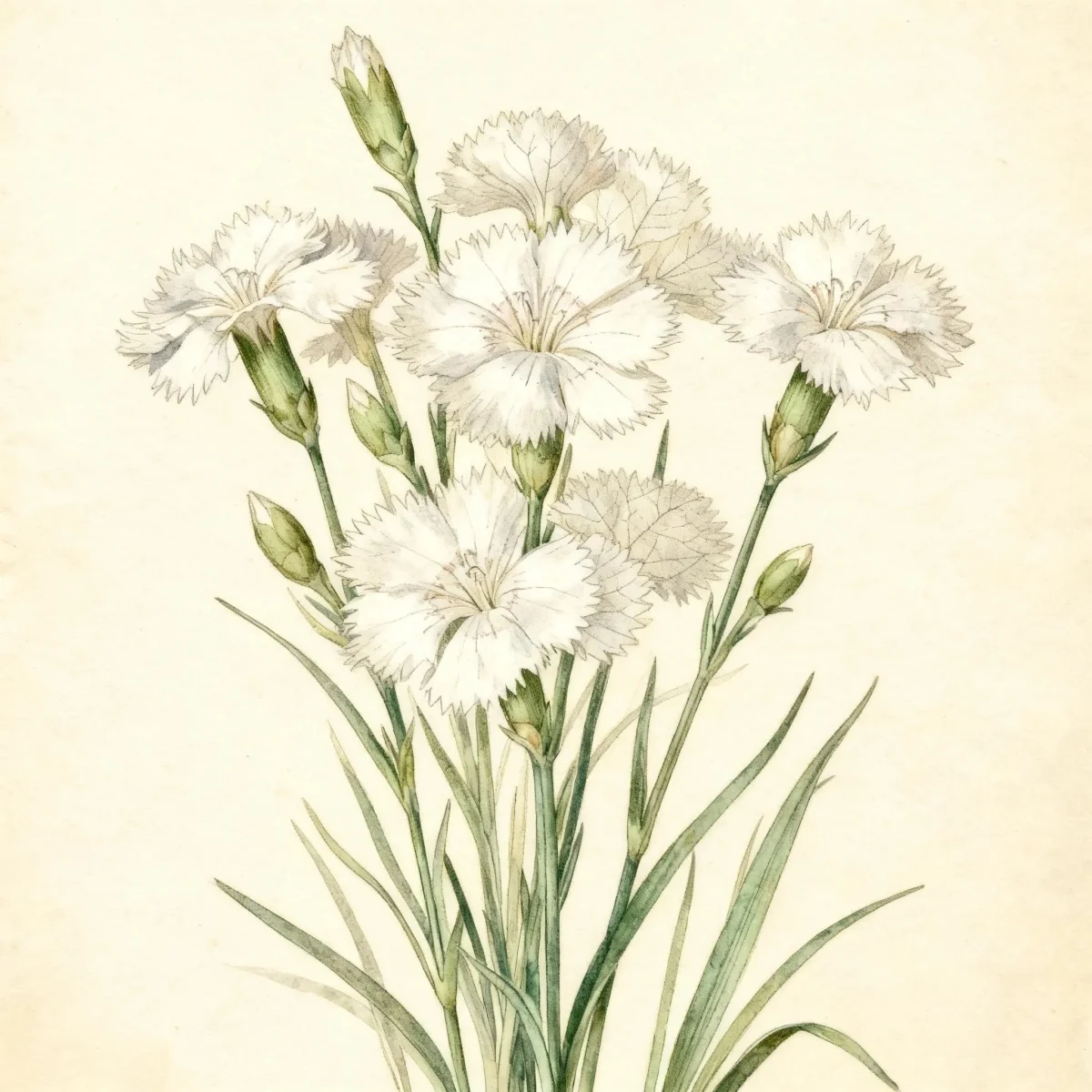
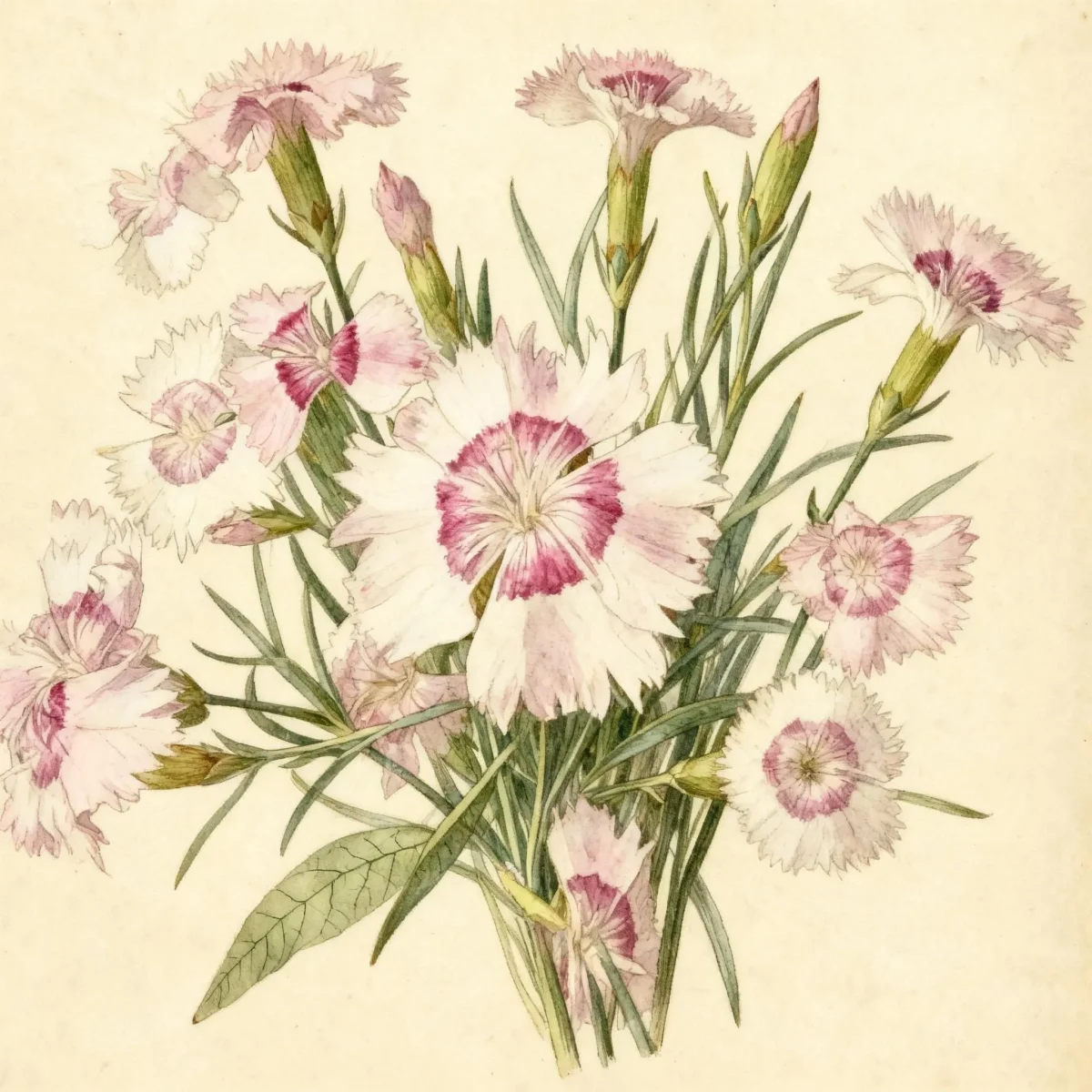
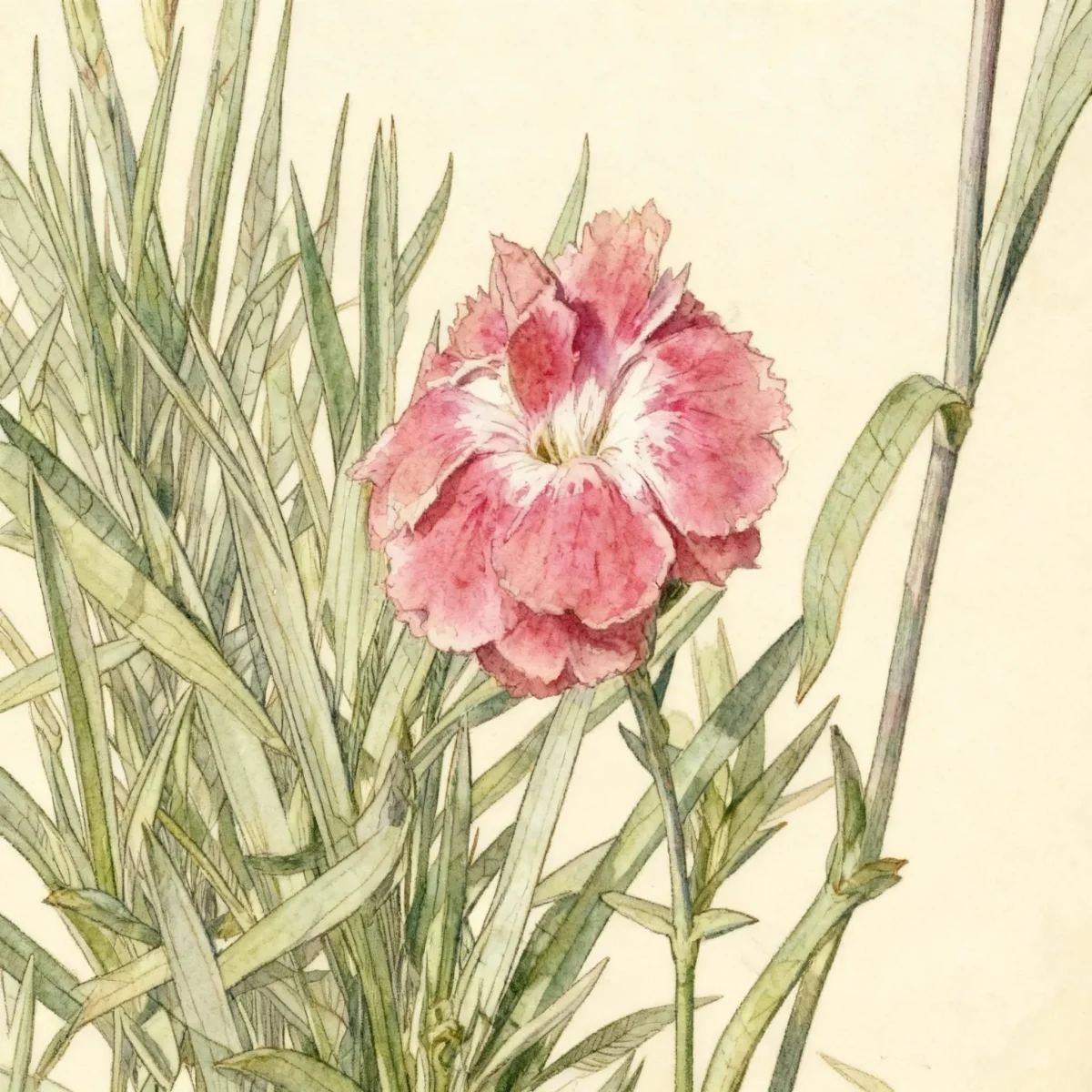
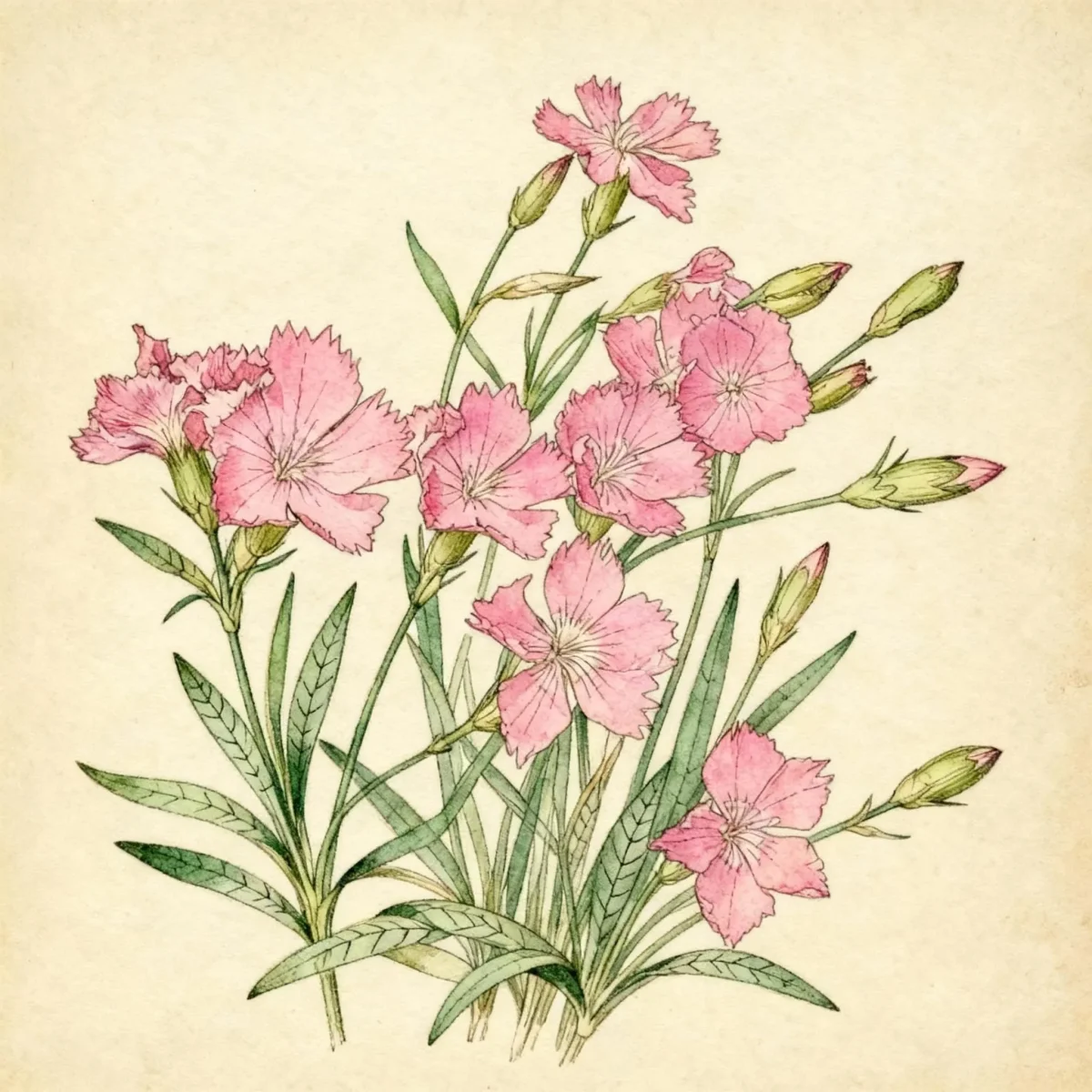
Pink (Dianthus 'Wicked Witch')
Dianthus 'Wicked Witch' (Pink) is a low-maintenance, mat-forming perennial bearing showy, fragrant, cherry-red blooms from May to June.
Scroll down to discover growing tips, care requirements, companion plants, and more
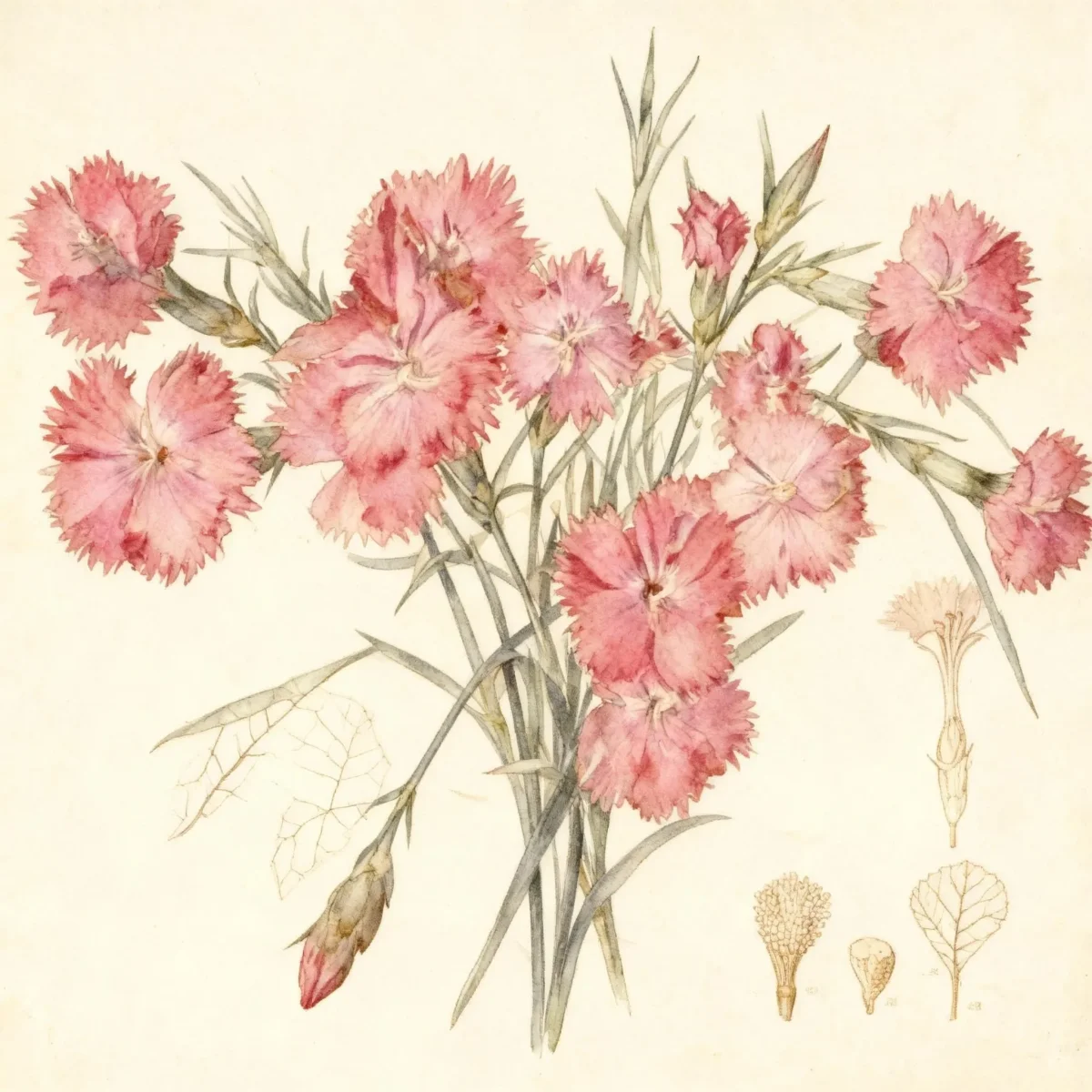
Complete Plant Information
Overview
Dianthus ‘Wicked Witch’ is a robust and highly desirable cultivar of Pink, known for forming dense, attractive cushions of foliage. This mat-forming herbaceous perennial offers a great deal of visual appeal without demanding excessive attention from the gardener, classifying it as a low-maintenance choice. Gardeners prize Dianthus ‘Wicked Witch’ for its striking, single cherry-red flowers that appear reliably from late spring into early summer.
This specific variety produces stiff stems rising above low mounds of narrow, gray-green, grass-like leaves. The fragrance of the blooms adds an often-overlooked sensory element to the garden. As a hardy Pink, it thrives in full sun, provided the soil offers excellent drainage, making it a stellar addition to sunny borders or rockeries.
The Dianthus ‘Wicked Witch’ imparts strong color contrast, especially when planted in mass where its ground-covering habit controls weeds and suppresses soil moisture loss. Its reliable nature and preference for cooler summer temperatures make it a foundational perennial for temperate garden designs seeking vibrant focal points.
Fast Facts
- Plant Family: Caryophyllaceae
- Plant Type: Herbaceous perennial
- Hardiness Zones: USDA Zones 3-8
- Size at Maturity:
- Height: 0.25-0.75 ft
- Spread: 0.5-1 ft
- Bloom Time: May to June
- Bloom Description: Cherry red
- Sun Exposure: Full sun
- Water Needs: Medium
- Maintenance Level: Low
How to Grow
Planting Dianthus ‘Wicked Witch’ is best done in the spring or fall, ensuring it settles in before the stress of peak summer heat. These plants demand full sun for the best flowering performance, though they appreciate cooler summer air. Optimal soil conditions involve average, evenly moist, well-drained soil that is organically rich and slightly gritty. While they tolerate average moisture, neutral to slightly alkaline soil pH is preferred for true Dianthus ‘Wicked Witch’ success.
During the growing season, maintain medium water needs, ensuring the soil never stays waterlogged, as good drainage is essential to prevent root issues. Incorporating leaf mold into gritty loams helps retain necessary moisture during hot spells without compromising drainage. Fertilization is generally minimal; focus instead on soil amendment prior to planting.
Deadheading spent flowers is highly recommended to encourage sporadic repeat bloom throughout the summer months. For late-season tidiness and to potentially promote a final flush of flowers in late summer or early fall, consider lightly shearing the entire plant back after the main bloom period concludes. This simple pruning step keeps the mat-forming habit refined.
Landscape Uses
Dianthus ‘Wicked Witch’ excels in situations where low-growing texture and bright color are needed at the edge of a planting scheme. Its mat-forming habit makes it exceptionally valuable when massed, acting as an attractive, dense ground cover that suppresses weed growth while providing season-long foliage interest. It is perfectly suited for use in rock gardens, creating vibrant spills over stone edges.
Use the robust, cherry-red flowers of this hardy Pink along border fronts where they can soften hard edges or in traditional cottage gardens that rely on layered textures. Because the foliage stays attractive even when not in bloom, Dianthus ‘Wicked Witch’ pairs well with spring bulbs, later-blooming perennials like Salvia, or shorter ornamental grasses that contrast its fine leaf structure.
Standout Features
Flower Qualities
- Showy
- Fragrant
Noteworthy Characteristics
The genus Dianthus, encompassing the Pinks and carnations, offers thousands of cultivars bred for garden or floral use; the common name ‘pink’ likely refers to the fringed petal margins that resemble pinking shear cuts. ‘Wicked Witch’ is a specific, robust cultivar discovered in 2002 as a sport of ‘Feuerhexe.’ It forms a mat of blue-green foliage from which compact stems carry single, fragrant, cherry-red flowers, which possess a mild, spicy, clove-like fragrance.
Tolerances
- Deer
Potential Problems
While generally hardy, especially when grown outdoors, carnations like Dianthus ‘Wicked Witch’ can face fungal, bacterial, and viral diseases, including rust and powdery mildew. Pests such as aphids, spidermites, and scale are occasional nuisances. Prevention hinges on excellent cultural care: ensure full sun exposure and superb drainage, as moisture retention exacerbates most pathogen issues.
If fungal issues appear, promptly remove affected foliage and improve air circulation around the low-growing Dianthus ‘Wicked Witch’. Avoid overhead watering late in the day. Since deer tend to avoid this plant, your main concern will be environmental factors relating to humidity and drainage rather than browsing pressure.
Frequently Asked Questions
What hardiness zones is Dianthus ‘Wicked Witch’ suitable for?
Dianthus ‘Wicked Witch’ is hardy across a wide range, suitable for USDA Zones 3 through 8.
How large does Pink grow?
This herbaceous perennial typically reaches a height of 0.25 to 0.75 feet and spreads between 0.5 to 1 foot wide, forming a low, attractive mat.
When does Dianthus ‘Wicked Witch’ bloom?
The primary bloom time for this variety is May to June, featuring very showy flowers described as cherry red.
What sun exposure does Pink need?
For optimal flowering, Dianthus ‘Wicked Witch’ requires placement in full sun conditions.
Conclusion
Dianthus ‘Wicked Witch’ is an invaluable garden component, offering low maintenance paired with fragrant, bright cherry-red summer color atop tidy, blue-green foliage. This Pink remains a sturdy performer in sunny locations, provided drainage is adequate. Review your site conditions to ensure it receives full sun and prepare well-drained soil before planting this fantastic cultivar in your borders or rock gardens.
Companion Planting
Selecting appropriate companions ensures the Dianthus ‘Wicked Witch’ thrives while contributing to a visually rich tapestry. Because this Pink demands sharp drainage and full sun, pair it with other Mediterranean or sun-loving, drought-tolerant perennials. Good choices include creeping thyme (Thymus serpyllum), Sedums, or low-growing varieties of Artemisia. These neighbors share similar cultural requirements, minimizing specialized watering or soil needs in that specific garden section.
Seasonal Care Calendar
For optimal performance of your Dianthus ‘Wicked Witch’, proactive seasonal maintenance is key. In early spring, clean up any winter debris and incorporate a light dressing of compost around the base, avoiding piling material against the crown. Summer heat is the main challenge; ensure deep, infrequent watering during dry spells, and deadhead spent blooms regularly to maximize repeat flowering potential. In fall, consider the light shearing mentioned previously to tidy the mound before winter sets in, although the dried foliage often provides winter interest in milder climates.