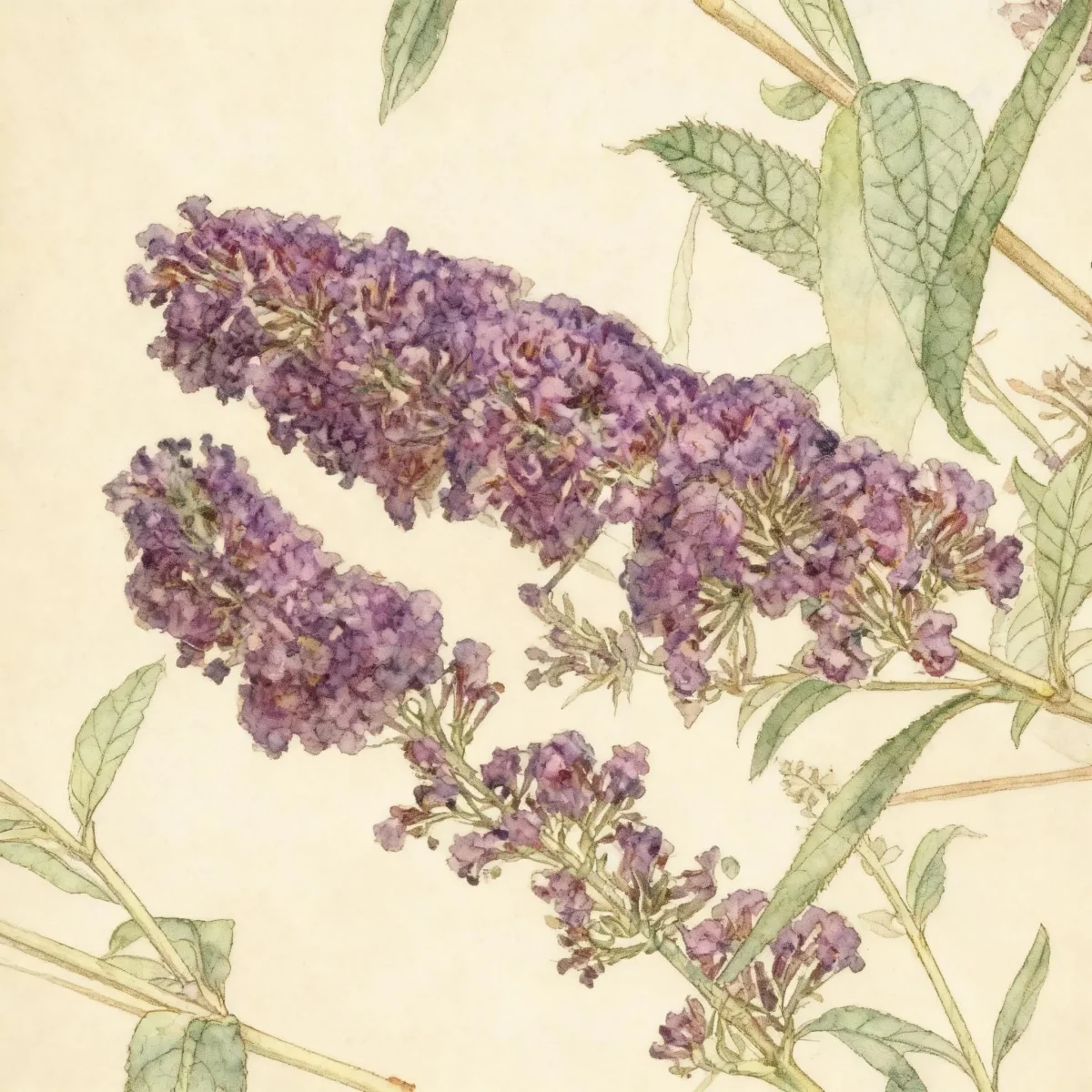
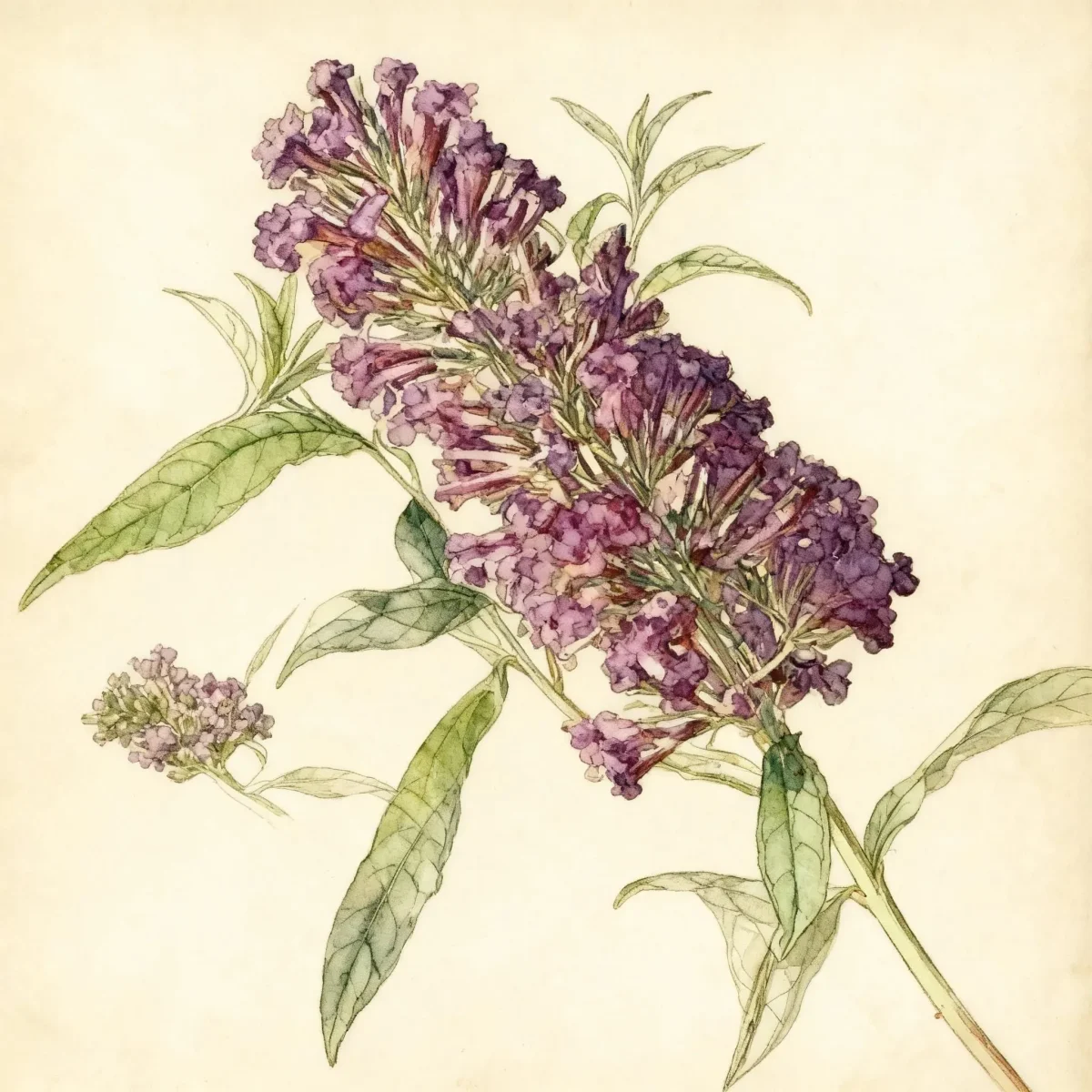
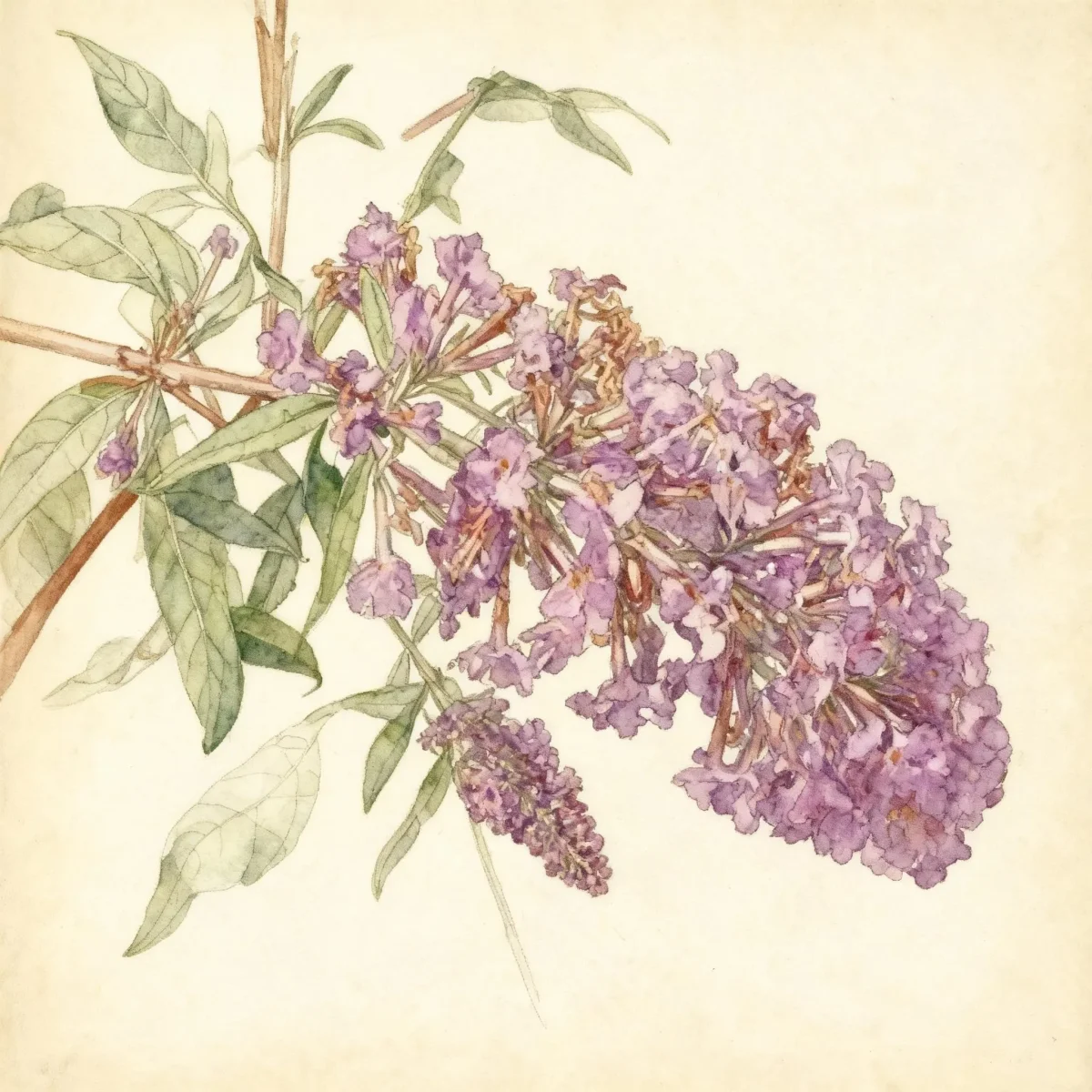
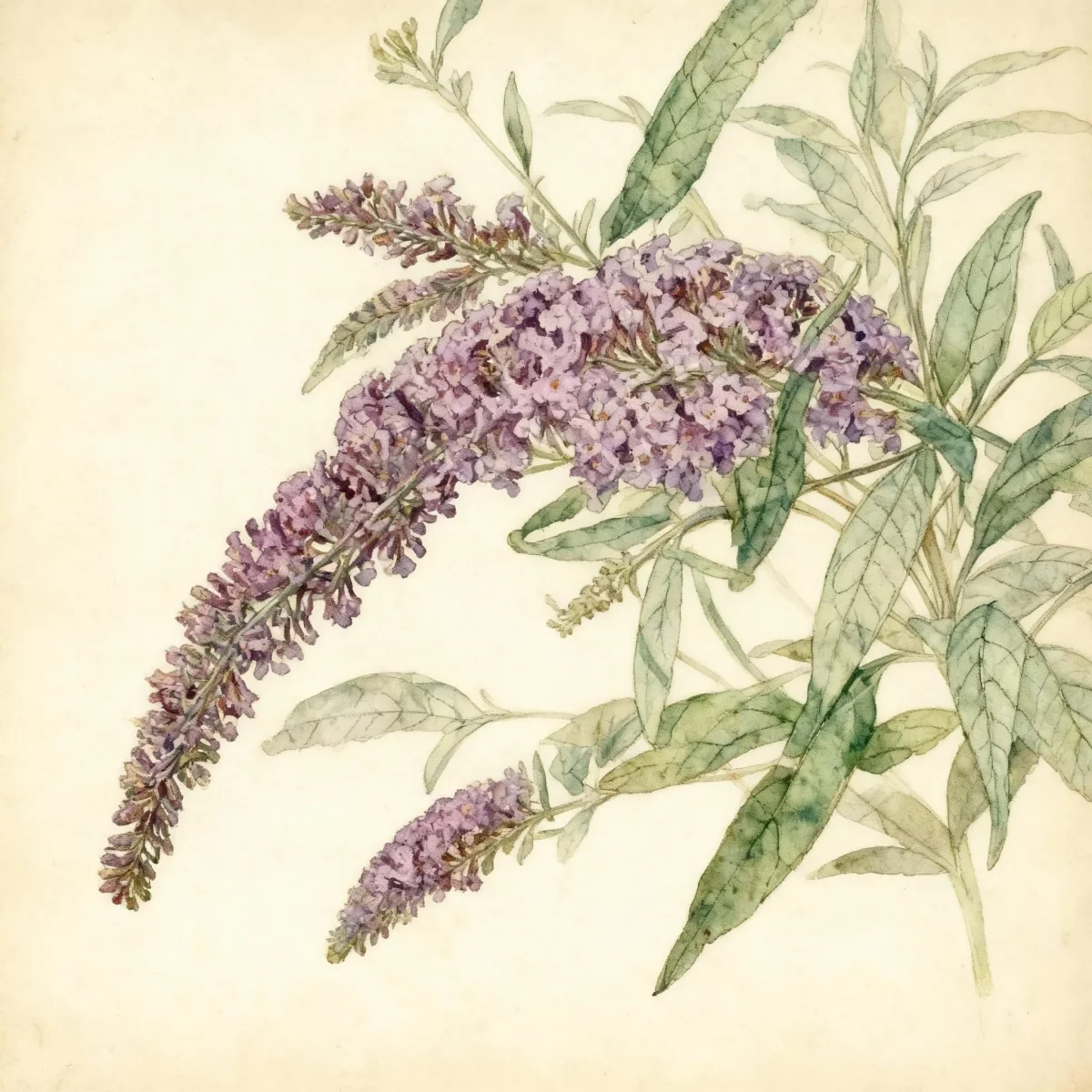
Butterfly bush (Buddleja davidii 'Buzz Violet Blue')
A compact, low-maintenance Butterfly bush featuring showy, fragrant violet-blue blooms from June to September, excellent for sunny borders.
Scroll down to discover growing tips, care requirements, companion plants, and more

Complete Plant Information
Overview
The Buddleja davidii ‘Buzz Violet Blue’ cultivar offers gardeners all the butterfly-attracting benefits of the traditional Butterfly bush in a significantly more manageable size. This compact deciduous shrub matures between 2 to 3 feet tall, perfect for smaller gardens or patio containers where space is a premium. Its value lies in the abundance of showy, fragrant violet-blue flower spikes that generously bloom from early summer right through September.
This variety retains the vigorous growth characteristic of Butterfly bush while maintaining a tighter, more desirable habit for formal settings. It demands full sun exposure for optimal performance, rewarding the gardener with superior flowering display and dense structure. Cultivating Buddleja davidii ‘Buzz Violet Blue’ reliably draws in pollinators, linking aesthetic appeal with vital ecological function.
Fast Facts
- Plant Family: Scrophulariaceae
- Plant Type: Deciduous shrub
- Hardiness Zones: USDA Zones 5-9
- Size at Maturity:
- Height: 2-3 ft
- Spread: 2-3 ft
- Bloom Time: June to September
- Bloom Description: Violet blue
- Sun Exposure: Full sun
- Water Needs: Medium
- Maintenance Level: Low
How to Grow
Planting your Buddleja davidii ‘Buzz Violet Blue’ is best achieved when the danger of hard frost has passed, ensuring it receives full sun—a minimum of six hours daily is critical for flower production. This shrub thrives in average, medium moisture, well-drained soils. While the species adapts well to clay soil, amending the area initially will significantly improve drainage, which is crucial as this plant does poorly in wet, poorly draining conditions.
Routine care for this Butterfly bush is relatively low maintenance. Maintain a schedule of medium watering, especially during dry periods, but allow the soil to approach dryness between waterings. Prompt removal of spent flower spikes throughout the growing season is highly recommended, as this encourages continued bloom until frost arrives.
Pruning is a key cultural practice, particularly in colder regions. In USDA Zones 5 and 6, the plant will often die back to the ground in winter, leading many gardeners to treat it like a herbaceous perennial. Even when winter dieback does not occur, cutting the shrub close to the ground in late winter encourages vigorous new growth and maintains superior flowering shape for this lovely Buddleja davidii ‘Buzz Violet Blue’.
Be mindful that this shrub can naturalize by self-seeding, sometimes aggressively. If controlling spread is necessary, ensure you remove all spent flower clusters before they can disperse seed by wind, especially in areas where the plant does not experience winter dieback.
Landscape Uses
This compact Butterfly bush is exceptionally versatile, providing reliable summer-to-fall color when many other shrubs fade. Buddleja davidii ‘Buzz Violet Blue’ excels when incorporated into mixed borders or cottage gardens, where its contrasting purple hue can complement pastels or bright yellows. Its smaller size also makes it perfectly suited for foundation plantings or even large patio arrangements, providing height and movement.
Because of its intense pollinator appeal, mass planting in dedicated butterfly gardens or mixed with contrasting foliage plants highlights its best features. While often spectacular in groups, the species is generally noted as usually not making a good single specimen shrub unless placed strategically within a defined color scheme, such as near plants with complementary yellow foliage. It also serves well as a source of popular fresh cut flowers.
Standout Features
Flower Qualities
- Showy
- Fragrant
Noteworthy Characteristics
The original Buddleja davidii species is native to mountainous thickets and stream banks in China, known for its bushy habit and large, cone-shaped flower panicles. Cultivars like ‘Buzz Violet Blue’ maintain the classic attraction to butterflies and hummingbirds while shrinking the overall size from the typical 6-12 feet down to just three feet in the garden. The flowers are densely clustered, presenting a rich violet-blue hue throughout the prime summer months.
Tolerances
- Rabbit
- Clay Soil
Potential Problems
This selection generally resists serious insect or disease issues, contributing to its low maintenance profile. Gardeners should remain vigilant for occasional spider mite infestations, particularly during hot, dry summer periods, treating as necessary with horticultural oil or insecticidal soap. In southern climates, root or stem nematodes can sometimes become troublesome if the soil conditions are not well-draining, emphasizing the need to amend heavy soil thoroughly before planting.
Frequently Asked Questions
What hardiness zones is Butterfly bush suitable for?
This plant is reliably hardy in USDA Zones 5 through 9.
How large does Buddleja davidii ‘Buzz Violet Blue’ grow?
In the garden, expect the height and spread to range between 2 and 3 feet, making it smaller than taller Butterfly bush varieties.
What sun exposure does Butterfly bush need?
For the best bloom show and compact management, Buddleja davidii ‘Buzz Violet Blue’ requires full sun exposure daily.
When does Butterfly bush bloom?
It produces its violet-blue flowers consistently from June through September, often continuing until the first hard frost.
Conclusion
The Buddleja davidii ‘Buzz Violet Blue’ is a must-have shrub for gardeners seeking high visual impact and significant wildlife support without high demands. Its compact habit and reliable season-long bloom of fragrant, violet-blue flowers ensure it earns its place in any sunny border or container planting. Before installing, confirm your garden sits within USDA Zones 5-9 and plan for that essential full sun location.
Companion Planting
When planning beds featuring this compact Butterfly bush, select companions that appreciate similar full sun requirements and medium moisture. Incorporating plants with contrasting foliage textures, such as ornamental grasses or plants featuring sharp architectural lines like ornamental onions (Allium), makes the soft texture of the Butterfly bush stand out. Consider planting drought-tolerant perennials like Sedum or Russian Sage (Perovskia atriplicifolia) nearby, as they share cultural needs and thrive while the Buddleja davidii ‘Buzz Violet Blue’ is flowering heavily.
Pollinator Magnetism
The primary function of any Butterfly bush is wildlife attraction, and ‘Buzz Violet Blue’ performs this role exceptionally well concentrated into a small package. Its mild fragrance and copious nectar-rich blooms are irresistible magnets for numerous butterfly species throughout the summer when many other shrubs decline in flowering output. Beyond butterflies, the flowers are heavily visited by beneficial native bees and hummingbirds, making this a functional centerpiece for ecological gardening efforts. Ensuring this plant receives heavy sun maximizes its nectar production potential.