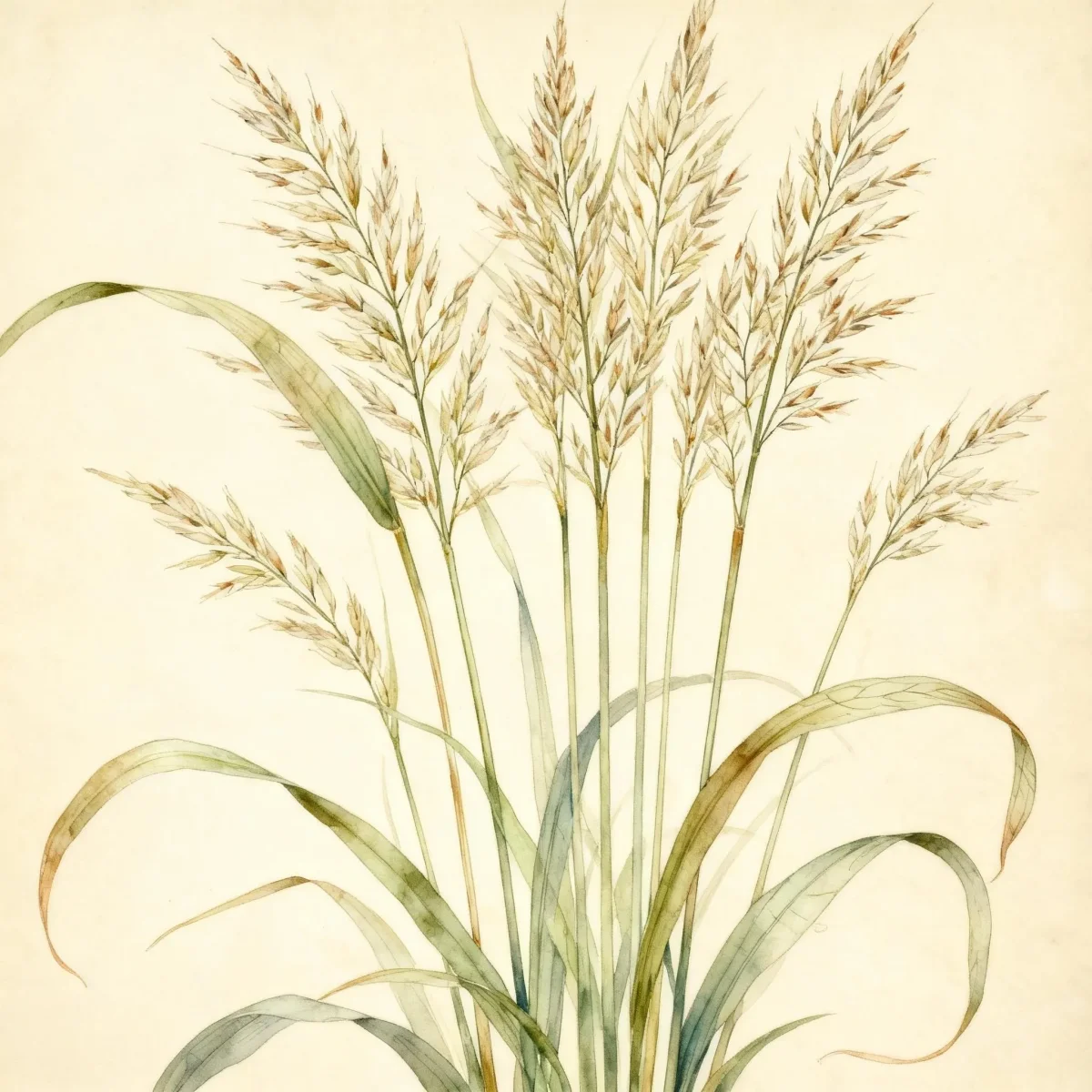
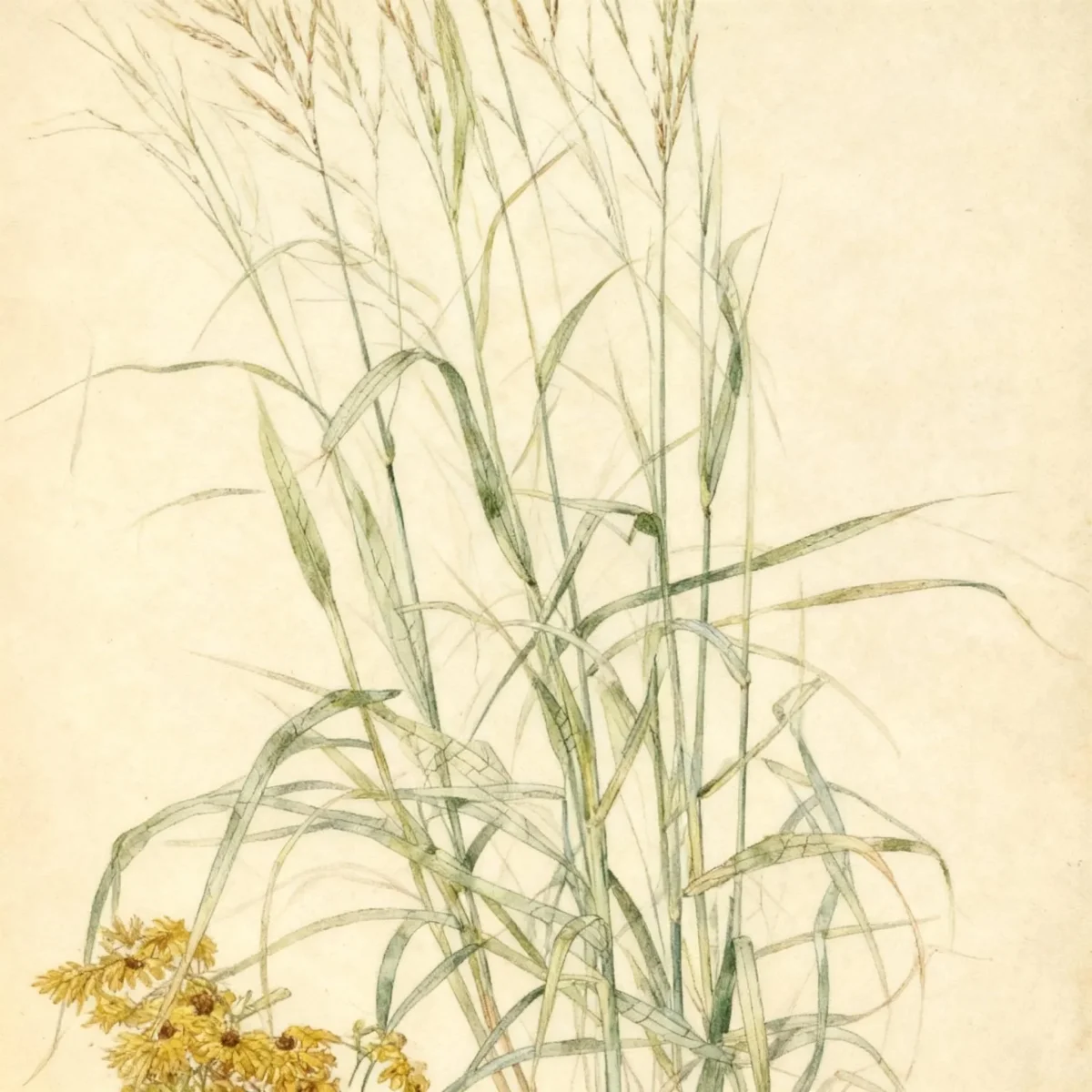
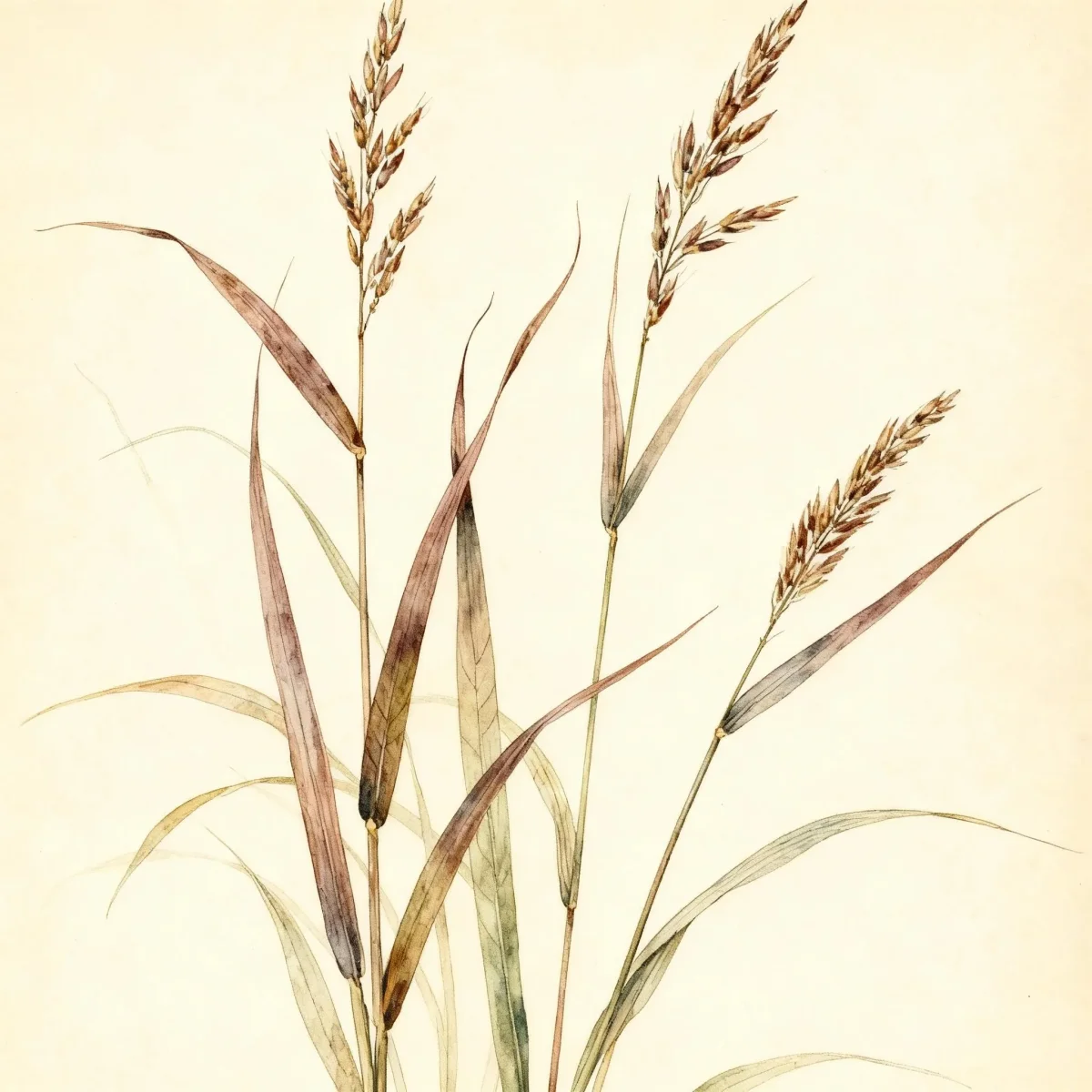
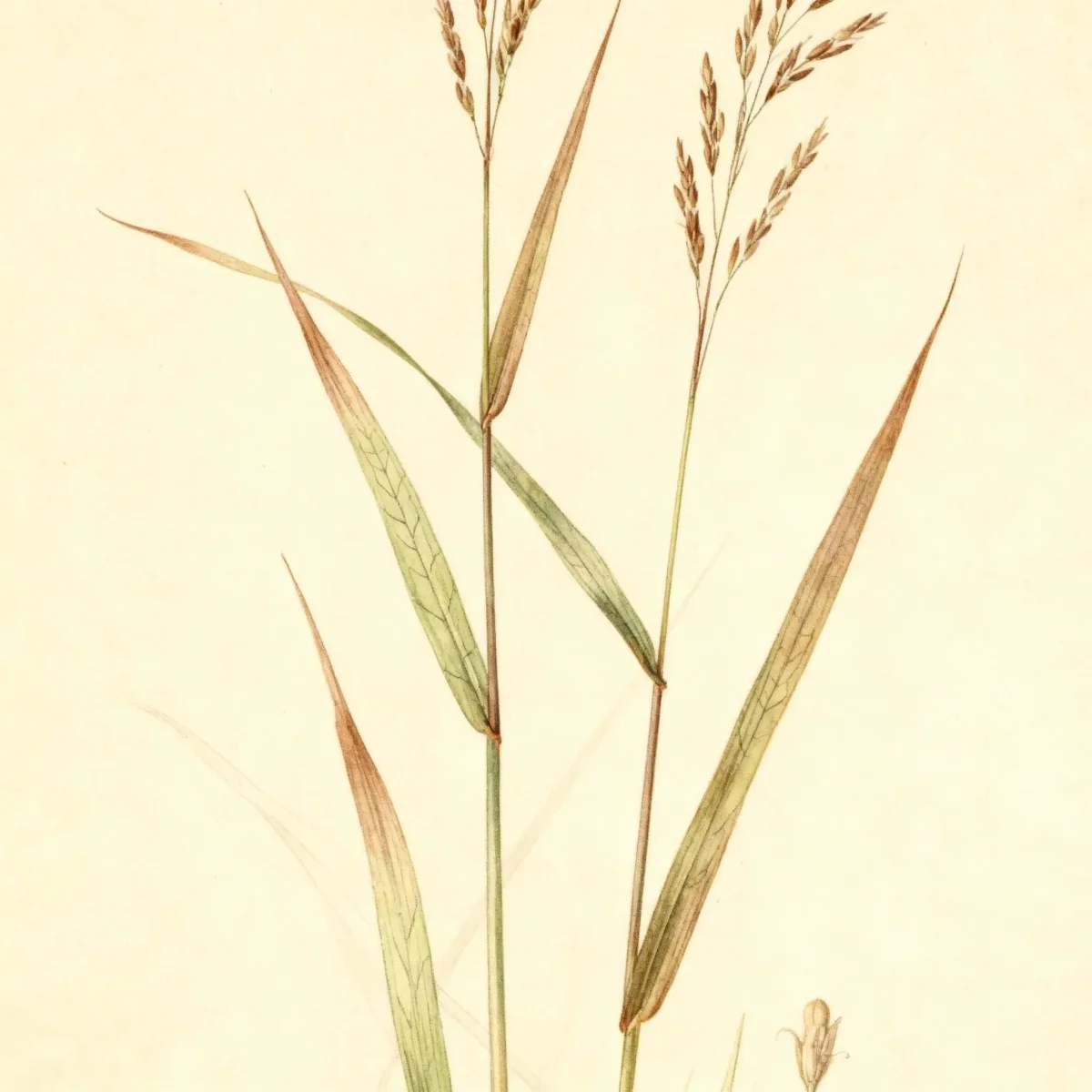
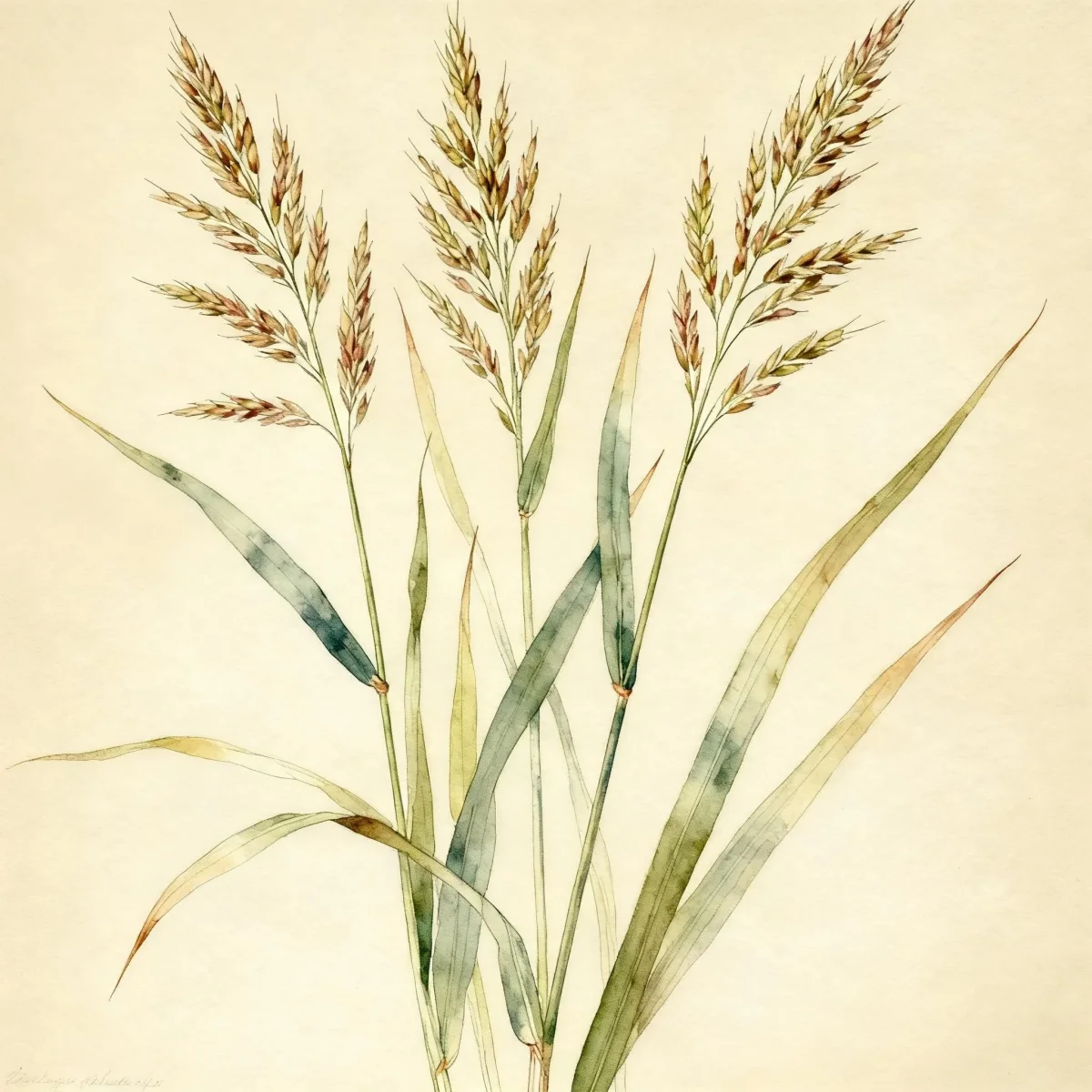
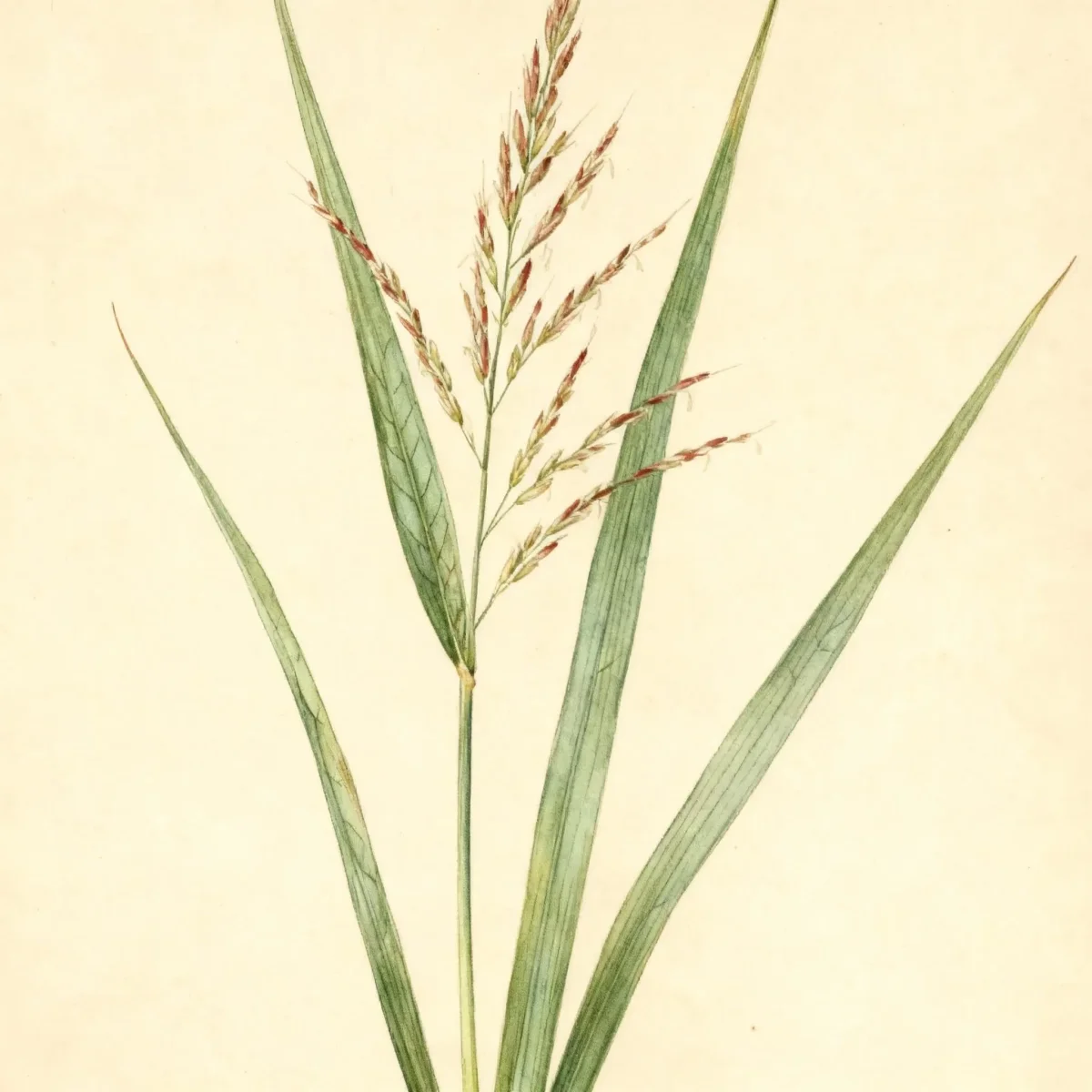
Switch grass (Panicum virgatum 'Dust Devil')
Panicum virgatum 'Dust Devil', or Switch grass, offers blue-green to green foliage with purple-red autumn tones and exceptional soil tolerance.
Scroll down to discover growing tips, care requirements, companion plants, and more

Complete Plant Information
Overview
Panicum virgatum ‘Dust Devil’, commonly known as Switch grass, is a visually compelling and exceptionally robust native North American ornamental grass. Valued for its stiff, columnar form that provides excellent vertical interest throughout the growing season, this cultivar stands out with foliage that transitions from blue-green to striking purple-red hues in the autumn. Its ability to thrive across a wide spectrum of soil conditions makes Panicum virgatum ‘Dust Devil’ a dependable anchor in the landscape.
This clump-forming, warm-season grass naturally integrates into native plant designs while fulfilling modern aesthetic needs for structure and texture. Beyond its upright architecture, the airy, pink-tinged flower panicles appearing in mid-summer add a delicate contrast before maturing into persistent beige seed plumes that last well into winter. The enduring structure and seasonal color shifts secure the place of Switch grass in low-maintenance, high-impact gardening schemes.
Functionally, Switch grass offers significant ecological benefits, being a key component of tallgrass prairie ecosystems. It provides valuable bird food in winter and its deep root system combats erosion effectively, making it suitable for challenging sites where other plants struggle. Choosing Panicum virgatum ‘Dust Devil’ is selecting a plant celebrated for its beauty, resilience, and native heritage.
Fast Facts
- Plant Family: Poaceae
- Plant Type: Ornamental grass
- Hardiness Zones: USDA Zones 4-9
- Size at Maturity:
- Height: 3-5 ft
- Spread: 2-2.5 ft
- Bloom Time: July to February
- Bloom Description: Wine purple
- Sun Exposure: Full sun to part shade
- Water Needs: Medium to wet
- Maintenance Level: Low
How to Grow
For optimal performance, plant Panicum virgatum ‘Dust Devil’ in average soils during spring or fall. While this Switch grass tolerates many moisture levels, it prefers moist, sandy, or clay soils and performs best in full sun, which ensures the tightest, most columnar form. Avoid over-enriching the soil, as overly rich conditions can cause the desirable vertical habit to flop.
Water needs are flexible; establish deeply but once mature, the plant handles drought periods well due to its deep roots, though medium to wet conditions are preferred. Panicum virgatum ‘Dust Devil’ requires very little supplemental fertilizer. If the plant begins to lose defined shape in part shade, consider relocating it to a sunnier spot, as increased shade leads to a looser, more open growth habit.
The primary maintenance task involves renewal pruning. Cut the entire clump back to ground level late in the winter or very early in the spring before new growth begins. This practice removes the faded winter foliage and encourages fresh, vigorous growth for the coming season. While the cultivar may not come true from seed, natural spreading via slow rhizomes will gradually increase clump size over time.
Landscape Uses
The architectural form of Panicum virgatum ‘Dust Devil’ makes it an excellent selection for creating dramatic vertical accents in garden designs. It excels when massed together to form screens or soft hedges, benefiting from the collective strength and texture of the group. Because of its ability to tolerate both dry soil and wet conditions—including occasional flooding—it is perfectly suited for structural plantings near water features.
Consider using this Switch grass cultivar not only along ponds and in bog gardens but also as a bold statement piece near entryways where structure is needed year-round. Its resilience also points toward its effectiveness in functional applications like stabilizing slopes against erosion or integrating into low-maintenance prairie plantings and naturalized areas.
For aesthetic pairings, place Panicum virgatum ‘Dust Devil’ near shorter, mounding perennials that offer contrasting colors, such as coneflowers or coreopsis, allowing the grass to rise above them. Its tolerance for Black Walnut root competition also makes it a valuable inclusion in difficult, shady woodland edge plantings as part of a mixed border display.
Standout Features
Flower Qualities
- Showy
Noteworthy Characteristics
Panicum virgatum, commonly called switch grass, is a Missouri native ornamental grass which was an important component of the tallgrass prairie which once covered large areas of the State. It typically retains its stiff, columnar form throughout the growing season, topped by finely-textured, pink-tinged flower panicles in mid-summer that turn beige as seeds mature. The cultivar ‘Dust Devil’ specifically is noted for having blue-green to green foliage that acquires beautiful purple-red tones in fall.
Tolerances
- Drought
- Erosion
- Dry Soil
- Wet Soil
- Black Walnut
- Air Pollution
Potential Problems
Panicum virgatum ‘Dust Devil’ is generally resistant to most serious insect and disease issues, contributing to its low-maintenance profile. However, in consistently hot and humid summer climates, be aware of some susceptibility to rust fungus. Root or crown rot is a possible issue, almost always stemming from improper growing conditions, particularly poor drainage that keeps the roots perpetually saturated outside of its preferred medium to wet range.
If pest issues arise, keep watch for common garden invaders such as Japanese beetles, thrips, and spider mites, although these rarely cause significant damage to established Switch grass. Monitoring for rust early allows for corrective measures, primarily ensuring good air circulation, although resistant cultivars like Panicum virgatum ‘Dust Devil’ handle humid conditions better than some other species.
Frequently Asked Questions
What hardiness zones is Switch grass suitable for?
Panicum virgatum ‘Dust Devil’ is well-suited for landscape gardening across USDA Zones 4 through 9.
How large does Panicum virgatum ‘Dust Devil’ grow?
This ornamental grass typically reaches a mature height between 3 to 5 feet tall, with a spread ranging from 2 to 2.5 feet wide.
What sun exposure does Panicum virgatum ‘Dust Devil’ need?
It thrives best in full sun but will tolerate partial shade, though too much shade can cause the desirable upright form to become open and potentially flop.
When does Switch grass bloom?
The blooms appear from July, continuing through February, featuring wine purple coloration on delicate panicles.
Conclusion
The structural integrity and seasonal color provided by Panicum virgatum ‘Dust Devil’ make it an outstanding choice for year-round interest and structural support in diverse garden settings. As a resilient, low-maintenance Switch grass cultivar, it’s invaluable for rain gardens and screening applications alike. Ensure you select a planting site that meets its full sun to part shade requirement and review your local hardiness zone before planning your installation.
Companion Planting
Choosing companions for Panicum virgatum ‘Dust Devil’ should focus on plants that appreciate similar moisture levels, ranging from medium to wet, and full sun exposure. Consider pairing it with lower-growing perennials that contrast in texture or bloom time to highlight the towering height of the Switch grass. Astilbe or Iris species that tolerate wet feet often create vivid summer displays alongside the grass’s emerging flower plumes.
Native prairie companions are ideal, as they share the adaptability to fluctuation in soil moisture. Plants such as Rudbeckia (Coneflower) or Liatris (Blazing Star) provide bright pops of color that contrast sharply with the finer texture of the grass foliage. This mixed planting style leverages the native ecology while creating a dynamic, layered border design.
For bog or rain garden settings where moisture is consistently high, look toward plants that love damp roots, such as Joe Pye Weed or native sedges. These groupings showcase the functional excellence of the grass in managing runoff while presenting a cohesive, water-wise tapestry throughout the growing season.
Wildlife Benefits
Switch grass, including the Panicum virgatum ‘Dust Devil’ cultivar, offers significant ecological value by supporting local wildlife populations. The dense, established clumps provide excellent cover and nesting material for ground-dwelling birds and beneficial insects seeking shelter from predators or harsh weather. Its persistent winter structure is especially important when other herbaceous plants have died back.
The mature seed heads, which persist well into winter, are a crucial food source for many seed-eating songbirds throughout the colder months. Allowing the spent seed plumes (which turn beige in fall) to remain standing until the dedicated late winter cleanup maximizes this feeding opportunity for birds.
Furthermore, as a native grass, it contributes to the foundational structure of the local food web. While ornamental varieties might not be the primary host for all specialized insects, the presence of a native grass structure supports the overall diversity required for a healthy garden ecosystem.