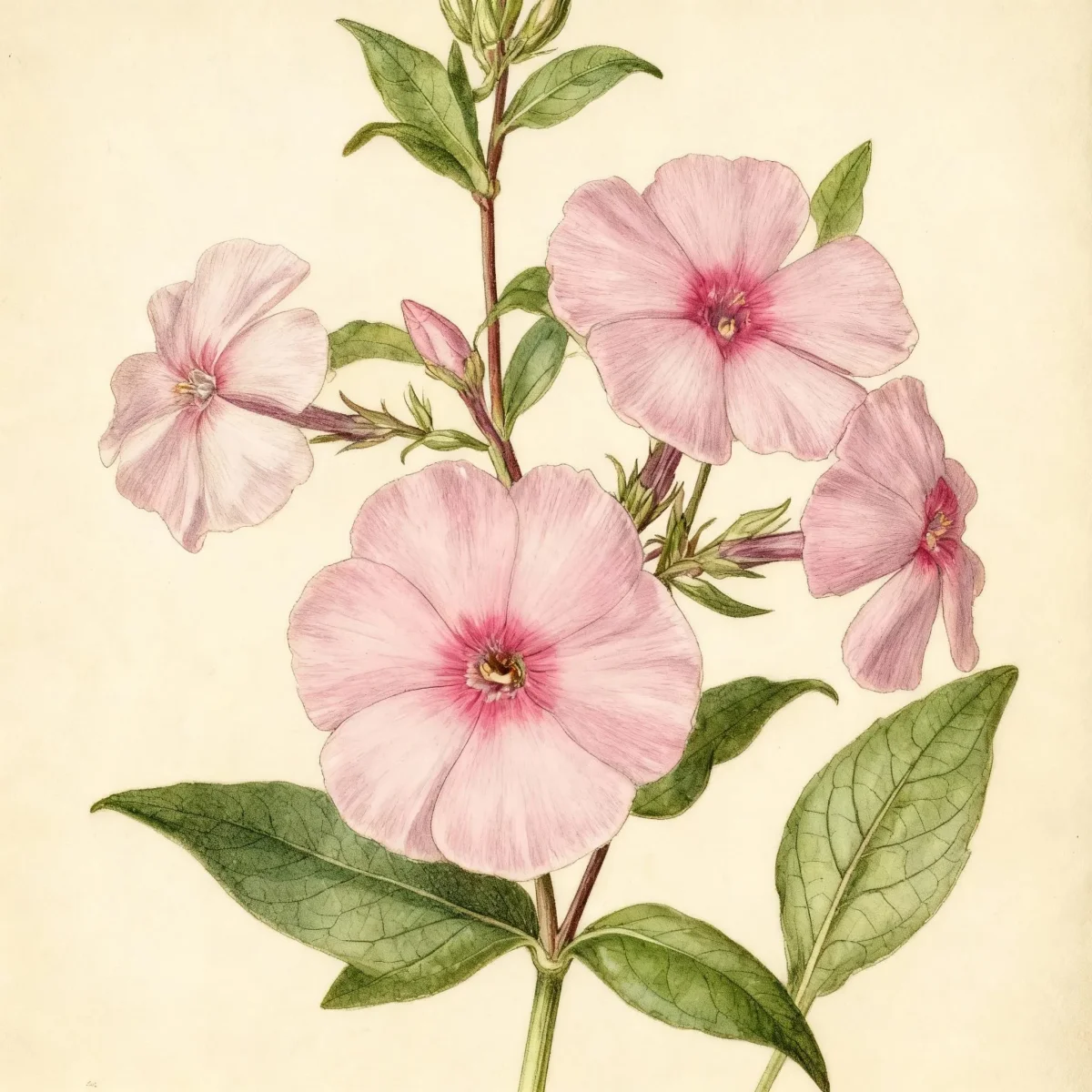
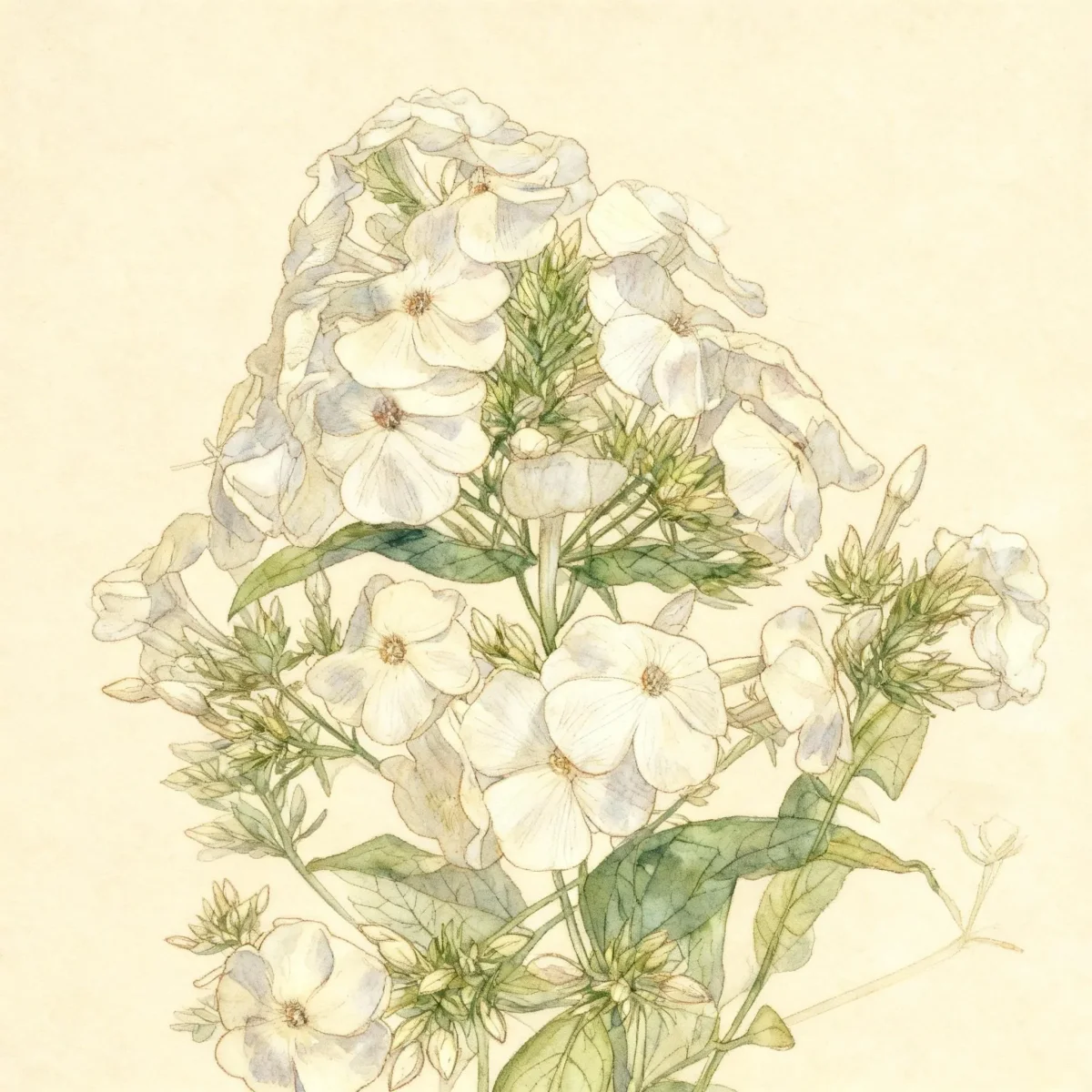
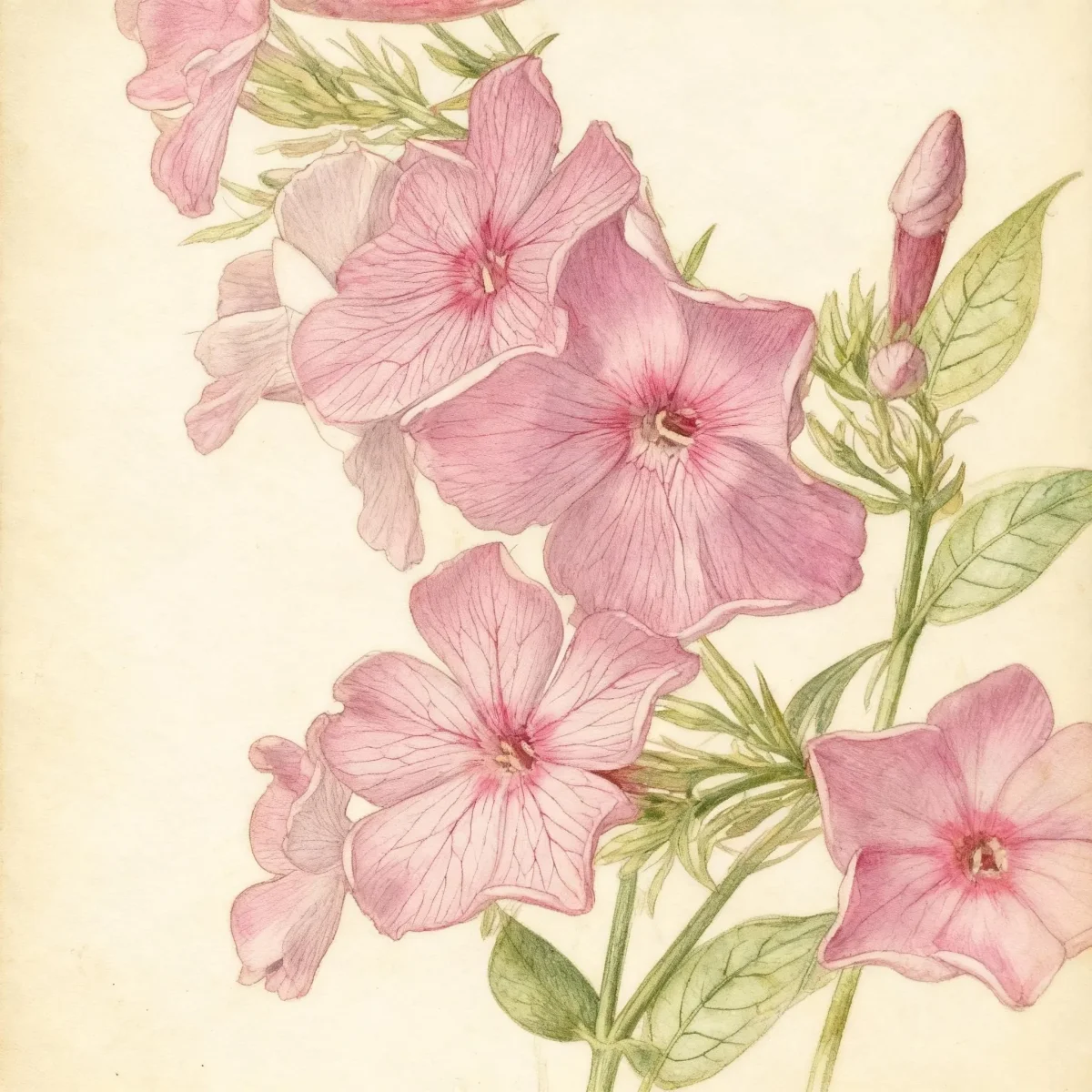
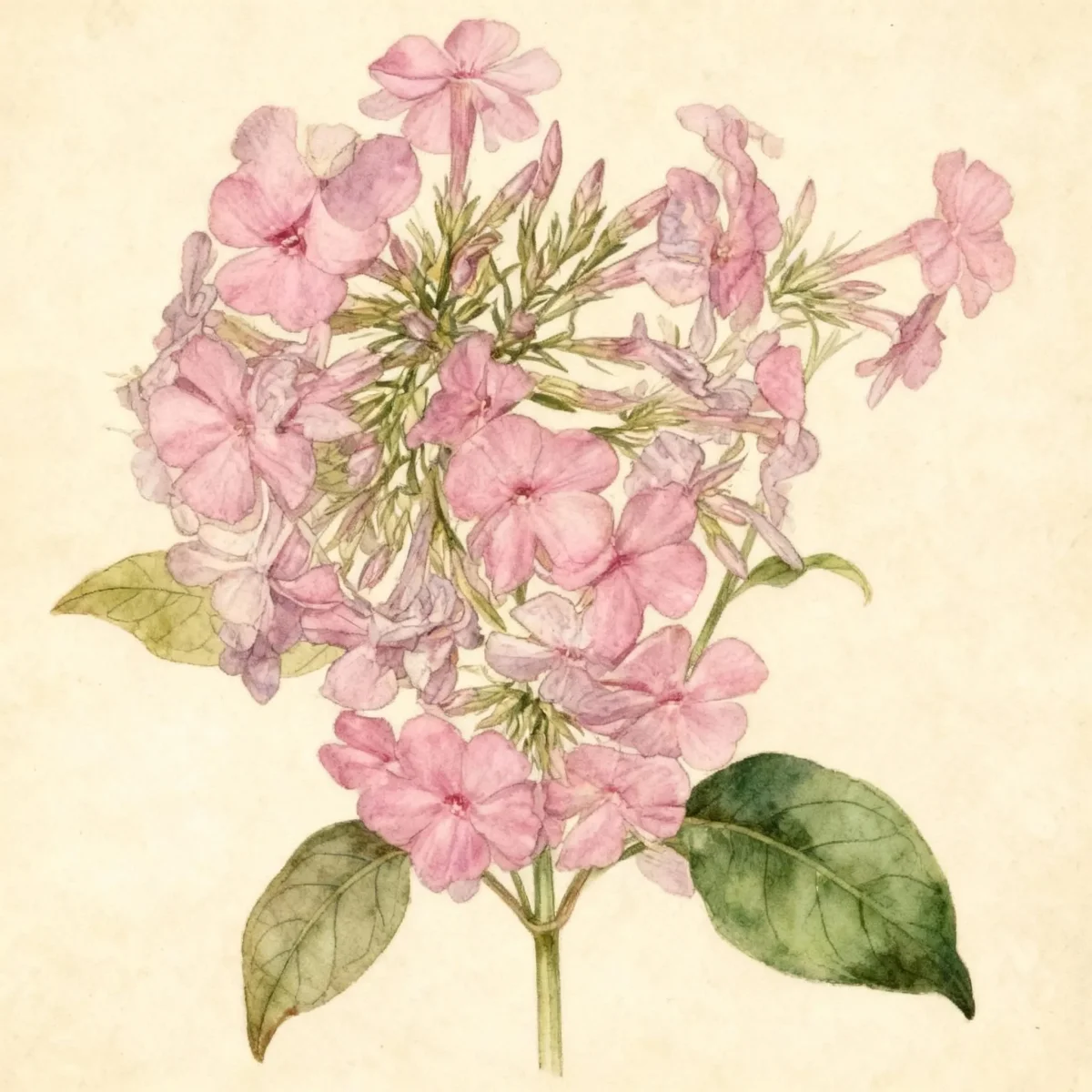
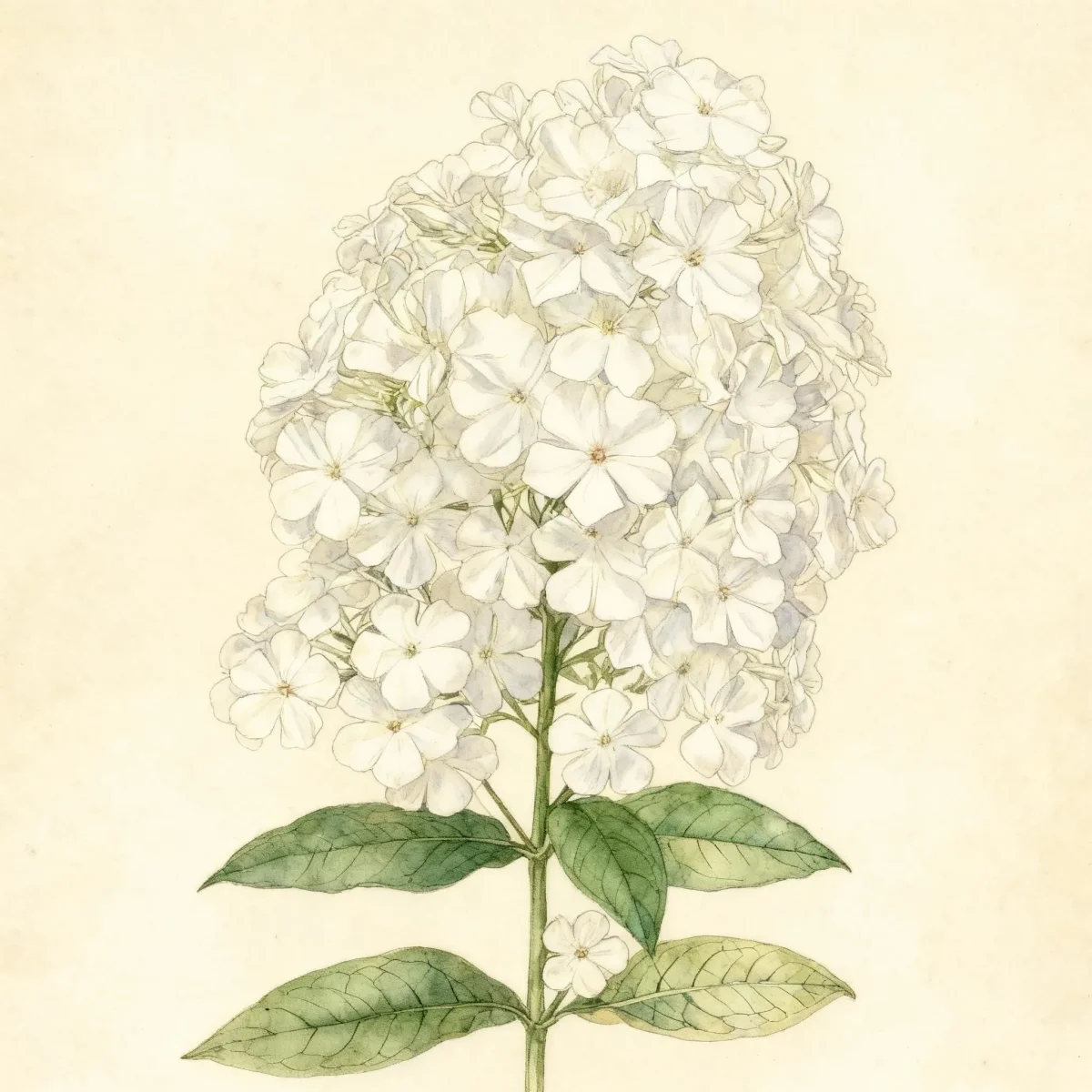
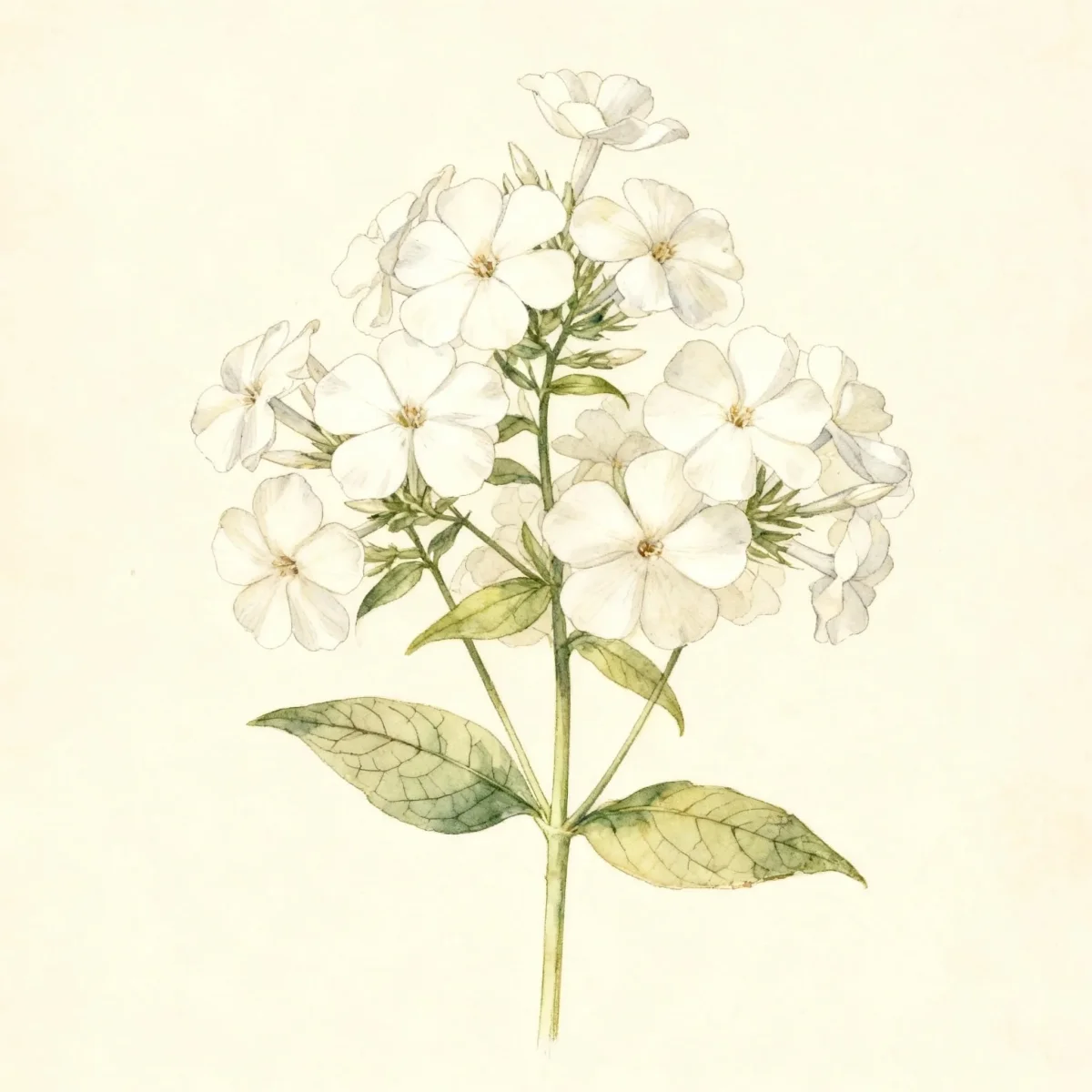
Garden phlox (Phlox × arendsii 'Hesperis')
Discover Phlox × arendsii 'Hesperis', a showy, fragrant Garden phlox hybrid blooming lilac purple from July through September.
Scroll down to discover growing tips, care requirements, companion plants, and more
Complete Plant Information
Overview
Phlox × arendsii ‘Hesperis’ offers gardeners the best traits of its parent species, combining the vibrant flowers of Phlox paniculata with the reduced stature of Phlox divaricata. This vigorous Garden phlox cultivar provides reliable color in mid to late summer, making it a dependable choice for late-season perennial borders. Its notable lilac-purple florets attract butterflies and fill the garden with welcome fragrance.
This herbaceous perennial typically forms a tidy clump reaching 2 to 2.5 feet tall on strong, upright stems that generally resist flopping without staking. Proper spacing is crucial for Phlox × arendsii ‘Hesperis’ to ensure good air circulation, which is the best defense against common fungal issues. Selecting a suitable home ensures you benefit from the striking, long bloom period this specific cultivar provides.
As a type of Garden phlox, it is best sited where it can receive ample sunlight, though it tolerates partial shade. While it thrives in rich, well-amended soil, its ability to handle clay soil is an advantage in many landscapes. Plan your placement considering its medium water needs and its preference for consistent moisture throughout the hot months.
Fast Facts
- Plant Family: Polemoniaceae
- Plant Type: Herbaceous perennial
- Hardiness Zones: USDA Zones 4-8
- Size at Maturity:
- Height: 2-2.5 ft
- Spread: 1.5-2 ft
- Bloom Time: July to September
- Bloom Description: Lilac purple
- Sun Exposure: Full sun to part shade
- Water Needs: Medium
- Maintenance Level: Medium
How to Grow
Plant this perennial in spring or fall when temperatures are moderate to allow for good establishment before stressful heat or deep freezes. The ideal location for Phlox × arendsii ‘Hesperis’ is in full sun, although it performs adequately in partial shade, which may slightly reduce bloom intensity. Ensure the soil is moderately fertile, offers medium moisture retention, and, critically, drains well. Rich, organic soils are highly preferred by Garden phlox.
Water thoroughly during dry spells, as this variety is intolerant of drought; however, always avoid overhead watering, which wets the foliage and encourages disease. Good air circulation is non-negotiable; space plants adequately or thin older stems to promote airflow, mitigating the risk of powdery mildew. Applying a summer mulch helps keep the root zone cool and conserves moisture without saturating the base of the plant.
Routine care focuses mostly on cultural management rather than heavy feeding or pruning. Because the stiff, upright stems are self-supporting, staking is often unnecessary for this compact cultivar. Minimal cleanup is usually required, though pruning out old stems in late winter or early spring prepares the plant for fresh growth. Addressing pests quickly, especially mites during hot spells, keeps the foliage healthy throughout the season.
Landscape Uses
The reliable height and extended bloom time make Phlox × arendsii ‘Hesperis’ an outstanding anchor or mid-layer component in traditional perennial borders. Plant these upright, conical plants toward the center or rear of mixed borders where their lilac-purple spikes can provide vertical interest against shorter edging flowers or mounding shrubs. The fragrance produced by the flowers adds another sensory layer to the planting scheme.
Consider pairing this variety with plants that have similar site requirements regarding sun and moisture, such as echinacea or sturdy asters, which bloom concurrently later in the season. When massed, the density of the bloom on Garden phlox becomes truly showy, creating drifts of color that draw the eye through the landscape design. Its ability to thrive in clay soil also makes it a resilient choice for established garden beds.
Standout Features
Flower Qualities
- Showy
- Fragrant
Noteworthy Characteristics
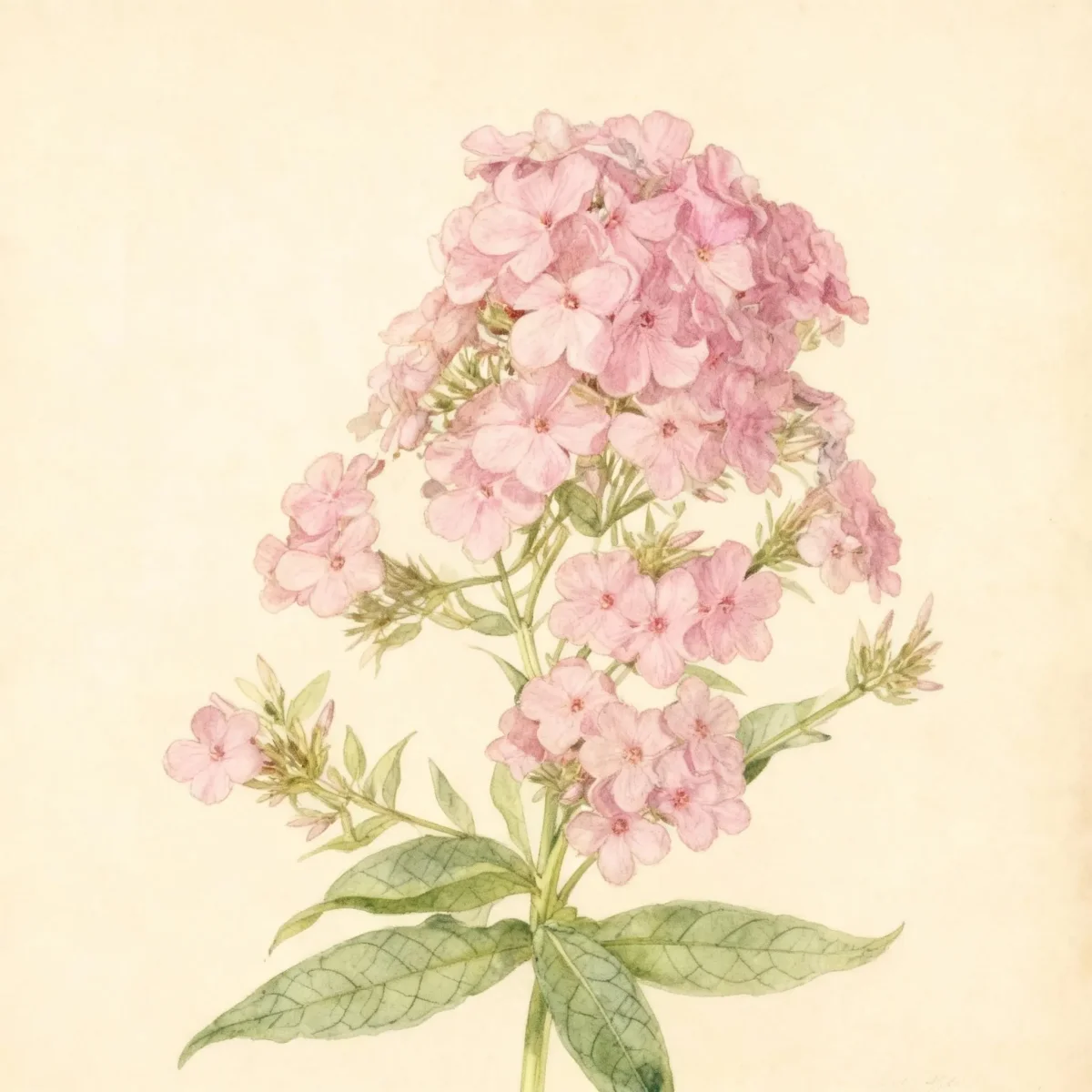
Arendsii hybrids are crosses between Phlox paniculata and Phlox divaricata, noted for having the attractive flowers of the former combined with the compact form of the latter. Each individual floret displays a long corolla tube and five flat petal-like lobes, attracting numerous butterflies. Known for being vigorous, ‘Hesperis’ specifically produces fragrant, tubular, lilac-purple florets densely packed in terminal clusters over a long bloom period from July through October.
Tolerances
- Deer
- Clay Soil
- Black Walnut
Potential Problems
Phlox is not always an easy plant to grow well in all conditions, requiring diligence, especially concerning fungal diseases. Powdery mildew and root rot can become serious problems if air circulation is poor or drainage is inadequate. Monitor for signs of spider mites and plant bugs, which tend to proliferate under hot, dry conditions, compromising the overall health of your Garden phlox plants. Prevention through good cultural practices remains the strongest management tool.
Frequently Asked Questions
What hardiness zones is Garden phlox suitable for?
Phlox × arendsii ‘Hesperis’ is hardy and reliably perennial in USDA Zones 4 through 8.
How large does Phlox × arendsii ‘Hesperis’ grow?
Mature plants typically reach heights between 2 and 2.5 feet with a spread ranging from 1.5 to 2 feet wide.
When does Garden phlox bloom?
This cultivar offers an extended floral presentation, typically blooming profusely from July straight through September.
What sun exposure does Phlox × arendsii ‘Hesperis’ need?
For the best performance, plant this Garden phlox in full sun, although it will tolerate partial shade.
Conclusion
Phlox × arendsii ‘Hesperis’ is an invaluable inclusion for summer gardens, prized for its reliable height, fragrant, showy flowers, and extended bloom time. By prioritizing good air movement and ensuring consistent, deep watering during dry spells, you can successfully manage the cultural needs of this beautiful strain of Garden phlox. Before planting, confirm that your growing site falls within USDA Zones 4 to 8 to ensure the long-term success of your Phlox × arendsii ‘Hesperis’.
Companion Planting
Selecting companions carefully enhances the visual appeal and aids in managing the cultural needs of Garden phlox. Group Phlox × arendsii ‘Hesperis’ with plants that enjoy similar sun and medium water requirements, such as Ornamental Grasses like Panicum virgatum cultivars, which provide textural contrast. Near the base, use low-mounding, dry-tolerant perennials like Sedum or Artemisia to shade the roots and fill in any space left by the upright phlox stems. This strategy helps maintain soil moisture while creating layered interest throughout the growing season.
Wildlife Benefits
The tubular structure of the lilac-purple florets on this cultivar makes them highly attractive to specific types of pollinators, despite challenges like mildew control. Butterflies are particularly drawn to the abundant clusters of flowers produced by Phlox × arendsii ‘Hesperis’. Planting a mass of these fragrant blooms maximizes visibility and scent, acting as an effective beacon in the landscape to support local beneficial insect populations during the peak summer months.