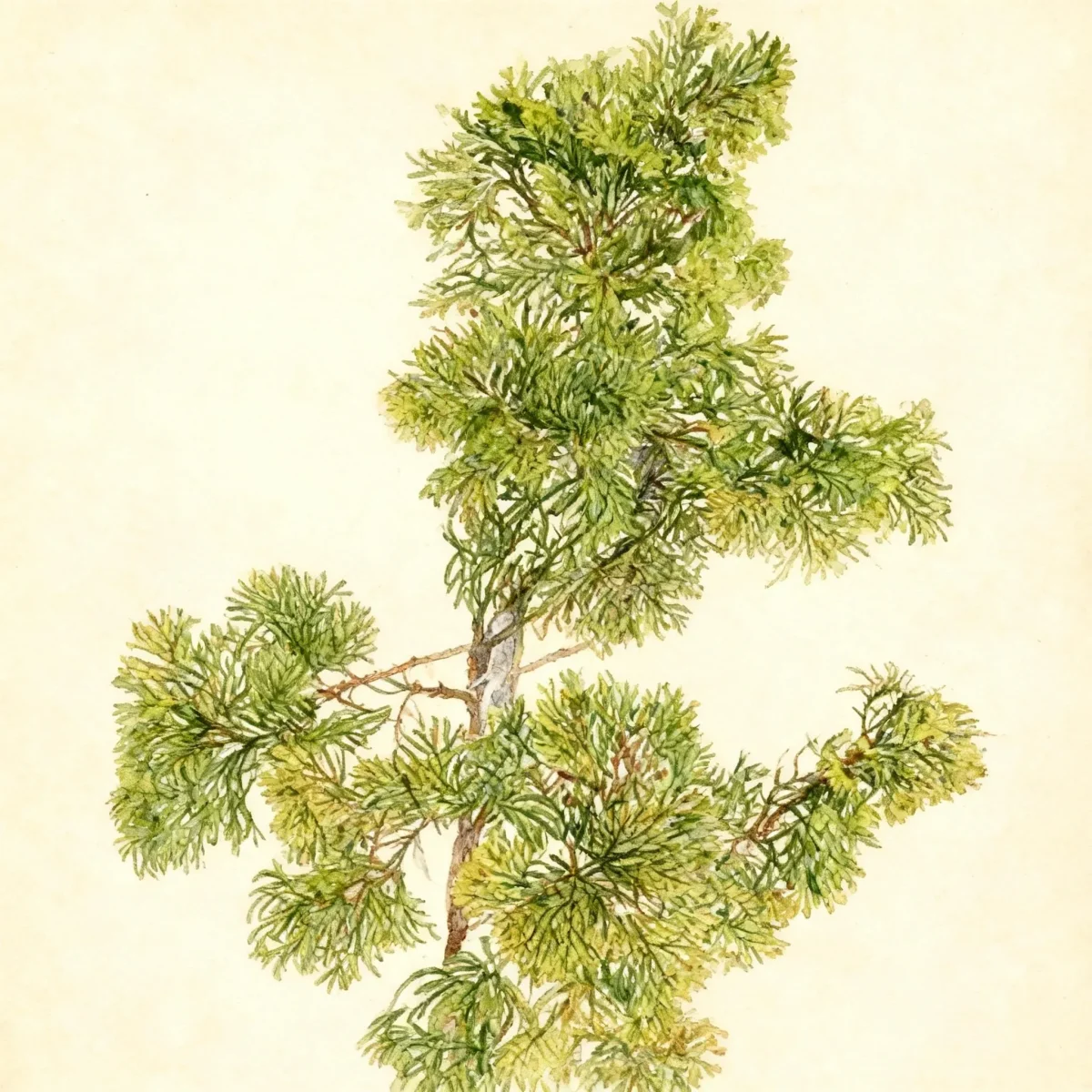
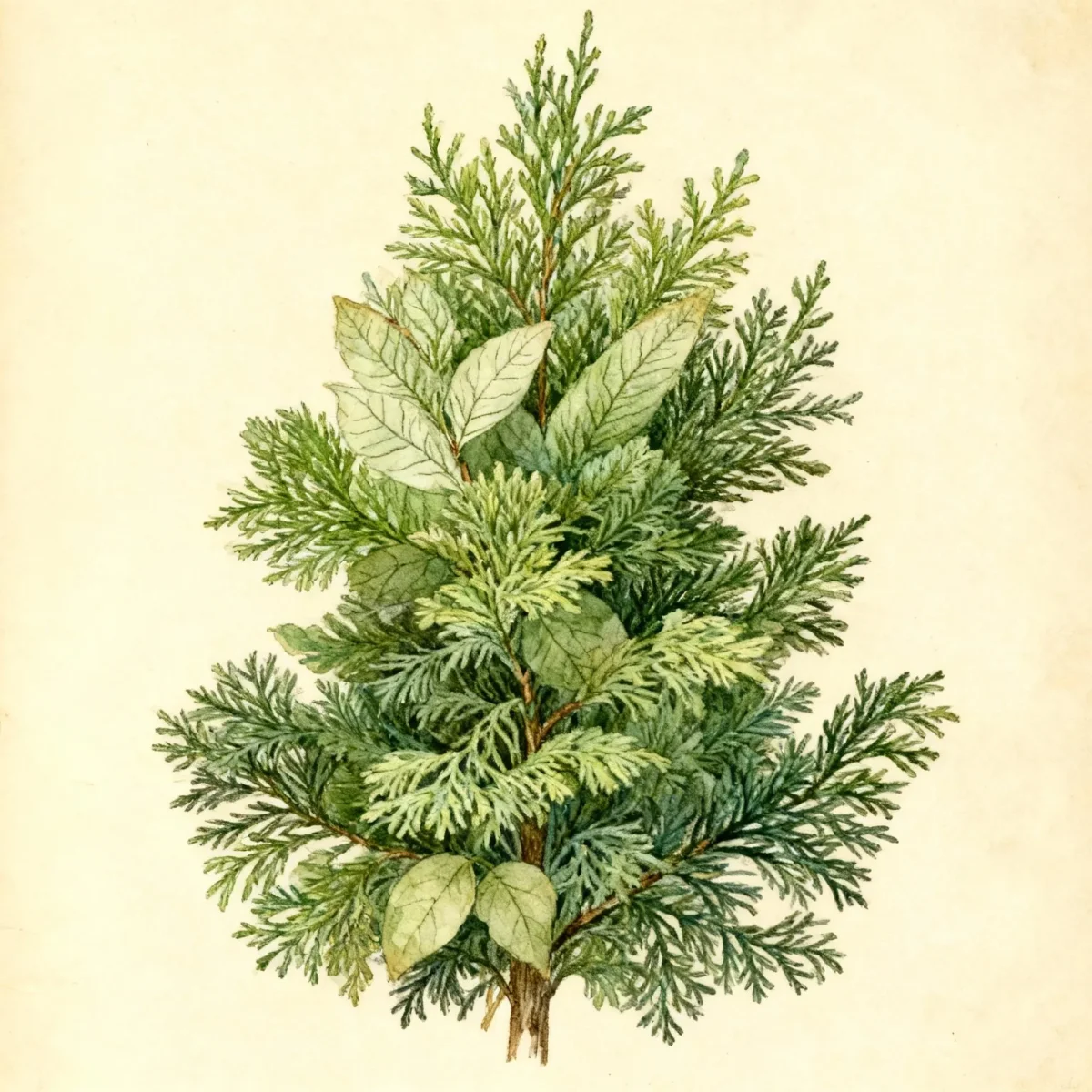
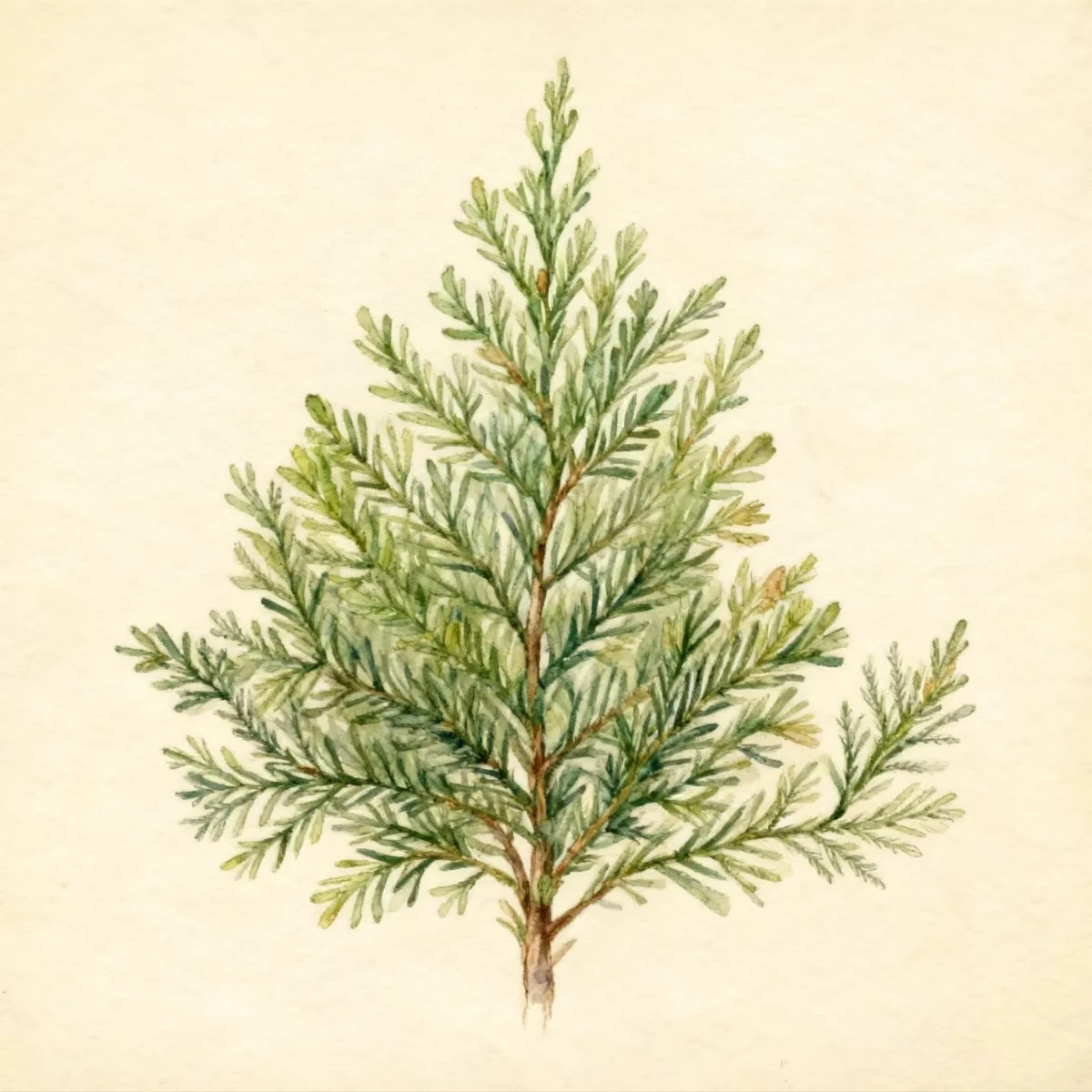
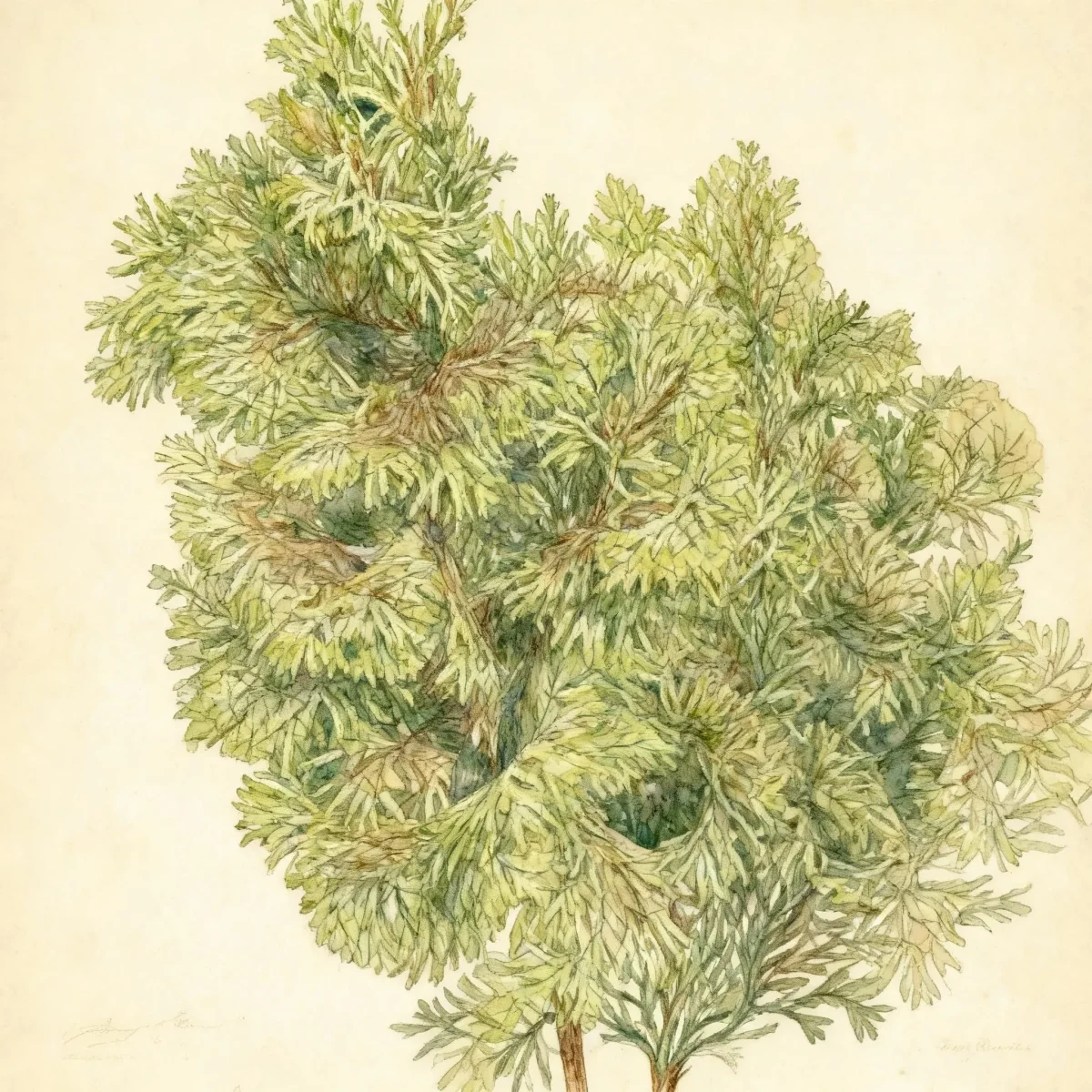
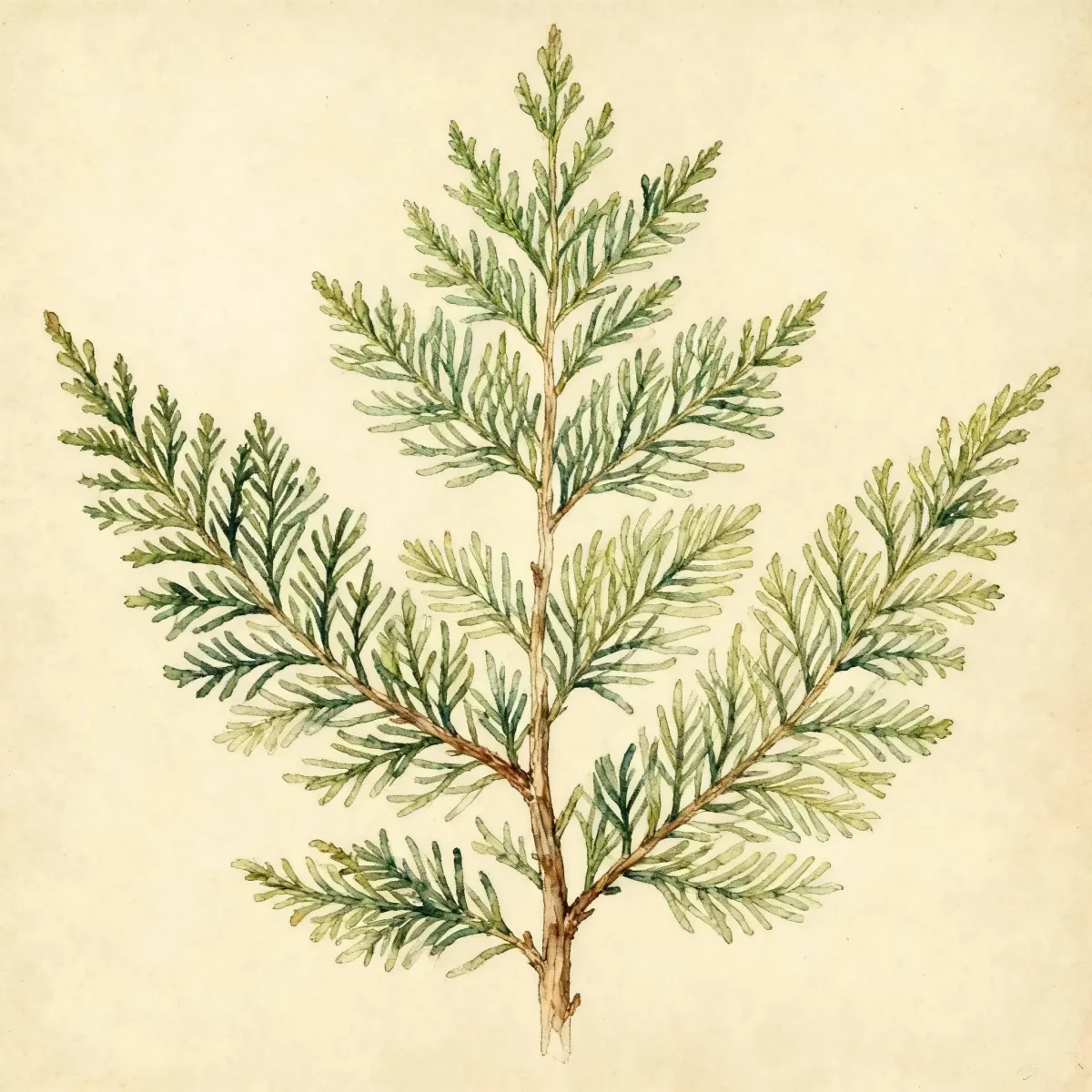
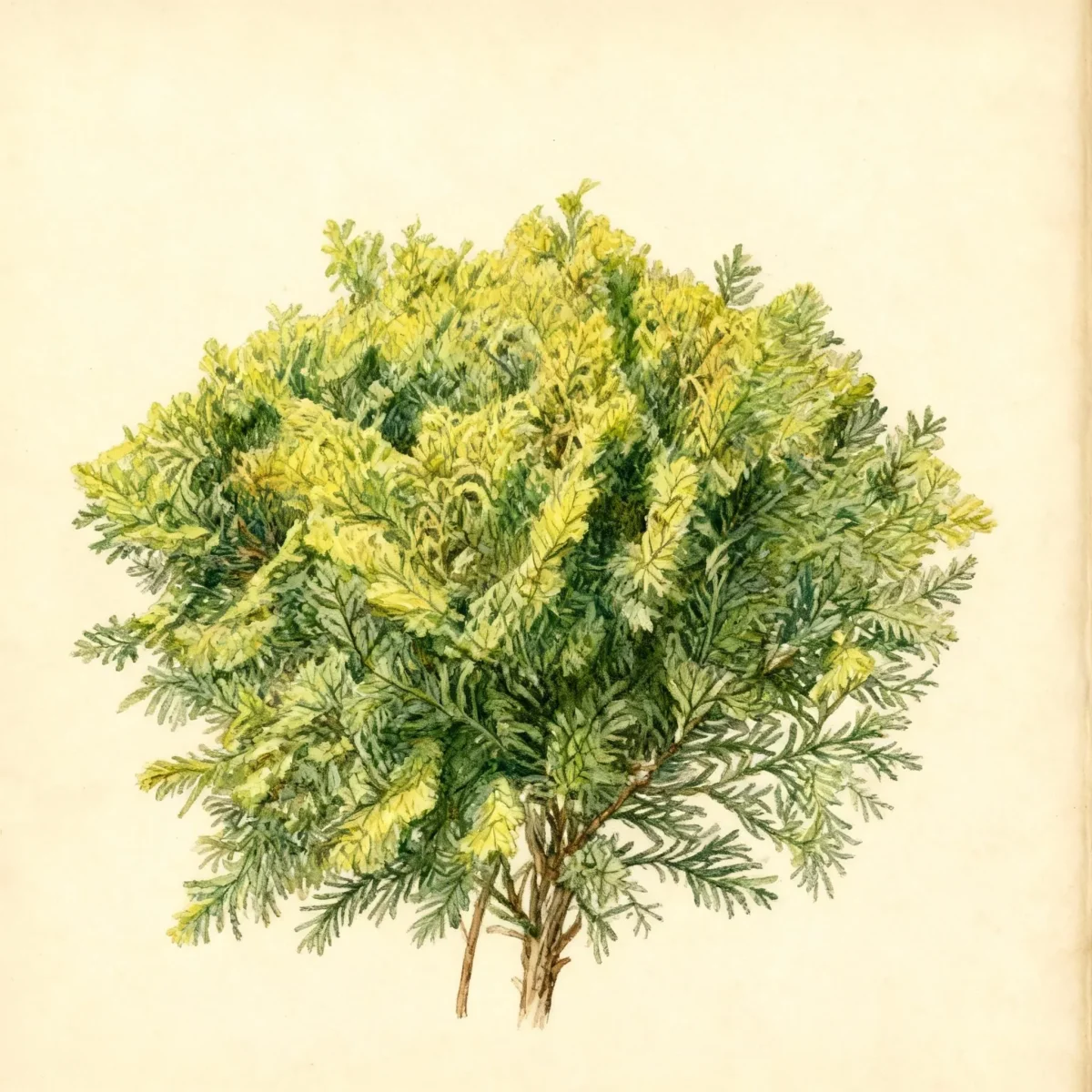
Hinoki cypress (Chamaecyparis obtusa 'Spiralis')
Chamaecyparis obtusa 'Spiralis' is a slow-growing Hinoki cypress valued for its unique twisted branches and deep winter color.
Scroll down to discover growing tips, care requirements, companion plants, and more
Complete Plant Information
Overview
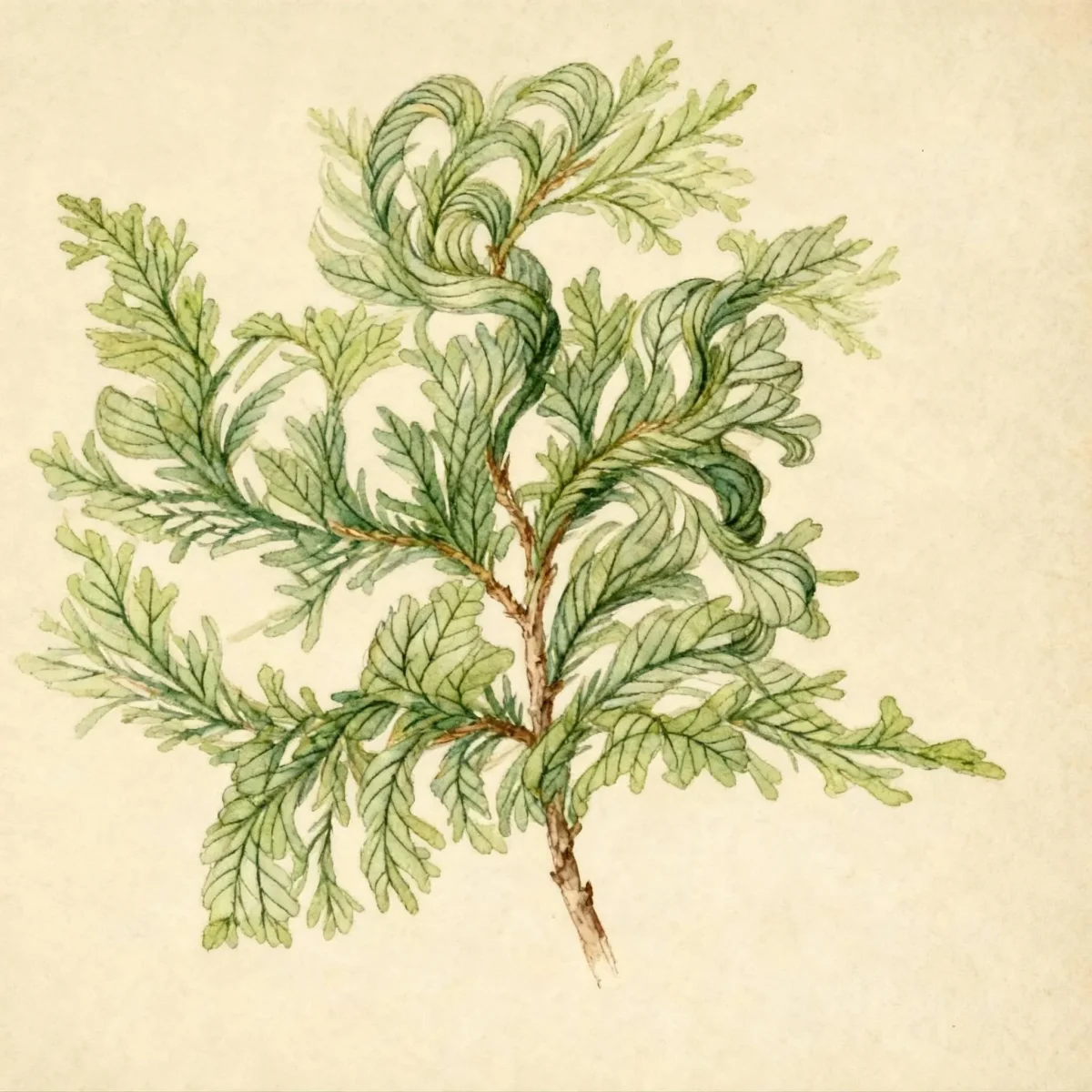
The Chamaecyparis obtusa ‘Spiralis’, commonly known as Hinoki cypress, is highly sought after for its distinct, almost sculptural form. This dwarf cultivar offers a dramatic texture contrast in the garden, primarily defined by its spiraling branches and dark green, tightly curled foliage. Its slow growth rate makes it an excellent candidate for smaller landscapes where patience is rewarded with unique architectural interest.
As a needled evergreen, the Chamaecyparis obtusa ‘Spiralis’ provides essential year-round structure. While the species trees can become massive, this cultivar remains manageable, fitting well into foundation plantings or as a unique specimen. Gardeners appreciate the Hinoki cypress for its low maintenance profile paired with its striking visual impact, especially in winter when its color remains robust.
The genus name references its dwarf potential (Greek chamai), and this cultivar truly embodies that spirit with its manageable size. Planting Chamaecyparis obtusa ‘Spiralis’ ensures a focal point that develops character slowly but surely, adding lasting ornamental value to any composed garden setting.
Fast Facts
- Plant Family: Cupressaceae
- Plant Type: Needled evergreen
- Hardiness Zones: USDA Zones 5-8
- Size at Maturity:
- Height: 6-12 ft
- Spread: 4-10 ft
- Bloom Time: Non-flowering
- Bloom Description: Non-flowering
- Sun Exposure: Full sun to part shade
- Water Needs: Medium
- Maintenance Level: Low
How to Grow
Plant Chamaecyparis obtusa ‘Spiralis’ either in the spring or fall when temperatures are mild, allowing it time to establish roots before facing harsh summer heat or winter cold. The best location provides full sun, although it tolerates part shade, with the caveat that denser color and shape are achieved in more light. For optimal growth, ensure the soil is average, medium moisture, and critically well-drained. Avoid planting areas where water pools.
Watering should be consistent, especially during the first few growing seasons, to maintain medium moisture levels. Once established, this Hinoki cypress is fairly drought-tolerant but appreciates supplemental water during dry spells. Fertilization is usually unnecessary if planting conditions are fertile; however, a light application of slow-release evergreen food in early spring can encourage healthy growth.
Pruning is minimal for ‘Spiralis’; the goal is usually to enhance the natural, irregular conical form rather than impose strict shearing. Remove any dead or damaged wood during late winter or early spring. Shelter this variety from harsh, sustained winds, as whipping branches can cause damage, particularly in cold, exposed locations.
Landscape Uses
The Chamaecyparis obtusa ‘Spiralis’ excels as a Specimen evergreen conifer. Its distinct, spiraling habit makes it an immediate focal point in any planting scheme. Position it where its texture can be appreciated nearby, such as adjacent to paths or near seating areas.
Because of its relatively modest mature size (6–12 ft tall), the Hinoki cypress fits perfectly into mixed shrub borders where it can provide vertical accents among broader, softer plantings. It pairs well with contrasting broadleaf evergreens or deciduous shrubs that offer seasonal color, allowing the unique structure of the Chamaecyparis obtusa ‘Spiralis’ to stand out year-round.
Consider planting this dwarf cultivar in contemporary or Japanese-inspired gardens where architectural form is prioritized. Even in foundation plantings, provided there is enough room for its 4-10 ft spread over time, it offers sophisticated, low-maintenance greenery.
Standout Features
Noteworthy Characteristics
Chamaecyparis obtusa is native to Japan and is commonly called hinoki cypress or hinoki falsecypress. The ‘Spiralis’ cultivar is a dwarf conifer known for its twisted trunk and branches that spiral upward and outward, eventually reaching 8–12 ft tall. It features rich, dark green, cup-shaped, twisted foliage that maintains excellent color throughout the winter, making it a superb year-round element compared to deciduous plants.
Tolerances
- Some susceptibility to juniper blight
- Potential for root rot in poorly drained soils
Potential Problems
This Hinoki cypress variety exhibits some susceptibility to juniper blight, which can manifest as browning or dieback on the foliage. Good air circulation is crucial to preventing fungal issues like blight and root rot, hence the importance of well-drained soil. Monitor for certain insect pests such as bagworms, which can defoliate branches if left unchecked. Early detection and appropriate treatment, usually involving hand-removal for bagworms or fungicide for blight, are key to maintaining healthy Chamaecyparis obtusa ‘Spiralis’.
Frequently Asked Questions
What hardiness zones is Hinoki cypress suitable for?
The Chamaecyparis obtusa ‘Spiralis’ is suitable for USDA Hardiness Zones 5 through 8.
How large does Hinoki cypress grow?
This cultivar typically reaches a height between 6 and 12 feet, with a spread of 4 to 10 feet at maturity.
What sun exposure does Chamaecyparis obtusa ‘Spiralis’ need?
This plant prefers full sun to part shade; however, to achieve the best form and color, full sun exposure is recommended.
When does Hinoki cypress bloom?
The Chamaecyparis obtusa ‘Spiralis’ is a non-flowering needled evergreen and does not produce noticeable ornamental blooms.
Conclusion
The Chamaecyparis obtusa ‘Spiralis’ offers gardeners a slow-growing, architecturally interesting centerpiece that delivers consistent texture and color across all four seasons. Its low maintenance needs make it an exceptional choice for those seeking dramatic effect without intensive care. Before planting, ensure your site receives adequate sun and benefits from well-drained soil to help your new Hinoki cypress thrive.
Companion Planting
When planning a space for your Chamaecyparis obtusa ‘Spiralis’, consider pairing it with plants that offer contrasting textures or seasonal color bursts. Low-growing ground covers like creeping thyme or sedums work well around the base (provided drainage is maintained) as they do not compete heavily for root space near this slow-growing conifer.
Deciduous Japanese maples (Acer palmatum) are excellent companions, offering lacy, seasonal foliage that highlights the dense, twisted needles of the Hinoki cypress during the growing season. For year-round contrast, consider placing it near plants with golden or silvery foliage, which will beautifully offset the dark green of the ‘Spiralis’ cultivar, especially during the winter months.
Design Ideas for Conifers
The unique growth habit of Chamaecyparis obtusa ‘Spiralis’ lends itself exceptionally well to formal or Asian-inspired garden designs where form and negative space are valued. Use it as a strong vertical anchor point at the corner of a structure or at the termination of a sightline.
In contemporary landscaping, group three or five specimens together at varying distances to create an intentional, asymmetrical focal point. If space is limited, a single specimen planted prominently against a plain, light-colored wall will maximize the dramatic effect of its spiraling branches.