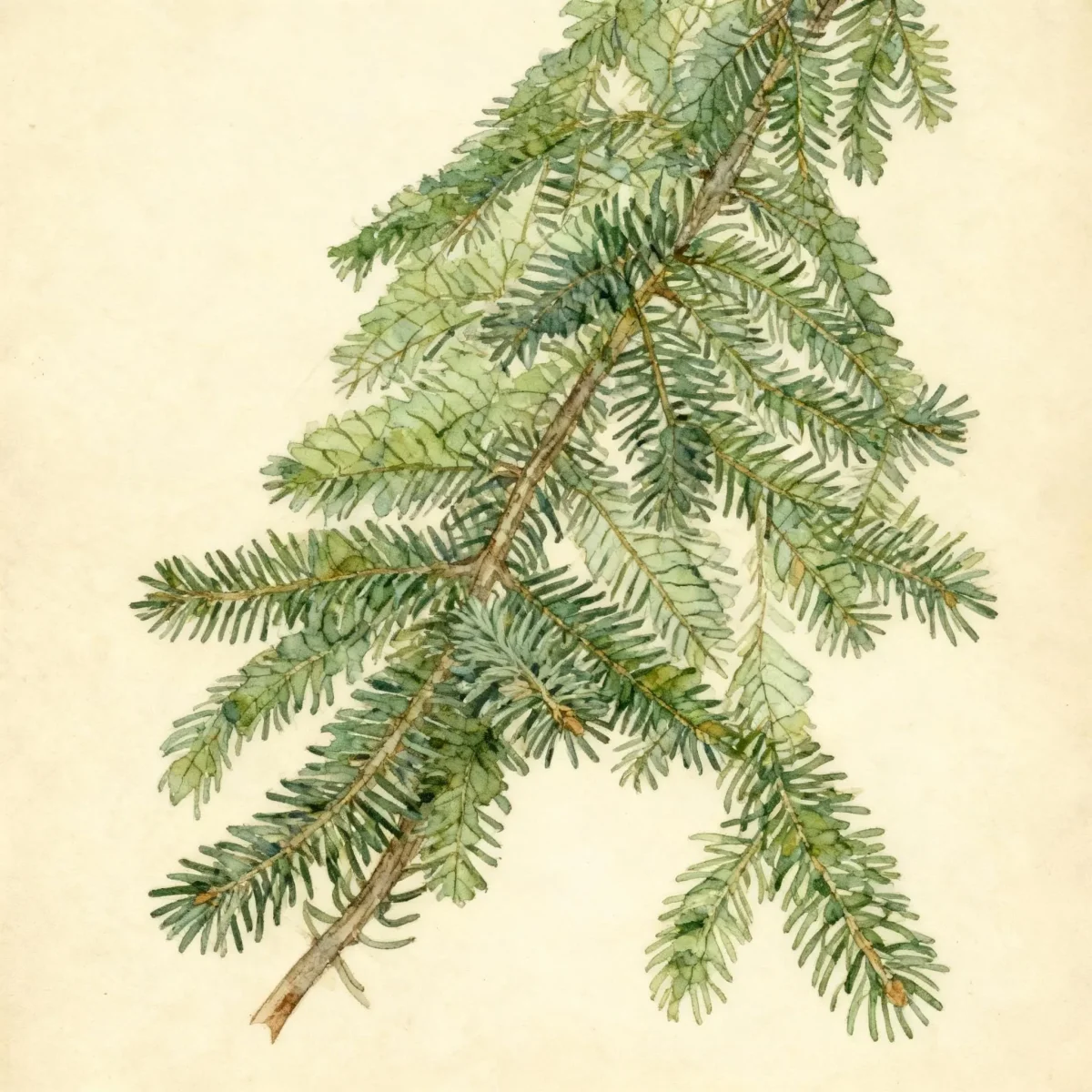
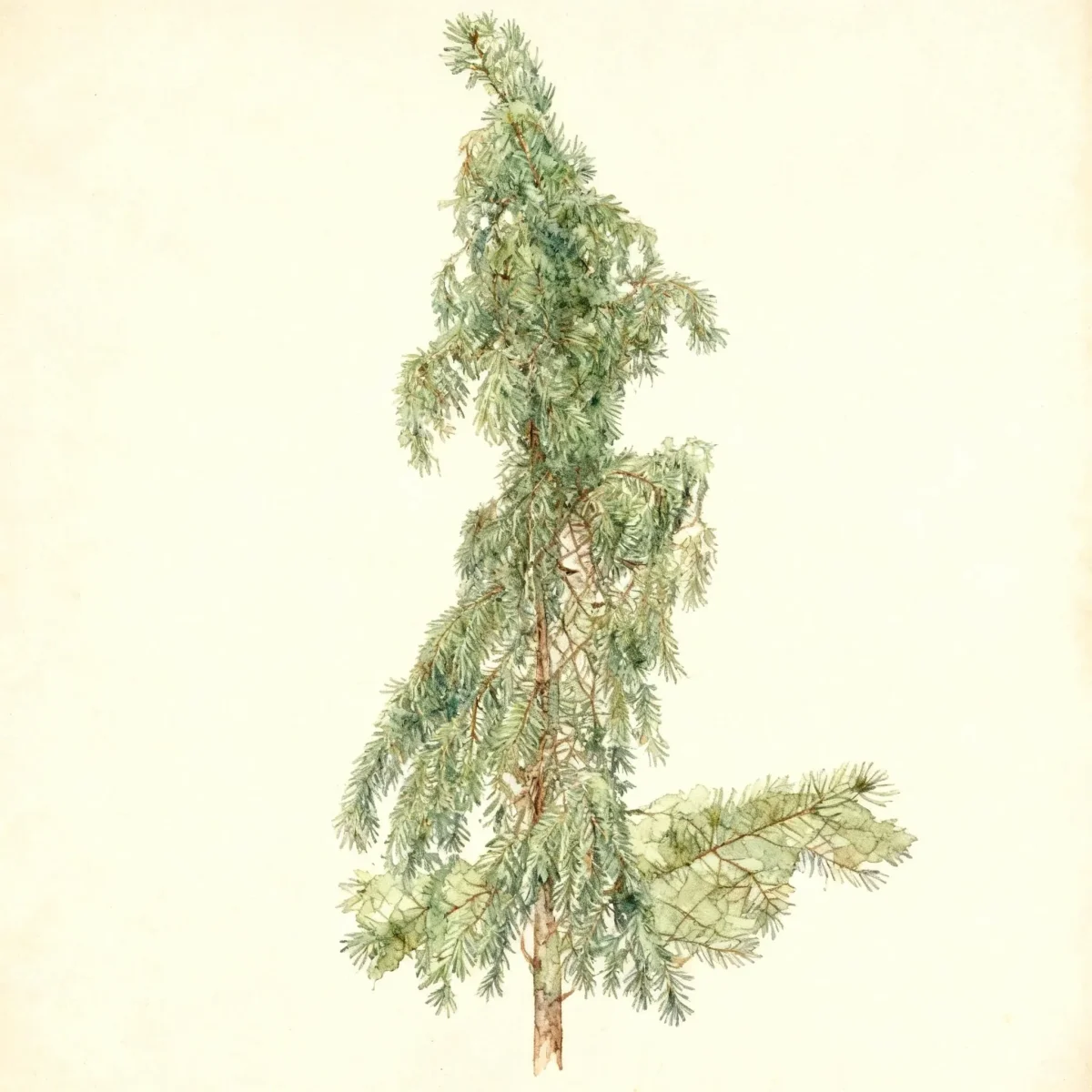
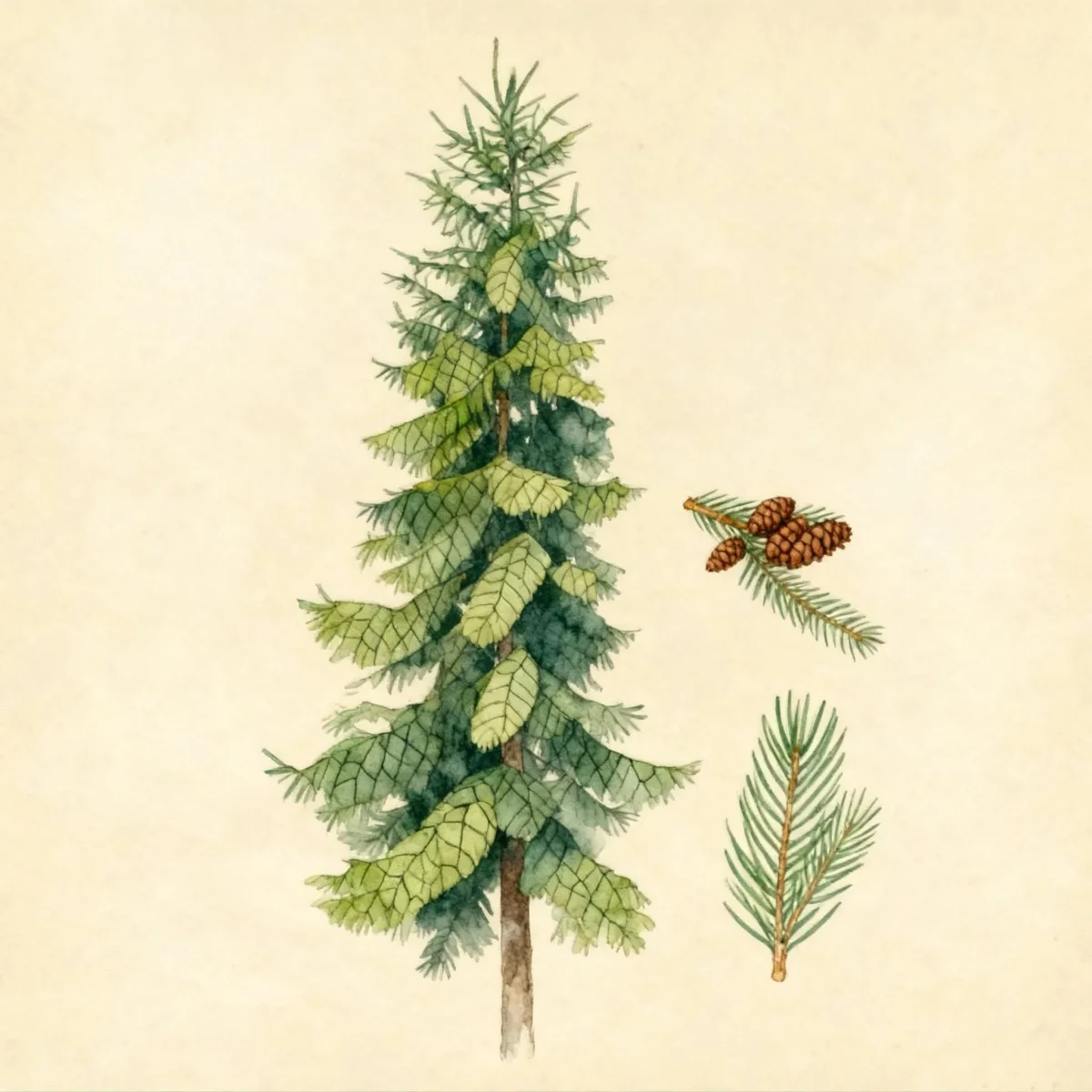
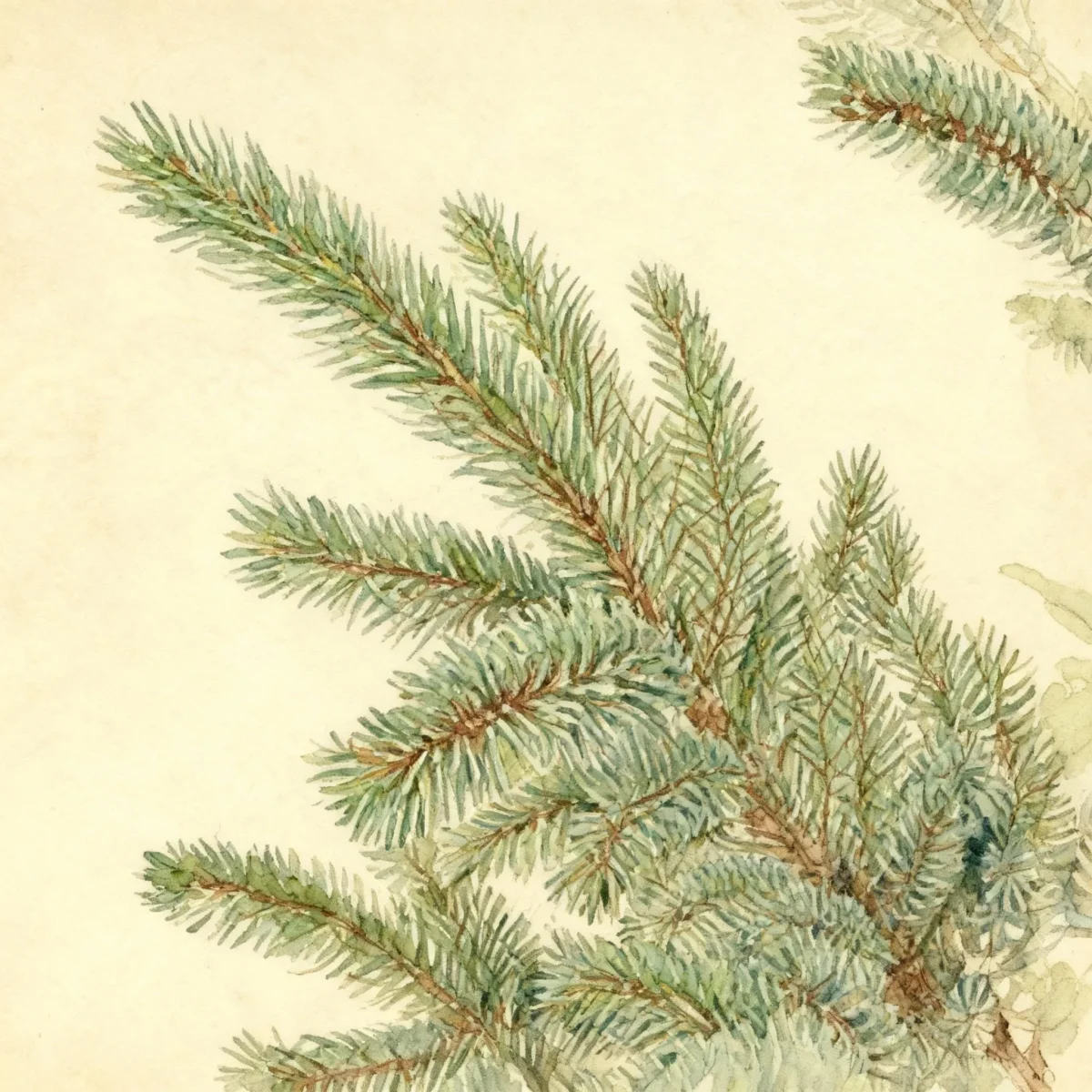
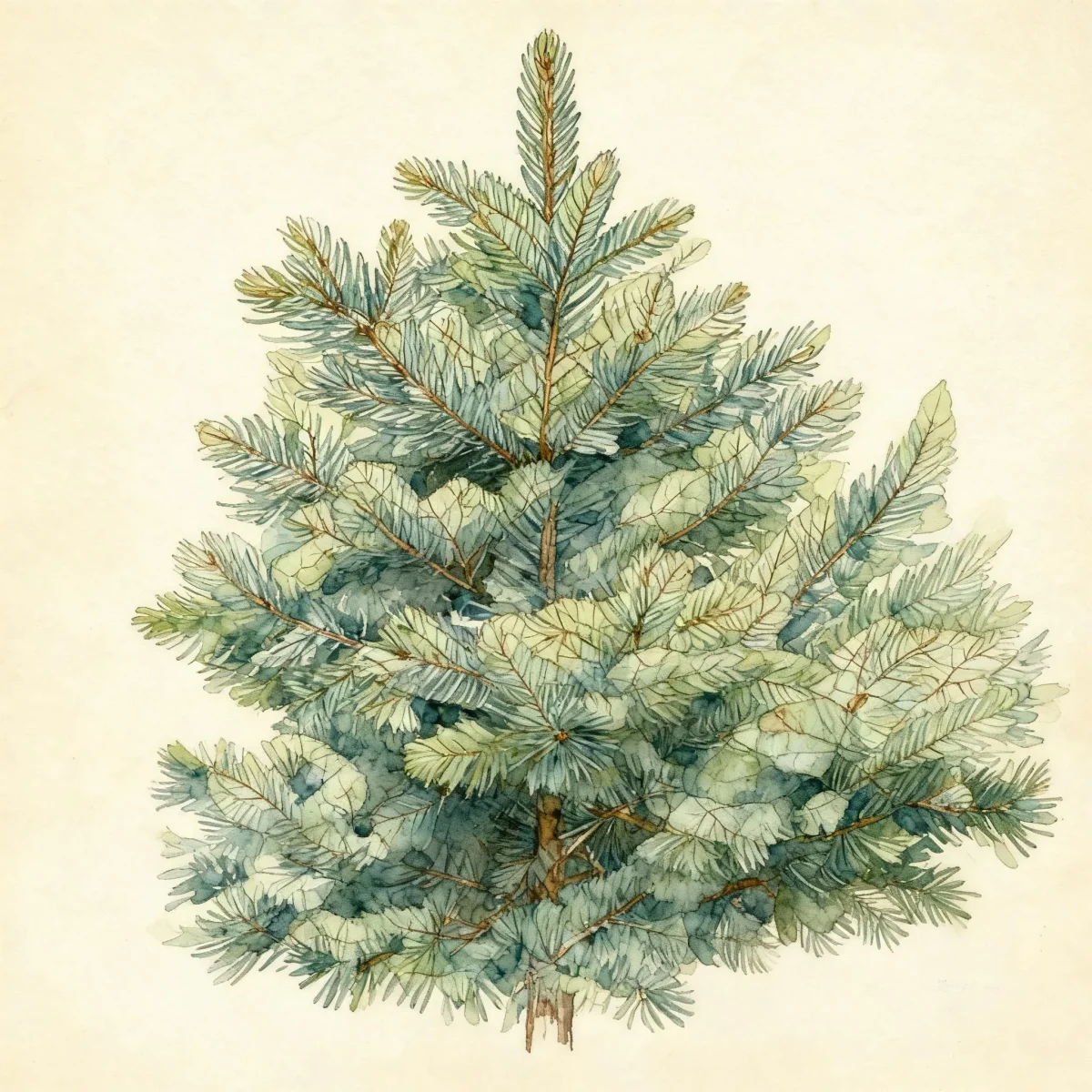
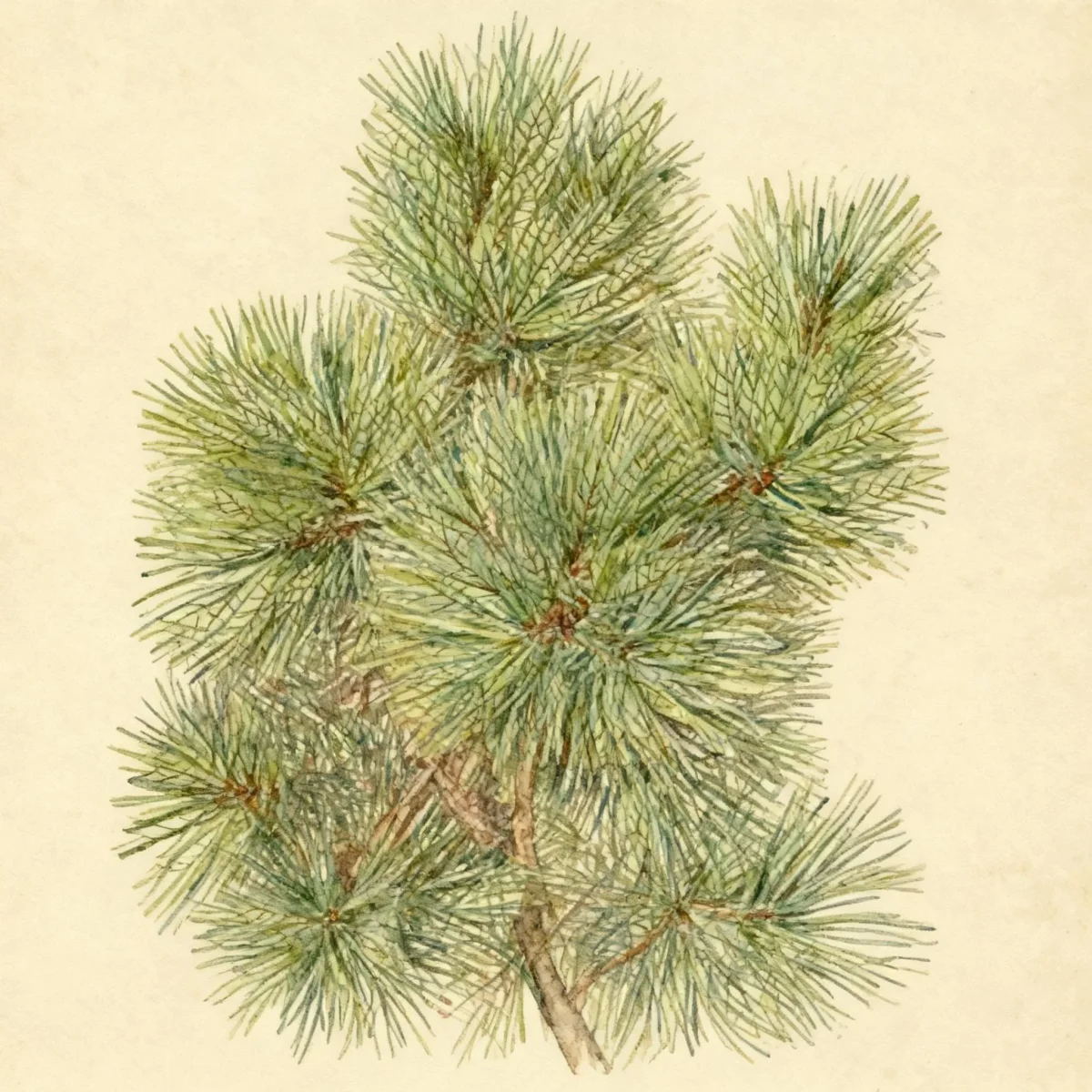
Serbian spruce (Picea omorika 'De Ruyter')
The compact Picea omorika 'De Ruyter' is a narrow, low-maintenance Serbian spruce ideal for smaller landscapes or specimen planting.
Scroll down to discover growing tips, care requirements, companion plants, and more
Complete Plant Information
Overview
Picea omorika ‘De Ruyter’ is a distinctive and highly valued cultivar of the Serbian spruce, prized for its more manageable size compared to the towering species. This cultivar maintains the elegant, narrow, pyramidal shape typical of its parent species while offering a slower growth rate, making it perfect for constrained garden settings where a full-sized spruce would overwhelm the space. Gardeners appreciate the visual interest provided by its dense structure and the subtle contrast of needle coloration.
The structure of Picea omorika ‘De Ruyter’ is notable, sometimes exhibiting a broad, irregular habit due to thick clusters of new growth. This slow-growing evergreen maintains its color and form throughout the year, providing excellent year-round texture in the landscape. Unlike some spruces, the Serbian spruce often adapts reasonably well to urban conditions, showing good tolerance for certain stresses common near pavement.
When selecting a place for your Serbian spruce, consider its unique aesthetic. While the traditional Picea omorika reaches impressive heights, the ‘De Ruyter’ cultivar provides a manageable focus point. Its low maintenance needs and inherent beauty ensure that this conifer remains an attractive, long-term addition to residential or formal plantings.
Fast Facts
- Plant Family: Pinaceae
- Plant Type: Needled evergreen
- Hardiness Zones: USDA Zones 4-7
- Size at Maturity:
- Height: 6-15 ft
- Spread: 5-8 ft
- Bloom Time: Non-flowering
- Sun Exposure: Full sun to part shade
- Water Needs: Medium
- Maintenance Level: Low
How to Grow
The successful cultivation of Picea omorika ‘De Ruyter’ begins with selecting the correct site. Plant during the cooler months of fall or early spring for best establishment, ensuring the soil is average, medium moisture, and, critically, well-drained. Spruces hate standing water, which leads to root issues quickly. This cultivar thrives best in areas receiving full sun, although it tolerates partial shade, especially during the hottest part of the day.
Once established, the watering requirements for this Serbian spruce are medium. Deep, infrequent watering is preferable to shallow daily sprinkles, encouraging deep root growth. While fertilizing is generally unnecessary for low-maintenance evergreens, an annual application of a balanced, slow-release fertilizer in early spring can boost vigor if the soil is notably poor. Pruning is usually minimal, reserved only for removing dead or broken branches.
Be mindful of specific climate preferences; Picea omorika generally prefers cooler summer climates. While Picea omorika ‘De Ruyter’ appears more adaptable than some related species, gardeners in USDA Zone 7 heat zones, especially those with high humidity in the Southeast U.S., should monitor water needs closely and site the tree where it receives afternoon relief if possible. Winter preparation involves ensuring adequate moisture before the ground freezes solid.
Landscape Uses
Picea omorika ‘De Ruyter’ is recognized as one of the most attractive spruces available for residential landscapes due to its refined habit and manageable size. Its dense, somewhat irregular form, coupled with the color variation in its needles, makes it an exceptional specimen plant where its form can be appreciated from all sides. Consider planting this Serbian spruce toward the front of foundation plantings or as a solitary focal point in a small lawn area.
This cultivar is also appropriate for use as an evergreen street tree in areas where its eventual 15-foot height is suitable, offering superior winter screening and structure compared to deciduous alternatives. Plant in groups for a layered effect, ensuring adequate spacing (at least 8 feet apart) to allow light penetration and air circulation, which is crucial for preventing future disease issues.
Standout Features
Fruit Qualities
- Showy
Noteworthy Characteristics
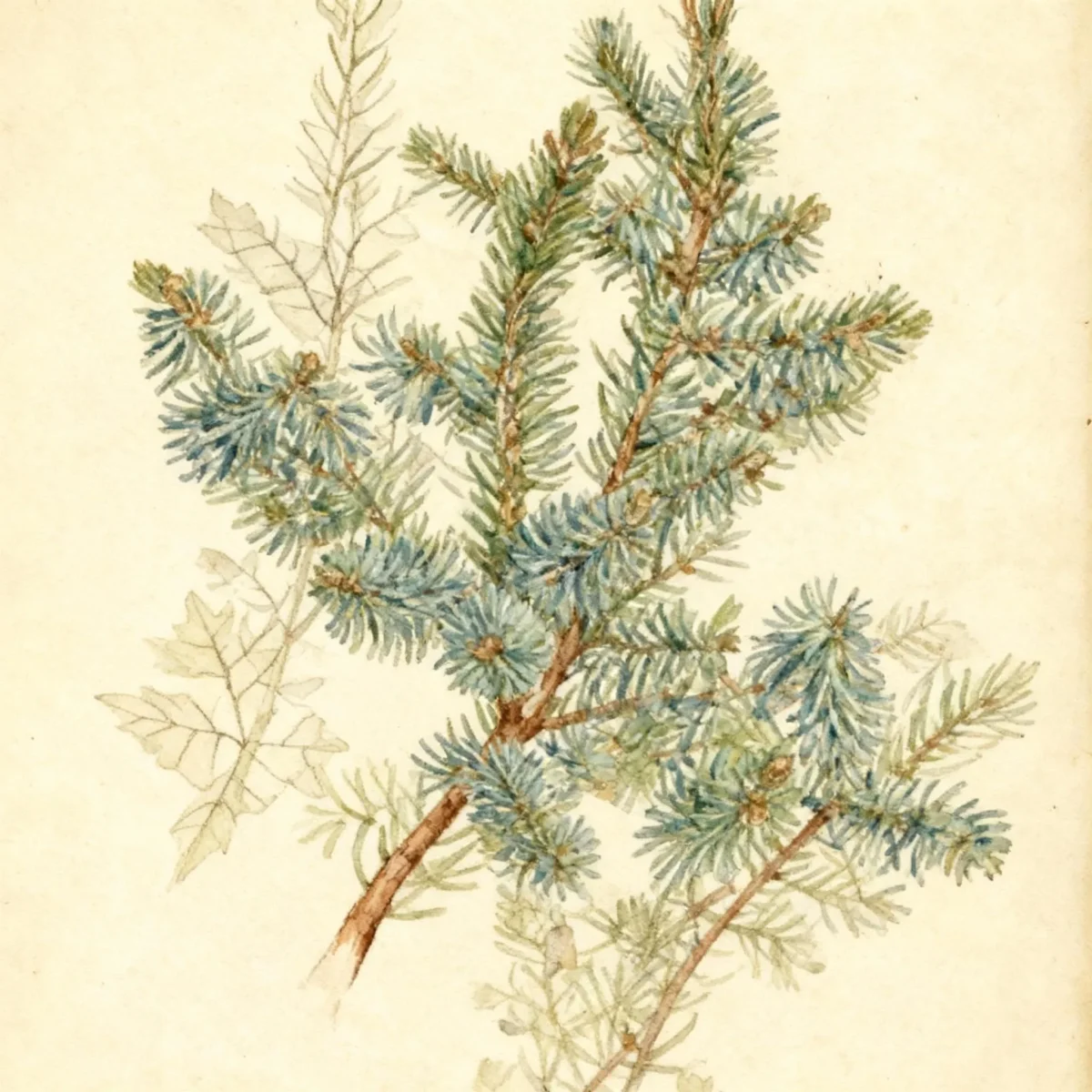
Picea omorika, commonly called Serbian spruce, is an evergreen conifer that is native to limestone soils in the upper Drina River Valley in western Serbia and eastern Bosnia and Herzegovina. While the species typically grows quite large, the ‘De Ruyter’ cultivar is much smaller, usually reaching only 6 to 15 ft. tall and 5 to 8 ft. wide, featuring a broad, irregular habit with shoots exhibiting either frosty blue or soft green needles on the same plant. The species boasts flattened bright green needles with silvery undersides, pendant cones that mature from violet purple to yellowish brown, and textured brown bark that cracks into scaly plates.
Tolerances
- Deer
- Air Pollution
Potential Problems
This Serbian spruce cultivar generally exhibits low disease pressure, but similar to most spruces, it is susceptible to piercing-sucking insects, especially when stressed by drought or improper siting. Common pests to watch for include spider mites, which cause bronzing or stippling of the needles and thrive in hot, dry summer conditions. Aphids, budworms, and borers can also pose threats, particularly to stressed specimens. Regular monitoring, especially of the undersides of the needles, allows for early intervention using horticultural oils or insecticidal soaps if infestations occur.
Frequently Asked Questions
What hardiness zones is Serbian spruce suitable for?
Picea omorika ‘De Ruyter’ is hardy and successfully grown in USDA Zones 4 through 7.
How large does Picea omorika ‘De Ruyter’ grow?
This cultivar maintains a compact stature, typically reaching a mature height between 6 and 15 feet tall, with a spread of 5 to 8 feet wide.
What sun exposure does Picea omorika ‘De Ruyter’ need?
This evergreen performs best when sited in full sun, though it can tolerate part shade conditions, especially where summers are intense.
When does Picea omorika ‘De Ruyter’ bloom?
As a conifer, Picea omorika ‘De Ruyter’ is non-flowering, focusing its energy on needle retention and structural growth rather than conspicuous blooms.
Conclusion
The Picea omorika ‘De Ruyter’ offers an exceptional blend of elegance and practicality, providing the refined look of the Serbian spruce in a scale suitable for the modern garden. Its low maintenance needs and resilience to air pollution make it a reliable choice for year-round structure. Before planting, confirm that your site falls within USDA Zones 4 to 7 and offers adequate sun exposure for the best performance of your new Serbian spruce.
Companion Planting
When planning garden beds around Picea omorika ‘De Ruyter’, select partners that share similar moderate water needs and appreciate well-drained soil. Low-growing, acid-loving perennials like Hellebores (Helleborus) provide excellent early spring interest beneath the needles. Consider groundcovers that contrast nicely with the evergreen foliage, such as creeping juniper or low-mounding dwarf hostas, ensuring the groundcover does not become overly competitive with the spruce’s root zone.
Seasonal Care Calendar
Spring marks the most important period for proactive care. As growth begins, check the soil moisture levels and provide a deep watering if winter runoff was low. Early spring is also the optimal time to apply a slow-release fertilizer if desired, or to perform any very light corrective pruning. During the summer months, especially during heatwaves, focus on consistent watering to help the Serbian spruce manage the stress associated with medium water needs. Avoid heavy pruning during late summer, as this can stimulate tender new growth improperly before fall hardiness sets in.