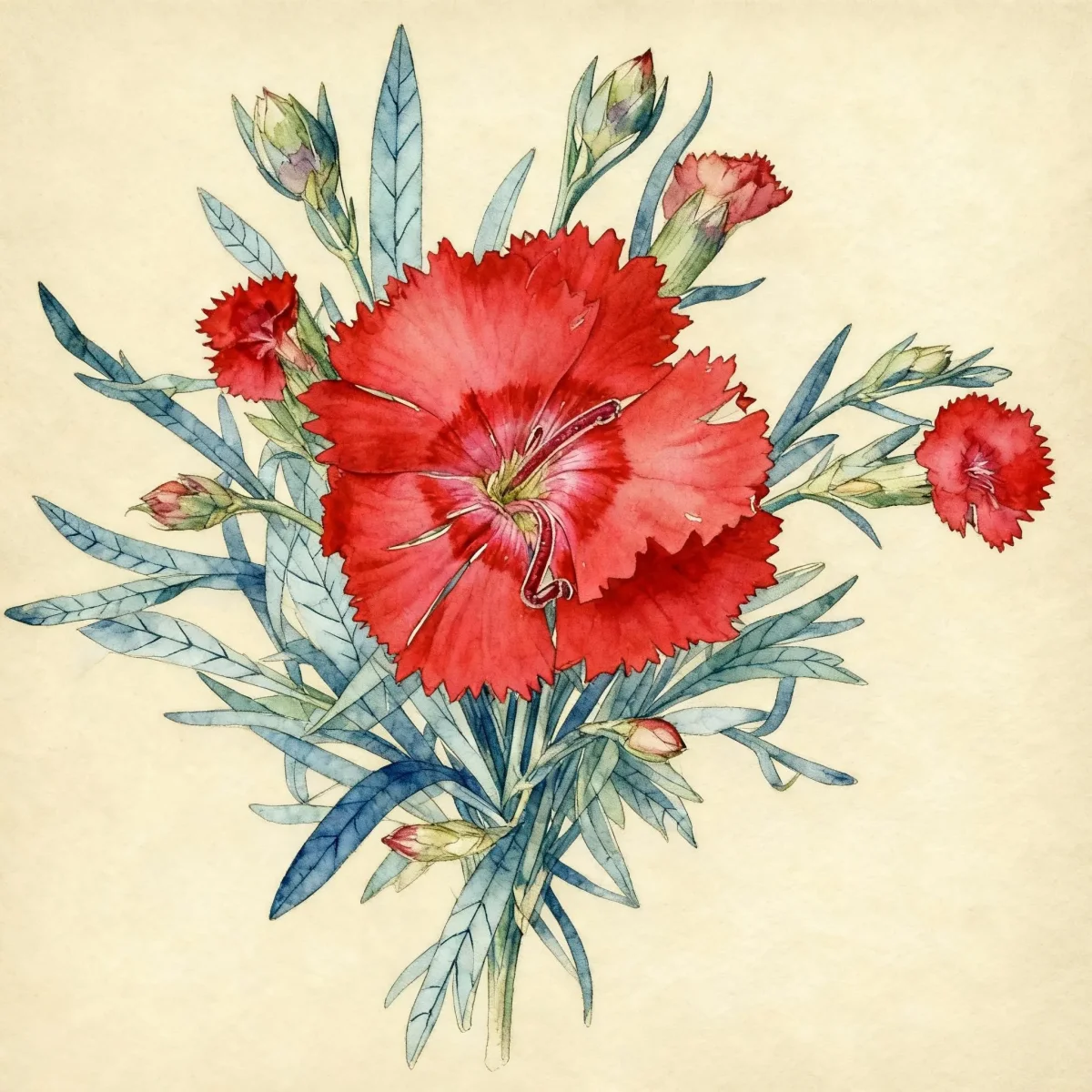
Pink (Dianthus 'Black Cherry Wild')
Dianthus 'Black Cherry Wild' Pink: A low-maintenance, fragrant perennial perfect for borders with deep velvety red flowers.
Scroll down to discover growing tips, care requirements, companion plants, and more
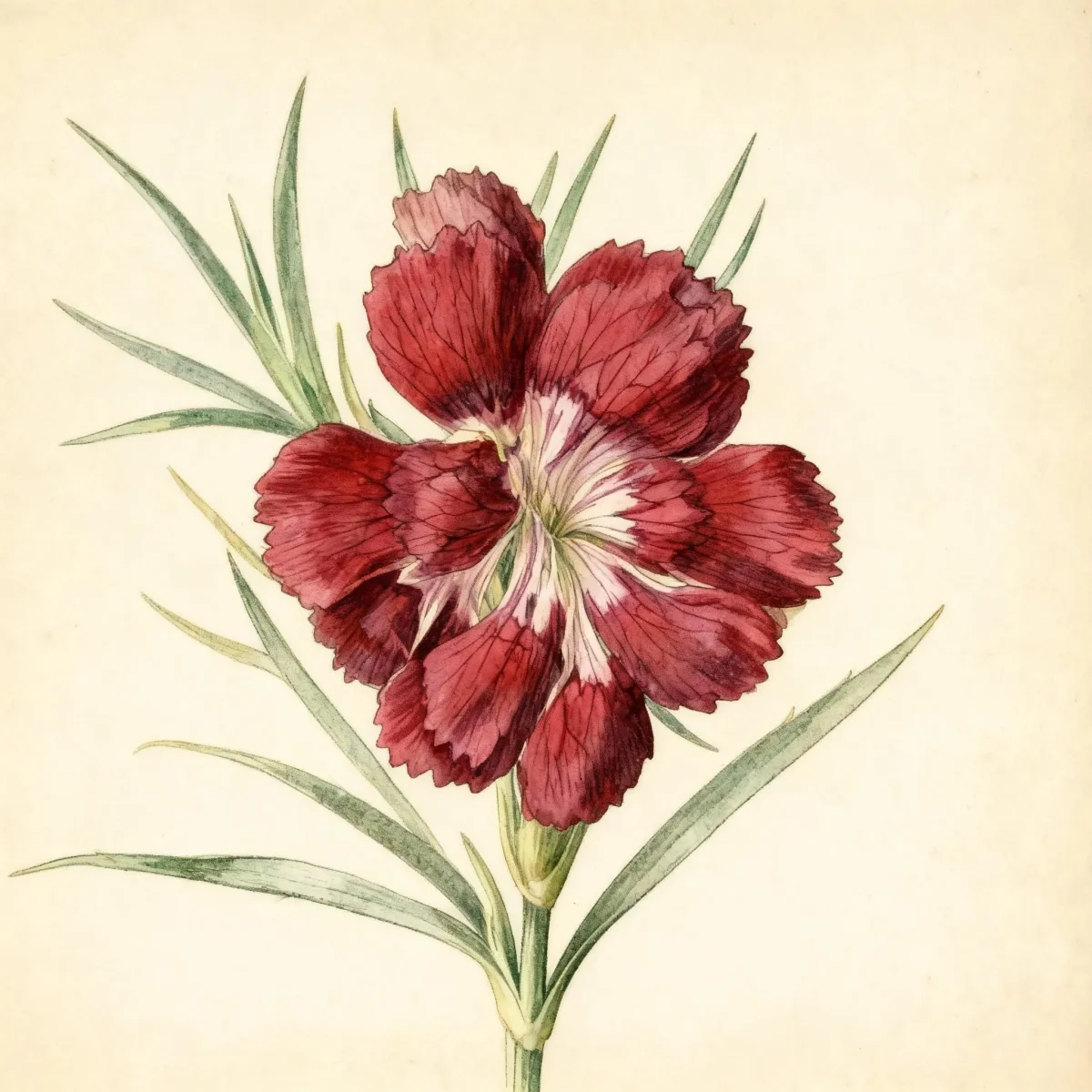
Complete Plant Information
Overview
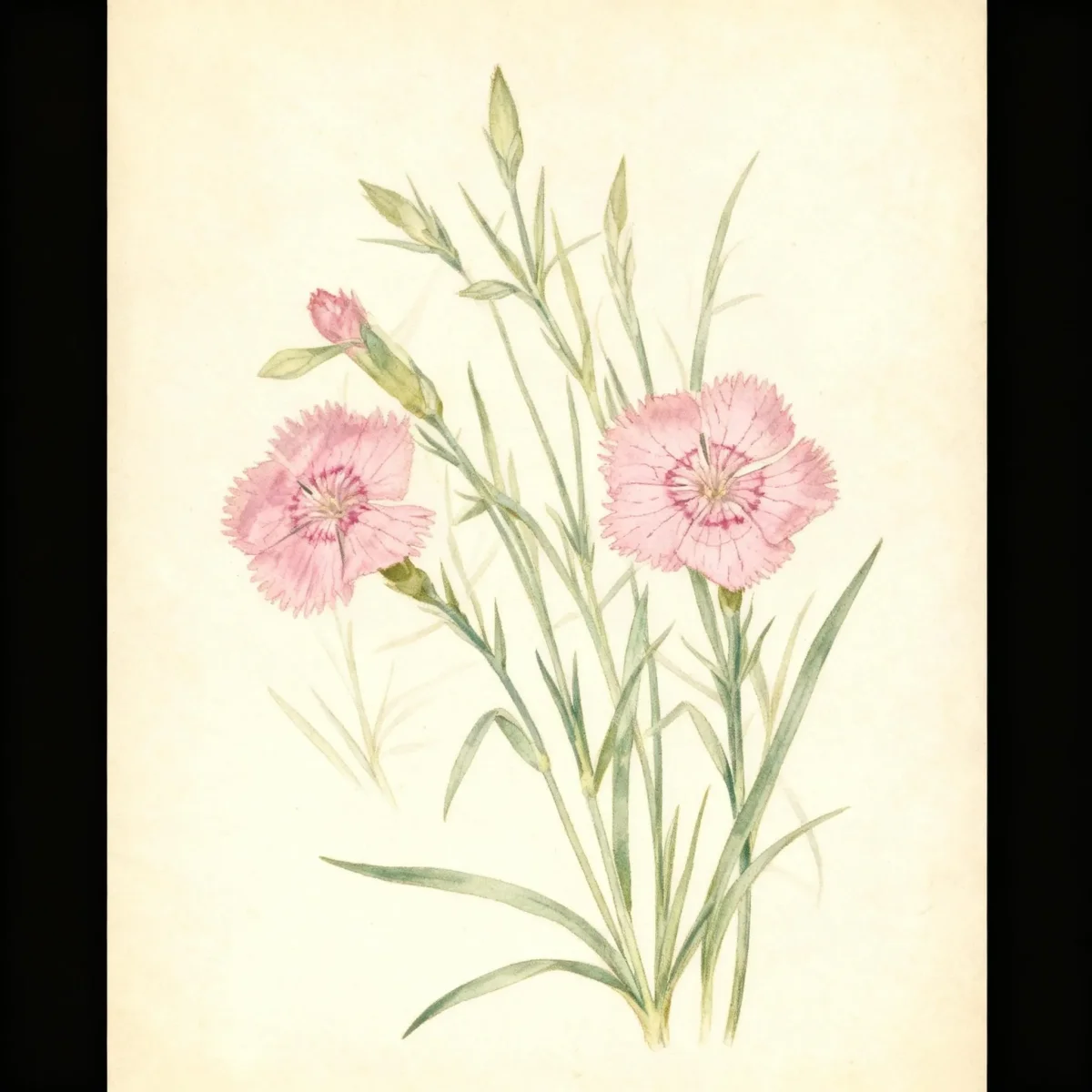
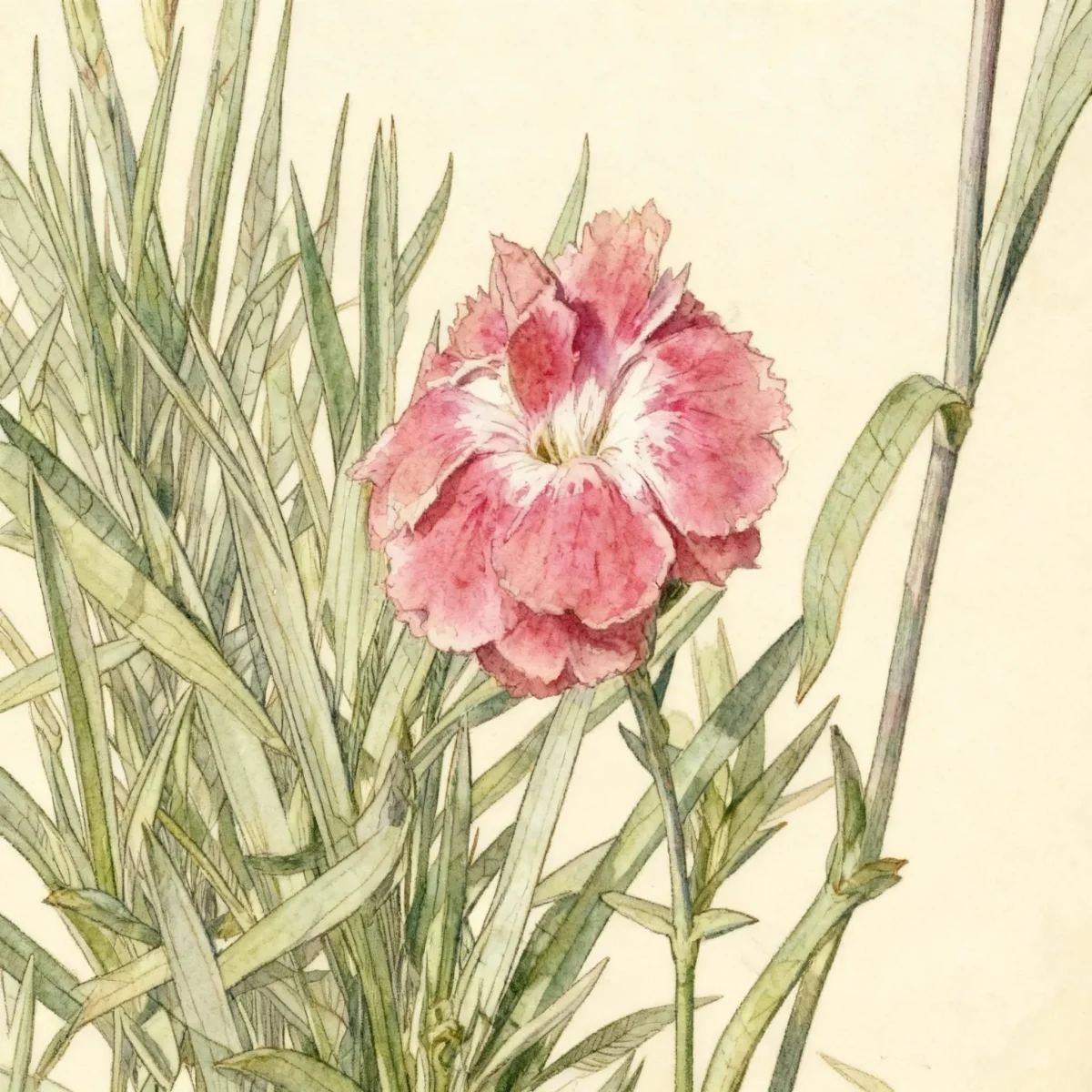
Dianthus ‘Black Cherry Wild’, commonly known as Pink, offers outstanding garden performance due to its compact mounding habit and intensely fragrant summer blooms. This herbaceous perennial provides masses of deep velvety red, double flowers atop grass-like, gray-green foliage. Growing to a modest height of under one foot, Dianthus ‘Black Cherry Wild’ is highly valued for its extended bloom period, frequently offering sporadic flowering well into the fall following its main spring flush.
This variety is a hybrid carnation known for its vigorous and tidy growth, making it an excellent choice for formal edges or rock gardens where neat presentation is required. Gardeners appreciate the Pink genus for the lovely scent released when the flowers are brushed or cut. Dianthus ‘Black Cherry Wild’ is relatively low-maintenance once established in the correct conditions.
Providing excellent curb appeal and fragrance, this compact Pink cultivar is perfect for softening hardscape edges or filling in front-of-border spaces. Its evergreen foliage ensures visual interest throughout the cooler months in suitable climates, adding reliable structure to perennial beds.
Fast Facts
- Plant Family: Caryophyllaceae
- Plant Type: Herbaceous perennial
- Hardiness Zones: USDA Zones 4-8
- Size at Maturity:
- Height: 0.5-0.75 ft
- Spread: 0.5-0.75 ft
- Bloom Time: May to June
- Bloom Description: Velvet red (double)
- Sun Exposure: Full sun
- Water Needs: Medium
- Maintenance Level: Low
How to Grow
Plant Dianthus ‘Black Cherry Wild’ in the spring or fall after the danger of hard frost has passed. These plants demand full sun exposure to produce abundant flowers, although they appreciate cooler average summer temperatures. Success hinges on excellent drainage; incorporate leaf mold or organic material into organically rich, gritty loams to help retain required moisture without leading to sogginess.
Maintain even moisture, especially during hot weather, by watering consistently. The low maintenance level of this Pink variety means heavy fertilization is usually unnecessary. If you wish to tidy the planting or encourage a second wave of bloom in late summer or early fall, shear the plants back lightly after the main flush in early summer.
Good drainage is critical, as Dianthus is susceptible to crown rot if soils remain perpetually wet. Planting in soils that are neutral to slightly alkaline is preferred for optimal performance. Deadheading spent flowers encourages the plant to redirect energy into producing subsequent blooms, maximizing the season of color provided by Dianthus ‘Black Cherry Wild’.
Landscape Uses
Dianthus ‘Black Cherry Wild’ excels when used near pathways or seating areas where its fragrance can be easily enjoyed. Its mounding, mat-forming habit makes it superb for the very front of the border, providing a clean line against walkways or lawn edges. These plants are equally at home planted individually in containers or massed together to serve as an attractive, low-growing ground cover.
For rock gardens, the compact nature of this Pink variety allows it to nestle beautifully between stones, mimicking its native preference for gritty substrates. Consider companion planting with other sun-loving perennials that share similar soil preferences, such as sedums or low-growing ornamental grasses, which will contrast nicely with the fine, grassy foliage of the Dianthus.
Standout Features
Flower Qualities
- Showy
- Fragrant
Noteworthy Characteristics
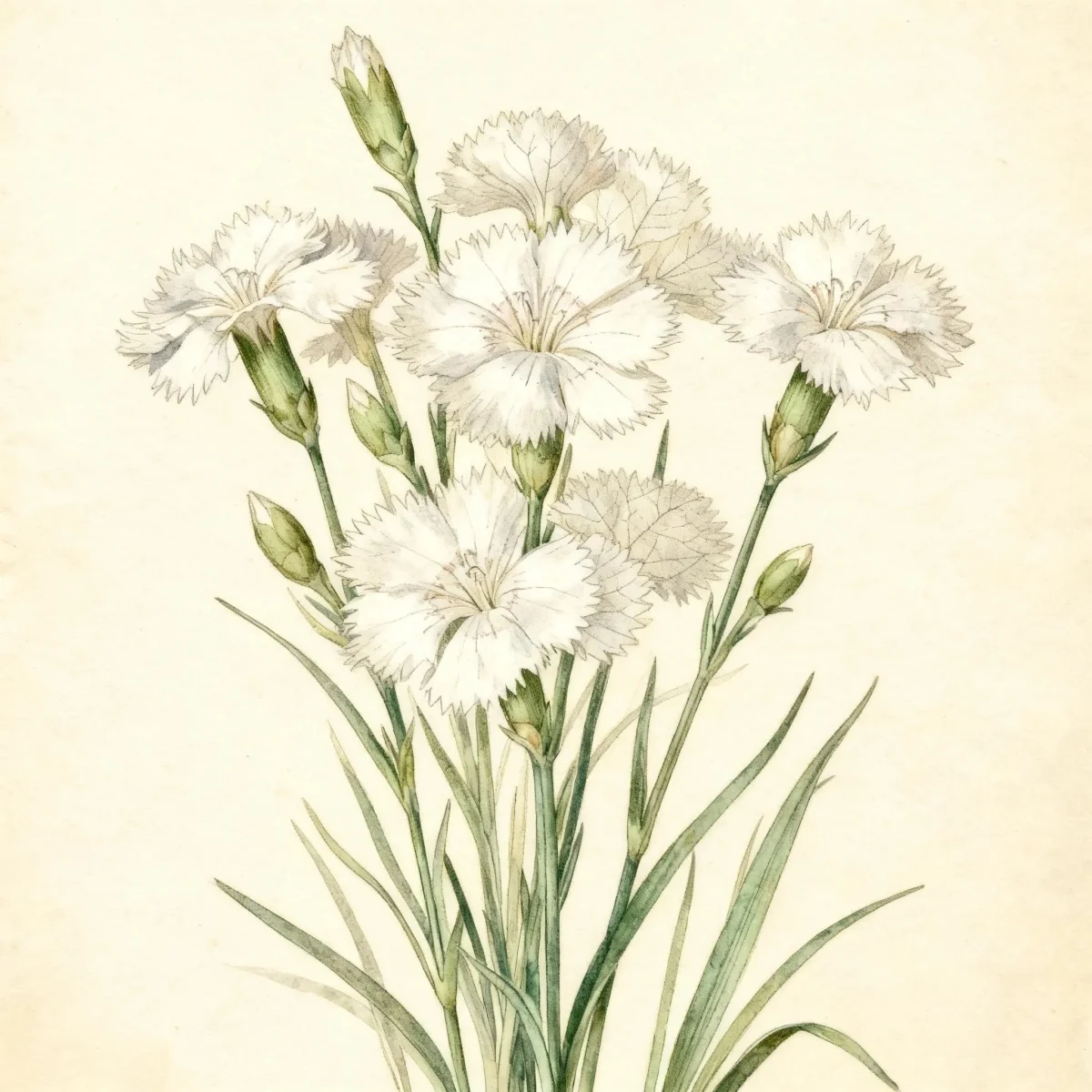
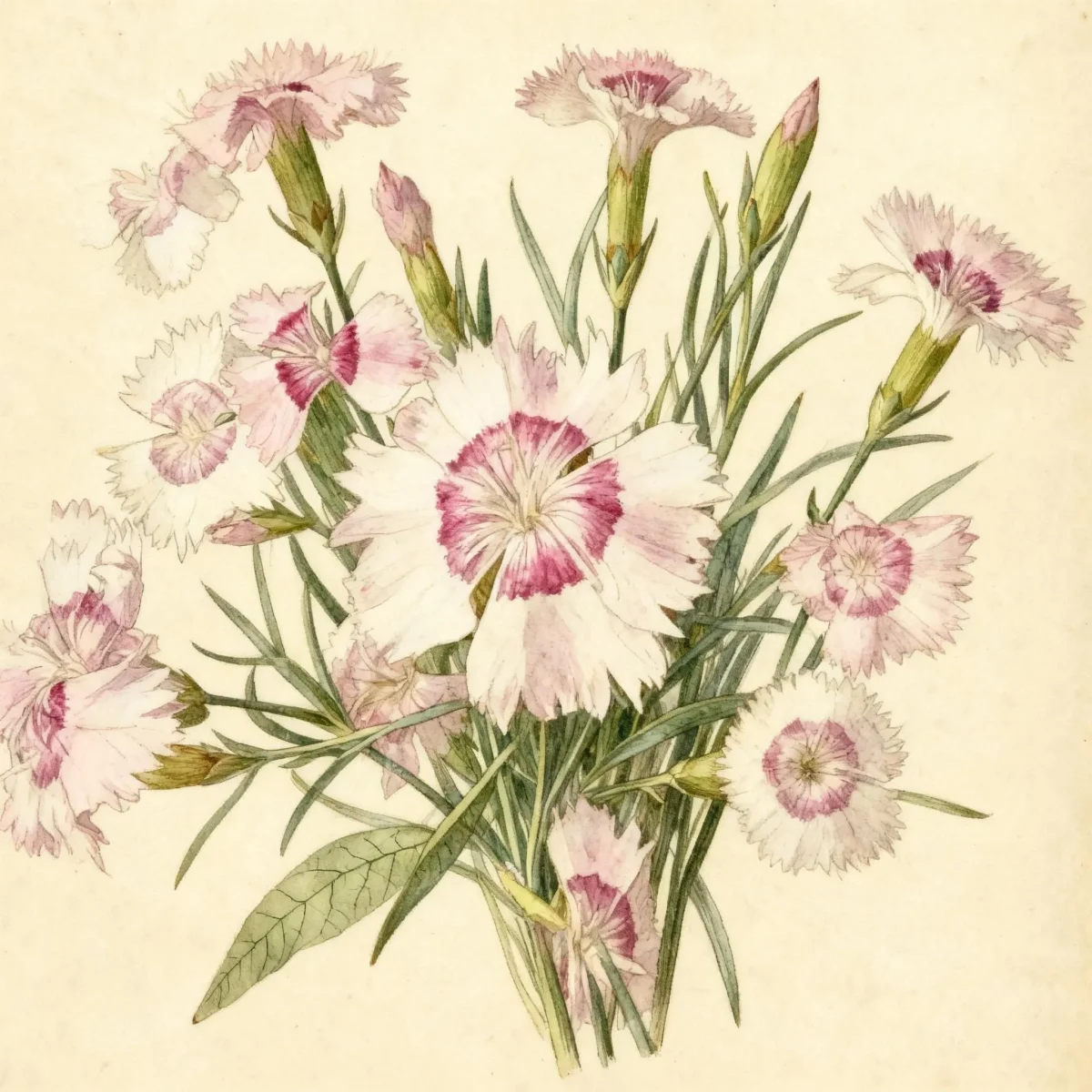
Perennial dianthus, commonly called carnations or pinks, are loosely-tufted, herbaceous perennials that features fragrant, often double flowers on stiff stems clad with narrow, linear, gray-green leaves. ‘Black Cherry Wild’ is specifically noted for its compact growth, fragrant double blooms, abundant flowering, and extended bloom period, boasting 1.5” to 2” diameter flowers with deep velvety red centers and narrow, serrated, white petal edges. The genus name Dianthus originates from the Greek words dios (divine) and anthos (flower), referencing its esteemed quality.
Tolerances
- Deer
Potential Problems
Dianthus is susceptible to crown rot, particularly if cultural needs regarding drainage are ignored. To prevent this, ensure planting sites are never boggy; amending heavy clay soils heavily with grit and compost helps significantly. In humid summers, leaf spot can develop, especially if plants are crowded together, restricting essential air circulation around the base. Proper spacing when planting Dianthus ‘Black Cherry Wild’ is the key preventative measure against fungal issues.
Frequently Asked Questions
What hardiness zones is Pink suitable for?
Dianthus ‘Black Cherry Wild’ is best suited for USDA Hardiness Zones 4 through 8.
How large does Dianthus ‘Black Cherry Wild’ grow?
This variety typically reaches a height between 0.5 and 0.75 feet and spreads from 0.5 to 0.75 feet wide, forming a neat mound.
What sun exposure does Pink need?
For the best flowering performance, Dianthus ‘Black Cherry Wild’ requires full sun exposure.
When does Pink bloom?
This Pink blooms primarily from May to June, featuring showy, fragrant, velvet red double flowers.
Conclusion
Dianthus ‘Black Cherry Wild’ provides exceptional value in the landscape due to its low maintenance needs, delightful fragrance, and neat, long-lasting foliage. This robust Pink cultivar ensures vibrant color and scent through early summer, often providing sporadic rebloom until fall. Before planting, confirm your USDA zone compatibility and ensure your soil offers the excellent drainage that this beautiful perennial demands for longevity.
Companion Planting
When selecting companions for the Dianthus ‘Black Cherry Wild’, focus on plants that thrive in full sun and tolerate average to dry soil conditions once established. Plants with contrasting textures, such as ornamental salvias or creeping thyme, pair well visually with the fine, linear leaves of the Pink. Since Dianthus prefers neutral to slightly alkaline soil, avoid overly acidic companions that require heavy feeding, keeping the overall nutrient profile of the bed consistent.
Seasonal Care Calendar
Early spring is the best time to tidy up old foliage and apply a light dressing of compost around the base of Dianthus ‘Black Cherry Wild’. During the peak bloom time in early summer (June/July), deadhead spent blooms consistently; this action is crucial for encouraging the subsequent bloom cycles. If plants appear overly floppy after the main show, consider shearing them back by one-third to promote a dense, tidy display heading into late summer.