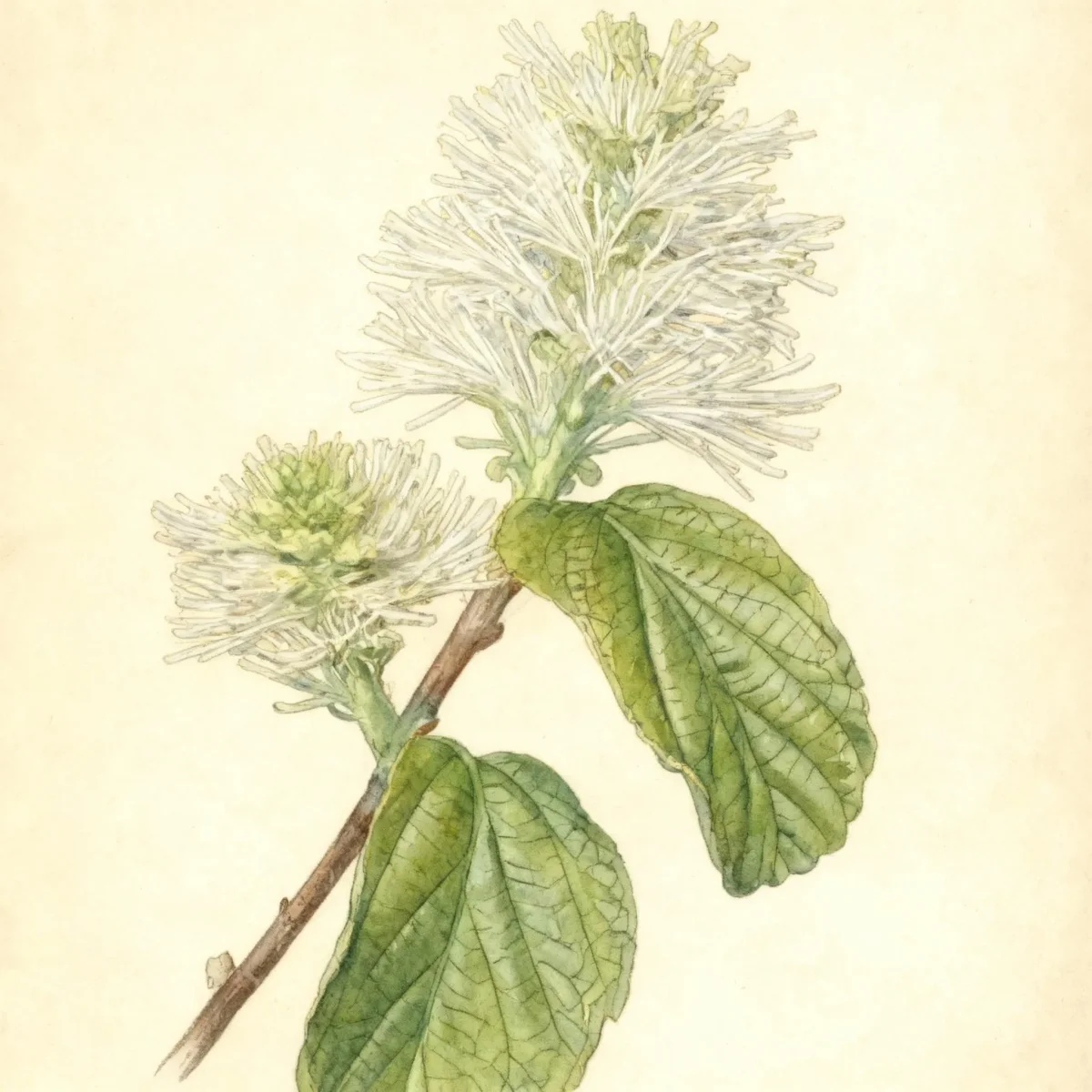
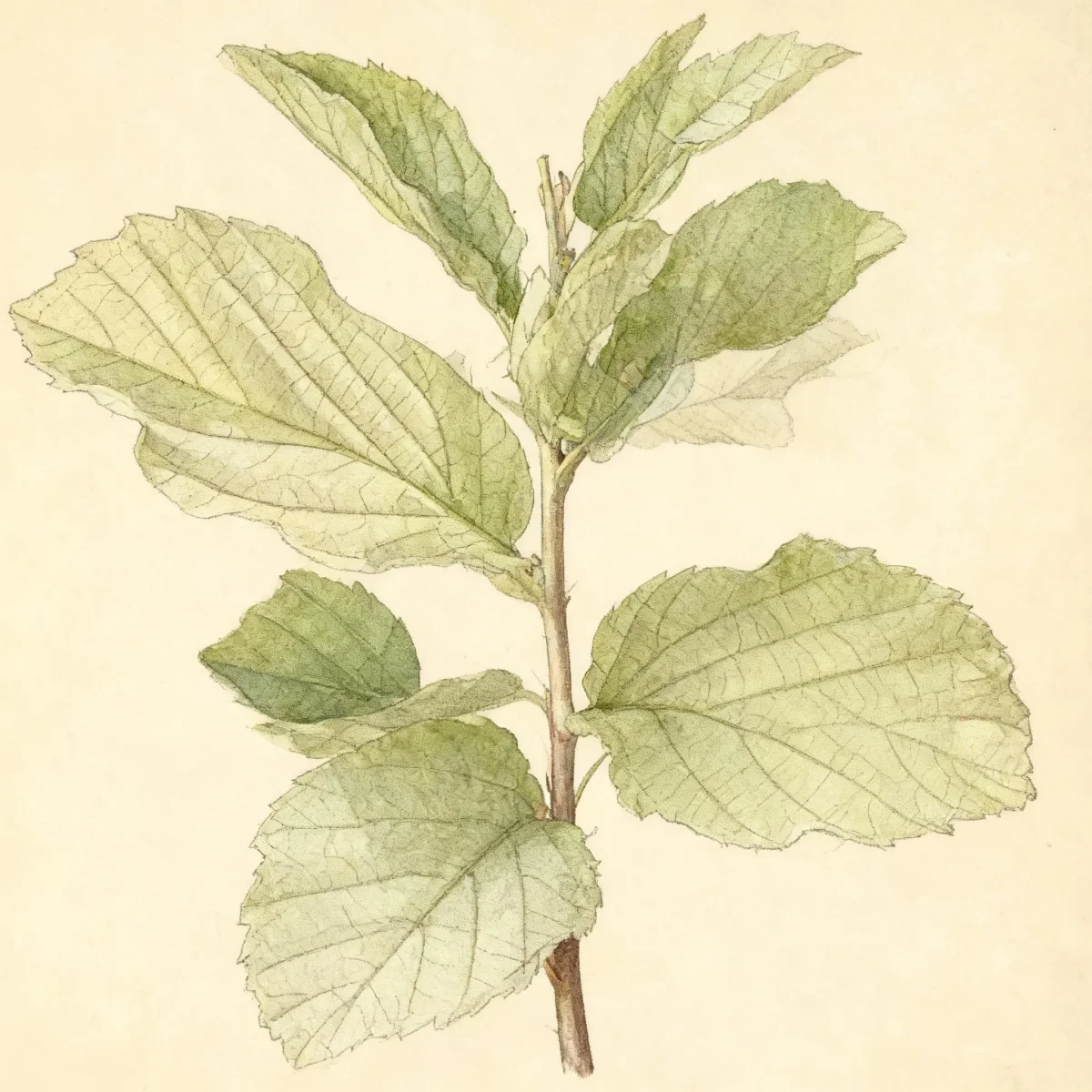
Fothergilla (Fothergilla × intermedia 'Klmsixteen' MAY BOUQUET)
Fothergilla × intermedia 'Klmsixteen' MAY BOUQUET is a low-maintenance deciduous shrub boasting fragrant spring blooms and superb fall color in Zones 5-8.
Scroll down to discover growing tips, care requirements, companion plants, and more
Complete Plant Information
Overview
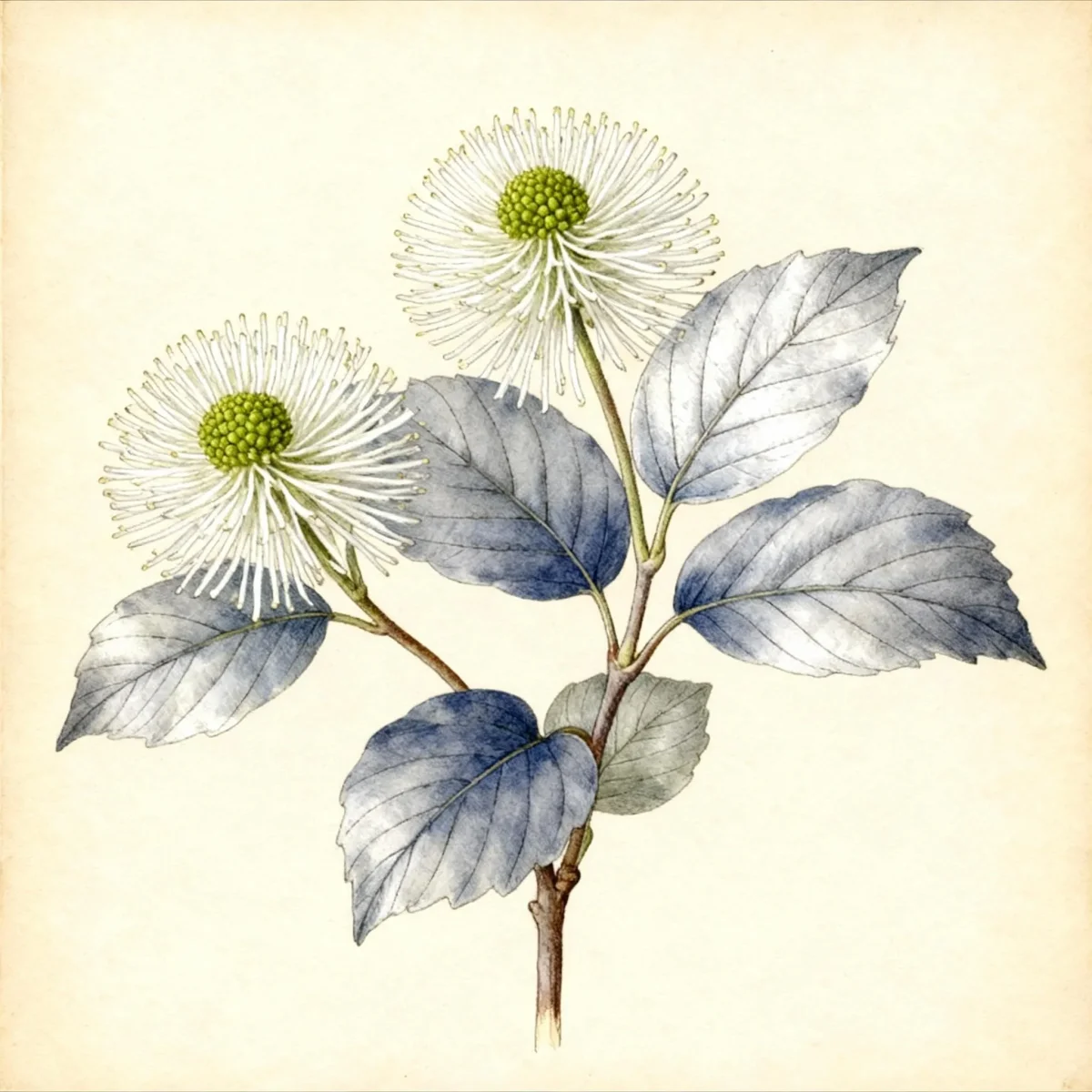
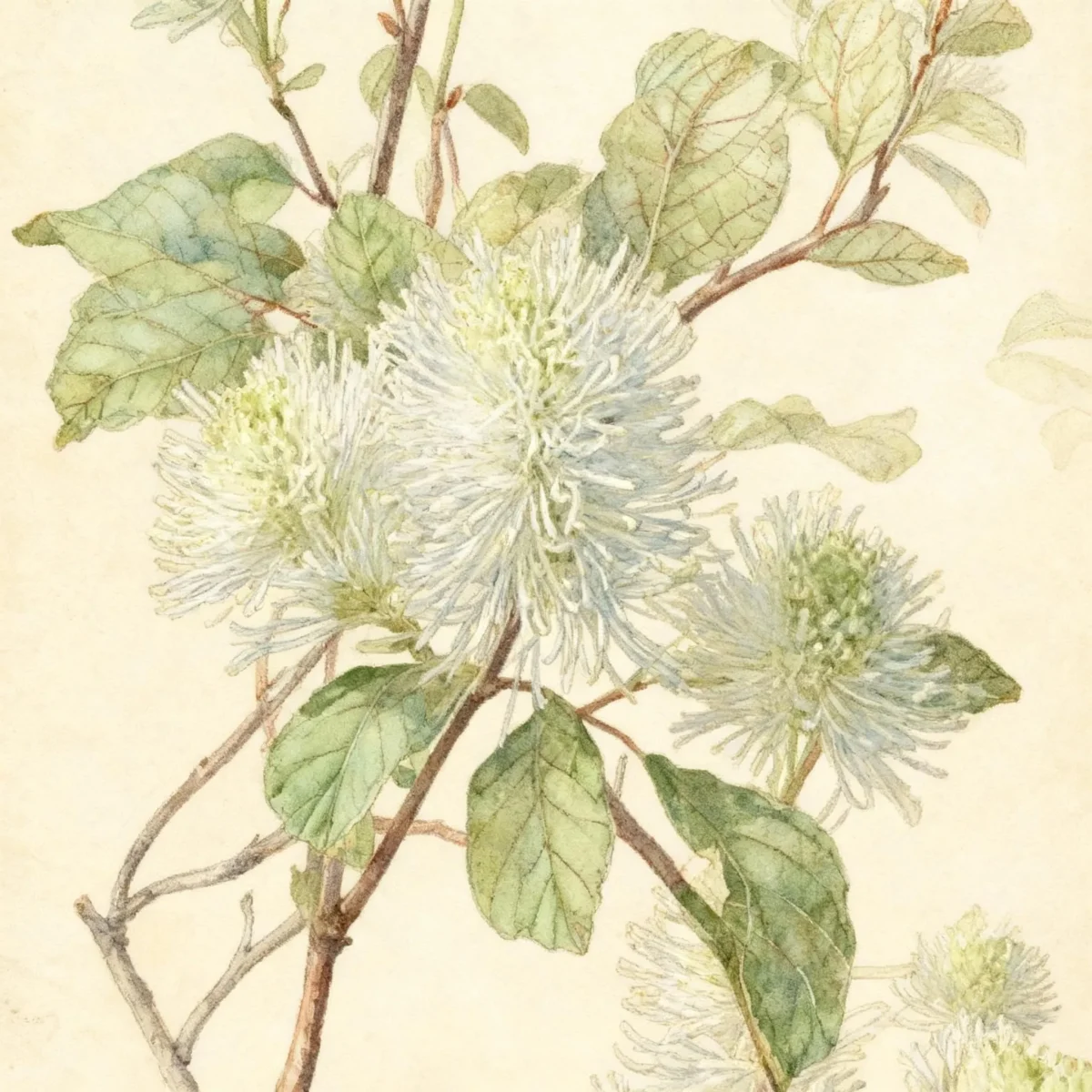
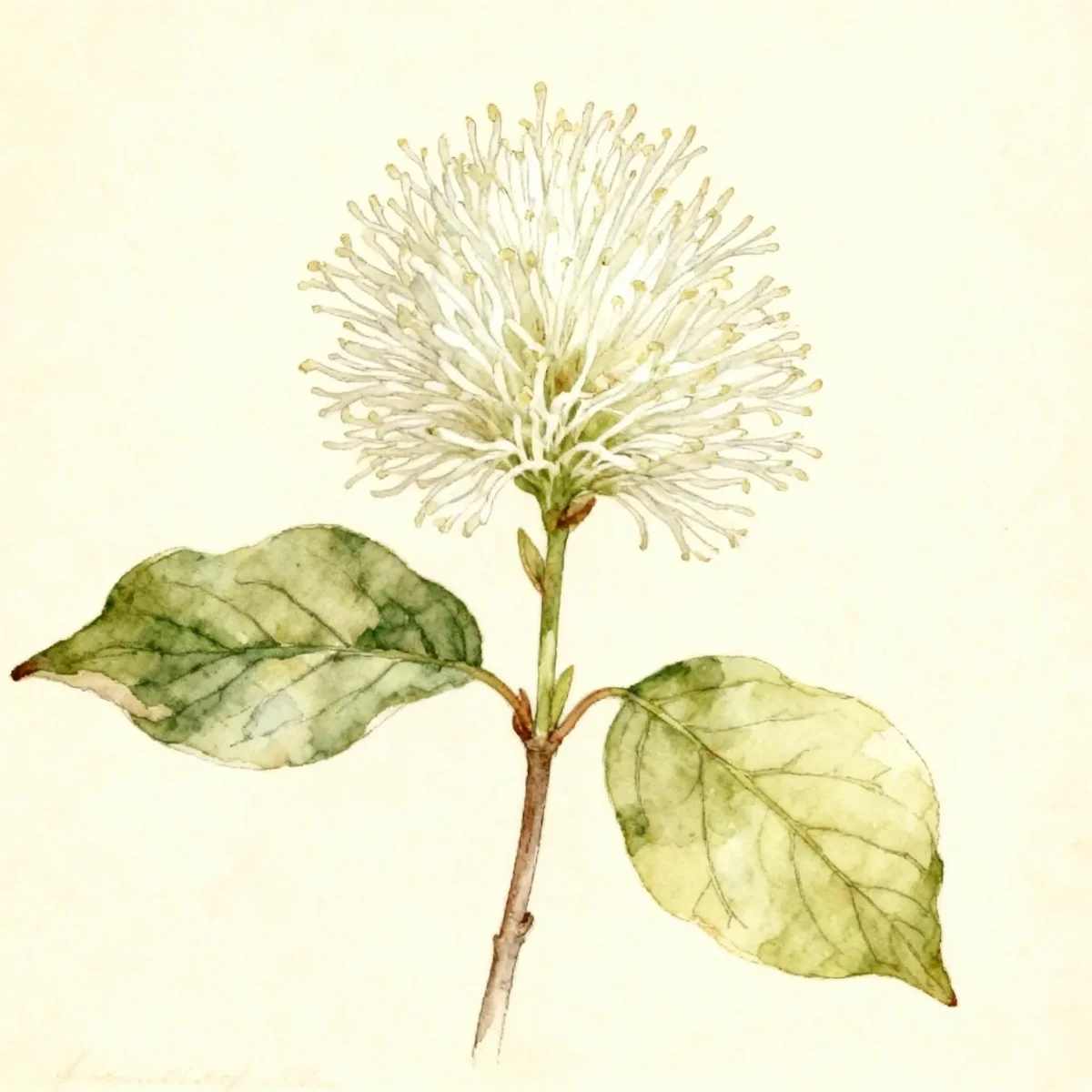
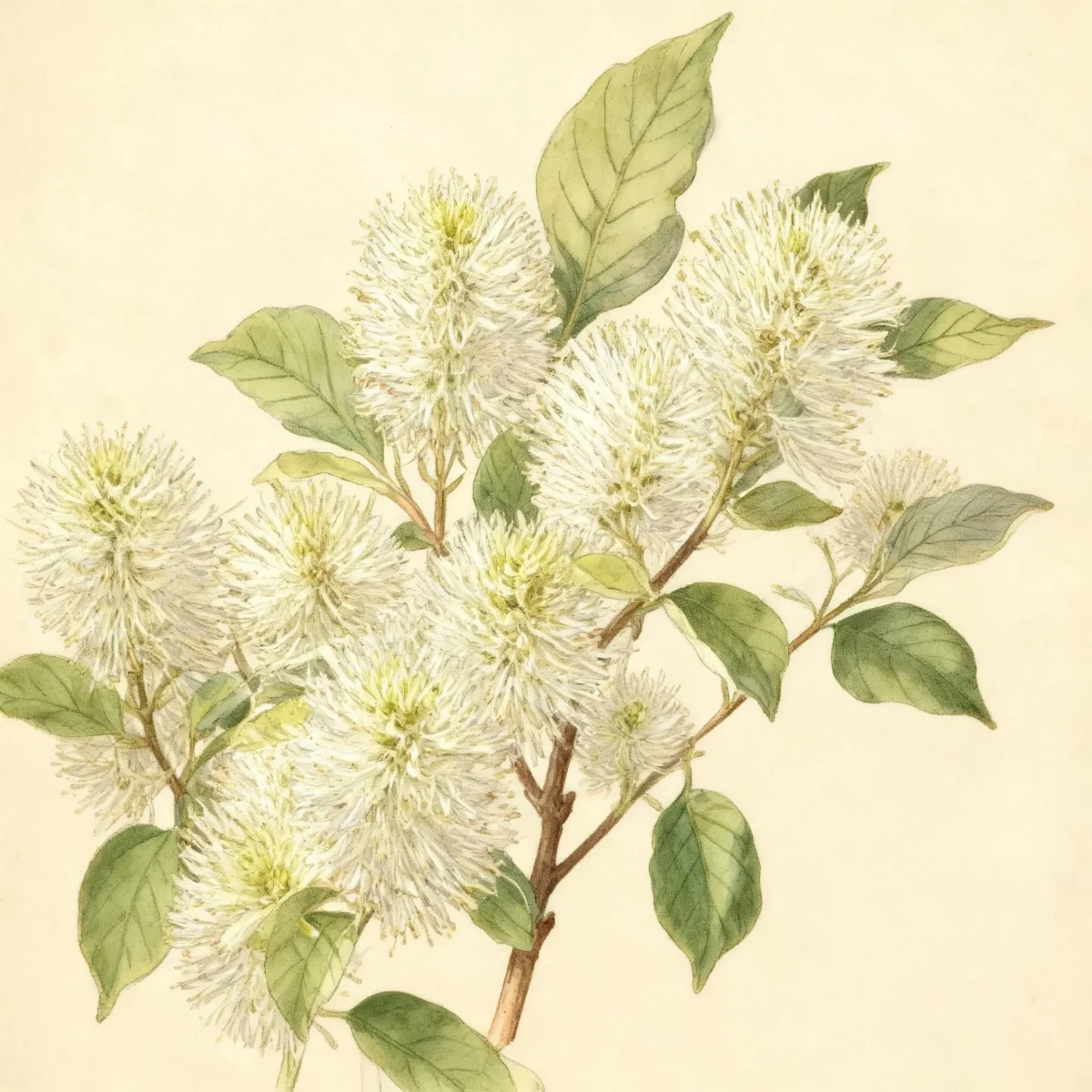
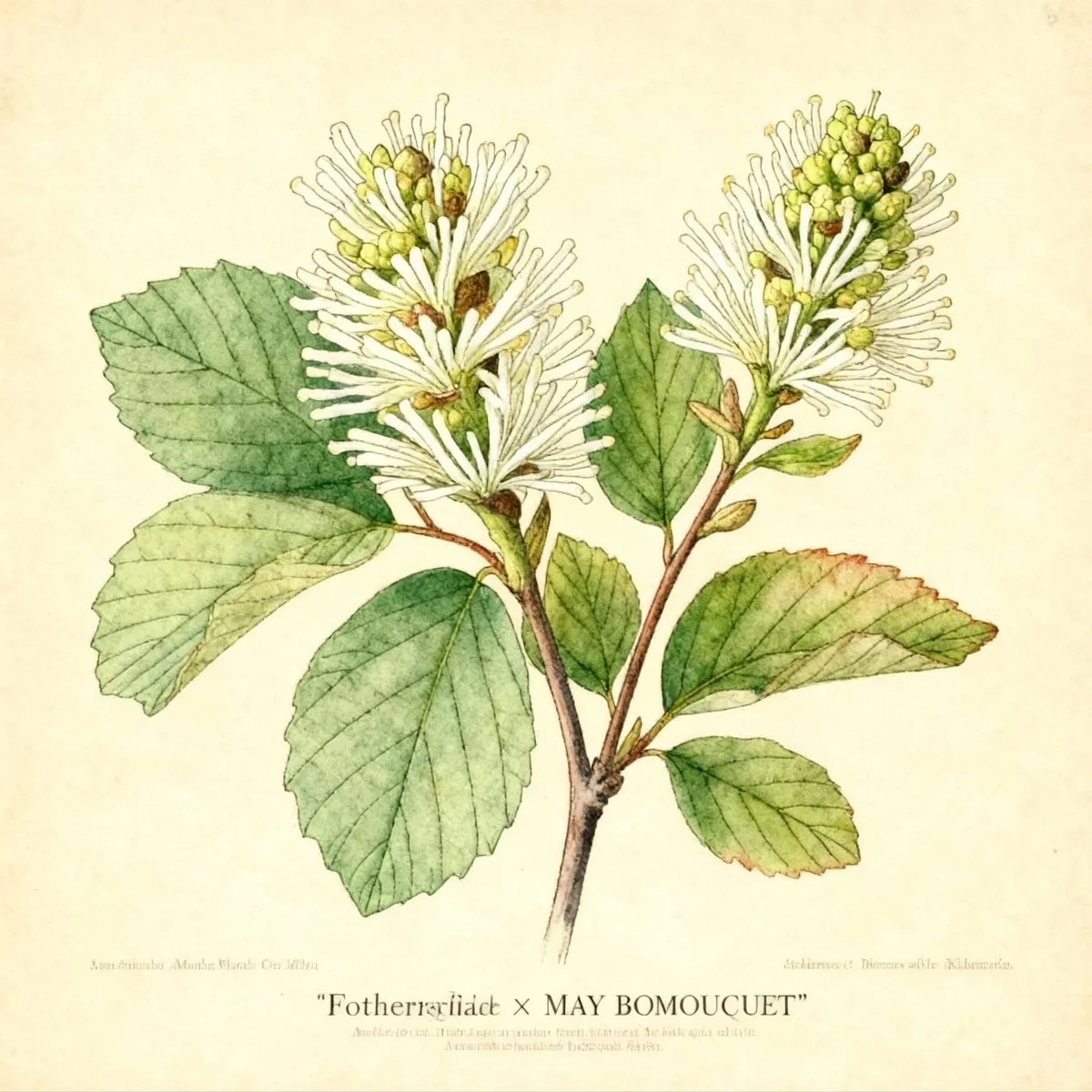
Fothergilla × intermedia ‘Klmsixteen’ MAY BOUQUET is celebrated among landscape designers for being a compact hybrid offering spectacular, multi-seasonal interest. This specific cultivar of Fothergilla provides gardeners with fragrant, showy white flower spikes in early spring, often just before the leaves unfurl, making it a highly anticipated bloom event. Its intermediate nature successfully marries the robust size of its parents into a manageable accent specimen.
This deciduous shrub is prized for its excellent texture and dependable performance, requiring relatively low maintenance once established. Beyond the unique blooms, the ovate, blue-green foliage of Fothergilla × intermedia ‘Klmsixteen’ MAY BOUQUET transforms into brilliant orange-red-yellow display come autumn. Gardeners seeking reliable structure, seasonal appeal, and fragrance should strongly consider incorporating this hybrid Fothergilla into their planting plans.
Fast Facts
- Plant Family: Hamamelidaceae
- Plant Type: Deciduous shrub
- Hardiness Zones: USDA Zones 5-8
- Size at Maturity:
- Height: 4-6 ft
- Spread: 3-4 ft
- Bloom Time: April to May
- Bloom Description: White
- Sun Exposure: Full sun to part shade
- Water Needs: Medium
- Maintenance Level: Low
How to Grow
The success of Fothergilla cultivation hinges on providing the correct soil conditions. Best results are achieved when planted in moist, acidic, humusy, organically rich, and sharply-drained soils. While full sun encourages dense flowering, part shade locations often yield the most vibrant fall foliage color and a slightly more open plant habit. Plant the Fothergilla × intermedia ‘Klmsixteen’ MAY BOUQUET during spring or fall to allow for root establishment before temperature extremes.
Watering should be consistent, especially during the first year, aiming to maintain medium moisture without allowing the soil to become waterlogged, as sharp drainage is crucial. Fertilization is rarely required if the soil is amended with quality compost annually, as Fothergilla thrives in rich organic matter. Pruning is generally minimal for the ‘Klmsixteen’ MAY BOUQUET cultivar, thanks to its naturally compact, upright form.
Gardeners should be aware that while Fothergilla is generally low maintenance, it may occasionally spread by root suckers. Promptly remove any unwanted suckers that appear outside the desired planting area to maintain the shrub’s intended shape and size. This plant mixes exceptionally well with companions like Rhododendrons, which share similar soil preferences.
Landscape Uses
Fothergilla × intermedia ‘Klmsixteen’ MAY BOUQUET excels in borders and foundation plantings where its spring fragrance can be appreciated. Due to its manageable 4 to 6-foot height, it serves beautifully as a mid-border anchor or an accent specimen. When massed, it creates an impactful naturalistic hedge that provides superior texture throughout the growing season.
For woodland garden designs, plant this Fothergilla along woodland margins or in open woodland areas where it receives dappled sun. It harmonizes perfectly with acid-loving shrubs like Azaleas and Rhododendrons, creating layered interest with consistent soil needs. Use it strategically near patios or walkways to capitalize on the sweet, honeyed aroma of its spring flowers.
Standout Features
Flower Qualities
- Showy
- Fragrant
Noteworthy Characteristics
Fothergilla × intermedia, commonly called hybrid fothergilla or witch-alder, is a hybrid deciduous shrub whose parents are two American species, namely, F. Major and F. Gardenii. These hybrids are upright, multi-stemmed shrubs that typically mature to an intermediate size, featuring prolific April-May blooms of bottlebrush-like spikes composed of fragrant, white, apetalous flowers. The cultivar ‘Klmsixteen’, marketed as MAY BOUQUET, is particularly recognized for its abundant flowers, attractive blue-green foliage, and superb clear yellow to apricot fall coloration.
Tolerances
No specific tolerances were explicitly listed outside of general cultural needs.
Potential Problems
This Fothergilla variety is generally regarded as having no serious insect or disease problems under appropriate cultural conditions. Its resistance to pests and common ailments contributes significantly to its low maintenance rating. By ensuring well-drained, acidic soil—the primary need for any Fothergilla—gardeners can largely prevent the onset of stress-related issues that might occasionally invite opportunistic pests.
Frequently Asked Questions
What hardiness zones is Fothergilla × intermedia ‘Klmsixteen’ MAY BOUQUET suitable for?
This hybrid Fothergilla is hardy and performs best in USDA Zones 5 through 8.
How large does Fothergilla grow?
Fothergilla x intermedia ‘Klmsixteen’ MAY BOUQUET typically reaches a mature height between 4 and 6 feet, with a spread of 3 to 4 feet.
What sun exposure does Fothergilla need?
For best overall performance, this deciduous shrub requires full sun to part shade conditions, with part shade often enhancing the brilliance of the autumn foliage.
When does Fothergilla bloom?
The distinctive white, fragrant blooms of this Fothergilla appear in early spring, specifically from April to May.
Conclusion
The Fothergilla × intermedia ‘Klmsixteen’ MAY BOUQUET stands out as an essential four-season performer, delivering fragrant spring flowers, appealing summer texture, and outstanding fall brilliance. Gardeners seeking a dependable, low-maintenance shrub that provides complexity in the landscape should prioritize this cultivar. Before purchasing, confirm that your location falls within USDA Zones 5-8 and that you can meet its need for consistently moist, acidic, well-drained soil.
Companion Planting
When selecting partners for Fothergilla × intermedia ‘Klmsixteen’ MAY BOUQUET, focus on plants that thrive in similar acidic, humus-rich conditions. Evergreens like Azaleas and Rhododendrons make excellent companions, providing a dark green backdrop that dramatically highlights the light springtime flowers and fiery fall color of the Fothergilla. Hydrangeas that prefer dappled shade can also work well along the outer edges of woodland clearings where this shrub is sited.
For seasonal contrast, consider pairing the spring bloom of the Fothergilla with early bulbs like Daffodils or Epimediums, which occupy the ground layer. These companions help mask the base of the shrub during its leafless period, ensuring continuous visual interest from early spring until the fall display peaks.
Seasonal Care Calendar
Spring marks the primary display period for Fothergilla, where its showy, fragrant white flowers appear before the new foliage fully expands. If needed, late winter or very early spring is the best time to prune Fothergilla, mainly to shape the plant or remove crossing branches, as heavy pruning after flowering can remove next year’s buds. Apply a layer of acidic mulch around the base of the shrub to help conserve soil moisture and maintain cool root temperatures throughout the summer months.
Summer care focuses mainly on monitoring water needs; ensure the soil remains consistently medium moist, especially during dry spells, to support the shrub during eventual fall color development. In autumn, enjoy the spectacular transition as the foliage shifts to vibrant yellows, oranges, and reds, which is a significant feature of the cultivar ‘Klmsixteen’ MAY BOUQUET. Minimal cleanup is required in winter, as the structure of the bare branches provides winter architecture.