Maidenhair tree ('Ginkgo biloba 'Shangri-La')'
The compact Ginkgo biloba 'Shangri-La' (Maidenhair tree) offers spectacular yellow fall color and low maintenance in USDA Zones 3-8.
Scroll down to discover growing tips, care requirements, companion plants, and more
Complete Plant Information
Overview
The Ginkgo biloba ‘Shangri-La’ stands out as a superior cultivar of the ancient Maidenhair tree, prized for its reliable form and breathtaking seasonal performance. This deciduous tree is an essential choice for challenging urban sites, offering the resilience of the species combined with a more manageable, compact structure perfect for modern landscapes. Gardeners value the Ginkgo biloba ‘Shangri-La’ for its brilliant, pure yellow fall display, which illuminates landscapes after most other trees have faded.
Unlike its wild relatives, this specific cultivar is a male selection, ensuring freedom from the foul-smelling, fleshy fruits associated with female specimens. This characteristic makes Ginkgo biloba ‘Shangri-La’ exceptionally clean and predictable for placement near walkways, patios, or commercial properties. It thrives through heat, pollution, and difficult soils, making it a true low-maintenance workhorse.
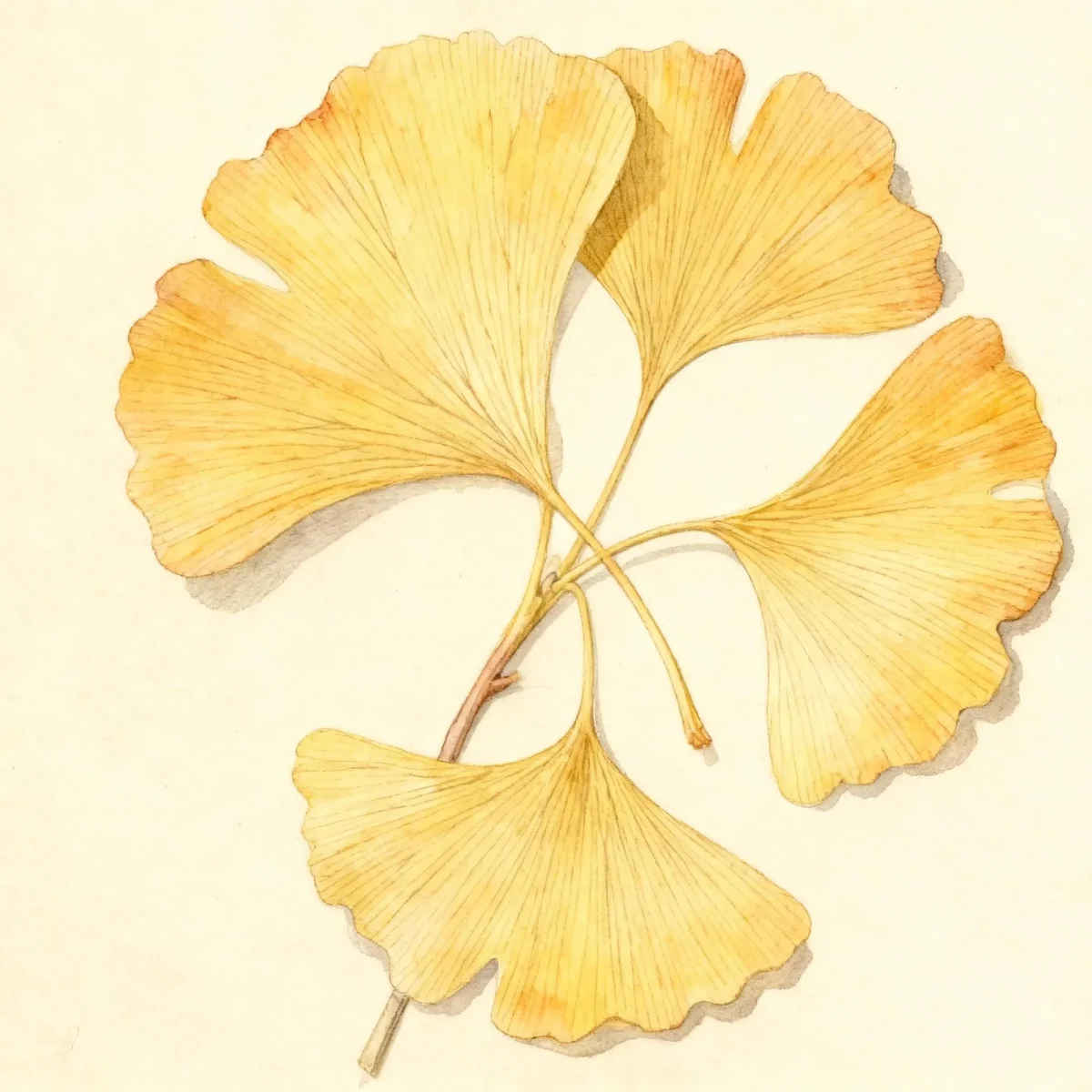
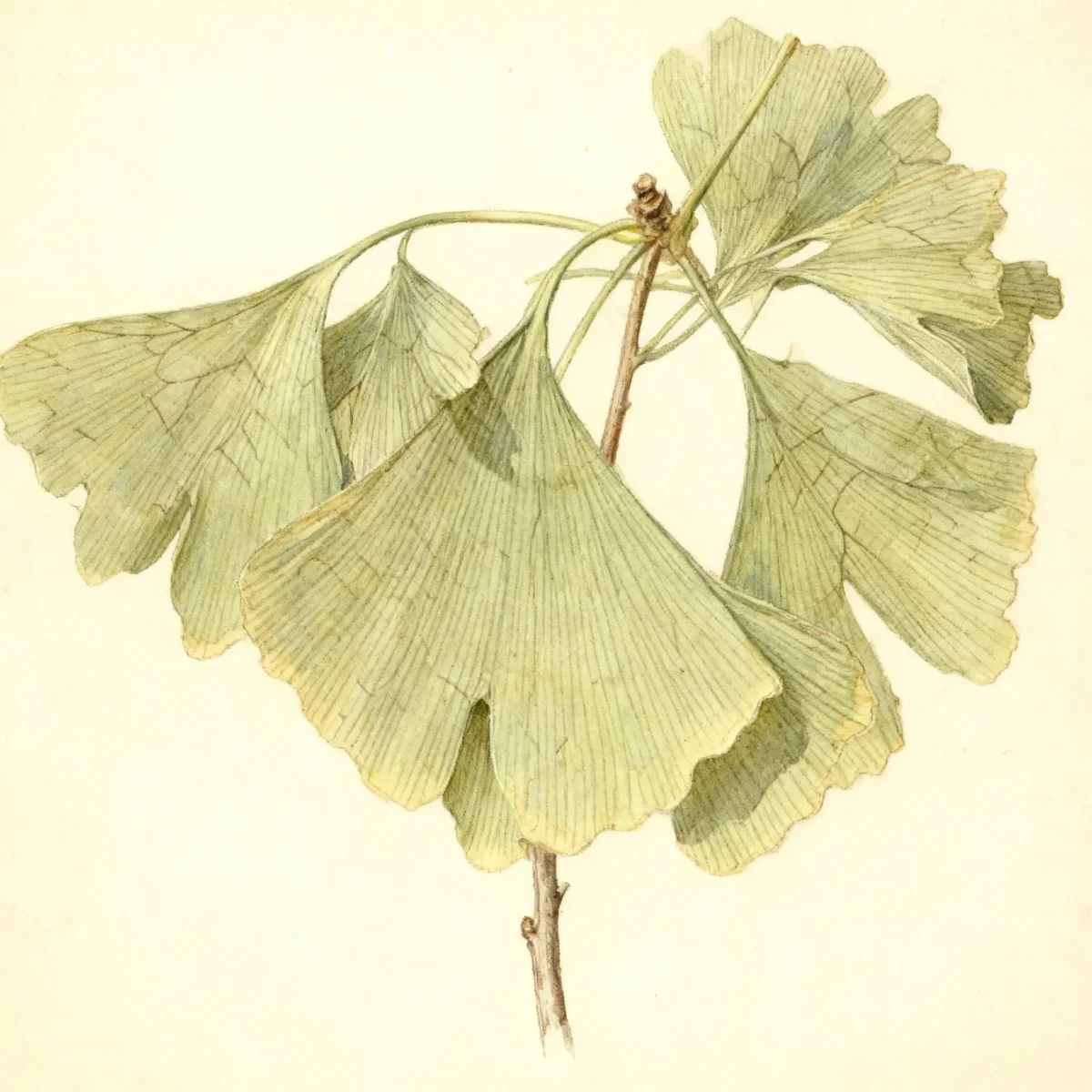
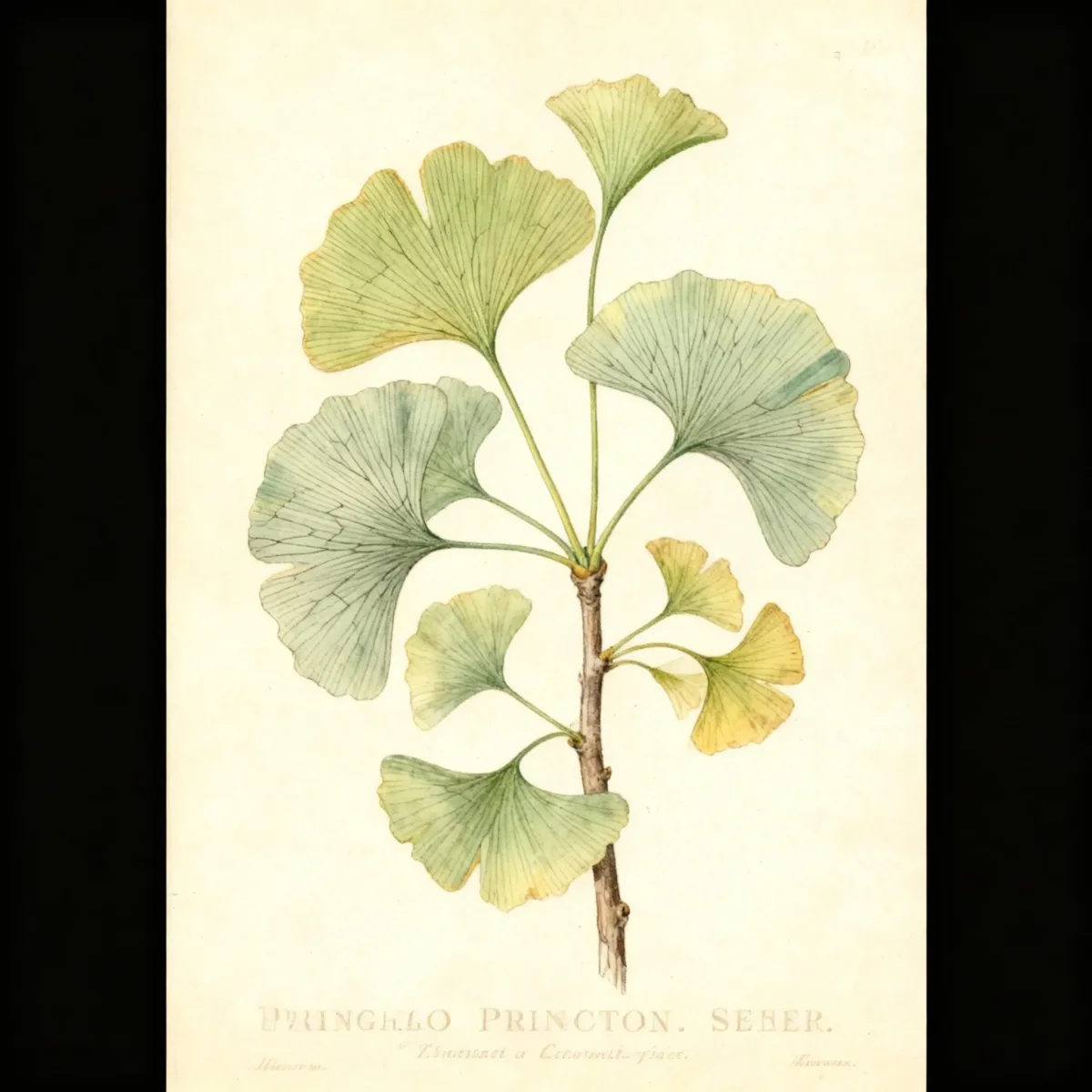
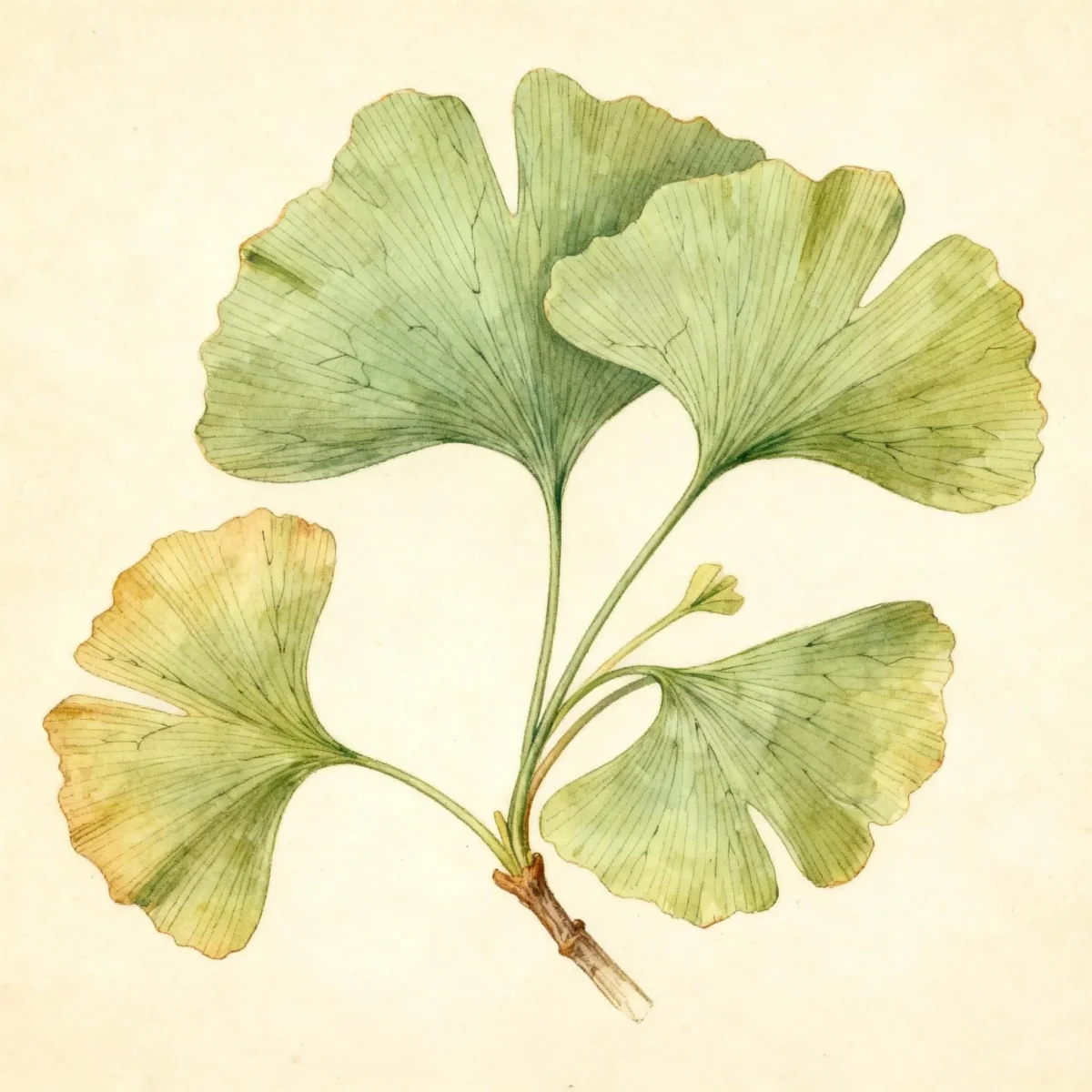
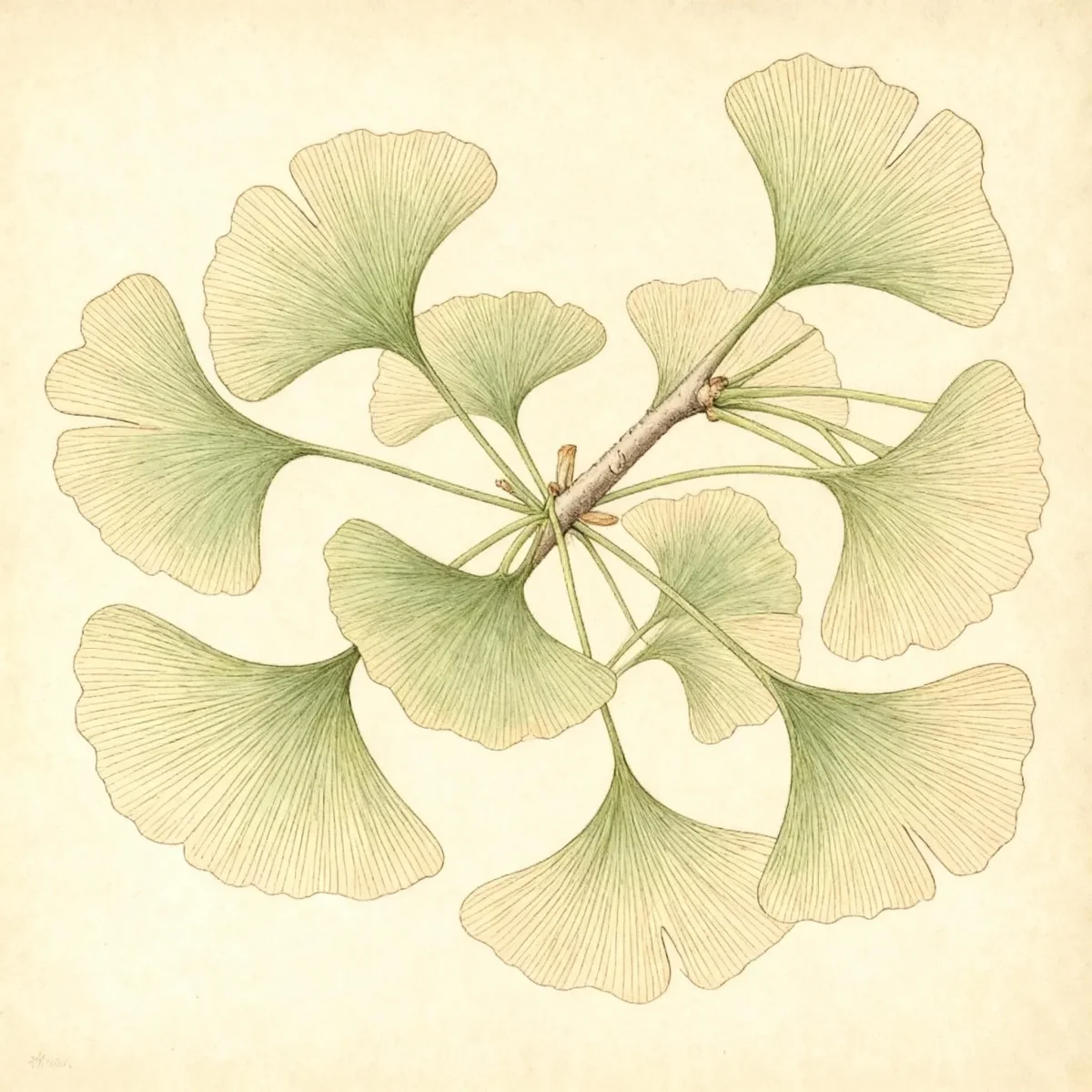
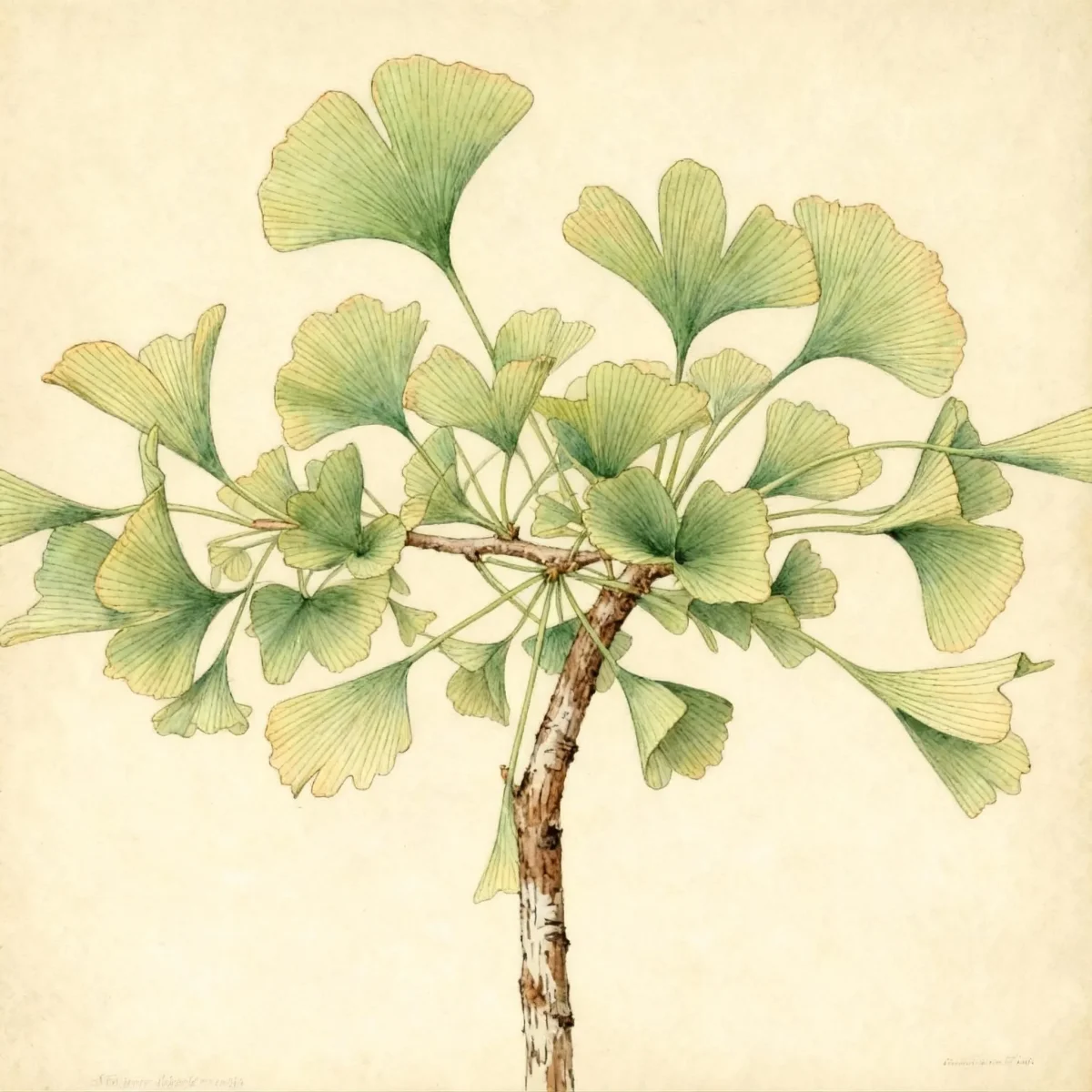
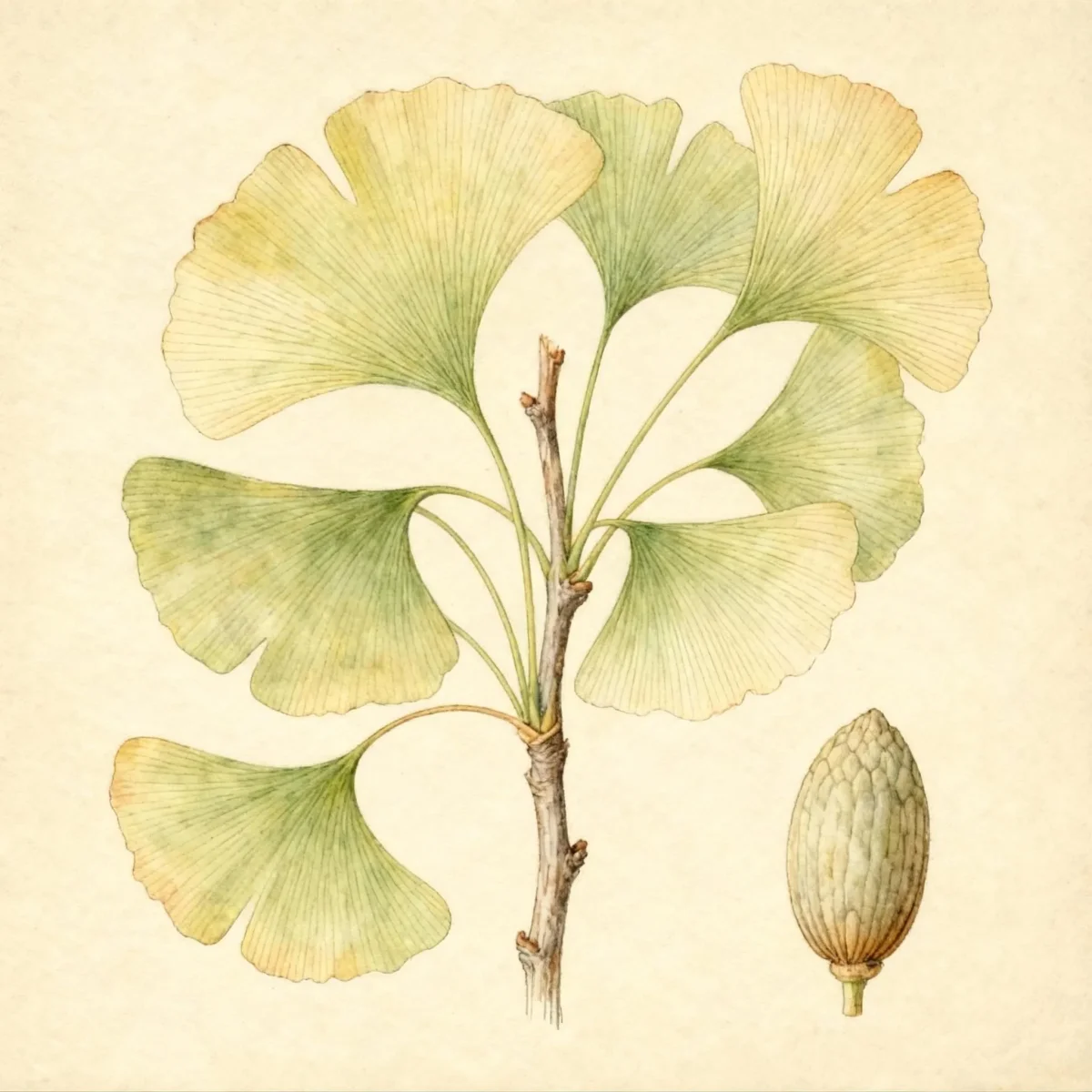
As a living fossil, the distinct fan-shaped leaves give the Maidenhair tree its common name, recalling the delicate leaflets of a fern. Planting Ginkgo biloba ‘Shangri-La’ guarantees a high-impact, historic specimen that requires minimal intervention once established.
Fast Facts
- Plant Family: Ginkgoaceae
- Plant Type: Tree
- Hardiness Zones: USDA Zones 3-8
- Size at Maturity:
- Height: 40-55 ft
- Spread: 25-30 ft
- Bloom Time: April
- Bloom Description: Green
- Sun Exposure: Full sun
- Water Needs: Medium
- Maintenance Level: Low
How to Grow
The best time to plant the Maidenhair tree is typically in the spring or fall when temperatures are moderate, allowing the roots to establish before extreme heat or cold stress the tree. While adaptable, this cultivar performs best when placed in full sun, which maximizes leaf density and intensifies the signature yellow fall color. It prefers moist, sandy, well-drained locations but demonstrates impressive tolerance for poor conditions.
Care requirements for Ginkgo biloba ‘Shangri-La’ are minimal. Water deeply during the first few growing seasons to encourage robust root development. Once established, formal watering is rarely necessary if rainfall is adequate, reflecting its medium water needs. Fertilization is usually unnecessary unless the soil quality is extremely poor, as this tree adapts well to average conditions.
Pruning is rarely needed for this cultivar due to its naturally dense, balanced crown structure. If structural pruning is required, perform it during the dormant season. A significant benefit is its high tolerance for compacted soils, saline conditions, and pervasive air pollution, making it adaptable to challenging urban environments where other species fail.
Landscape Uses
The Ginkgo biloba ‘Shangri-La’ is designated as an excellent selection for significant architectural plantings. Its strong vertical presence and dense crown make it a premier choice for use as a stately shade tree over lawns or gathering areas, offering significant cooling benefits during summer months. Furthermore, its outstanding tolerance for urban stress positions it perfectly as a reliable street tree.
This tree functions effectively as a specimen planting in parks or near commercial buildings where clean, reliable performance is paramount. Avoid placing female ginkgo trees near structures due to odor concerns; fortunately, the male Ginkgo biloba ‘Shangri-La’ eliminates this issue entirely. Pair this robust tree with understory plantings that prefer bright, filtered light once the canopy matures.
When used in large residential settings, the Maidenhair tree creates a dramatic vertical accent against lower plantings. Its unique, fan-shaped foliage contrasts beautifully with finer-textured evergreens or deciduous shrubs, drawing attention to its eventual brilliant yellow transformation each autumn.
Standout Features
Flower Qualities
- Insignificant
Noteworthy Characteristics
Ginkgo biloba is a large, deciduous tree that is considered to be a living fossil, representing the only surviving member of an ancient plant group. It features distinctive two-lobed, fan-shaped, rich green leaves that turn spectacular bright yellow in the fall. The ‘Shangri-La’ cultivar is specifically valued as a male specimen, exhibiting a desirable compact growth habit, a dense and balanced crown, and crucially, freedom from the messy, foul-smelling fruit produced by female plants.
Tolerances
- Deer
- Clay Soil
- Air Pollution
Potential Problems
This tree enjoys an excellent reputation for being largely problem-free. Serious insect infestations or aggressive diseases are typically not reported for Ginkgo biloba ‘Shangri-La’. The primary “problem” noted is that initial growth, particularly right after transplanting, can be somewhat slow or sparse.
Gardeners should be patient during the establishment phase; rapid growth is not characteristic of ginkgos initially. Ensure consistent, deep watering through dry periods in the first year or two, focusing on developing a strong foundation rather than expecting immediate height gains. No aggressive pest management is usually required for this hardy specimen.
Frequently Asked Questions
What hardiness zones is Maidenhair tree suitable for?
The Ginkgo biloba ‘Shangri-La’ is successfully grown in USDA Hardiness Zones 3 through 8.
How large does Ginkgo biloba ‘Shangri-La’ grow?
This compact male cultivar typically reaches a mature height between 40 and 55 feet, with a spread between 25 and 30 feet wide.
What sun exposure does Maidenhair tree need?
This tree requires full sun exposure to achieve optimal health and the most vibrant fall coloration.
When does Maidenhair tree bloom?
The tree blooms in April, producing inconspicuous green flowers (staminate catkins).
Conclusion
The architectural form and unmatched tolerance make the Ginkgo biloba ‘Shangri-La’ an indispensable element in modern and traditional designs alike. Offering year-round interest, culminating in a spectacular yellow autumn show without the messy fruit concerns, this Maidenhair tree truly delivers dependable beauty. Before purchasing, ensure your site receives full sun and confirm you are preparing the soil for a medium water requirement during establishment.
Design Ideas
When incorporating Ginkgo biloba ‘Shangri-La’ into a landscape plan, consider utilizing its vertical form to break up long, horizontal sightlines. Because it matures into a strong, symmetrical shape, it serves perfectly as a formal anchor at property corners or flanking major entrances. Its clean habit allows for pairing with lower-growing, colorful perennials or evergreens underneath, provided they do not require heavy shade.
This tree’s density, once mature, makes it useful as an effective screen or visual buffer in urban settings where noise or views need mitigating, capitalizing on its high tolerance for Air Pollution. The stiff, fan-shaped foliage contrasts excellently with plants featuring needle-like leaves or fine, airy textures, adding textural complexity to your garden composition.
Companion Planting
Given that Ginkgo biloba ‘Shangri-La’ prefers full sun and medium moisture but tolerates poor, compacted soils, companion plants should share these requirements. Avoid placing moisture-loving companions directly under the canopy, as established ginkgos can be somewhat competitive for water. Species that thrive in drier, sunnier locations, such as certain ornamental grasses or drought-tolerant coneflowers, often make excellent partners. Consider the seasonal structure; plants that emerge early in spring or provide late-season color will complement the ginkgo’s stunning mid-season green and late-season yellow.