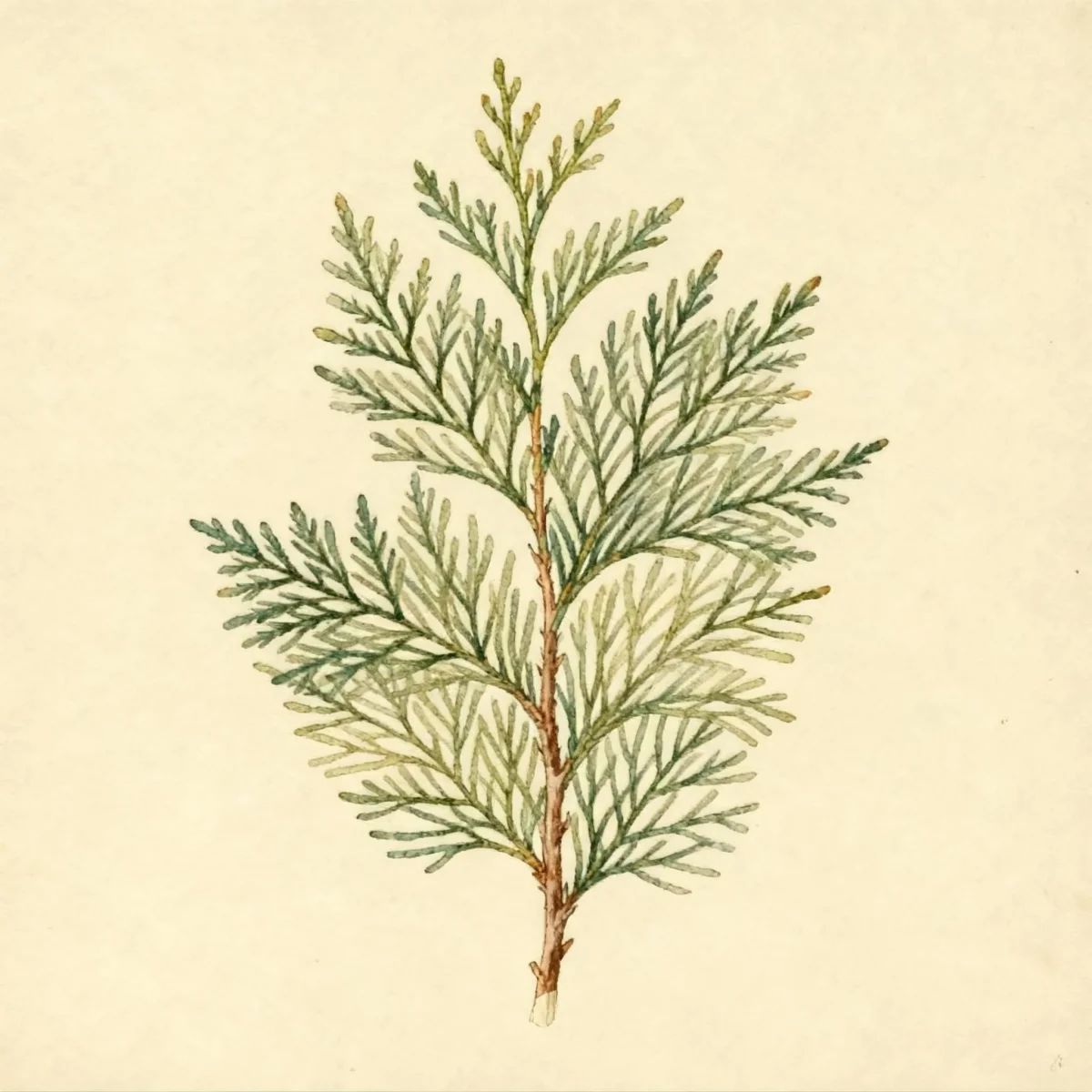
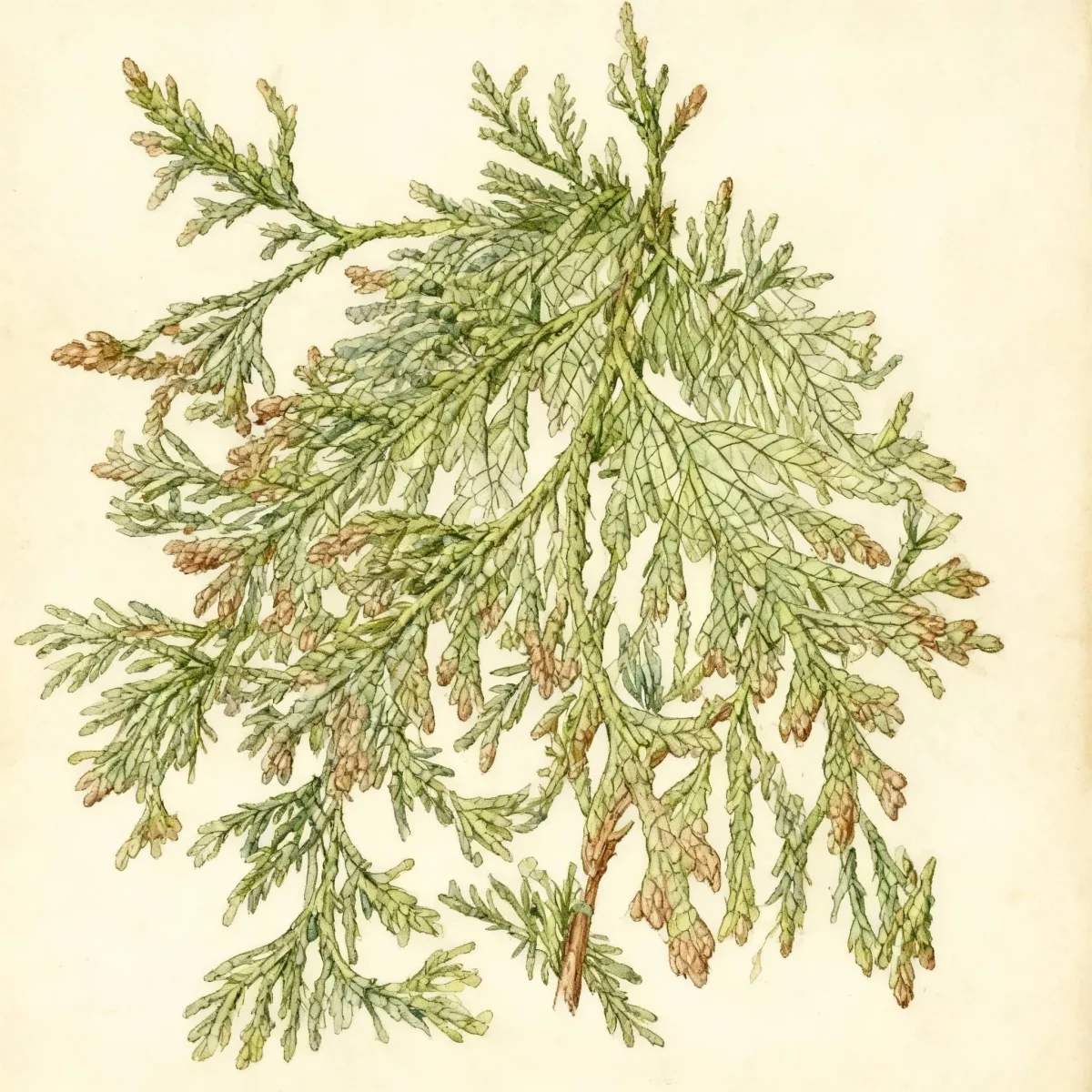
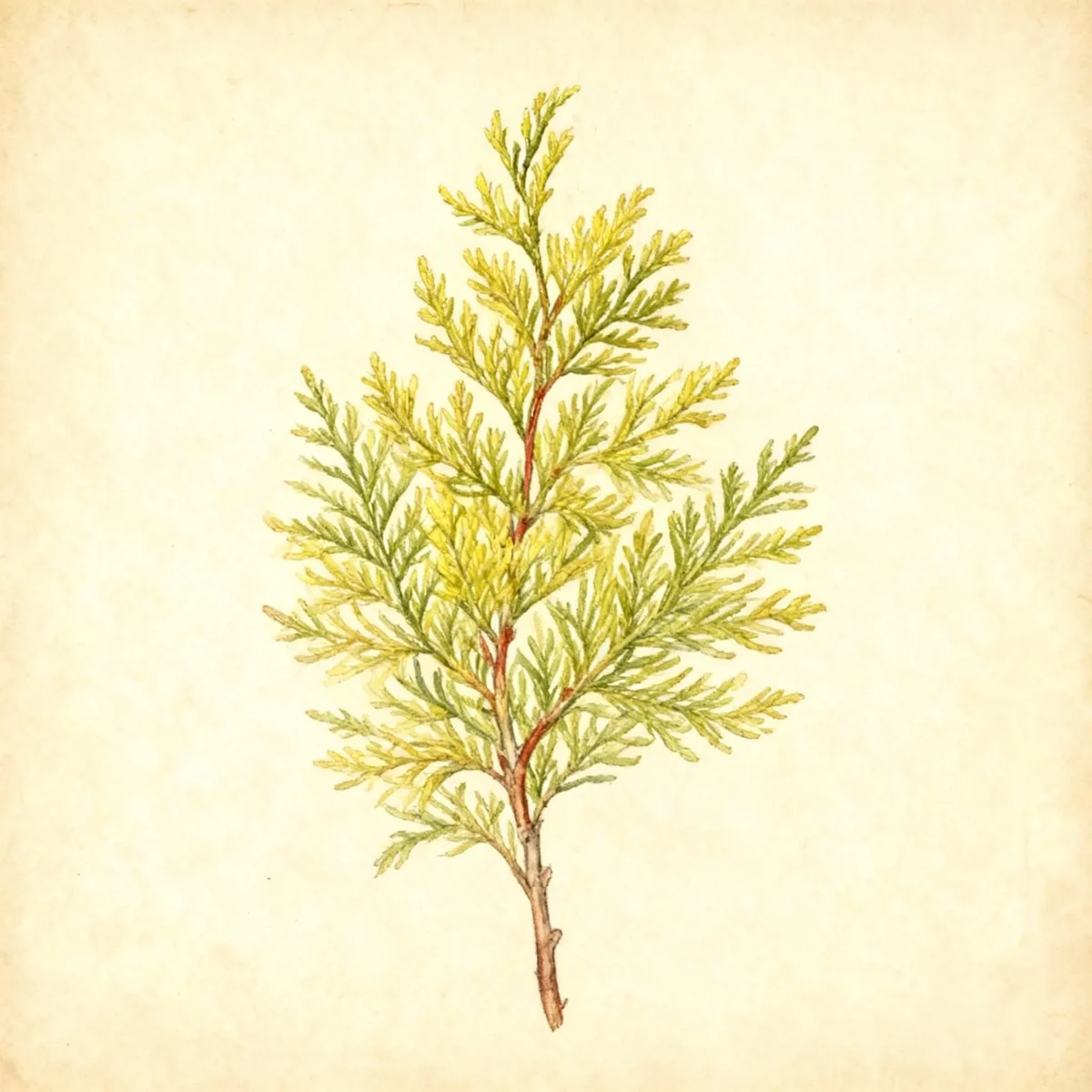
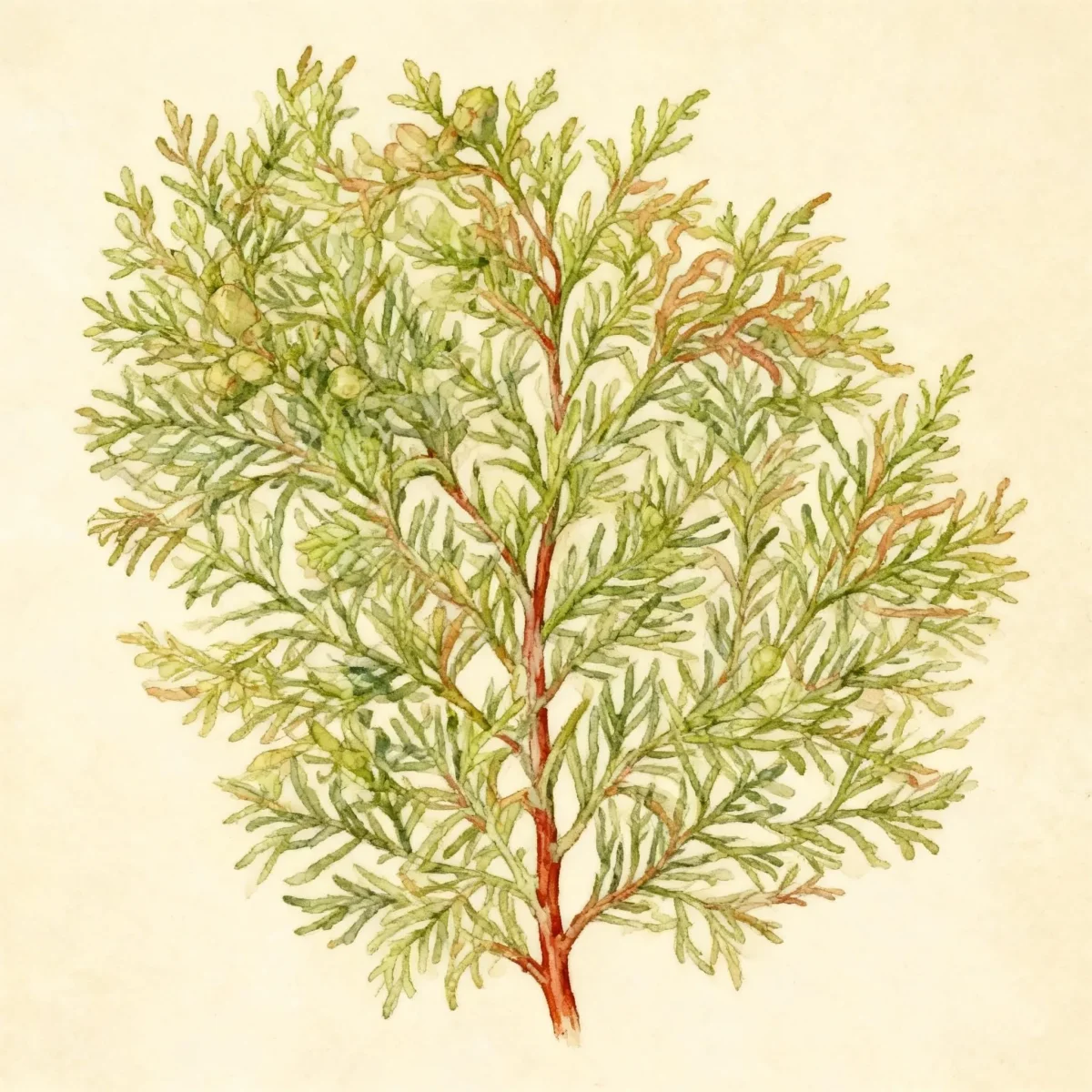
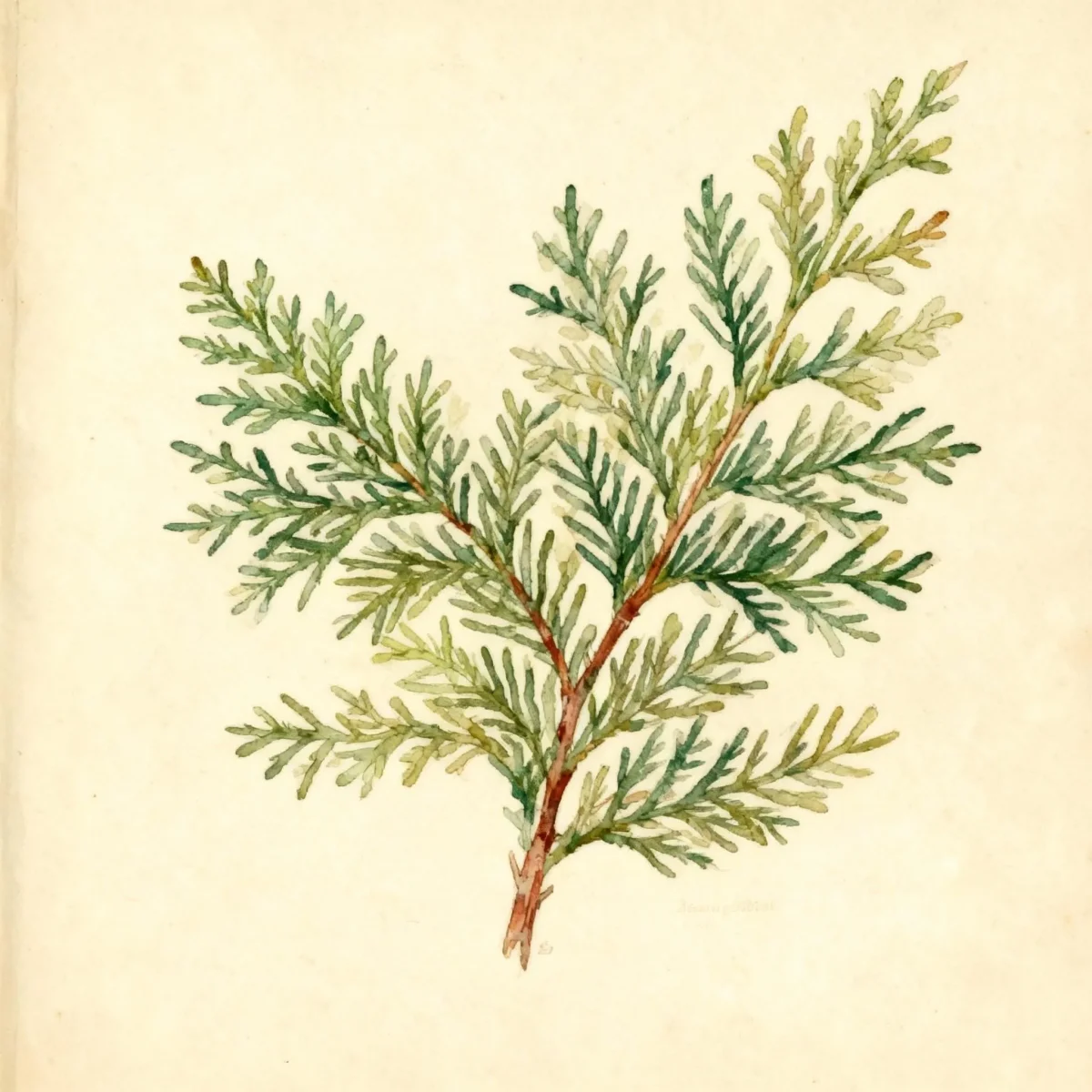
Nootka cypress (Xanthocyparis nootkatensis 'Aurea')
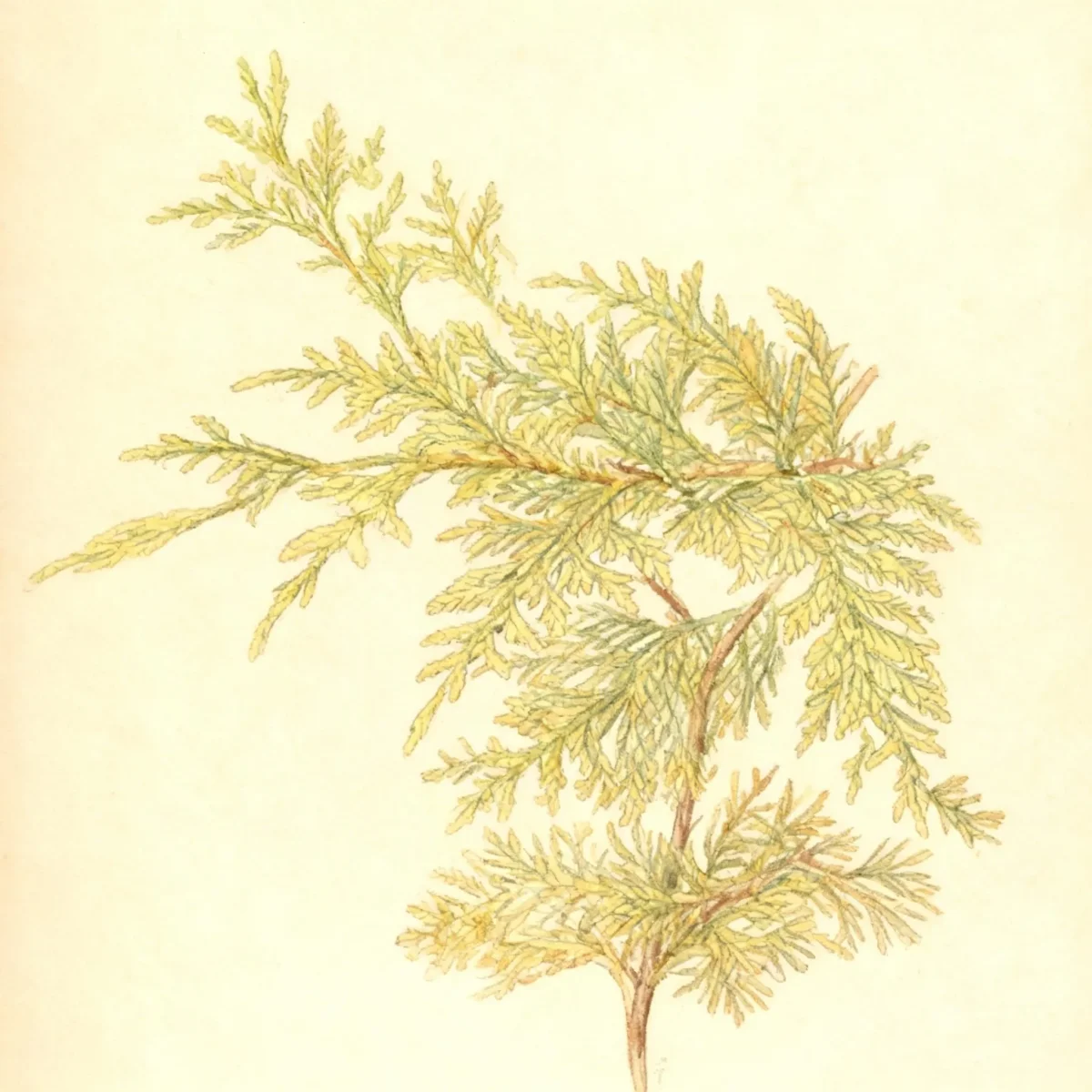
Xanthocyparis nootkatensis 'Aurea' is a striking needled evergreen, the Nootka cypress cultivar known for its lemon yellow foliage.
Scroll down to discover growing tips, care requirements, companion plants, and more
Complete Plant Information
Overview
The Xanthocyparis nootkatensis ‘Aurea’, commonly known as Nootka cypress, is a highly valued cultivar prized for its vibrant, lemon-yellow foliage that brightens the evergreen landscape. This cultivar offers a slender, upright, and pyramidal habit, contrasting nicely with the typical bluish-green of the species. While its wild relatives can achieve immense size, the cultivar remains more manageable in cultivation, typically reaching 30 to 50 feet tall.
As a needle evergreen, the Nootka cypress provides excellent year-round structure and color interest, becoming a noteworthy specimen in any garden setting. Its best color display, the intense yellow, is achieved with adequate light, making the placement of Xanthocyparis nootkatensis ‘Aurea’ critical for maximum visual impact. Gardeners should aim to provide cool, moist conditions reminiscent of its native Pacific Northwest habitat for best performance.
This unique evergreen demands attention due to its drooping sprays of scale-like foliage that transition from bright lemon yellow to a yellower-green throughout the summer season. Successfully growing Xanthocyparis nootkatensis ‘Aurea’ means selecting a site that accommodates its mature size and provides the necessary consistent moisture.
Fast Facts
- Plant Family: Cupressaceae
- Plant Type: Needled evergreen
- Hardiness Zones: USDA Zones 4-7
- Size at Maturity:
- Height: 30-50 ft
- Spread: 8-15 ft
- Bloom Time: Non-flowering
- Bloom Description: Non-flowering
- Sun Exposure: Full sun to part shade
- Water Needs: Medium
- Maintenance Level: Medium
How to Grow
Planting the Nootka cypress is best achieved in spring or fall, avoiding periods of extreme heat or severe cold. Select a planting location that offers average, well-drained soil, as standing water can lead to root rot issues. Xanthocyparis nootkatensis ‘Aurea’ thrives best in areas with consistently moist, fertile soil and benefits significantly from cool summer climates with above-average humidity or rainfall.
Maintain medium water needs by ensuring consistent moisture, especially during the establishment phase. While it tolerates part shade, be aware that the ‘Aurea’ cultivar exhibits its superior yellow foliage color best when situated in full sun towards the northern edge of its hardiness zone range. In warmer, southern locations, afternoon shade is beneficial to prevent scorching.
Routine maintenance is moderate; focused attention should be on providing ideal soil moisture and observing for potential pests. Pruning is rarely required unless specific shaping is desired, as the natural upright pyramidal form of this Nootka cypress is highly desirable. Avoid heavy competition from surrounding shrubs that might disrupt air circulation around the base.
Landscape Uses
The striking yellow color palette of Xanthocyparis nootkatensis ‘Aurea’ makes it an exceptional landscape specimen, drawing the eye even from a distance, especially when backlit by the sun. Its relatively narrow, upright stature means it can be incorporated into smaller landscapes where broader conifers would dominate. Consider planting it as a focal point against dark green backgrounds to maximize the contrast of its golden foliage.
This adaptable conifer is particularly effective when sited near bodies of water, leveraging its preference for reliably moist conditions. While it is rarely used in mass plantings due to its prominence, it serves wonderfully as an anchor in mixed evergreen borders or as an architectural element in contemporary garden designs. Ensure adequate space is given for its eventual 8 to 15-foot spread to develop fully without crowding neighboring deciduous trees.
Standout Features
Noteworthy Characteristics
Xanthocyparis nootkatensis is commonly called Nootka cypress, Alaska-cedar or yellow cypress. It is native to moist soils in bottomlands, along streams and in ravines along the Pacific Coast from southeastern Alaska to northern California. It is an evergreen conifer that will grow slowly to as much as 60-90’ tall in the wild and live for 1000+ years. Drooping sprays of small, scale-like, bluish-green leaves. Rounded seed cones to 1/2” diameter. Bark is gray and peels in loose scales. Trunk is buttressed at the base. Although it may grow from 60-90’ tall in the wild, it usually grows much shorter in home landscapes. This species was reportedly found by A. Menzies in Nootka Sound in 1793. This plant was originally described in the genus Cupressus, which many botanist consider to be correct, but has also been placed in Chamaecyparis and Xanthocyparis (as done here). Some strong evidence suggests, however, that it maybe should be placed in the monotypic genus Callitropsis.Specific epithet means of Nootka Sound, British Columbia.‘Aurea’ is a dense, upright, slender, pyramidal cultivar that may mature to 30-50’ tall, but is often seen much shorter in cultivation. It is noted for producing flattened, significantly drooping sprays of scale-like lemon yellow foliage. Foliage gradually turns to yellow-green by summer.
Tolerances
- Plants generally have some susceptibility to juniper blight, root rot and certain insect pests such as bagworms and juniper scale.
Potential Problems
This Nootka cypress variety generally has a good disease resistance profile, with no known serious insect or disease problems documented for Xanthocyparis nootkatensis ‘Aurea’. However, proactive gardening practices are still essential. Be vigilant for potential issues common to related conifers, such as juniper blight or root rot, particularly if drainage is poor or the plant is overwatered.
Watch for specific insect pests like bagworms or juniper scale, which can detract from the ornamental value of the foliage. Red spider mites can also become an issue, especially in hot, dry conditions that contrast with the plant’s preferred moist environment. Healthy specimens grown in favorable, cooler climates with adequate humidity face the fewest challenges.
Frequently Asked Questions
What hardiness zones is Nootka cypress suitable for?
This cultivar is reliably hardy in USDA Zones 4 through 7.
How large does Xanthocyparis nootkatensis ‘Aurea’ grow?
Mature height typically ranges between 30 to 50 feet tall, with a spread of 8 to 15 feet wide, maintaining a slender, pyramidal shape.
What sun exposure does Xanthocyparis nootkatensis ‘Aurea’ need?
It performs best in full sun to part shade. Full sun maximizes the desirable yellow foliage color, though some afternoon shade is appreciated, especially in hotter climates.
When does Nootka cypress bloom?
Xanthocyparis nootkatensis ‘Aurea’ is a non-flowering needled evergreen, valued for its foliage and structure rather than its reproductive cycle.
Conclusion
The Xanthocyparis nootkatensis ‘Aurea’ offers outstanding architectural form combined with brilliant, refreshing yellow foliage, making it a standout choice for evergreen structure in temperate gardens. Successfully integrating this Nootka cypress requires attention to consistent moisture and appropriate sun exposure to preserve its characteristic glow. Before planting, always confirm that your garden falls within USDA Zones 4 through 7 to ensure long-term success.
Companion Planting
When pairing plants with the Nootka cypress, focus on companions that share its preference for medium moisture levels and well-drained soil. Darker evergreens, such as deep green Hemlocks or Taxus (Yew), create a dramatic backdrop that allows the bright lemon-yellow of Xanthocyparis nootkatensis ‘Aurea’ to truly pop visually. In the understory, consider using shade-tolerant perennials that enjoy consistent dampness, such as large Hostas or various species of Ferns, provided they don’t overcrowd the base of the conifer.
Focus planting areas in the cooler, moist parts of the garden, perhaps near a water feature or in a ravine setting where the natural environment mimics the Pacific Coast origins of the tree. Avoid pairing it with drought-tolerant plants or those requiring full, baking afternoon sun, as this cultural mismatch will stress the Nootka cypress and diminish its vibrant coloring.
Seasonal Care Calendar
Spring is the ideal time for a light application of a balanced, slow-release fertilizer if your soil is known to be poor or lean. Focus on deep, infrequent watering throughout the growing season, aiming to keep the root zone consistently moist but never waterlogged, which is critical for Nootka cypress health. Monitor closely for early signs of scale or mite infestations as temperatures rise.
As summer progresses, especially during dry spells, ensure deep watering is maintained; supplemental irrigation may be necessary outside of consistently rainy regions. In the fall, stop fertilizing to allow the plant to harden off properly for winter. Minimal cleanup is required other than removing any fallen branches, as the structure of Xanthocyparis nootkatensis ‘Aurea’ is tidy.