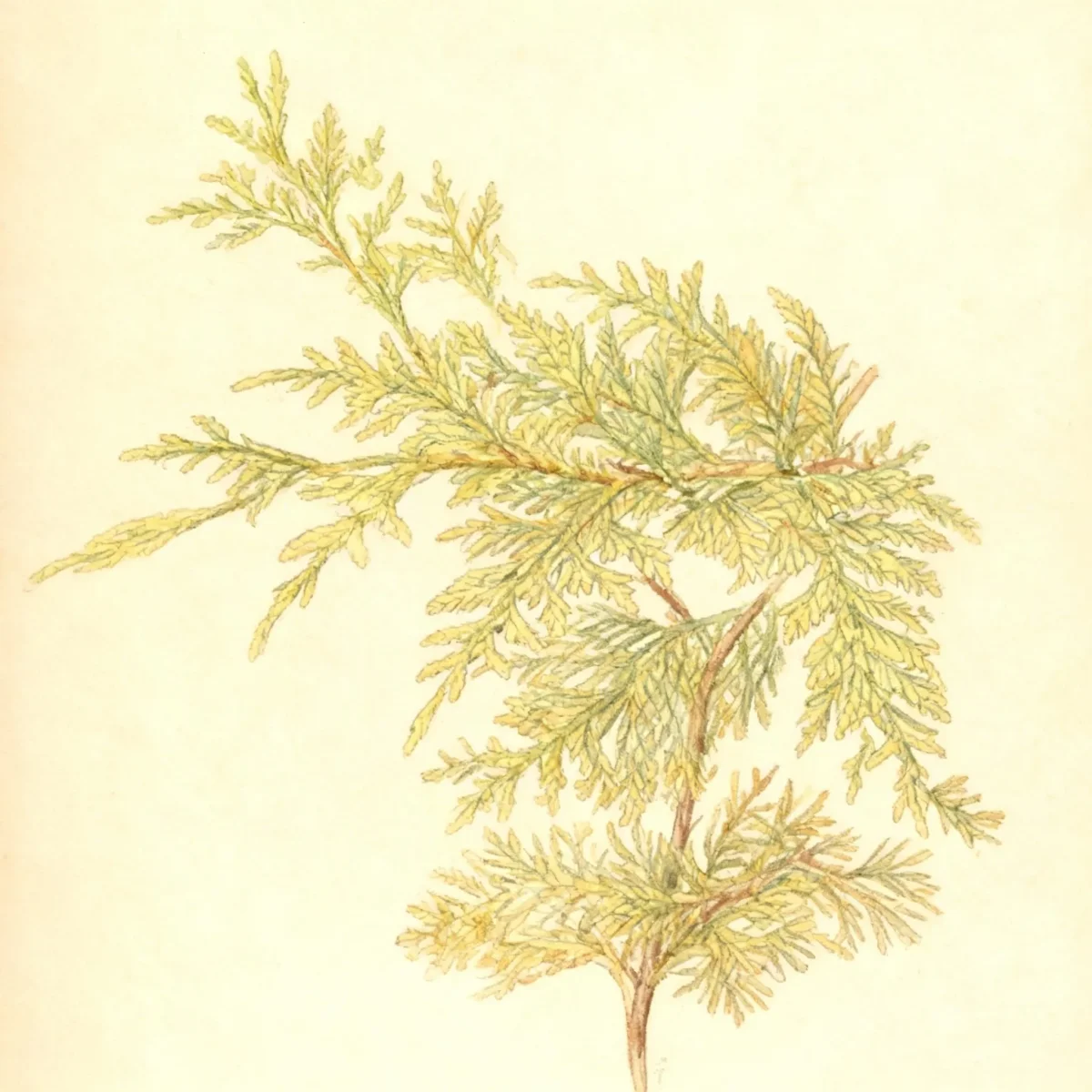
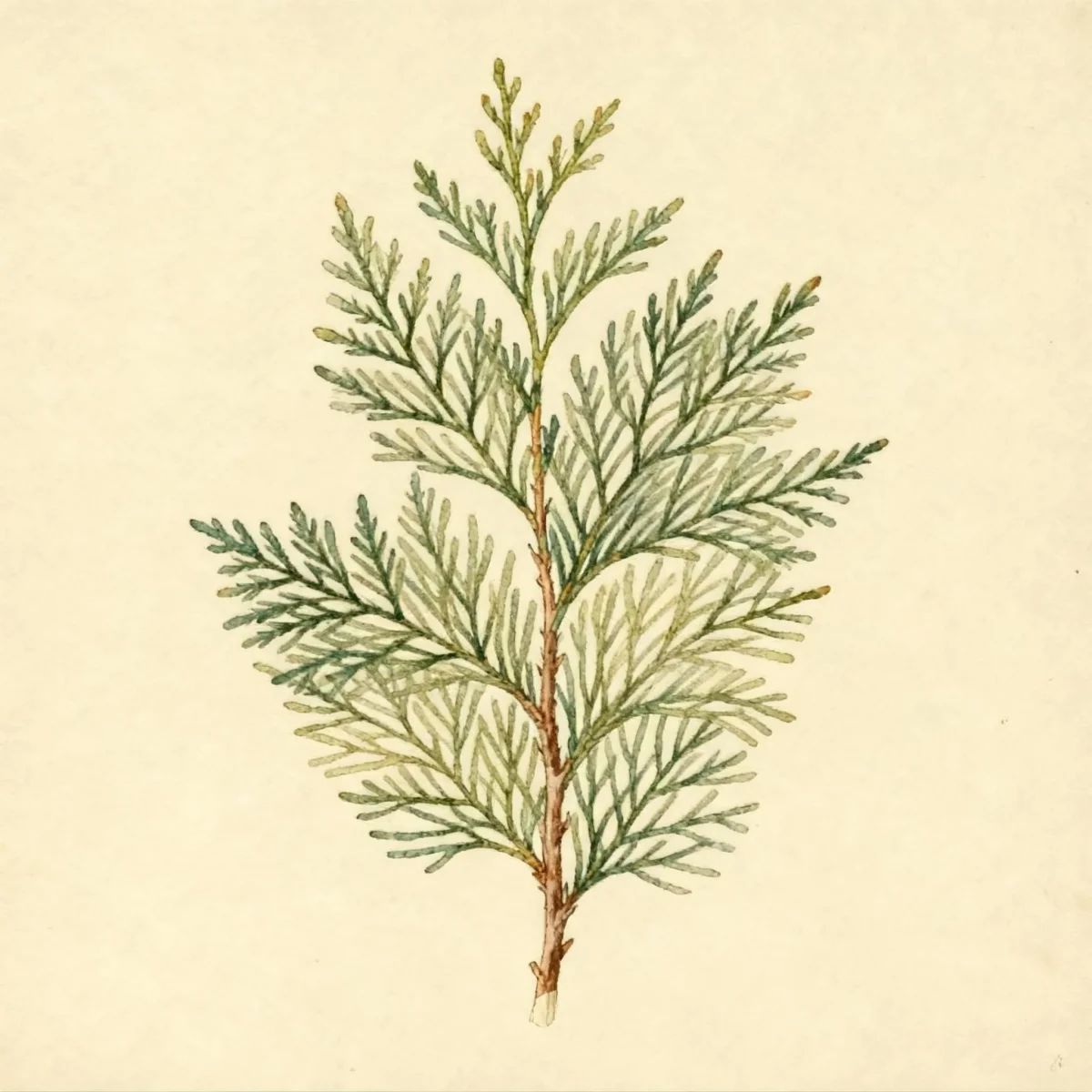
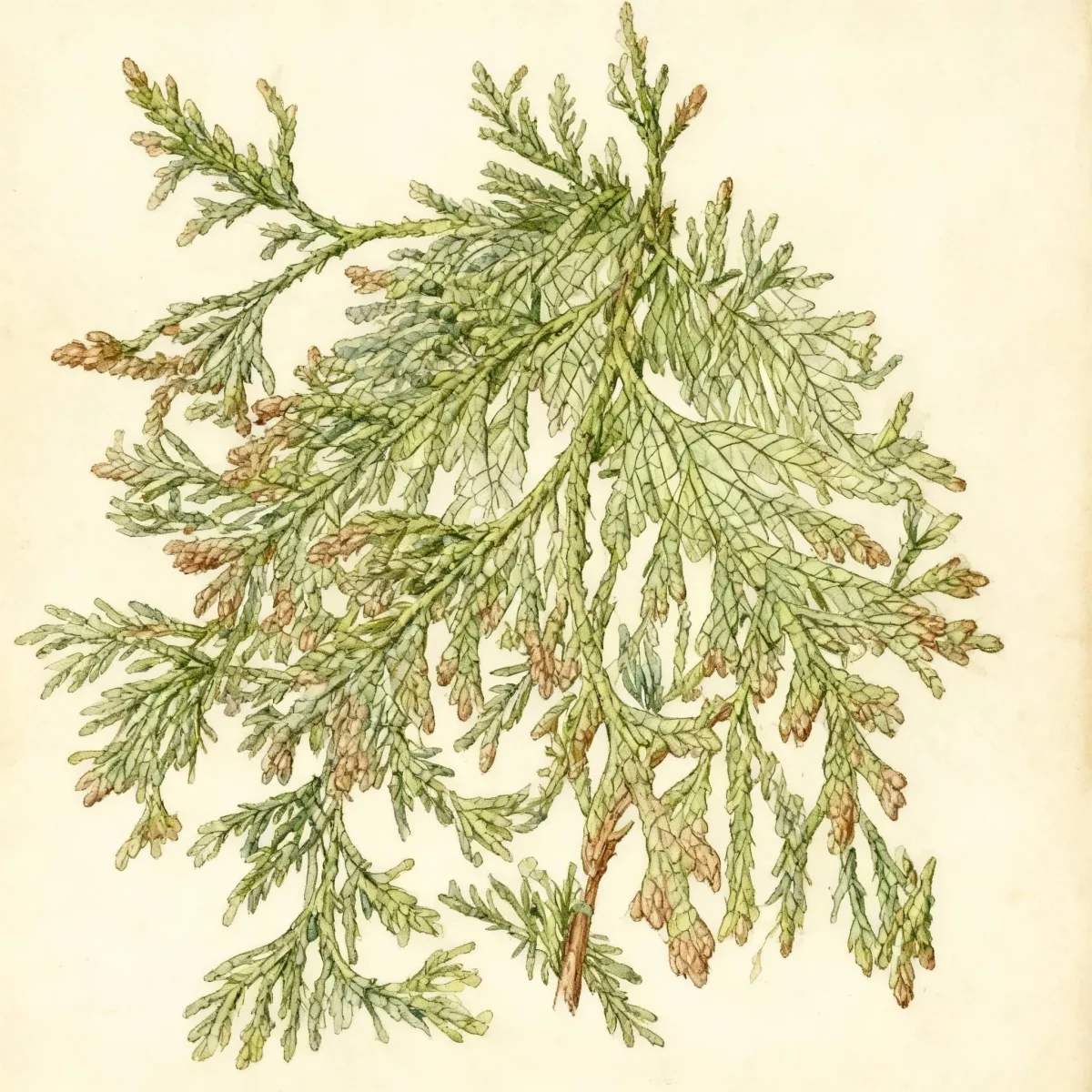
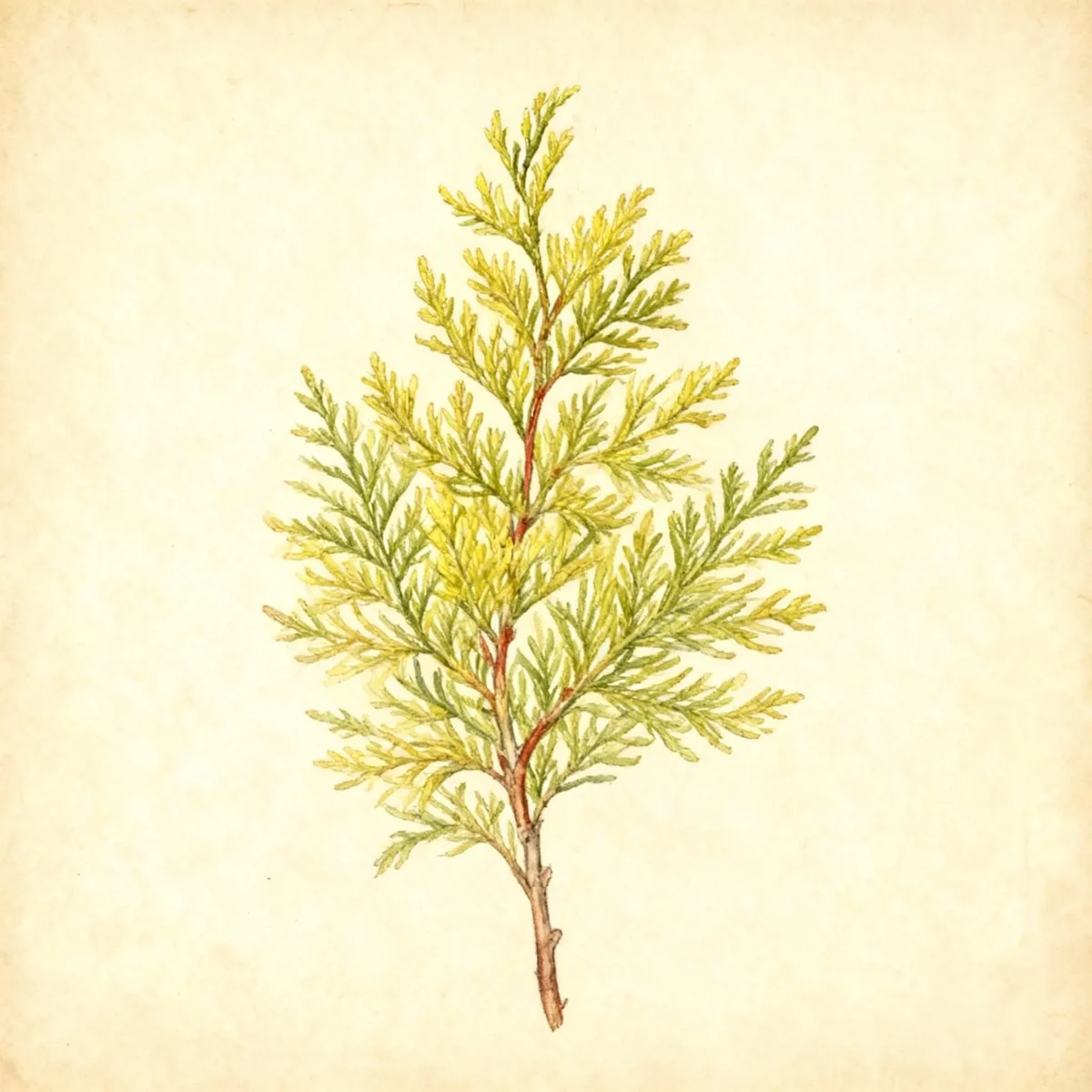
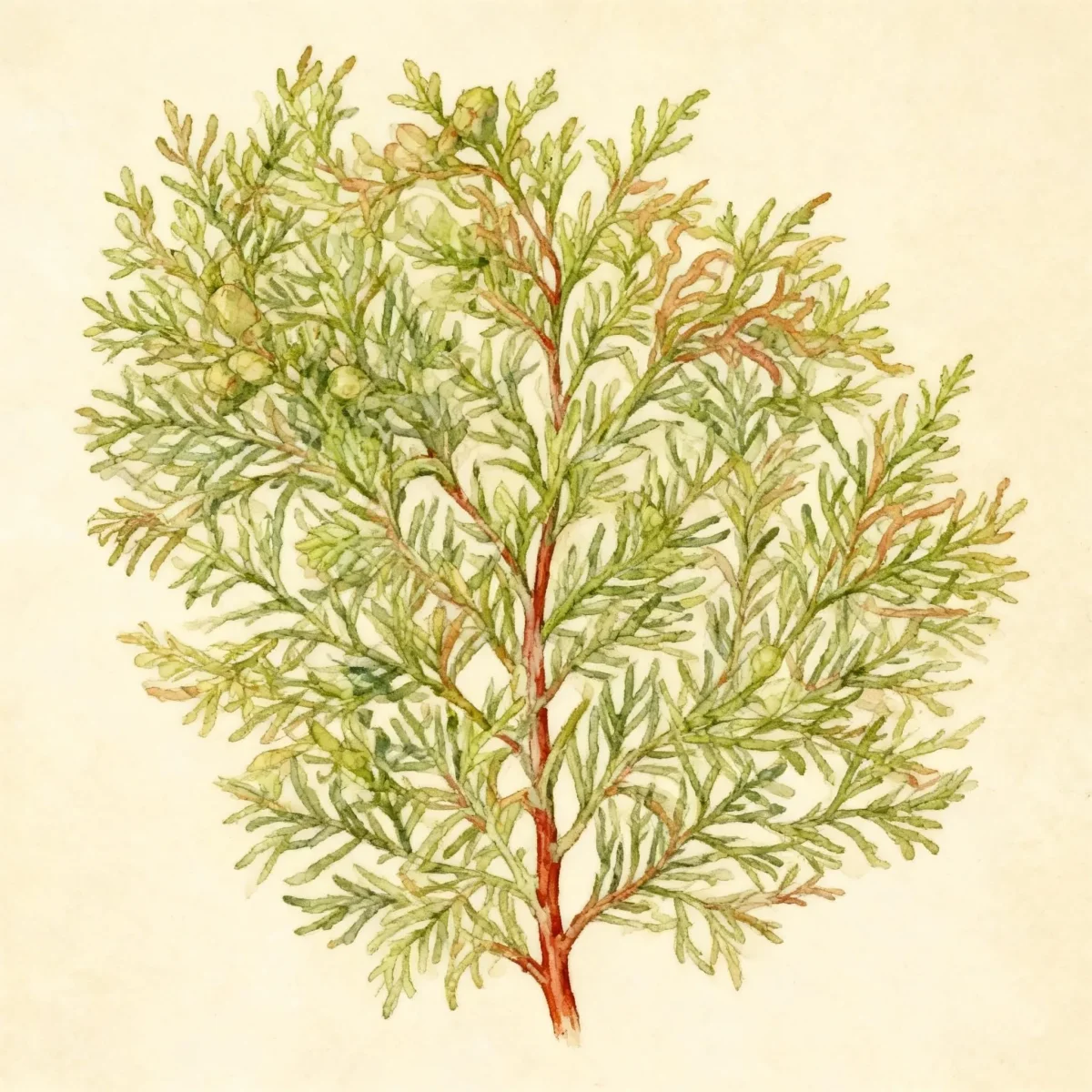
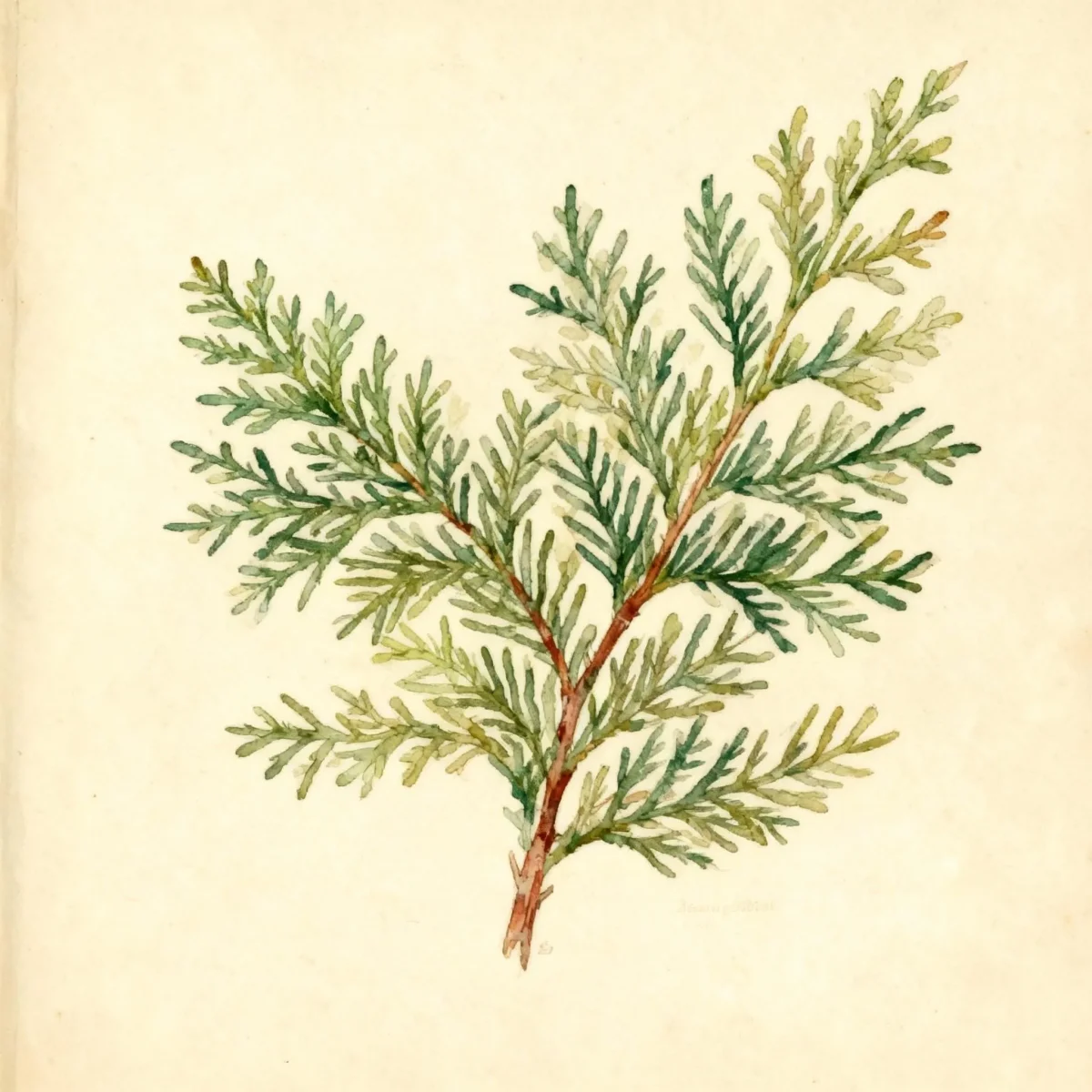
Nootka cypress (Xanthocyparis nootkatensis 'Pendula')
The weeping Xanthocyparis nootkatensis 'Pendula' (Nootka cypress) is a striking conifer, Zone 4-7, prized for its strongly drooping form and blue-green foliage.
Scroll down to discover growing tips, care requirements, companion plants, and more

Complete Plant Information
Overview
The Xanthocyparis nootkatensis ‘Pendula’, commonly known as Nootka cypress, is a truly exceptional specimen tree offering dramatic architectural interest to the landscape. Its strongly weeping habit creates a visually stunning contrast against more upright evergreen forms. Gardeners seeking a focal point that provides year-round structure will appreciate this cultivar.
This cultivar is a slow-growing, needled evergreen that develops long, drooping branchlets covered in scale-like, blue-green to gray-green leaves. While its wild ancestors can reach towering heights, the ‘Pendula’ selection is far more manageable in a residential setting, usually maturing around 20 to 35 feet tall. The inherent grace of the Nootka cypress makes it an invaluable addition where elegance and year-round texture are paramount.
Though it possesses a somewhat medium maintenance requirement, understanding its preference for cool, moist conditions will ensure the longevity and best appearance of your Xanthocyparis nootkatensis ‘Pendula’. Successfully situated, this tree serves as a spectacular focal point, especially effective near water features or as a statement piece.
Fast Facts
- Plant Family: Cupressaceae
- Plant Type: Needled evergreen
- Hardiness Zones: USDA Zones 4-7
- Size at Maturity:
- Height: 20-35 ft
- Spread: 8-12 ft
- Bloom Time: Non-flowering
- Bloom Description: Non-flowering
- Sun Exposure: Full sun to part shade
- Water Needs: Medium
- Maintenance Level: Medium
How to Grow
Planting the Nootka cypress is best done in the spring or fall, ensuring the roots have time to establish before encountering temperature extremes. Site selection is crucial; this tree thrives in average, medium-moisture, well-drained soils. While it tolerates full sun in cooler northern zones, gardeners in the southern extent of its range (Zone 7) should carefully site it to receive afternoon shade to prevent scorching.
For optimal growth, treat the Xanthocyparis nootkatensis ‘Pendula’ as if it were growing in its cool, coastal native habitat. This means ensuring consistently moist, fertile soil, especially during dry periods. Avoid letting the soil dry out completely, as medium water needs must be consistently met. Fertilization is generally unnecessary if the soil is rich, but balanced, slow-release feed can be applied lightly in early spring if growth appears stunted or foliage is pale.
Pruning should be minimal, focusing mainly on removing any dead, damaged, or diseased wood immediately upon discovery. Avoid heavy shaping, as this can mar the natural, weeping habit of the Xanthocyparis nootkatensis ‘Pendula’. In regions prone to drought or extreme winter cold, provide supplemental water until the plant is fully established.
Landscape Uses
The strongly weeping structure of the Nootka cypress makes it an essential choice when planning formal or contemplative garden spaces. It shines as a solitary landscape specimen, where its drooping branchlets can be fully appreciated without obstruction. Its height and narrow profile, reaching up to 35 feet tall but only 12 feet wide, allow it to fit into smaller side yards or strategically placed near patios and decks for vertical interest.
Because of its native preference for moist environments, the Nootka cypress is uniquely effective when planted near bodies of water, such as ponds or streams, where it can visually echo the flow of water. Its dramatic silhouette serves as a permanent anchor in mixed evergreen borders, providing textural contrast against broadleaf shrubs or upright deciduous trees. While it is a focal point, its subdued color palate allows it to blend harmoniously with masses of brightly colored perennials in the summer.
Standout Features
Noteworthy Characteristics
Xanthocyparis nootkatensis is commonly called Nootka cypress, Alaska-cedar or yellow cypress, and is native to moist bottomlands along the cool Pacific Coast. This evergreen conifer features drooping sprays of small, scale-like, bluish-green leaves, and its bark peels in loose scales. The cultivar ‘Pendula’ is especially valued as a slender, pyramidal, strongly weeping form, offering an excellent specimen tree with a nodding central leader and hanging branchlets.
Tolerances
- Plants generally have some susceptibility to juniper blight, root rot and certain insect pests such as bagworms and juniper scale.
- Watch for red spider mite.
Potential Problems
The Nootka cypress is generally robust, with no known serious insect or disease problems reported frequently. However, gardeners should monitor for common conifer issues. Susceptibility to juniper blight and root rot means excellent drainage is non-negotiable for the health of your tree.
Insect pressure can include bagworms and juniper scale, which generally target stressed plants. Always inspect new plantings closely and maintain proper soil moisture to keep the Nootka cypress vigorous. In unfavorable climates, such as regions experiencing hot, dry summers, plants may struggle, so mimicking its cool, humid native climate pays substantial dividends in disease resistance.
Frequently Asked Questions
What hardiness zones is Nootka cypress suitable for?
The Xanthocyparis nootkatensis ‘Pendula’ is reliably hardy in USDA Zones 4 through 7.
How large does Nootka cypress grow?
In a home landscape, this cultivar typically reaches a height between 20 and 35 feet, with a spread of approximately 8 to 12 feet wide.
What sun exposure does Xanthocyparis nootkatensis ‘Pendula’ need?
It prefers full sun to part shade. Ensure it receives full sun in colder zones, but appreciates afternoon shade in the warmer southern parts of its growing range.
When does Nootka cypress bloom?
This plant is a conifer and is non-flowering.
Conclusion
The weeping habit and year-round texture of the Xanthocyparis nootkatensis ‘Pendula’ offer unmatched architectural drama, making the Nootka cypress a superior choice for specimen planting. By providing the necessary medium moisture and considering its partial shade needs in warmer areas, you can ensure this magnificent evergreen thrives. Before planting, always verify that your soil conditions align with the requirements of this majestic conifer.
Design Ideas
When integrating the Nootka cypress into complex garden designs, think about using it as a vertical counterpoint to sprawling groundcovers or low, mounding shrubs. Its texture provides contrast to rhododendrons and azaleas, provided their cultural needs regarding soil moisture are also met. Consider placing it where you can view its captivating silhouette during the winter months when deciduous plants have lost their foliage.
The weeping habit means that dead branchlets can collect debris, requiring occasional cleanup underneath. Planting it in a mulched bed, rather than directly next to lawn grass, minimizes competition for moisture and simplifies maintenance around its base. Remember that the odor emitted when the foliage is crushed is rarely noticeable unless actively investigated, but plant placement should ideally allow viewers to appreciate its form from a distance.
Seasonal Care Calendar
Spring is the primary time for necessary maintenance, such as checking the root zone moisture levels and applying slow-release fertilizer if required due to nutrient-poor soil. Prune out any winter-damaged tips or dead wood as new growth emerges. Summer care focuses entirely on consistent watering, ensuring the soil remains medium moist, particularly during any dry spells, which helps reduce heat stress.
Fall preparation involves ensuring the containerized specimens, or any newly planted trees, are adequately watered deeply before the ground freezes. While the Nootka cypress is cold-hardy to Zone 4, protecting young plants from winter burn or rapid freeze/thaw cycles by applying a layer of mulch around the root zone is a good precautionary measure. Overwintering protection should focus on insulating the roots, not wrapping the foliage.