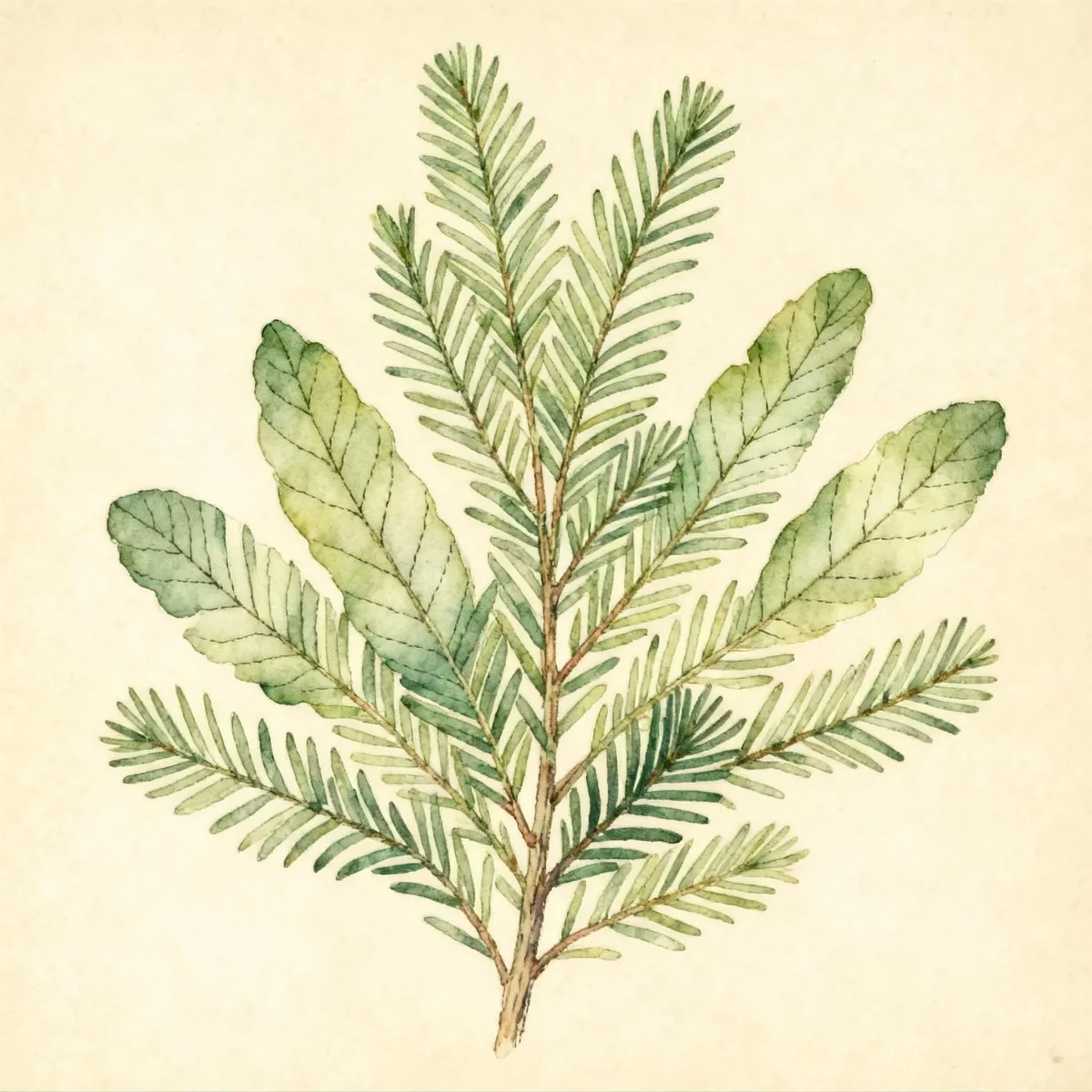
Japanese plum yew (Cephalotaxus harringtonia 'Fastigiata')
Cephalotaxus harringtonia 'Fastigiata' is an upright Japanese plum yew perfect for shady spots. This medium evergreen offers dense texture and deer resistance.
Scroll down to discover growing tips, care requirements, companion plants, and more
Complete Plant Information
Overview
The Japanese plum yew, specifically the cultivar Cephalotaxus harringtonia ‘Fastigiata’, provides superb, dense, upright texture for challenging garden locations. This slow-growing needled evergreen brings yew-like foliage into landscapes where traditional yews might struggle, especially in warmer climates. Its primary appeal lies in its deep green, formal structure, making Cephalotaxus harringtonia ‘Fastigiata’ an excellent substitute for formal hedging or accent points.
This plant is naturally suited to woodland settings, requiring dependable moisture but thriving in significant shade better than most conifers. While it possesses good heat tolerance once established, partial shade ensures the best appearance, particularly during hot summer months. Gardeners appreciate the Japanese plum yew for its low susceptibility to pests and diseases, simplifying its medium maintenance needs.
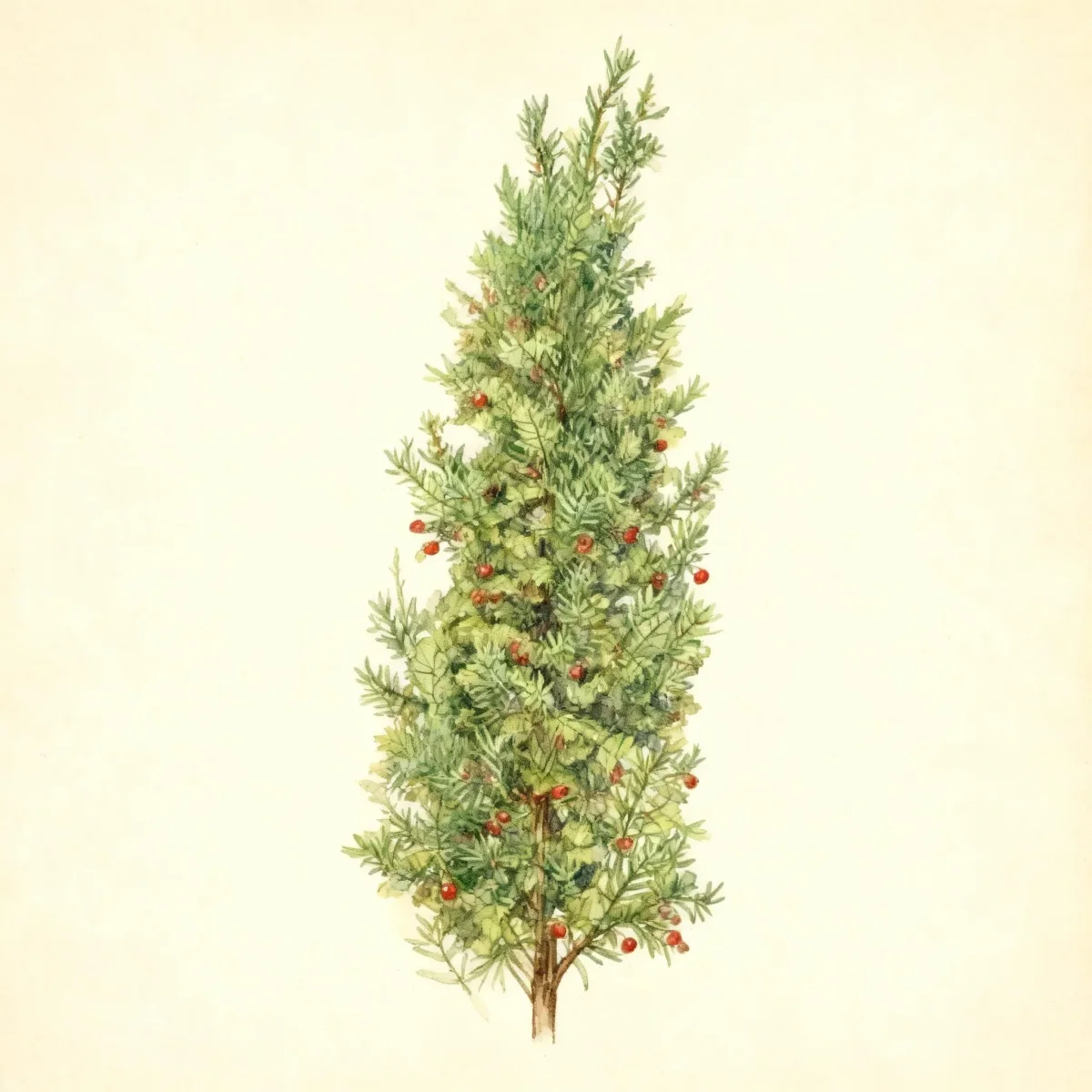
The erect stems of Cephalotaxus harringtonia ‘Fastigiata’ create a striking columnar silhouette, maturing between 8 to 10 feet tall but remaining relatively narrow. Whether used as a vertical accent or incorporated into mixed evergreen groupings, this reliable conifer significantly enhances the structure of any shady garden area.
Fast Facts
- Plant Family: Taxaceae
- Plant Type: Needled evergreen
- Hardiness Zones: USDA Zones 6-9
- Size at Maturity:
- Height: 8-10 ft
- Spread: 3-5 ft
- Bloom Time: Non-flowering
- Bloom Description: Non-flowering
- Sun Exposure: Full sun to part shade
- Water Needs: Medium
- Maintenance Level: Medium
How to Grow
The ideal time to plant Cephalotaxus harringtonia ‘Fastigiata’ is typically in spring or fall, allowing the roots time to establish before extreme seasonal weather hits. Site plants in locations receiving moist, sandy, well-drained soil. While this Japanese plum yew tolerates full sun in cooler summers, gardeners in warmer regions must ensure afternoon shade to prevent scorching, as part shade is generally preferred for optimal health.
Water requirements are medium; new plantings need consistent moisture to develop a robust root system. Once established, this conifer exhibits good drought tolerance, though supplemental watering during prolonged dry spells will maintain vigor. Fertilization is rarely required if the soil is reasonably rich, but a balanced, slow-release fertilizer applied in early spring can support growth. Little structural pruning is usually necessary for the upright Cephalotaxus harringtonia ‘Fastigiata’; simply remove any dead or damaged wood as needed.
Be aware that growth is notably slow, sometimes taking a decade to reach a modest height. This slow growth rate means diligent attention to soil drainage is paramount, as standing water will quickly lead to root issues. If planting in Zone 5, select the most sheltered microclimate available to maximize winter survival success.
Landscape Uses
The distinctive, narrow habit of Cephalotaxus harringtonia ‘Fastigiata’ makes it invaluable where vertical emphasis is required without significant width gain. It functions perfectly as an accent specimen in formal beds, contrasting sharply against broadleaf shrubs or lighter-colored hardscaping. Its excellent performance in shade also makes it a cornerstone plant for dark corners or woodland borders.
For group or mass plantings, using the Japanese plum yew to create deep, textured screens is highly effective. Its upright form works exceptionally well lining walkways or flanking entryways, offering year-round structure. The tolerance of this conifer for deep shade allows designers to integrate it near evergreen foundations where other conifers may fail to thrive.
Consider pairing the dark green foliage of the Cephalotaxus harringtonia ‘Fastigiata’ with lighter-textured shade lovers such as Hostas or ferns, which appreciate similar soil moisture levels. This combination maximizes textural contrast while maintaining the consistent cultural requirements needed for a low-stress planting area.
Standout Features
Fruit Qualities
- Showy
Noteworthy Characteristics
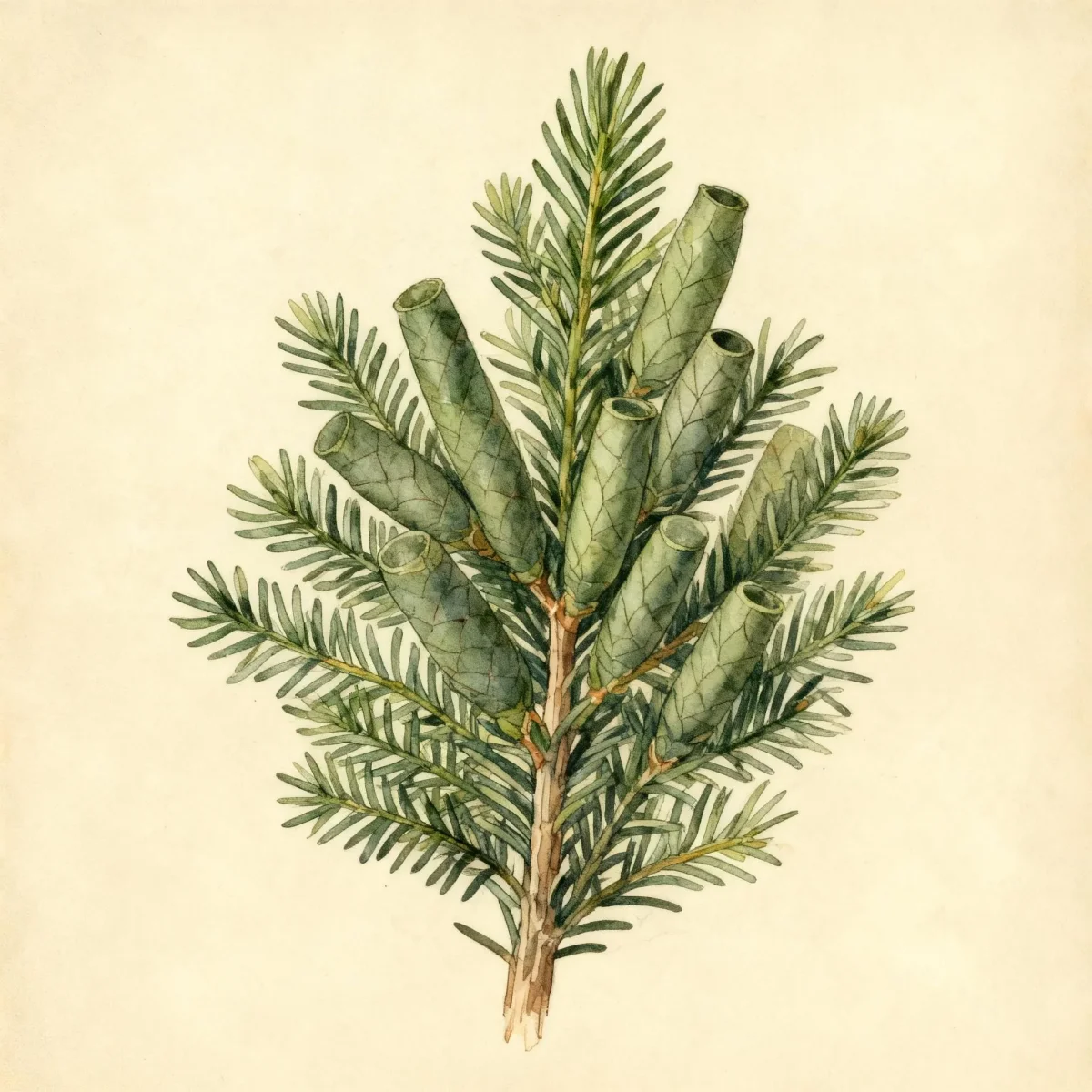
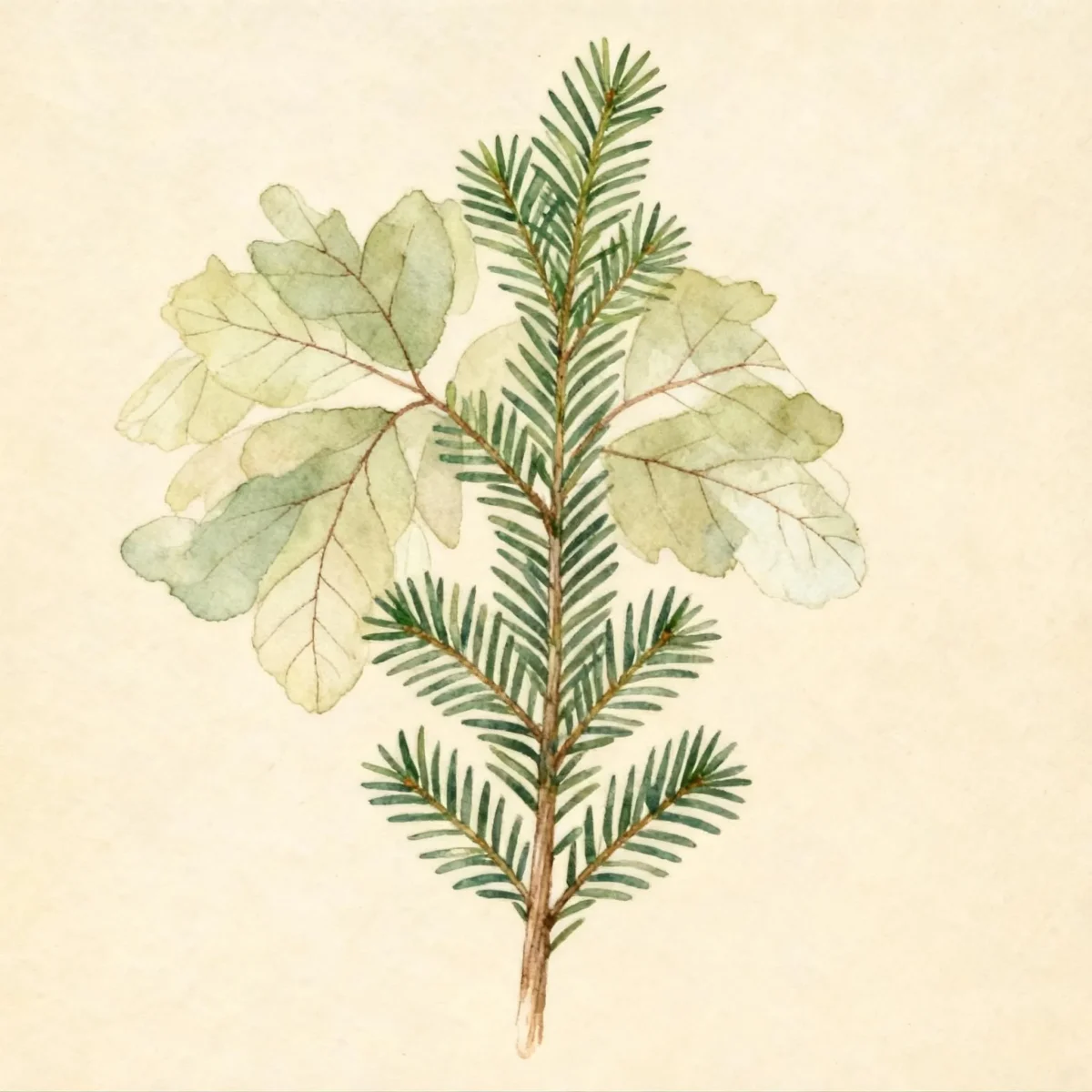
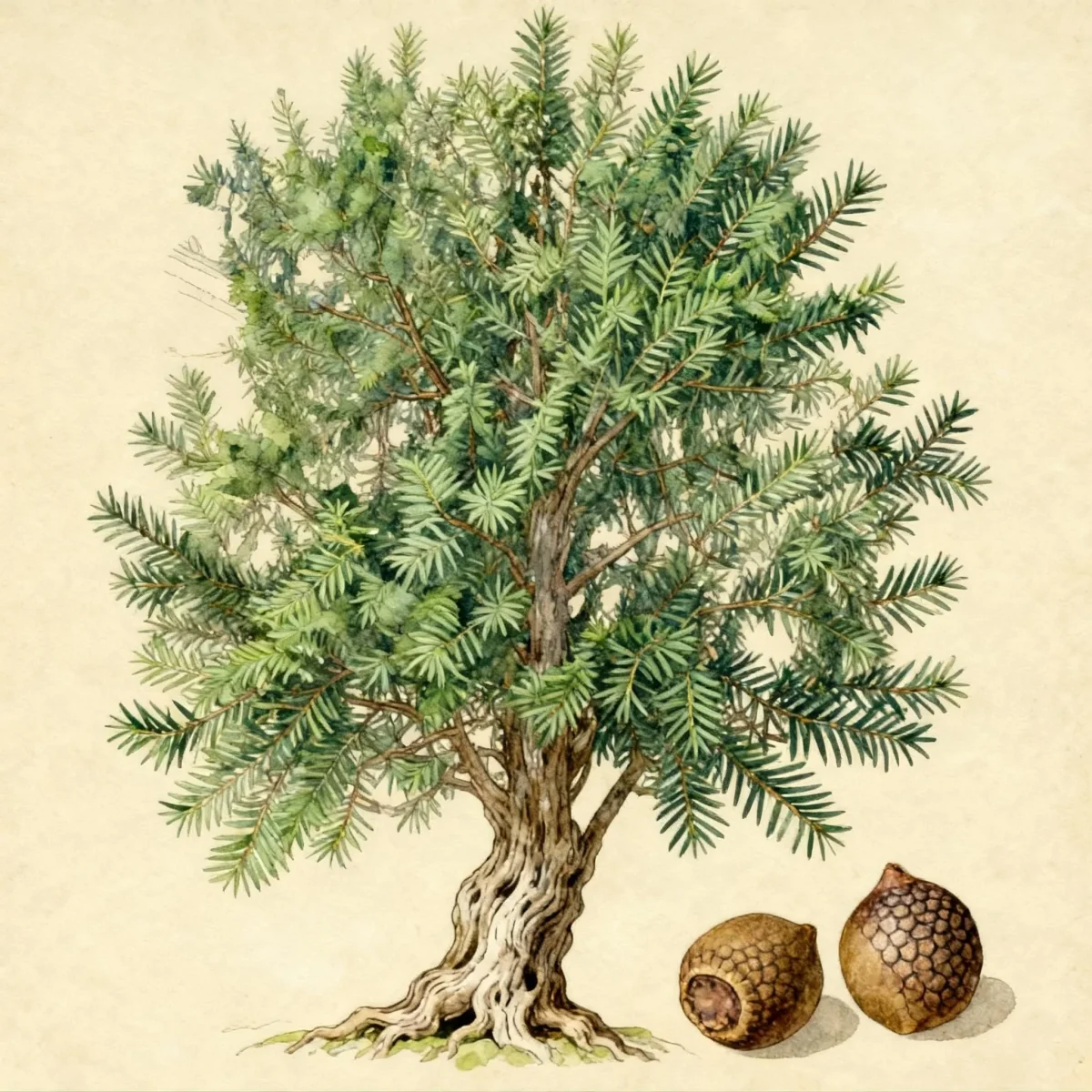
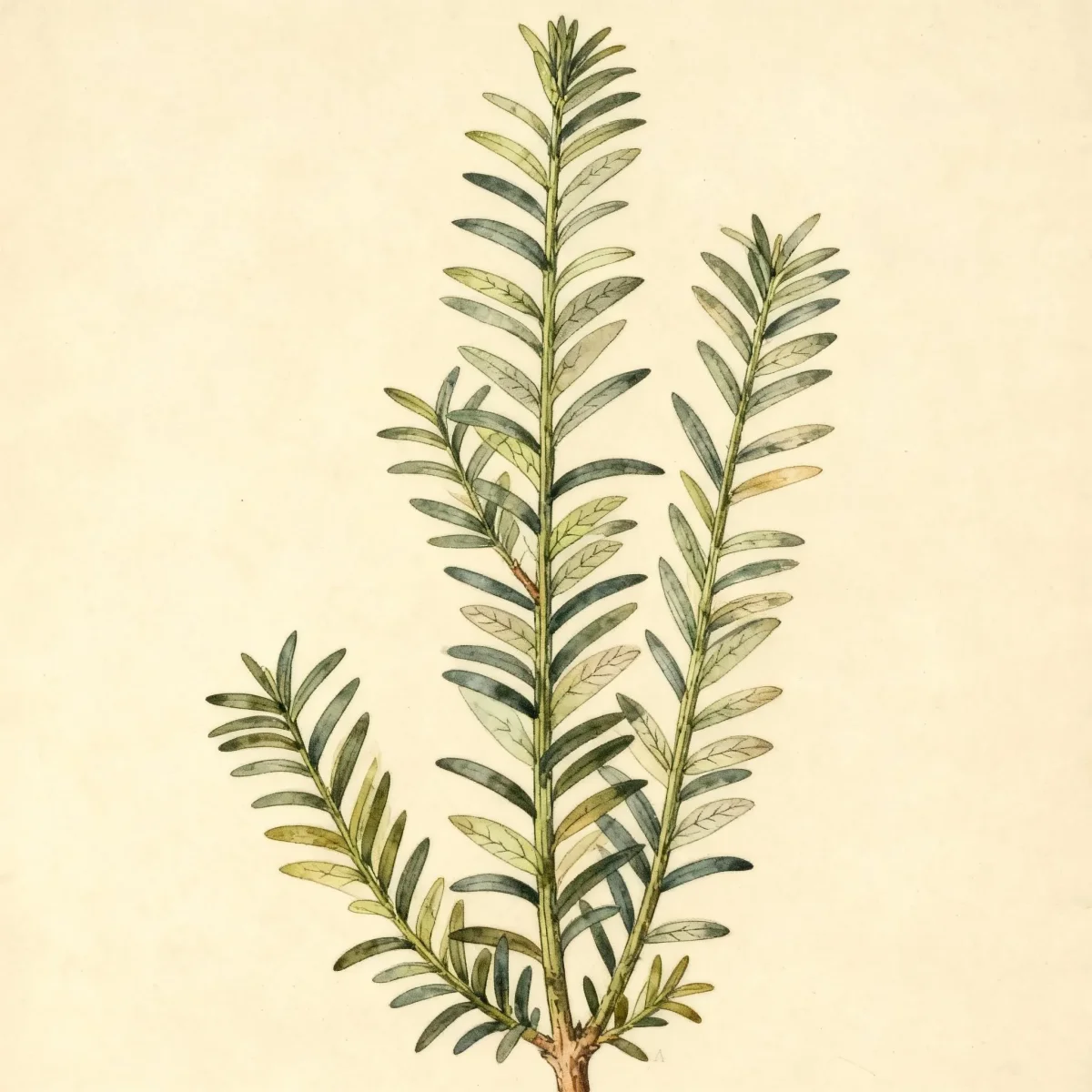
The upright columnar form of Cephalotaxus harringtonia ‘Fastigiata’ matures to 8-10 feet tall and only 3-5 feet wide, featuring yew-like blackish-green leaves arranged in a striking bottlebrush pattern. Unlike the species, this cultivar displays erect stems rising sharply upward, offering formal structure. Female plants, if pollinated by a nearby male, can produce fleshy, edible, plum-like fruits, though the primary attraction remains the evergreen foliage.
Tolerances
- Deer
- Drought
Potential Problems
The Japanese plum yew is generally revered for its lack of serious pest or disease issues, a significant advantage over the true yews (Taxus species). Gardeners should monitor for signs of overwatering or poor drainage, which are more likely threats than specific insect infestations. Good air circulation and avoiding heavy, clay soils will mitigate most cultural stress points. If scale insects appear, horticultural oil treatments in the dormant season are usually effective management tools.
Frequently Asked Questions
What hardiness zones is Japanese plum yew suitable for?
The Cephalotaxus harringtonia ‘Fastigiata’ is reliably hardy in USDA Zones 6 through 9, though careful placement might allow survival in warmer sections of Zone 5.
How large does Japanese plum yew grow?
This compact cultivar typically reaches a height of 8 to 10 feet, maintaining a narrow spread of only 3 to 5 feet at maturity.
What sun exposure does Japanese plum yew need?
It performs best with part shade, though it can tolerate full sun, particularly if summers are cool; hot summer locations demand protection from intense afternoon light.
When does Japanese plum yew bloom?
Cephalotaxus harringtonia ‘Fastigiata’ is classified as non-flowering, meaning it does not produce showy blossoms, though female plants bear distinctive, plum-like fruit structures.
Conclusion
The columnar nature and impressive shade tolerance make Cephalotaxus harringtonia ‘Fastigiata’ an indispensable structural element for shaded or difficult garden spaces. This reliable Japanese plum yew offers year-round visual interest and excellent resistance to browsing wildlife. Before planting, confirm that your local site conditions align with USDA Zones 6-9 and ensure the soil offers excellent drainage for long-term success.
Companion Planting
Selecting appropriate companions is key to highlighting the formal structure of the Cephalotaxus harringtonia ‘Fastigiata’. Because this conifer thrives in medium moisture and partial shade, look toward plants that share these requirements. Bold-textured plants like Helleborus (Lenten Rose) or broad-leaved perennials provide wonderful textural contrast against the fine, needle-like foliage.
For a truly woodland feel, plant beneath the high canopy of established deciduous trees, allowing the Japanese plum yew to anchor the lower story planting scheme. Avoid areas where soil remains soggy, as this plant requires drainage even if water needs are consistent. This dedication to shared habitat requirements minimizes maintenance across the mixed border.
Seasonal Care Calendar
Springtime marks the best opportunity to reassess any winter damage and apply a balanced fertilizer if necessary, though established plants often require none. Focus watering efforts during the heat of the summer months, ensuring deep saturations rather than frequent, shallow sprinklings, beneficial for established, drought-tolerant Cephalotaxus harringtonia ‘Fastigiata’. Winter preparation should focus on ensuring the site has modest protection from drying winter winds, especially for younger specimens in the northern limits of its hardiness range.