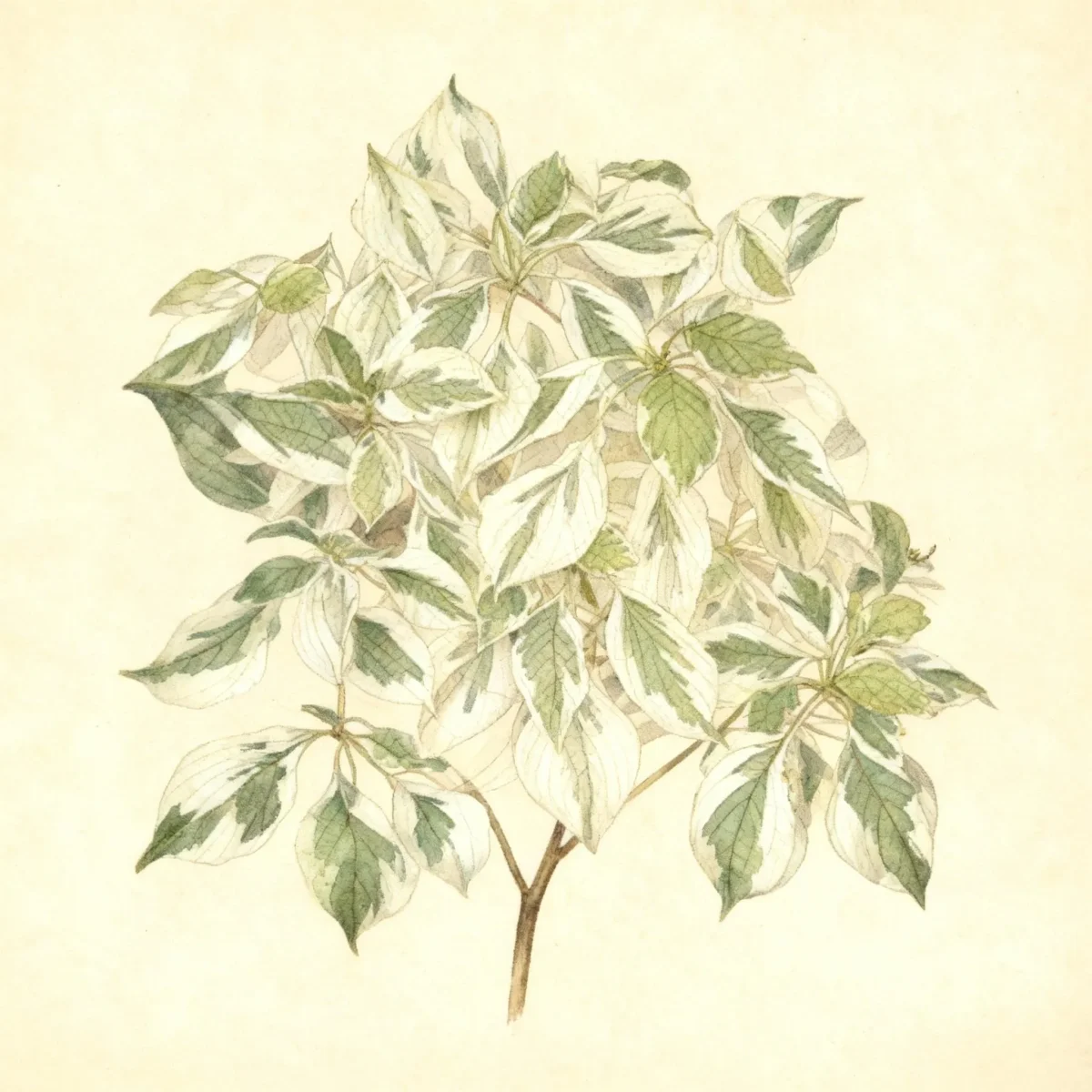
Giant dogwood (Cornus controversa 'Variegata')
The Giant dogwood, Cornus controversa 'Variegata', is a stunning deciduous tree featuring tiered branching and creamy-white variegated foliage.
Scroll down to discover growing tips, care requirements, companion plants, and more
Complete Plant Information
Overview
The striking Cornus controversa ‘Variegata’, commonly known as Giant dogwood, is highly valued in the landscape for its beautiful, horizontally tiered branching structure, which remains visible even after leaf drop. This deciduous tree provides year-round visual interest, distinguishing itself from many other dogwood species. The cultivar features distinctive green leaves bordered by showy, creamy white margins, significantly enhancing its ornamental appeal during the growing season.
As a medium to large specimen tree, the Giant dogwood requires adequate space to achieve its mature stature, typically reaching 35 to 40 feet tall and wide. It is celebrated for its creamy-white late spring flowers followed by attractive bluish-black fruits enjoyed by songbirds. Gardeners seeking a statement piece that offers variegated texture, seasonal blooms, and strong structure will find Cornus controversa ‘Variegata’ an exceptional choice.
Fast Facts
- Plant Family: Cornaceae
- Plant Type: Tree
- Hardiness Zones: USDA Zones 5-8
- Size at Maturity:
- Height: 35-40 ft
- Spread: 35-40 ft
- Bloom Time: May to June
- Bloom Description: White
- Sun Exposure: Full sun to part shade
- Water Needs: Medium
- Maintenance Level: Low
How to Grow
To establish your Giant dogwood successfully, plant in the spring or fall when temperatures are mild. Choose a location that provides acidic, organically rich, and well-drained soil. While it tolerates full sun, offering some afternoon shade is beneficial, particularly in hotter climates. Proper location selection is key for the best performance of Cornus controversa ‘Variegata’.
Ongoing care focuses on maintaining consistent moisture, especially during establishment and dry periods. Treat this tree as having medium water needs; deep, infrequent watering is preferable to frequent, shallow watering. Avoid practices that maintain soil saturation, which can encourage root rot. Fertilization is rarely required if the soil is rich, but organic mulch applied around the root zone helps regulate soil temperature and conserve moisture.
Pruning should be minimized, as the characteristic tiered branching structure is its greatest asset. Remove only dead, damaged, or crossing branches. Because this species is resistant to the twig blight that often plagues other dogwoods, its maintenance level remains low, simplifying seasonal care tasks.
Landscape Uses
The aesthetic qualities of Cornus controversa ‘Variegata’ make it an excellent selection for high-visibility areas, especially where its unique form can be appreciated throughout the year. While listed as a flowering tree, its variegated foliage and tiered structure promote its use as a sensational specimen plant on a spacious lawn. The contrast between the bright leaf margins and the darker surroundings draws the eye effectively.
Due to its size potential (up to 40 feet), this Giant dogwood should be sited away from structures and overhead utilities. It works wonderfully as a focal point or incorporated into mixed borders where its layered canopy can cascade over lower evergreen shrubs or perennials that thrive in part shade. Consider pairing it with deep green or fine-textured plants to highlight the creamy-white variegation on the Cornus controversa ‘Variegata’.
Standout Features
Flower Qualities
- Showy
Fruit Qualities
- Showy
Noteworthy Characteristics
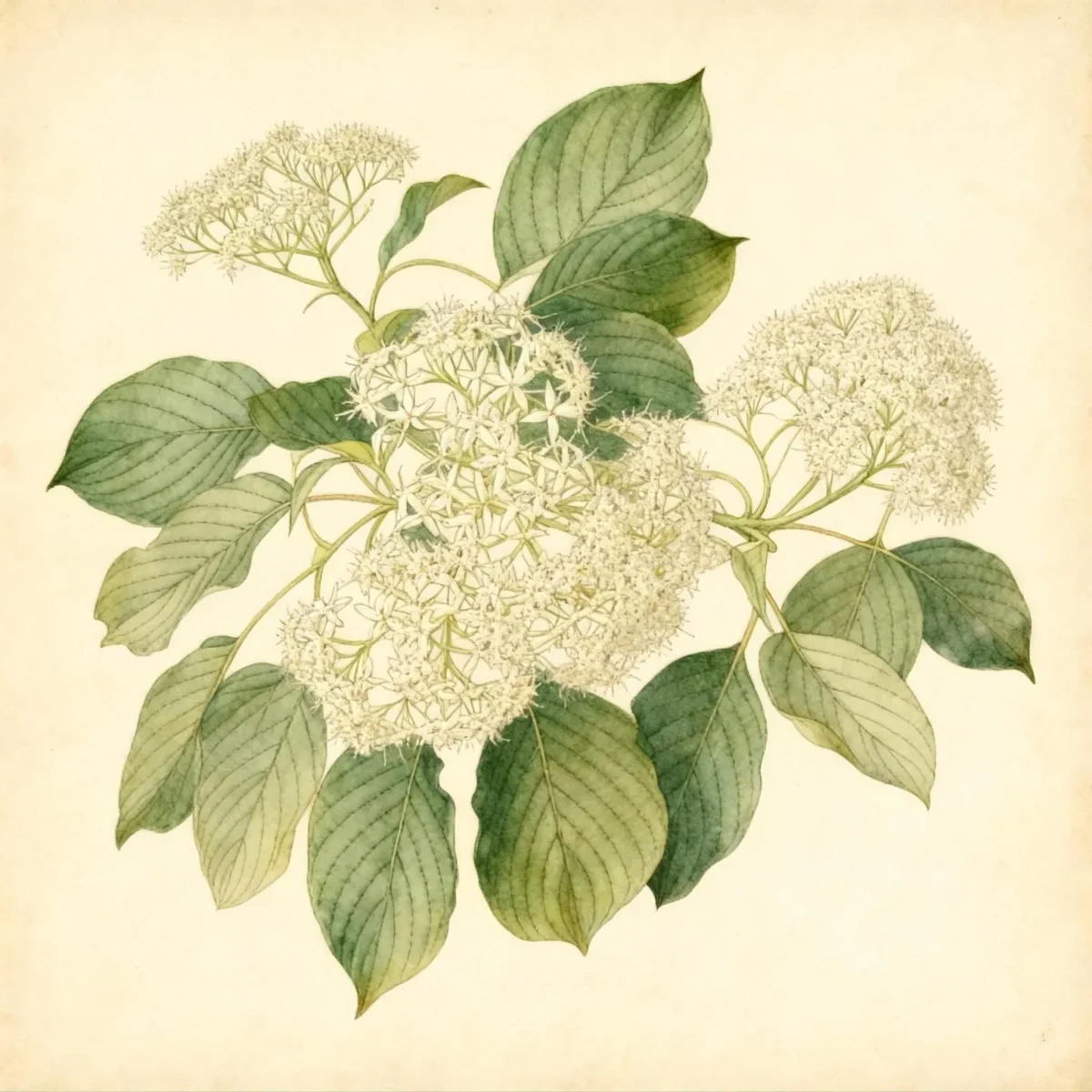
Cornus controversa, commonly called giant dogwood, is a rounded, medium-sized, deciduous tree that will grow somewhat rapidly to 35-40’ tall with distinctive horizontal branching in tiers. This tree and C. Alternifolia are the only dogwoods that feature alternate leaves. Small, creamy-white flowers appear in flattened clusters (cymes to 3-7” wide) in late spring (May-June). The cultivar ‘Variegata’ features green leaves with showy creamy white margins, creating a highly desirable textural effect.
Tolerances
- Deer
Potential Problems
This tree is generally considered low maintenance, but surveillance for certain issues is wise. Cornus controversa ‘Variegata’ can be susceptible to common fungal issues like leaf spot, root rot, and canker, especially if cultural needs—like excellent drainage—are ignored. Occasionally, opportunistic pests such as scale, leaf miner, and borers may appear, requiring targeted treatment if infestations become severe. Unlike some related species, the Giant dogwood exhibits good resistance to twig blight.
For fungal problems, ensuring proper air circulation and avoiding overhead watering can mitigate leaf spot development. If root rot is suspected, immediately assess soil drainage; remediation over correcting watering habits is rarely effective once established. Healthy trees with balanced care are far less likely to suffer serious damage from pests or disease.
Frequently Asked Questions
What hardiness zones is Giant dogwood suitable for?
The Giant dogwood, Cornus controversa ‘Variegata’, performs best when planted in USDA Hardiness Zones 5 through 8.
How large does Cornus controversa ‘Variegata’ grow?
This specimen tree typically reaches a height between 35 and 40 feet, with an equivalent spread of 35 to 40 feet at maturity.
What sun exposure does Giant dogwood need?
Cornus controversa ‘Variegata’ prefers full sun but appreciates some afternoon shade, especially in very hot summer climates, thriving best in areas receiving full sun to part shade.
When does Giant dogwood bloom?
The Giant dogwood produces its attractive white flowers between May and June.
Conclusion
The Giant dogwood offers tremendous aesthetic payoff for minimal effort, making it a superb, low-maintenance addition to larger landscapes due to its spectacular tiered habit and variegated leaves. Ensure your growing site matches the medium water needs and drainage requirements of Cornus controversa ‘Variegata’ before planting. Check your local hardiness zone rating to confirm suitability this season.
Companion Planting
When selecting companions for your Giant dogwood, focus on plants that share its preference for acidic, consistently moist, well-drained soil conditions. Mid-to-late season flowering perennials that tolerate dappled shade make excellent understory plantings beneath its canopy. Consider shade-loving groundcovers or ferns that can handle the filtered light beneath the spreading tiers of the Giant dogwood.
Plants with deep green or burgundy foliage provide a strong, contrasting backdrop that allows the creamy margins of the Cornus controversa ‘Variegata’ to truly stand out. Avoid aggressive spreaders near the base, as they may compete heavily for the consistent moisture this tree requires.
Wildlife Benefits
The flowering of the Giant dogwood in late spring provides an early nectar source for various beneficial insects. More significantly, the tree produces clusters of small, bluish-black fruits (drupes) in late summer. These fruits are an important and attractive food source reliably utilized by many species of local songbirds as they prepare for migration or winter.
Because the Cornus controversa ‘Variegata’ offers layered branching, well-established trees can also provide excellent shelter and nesting locations for smaller avian populations. Utilizing this tree in a wildlife garden setup maximizes its habitat value without compromising its need for low maintenance.