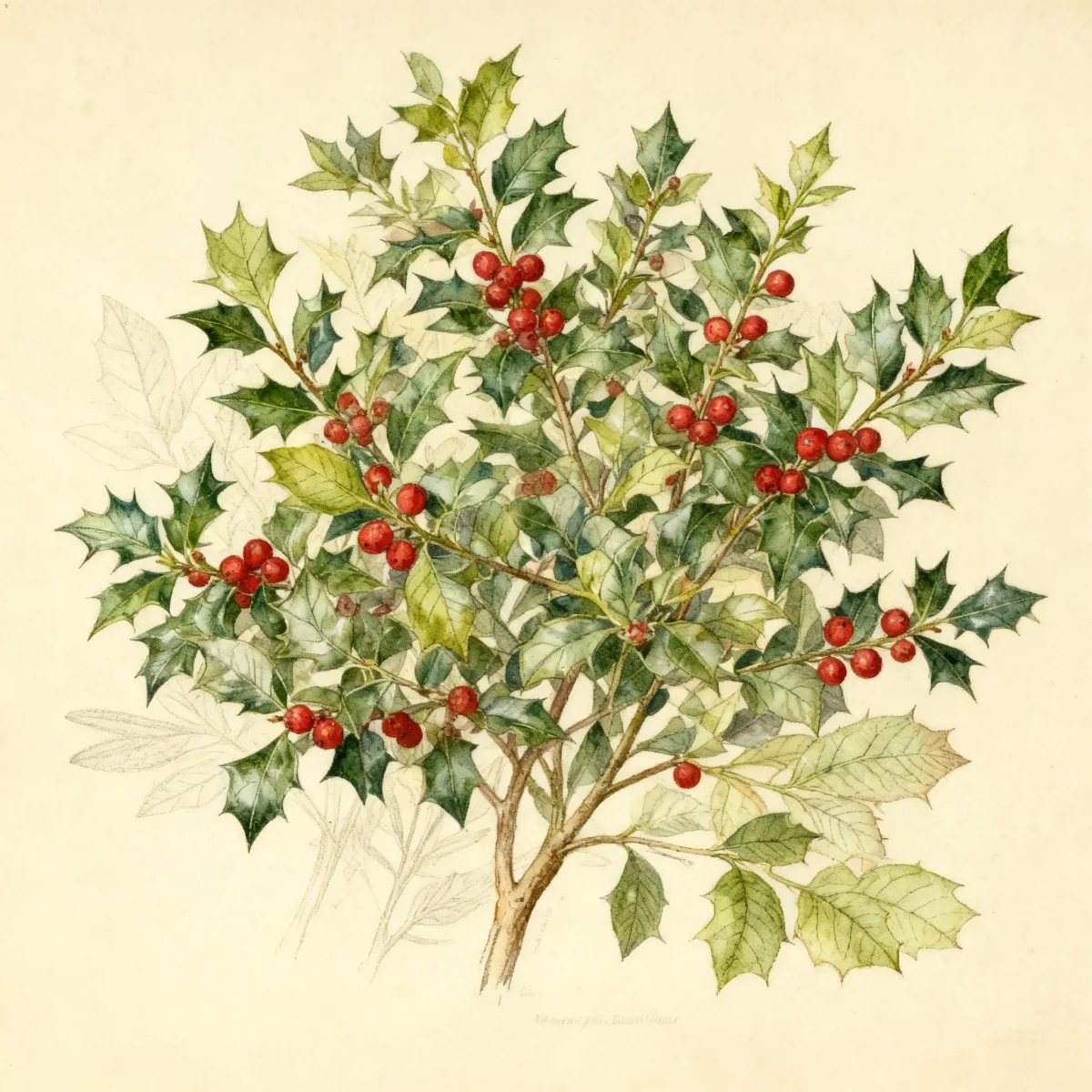
English holly (Ilex aquifolium 'Aurea Marginata')
Striking broadleaf evergreen Ilex aquifolium 'Aurea Marginata' offers glossy, yellow-margined leaves and attractive red fruit.
Scroll down to discover growing tips, care requirements, companion plants, and more
Complete Plant Information
Overview
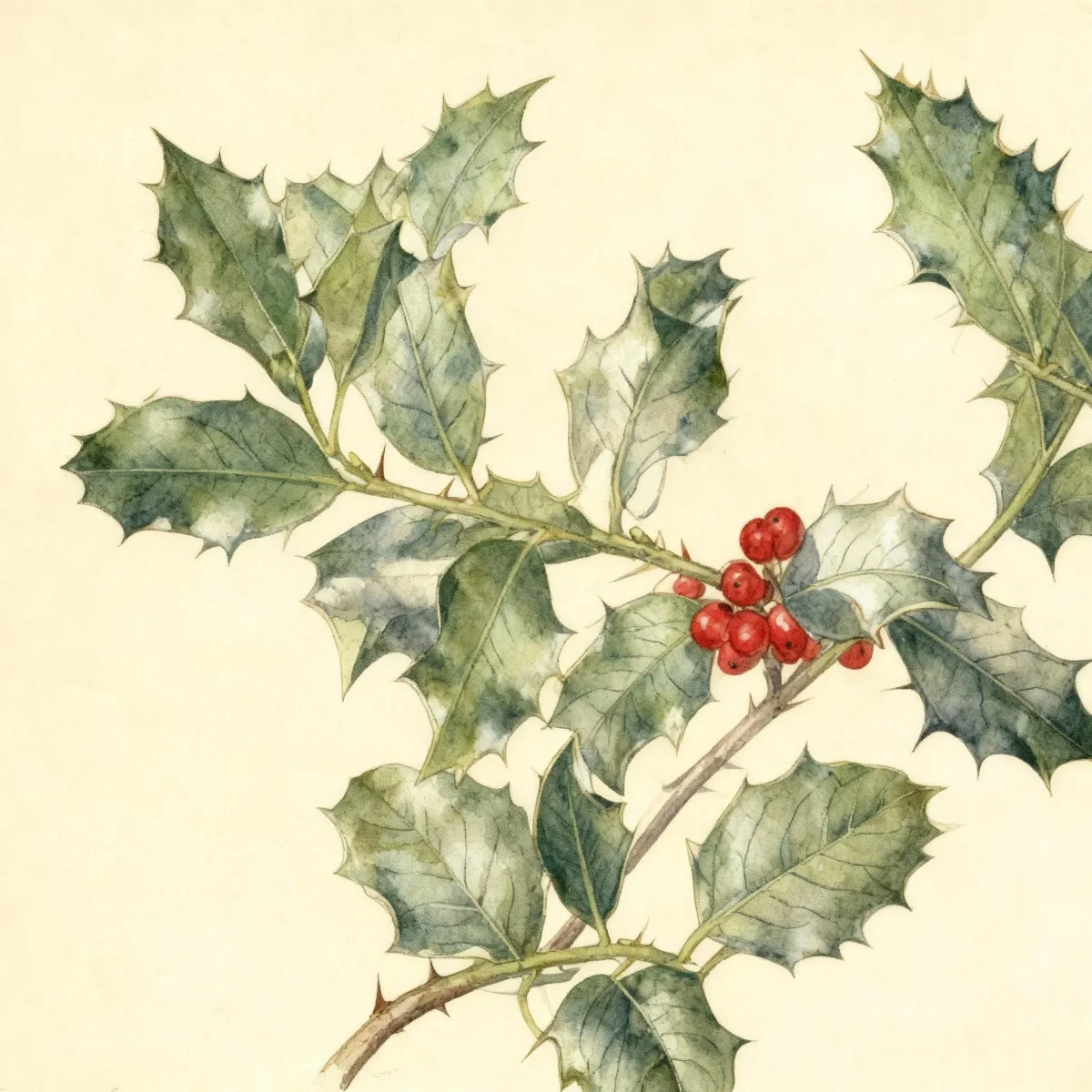
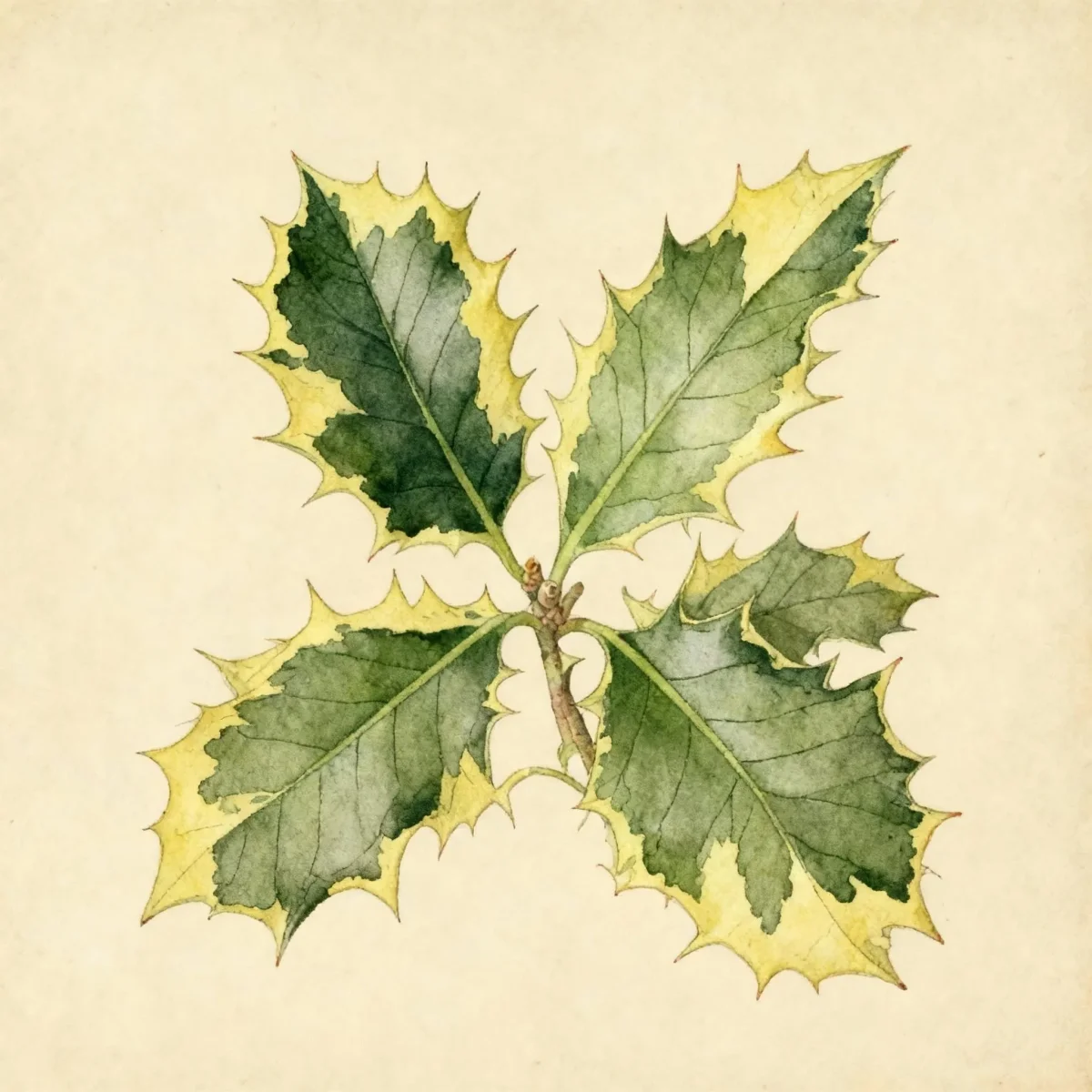
Ilex aquifolium ‘Aurea Marginata’, a highly sought-after cultivar of English holly, brightens the winter landscape with its distinctive foliage. This broadleaf evergreen is renowned for its glossy, dark green leaves sharply edged in vibrant yellow, providing year-round structure and color contrast. While the straight species, commonly known as English holly, is native to Europe, this variegated variety offers superior ornamental value in suitable climates.
As a dense, naturally pyramidal tree or large shrub, Ilex aquifolium ‘Aurea Marginata’ can reach heights up to 40 feet, making it an excellent specimen plant or tall hedge. Its presence is particularly valued for providing essential cover and visual interest once deciduous plants have dropped their leaves. Gardeners choose this cultivar for its reliable evergreen screen and the promise of colorful drupes following successful pollination.
Growing English holly generally requires attention to regional suitability, as it prefers cooler temperate climates over extreme heat or deep cold. Its value lies in its dense habit, spiny protection, and showy winter berries, solidifying its role as a traditional and beautiful landscape mainstay when sited correctly within USDA Zones 7 through 9.
Fast Facts
- Plant Family: Aquifoliaceae
- Plant Type: Broadleaf evergreen
- Hardiness Zones: USDA Zones 7-9
- Size at Maturity:
- Height: 15-40 ft
- Spread: 10-20 ft
- Bloom Time: May
- Bloom Description: Greenish-white
- Sun Exposure: Full sun to part shade
- Water Needs: Medium
- Maintenance Level: Medium
How to Grow
The best time to establish Ilex aquifolium ‘Aurea Marginata’ is typically in the fall or early spring when temperatures are moderate. Plant this English holly in average, medium-moisture soils that are consistently well-drained. Although it tolerates full sun, locations protected from harsh winter winds are crucial for preventing leaf scorch and drop. In hotter climates, providing part afternoon shade will help prevent stress.
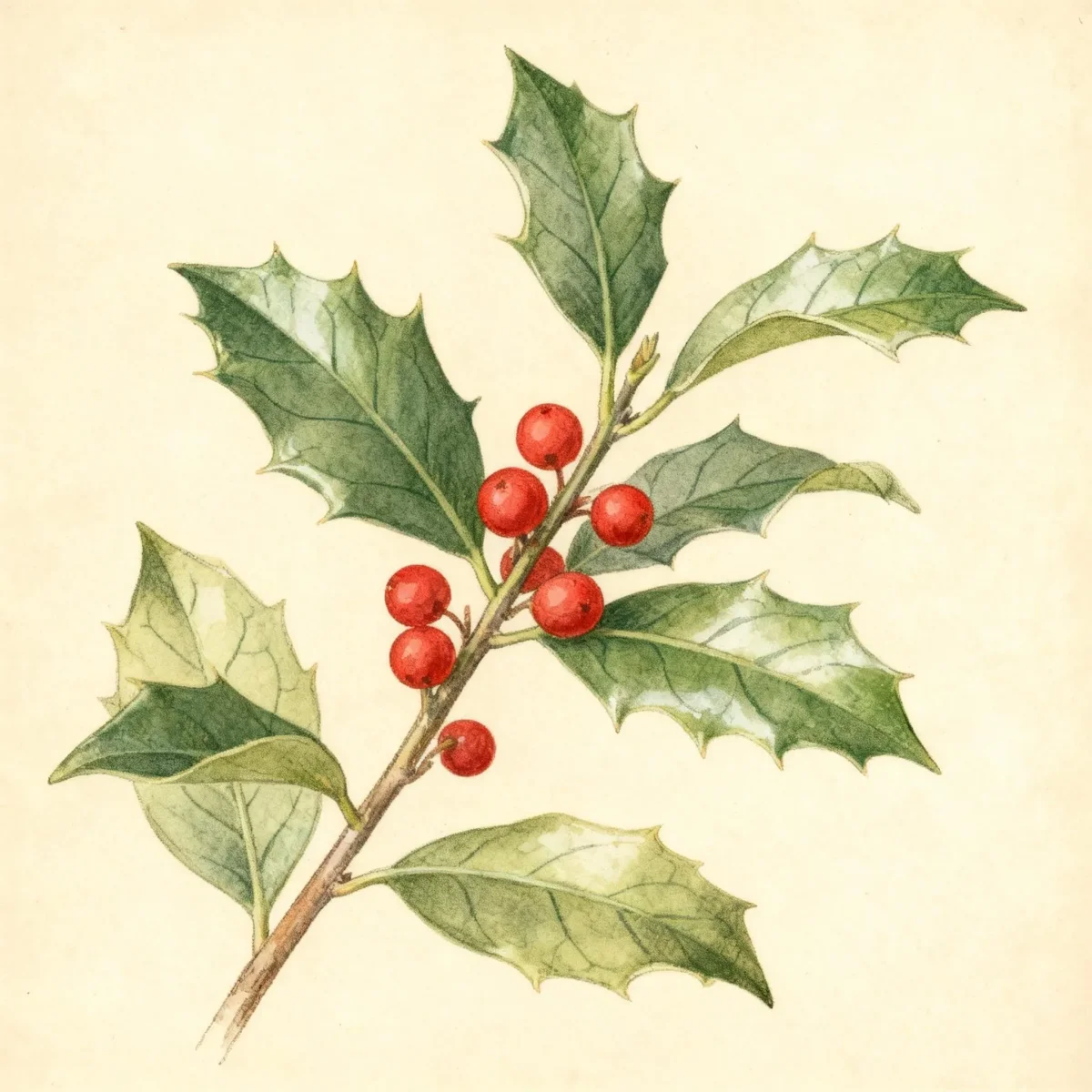
Water consistently, especially when young, applying medium amounts to maintain even soil moisture, but strictly avoid poorly drained areas, which rapidly lead to root issues. Maintenance is generally moderate; pruning, if necessary to shape the plant or remove errant branches, should be done in winter. Be aware that this holly is dioecious; meaning male and female plants are separate. Female specimens require a nearby male pollinator to produce the admired red fruits that persist into winter.
Gardeners should note that this species is less successful in areas with hot, humid summers or very cold winters, making it markedly easier to cultivate in regions like the Pacific Northwest than in the Midwest or Deep South. Monitor regularly for common insect pests and treat fungal spots promptly to ensure the glossy foliage of your Ilex aquifolium ‘Aurea Marginata’ remains vibrant.
Landscape Uses
The sheer size potential and dense foliage make English holly an excellent choice for creating tall, imposing hedges that offer exceptional screening and wind protection. Ilex aquifolium ‘Aurea Marginata’ excels where definition is needed year-round, whether used as a stately specimen plant anchoring a corner of the yard or planted in small groups for formal effect. Its reputation as a better ornamental tree than its American counterpart makes it highly desirable for foundation plantings.
For a classic, dramatic winter display, ensure that you plant both male and female specimens to guarantee the brilliant red fruit show. The variegated foliage of this cultivar casts rich shadows and contrasts beautifully with plants that drop their leaves in winter, such as deciduous magnolias or birches. Consider utilizing its formal shape near entryways or as a boundary marker where its spiny barrier is an added benefit.
Standout Features
Flower Qualities
- Insignificant
Fruit Qualities
- Showy
Noteworthy Characteristics
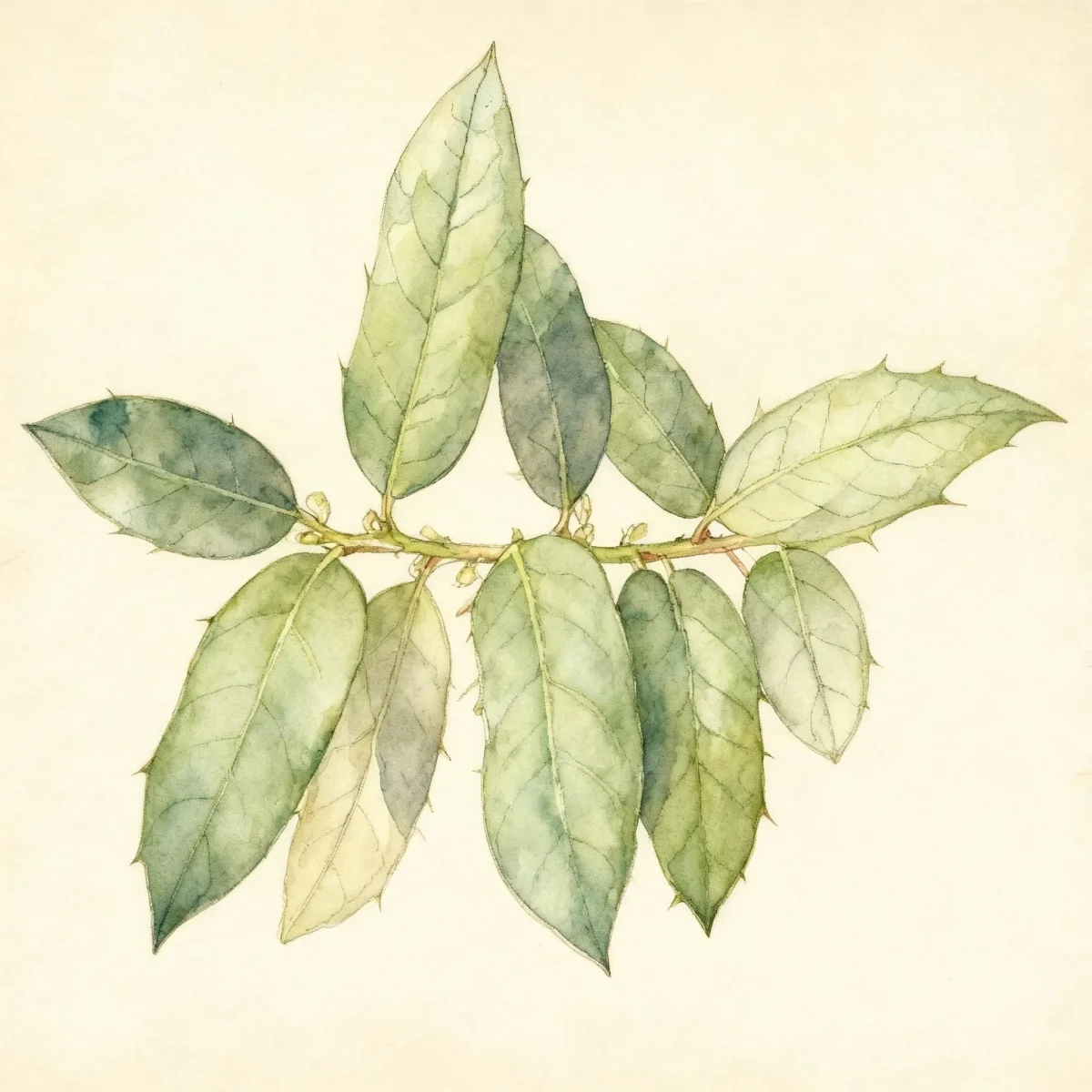
Ilex aquifolium, commonly called English holly, is native to Europe, western Asia and north Africa. It is an erect, pyramidal, densely-branched, evergreen tree that typically grows to 30-50’ (less frequently to 80’) tall. The cultivar ‘Aurea Marginata’ is especially noted for its striking appearance, featuring spiny, glossy green leaves with distinctive showy yellow leaf margins. This variegation, referenced in its name (aurea meaning gold and marginata meaning margins), provides continuous color interest throughout the year.
Tolerances
- Air Pollution
Potential Problems
Common insect issues confronting your English holly can include infestations by scale insects, whiteflies, spider mites, and the holly leaf miner. Fungal diseases are also a risk, manifesting as leaf spot, tar spot, leaf rot, and powdery mildew on the foliage. To manage insect pressure, regular inspection and the appropriate use of horticultural oils or targeted insecticides are recommended during the growing season.
Careful watering and site selection are key to preventing cultural problems. Avoid overhead watering late in the day to minimize fungal risk. Furthermore, chlorosis, visible as yellowing of the otherwise beautiful leaves of Ilex aquifolium ‘Aurea Marginata’, often signals a high soil pH, so testing soil and amending as necessary can ensure deep green color accompanied by bright gold margins.
Frequently Asked Questions
What hardiness zones is English holly suitable for?
Ilex aquifolium ‘Aurea Marginata’ thrives best in USDA Hardiness Zones 7 through 9, where winter cold is not persistently damaging.
How large does Ilex aquifolium ‘Aurea Marginata’ grow?
This handsome evergreen typically reaches heights between 15 and 40 feet with a spread spanning 10 to 20 feet when fully mature.
What sun exposure does English holly need?
It performs well in full sun but equally appreciates partial shade, especially afternoon shade in hotter parts of its hardiness range.
When does Ilex aquifolium ‘Aurea Marginata’ bloom?
The inconspicuous, greenish-white flowers appear in May, often going unnoticed compared to the plant’s outstanding foliage and fruit display.
Conclusion
The variegated foliage and potential for bright winter berries cement Ilex aquifolium ‘Aurea Marginata’ as a premier choice for year-round garden structure and contrast. If your location falls within USDA Zones 7-9 and you can provide well-drained soil and protection from extreme winter winds, this English holly cultivar will reward you handsomely. Always plan for a male pollinator if you desire the classic red fruit display from your female plants.
Companion Planting
When selecting partners for your English holly, focus on plants that thrive in similar sun exposure (full sun to part shade) and medium moisture requirements. Pairing Ilex aquifolium ‘Aurea Marginata’ with broadleaf evergreens that have contrasting textures, such as Japanese Andromeda (Pieris japonica) or rhododendrons, creates depth in the winter garden. Consider groundcovers like English Ivy (Hedera helix) or spreading junipers that appreciate the filtered light provided beneath the mature holly canopy.
For seasonal contrast, deciduous flowering shrubs like hydrangeas or late-blooming ornamental grasses can fill the vertical space during summer when the holly focuses on maintaining its beautiful variegated leaf margins. Ensure that any companions do not crowd the base of the holly, as good air circulation is vital around the root zone to help prevent fungal diseases.
Wildlife Benefits
Beyond its ornamental value, the female English holly provides crucial ecological services, particularly during the lean winter months. As mentioned, pollinated female plants produce abundant, colorful drupes that serve as a reliable food source for numerous bird species when other natural foods are scarce. Look for visits from robins, mockingbirds, and cedar waxwings drawn to the persistent red berries.
While the flowers themselves are inconspicuous, they do attract early-season pollinators emerging in May, fulfilling the holly’s role in the spring ecosystem. The dense, prickly foliage also offers exceptional shelter and nesting sites for small songbirds seeking protection from predators and harsh winter weather. Planting Ilex aquifolium ‘Aurea Marginata’ thus contributes both visual appeal and tangible support to local wildlife populations.