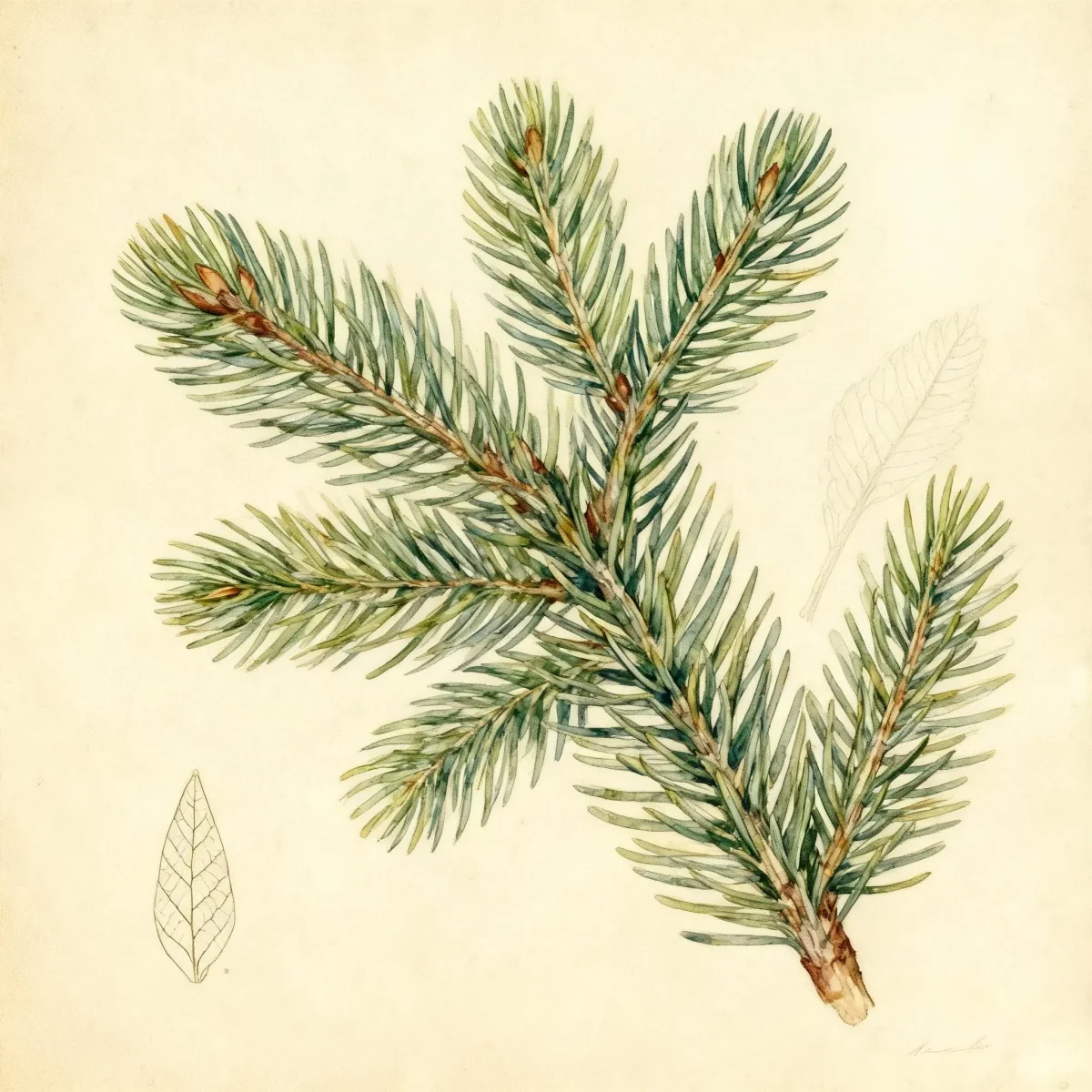
Japanese larch (Larix kaempferi 'Diana')
Larix kaempferi 'Diana' is a unique, slow-growing Japanese larch cultivar prized for its twisted structure and golden fall color in Zones 4-7.
Scroll down to discover growing tips, care requirements, companion plants, and more
Complete Plant Information
Overview
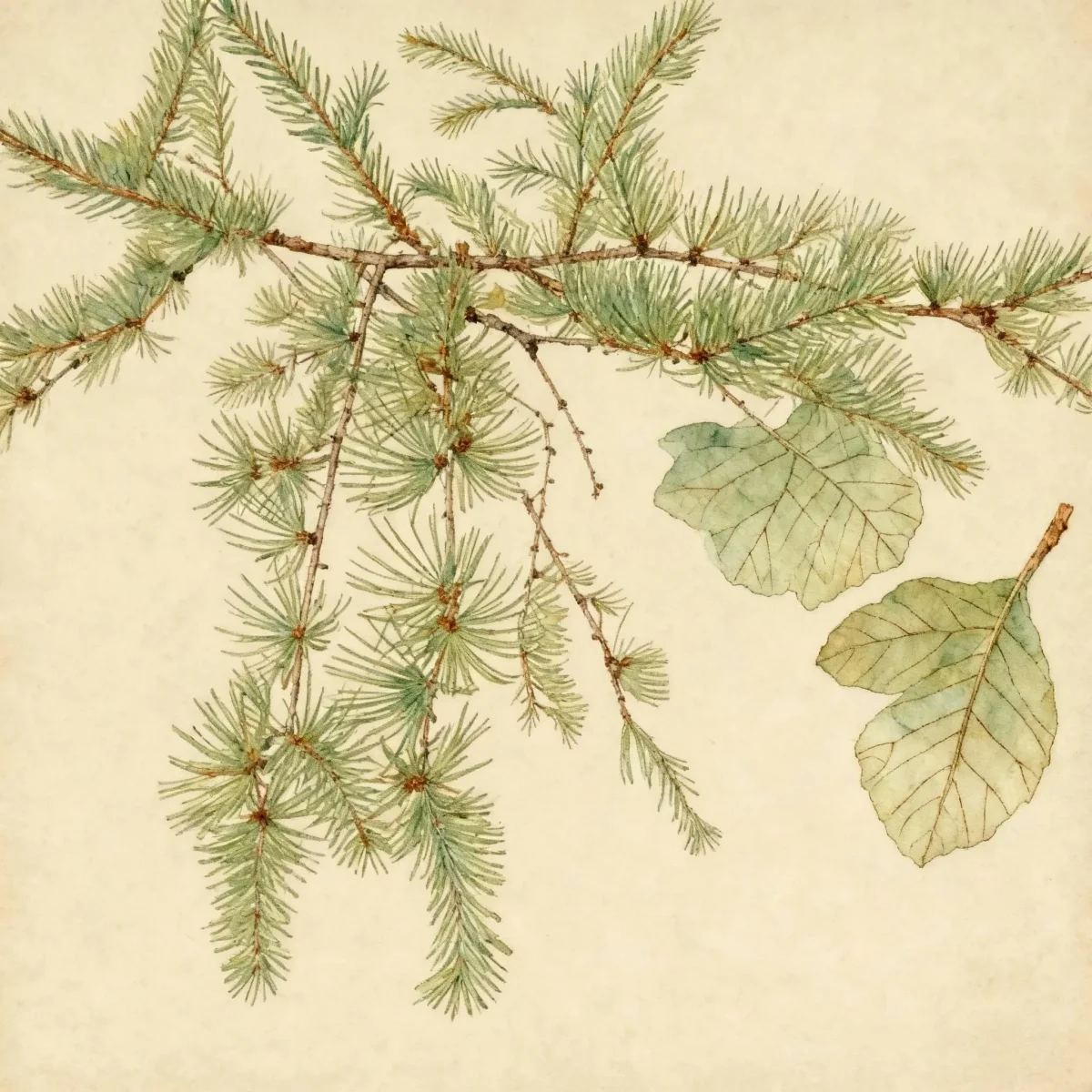
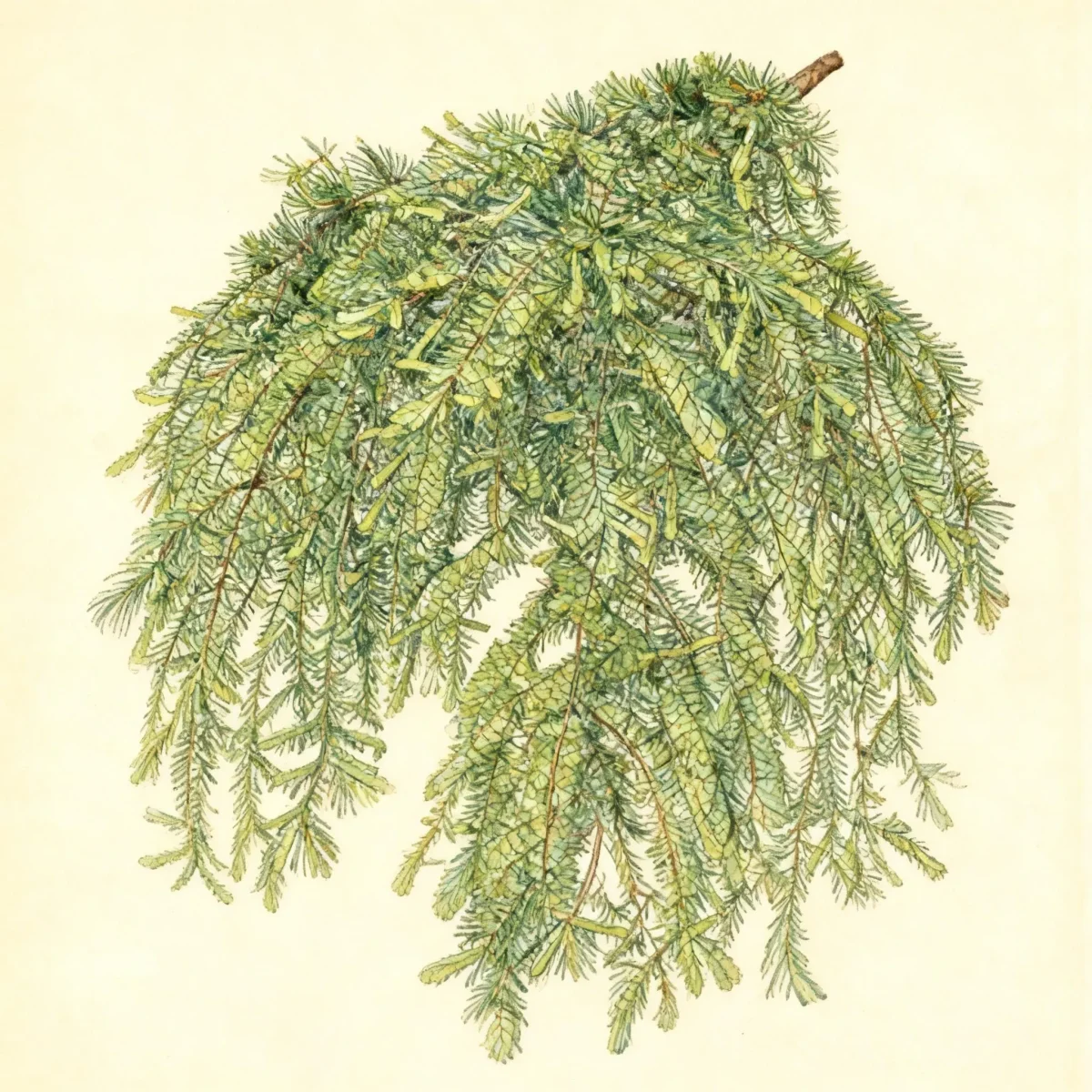
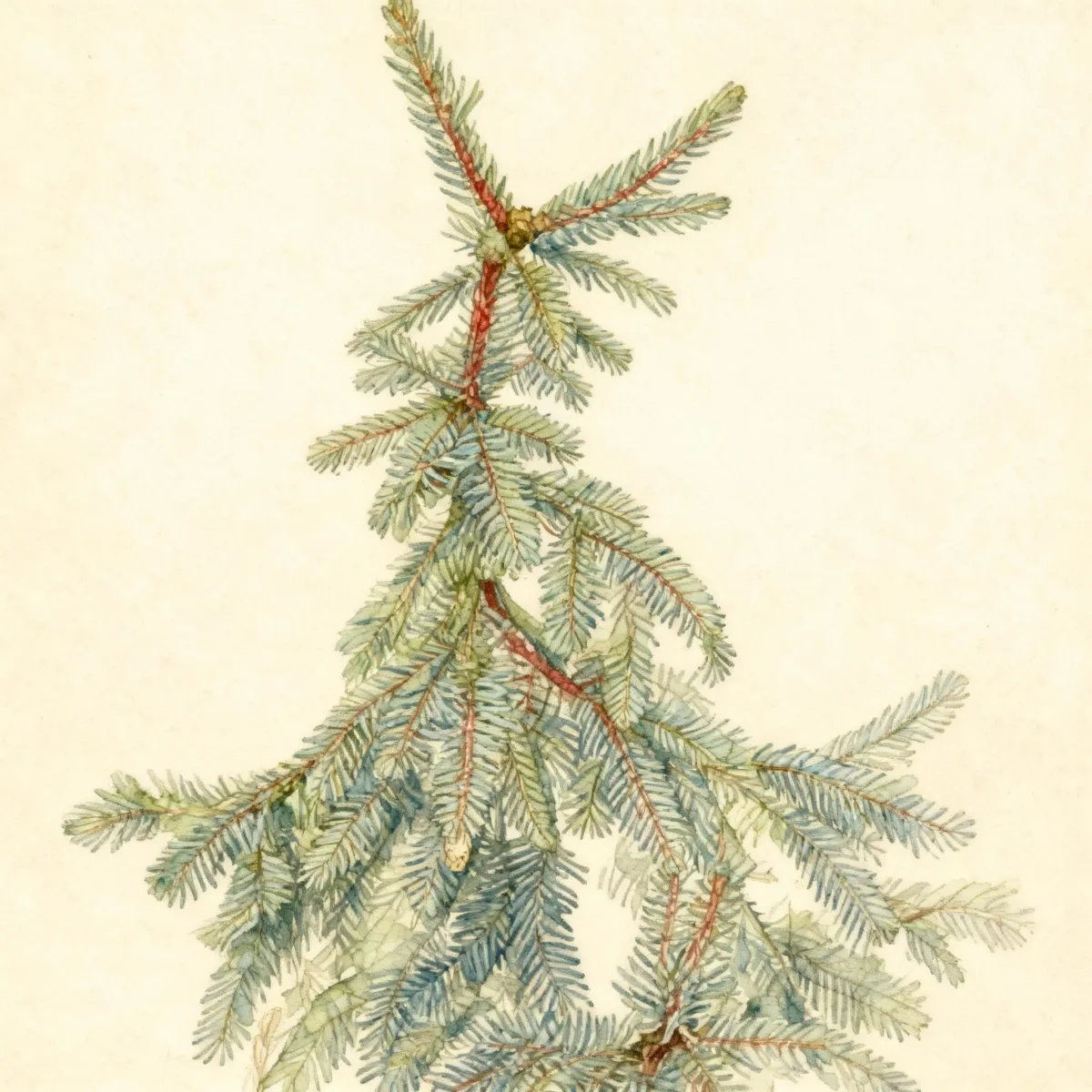
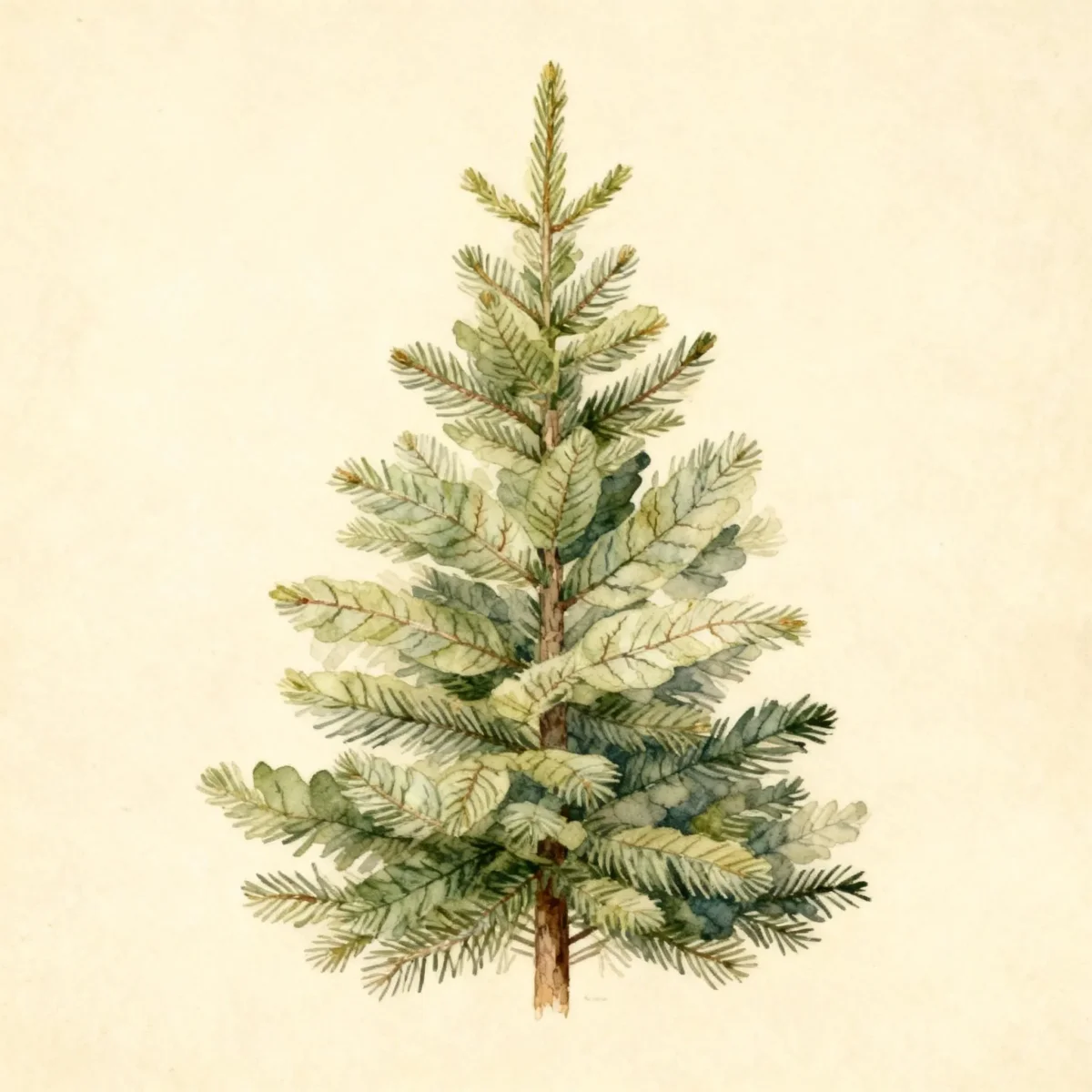
Larix kaempferi ‘Diana’, known commonly as Japanese larch, is a highly desirable cultivar, especially for collectors seeking architectural interest. Unlike the straight growth habit of the species, ‘Diana’ features distinctively contorted and twisted branches and stems, offering unique visual appeal throughout the year. As a deciduous conifer, it provides the seasonal drama of turning brilliant yellow in autumn before shedding its soft, blue-green needles for winter.
This cultivar maintains the vigor of the Japanese larch species while offering a more manageable size for residential landscapes compared to its towering wild relatives. Although it can reach 20 to 25 feet tall at maturity, its growth rate is relatively modest, allowing patience for its final, striking form to develop. Gardeners value this tree for its year-round texture and reliable color shift.
The effective cultivation of Larix kaempferi ‘Diana’ relies on providing the conditions best mimicking its native Asian highlands. Full sun and consistent moisture are crucial, as is ensuring the soil remains acidic and well-draining to guarantee long-term health and performance of this eye-catching specimen tree.
Fast Facts
- Plant Family: Pinaceae
- Plant Type: Tree
- Hardiness Zones: USDA Zones 4-7
- Size at Maturity:
- Height: 20-25 ft
- Spread: 10-13 ft
- Bloom Time: Non-flowering
- Bloom Description: Non-flowering
- Sun Exposure: Full sun
- Water Needs: Medium
- Maintenance Level: Low
How to Grow
The key to successful establishment for Larix kaempferi ‘Diana’ is proper site selection focusing on drainage and acidity. Plant young specimens in the spring or fall when temperatures are moderate, ensuring the planting hole is broad enough to accommodate the root ball without burying the flare. The ideal soil profile should be rich, moist, and distinctly acidic; amend heavy clay soils heavily with organic matter to improve drainage, as this tree is intolerant of standing water.
Watering requirements are medium. While established Japanese larch trees are relatively tolerant, consistent moisture, especially during the first few growing seasons, is essential for developing a vigorous root system. Avoid dry soils, which stress the tree and make it more susceptible to pests. Fertilization is rarely necessary unless the soil is extremely poor; focus instead on maintaining consistent moisture and appropriate pH levels.
Larix kaempferi ‘Diana’ thrives best where summer temperatures are cool. Plants installed south of USDA Zone 7 often struggle due to heat and humidity mirroring conditions in its native Japanese habitat. Pruning is generally minimal, focused only on removing crossed or damaged branches to maintain the tree’s uniquely contorted silhouette. Minimize overhead pruning to preserve its natural, attractive shape.
Landscape Uses
The unique structure and seasonal color of the Japanese larch make it an outstanding specimen tree. Due to its slow growth and twisted habit, Larix kaempferi ‘Diana’ functions perfectly as a focal point in smaller gardens or as an anchor piece in conifer or rock gardens where its form can be appreciated season-long. It requires plenty of open, sunny space to allow its unusual branch pattern to develop fully without interference.
This deciduous conifer excels in settings requiring strong structure. Since it drops its needles in winter, pairing it with evergreen shrubs or small broadleaf trees that offer winter contrast will maximize its visual impact throughout the dormant season. Furthermore, this cultivar is known to respond well to bonsai techniques for those interested in meticulously controlling its size and form.
Select planting locations that afford views of the tree from multiple angles. While it is not typically used for hedging due to its unique branching, its eventual modest height (20-25 ft) makes it suitable for placement near homes or patios where a towering tree might be overpowering, but a distinctive slow-growing accent is desired.
Standout Features
Noteworthy Characteristics
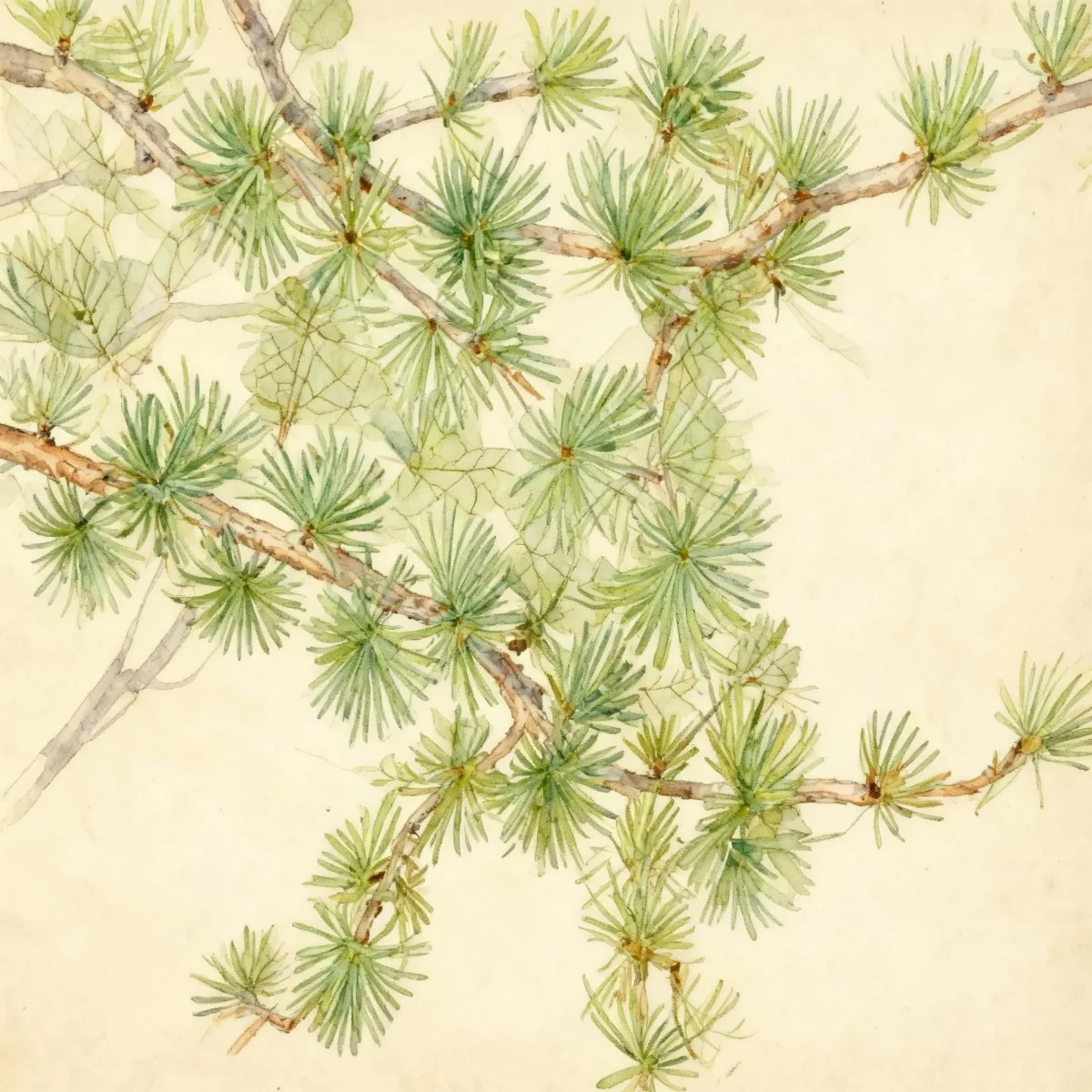
Larix kaempferi, commonly called Japanese larch, is a deciduous conifer that is native to Japan. Bright green needles turn yellow in fall before falling to the ground in winter. In the wild, this larch species grows to 70-90’ (less frequently to as much as 150’) tall with a broad conical crown and horizontal branches. Green needles (to 1 1/2” long), each with two stomatal bands underneath, appear in brush-like clusters at the ends of spur-like shoots along the branches. Cones (to 1 1/2” long) with reflexed scales mature to brown. Bark is gray with rusty-brown inner bark. Needles turn gold in fall. Forestry tree in Japan and Europe.Genus name is the classical name for larch trees.Specific epithet honors Engelbert Kaempfer (1651-1716), German botanist and plant collector who visited Japan in the late 1600s.‘Diana’ is a contorted cultivar that typically grows to 6-8’ tall over the first 10 years, eventually maturing over time to 20-25’ tall. Branches and stems are contorted and twisted. Twisted blue-green needles are soft to the touch. It was discovered by G. D. Boehlje near Westerstede, Germany in 1974.
Tolerances
No specific tolerances were listed beyond cultural preferences.
Potential Problems
Potential insect pests common to Larix kaempferi include the larch case-bearer, larch sawfly, larch looper, tussock moth, Japanese beetle, and woolly aphids. Vigilant inspection, especially in spring, can help catch infestations early. Diseases such as needle cast, needle rust, and canker can also pose issues, often exacerbated by poor air circulation or overly wet foliage.
Management often involves horticultural oil sprays in the dormant season for scale-like insects or biological controls for caterpillars. Ensuring proper culture—particularly excellent drainage to mitigate fungal risks—is the best preventative measure against common diseases affecting the Japanese larch.
Frequently Asked Questions
What hardiness zones is Japanese larch suitable for?
Larix kaempferi ‘Diana’ is reliably hardy in USDA Zones 4 through 7, reflecting its preference for cooler climates.
How large does Larix kaempferi ‘Diana’ grow?
This cultivar typically matures to a height between 20 and 25 feet, with a spread ranging from 10 to 13 feet, maintaining a somewhat irregular and contorted habit.
What sun exposure does Japanese larch need?
For optimal growth and to display the best form of Larix kaempferi ‘Diana’, full sun exposure is required. It tolerates light shade but performs best in consistent, direct light.
When does Larix kaempferi ‘Diana’ bloom?
This plant is noted as non-flowering; its primary seasonal interest comes from its brilliant yellow needle color change in autumn.
Conclusion
Larix kaempferi ‘Diana’ offers exceptional value to the dedicated gardener seeking year-round structure and dramatic fall interest from a unique specimen. With its signature twisted branches and manageable size, this Japanese larch is a perfect addition to specialized collections. Before planting, confirm your location falls within USDA Zones 4–7 and prepare the site with rich, acidic, well-drained soil to ensure this beauty thrives.
Companion Planting
When planning the surroundings for Larix kaempferi ‘Diana’, focus on textures and colors that contrast nicely with its soft, twisted needles. Because it demands full sun and acidic, moist soil, pair it with other acid-loving woodland plants that share these cultural requirements. Consider planting Rhododendrons or Azaleas nearby; their broad, deep green evergreen leaves provide a stunning backdrop when the larch sheds its needles in the fall.
For low-growing groundcovers, plants like Japanese Forest Grass (Hakonechloa macra) work well, as they offer movement and tolerate similar moist conditions without competing aggressively at the root zone. Avoid aggressive spreaders or plants that prefer alkaline soil, as these will compromise the long-term health of your Japanese larch.
Design Ideas
The sculptural nature of Larix kaempferi ‘Diana’, especially as it ages, lends itself perfectly to modern or Japanese-inspired garden styles. Place it where it can be viewed during winter months, perhaps near a window or along a main walkway, to appreciate its bare, contorted silhouette. Its modest mature spread means it can function effectively as an anchor plant in high-visibility areas rather than being relegated strictly to the back borders.
Consider incorporating coarse aggregates or low, dark mulch around the base to further enhance the visual impact of the plant’s form and color. Because its mature height is controlled (20-25 ft), it is an excellent choice for mixing into woodland borders that transition to more open, sunny settings.