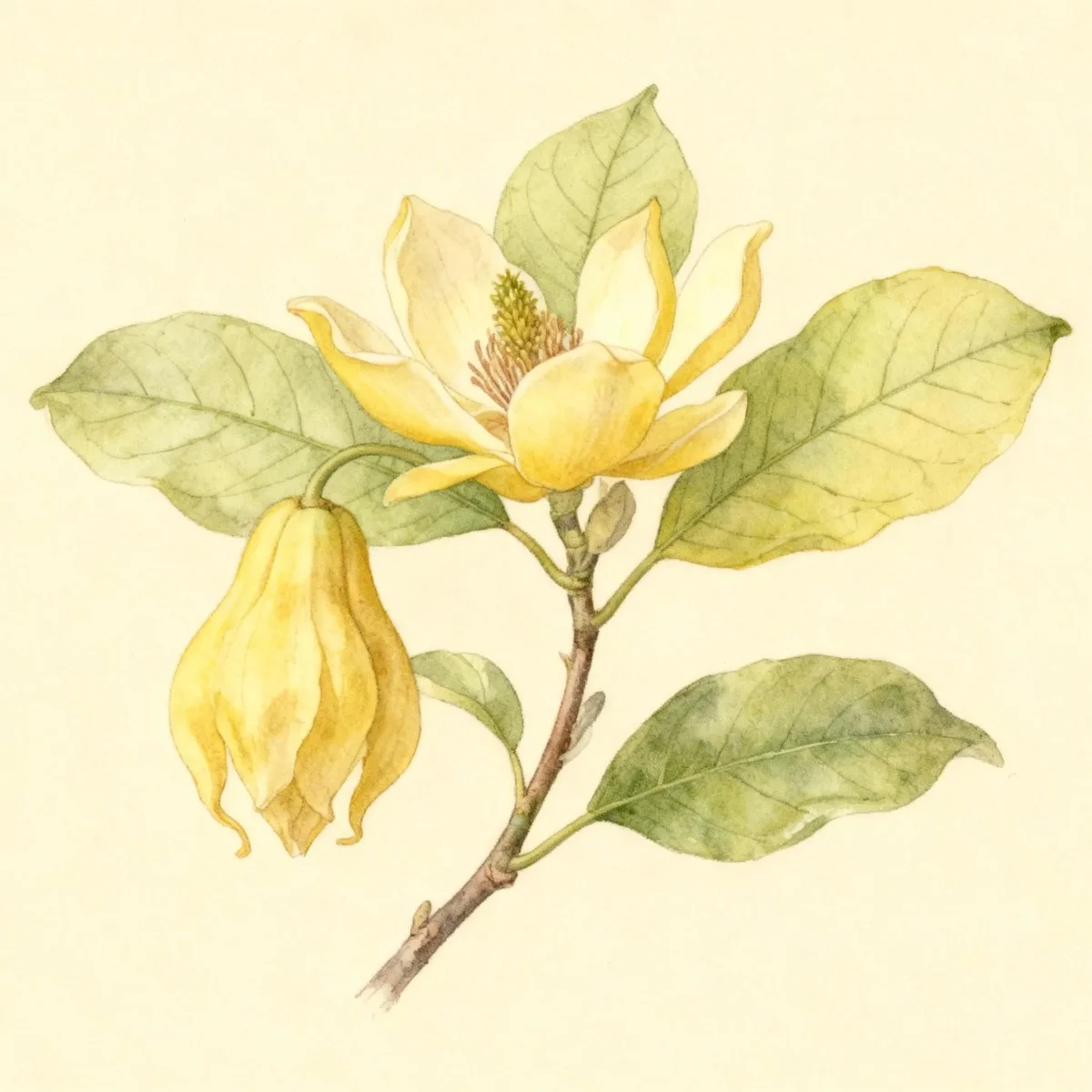
Magnolia (Magnolia 'Charles Coates')
Magnolia 'Charles Coates' is a low-maintenance deciduous tree noted for its fragrant, showy white flowers blooming late spring.
Scroll down to discover growing tips, care requirements, companion plants, and more
Complete Plant Information
Overview
Magnolia ‘Charles Coates’ is a captivating deciduous tree prized for its late-season bloom display, offering a welcome burst of color and fragrance when many spring bloomers have finished. As a hybrid, this specific Magnolia cultivar offers reliable growth and manageable size, making it an excellent focal point in the garden. It matures into a substantial specimen, rewarding patient gardeners with showy, fragrant flowers emerging in late spring.
This variety thrives in full sun areas but tolerates partial shade, making landscape placement flexible. Gardeners appreciate the low maintenance level associated with Magnolia ‘Charles Coates’, provided its specific root zone requirements are met. Its aesthetic value comes from the beautiful white blooms and the attractive whorled foliage that follows the flowering period.
Planting Magnolia ‘Charles Coates’ should be done with consideration for its future size and its easily damaged fibrous root structure. Careful site selection ensures this stunning Magnolia matures gracefully as a specimen or small shade tree for years to come.
Fast Facts
- Plant Family: Magnoliaceae
- Plant Type: Tree
- Hardiness Zones: USDA Zones 5-8
- Size at Maturity:
- Height: 15-25 ft
- Spread: 15-20 ft
- Bloom Time: May to June
- Bloom Description: White
- Sun Exposure: Full sun to part shade
- Water Needs: Medium
- Maintenance Level: Low
How to Grow
The best time to plant your Magnolia ‘Charles Coates’ is in the spring or fall when temperatures are mild, allowing the roots time to establish before extreme heat or cold set in. Always select a location that offers organically rich, well-drained soil that is neutral to slightly acidic. Because the fleshy root system of this Magnolia is easily damaged, move the plant as a single undisturbed ball and place it in its permanent location carefully.
Maintain a medium moisture level around the root zone, especially during establishment. Applying a generous root-zone mulch will prove highly beneficial, retaining soil moisture during dry spells. This Magnolia appreciates protection from harsh, strong winds. Avoid warm southern exposures that might trick the buds into opening too early, exposing them to late spring frosts.
Maintenance for this cultivar is generally low. Pruning should occur only as needed immediately after flowering concludes for the season. Focus this pruning effort on removing branches that are dead or damaged, as extensive shaping is usually unnecessary for healthy specimens of Magnolia ‘Charles Coates’.
Landscape Uses
Magnolia ‘Charles Coates’ excels as a highly recommended specimen or accent plant where its distinctive flowers can be fully appreciated. Its eventual size, reaching up to 25 feet tall and 20 feet wide, also makes it suitable as a small shade tree in sunny areas of the landscape. Consider planting it near patios or walkways to best enjoy the fragrance of the May to June blooms.
As an accent piece, this Magnolia stands well on its own, allowing its form and distinctive late bloom time to shine. When selecting companions, focus on plants that share similar cultural needs regarding soil pH and moisture, such as Azaleas or Rhododendrons, provided they do not aggressively compete with the Magnolia’s surface roots. Its presence anchors a planting bed, providing structure throughout the growing season.
Standout Features
Flower Qualities
- Showy
- Fragrant
Noteworthy Characteristics
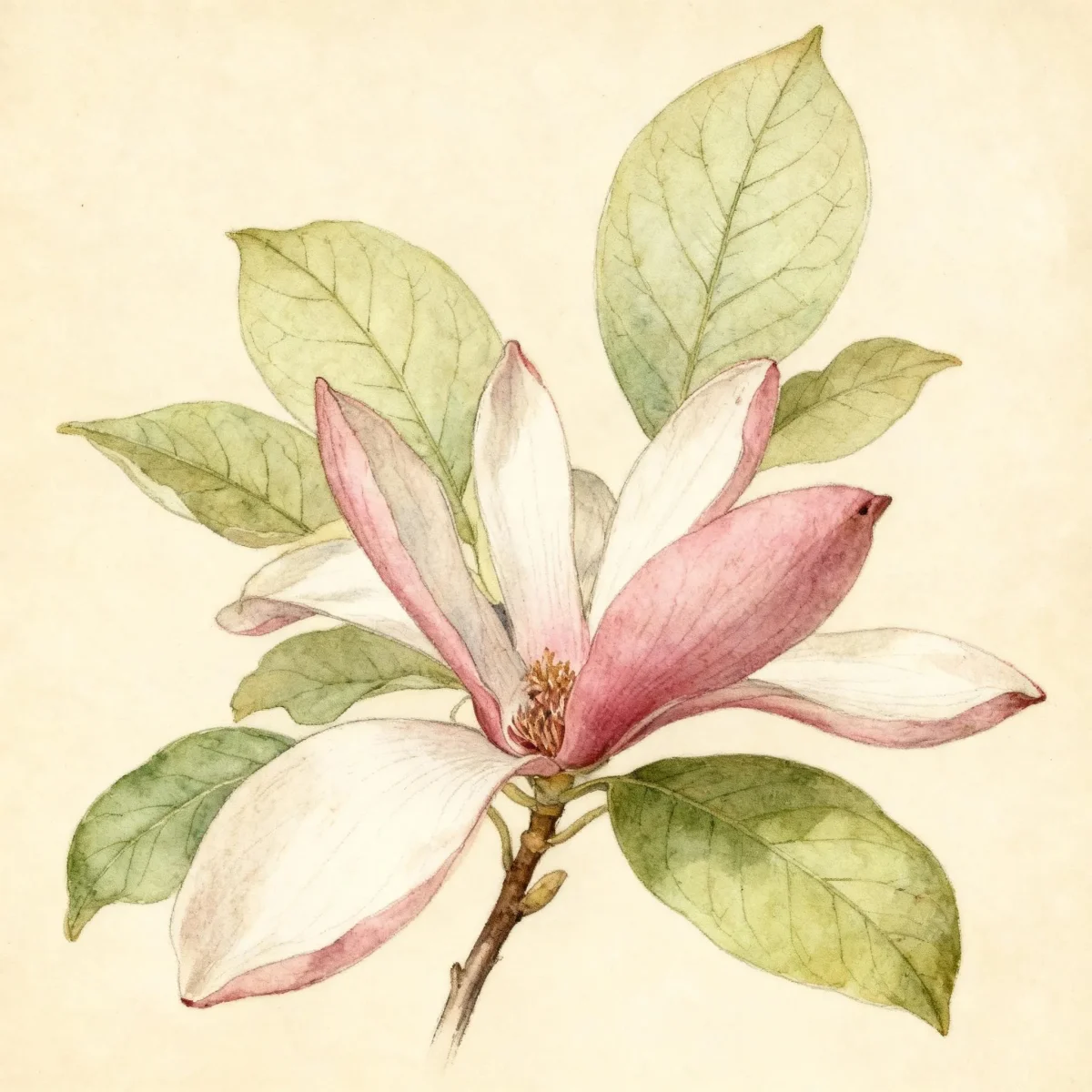
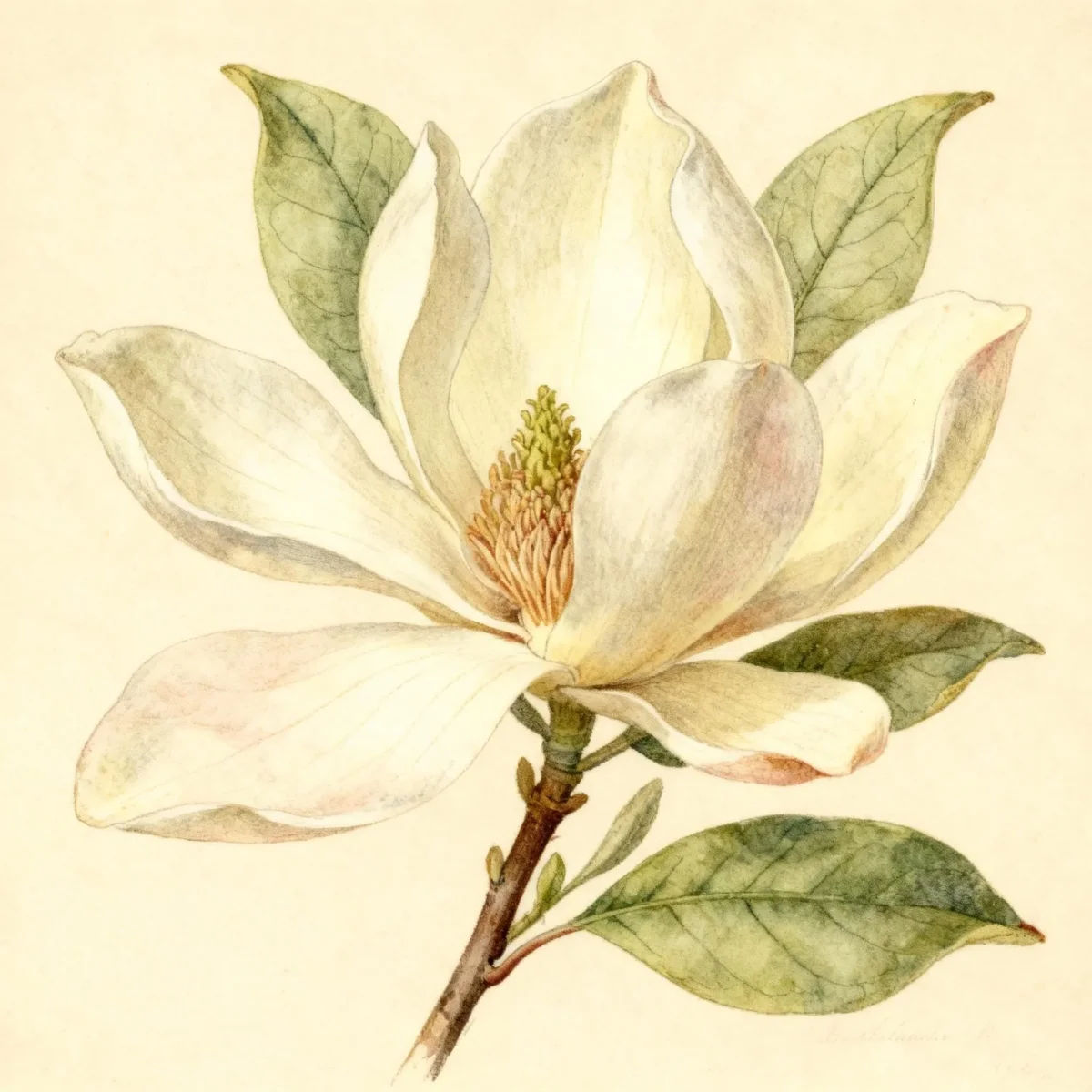
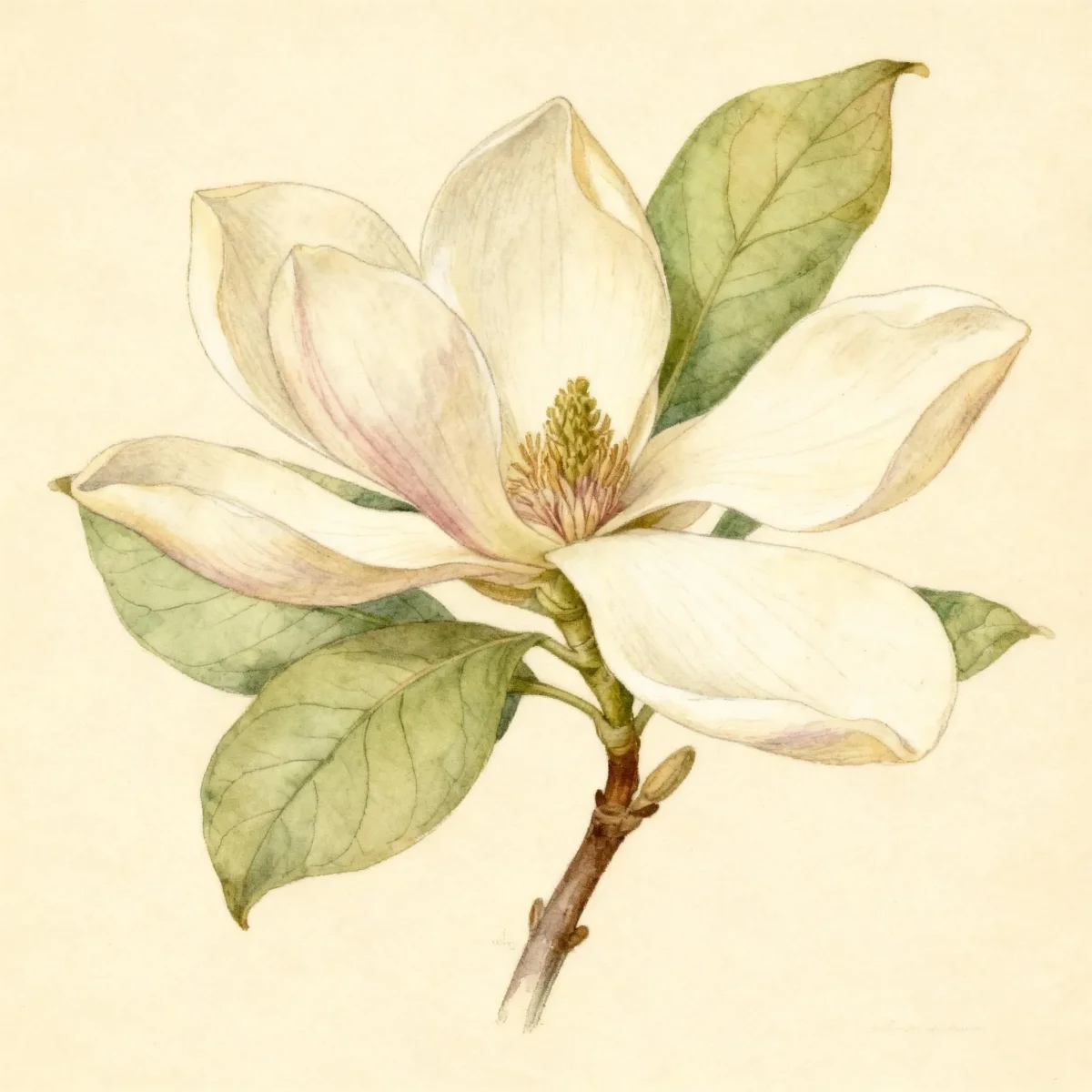
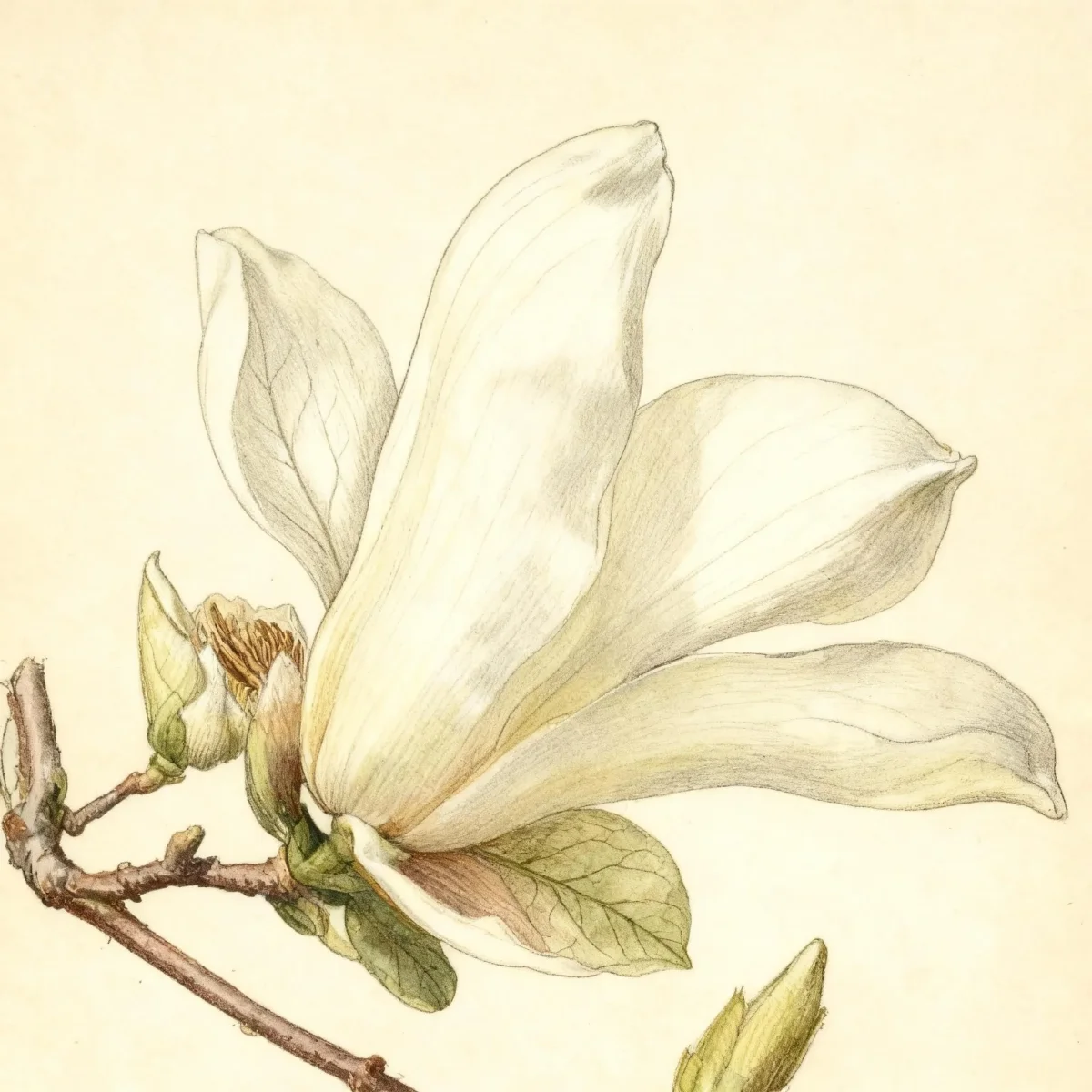
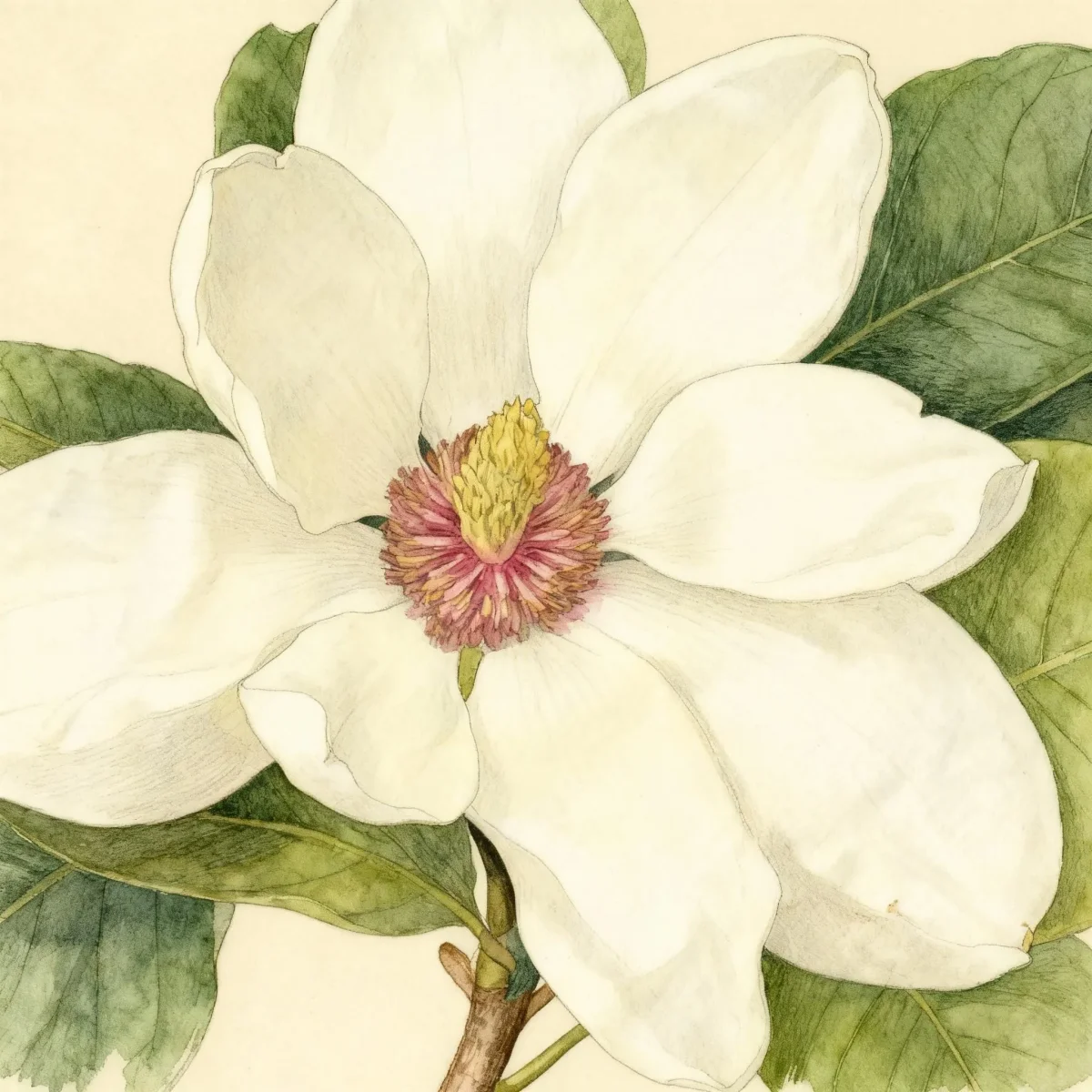
Most members of the genus Magnolia produce large, simple leaves and showy flowers that may be fragrant, blooming either early or late in the season. ‘Charles Coates’ stands out due to its inheritance from M. Sieboldii and M. Tripetala, resulting in fragrant flowers up to 5 inches across during May and June. These flowers possess 9-12 white tepals surrounding a striking center of purplish-red stamens.
Tolerances
Potential Problems
While generally considered low maintenance, Magnolia ‘Charles Coates’ is susceptible to several common issues, primarily fungal diseases like leaf spots, anthracnose, canker, dieback, and powdery mildew. These often manifest when air circulation is poor or moisture remains on the foliage for too long. Good site selection minimizing humidity stress can help prevent outbreaks.
Insect pests such as weevils, snails, scale, and thrips occasionally bother this tree, requiring monitoring, particularly during the growing season. The most significant immediate threat to the display is late spring frost, which can severely damage or destroy the developing flowers, leading to a season without blooms. Plan your planting location carefully to mitigate this specific risk.
Frequently Asked Questions
What hardiness zones is the Magnolia ‘Charles Coates’ suitable for?
This Magnolia cultivar is reliably hardy in USDA Zones 5 through 8, allowing for widespread success across many temperate climates.
How large does Magnolia ‘Charles Coates’ generally grow?
Typically, this deciduous tree matures to a height between 15 and 25 feet, with a spread ranging from 15 to 20 feet, resulting in a rounded habit.
When does this Magnolia bloom?
Magnolia ‘Charles Coates’ flowers appear later than many other magnolias, specifically blooming from May into June with eye-catching white flowers.
What sun exposure does it require?
This plant performs best when provided with a location receiving full sun to part shade; ensure it gets ample light to maximize flowering potential.
Conclusion
Magnolia ‘Charles Coates’ is an exceptional choice for gardeners seeking dramatic, fragrant, late-season blooms combined with generally low maintenance needs. The distinctive white flowers and attractive foliage secure its place as a superb specimen tree. Before planting, ensure your site offers rich, well-drained soil and check for zone compatibility within hardiness range 5 to 8.
Companion Planting
When selecting partners for your Magnolia ‘Charles Coates’, remember that magnolias have sensitive, fleshy roots that do not tolerate deep cultivation or aggressive root competition. Good companions are often shade-tolerant acid-loving shrubs planted slightly further out from the trunk line. Consider planting understory plants like Hosta cultivars, which thrive in dappled light that might filter through the canopy of the maturing tree.
Another excellent pairing involves acid-loving evergreens that provide structure in winter when the Magnolia is bare. Rhododendrons and evergreen Azaleas work well, provided they are positioned so their shallow roots do not directly compete for nutrients directly beneath the Magnolia’s drip line. Focus on ground covers beneath the mulch layer to enhance aesthetic appeal without disturbing the sensitive root system.
Seasonal Care Calendar
Spring is the critical transition period when you monitor for frost threats just before the May to June bloom period. Avoid any spring cleanup activities near the base of the tree that involve heavy tilling to protect the roots. Immediately after flowering ends, address any necessary pruning by removing spent wood or stray branches.
During the height of summer, focus strictly on maintaining medium soil moisture, employing the root-zone mulch to minimize evaporation. If rainfall is insufficient, deep watering is preferable to light sprinkling to encourage deeper root growth. Check foliage regularly for early signs of leaf spot or powdery mildew, treating promptly if necessary.
Fall preparation involves ensuring the root zone is well-mulched before the ground freezes hard; this insulation is vital for Magnolia species. Minimal intervention is usually required in the winter, aside from inspecting for any winter dieback or branches broken by heavy snow or ice loading.