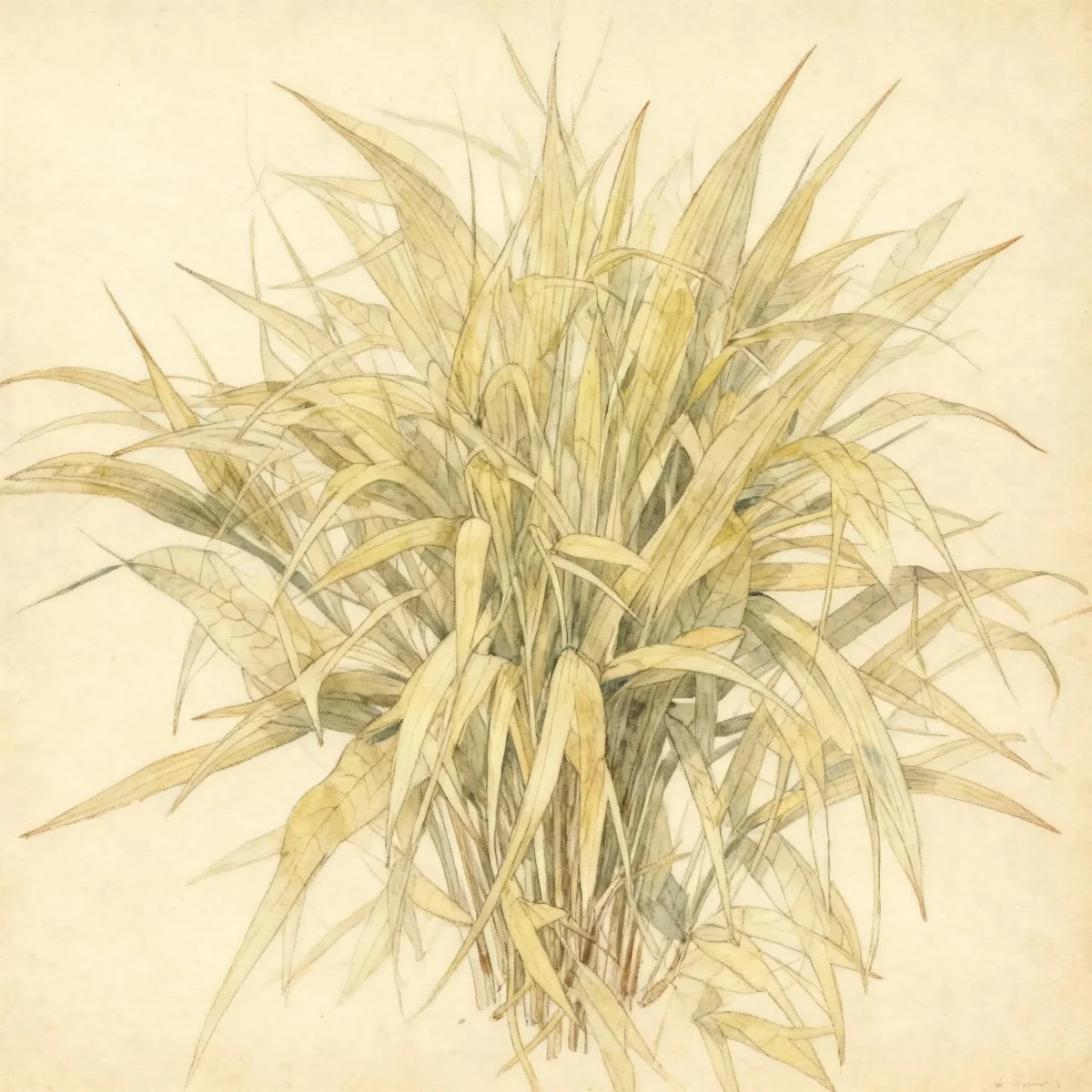
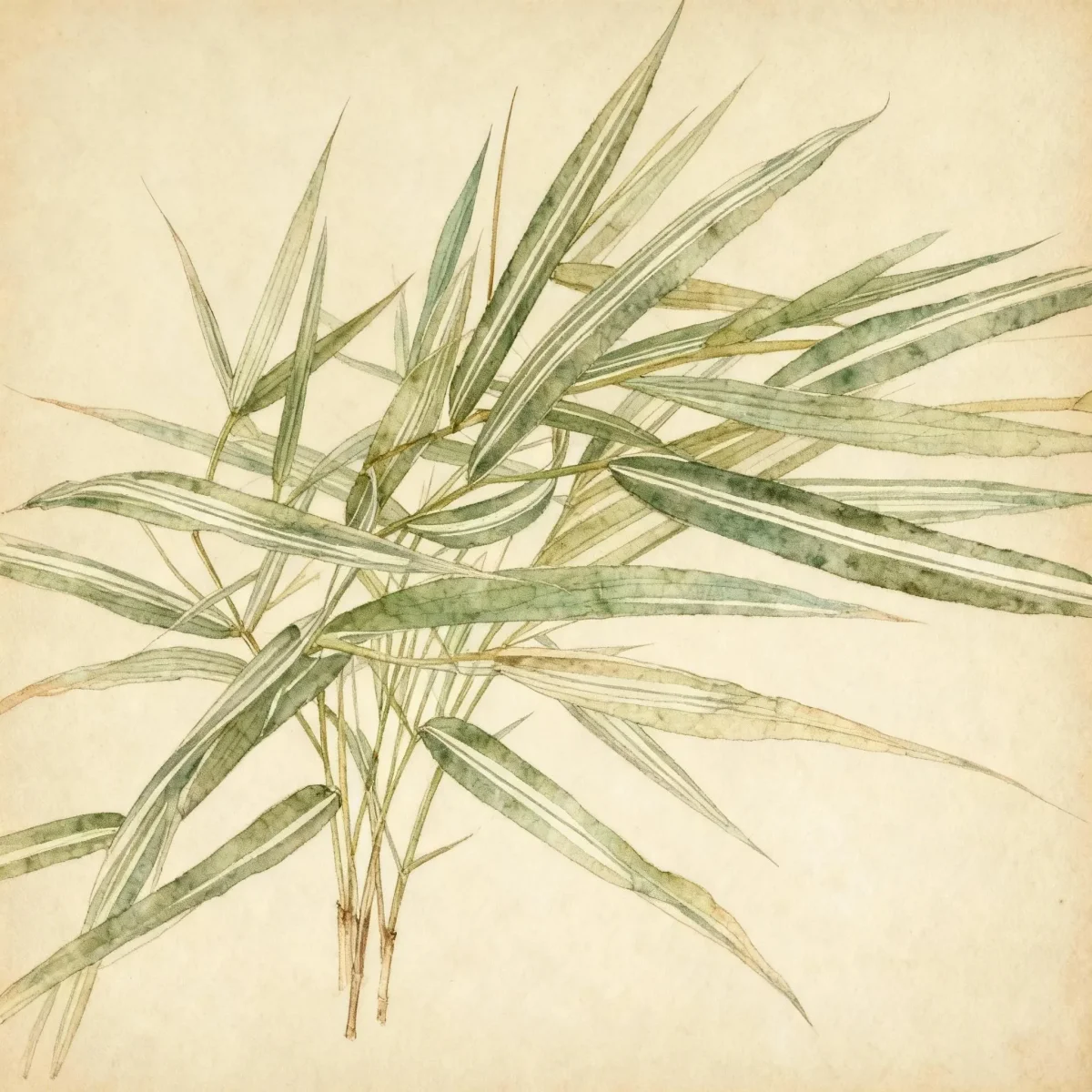
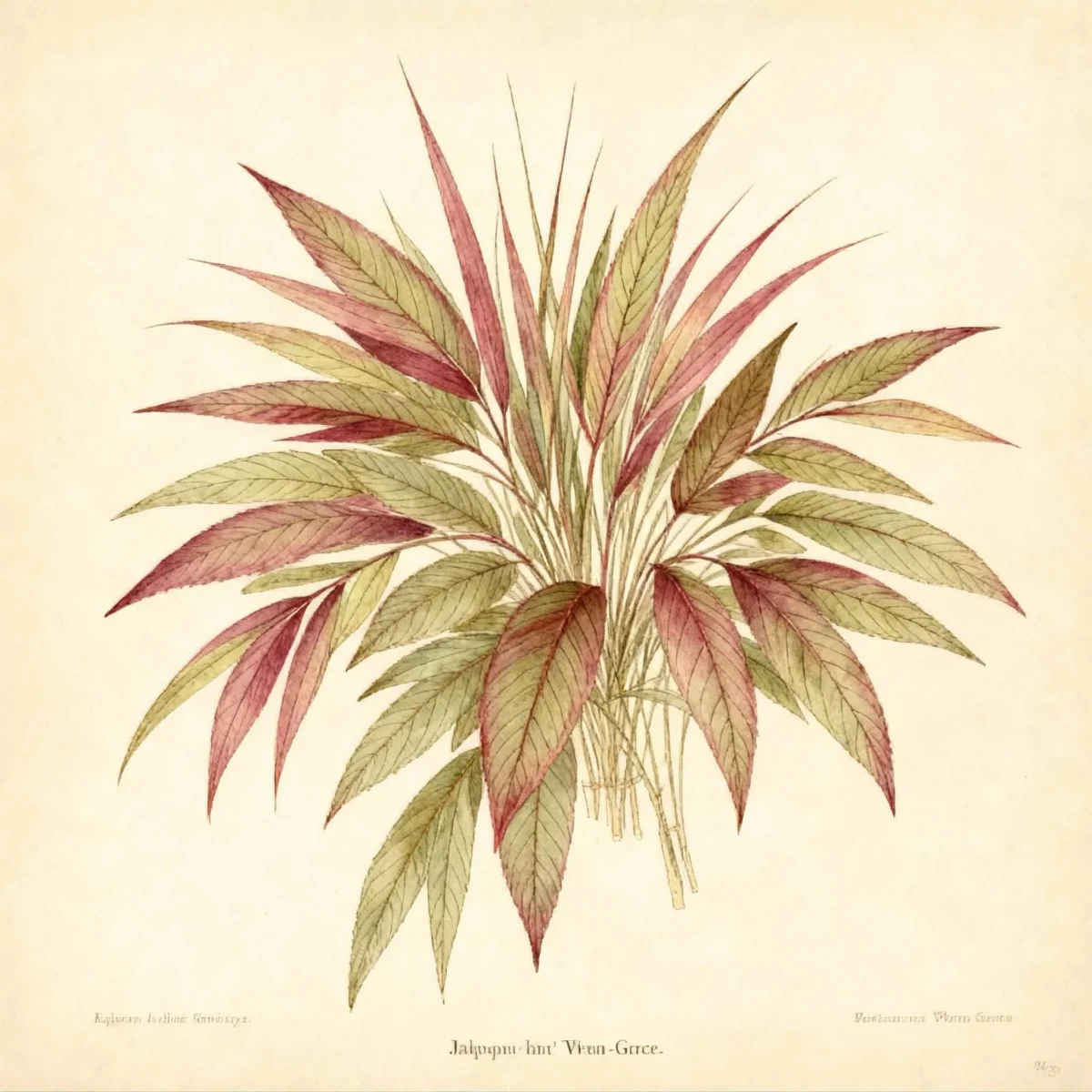
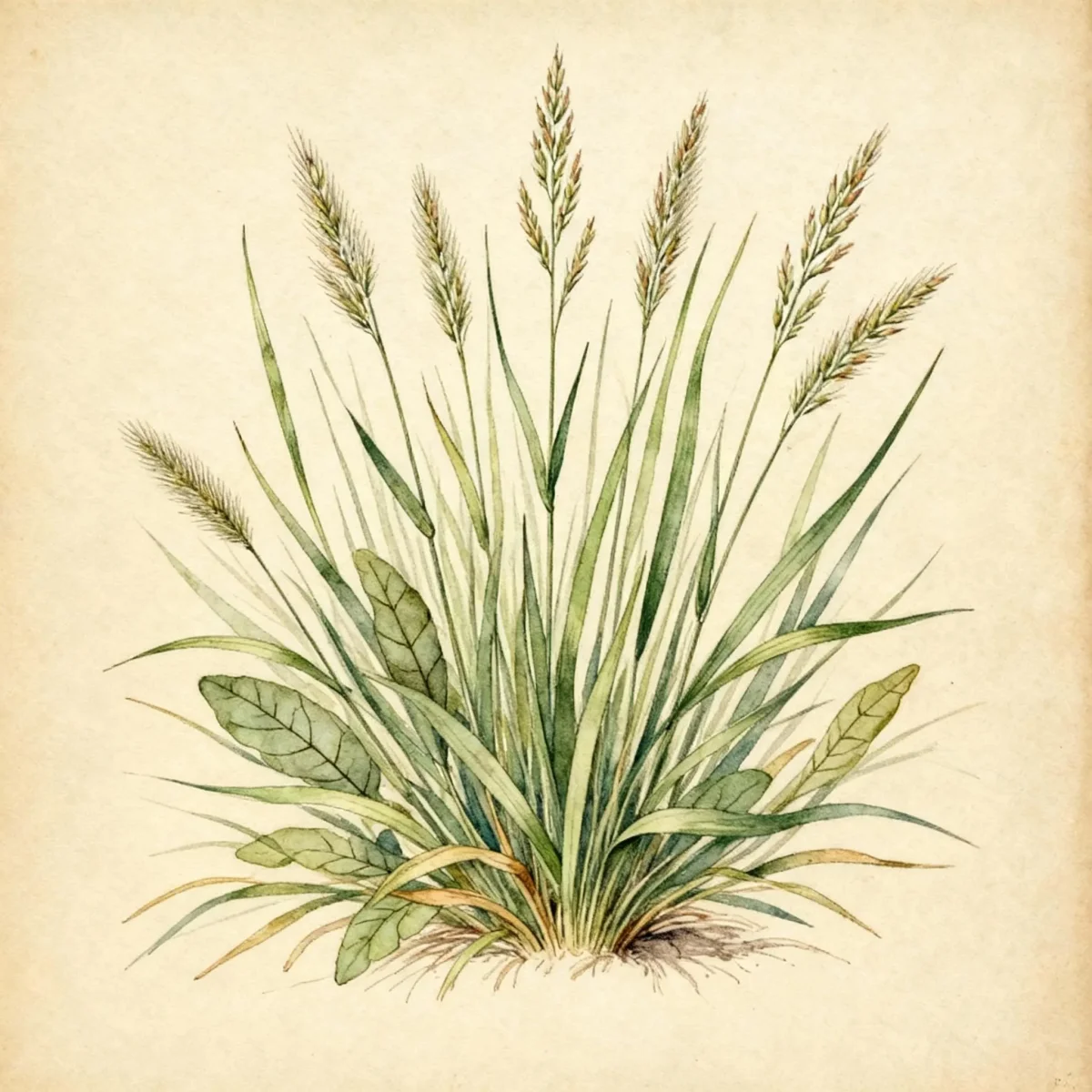
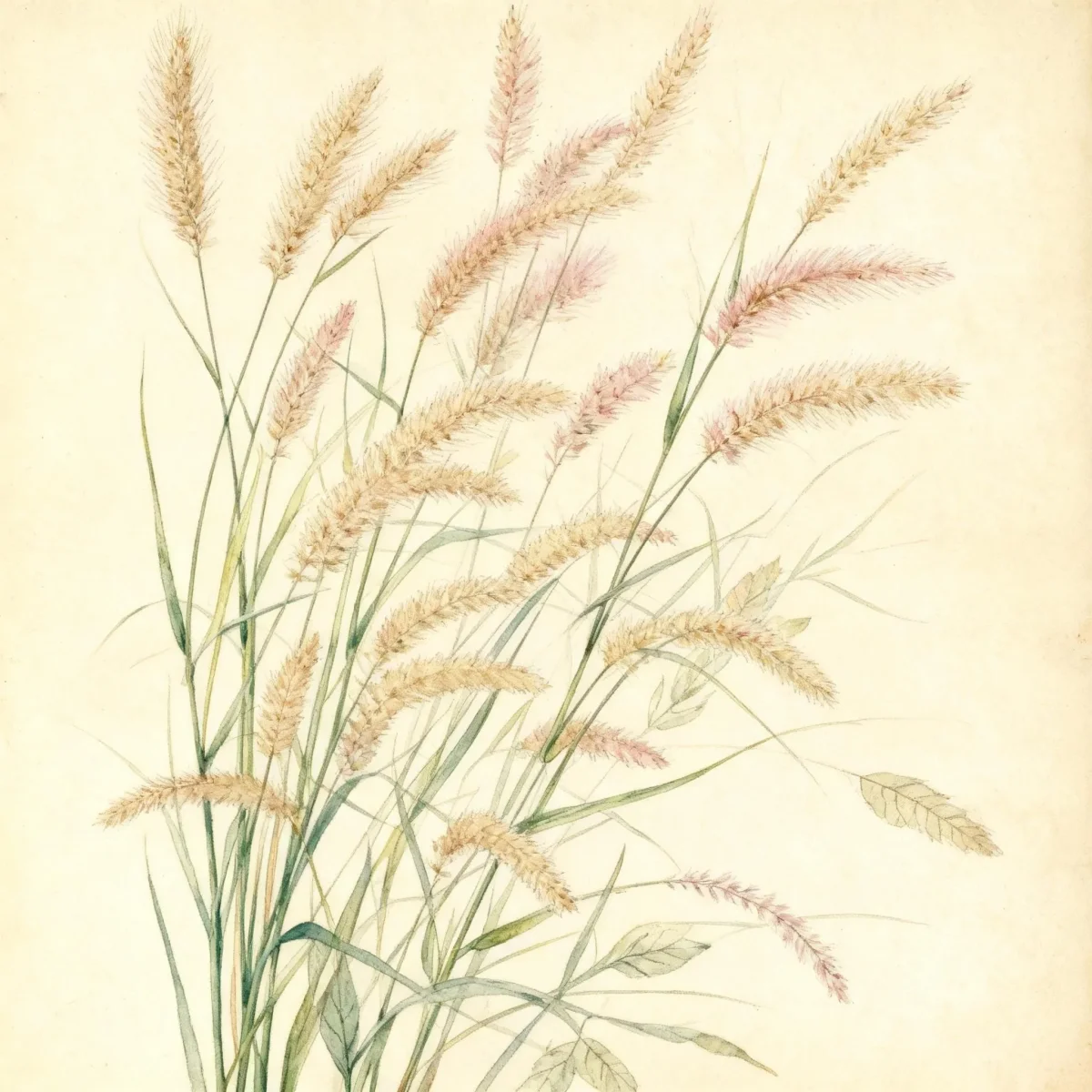
Japanese forest grass (Hakonechloa macra 'Nicolas')
Hakonechloa macra 'Nicolas' offers stunning cascading form and vibrant orange/red fall color. A low-maintenance Japanese forest grass for shady spots.
Scroll down to discover growing tips, care requirements, companion plants, and more
Complete Plant Information
Overview
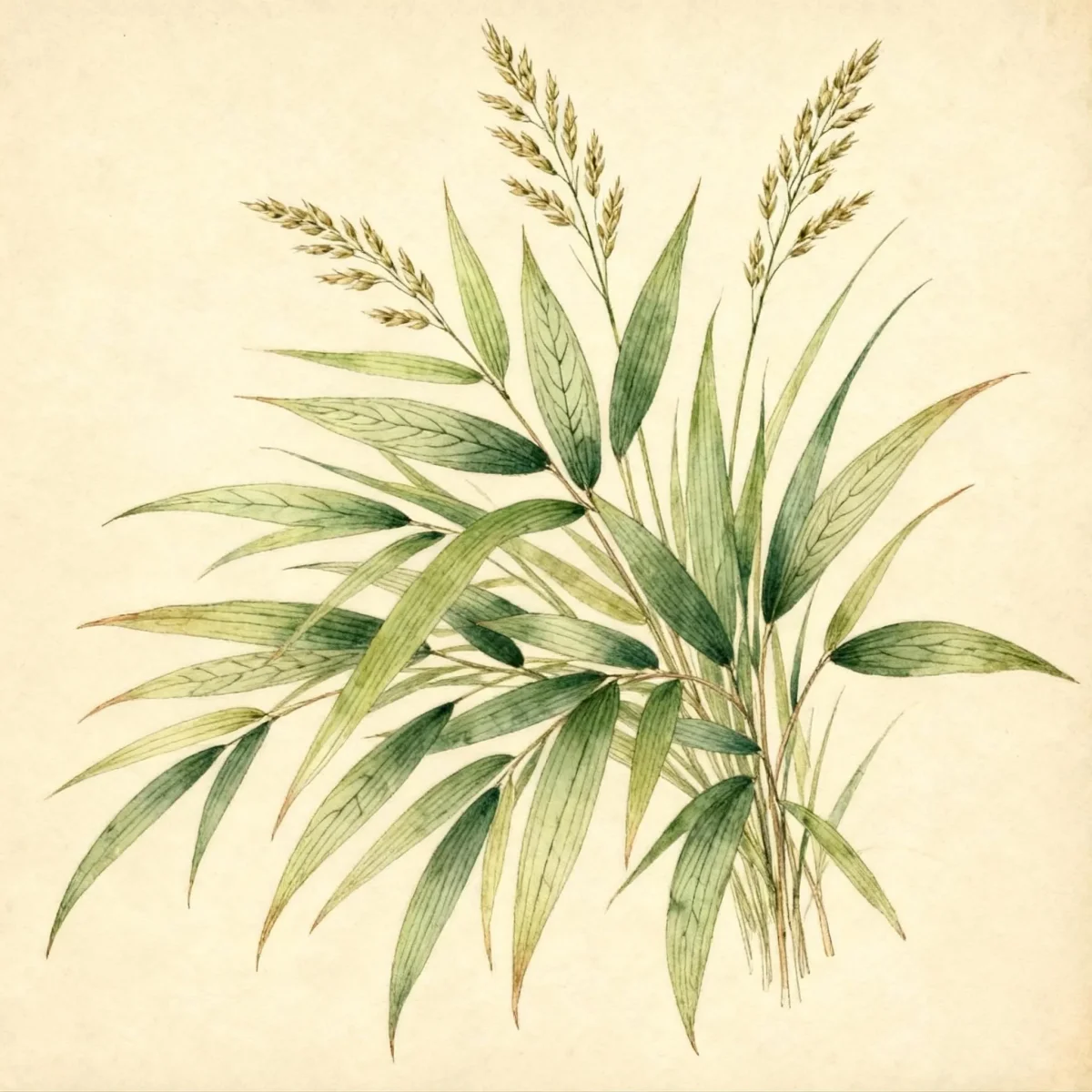
Hakonechloa macra ‘Nicolas’, commonly known as Japanese forest grass, is a highly prized ornamental grass celebrated for its graceful, arching habit that cascades beautifully over ground or rockwork. This cultivar brings rich textures to shaded garden areas where many other grasses struggle to thrive. It is a deciduous perennial native to the moist woodlands of Japan, lending an exotic, woodland feel to temperate gardens.
The appeal of Hakonechloa macra ‘Nicolas’ lies in its seasonal performance, transitioning from solid green foliage in spring and summer to a spectacular surge of orange and red color as temperatures drop. Because it spreads slowly via rhizomes, it forms dense, attractive mounds, making it an ideal textural contrast plant. Gardeners value this species for its low maintenance requirements and its robust nature in challenging shady environments.
This relatively compact cultivar fits beautifully into woodland gardens, shaded borders, and containers, providing year-round interest through structure alone, with the added bonus of brilliant autumn hues. Whether used as a naturalizing groundcover or a specimen accent, Hakonechloa macra ‘Nicolas’ provides sophisticated movement and form.
Fast Facts
- Plant Family: Poaceae
- Plant Type: Ornamental grass
- Hardiness Zones: USDA Zones 5-9
- Size at Maturity:
- Height: 1-1.5 ft
- Spread: 1.5-2 ft
- Bloom Time: July to August
- Bloom Description: Yellow-green
- Sun Exposure: Part shade
- Water Needs: Medium
- Maintenance Level: Low
How to Grow
The ideal planting location for Hakonechloa macra ‘Nicolas’ requires humusy, consistently moist, and well-drained soil. While it performs best in part shade, it can tolerate close to full shade, which may be necessary in hotter climates where the foliage can scorch in intense sun. Growth is optimized in regions that experience cooler summer temperatures.
Watering should remain consistent to keep the soil moist, especially during hot, dry spells, as lack of moisture can lead to leaf scorching. This Japanese forest grass is generally low maintenance; fertilization is rarely required if the soil is rich. Mulch applied in winter helps protect the shallow rhizomes from winter root heaving.
Annual cleanup is straightforward. Trim all faded foliage down to the ground in late winter or early spring, just before new shoots begin to emerge. This clean sweep ensures the brightest display of new growth for the coming season. Propagation is typically done via division of existing clumps.
Landscape Uses
Hakonechloa macra ‘Nicolas’ excels as a spreading ornamental grass in shady settings, fulfilling roles ranging from a dynamic groundcover to a soft accent plant in woodland designs. Its cascading habit makes it perfect for softening the edges of paths, spilling over retaining walls, or draping gracefully over large rocks in a rock garden setting.
Use this grass along shaded borders to provide essential fine texture that contrasts beautifully with broad-leaved hostas or ferns. Its relatively contained size allows it to function well in containers, offering vertical movement near shaded entryways. Locating the Japanese forest grass where its outstanding fall color can be fully appreciated is a key design consideration.
This plant integrates seamlessly into naturalized areas due to its rhizomatous spread, creating layered drifts under mature trees. Its resistance to urban stresses, including air pollution, makes it a reliable choice for small city gardens requiring structured, low-maintenance green elements.
Standout Features
Noteworthy Characteristics
Hakonechloa macra, commonly called Japanese forest grass or Hakone grass, is a rhizomatous, shade-loving, deciduous perennial grass that is native both to moist mountain areas including wet rocky cliffs and to moist woodland areas in central Japan, including areas around Mt. Hakone from which both its genus name and common name are derived. The cultivar ‘Nicholas’ is notable for its attractive solid green leaves in spring and summer, followed by a blast of showy orange and red fall color as temperatures dip. It typically grows to 8-16” tall and will spread over time to 16-22” wide, featuring gracefully arching leaves that form dense, spreading mounds.
Tolerances
- Deer
- Black Walnut
- Air Pollution
Potential Problems
This plant generally experiences few serious insect or disease issues, contributing to its low maintenance rating. The primary management concern involves environmental stress rather than pests. Leaves may scorch during excessively hot summers, especially if consistent soil moisture is not maintained throughout the period. Ensure adequate watering during heatwaves to prevent cosmetic damage to the foliage. Another potential issue is root heaving during harsh winters; applying winter mulch can mitigate this risk.
Frequently Asked Questions
What hardiness zones is Japanese forest grass suitable for?
Hakonechloa macra ‘Nicolas’ is hardy and reliably grows in USDA Zones 5 through 9.
How large does Hakonechloa macra ‘Nicolas’ grow?
This compact cultivar typically reaches a height between 1 and 1.5 feet, spreading to occupy an area between 1.5 and 2 feet wide at maturity.
What sun exposure does Japanese forest grass need?
This grass thrives best when situated in part shade conditions, though it can handle deeper shade, particularly in warmer climates.
When does Hakonechloa macra ‘Nicolas’ bloom?
The plant produces its delicate, yellow-green flowers intermittently from July into August, appearing above the dense foliage.
Conclusion
Hakonechloa macra ‘Nicolas’ remains an essential choice for adding refined texture and movement to shaded garden spaces. Its solid green summer appearance culminating in vibrant orange and red fall tones secures its spot as a dependable, season-long performer. Verify your microclimate falls within USDA Zones 5-9 and plan to plant it in rich, consistently moist ground during the appropriate planting season for best results.
Propagation Tips
Propagation of established clumps of Japanese forest grass is straightforward and best achieved through division. Wait until the plant shows signs of vigorous growth in spring, or when the new shoots begin to emerge, to divide it. Dig up the entire clump carefully, taking care not to damage the rhizomes excessively. Healthy divisions should have several sets of leafy shoots attached to a substantial root mass. Replant these sections immediately into prepared, moist soil at the same depth they were previously growing.
Division is necessary only when the center of the clump begins to thin out or when you wish to expand your planting of this excellent ornamental grass. While species plants can be grown from seed, cultivars like ‘Nicolas’ are usually propagated vegetatively to maintain their specific characteristics, such as that outstanding fall coloration.
Design Ideas
The cascading habit of Hakonechloa macra ‘Nicolas’ makes it an exceptional edging plant along shady woodland paths, where its foliage catches light and highlights the walkway. Consider planting it in drifts underneath large deciduous trees where its arching form mimics flowing water. For a dynamic color contrast, pair this green and orange specimen with acid-loving companions like deep purple or blue Hosta varieties or Astilbes, which share similar part-shade requirements.
In modern landscape design, use Hakonechloa macra ‘Nicolas’ in monochromatic plantings, utilizing its texture to define space without relying on color. Placing it slightly elevated, such as near a retaining wall or at the top edge of a boulder grouping, maximizes the visual impact of its graceful drape. It is robust enough for larger containers, providing a soft, spill-over element for shaded patios.