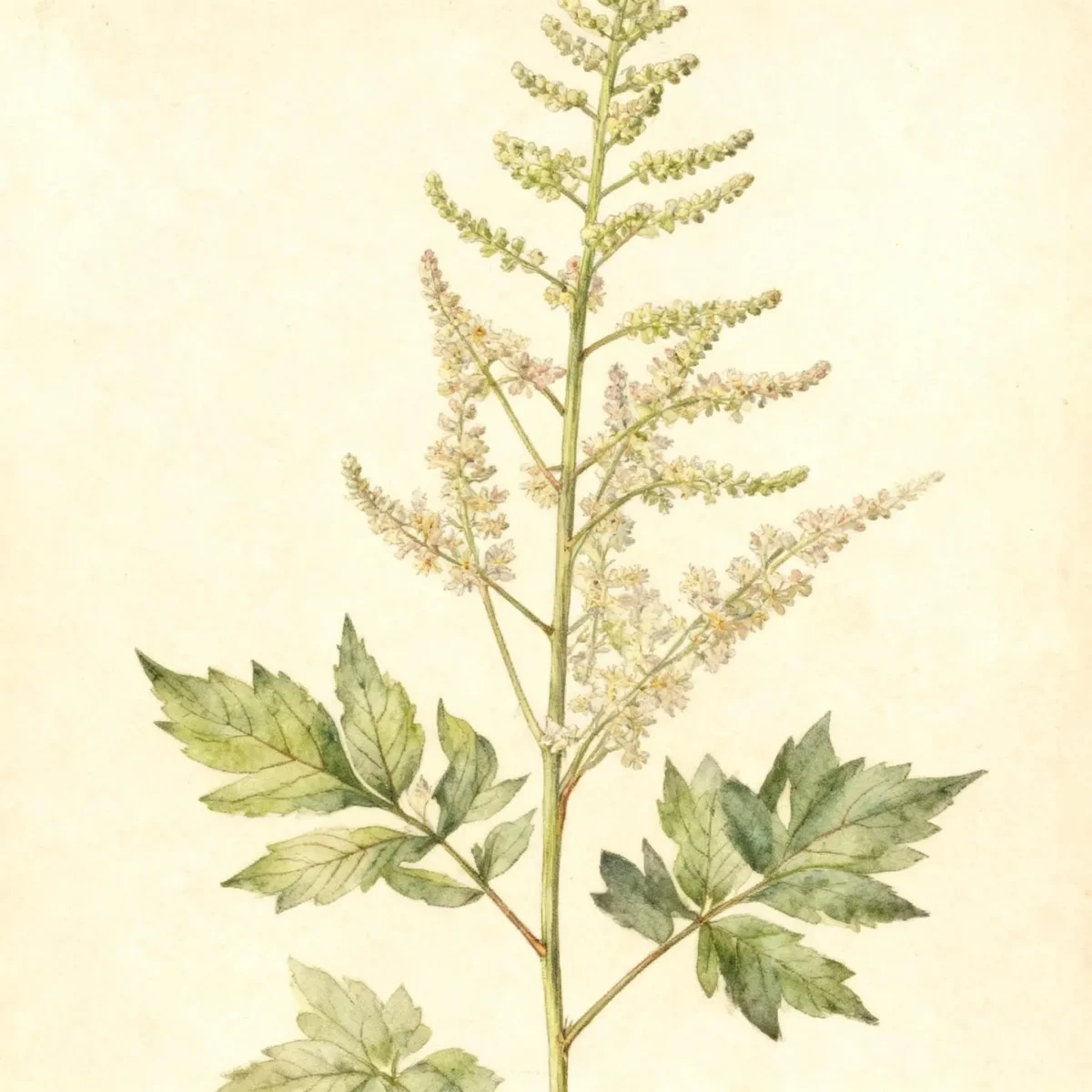
Astilbe (Astilbe 'Flamingo')
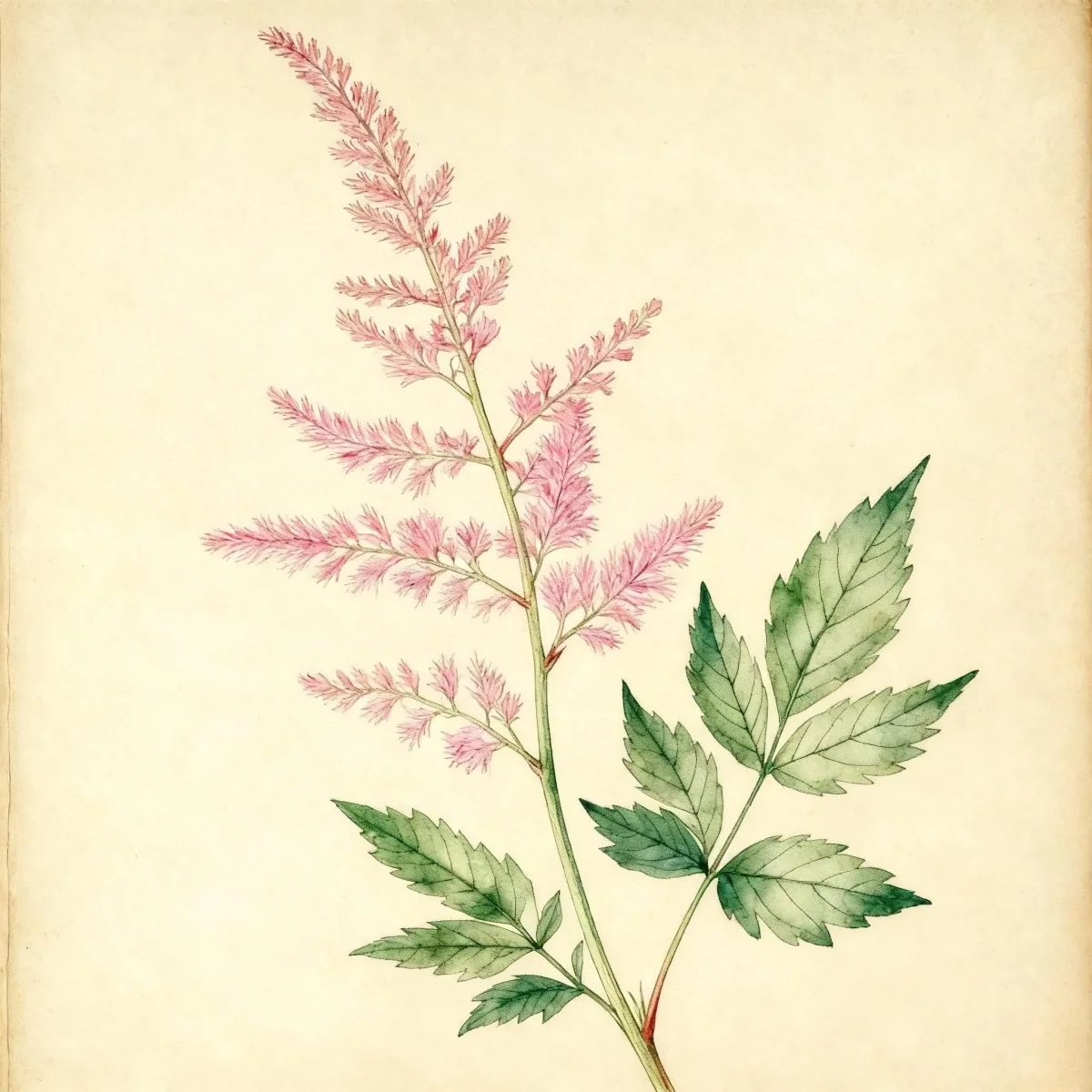
Astilbe 'Flamingo' is a showy, fragrant perennial offering airy pink plumes ideal for dry shade and woodland gardens.
Scroll down to discover growing tips, care requirements, companion plants, and more
Complete Plant Information
Overview
Astilbe ‘Flamingo’ is a highly valued Herbaceous perennial celebrated for bringing vibrant, airy texture to deep shade locations where few other flowering plants thrive. This cultivar is noted for its dense mounds of attractive, dark green foliage, punctuated by plumes of charming pink flowers that reliably bloom from late spring into mid-summer. Gardeners seeking reliable color beneath established trees or on the north side of structures rely on the graceful structure of Astilbe.
As a member of the Saxifragaceae family, Astilbe generally requires consistent moisture to maintain its best appearance, especially during hot spells. However, once established, Astilbe ‘Flamingo’ possesses a low maintenance level, making it an excellent choice for both novice and expert gardeners looking to enrich woodland or cottage garden designs. Its performance in shade makes it an indispensable selection.
The plumes of Astilbe ‘Flamingo’ offer significant aesthetic contributions through their showy display and slight fragrance, proving useful both in the garden landscape and as cut flowers. Furthermore, this plant exhibits remarkable resilience, tolerating heavy root competition and even proving resistant to common deer and rabbit browsing.
Fast Facts
- Plant Family: Saxifragaceae
- Plant Type: Herbaceous perennial
- Hardiness Zones: USDA Zones 4-8
- Size at Maturity:
- Height: 1.5-2.5 ft
- Spread: 1-2 ft
- Bloom Time: May to July
- Bloom Description: Pink
- Sun Exposure: Part shade to full shade
- Water Needs: Medium
- Maintenance Level: Low
How to Grow
Planting Astilbe is best achieved in spring or early fall once the soil is workable. Locate Astilbe ‘Flamingo’ where it receives part shade to full shade exposure; while it tolerates heavy shade, light morning sun can enhance flowering. The crucial requirement for success is soil quality: these plants thrive in average soils, provided they are amended to be humusy, organically rich, and most importantly, well-drained.
Maintaining uniform soil moisture is paramount for Astilbe. Never allow the soil to dry out, especially during the summer months, as drought leads to unattractive, bronzed, or browned foliage. Regular watering supports the best foliage health throughout the growing season. Applying a summer compost mulch will significantly assist in retaining the medium moisture levels this plant demands.
Maintenance is generally minimal. Deadheading faded flower stalks is optional; while it cleans up the appearance if a uniform ground cover look is desired, leaving the dried seed heads standing offers continued winter interest. Divide overgrown clumps every three to four years to maintain vigor and prevent overcrowding.
Landscape Uses
The architectural form and reliable shade tolerance make Astilbe ‘Flamingo’ an outstanding choice for mass plantings in shaded borders and woodland settings. Its upright plumes contrast beautifully with broad-leaved ground covers, creating depth and vertical interest where sunlight is scarce. It functions exceptionally well as an edging plant along shaded pathways or utilized bankside near ponds or streams, capitalizing on its need for moisture.
Consider planting Astilbe in drifts to maximize the impact of the pink plumes. They pair wonderfully with hostas, ferns, and bleeding hearts, which share similar moisture and light requirements. Utilizing Astilbe ‘Flamingo’ near foundations that receive consistent moisture but avoid intense afternoon sun will ensure robust growth and dependable summer color.
Standout Features
Flower Qualities
- Showy
- Fragrant
- Good Cut
Noteworthy Characteristics
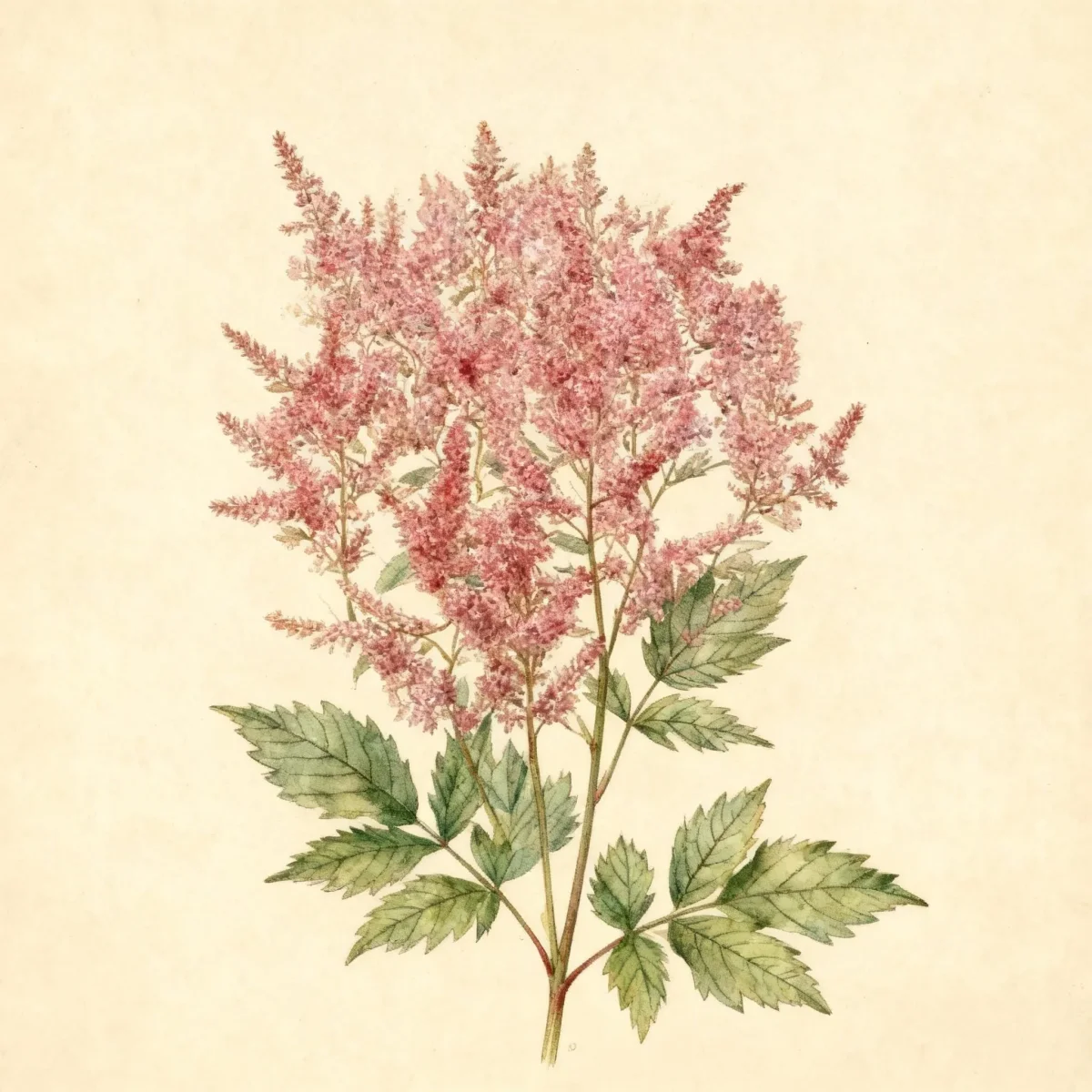
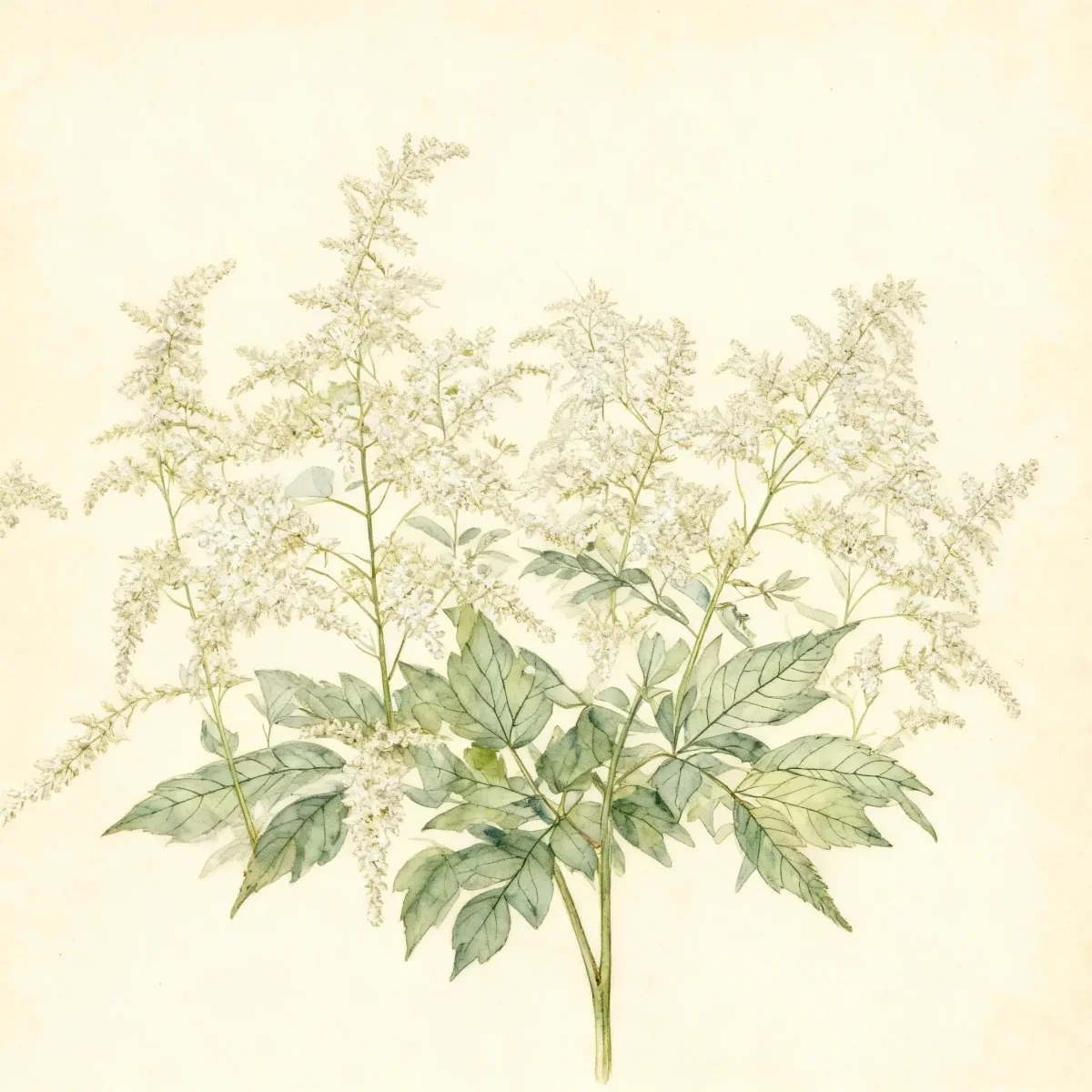
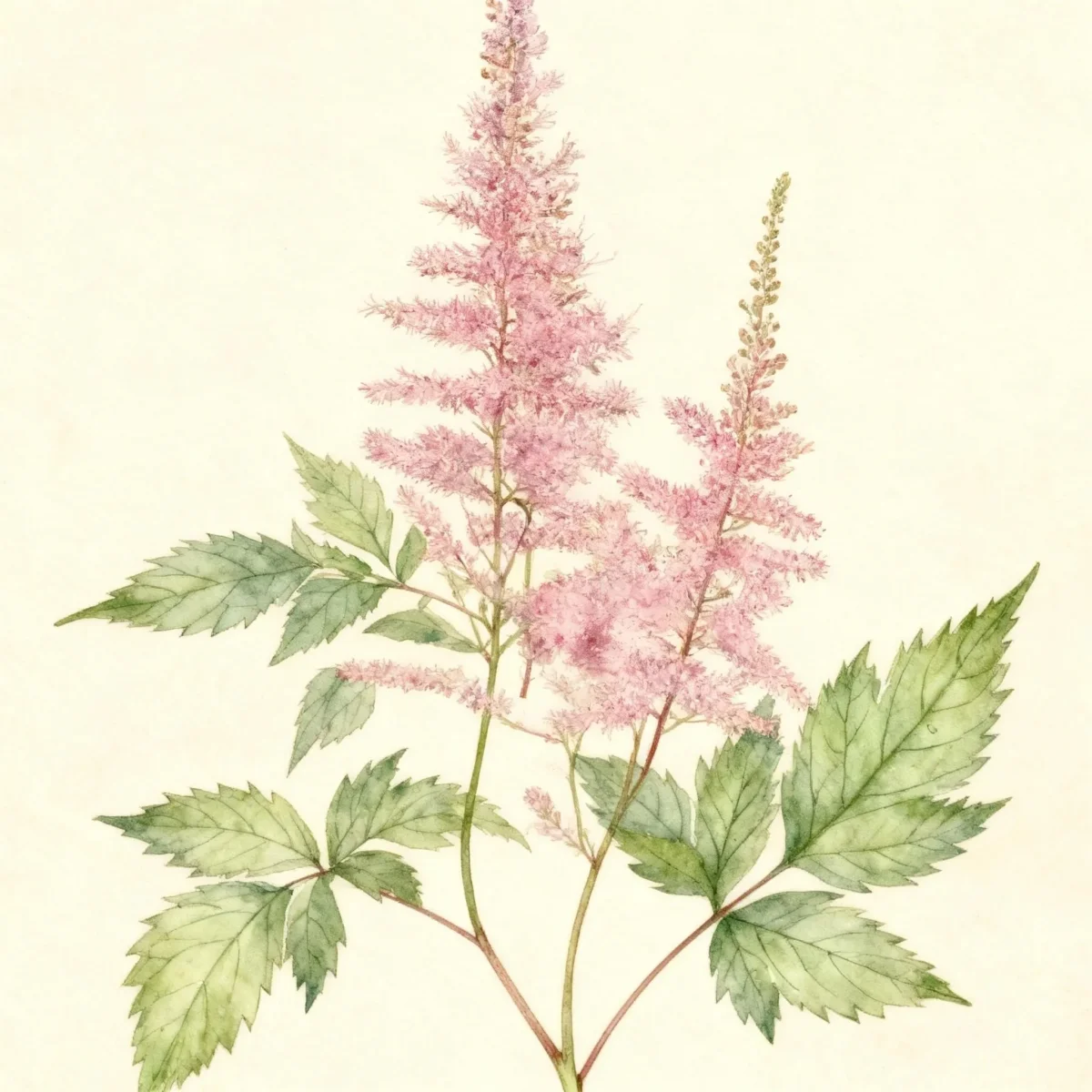
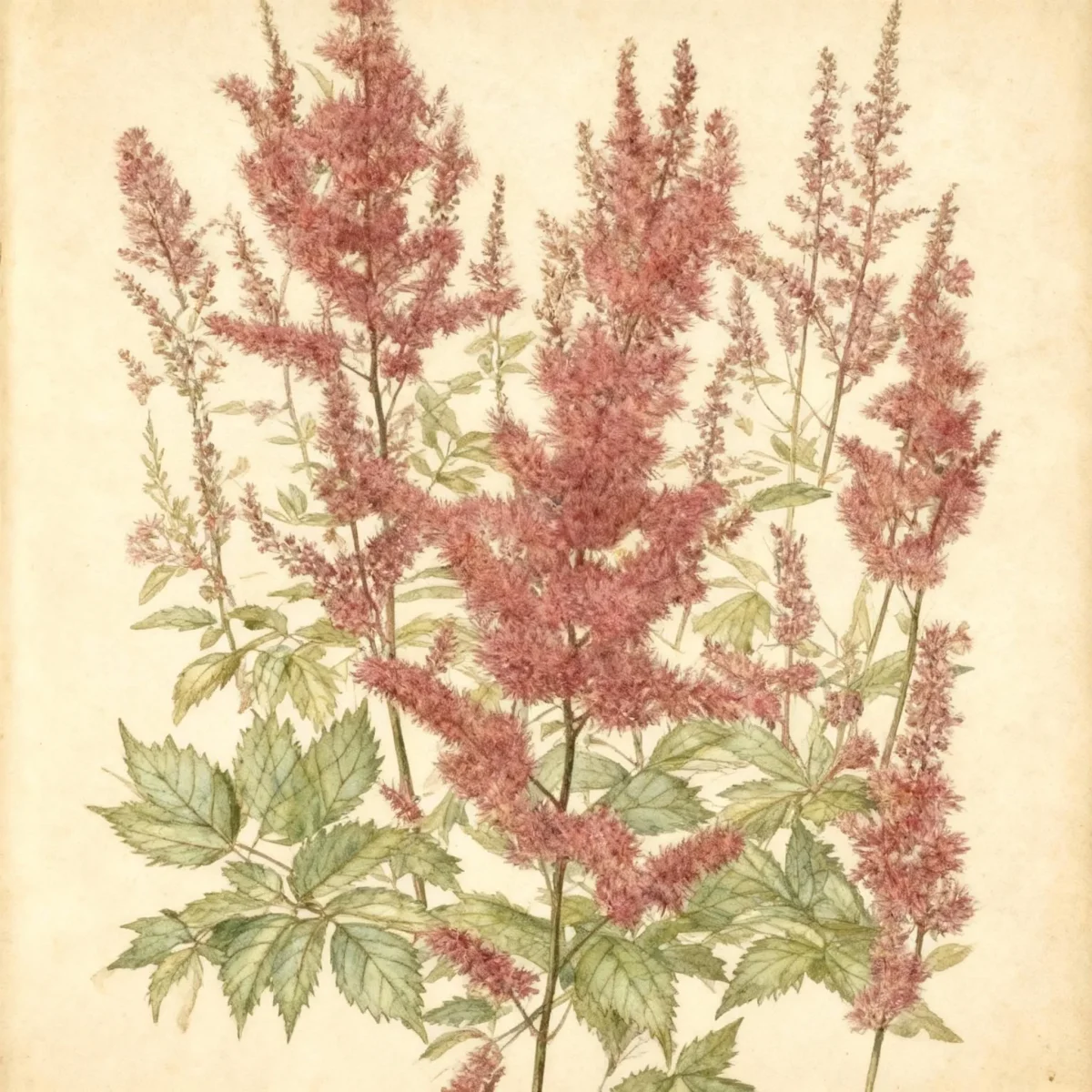
Astilbe is a genus of around 20 species of clump-forming, herbaceous perennials native to eastern Asia and eastern North America. Plants are characterized by graceful, fern-like mounds of mostly basal, 2-3 ternately compound leaves, usually with sharply-toothed leaflets, and tiny flowers densely packed into erect to arching, plume-like flower panicles rising above the foliage on slender, upright stems. ‘Flamingo’ is a pink-flowered cultivar that typically grows to 26” tall and to 20” wide. It features an attractive foliage mound of dark green leaves with sharply-toothed leaflets, from which tiny, slightly fragrant, pink flowers bloom in airy, arching panicles from late spring to mid-summer.
Tolerances
- Rabbit
- Deer
- Heavy Shade
- Black Walnut
Potential Problems
The most common affliction for Astilbe occurs during hot summer periods when soil moisture management is neglected. Foliage decline, characterized by crispy, brown leaf edges, is a direct sign of drought stress or excessively dry soil conditions. Be diligent about watering during high heat to prevent this aesthetic damage.
While generally sturdy, powdery mildew or wilt can occasionally appear, often exacerbated by poor air circulation in deep shade or persistent wetness without drainage. Furthermore, Japanese beetles might sample the foliage, though deer and rabbits generally leave this plant untouched, providing a small benefit in animal-heavy gardens.
Frequently Asked Questions
What hardiness zones is Astilbe suitable for?
Astilbe ‘Flamingo’ is reliably hardy across USDA Zones 4 through 8, offering good adaptability in many temperate climates.
How large does Astilbe ‘Flamingo’ grow?
This cultivar typically reaches a height between 1.5 and 2.5 feet tall, spreading to a width of 1 to 2 feet, forming a neat clump.
When does Astilbe ‘Flamingo’ bloom?
It produces its signature pink plumes spanning the period from May extending through July, providing reliable mid-season color.
What sun exposure does Astilbe need?
Astilbe requires protection from intense afternoon sun and thrives best in locations receiving part shade to full shade.
Conclusion
For adding reliable, fluffy texture and soft pink color to shaded garden areas, Astilbe ‘Flamingo’ is an exceptional, low-maintenance perennial. Its ability to tolerate heavy shade and even Black Walnut roots makes it an invaluable structural component in difficult locations. Before planting, confirm that your site can provide the moist, humus-rich soils necessary for this beautiful Astilbe variety to flourish all season long.
Companion Planting Principles
When designing a shade garden around Astilbe ‘Flamingo’, select companions that share a preference for moist, well-drained, organically rich soil. Classic partners include Hosta varieties, whose large leaves offer a contrasting texture to the finely cut foliage of the Astilbe. Ferns, such as Japanese Painted Fern or Ostrich Fern, create an ideal woodland tapestry, as they thrive under the same filtered light provided by mature trees.
Consider extending the bloom season by pairing early spring bulbs—like snowdrops or trillium—with the later summer display of Astilbe. By placing plants with different heights, you ensure continuous visual interest across the shady bed. Remember, consistency in moisture is more critical than absolute shade levels for companions sharing space with Astilbe.
Seasonal Care Calendar
For optimal performance, focus care around moisture management. In Early Spring, lightly top-dress around established clumps with compost to replenish organic matter, and begin consistent watering as the weather warms. Summer heat demands vigilance; monitor closely during dry spells to ensure the soil never dries out, as this is the primary cause of browning foliage.
In Fall, decide whether to cut back the spent flower stalks. Leaving them standing provides excellent contrast through winter snows, but cut them down near the crown before spring growth begins. Winter protection is generally minimal in its recommended zones, requiring adequate mulch only in the colder edges of Zone 4 to ensure the slow-to-emerge rhizomatous roots are protected until spring renewal.