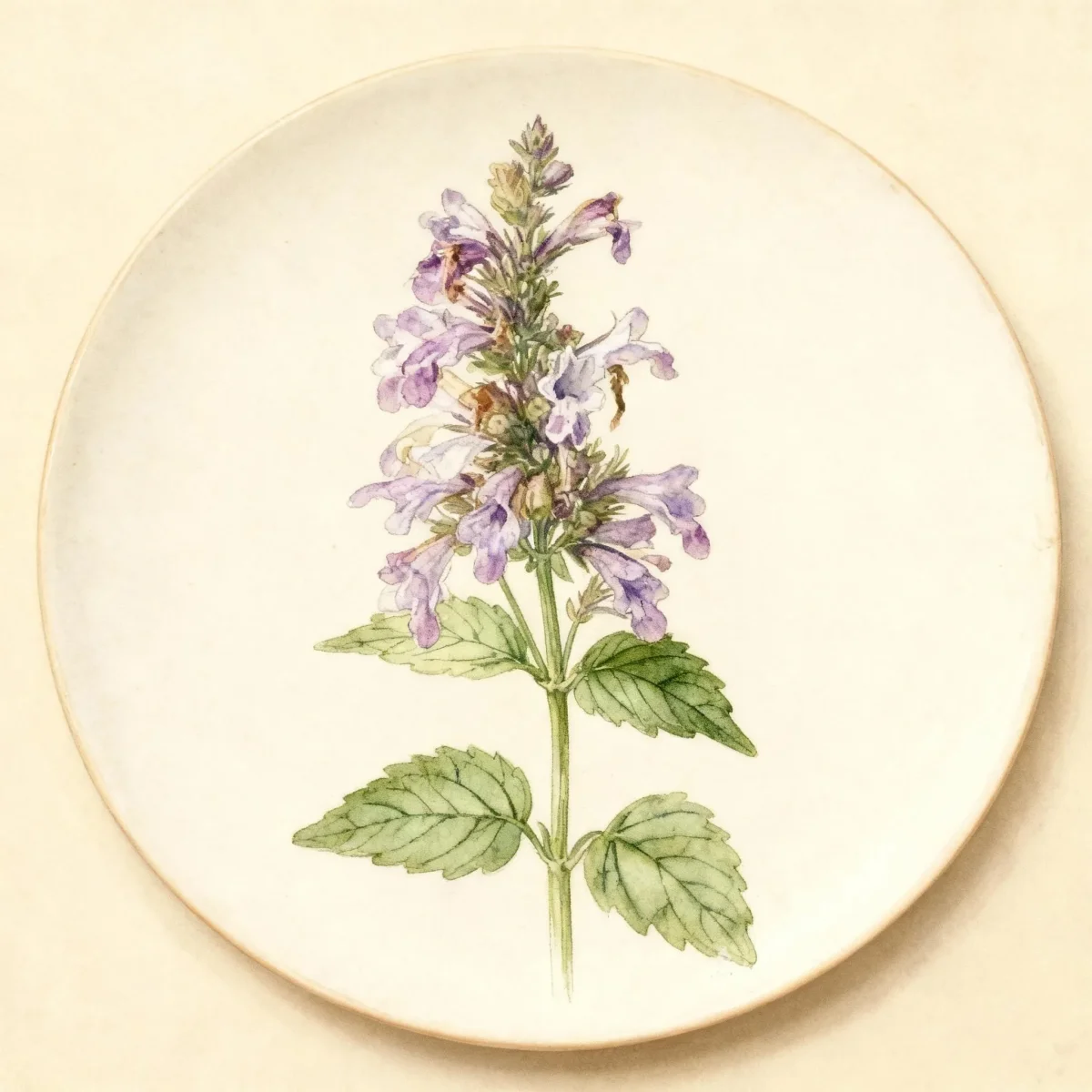
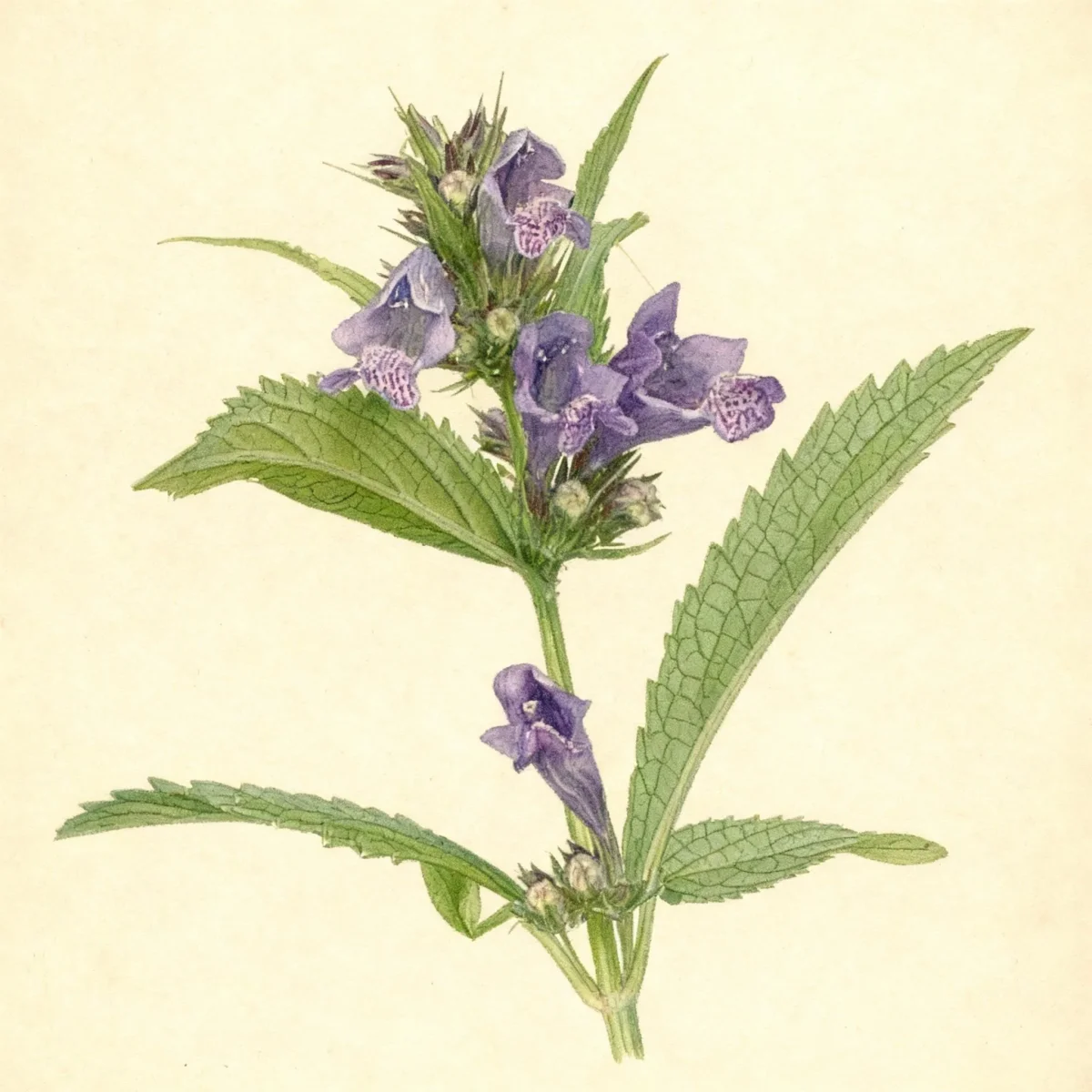
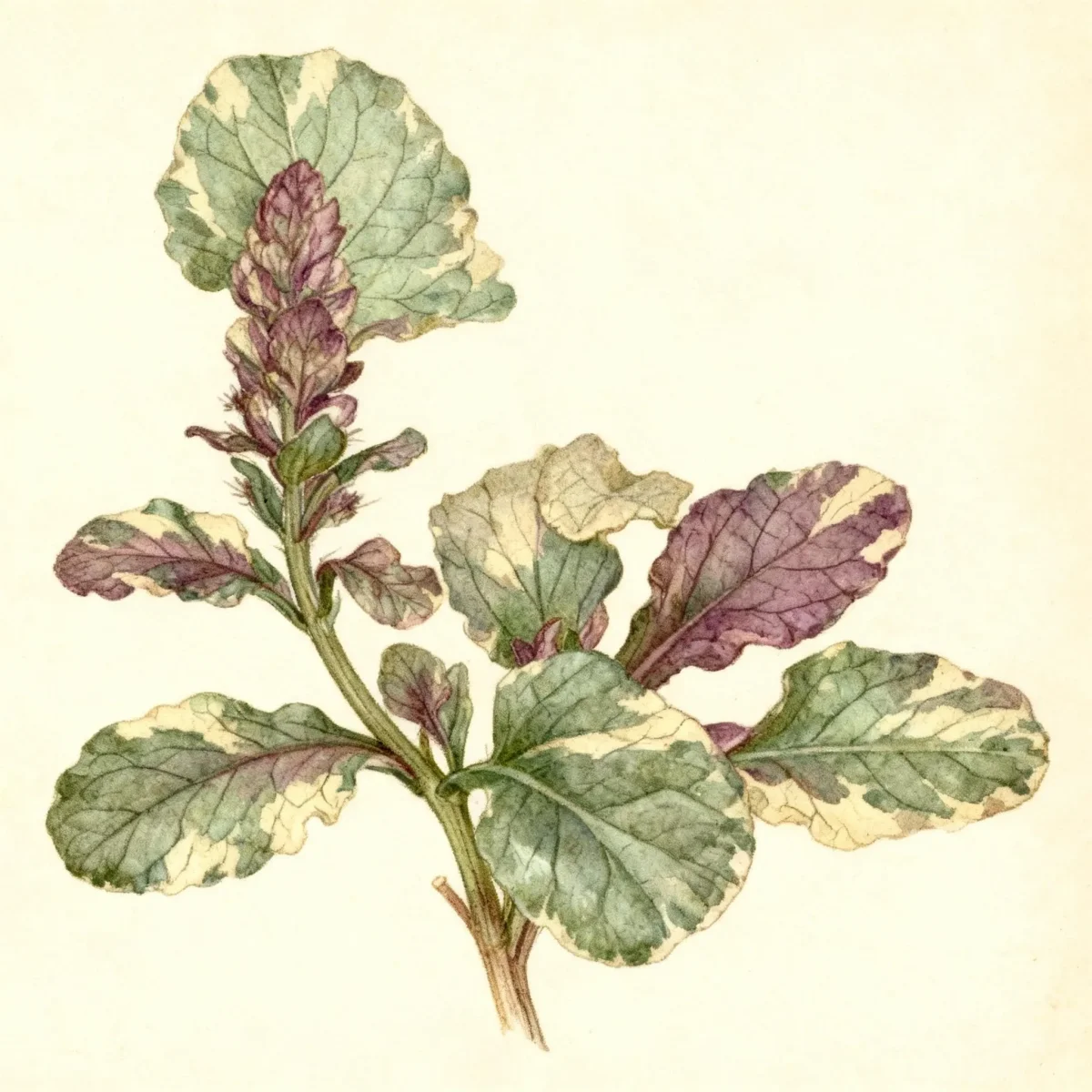
Short-stalked catmint (Nepeta subsessilis 'Washfield')
Nepeta subsessilis 'Washfield', or Short-stalked catmint, features showy spikes of blue flowers and aromatic foliage, thriving in low-maintenance settings.
Scroll down to discover growing tips, care requirements, companion plants, and more
Complete Plant Information
Overview
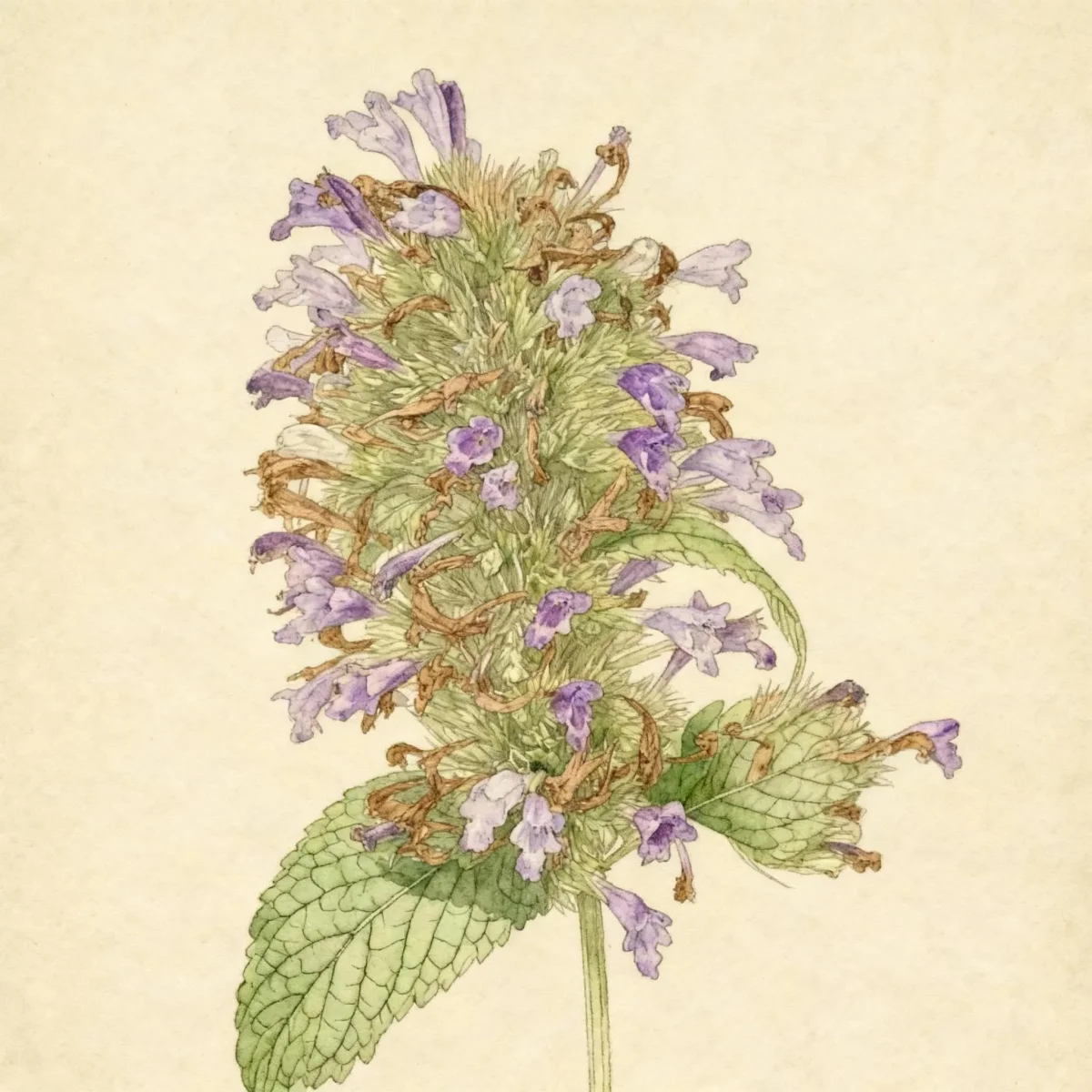
Short-stalked catmint, scientifically known as Nepeta subsessilis ‘Washfield’, offers gardeners a reliable, long-blooming perennial ideal for adding vertical interest to borders. This variety stands out with its dense spikes of deep violet-blue flowers that create a stunning visual display from late spring well into September. Unlike some of its more carefree relatives, Nepeta subsessilis ‘Washfield’ prefers cooler, consistently moist conditions, making site selection crucial for success.
This herbaceous perennial forms an attractive mound, typically reaching 2 to 3 feet in height and spread. Beyond its visual appeal, the aromatic, glossy green foliage—which releases a mild mint scent when crushed—provides good texture. As a low-maintenance choice that also attracts attention, Short-stalked catmint is valued for its extended bloom period and garden resilience.
Fast Facts
- Plant Family: Lamiaceae
- Plant Type: Herbaceous perennial
- Hardiness Zones: USDA Zones 4-8
- Size at Maturity:
- Height: 2-3 ft
- Spread: 2-3 ft
- Bloom Time: May to September
- Bloom Description: Blue
- Sun Exposure: Full sun to part shade
- Water Needs: Medium
- Maintenance Level: Low
How to Grow
Planting Nepeta subsessilis ‘Washfield’ is best done in the spring or fall in average, well-drained soils. While this variety exhibits tolerance for dry soil once established, the species generally performs best when provided with consistent, medium moisture. In northern climates, ensure it receives abundant full sun to maximize flowering vigor. Gardeners in the deep South should select a location that offers a slight reprieve from intense afternoon sun to prevent stress.
Care for Short-stalked catmint revolves around ensuring adequate soil moisture, especially during its first season. While maintenance is generally low, prompt deadheading or shearing the flower spikes immediately after the initial large flush of bloom will significantly encourage repeat flowering throughout the summer. Plants can also be cut back hard before the first major blooming period to encourage a more compact, tidy habit.
Avoid the temptation to consistently neglect watering; unlike many other catmints, this variety lacks extreme drought tolerance. Regular watering during dry spells will keep the foliage looking lush and the continuous bloom performance optimal. Minimal fertilization is usually required if the planting site offers decent soil quality.
Landscape Uses
Short-stalked catmint is highly versatile, lending itself well to various structural roles. Its medium height makes it perfect as a mid-border planting, bridging the gap between very low groundcovers and taller background specimens. It is specifically recommended for Rain Gardens due to its preference for medium moisture, provided the drainage remains excellent.
Beyond rain gardens, Nepeta subsessilis ‘Washfield’ integrates beautifully into traditional perennial borders, herb gardens where its scented foliage can be appreciated, or naturalized settings where low maintenance is prioritized. Consider pairing this rich blue bloom with silvery foliage plants or strong yellow contrast flowers for dynamic visual impact throughout the season. Its deer resistance is a significant functional benefit in many landscapes.
Standout Features
Flower Qualities
- Showy
- Fragrant
Noteworthy Characteristics
Nepeta subsessilis ‘Washfield’ forms a manageable mound, typically compacting to around 28 inches tall and 36 inches wide. It is highly valued for its large, striking blue flowers which appear in dense false whorls over a sustained period spanning from late spring into late summer. The glossy, dark green, ovate leaves also possess a mild minty fragrance when crushed or bruised, adding an aromatic layer to the garden experience.
Tolerances
- Deer
- Drought
- Dry Soil
- Shallow-Rocky Soil
Potential Problems
Fortunately, Short-stalked catmint is not prone to serious insect infestations or debilitating disease problems, contributing to its low maintenance rating. Good air circulation, achieved by providing adequate spacing between plants, is the primary cultural practice that prevents most fungal issues, such as powdery mildew, which can sometimes affect plants in overly dense or humid conditions. Monitor for slugs or snails early in the season when foliage is tender.
Frequently Asked Questions
What hardiness zones is Short-stalked catmint suitable for?
Nepeta subsessilis ‘Washfield’ is suitable for gardeners in USDA Hardiness Zones 4 through 8.
How large does Short-stalked catmint grow?
This perennial typically reaches a height of 2 to 3 feet and spreads between 2 and 3 feet wide, though the ‘Washfield’ cultivar is often more compact.
What sun exposure does Short-stalked catmint need?
Nepeta subsessilis ‘Washfield’ thrives in a range spanning from full sun exposure to areas receiving light part shade.
When does Short-stalked catmint bloom?
This plant produces its beautiful blue flowers consistently from May through September.
Conclusion
The enduring, showy blue spikes and attractive foliage make Nepeta subsessilis ‘Washfield’ (Short-stalked catmint) an excellent structural component for borders and moist garden areas. Its low maintenance requirement and deer resistance add significant practical value to any planting scheme. Before planting, confirm your soil offers medium moisture retention and verify your USDA zone falls between 4 and 8 for best seasonal performance.
Companion Planting
When integrating Short-stalked catmint into your perennial beds, selecting companions with similar cultural preferences for medium moisture and well-drained conditions is key. Good partners include Astilbe, which enjoys similar light requirements and thrives in moist areas, or various Hosta varieties, which fill out shady edges nicely if this catmint is sited in partial shade. For sunny spots, pair it with other robust, mid-height perennials like Russian Sage (Perovskia atriplicifolia) or light-colored ornamental grasses that complement the deep blue flowers.
Seasonal Care Calendar
Spring care for Nepeta subsessilis ‘Washfield’ involves cutting back any lingering winter dieback and ensuring the plant is adequately watered as growth resumes. Summer maintenance should focus on routine shearing after initial bloom periods end to maintain its tidy mound shape and promote a second wave of flowering. In autumn, minimal intervention is needed; generally just clean up any dead foliage once the upper portions have died back naturally, or wait until early spring cleanup.