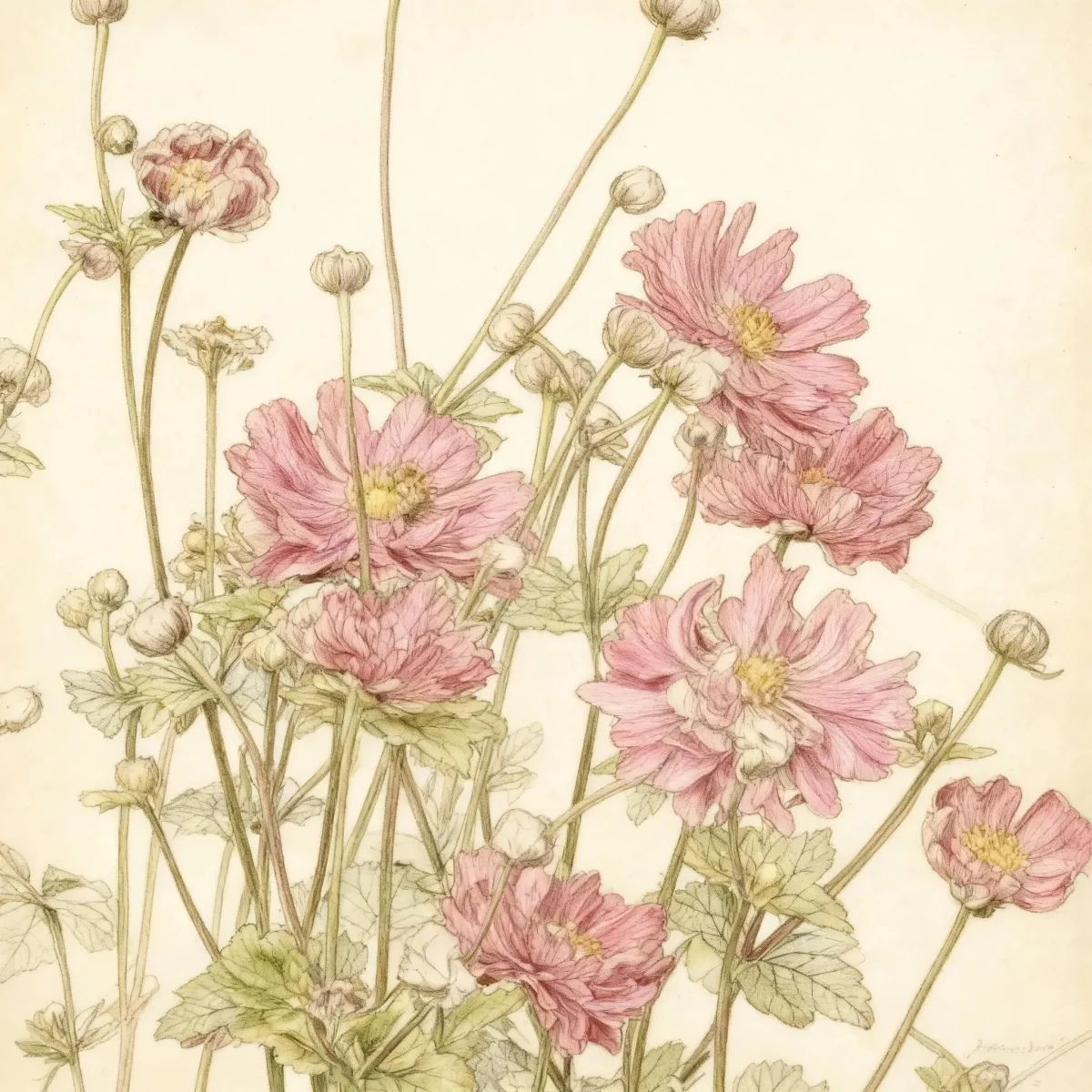
Windflower (Anemone × hybrida 'Pretty Lady Diana')
The compact Anemone × hybrida 'Pretty Lady Diana' Windflower offers rose-pink blooms late in the season, ideal for low-maintenance gardens.
Scroll down to discover growing tips, care requirements, companion plants, and more
Complete Plant Information
Overview
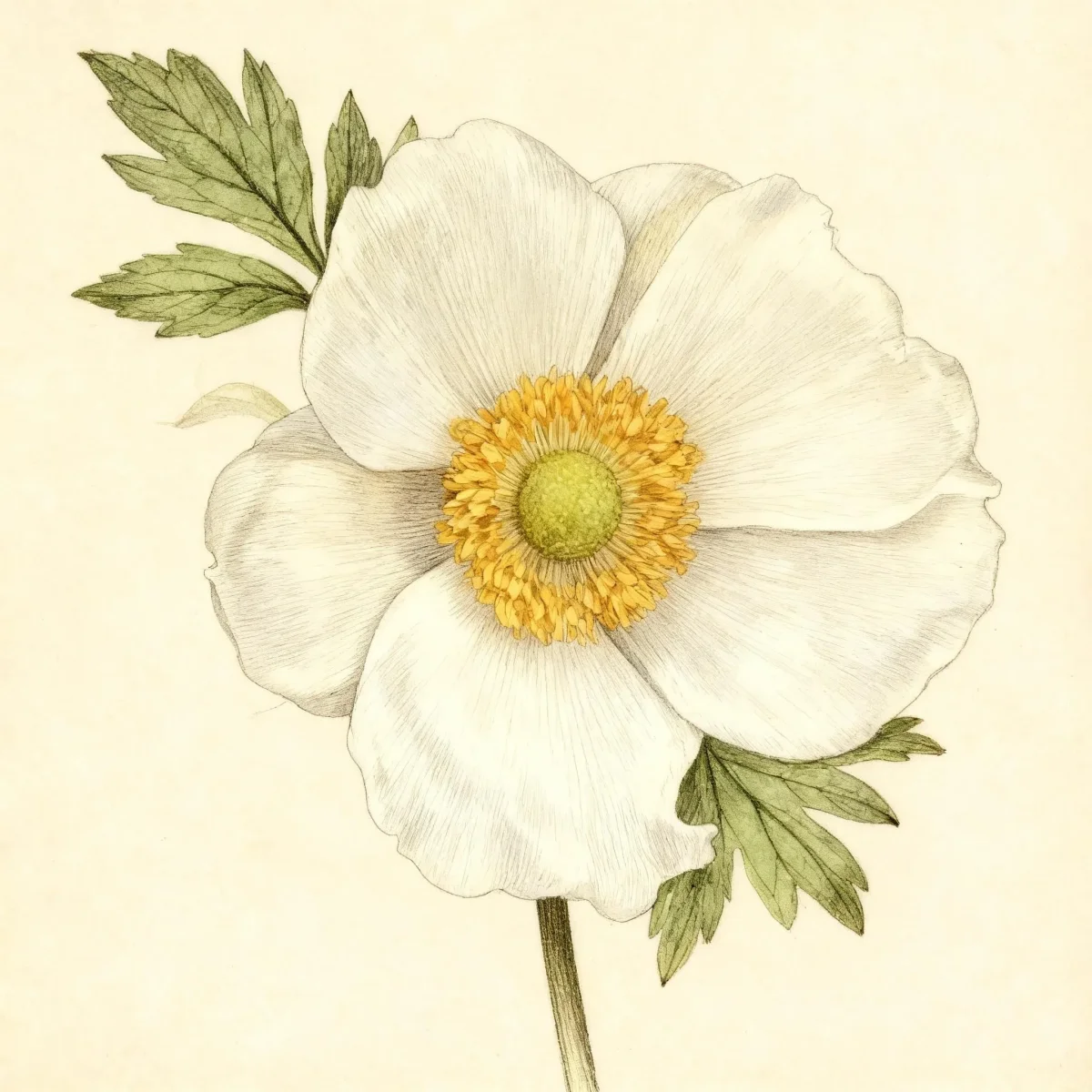
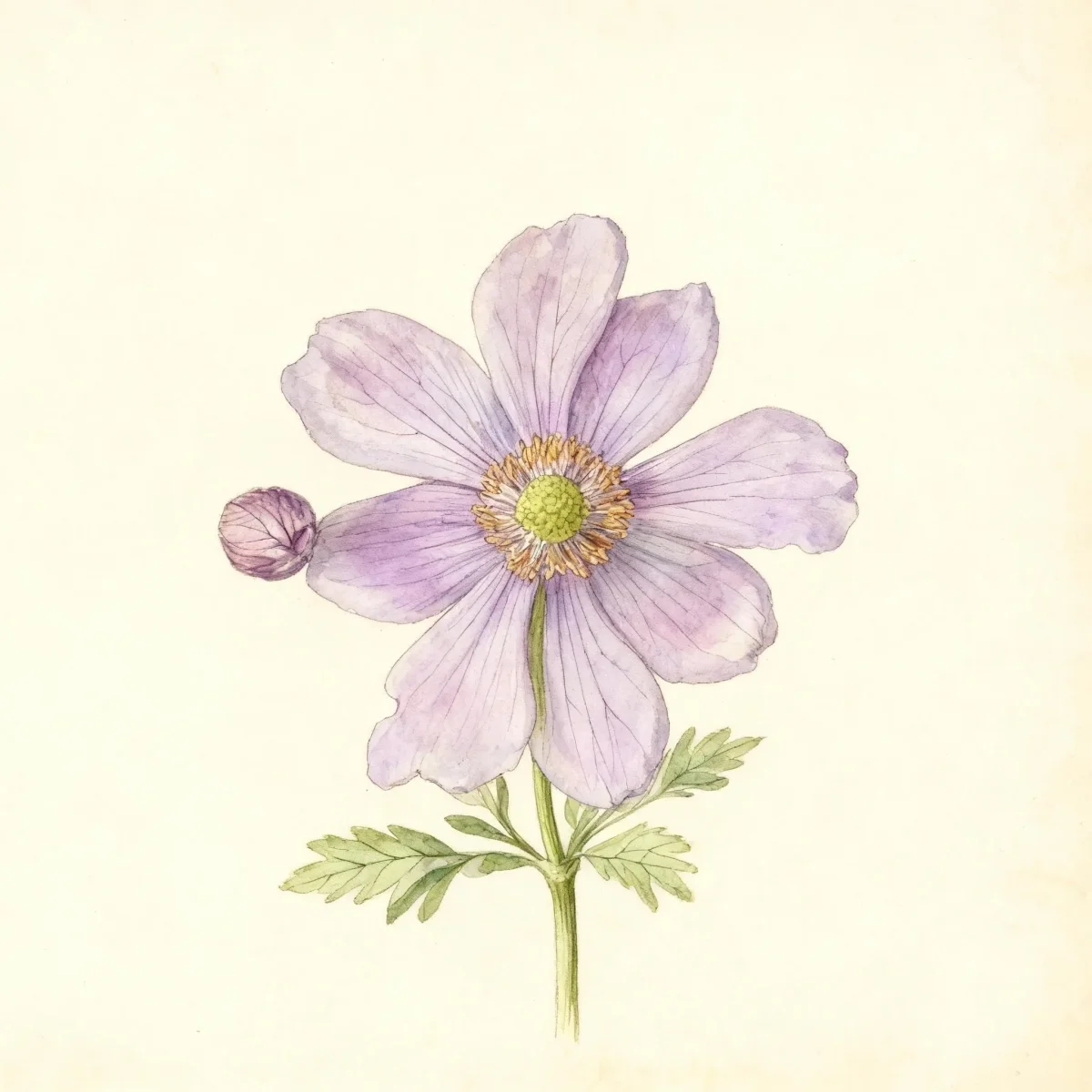
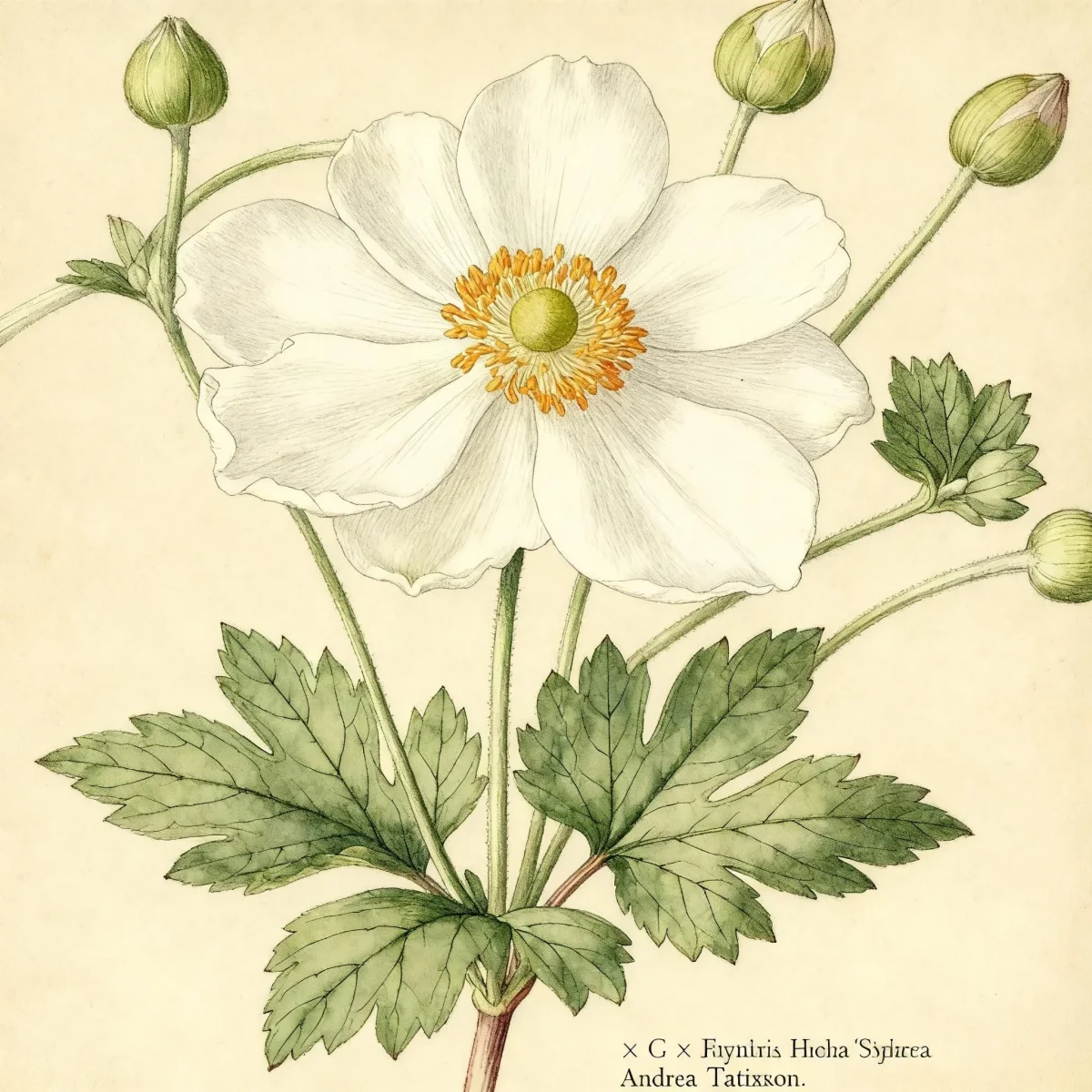
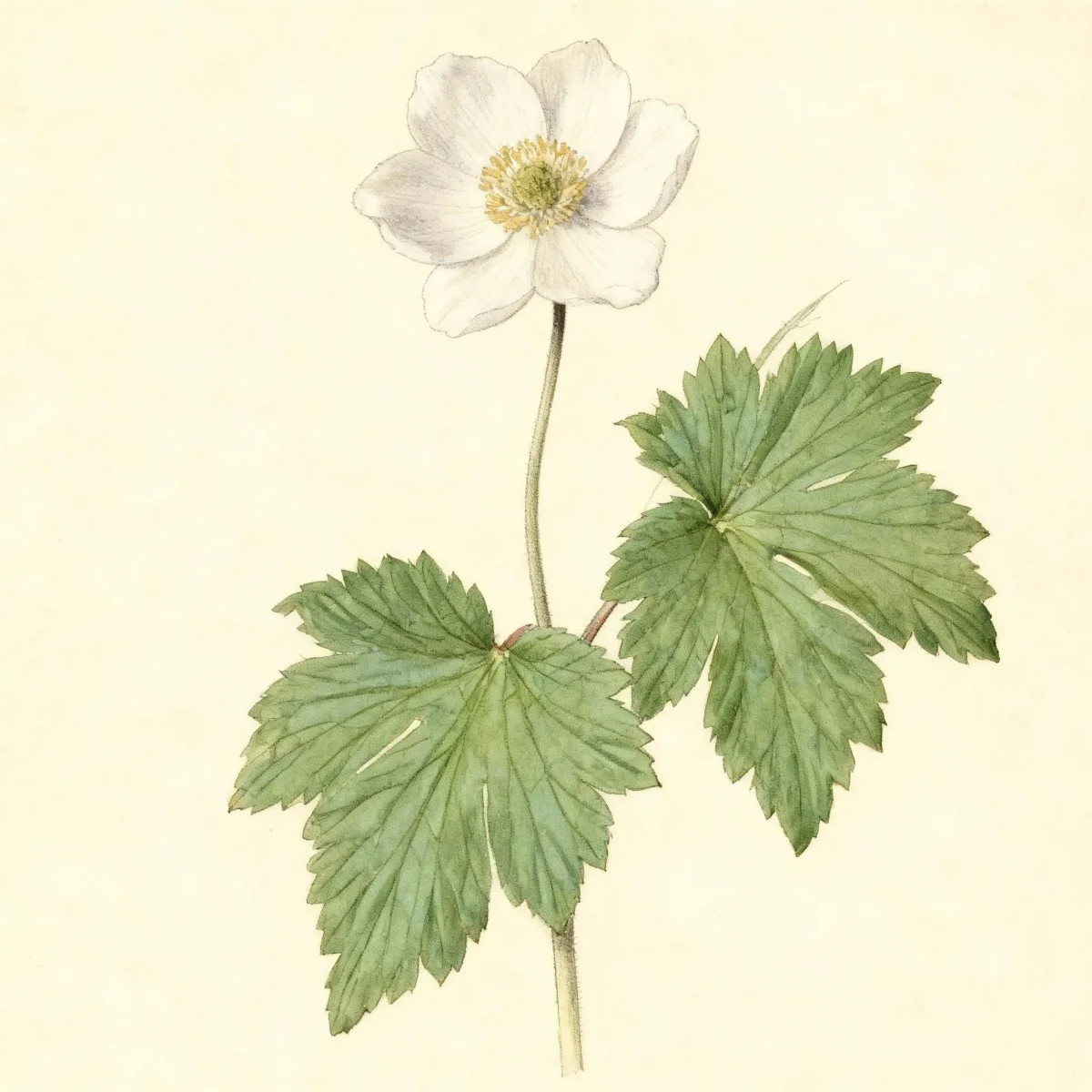
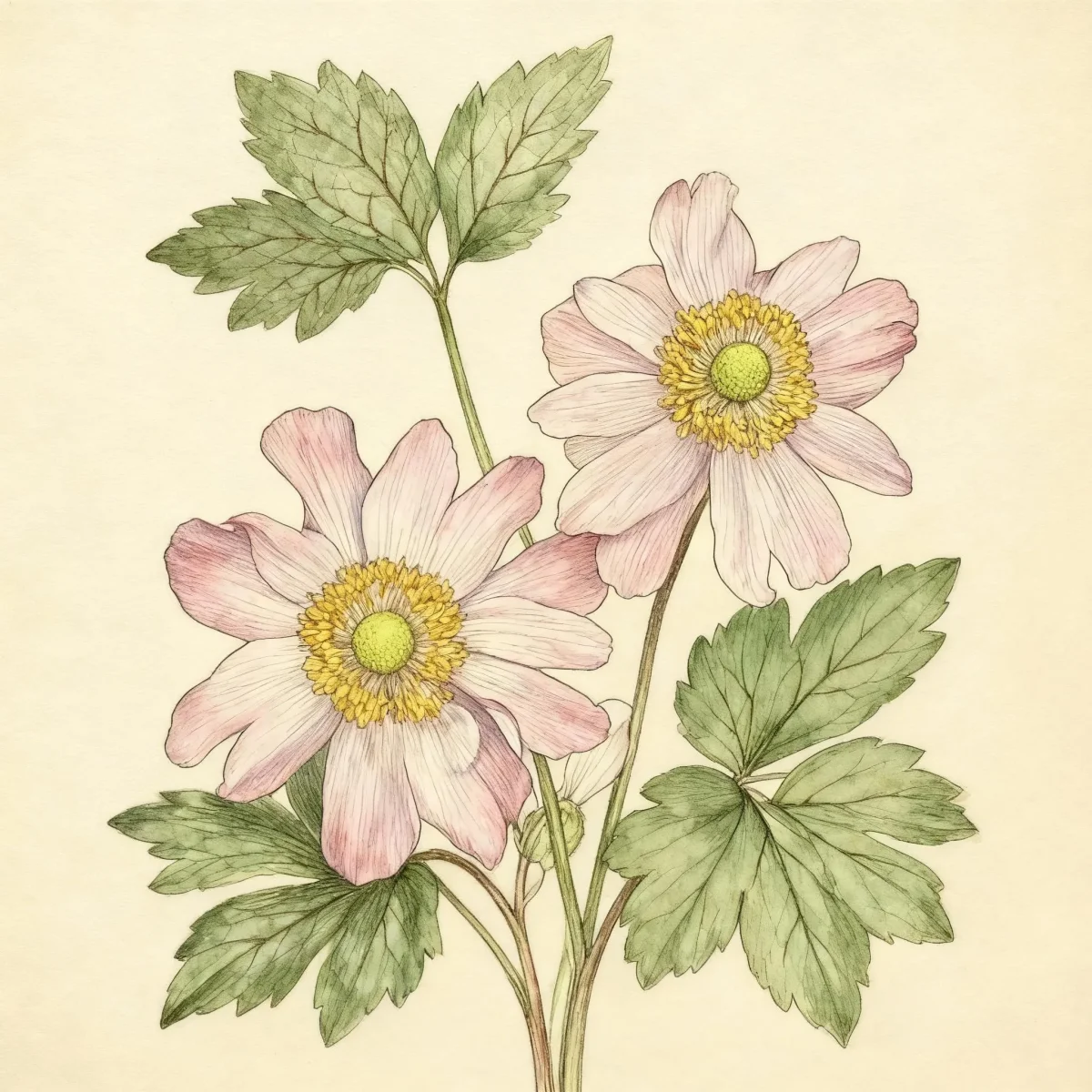
Anemone × hybrida ‘Pretty Lady Diana’, commonly known as Windflower, is a highly valued herbaceous perennial for extending garden color well into autumn. This compact cultivar produces charming bi-colored, single flowers, featuring rose-pink sepals surrounding a striking yellow center, making it an excellent focal point from late summer through frost. Gardeners appreciate how this Windflower variety establishes well, naturally spreading by rhizomes in optimal conditions while maintaining a neat, low stature. Its relatively low maintenance and reliable late-season performance cement its place as a staple in perennial borders looking for enduring structure and charm.
Fast Facts
- Plant Family: Ranunculaceae
- Plant Type: Herbaceous perennial
- Hardiness Zones: USDA Zones 4-7
- Size at Maturity:
- Height: 1-1.5 ft
- Spread: 1.5-2 ft
- Bloom Time: August to October
- Bloom Description: Rose-pink with yellow stamens
- Sun Exposure: Full sun to part shade
- Water Needs: Medium
- Maintenance Level: Low
How to Grow
Plant Anemone × hybrida ‘Pretty Lady Diana’ in spring or fall, ensuring it is located where soil is organically rich, humusy, and evenly moist. Well-drained soil is crucial; avoid poorly drained areas, particularly during winter, as wet feet can cause rot. While these plants tolerate full sun, siting them in part shade, especially where they receive protection from harsh afternoon sun and drying winds, prevents foliage burn.
Watering requirements are medium, but consistency is key; the soil must not be allowed to dry out, especially during hot summer months. Fertilization is usually unnecessary if the soil is rich, but an annual spring application of compost can be beneficial. For cold winter climates, providing a winter mulch helps protect the roots of your Windflower.
Maintenance is generally low, though taller versions of this genus sometimes require support; however, the compact characteristics of Anemone × hybrida ‘Pretty Lady Diana’ minimize this need. If division is necessary, the best time is in spring, though propagation is often most successful via root cuttings taken during the winter months.
Landscape Uses
The ability of Anemone × hybrida ‘Pretty Lady Diana’ to naturalize makes it an excellent choice for filling gaps or softening edges in perennial borders and cottage gardens. Its late bloom period provides vital late-season interest when many spring and summer bloomers are fading, offering reliable color through fall.
Consider massing this Windflower throughout woodland garden settings where the dappled light provides ideal growing conditions. The dark green, attractive foliage provides a lovely contrast to neighboring plants. This plant pairs beautifully with companions that share its moisture and light preferences, such as Astilbes and various Hostas.
Standout Features
Flower Qualities
- Showy
Noteworthy Characteristics
Anemone × hybrida, commonly called windflower or Japanese anemone, is a hybrid category which includes a large number of hybrid pink or white flowered cultivars that bloom from late summer into fall (August - October). ‘Pretty Lady Diana’ is a compact windflower which typically grows to only 16” tall and features bi-colored single flowers (to 2” diameter) with overlapping rose-pink petal-like sepals and showy yellow center stamens. This cultivar resulted from a cross designed to develop compact, free-flowering windflower selections, resulting in graceful, upright stems rising from a neat foliage mound.
Tolerances
- Deer
Potential Problems
Gardeners should monitor Anemone × hybrida ‘Pretty Lady Diana’ for common fungal issues, including leaf spot, powdery mildew, downy mildew, rust, and leaf/stem smut, ensuring good air circulation to mitigate these risks. Pests such as caterpillars, slugs, and nematodes might cause trouble, while black blister beetles and Japanese beetles can sometimes defoliate the foliage entirely. If taller specimens are planted, some staking might be needed, although this compact Windflower variety usually remains upright. Immediate removal of infected leaves helps control disease spread.
Frequently Asked Questions
What hardiness zones is Windflower suitable for?
Anemone × hybrida ‘Pretty Lady Diana’ is reliably hardy in USDA Zones 4 through 7.
How large does Anemone × hybrida ‘Pretty Lady Diana’ grow?
This is a compact variety, typically reaching a height between 1 and 1.5 feet with a spread spanning 1.5 to 2 feet.
What sun exposure does Windflower need?
This plant thrives best in locations receiving full sun to part shade, appreciating some protection from intense afternoon heat.
When does Anemone × hybrida ‘Pretty Lady Diana’ bloom?
You can expect blooms from this Windflower variety consistently from August all the way through October.
Conclusion
The Anemone × hybrida ‘Pretty Lady Diana’ Windflower offers indispensable late-season color with minimal effort, thanks to its compact habit and low maintenance requirements. Incorporating this striking rose-pink bloomer, Anemone × hybrida ‘Pretty Lady Diana’, into your garden plan guarantees interest extending into the cooler months. Always confirm your local USDA zone compatibility before planting this beautiful perennial.
Companion Planting
Selecting good neighbors is crucial for the long-term success of your Windflower patch. Plants that enjoy consistent moisture and tolerate partial shade, similar to the needs of Anemone × hybrida ‘Pretty Lady Diana’, are ideal partners. Grouping them with foliage contrasts, such as deep purple Heucheras or ferns, enhances their visual impact throughout the summer.
Consider the growth habits of potential companions; since this Windflower will naturalize slowly, avoid setting it close to aggressive spreaders which might smother the young plants before they establish themselves. Aim for plants whose height variation complements the 1 to 1.5-foot stature of the windflower.
Seasonal Care Calendar
In early spring, remove any winter mulch applied to protect the plants in colder zones and clean up any lingering dead foliage from the previous season. Mid-summer requires vigilant watering, as consistency is necessary to prevent foliage scorch and ensure abundant late blooms for Anemone × hybrida ‘Pretty Lady Diana’.
As autumn progresses and the plant finishes flowering, allow the foliage to naturally die back; this process feeds the rhizomes for next year’s performance. In the fall, divide any clumps that have become overcrowded, ideally taking root cuttings in winter for the best propagation success.