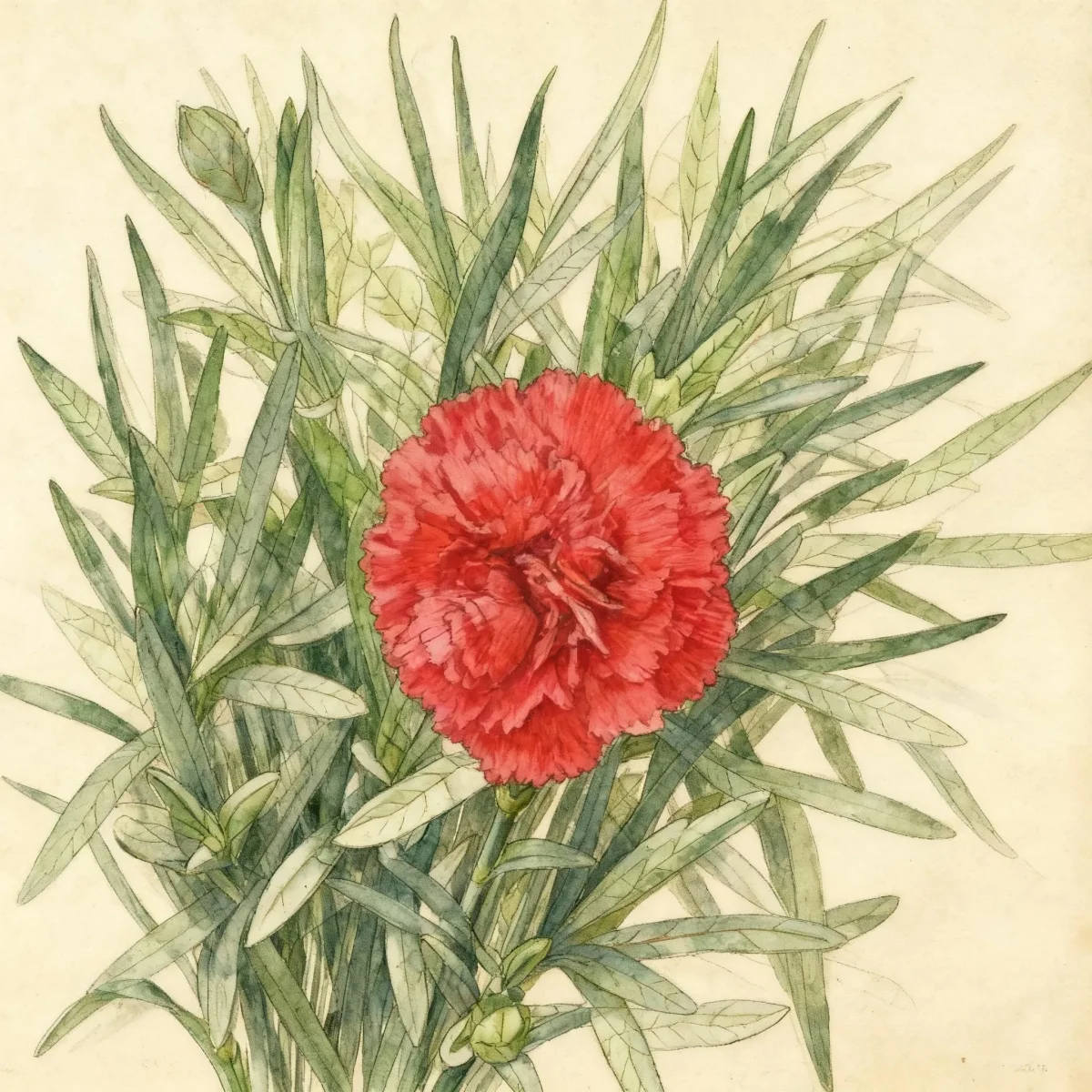
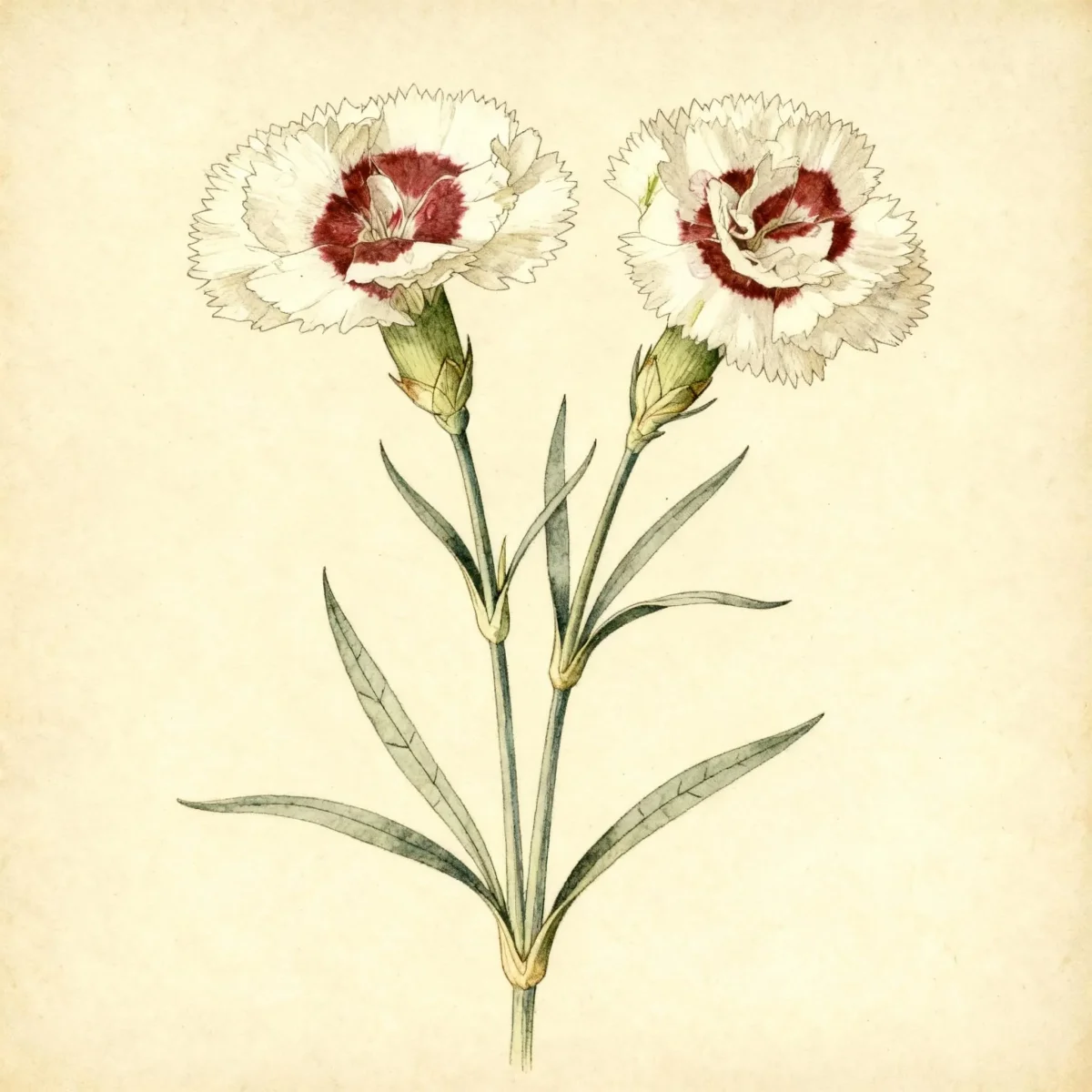
Carnation (Dianthus 'Valda Kitty' DEVON COTTAGE RUBY'S TUESDAY)
Dianthus 'Valda Kitty' DEVON COTTAGE RUBY'S TUESDAY, a low-maintenance Carnation, offers fragrant red blooms from May to October in full sun.
Scroll down to discover growing tips, care requirements, companion plants, and more
Complete Plant Information
Overview
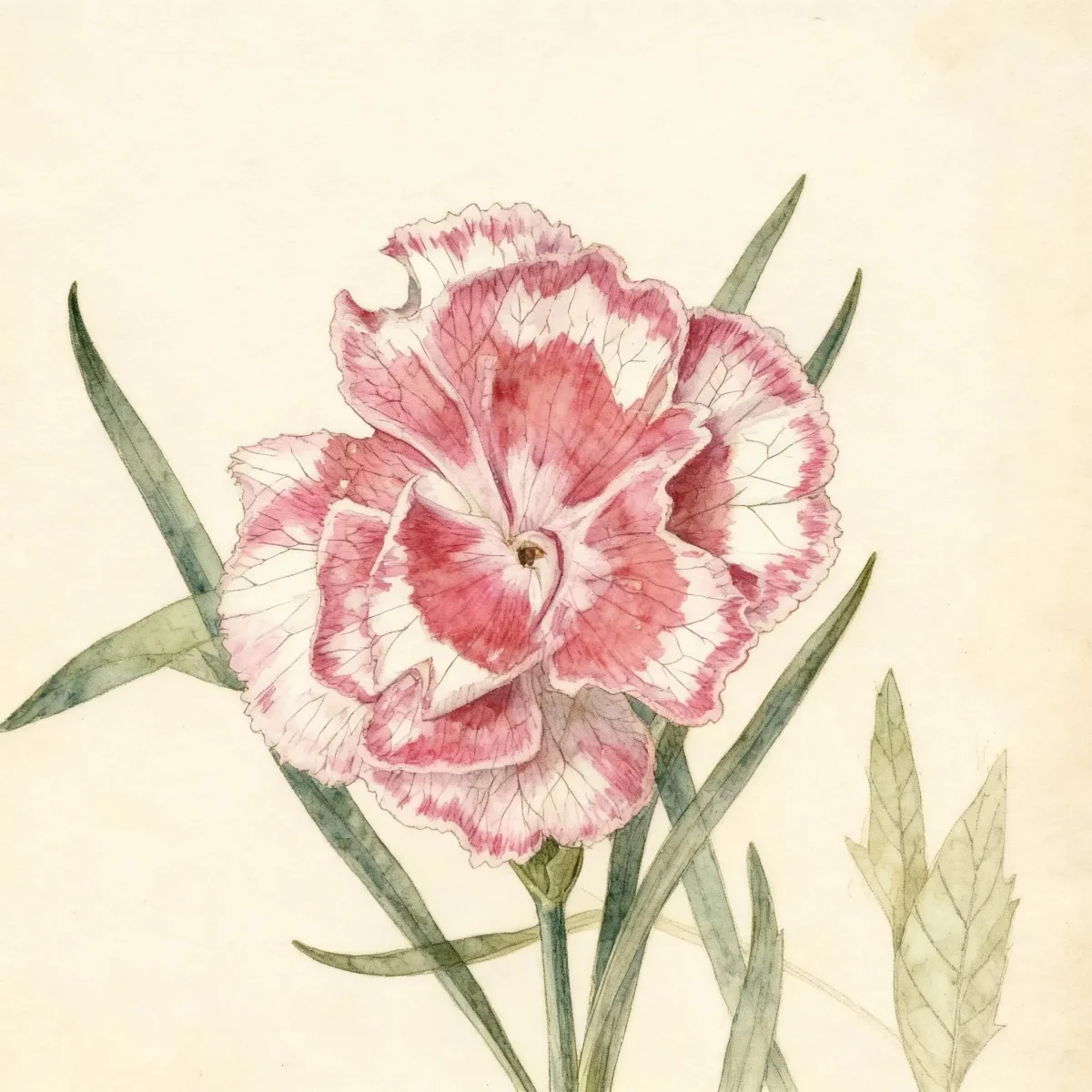
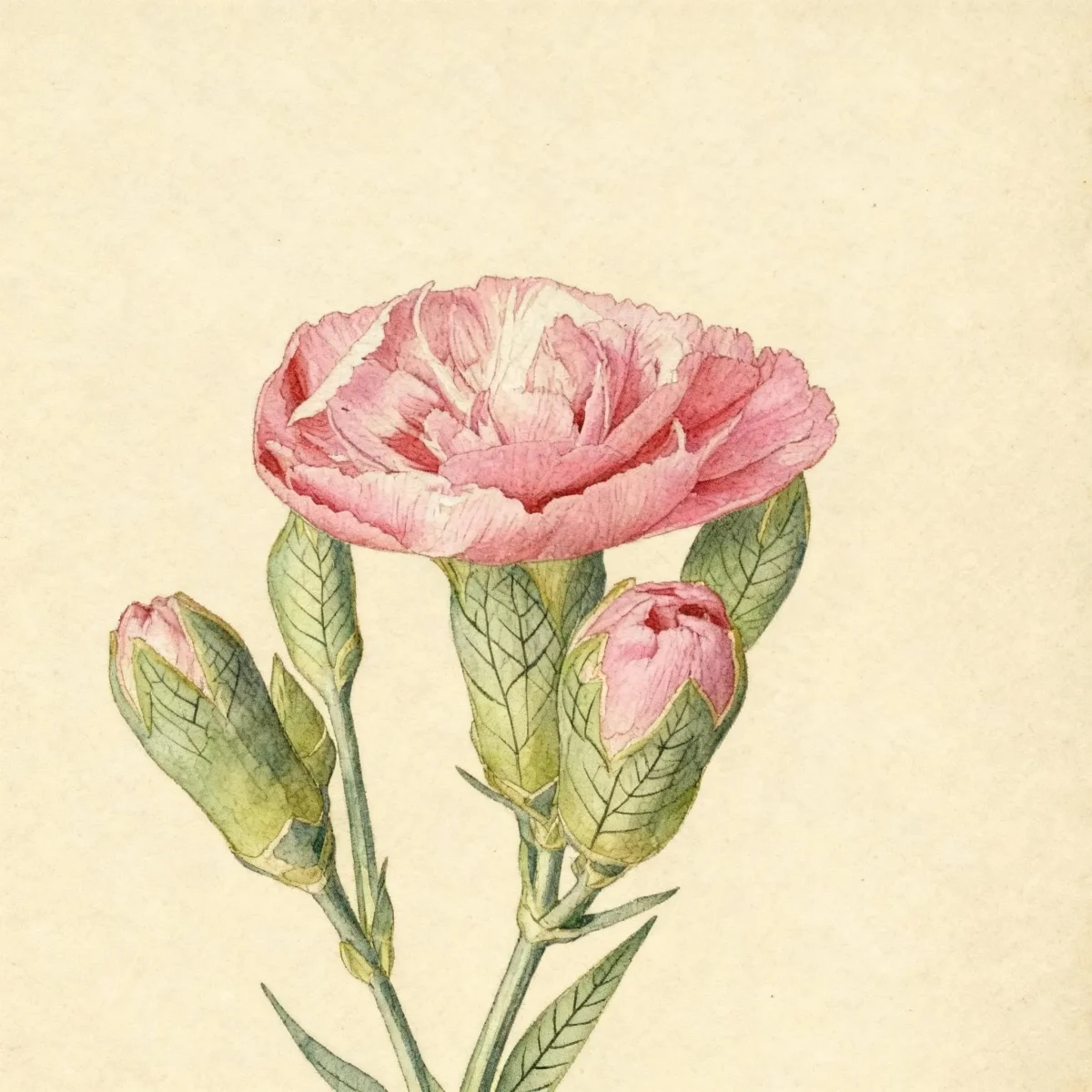
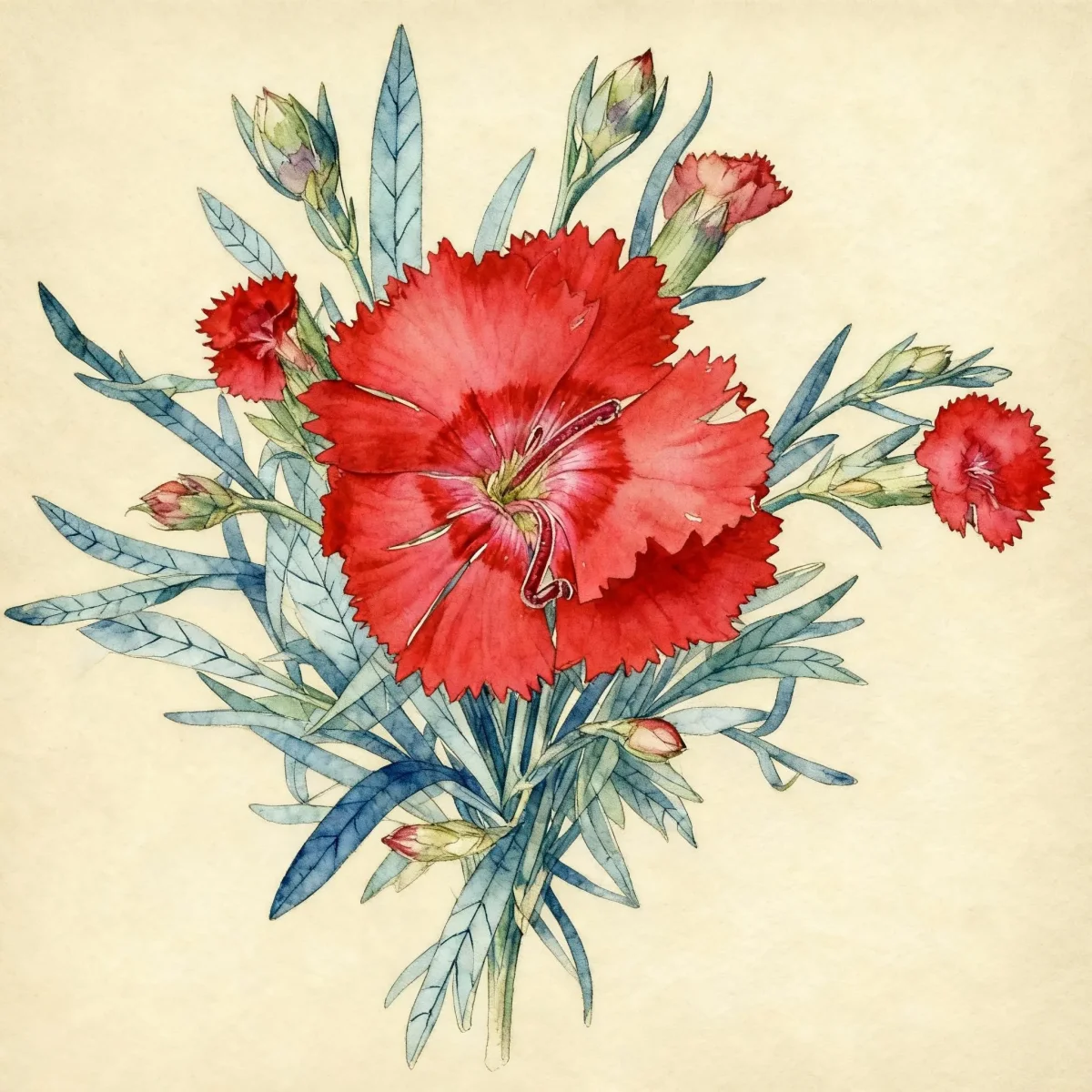
Dianthus ‘Valda Kitty’ DEVON COTTAGE RUBY’S TUESDAY, commonly known as Carnation or Pink, is a highly valued herbaceous perennial celebrated for its abundant, fragrant, double red blooms. This cultivar provides reliable color throughout the summer months, making it an excellent choice for gardeners seeking long-lasting performance with minimal effort. Its dense clumps of narrow, gray-green foliage offer texture even when not in flower.
As a hybrid derived from several Dianthus species, this selection—often sold as DEVON COTTAGE RUBY’S TUESDAY—thrives when planted in locations receiving consistent full sun exposure. While it performs well in average soils, superior results are achieved in gritty loams that drain exceptionally well, as it dislikes sitting in overly wet conditions.
The appeal of this Carnation extends beyond the garden border; its upright, stiff stems bearing desirable red flowers make Dianthus ‘Valda Kitty’ DEVON COTTAGE RUBY’S TUESDAY an outstanding option for cutting gardens. Gardeners should note its relatively compact size, typically reaching 1.5 feet tall, which fits perfectly into front of border plantings or mixed containers.
Fast Facts
- Plant Family: Caryophyllaceae
- Plant Type: Herbaceous perennial
- Hardiness Zones: USDA Zones 6-9
- Size at Maturity:
- Height: 1-1.5 ft
- Spread: 1.5-2 ft
- Bloom Time: May to October
- Bloom Description: Red
- Sun Exposure: Full sun
- Water Needs: Medium
- Maintenance Level: Low
How to Grow
Plant this perennial dianthus in spring or early fall, ensuring it is situated in a spot that receives ample sunlight throughout the day, as light dictates flower production. The ideal soil profile for Dianthus ‘Valda Kitty’ DEVON COTTAGE RUBY’S TUESDAY is organically rich, gritty, and often leaning toward a neutral to slightly alkaline pH. Good drainage is absolutely crucial; incorporate leaf mold or other organic matter to retain necessary moisture without creating soggy conditions, especially relevant in hot summer climates.
Water moderately, allowing the soil surface to dry slightly between irrigation events to satisfy its medium water needs. Maintenance is generally low, characterized primarily by deadheading spent blooms diligently. Removing faded flowers encourages the plant to produce more of the beautiful red, fragrant flowers well into October.
For tidiness and to promote a secondary flush of late summer or early fall blossoms, consider shearing the entire clump back lightly after the main bloom surge concludes. In cooler regions within its range, ensure the planting area is well-drained before winter sets in, as moisture combined with cold is often deadly to these plants.
Landscape Uses
Carnations, including the popular Dianthus ‘Valda Kitty’ DEVON COTTAGE RUBY’S TUESDAY, shine when used near paths or seating areas where their fragrance can be easily enjoyed. Their moderate height (1 to 1.5 feet) makes them superb for border fronts, providing a vibrant edge that transitions smoothly to taller background plantings. They are also exceptionally effective when massed together.
When planted closely, these mat-forming selections can create an attractive, dense ground cover, suppressing weeds while showcasing continuous red color from late spring until frost. Consider pairing them with lower-growing, silvery foliage plants or drought-tolerant companions that thrive in full sun and neutral soil to complement their growth habits. Furthermore, they perform admirably as feature plants in containers, provided adequate drainage holes are present.
Standout Features
Flower Qualities
- Showy
- Fragrant
- Good Cut
Noteworthy Characteristics
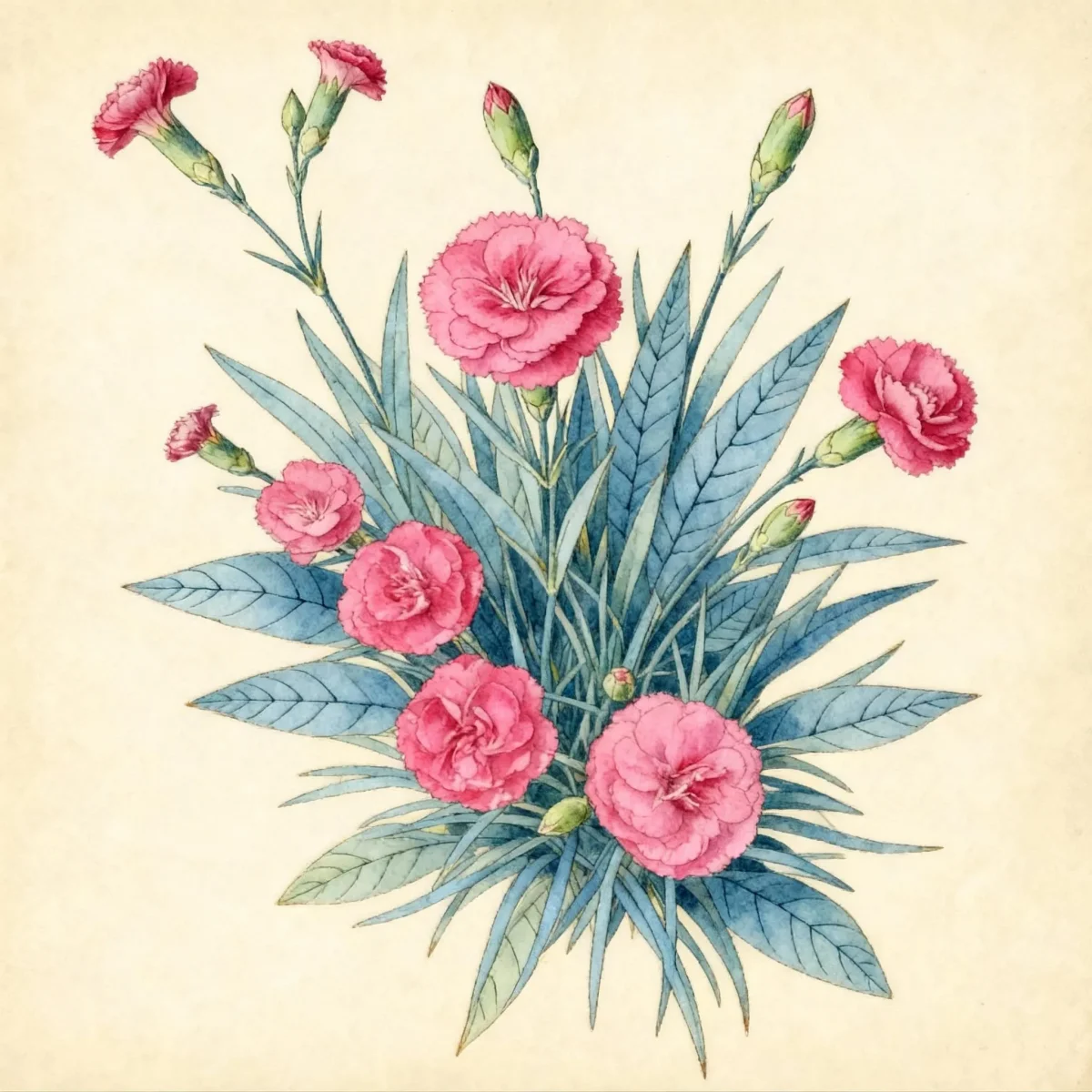
Perennial dianthus, commonly called carnations or pinks, are loosely-tufted, herbaceous perennials that features fragrant, often double flowers on stiff stems clad with narrow, linear, gray-green leaves. Most hybrid carnations are crosses between three species: D. Caryophyllus, D. Gratianopolitanus, and D. Plumarius. Extensive breeding has produced cultivars in almost every shade, and this specific hybrid, ‘Valda Kitty’, features 1.75” wide, double, fragrant, red blooms on upright stems, often sold under the trade name DEVON COTTAGE RUBY’S TUESDAY. The blooms mature above clumps of linear, silvery, 3” long leaves, flowering freely from late spring into fall.
Tolerances
- Deer
Potential Problems
Carnations are generally susceptible to various fungal and bacterial diseases, including rust, botrytis, and powdery mildew, alongside common pests like aphids and spider mites. These issues are usually less severe when the Carnation is grown outdoors in a garden setting compared to greenhouse production. The key to prevention lies in cultural management: ensure excellent air circulation and rigorous drainage to prevent fungal outbreaks. If pests appear, early treatment with insecticidal soap is often effective against soft-bodied insects that attack Dianthus ‘Valda Kitty’ DEVON COTTAGE RUBY’S TUESDAY.
Frequently Asked Questions
What hardiness zones is Carnation suitable for?
Dianthus ‘Valda Kitty’ DEVON COTTAGE RUBY’S TUESDAY is adaptable to USDA Zones 6 through 9.
How large does Carnation grow?
This herbaceous perennial typically reaches a height between 1 and 1.5 feet, spreading to utilize 1.5 to 2 feet of garden space.
What sun exposure does Dianthus ‘Valda Kitty’ DEVON COTTAGE RUBY’S TUESDAY need?
This plant requires full sun exposure to maximize its prolific flowering throughout the season.
When does Carnation bloom?
You can expect vibrant red blooms from this variety continuously between May and October.
Conclusion
Dianthus ‘Valda Kitty’ DEVON COTTAGE RUBY’S TUESDAY offers exceptional value to the perennial border or cutting garden, pairing low maintenance with highly desirable fragrant, red flowers that last for months. If you are looking to add reliable, richly colored blooms, this Carnation is a fantastic choice. Before planting, confirm that your chosen location provides the necessary full sun and excellent drainage required for this resilient variety to thrive.
Companion Planting for Pinks
Choosing appropriate neighbors is vital for maintaining the health of Dianthus ‘Valda Kitty’ DEVON COTTAGE RUBY’S TUESDAY, especially considering its preference for gritty soil and dislike of excessive moisture. Companions should share similar cultural needs, particularly requiring full sun and steady, medium water levels. Excellent partners include other sun-loving, well-drained perennials like Sedums, low-growing ornamental grasses, or thymes, which can handle the slightly alkaline conditions often preferred by Dianthus. Avoid planting directly adjacent to heavy feeders or plants that require consistently damp soil, as this can lead to root rot or increased disease susceptibility in your beautiful pinks.
Design Ideas for Fragrant Borders
Utilize the visual impact and superb fragrance of the Carnation DEVON COTTAGE RUBY’S TUESDAY by placing it strategically in the front or middle sections of mixed perennial borders. Its 1.5-foot height acts as a perfect visual anchor without obscuring smaller treasures. Consider creating blocks of color by planting several specimens of Dianthus ‘Valda Kitty’ DEVON COTTAGE RUBY’S TUESDAY together near a seating area; the collective fragrance released on warm days is intoxicating. Its silver-green foliage contrasts beautifully against deep purple or contrasting yellow flowers found in plants like Coreopsis or Nepeta.