Avens (Geum 'Fire Storm')
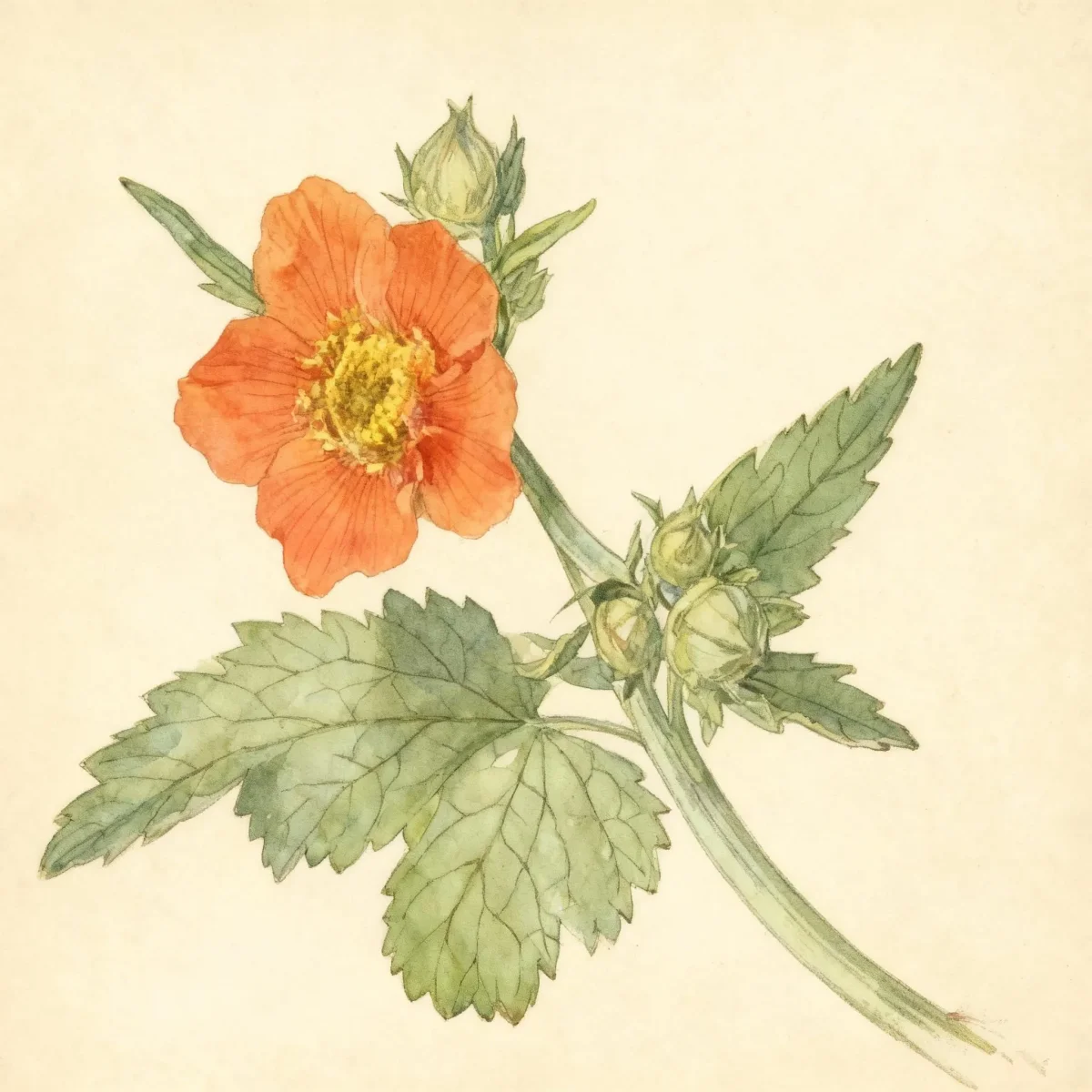
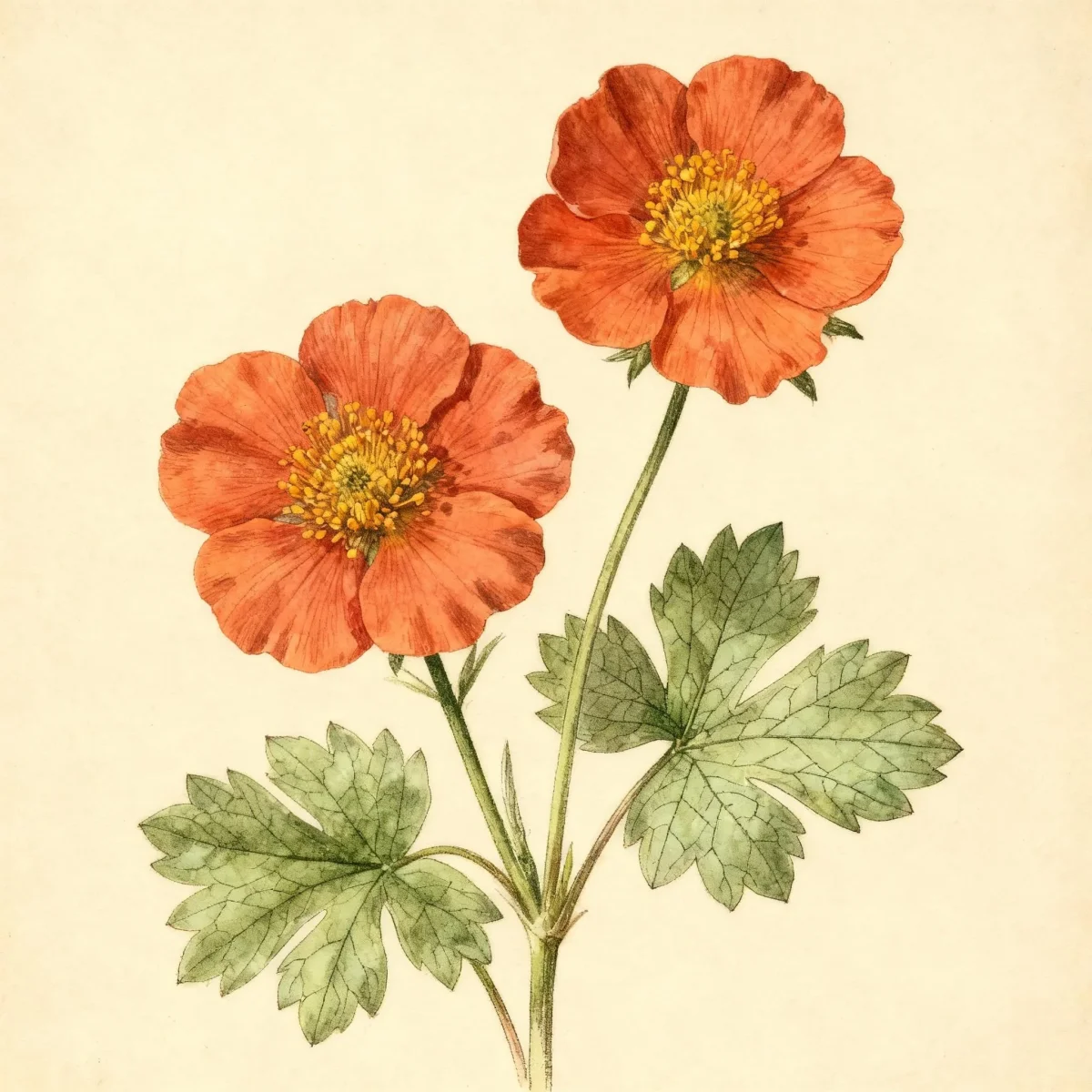
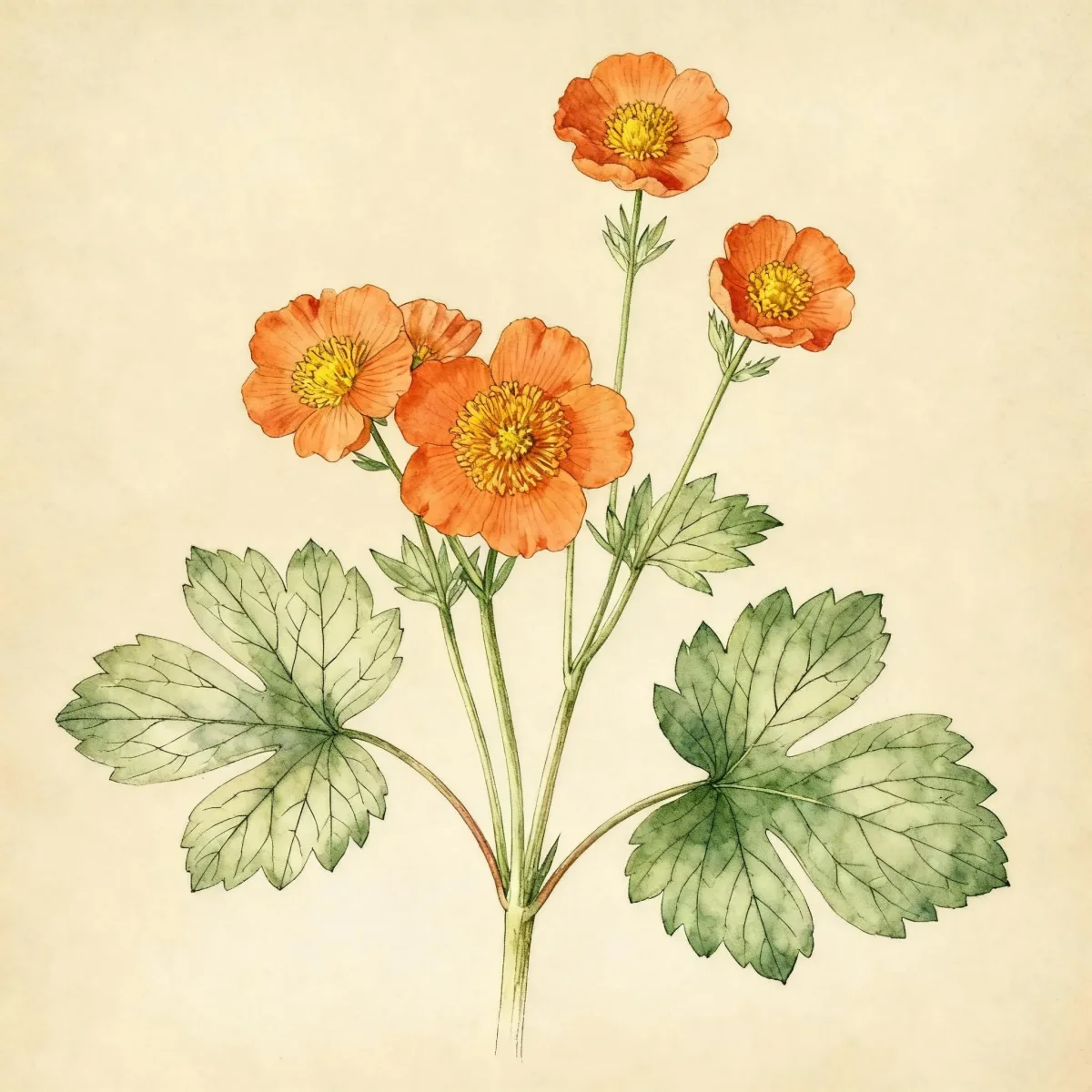
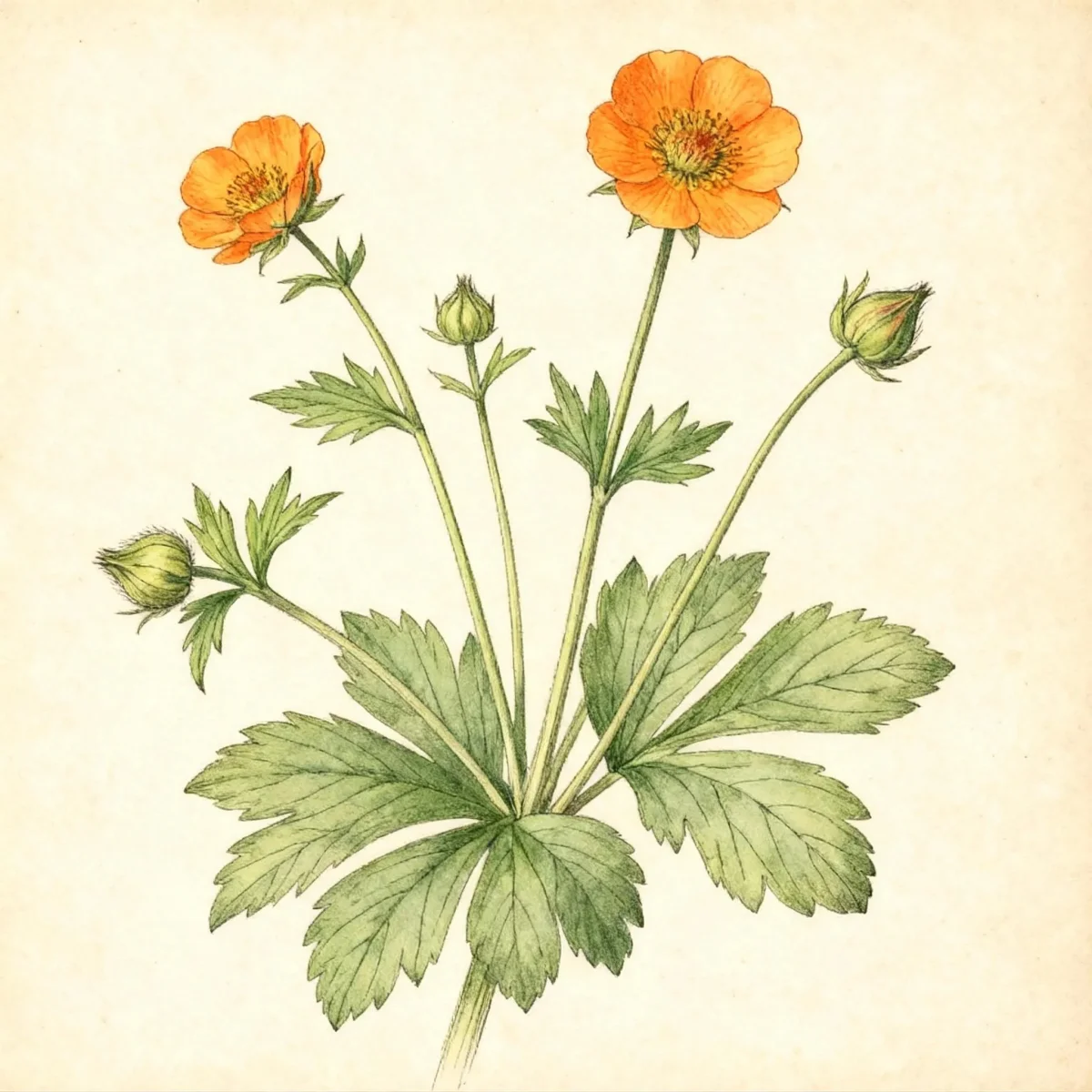
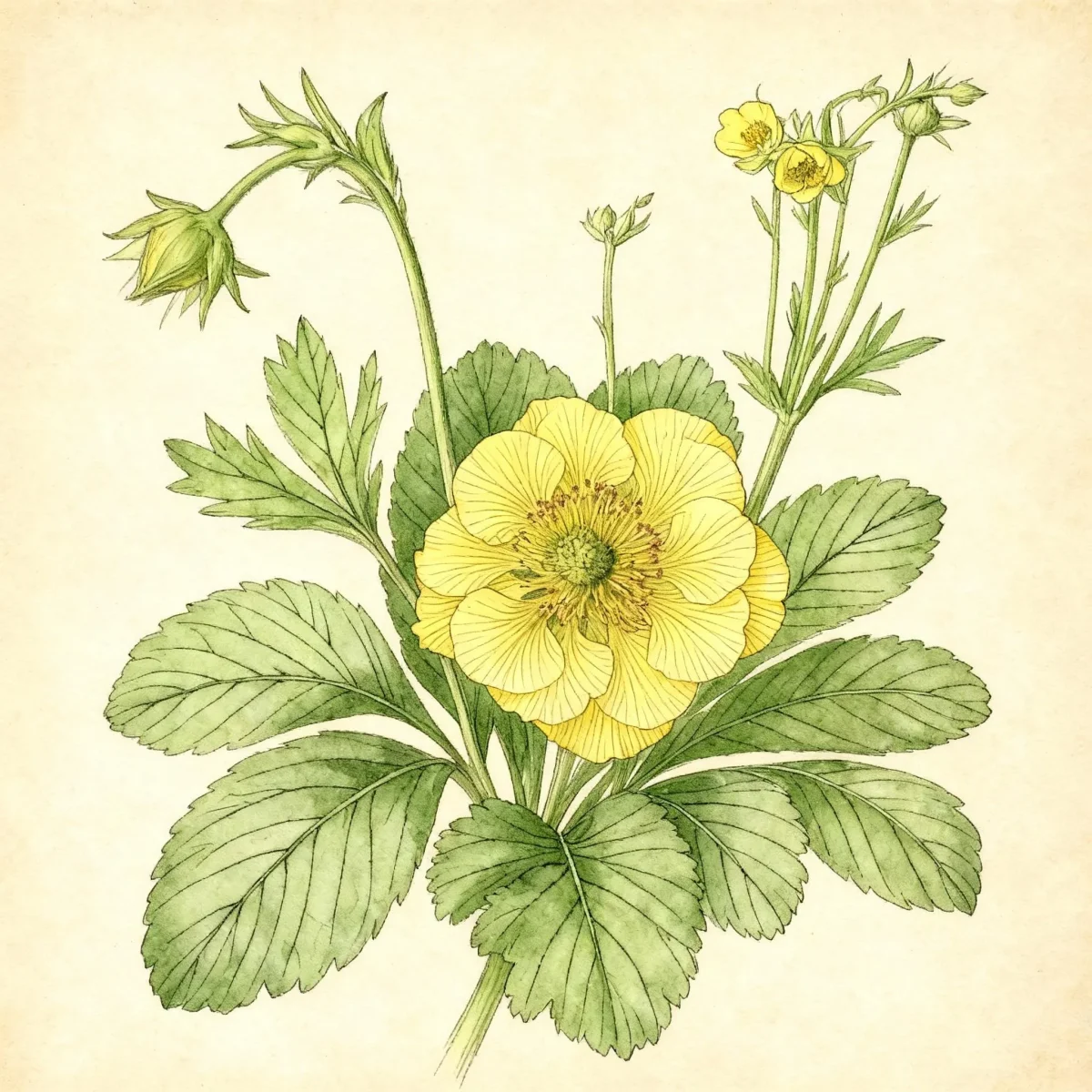
Geum 'Fire Storm' Avens boasts large, showy orange flowers from spring to early summer, perfect for borders.
Scroll down to discover growing tips, care requirements, companion plants, and more
Complete Plant Information
Overview
Geum ‘Fire Storm’ is a standout herbaceous perennial prized for its vigorous, upright habit and abundant, vibrant blooms. Discovered as a mutation, this variety offers gardeners a compact, continuous flowering display of rich orange hues that brighten the spring and early summer garden palette. As a variety of Avens, it brings reliable color and texture to perennial borders.
This cultivar is known for its large, double flowers with scarlet edges that mature to a slightly yellower orange, providing prolonged visual interest. Geum ‘Fire Storm’ maintains an evergreen appearance in milder southern climates, offering ground cover interest even when not in bloom. Gardeners across zones 5 through 9 will appreciate the low maintenance required to keep this striking plant thriving.
While highly rewarding, this Avens performs best when given adequate moisture and protection from the most intense summer heat, especially south of Zone 7. Successful cultivation of Geum ‘Fire Storm’ means balancing sun exposure with soil drainage to ensure longevity and spectacular annual performance.
Fast Facts
- Plant Family: Rosaceae
- Plant Type: Herbaceous perennial
- Hardiness Zones: USDA Zones 5-9
- Size at Maturity:
- Height: 1-1.5 ft
- Spread: 1-1.5 ft
- Bloom Time: April to June
- Bloom Description: Orange
- Sun Exposure: Full sun to part shade
- Water Needs: Medium
- Maintenance Level: Low
How to Grow
Plant Geum ‘Fire Storm’ in medium moisture, well-drained soils. It thrives equally well in full sun or slight part shade, though some afternoon shade offers welcome relief in the hottest summer climates. Ensure the planting location avoids wet, poorly drained areas, as soggy winter soil can prove fatal to this Avens.
Watering should be consistent to maintain medium soil moisture, particularly during dry spells. Fertilization is generally unnecessary if planted in fertile soil, as fertile soil is preferred for robust growth. Deadheading spent flowers is recommended early in the season to maximize bloom production. However, consider allowing some later blooms to fade naturally; their resulting fluffy seed heads provide aesthetic texture to the late summer garden.
Divide clumps in the spring every few years as needed to maintain plant vigor and prevent overcrowding. Foliage remains evergreen in southern regions, providing year-round visual structure. Gardeners must be particularly mindful of high heat and humidity, as the plants often struggle in conditions found far south of USDA Zone 7 requirements.
Landscape Uses
The manageable size and striking bloom color of Geum ‘Fire Storm’ make it an excellent anchor for mixed perennial borders, where its upright habit contrasts nicely with mounding or trailing plants. Its requirement for fertile, well-drained soil often suits it perfectly in cottage garden settings or structured beds where annual improvements occur.
Beyond traditional borders, this Avens excels when massed in rock gardens, providing a burst of fiery orange color among neutral stones. Furthermore, the foliage provides an attractive, low-growing ground cover effect once the main flush of spring bloom subsides, masking the often bare soil beneath taller neighbors.
Standout Features
Flower Qualities
- Showy
Noteworthy Characteristics
Geum is a genus of about 50 species from North and South America, Asia, New Zealand and Africa, with the genus name deriving from the classical Latin name for the group. ‘Fire Storm’ was introduced by Harini Korlipara of Terra Nova Nurseries as a delightful mutation found in Canby, Oregon. It presents as a compact, upright cultivar of Geum ‘Fireball’, featuring large, double flowers that transition from orange with scarlet edging toward a yellower orange, offering sporadic rebloom well into September.
Tolerances
Potential Problems
This Avens variety generally exhibits excellent resistance to serious insect or disease issues, making it a reliable choice for low-maintenance gardening. However, potential problems chiefly relate to environmental stress rather than pests. Geum ‘Fire Storm’ may prove short-lived if established in heavy clay soils that retain too much moisture, particularly through the winter months. Furthermore, intense, hot, and humid summers—especially in zones warmer than USDA Zone 7—can cause the plant to decline prematurely.
Management focuses on providing the correct site conditions: excellent drainage is non-negotiable. If the plant exhibits poor performance after its first year, re-examining the soil structure for compaction or poor drainage is the best remediation step. Preventative care means selecting a location that offers some reprieve from the hottest afternoon sun in borderline hardiness zones.
Frequently Asked Questions
What hardiness zones is Avens suitable for?
This cultivar, Geum ‘Fire Storm’, is reliably hardy in USDA Zones 5 through 9, offering a good range for many temperate gardens.
How large does Geum ‘Fire Storm’ grow?
This specific Avens variety is compact, typically reaching a height between 1 and 1.5 feet, with a similar spread of 1 to 1.5 feet wide.
When does Avens bloom?
Geum ‘Fire Storm’ begins flowering in April and typically continues its main display through June, with the potential for sporadic reblooming later in the season.
What sun exposure does Avens need?
This plant manages well in full sun, but for the best performance, especially where summers are hot, providing some part shade is ideal.
Conclusion
Geum ‘Fire Storm’ is an outstanding addition to any garden seeking reliable, vibrant color from a low-maintenance perennial. Its spectacular double orange flowers and tidy, upright habit confirm its status as a superior Avens cultivar. Before planting, confirm your garden falls within USDA Zones 5-9 and ensure the soil offers excellent drainage to enjoy this fiery performer for years to come.
Companion Planting
Selecting appropriate partners for Geum ‘Fire Storm’ centers on providing textural contrast and matching its cultural needs for medium moisture and bright conditions. Pair this vibrant Avens with plants that appreciate similar light levels, such as silvery foliage plants like Lamb’s Ears (Stachys byzantina) or pale blue/purple flowers like forget-me-nots (Myosotis) in spring. Early to mid-season companions like Siberian Iris or Oriental Poppies can share the border space effectively without overly competing for resources during the peak bloom time of Geum ‘Fire Storm’.
Consider placing shorter, emerging perennials around the base of Geum ‘Fire Storm’ to take over ground cover duty once the Avens foliage becomes less dense later in summer. Good choices include trailing Sedum or low-growing varieties of Geranium, which will help keep the soil cool and protect the roots from excessive heat buildup.
Seasonal Care Calendar
Spring preparation is vital for maximizing the display of Geum ‘Fire Storm’. As new growth emerges, clear away any old, spent foliage, especially if the plant looks ragged from winter. This is the ideal time to divide overcrowded clumps to refresh their vigor. In early summer, immediately after the main flush of orange blooms fades, deadhead spent flowers consistently to encourage rebloom through September.
During the summer heat, rigorous monitoring of water needs is key. While Avens prefers medium moisture, avoid overwatering, emphasizing consistent, deep watering only when the top inch of soil begins to dry out, especially limiting water during high humidity. In autumn, minimal work is required as cleanup is mostly automatic; leave some seed heads for winter interest if desired, and protect the evergreen foliage from harsh winter winds in colder zones.