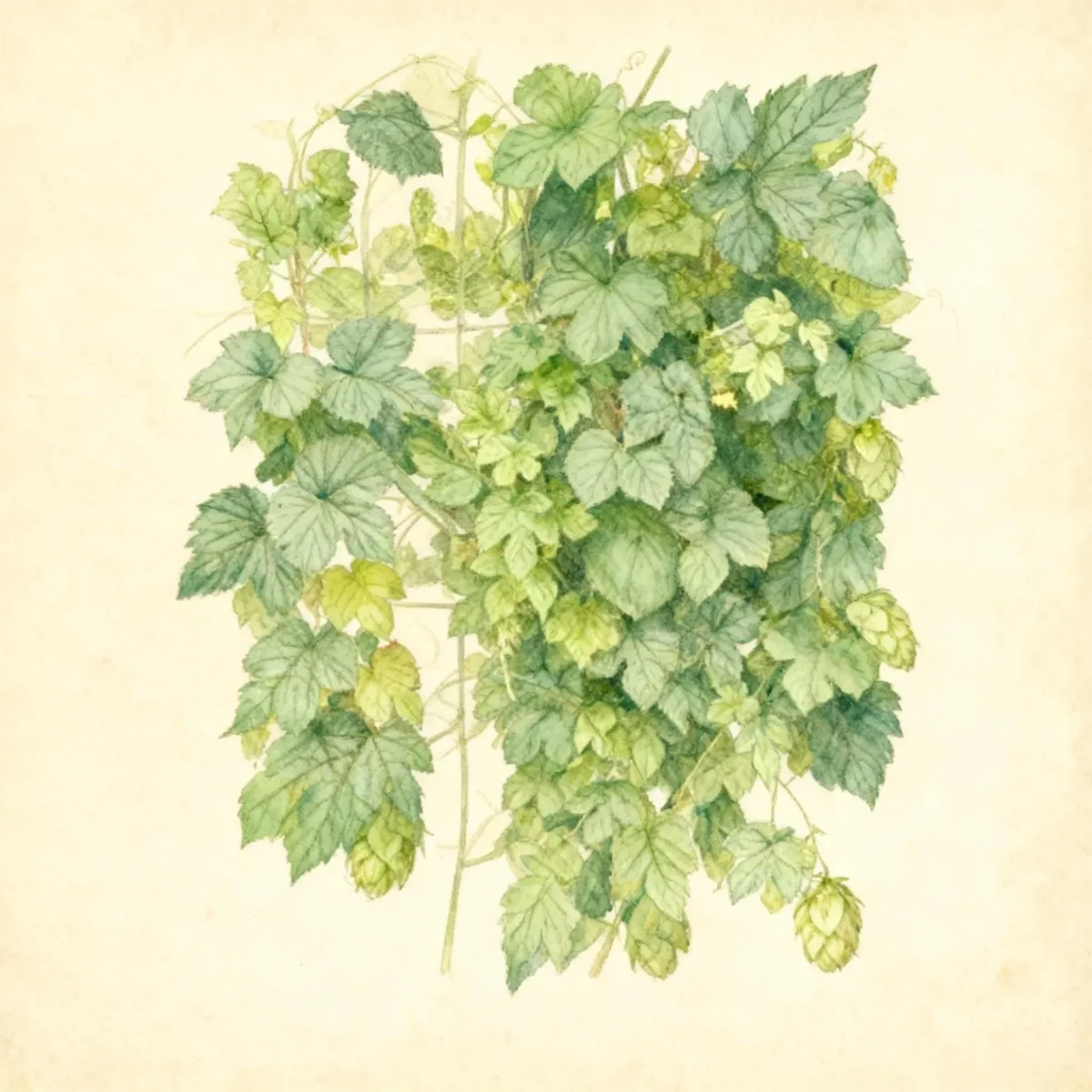
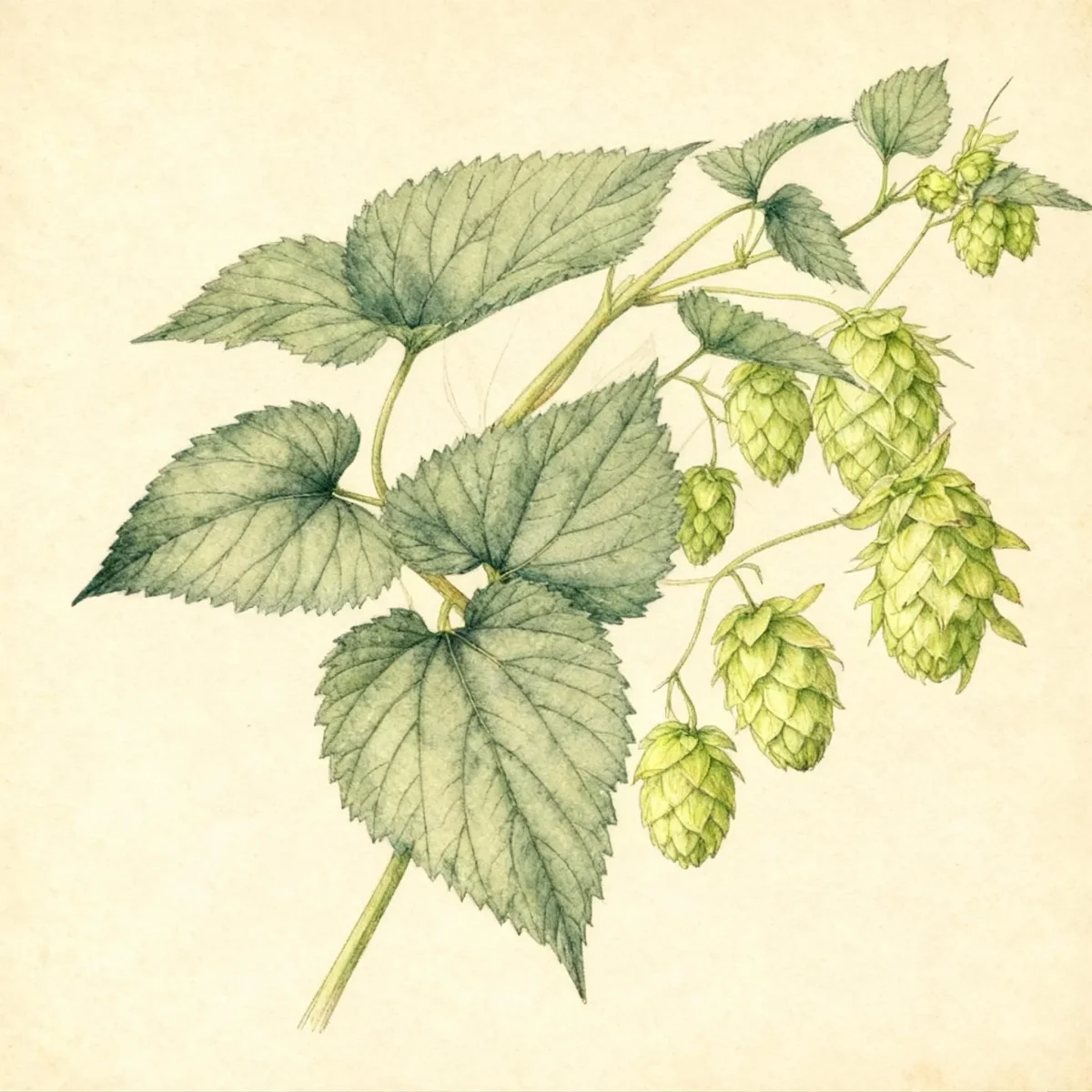
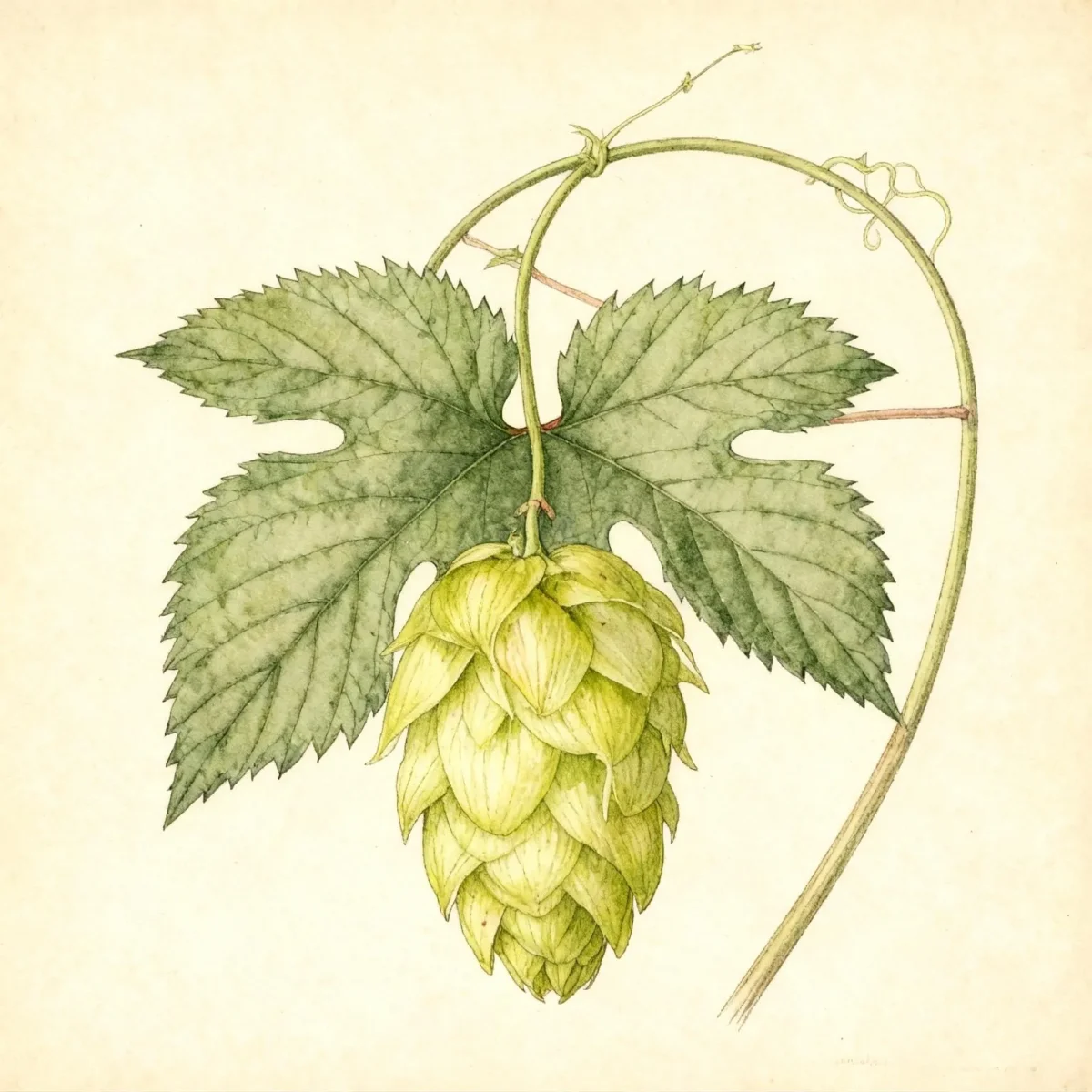
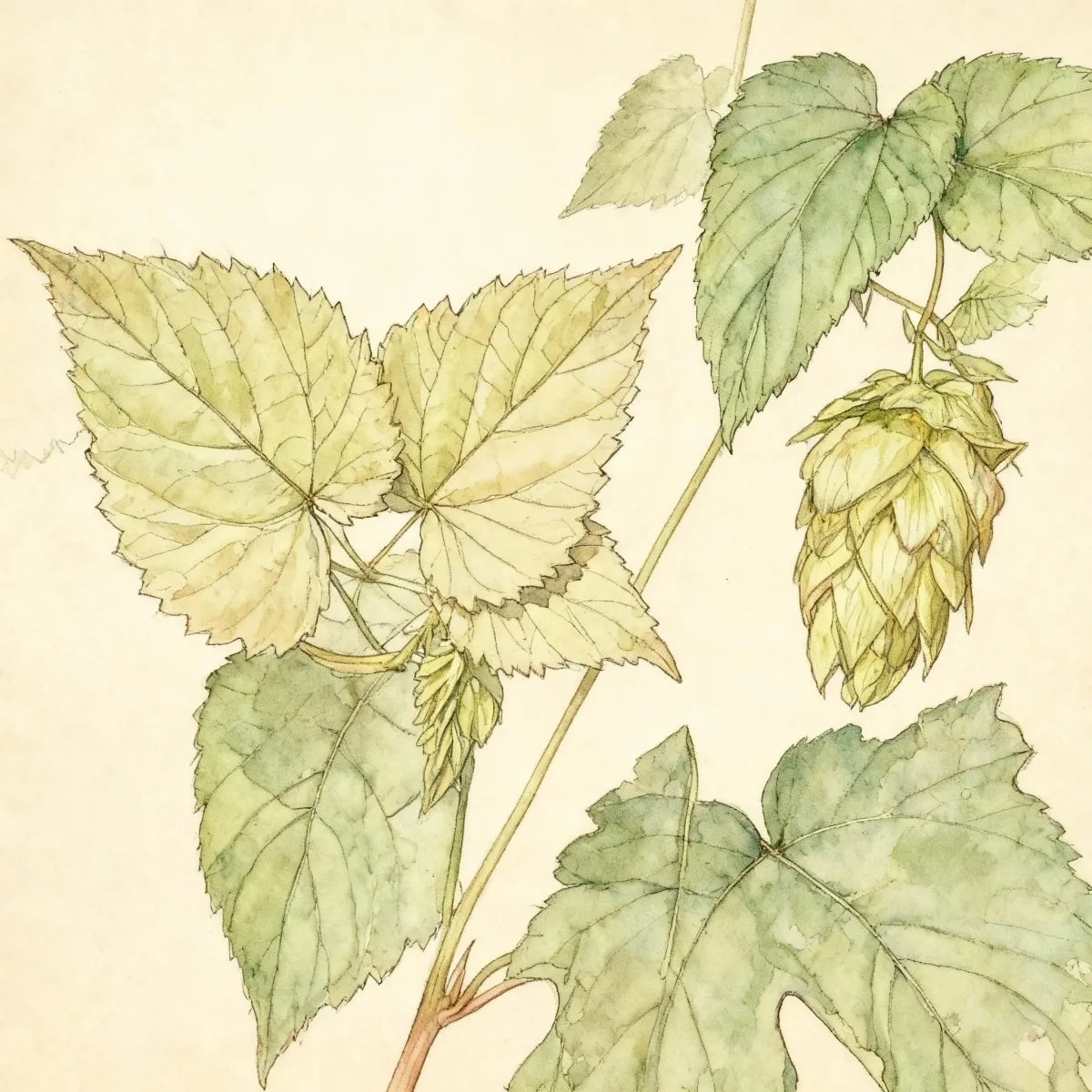
Common hop (Humulus lupulus 'Sumner' SUMMER SHANDY)
Humulus lupulus 'Sumner' SUMMER SHANDY is a golden-leaved Common hop vine noted for rapid growth, low maintenance, and vibrant ornamental value.
Scroll down to discover growing tips, care requirements, companion plants, and more
Complete Plant Information
Overview
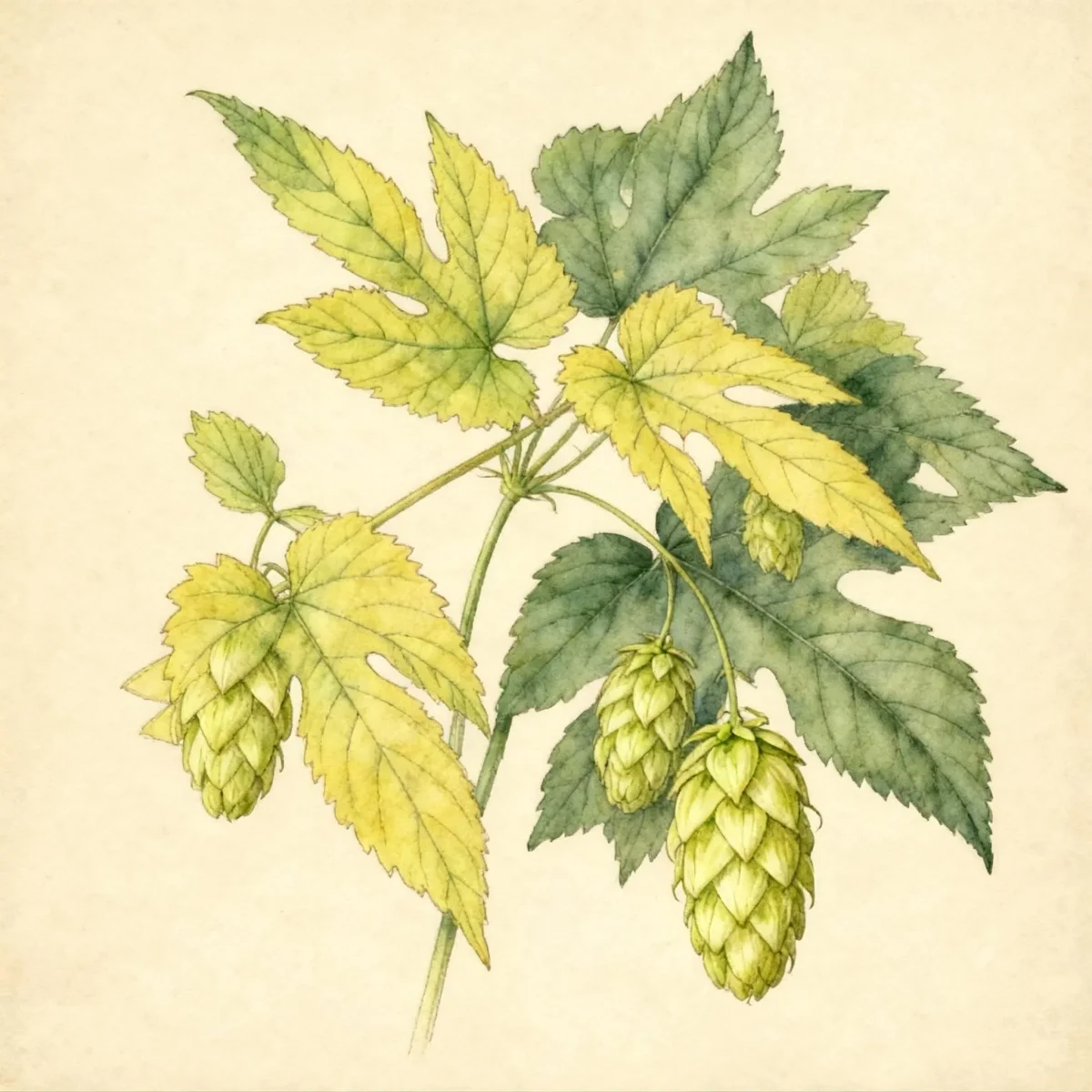
The Common hop, specifically the cultivar Humulus lupulus ‘Sumner’ SUMMER SHANDY, is highly valued in the modern landscape due to its exceptionally bright, golden-yellow foliage. This vigorous, perennial twining vine offers rapid coverage and dramatic textural contrast, making it far more than just a traditional brewing ingredient. It establishes quickly, dying back only to the roots each winter before sending up vigorous new growth come spring.
This variety, often traded under the name SUMMER SHANDY, excels as a fast-growing vertical accent. Unlike true hops grown for beer, the ‘Sumner’ cultivar is grown strictly for its ornamental appeal, lighting up shaded or partially shaded areas with its persistent golden color. Its fast growth pattern makes it an excellent choice for screening or quickly covering unattractive structures.
Gardeners should recognize Humulus lupulus ‘Sumner’ SUMMER SHANDY for its low maintenance needs once established. While related to species grown for commercial use, this specific plant offers unparalleled aesthetic returns for minimal effort, provided a strong support structure is available for its rapid ascent.
Fast Facts
- Plant Family: Cannabaceae
- Plant Type: Vine
- Hardiness Zones: USDA Zones 5-9
- Size at Maturity:
- Height: 5-10 ft
- Spread: 1.5-3 ft
- Bloom Time: September to October
- Bloom Description: White
- Sun Exposure: Full sun to part shade
- Water Needs: Medium
- Maintenance Level: Low
How to Grow
The best time to establish new Common hop plants is in the spring after the danger of hard frost has passed, allowing the perennial roots to settle before winter dormancy. Humulus lupulus ‘Sumner’ SUMMER SHANDY establishes well in average, well-drained soils, though it thrives best in consistently moist, rich ground. Ensure the planting site offers ample opportunity for vertical growth, as this is a vigorous climber.
Water needs are medium; while the vine prefers moist conditions, this cultivar exhibits some drought tolerance once established. Fertilization is rarely necessary, often being counterproductive as it can spur overly lush, floppy growth. The most critical requirement is a robust support structure—think sturdy trellises, pergolas, or strong wires—as the rough stems require something substantial to twine upon.
Since this vine is herbaceous, the stems die back entirely to the ground during the winter cold. Gardeners can safely prune the old stems back to the ground in autumn after a hard frost to clean up the area. New growth emerges reliably from the perennial crown each spring, showcasing the return of the golden foliage. Propagation is typically done via cuttings taken from the runners emerging from the crown.
Landscape Uses
The ornamental appeal of Humulus lupulus ‘Sumner’ SUMMER SHANDY far surpasses its historical use, positioning it as a versatile architectural plant. Its vivid golden foliage provides excellent, year-round contrast against the deeper greens of evergreen hedges or the finer textures of ferns and grasses. It is ideally suited for growing up trellises affixed to porches or arbors, creating fragrant, light-filtering outdoor rooms.
For gardeners needing swift vertical coverage, this Common hop makes an exceptional screen. Plant it near unattractive utility boxes, fences, or neighbor’s sheds to rapidly obscure these features with its dense, bright leaves. Consider incorporating it into a designated herb garden section, noting that while ornamental, it belongs to the same genus as beer hops.
When planting along borders, place this vine toward the rear, allowing it to climb vertically using its required support system. While it can be grown in large containers, ensure the pot size is adequate to support the substantial root system, especially if you expect it to reach its full height potential of 10 feet.
Standout Features
Flower Qualities
- Showy
- Fragrant
Noteworthy Characteristics
Humulus lupulus, commonly known as common hop, is a dioecious, rhizomatous, twining perennial vine that is grown commercially for harvest of female fruits which are used by breweries to preserve and flavor beer. It is also an easy-to-grow ornamental plant that can be grown on a variety of support structures. This vine is native to Europe, southwestern Asia and North America. Hops grown commercially in the U.S. Are the European variety which has now escaped cultivation and naturalized in many areas. Common hop grows rapidly each year to 15-20’ long on rough stems clad with lobed leaves. Yellow-green male flowers bloom in catkins. Female flowers and subsequent seeds are born in cone-like structures (strobiles) which mature in late summer to early fall. Strobiles are typically collected in September-October with the seeds dried for use in the manufacture of beer. Flowers emit a pine-like fragrance and are attractive to butterflies.Genus name comes from a Medieval name of the hop plant that has apparently been Latinized.Specific epithet means “small wolf”, in reference to one of this plant’s ancient common names: willow-wolf (it was found climbing over willow trees).’Sumner’, sold under the trade name of SUMMER SHANDY, is a yellow-leaved hop vine that is grown solely for ornamental purposes. Leaves emerge yellowish-green in spring, but quickly mature to an attractive golden yellow for the remainder of the growing season. Golden foliage provides excellent contrast and interest to garden areas and the landscape. This cultivar typically grows to 5-10’ tall with a spread to 2’ wide
Tolerances
- Drought
Potential Problems
The Common hop is generally robust, presenting few serious insect or disease challenges under proper care. The primary functional challenge is ensuring it always has a strong support structure upon which to climb, as unsupported growth will sprawl across the ground. A minor concern for sensitive individuals is the potential for skin irritation or dermatitis upon physical contact with the stems or leaves.
Preventing dermatitis involves simple care: wear gloves and long sleeves when handling or pruning the vine, especially when pruning stems back in the fall after growth has ceased. Ensure sturdy posts or wires are installed before the plant begins its rapid spring growth spurt to prevent tangled masses.
Frequently Asked Questions
What hardiness zones is Common hop (Humulus lupulus ‘Sumner’ SUMMER SHANDY) suitable for?
This variety performs best in USDA Hardiness Zones 5 through 9.
How large does Common hop (Humulus lupulus ‘Sumner’ SUMMER SHANDY) grow?
When given proper support, Humulus lupulus ‘Sumner’ SUMMER SHANDY typically reaches a height between 5 and 10 feet, with a spread of 1.5 to 3 feet wide.
When does Common hop (Humulus lupulus ‘Sumner’ SUMMER SHANDY) bloom?
This plant produces white flowers, generally visible from September into October.
What sun exposure does Common hop (Humulus lupulus ‘Sumner’ SUMMER SHANDY) need?
For optimal golden foliage color, plant this vine where it receives full sun to light part shade conditions.
Conclusion
The Humulus lupulus ‘Sumner’ SUMMER SHANDY offers low-maintenance drama through its highly contrasting, golden-yellow leaves and rapid vertical growth habit. This ornamental Common hop is an indispensable resource for gardeners seeking fast screening or vibrant textural accents. Before planting, verify that your location falls within Zones 5-9 and that you have a robust support system ready for this enthusiastic climber.
Propagation Tips
Propagating Humulus lupulus ‘Sumner’ SUMMER SHANDY is straightforward, relying primarily on vegetative means rather than seed, as this cultivar generally does not produce viable seed. The easiest method involves taking cuttings of the runners that emerge from the perennial crown. These juvenile shoots root readily when placed in a moist, well-draining medium during the active growing season.
Since the plant dies back annually, managing the parent material is simple. Wait until the plant is dormant in late autumn or early winter, then select healthy sections of the previous season’s growth or dig carefully around the crown in early spring to harvest sections of the rhizomatous roots or runners.
Cuttings should be taken with at least one node, planted immediately, and kept consistently moist. This ensures the new Common hop vine retains the desirable golden foliage characteristics of the parent plant, providing a genetic clone ready for the next growing season.
Wildlife Benefits
While the primary appeal of Humulus lupulus ‘Sumner’ SUMMER SHANDY is ornamental, its parent species has documented value for pollinators. The flowers, which appear in late summer, emit a pine-like fragrance attractive to various butterfly species. Planting this vine allows you to harness that attraction while enjoying the stunning foliage display.
Though focused on foliage rather than fruit production, providing this dense vertical habit offers excellent shelter. The numerous stems and leaves create complex cover for nesting birds and beneficial insects seeking refuge in the garden throughout the summer months.
As an easy-to-grow vine, it serves as wonderful living architecture, integrating structure into the garden ecosystem that benefits local fauna seeking climbing opportunities.